The Simple June Task Most Kentucky Gardeners Forget About Daylilies
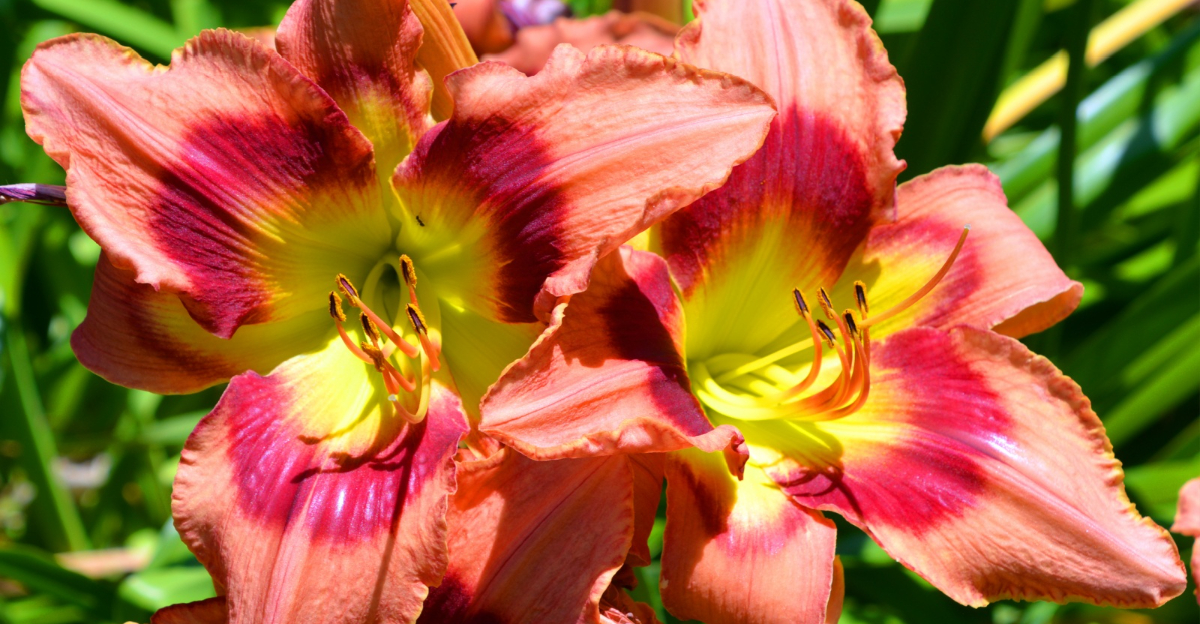
Your Kentucky garden looks defeated by sunrise, and you haven’t touched a single plant. Soggy, blackened blooms press against plump, healthy buds like wet newspaper clinging to a window.
The whole bed looks neglected, but it isn’t. You simply skipped cleanup for five days.
Daylilies are quietly unforgiving that way, because each bloom lives exactly one day and fades by sunset.
After that, it works against everything growing beside it, turning sticky, heavy, and smothering against nearby buds.
So here’s the question nobody asks until it’s too late: what’s quietly wearing down your best blooms right now?
Across Kentucky, gardeners lose entire flower cycles to this one overlooked step, and the setback is stunning every single time.
Skip it and your plants lose momentum fast. Catch it and you unlock an impressive wave of color that makes every passerby stop walking and stare. Your pruners are about to become your most powerful tool.
June Is Peak Bloom Season
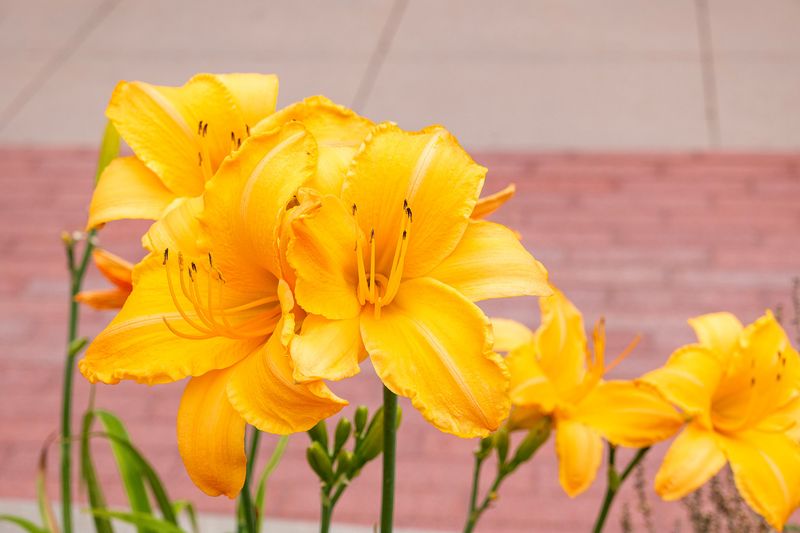
Your garden hits its golden hour in June. Daylilies fill with color, and every stem puts on a strong show.
Each bloom opens for exactly one day, then closes by evening. That fast turnaround is what makes removing so important this month.
Miss a few days of cleanup, and spent blooms pile up fast. That buildup sends the wrong signal to your plant.
When old flowers linger, the plant shifts its energy toward making seeds. You lose bloom power because the plant thinks its job is done.
Staying on top of things in June means your daylilies keep producing new buds. The plant stays focused on flowering instead of setting seed.
Think of June as the month that sets the tone for your whole season. A little daily effort now pays off with weeks of extra color.
Daylilies in Kentucky face heat and humidity that speed up bloom decay. Acting fast keeps your garden looking sharp and your plants performing well.
The simple June task most Kentucky gardeners forget about daylilies is easy to fix once you know what to look for. Start checking your plants every morning and the results will surprise you.
Remove In The Morning After Blooms Have Fully Wilted
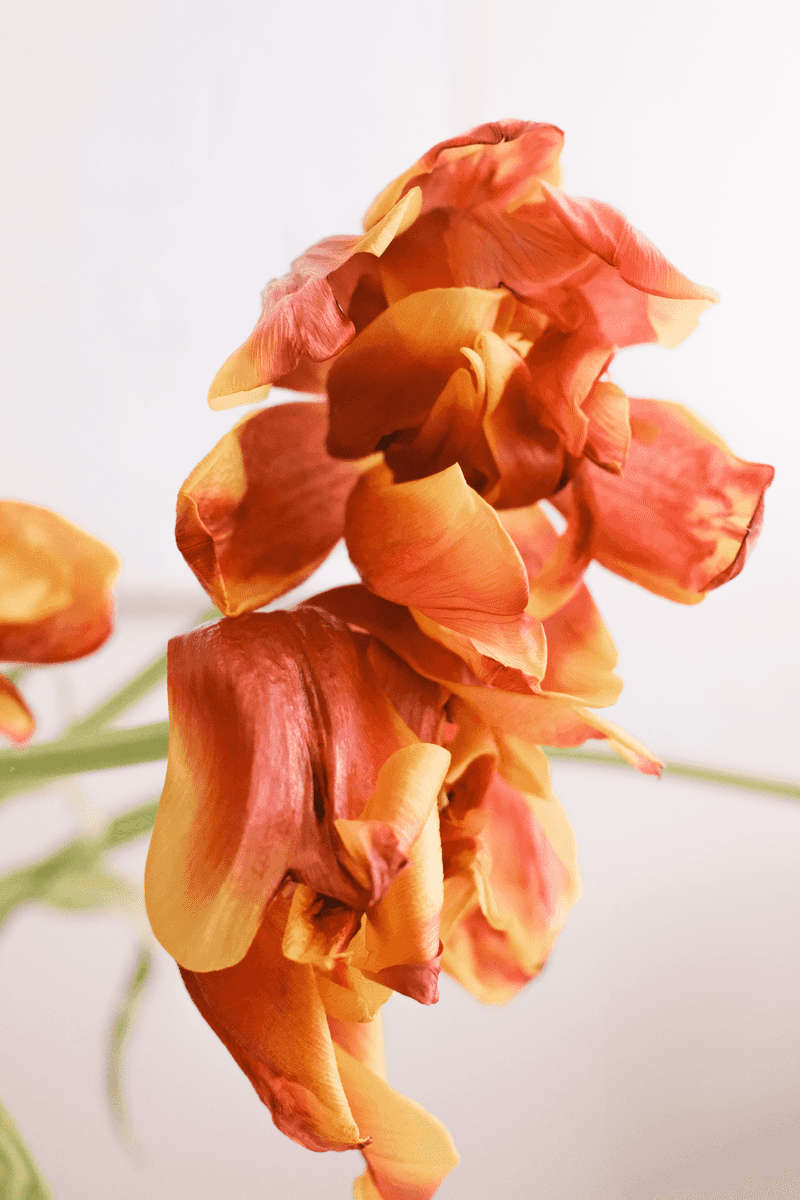
Morning is the best time to walk your daylily beds. The air is cool, the light is soft, and yesterday’s blooms are clearly finished.
A spent daylily looks unmistakable up close. The petals collapse inward and turn papery, almost translucent in the early sun.
Waiting until the bloom fully wilts makes removal cleaner. You get a clear grip on the base without disturbing buds still opening nearby.
Trying to remove blooms too early causes problems. You risk bumping healthy buds or tearing the scape before the flower is truly done.
Morning removal also helps with debris control. Wilted petals dry out overnight, so they come off more cleanly than wet afternoon blooms.
Make it a ritual with your morning coffee. Walk the garden, pull spent flowers, and enjoy the quiet before the day heats up.
Your Kentucky Garden Changes Every Week. Your Plan Should Too.
Gardening in Kentucky changes quickly throughout the season. Every Friday you’ll receive a simple weekly plan showing exactly what to plant, prune, fertilize, harvest, and protect so you never miss the right timing.
This habit takes about five minutes for an average-sized bed. Consistency matters more than perfection when managing daylilies through the season.
The simple June task most Kentucky gardeners forget about daylilies starts right here at sunrise. Build this one habit and your whole garden routine gets easier from day one.
Remove The Entire Flower At The Base, Not Just Petals
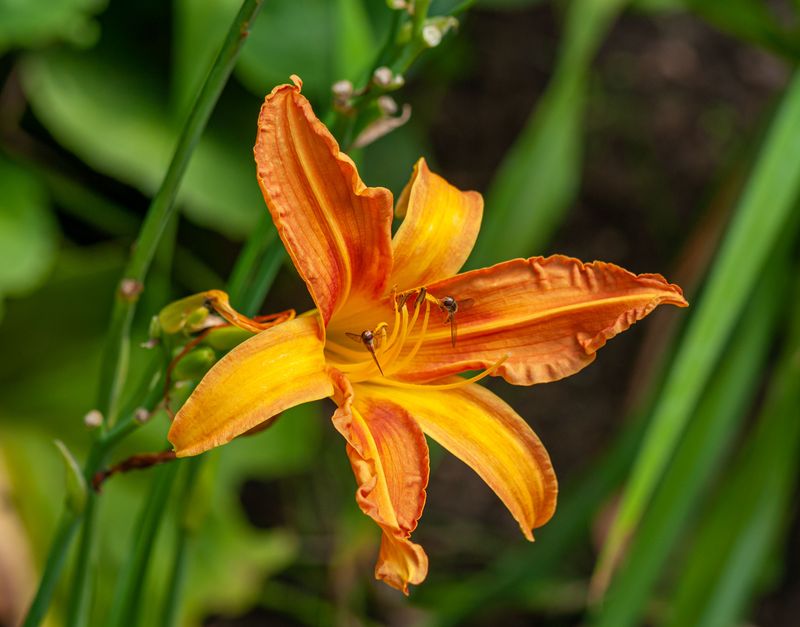
Pulling off just the petals feels satisfying, but it leaves the job half done. The ovary at the base stays attached and starts forming a seed pod.
That leftover base is a small green nub right where the bloom meets the stem. It does not look like much, but it matters a lot.
When that nub stays on the scape, the plant starts pushing energy into seed production. Bloom count drops because the plant thinks it has already succeeded.
Pinch or snap the entire spent flower off at the base. You want to remove the petals and that little swollen base all at once.
Some gardeners use their fingers, others prefer small snips. Either method works as long as you get the whole flower head cleanly removed.
Check your work by looking at the scape after removal. You should see a clean break with no green bump left behind.
This one detail separates experienced daylily growers from beginners. Most people do not realize the ovary is the part that matters most.
Skipping this step wastes all your other morning effort. Get the whole flower off cleanly, and your plants will stay in full bloom mode all season long.
Leave All Unopened Buds Intact On The Scape
One wrong snip can cost you a week of blooms. Each scape holds multiple buds at different stages, and not all of them are done.
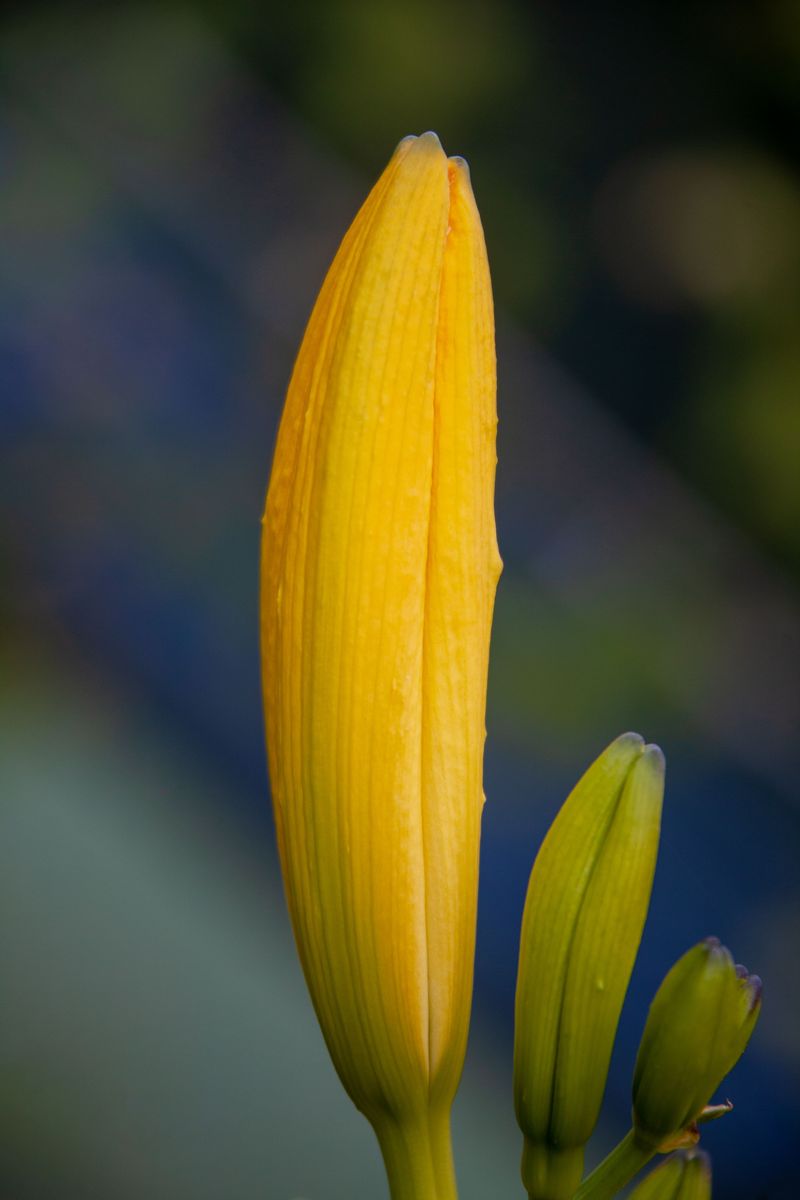
Unopened buds look firm and green, sometimes with a hint of color peeking through at the tip. Those are your next blooms waiting to open.
When removing spent flowers, slow down and look carefully at the scape. Identify exactly which part is the old bloom before you pinch anything.
New gardeners sometimes accidentally remove buds along with spent flowers. Moving too fast in the garden causes that mistake more than anything else.
Hold the scape steady with one hand while you remove the bloom with the other. That small step protects the buds right next to the one you are pulling.
A single scape can hold several buds depending on the variety, with some cultivars producing many more. Each one represents another day of color in your garden.
Protecting those buds means protecting your bloom count for the next week. Treat each unopened bud like a small gift that has not been unwrapped yet.
Patience pays off when working around healthy buds on a scape. Careful hands and a slow pace keep your daylily bed looking full and lively all month.
Clear Sticky Petal Debris From Nearby Buds
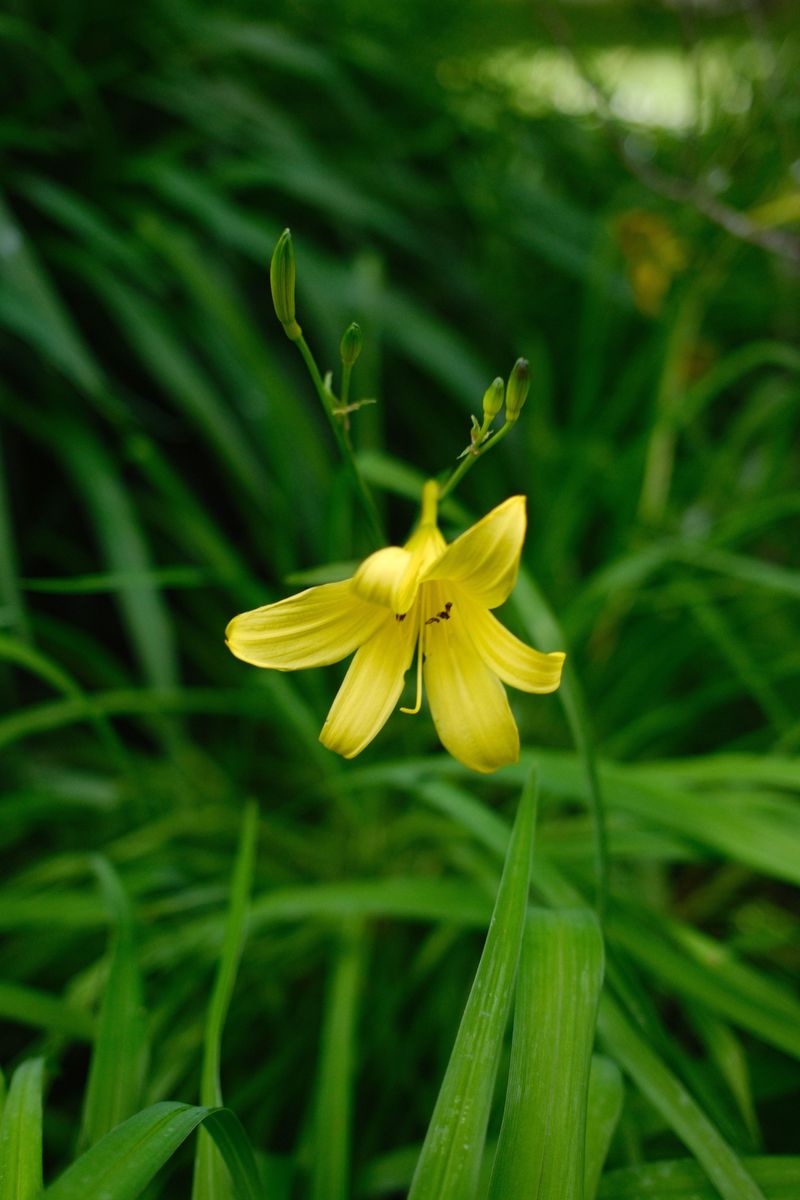
Old petals do not always fall cleanly away from the plant. Sometimes they collapse and stick directly onto the buds right next to them.
That sticky contact is a real problem. Trapped moisture under a petal creates the perfect setup for fungal issues on tender buds.
After you remove a spent bloom, take a second to look at the neighboring buds. Check whether any petal fragments clung to them during removal.
A gentle brush with your fingertip is usually enough to clear debris. You do not need any tools for this step, just a little attention.
Daylilies in humid climates are especially vulnerable to this issue. Kentucky summers bring thick air that makes petals stick and stay instead of drying out quickly.
Sticky debris also attracts insects and holds onto fungal spores. Clearing it off takes seconds but protects your plant from bigger headaches later.
Think of this step as a quick quality check on your work. After every spent bloom comes off, scan the nearby buds before moving on.
Clean buds open more easily and look better when they finally bloom. This tiny habit keeps your daylily bed healthy and your blooms arriving on schedule all season.
Cut The Entire Stalk To The Base Once All Buds Finish
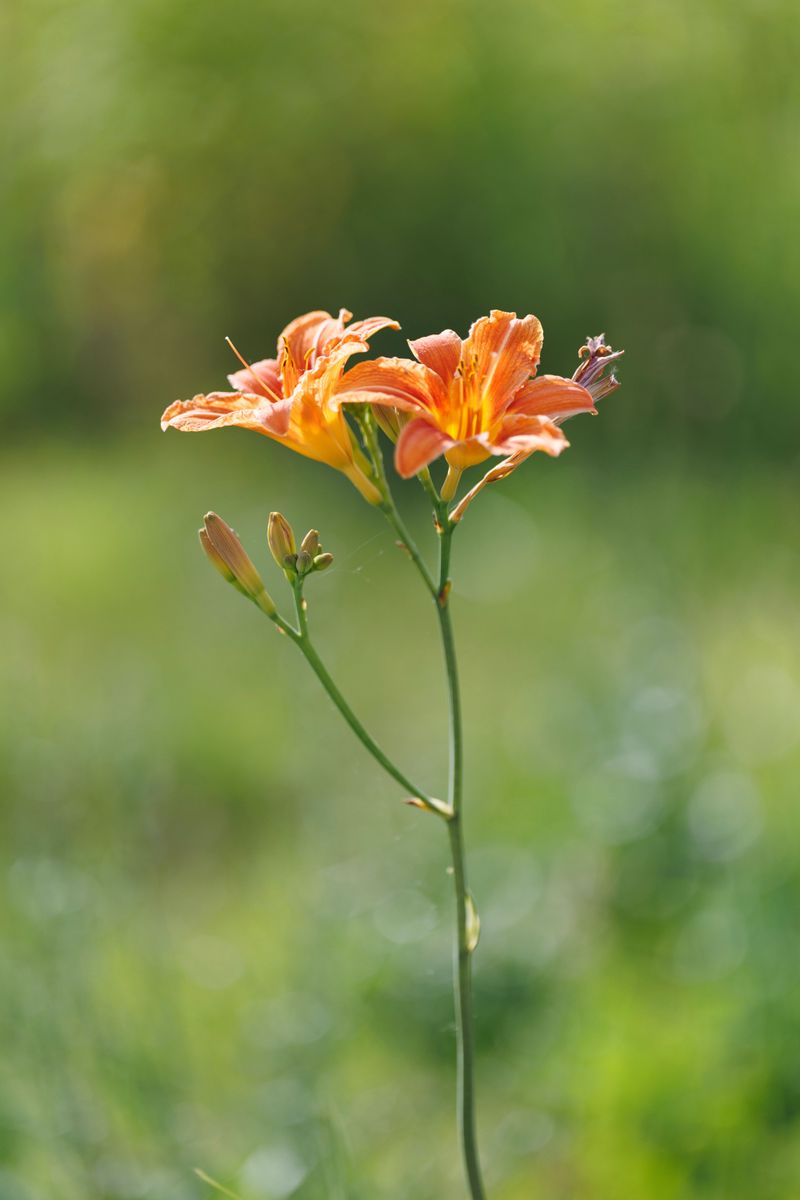
Once every bud on a scape has bloomed and been removed, that stalk is done. It will not produce any more flowers no matter how long it stays up.
An old, empty scape looks brown and scraggly against the fresh green foliage below. Leaving it standing just clutters the bed and adds no value.
Cut the entire stalk down to the base of the plant using clean pruners. Aim for a cut close to the crown without digging into it.
Removing finished scapes redirects the plant’s energy back into the root system. Stronger roots mean more scapes and more blooms in the seasons ahead.
Some gardeners wait until the scape turns completely brown before cutting. Acting sooner is actually better because the plant stops wasting resources on a finished stem.
A tidy bed also makes it easier to spot new scapes emerging from the crown. You can track bloom progress much better without old stalks in the way.
This step transforms the look of your garden almost instantly. One pass through the bed with pruners and everything looks intentional and well-kept.
Your daylilies will push out new growth faster when finished scapes are gone. Cutting them back is one of the most rewarding steps in the whole simple June task process.
Clean Pruners Between Plants To Prevent Disease
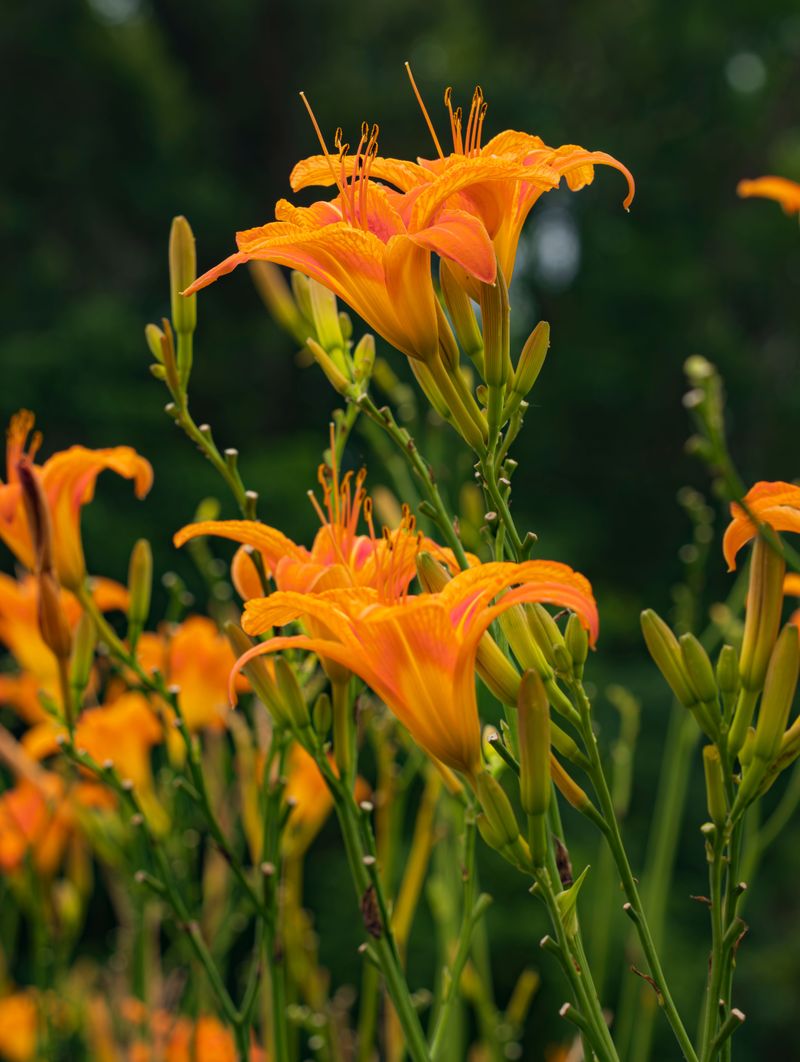
Your pruners are tools, but they can also be carriers. Moving from plant to plant without cleaning them spreads fungal spores and bacteria fast.
Daylily rust and leaf streak are two common issues in humid climates. Both travel easily on contaminated blades between healthy plants.
Keep a small spray bottle of rubbing alcohol in your garden trug. A quick spritz and wipe between plants takes less than ten seconds.
Some gardeners use a bleach-and-water solution instead of alcohol. A ten-to-one water-to-bleach ratio works well and is easy to mix ahead of time.
Wipe the blades with a clean rag or paper towel after spraying. You do not need to soak the pruners, just sanitize the cutting surface.
This habit matters most when you notice any yellowing or spotting on foliage. Diseased plants should be the last ones you work on during any garden session.
Sharp, clean pruners also make better cuts that heal faster. Dull or dirty blades crush tissue and leave ragged edges that invite infection.
Keeping your tools clean is the final piece of the simple June task most Kentucky gardeners forget about daylilies. Healthy tools mean healthy plants, and healthy plants mean a garden that keeps giving all summer long.