Why Georgia Crape Myrtle Bark Peels And Fall Makes It Easier To Notice
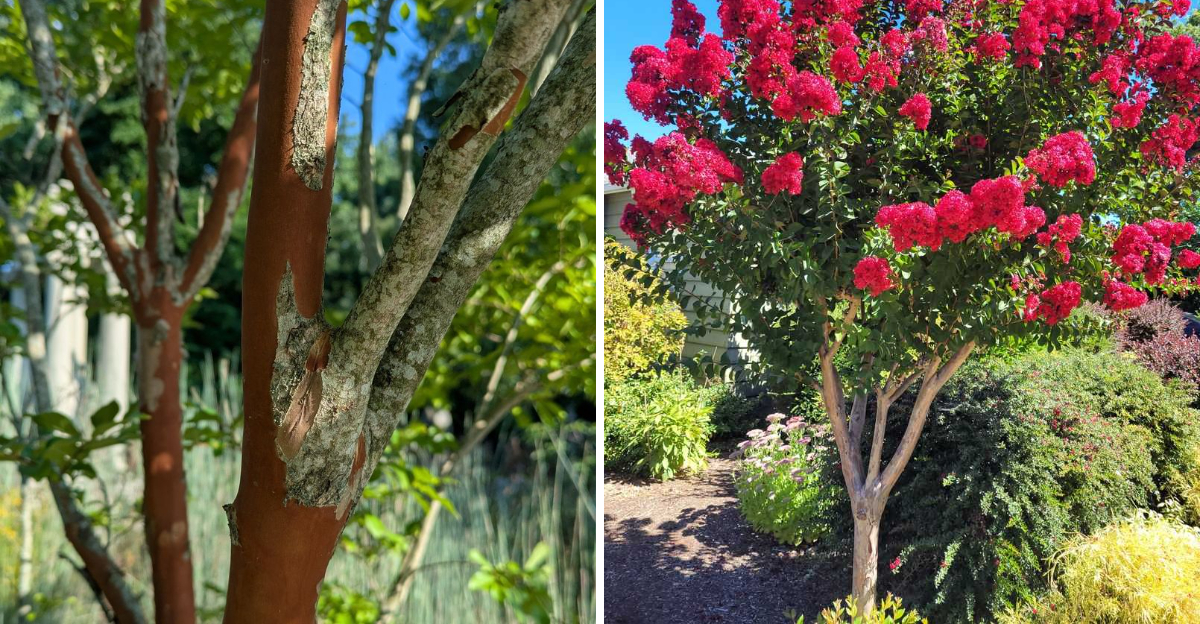
Peeling bark can make a healthy crape myrtle look like something has gone wrong, especially when fresh patches suddenly appear along the trunk. Resist the urge to treat it as damage.
That changing bark is often part of what makes mature crape myrtles so distinctive.
As older outer layers loosen, smoother bark underneath becomes visible and creates the mottled trunks these trees are known for. Georgia homeowners may notice the effect more clearly as fall approaches.
Once you recognize the pattern, the peeling becomes much less concerning.
The important part is knowing how normal shedding differs from signs that actually deserve attention. Look beyond the loose bark before deciding your tree needs help.
Understanding this natural process can save you from unnecessary treatments while letting one of the tree’s best seasonal features stand out.
1. That Peeling Trunk Usually Is Not A Sign Of Trouble
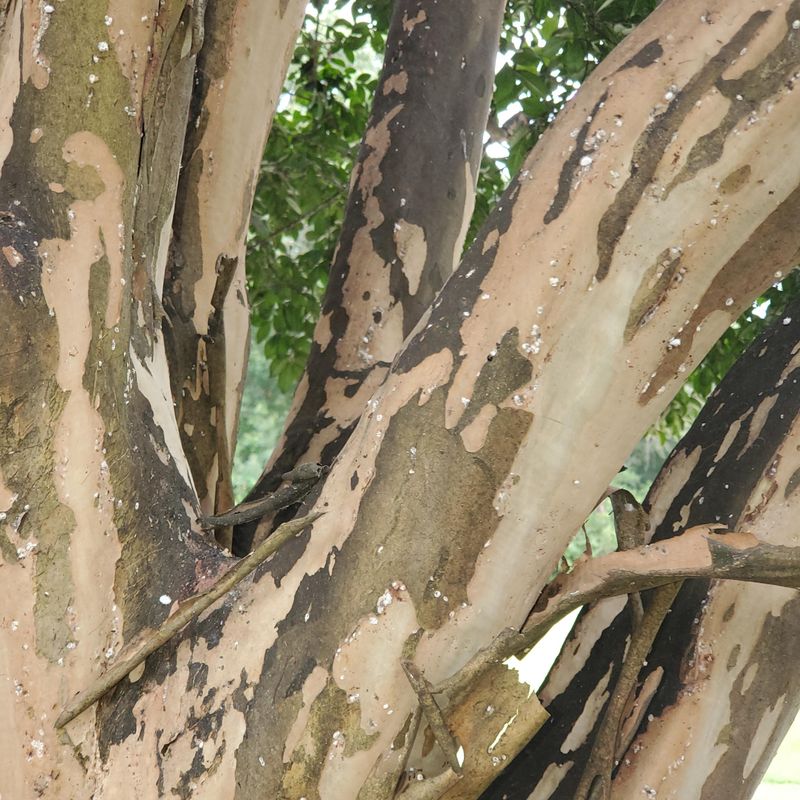
Peeling bark worries more Georgia homeowners than almost any other crape myrtle habit.
Strips curl loose from the trunk, then drop into the mulch below. The wood underneath looks bare and slightly damp in color.
Nothing has gone wrong.
Bark shedding is part of normal growth for this species. Trunks widen each year, and the old outer layer cannot stretch along with them.
Check the wood before you worry.
Healthy exposed bark feels firm, smooth, and dry to the touch. Color varies by cultivar, running from pale tan to cinnamon brown.
Real trouble looks different.
Soft spots, oozing wounds, or sawdust at the base deserve a closer look. Mushy bark or fungus shelves growing from the trunk also point to actual damage.
Peeling alone rarely does.
Trees can shed bark year after year while blooming heavily each summer. Growth and flowering tell you far more than trunk texture ever will.
One helpful habit: snap a phone photo of the trunk each September.
Comparing pictures season to season shows what normal looks like on your own tree. Memory alone tends to exaggerate.
Weather plays a role too.
After a wet spring, trunks often gain girth faster, and the shedding can look heavier that fall. Drought years may shift the timing somewhat.
Watch the leaves and blooms for the clues that matter.
A tree that flowers well, holds green foliage, and pushes new shoots is doing fine, peeling trunk and all.
2. Crape Myrtles Naturally Shed Their Outer Bark
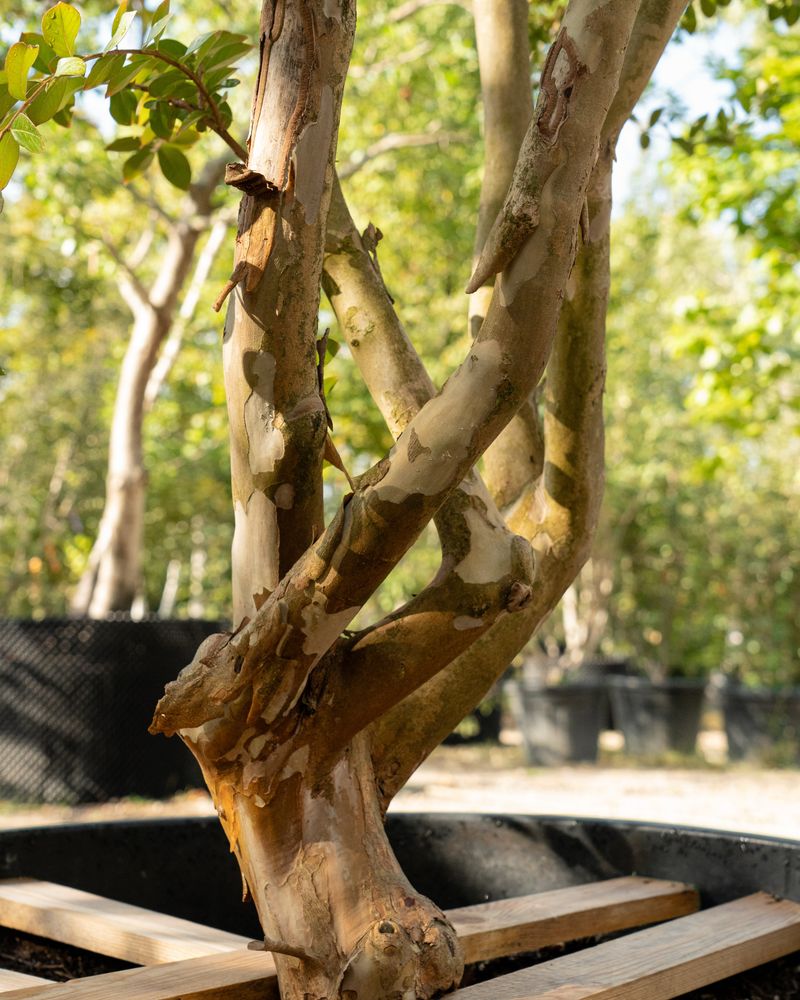
Think of the trunk as a jacket that stopped fitting.
Crape myrtles add width every growing season. Old outer bark has no stretch, so it splits and lifts away.
Sycamores, river birch, and paperbark maple behave the same way.
Shedding usually starts low on the trunk and works upward. Larger limbs join in once they thicken enough.
Peeling picks up as summer heat fades across Georgia yards.
Young trees may peel lightly or barely at all. Shedding tends to become obvious once trunks reach two or three inches across.
Age matters more than fertilizer here.
Pushing extra nitrogen to force growth will not improve bark color. Overfeeding usually brings leafy stems and fewer flowers instead.
Your Georgia Garden Changes Every Week. Your Plan Should Too.
Gardening in Georgia changes quickly throughout the season. Every Friday you’ll receive a simple weekly plan showing exactly what to plant, prune, fertilize, harvest, and protect so you never miss the right timing.
Watering deserves more attention than feeding.
Deep soaks during dry stretches support steady trunk growth. Shallow daily sprinkling does little for an established tree.
Rake or blow the fallen strips if they bother you.
Shed bark is mostly dry fiber and breaks down slowly. Tossing it into a compost pile works fine.
One caution about tidying: resist scrubbing the trunk with a stiff brush.
Fresh bark stays tender for weeks. Scraping bruises it and leaves marks that can linger a season or two.
Left alone, the trunk smooths out on its own schedule.
Some years the shedding looks dramatic, other years hardly noticeable, depending on growth rate and rainfall.
3. Some Varieties Peel Much More Than Others
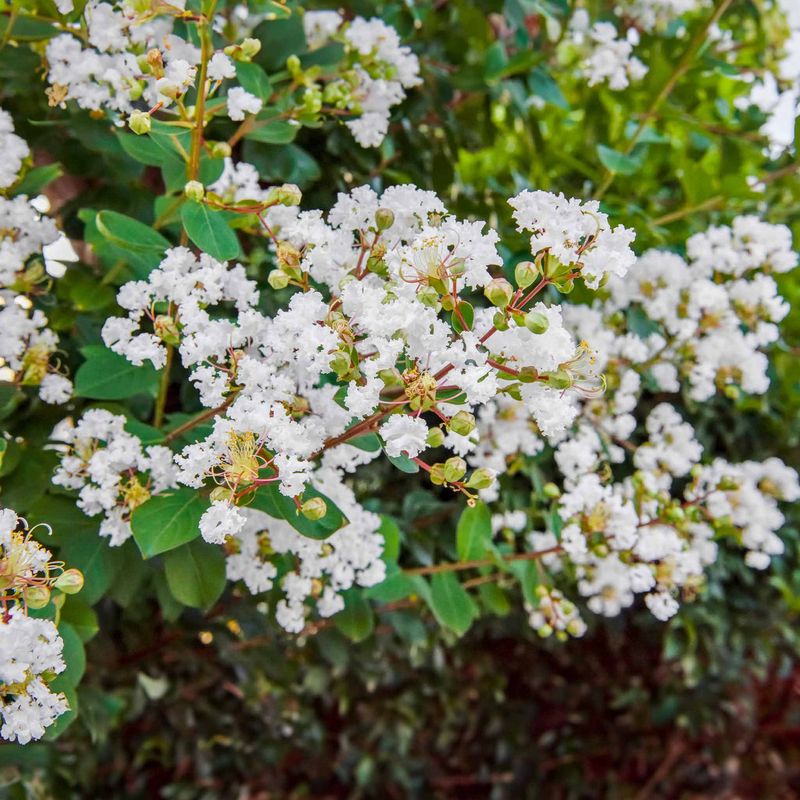
Not every crape myrtle puts on the same bark show.
Cultivar genetics drive most of the difference. Some peel in wide sheets, others flake in bits you barely notice.
Natchez stands out for smooth cinnamon trunks.
Muskogee, Sioux, and Tuscarora also shed noticeably as they mature. Dwarf types grown as low shrubs tend to show much less.
Several well known cultivars trace back to breeding work at the U.S. National Arboretum.
Those hybrids carry Lagerstroemia fauriei in their background, a species valued for attractive bark. Bloom color often gets the credit, but trunk quality came along with it.
Growth habit matters as well.
Trees allowed to reach full height build thick trunks that peel heavily. Plants chopped back hard every year keep resprouting and rarely develop that bark.
Both extremes show up on the same Georgia street.
Ask about bark before you buy.
Nursery tags focus on flower color and mature height, not trunk color. Looking at older specimens in a display bed tells you more.
Multi-trunk forms display more bark than single-stem trees.
Three to five trunks give you several patterns at once. A single trunk reads cleaner and fits tight spaces better.
Bark quality is not a health rating.
A lightly flaking dwarf variety can be perfectly vigorous. Heavy shedding reflects breeding and trunk size, not better care.
Mildew resistance is often a smarter shopping question in humid summers.
4. Fall Makes The Changing Trunk Easier To Notice
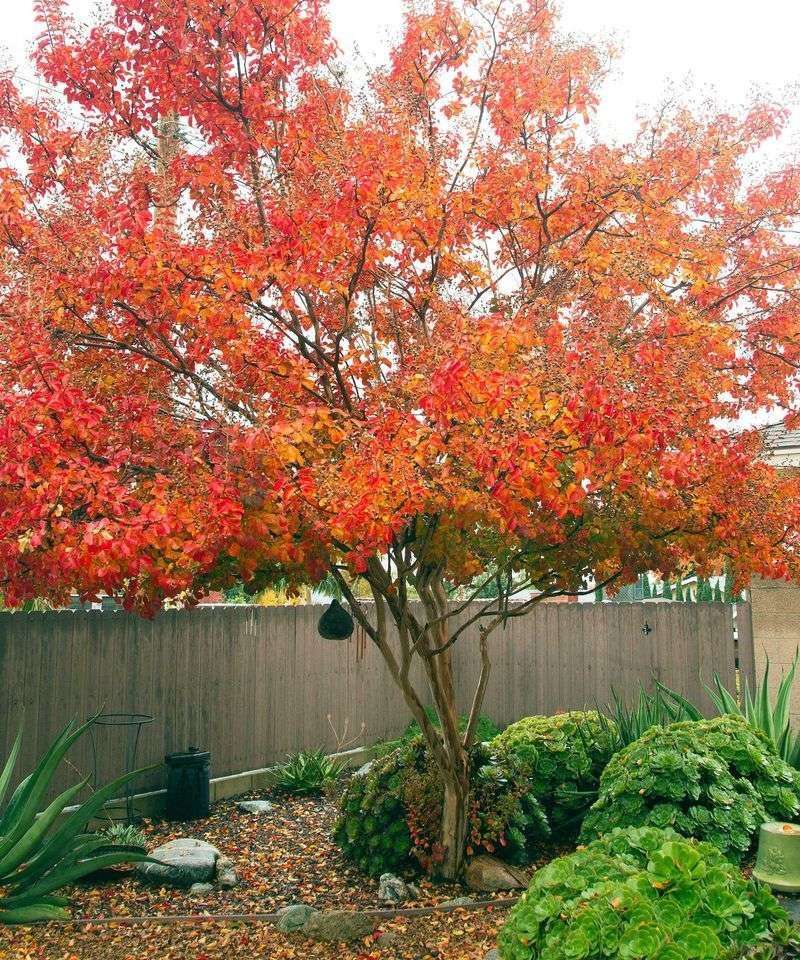
Timing is why fall gets the credit.
Peeling often begins in summer, hidden behind full leaves and heavy bloom clusters. Once foliage thins, the trunk becomes hard to miss.
Leaf drop across Georgia usually runs from late October into November.
Cooler nights turn crape myrtle leaves orange, red, or yellow. Bare stems follow within a few weeks.
Yard cleanup plays a part too.
Raking season puts you right beside the trunk with time to look. Strips of loose bark turn up in the leaf pile.
Light angles shift as well.
Low autumn sun rakes across the trunk and highlights every ridge and color change. Overhead summer light flattens that same texture.
Run a quick inspection while you are out there.
Look for holes, oozing spots, or bark that feels spongy under light pressure. Firm, dry wood beneath the peel is what you want to find.
Autumn also works well for planting.
Roots settle during cool weather without heat stress. Spring planting works too, though it demands closer attention to watering.
Hold off on heavy pruning until late winter.
February cuts let you see branch structure clearly. Pruning in fall can push tender growth right before cold weather arrives.
Bark shedding does not follow a strict calendar.
Warm autumns can stretch the process into December. Dry seasons may slow it, and both fall within a normal range.
5. Fresh Bark Underneath Creates A Mottled Look
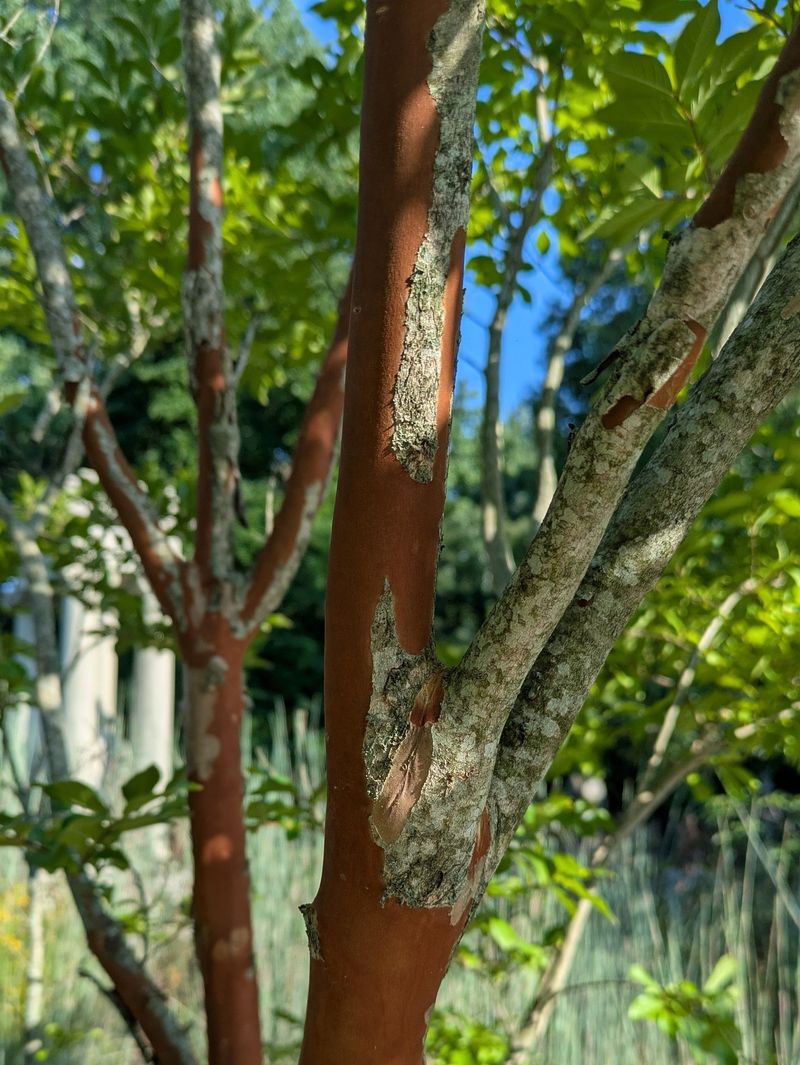
Patchwork trunks are the payoff for all that mess.
New bark arrives in shades of gray, tan, cinnamon, and cream. Patches overlap while older pieces hang on, creating that camouflage effect.
Nurseries around Georgia often sell certain cultivars mainly for trunk color.
Natchez shows cinnamon brown that lightens with age. Tuscarora and Sioux lean toward warmer tan tones.
Color settles in over a few weeks.
Freshly uncovered bark starts pale, then darkens with sun exposure. Rain and shade nudge the final shade as well.
Winter is when the effect really pays off.
Bare branches let the trunk take center stage from December into February. A dark mulch ring makes the pattern stand out even more.
Placement helps you enjoy it.
Trees set near a walkway, patio, or driveway put the bark at eye level. Uplighting at night turns a multi-trunk specimen into a focal point.
Pruning choices affect the show too.
Removing low twiggy growth and root suckers exposes more trunk surface. Keeping three to five main trunks usually looks better than a crowded clump.
Skip the pressure washer.
Blasting a trunk can tear tender new bark and strip it unevenly. A soft rinse from the hose handles dust just fine.
Expect variation between trees, even within the same cultivar.
Soil, light, and age all shift the coloring. Two trees planted the same week may look different by year five.
6. White Bumps And Black Coating Point To A Different Problem
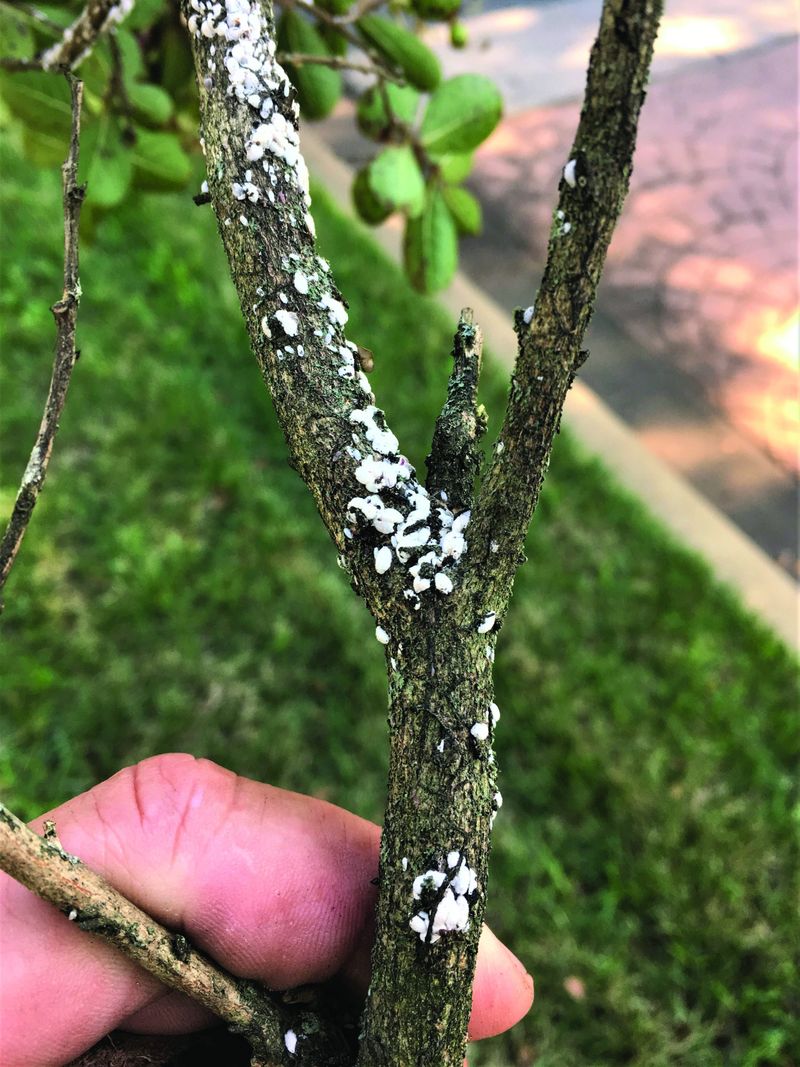
White, felt-like bumps on the bark tell a different story.
Crape myrtle bark scale settles on trunks and branch crotches. Crushing one bump often leaves a pink smear on your finger.
Black film on the trunk is the second clue.
Scale insects excrete sticky honeydew, and sooty mold grows on it. Trunks and lower leaves can look almost painted black.
Georgia landscapes have dealt with this pest since it spread through the Southeast.
Damage starts out mostly cosmetic.
Heavy infestations can reduce blooming and slow growth over time. Affected trees usually hang on but look rough.
Washing helps more than people expect.
A soft brush with mild soapy water lifts off scale and much of the mold. Work gently so new bark stays intact.
Soil drenches are the common next step.
Products containing dinotefuran or imidacloprid, applied in spring, are widely recommended for bark scale. Follow label rates and timing exactly.
Treating after bloom helps protect pollinators.
Crape myrtle flowers draw plenty of bees. Reading the label pollinator statement is worth the extra minute.
Lady beetles feed on scale and can knock numbers down on their own.
Broad sprays hit those helpers too. Patience sometimes beats another application.
Do not mix up the two situations.
Normal peeling comes off in dry strips with clean wood beneath. Scale sits on the surface as raised white or gray crust.
7. Leave Normal Peeling Bark To Shed On Its Own
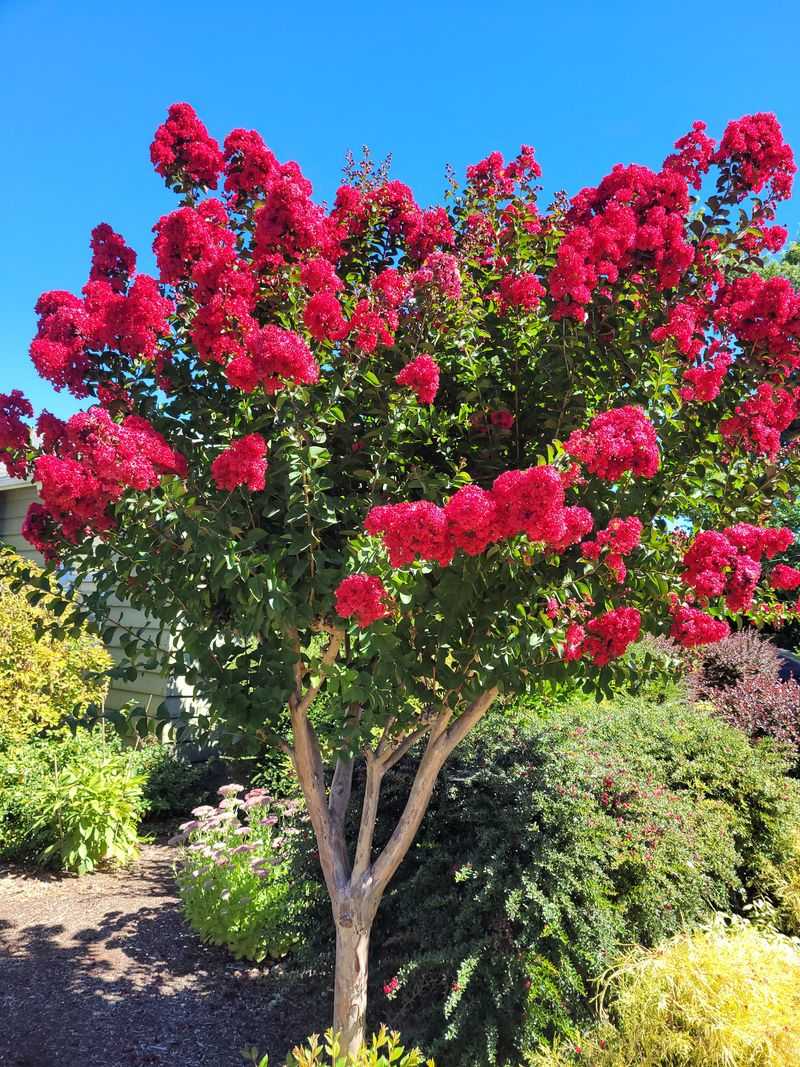
Hands off is the right call here.
Loose strips look tempting to pull, especially the half-attached ones. Tugging can rip bark that is still holding on and expose tender tissue.
New bark needs time to harden.
Fresh surfaces are thin and easy to scuff. Marks from picking may stay visible for a couple of seasons.
Sweep the ground instead.
Fallen bark in Georgia yards piles up around the base and in mulch beds. Raking it clears the view and lets you spot pests early.
Skip paints and wound sealers.
Trunk dressings do nothing for normal shedding. Bare wood handles sun and rain without help.
Keep string trimmers away from the base.
Nicked bark opens the door to borers and decay. A mulch ring two to three inches deep, pulled back from the trunk, prevents most of that damage.
Water during long dry spells.
Established trees tolerate heat well, though extended drought still stresses them. A slow soak every week or two during dry months is usually enough.
Resist the urge to top the tree.
Cutting thick trunks back to stubs removes the very bark you were hoping to see. Regrowth comes back as weak, crowded shoots.
Check the trunk once a season and otherwise let it be.
Firm wood, steady growth, and reliable summer blooms suggest the shedding is routine. Time takes care of the rest.