Kitchen Scraps Some California Gardeners Use To Help Orchids Bloom Again
A banana peel tossed in the trash still carries a surprising load of potassium, a nutrient that flowers truly love. Eggshells hold mostly calcium carbonate, the same mineral found in chalk, and many cooks toss them without a thought.
Across California, some home growers now save these scraps for one fussy houseplant that stubbornly refuses to rebloom. University experts still say a balanced fertilizer does the heavy lifting, so the scraps work best as helpers.
I love how a little kitchen thrift can turn into a garden hobby that feels clever and cheap. You might notice your trash can gets lighter while your windowsill starts looking a lot more cheerful.
Personally, I have learned that some scraps help while others cause sticky trouble, especially in a warm California kitchen. So which leftovers deserve a spot next to your sleepy plant, and which ones belong in the compost bin?
1. Banana Peels Bring A Potassium Boost For Bigger Blooms
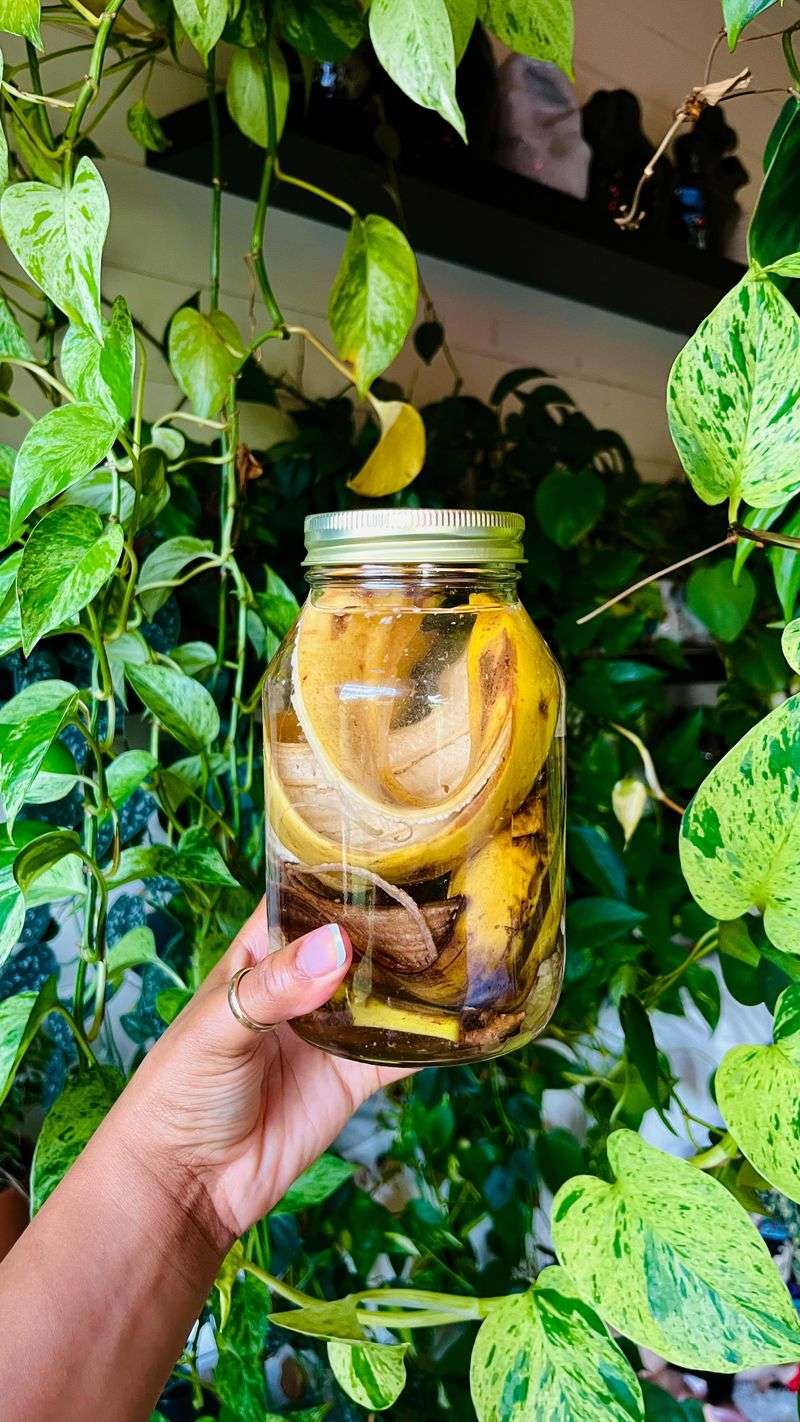
My fruit bowl turned into an orchid snack bar the week I learned what banana peels actually hold inside. Those floppy yellow skins carry potassium, a nutrient plants use to build strong flowers and move water through tissues.
Peels also contain smaller amounts of calcium and magnesium, though the exact levels vary with ripeness and variety. Keep in mind that peels lack much nitrogen, so they cannot replace a regular orchid fertilizer on their own.
Many growers make a simple banana tea by chopping a peel and soaking it in a jar of water. After a day or two, strain out the pieces and dilute the liquid with about four parts water.
I pour that weak mix through the bark about once a month, right after a normal watering. Damp roots soak up the extra nutrients gently, and the pot drains away anything the plant does not need.
Please skip burying whole peels in the pot, because rotting fruit invites fungus gnats and smelly mold. Orchid bark already holds moisture, and a soggy chunk of peel only makes that problem worse.
Drying peels in the sun on a warm patio is another option many Southern California growers enjoy. Once they turn crispy, grind them into a powder and add a tiny pinch to your compost instead.
Honestly, I treat banana tea as a fun bonus rather than a miracle, and my moth orchids seem happy. Bright indirect light and cooler fall nights still matter far more for coaxing out a fresh flower spike.
2. Crushed Eggshells Add Calcium To Orchid Potting Mix
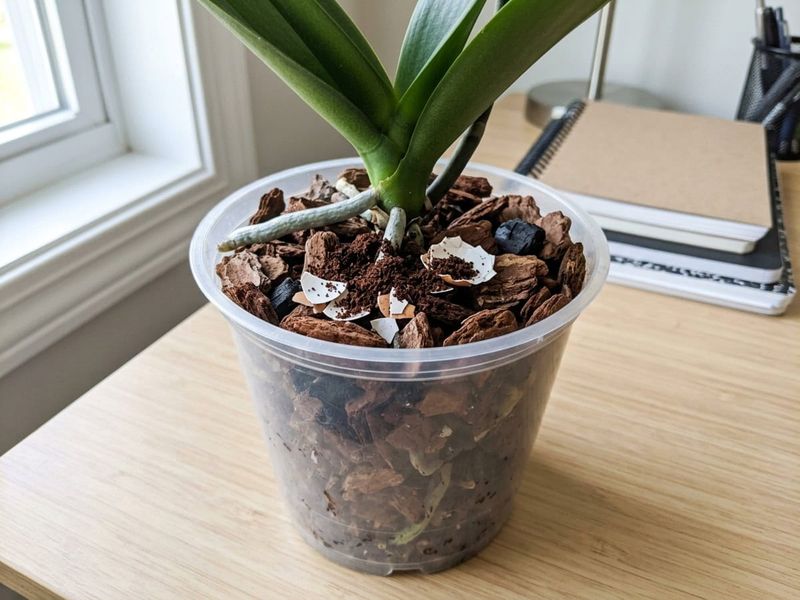
Breakfast leftovers rarely get a second career, yet crushed eggshells have become a favorite trick among thrifty orchid growers. Shells are roughly ninety-five percent calcium carbonate, which supports strong cell walls in leaves and new roots.
The catch is speed, because whole shell pieces break down very slowly and can sit in pots for months. Grinding them into a fine powder helps a lot, since tiny particles release calcium much faster than chunky flakes.
I rinse shells well, let them dry on the counter, then whirl them in an old coffee grinder. Rinsing matters, because leftover egg white can smell funky and attract fruit flies to your windowsill.
A light dusting over the bark is plenty, and many growers add it just a couple times each year. Too much calcium can crowd out other nutrients, so think of eggshells as a garnish, not a meal.
Many tap water supplies in California already carry plenty of calcium, which shows up as white crust on pots. If you spot that crust, you can probably skip eggshells and flush the pot with rainwater instead.
Outdoor growers sometimes ring their pots with coarse shell bits, hoping to slow down hungry snails and slugs. Research on that barrier trick is mixed, so I still check my plants with a flashlight after rain.
I like how this habit makes me look twice at things I once tossed without a single thought. Used gently, eggshell powder is a cheap supplement that fits right into a regular orchid feeding routine.
3. Cloudy Rice Rinse Water Feeds Orchid Roots
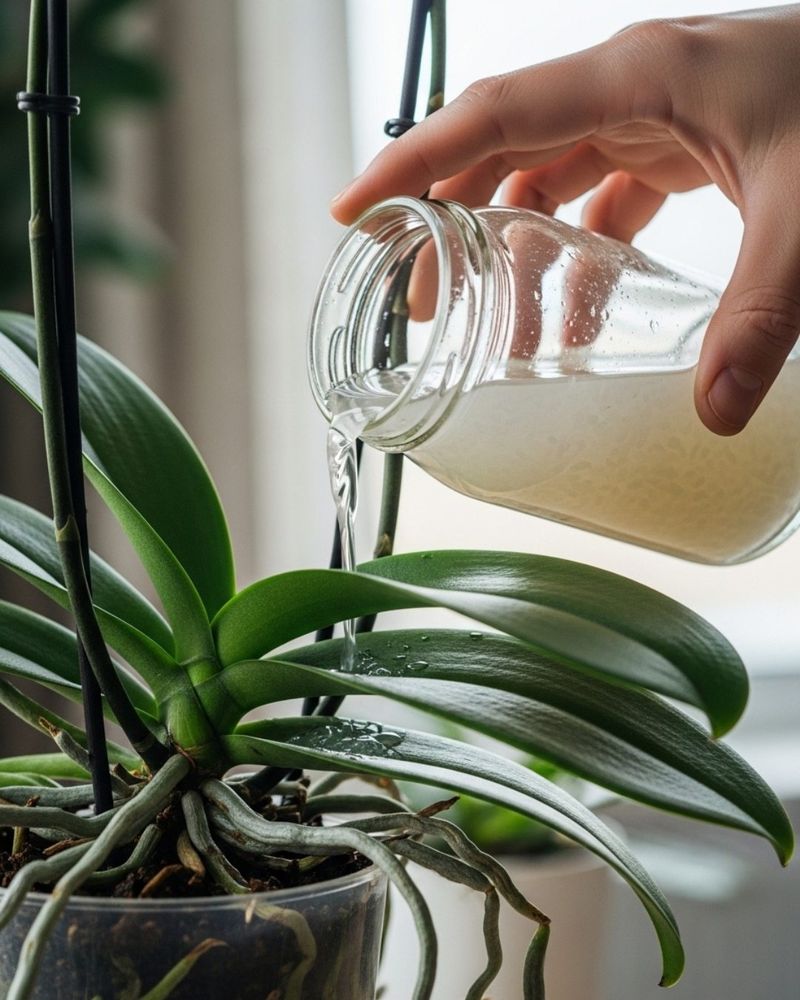
That milky water swirling down your sink after rinsing rice is starchier than you might expect from such plain grains. It also carries small traces of B vitamins and minerals, which is why so many growers refuse to waste it.
I have to admit the nutrient levels are low, so rice water works more like a snack than dinner. Some fans believe the starch feeds helpful microbes around the roots, though solid research on orchids remains thin.
Use the water from a quick cold rinse, not the thick liquid left behind after boiling a full pot. Mix it with an equal amount of plain water, then pour it slowly through the bark until it drains.
Most growers who swear by this trick use it about once a month or even less often. Starch left sitting in the pot can turn sour and invite gnats that buzz around your face.
Fresh is best here, so skip storing rice water for days in a warm cupboard or sunny counter. Old batches spoil quickly and start smelling sour, which tells you that bacteria have moved in for good.
During the next regular watering, give the pot a generous flush with plain water to rinse away leftover starch. Bark mixes stay airy and loose that way, which keeps those silvery orchid roots breathing comfortably.
What I enjoy most is the low effort, since the rice needs rinsing anyway before it hits the pot. Treat it as an occasional bonus, and keep your regular orchid fertilizer doing the real work.
4. Unsalted Vegetable Cooking Water Adds Gentle Minerals
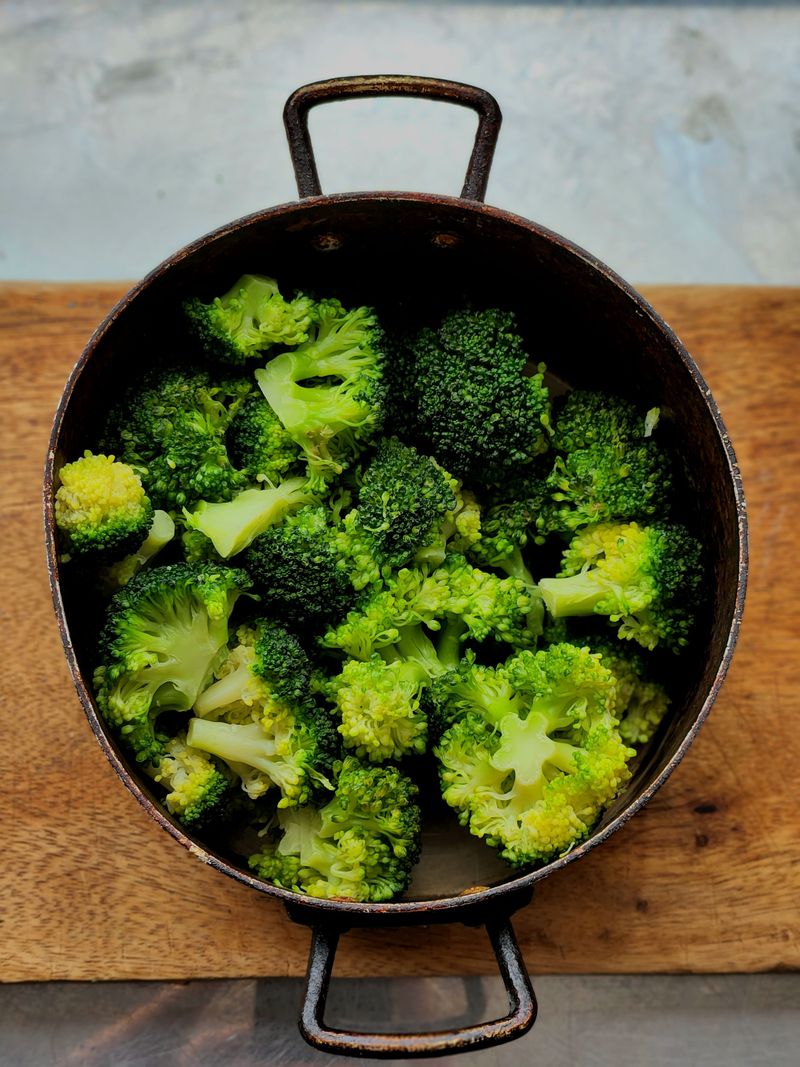
Steamed broccoli leaves behind more than a pleasant smell, because some minerals leach into the water while it cooks. Potassium is one of the easiest nutrients to escape into cooking water, which makes that cloudy liquid worth saving.
Potatoes and carrots are popular choices, and their water usually carries small amounts of potassium and calcium. The amounts are modest, so think of this liquid as a light top-up rather than a full feeding.
Salt is the big deal breaker, since orchid roots are sensitive and struggle when salts build up in pots. Set aside a little water before you season anything, and skip batches that touched butter or oil.
I let the pot cool on the stove until the water feels like room temperature against my wrist. Hot liquid can scorch delicate roots, so patience here pays off more than any fancy fertilizer bottle.
Water your orchid with it every couple of weeks, letting the extra drain freely out of the pot. Use it within a day or so, because vegetable water spoils fast and can start smelling like old soup.
Saving cooking water also stretches your tap supply, which matters during the long dry summers in California. Every cup you reuse is a cup that does not come from the hose or the kitchen faucet.
You might notice greener leaves over time, though light and steady fertilizer still drive most of the progress. Personally, I find it satisfying that dinner prep can quietly help a houseplant I care about so much.
5. Used Tea Bags Make A Weak Brew For Thirsty Orchids
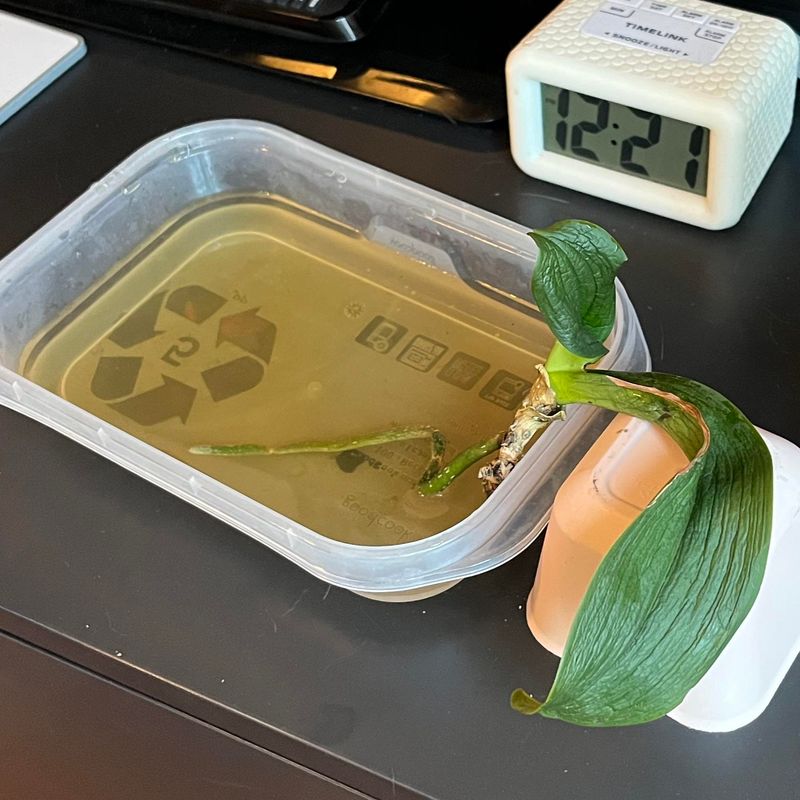
Tea drinkers have a quiet advantage, because every spent bag still holds a bit of nitrogen and a gentle tint. Some growers swear the tannins in black tea help stressed roots recover, though that idea lacks strong scientific backing.
I steep one used bag in a quart of room temperature water until it turns the color of pale honey. Weak is the goal, since strong tea adds caffeine and acids that orchids simply do not need.
Pour that pale brew through the pot about once a month in place of a plain watering. Skip any tea with added sugar or flavorings, because those extras feed mold rather than your plant.
Plenty of tea bags contain plastic, so check the box before tossing leaves or bags into compost. Loose leaf tea makes life easier, since the spent leaves break down quickly in a backyard pile.
Avoid piling wet leaves on top of orchid bark, because that soggy mat traps moisture right at the crown. Crown rot strikes moth orchids fast, and it often starts exactly where water sits too long.
Growers near the foggy Northern California coast should be extra careful, since damp air slows drying between waterings. In drier inland homes, a monthly tea watering fits more easily into a normal care schedule.
I love how this routine turns my morning cup into a tiny ritual for the plants on my sill. Keep expectations realistic, and let the tea serve as a bonus while your regular fertilizer handles the basics.
6. Composted Coffee Grounds Beat Fresh Grounds Around Orchid Roots
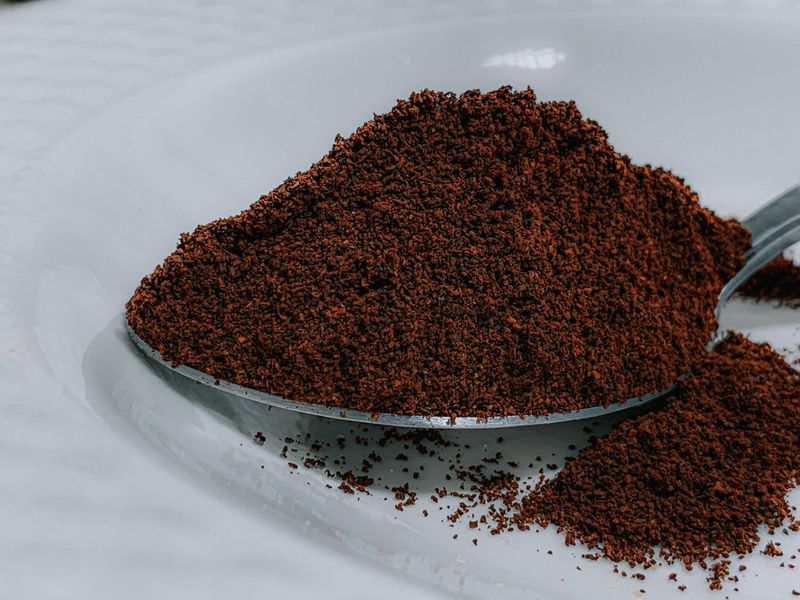
Coffee lovers often assume their morning grounds make perfect plant food, but orchids are pickier than tomatoes about it. Used grounds hold some nitrogen, yet Oregon State University research shows they can also slow growth in some plants.
Brewed grounds are closer to neutral than most people think, so the acid myth does not tell the whole story. The bigger problem is texture, because fine wet grounds pack down tightly and smother airy orchid bark.
Orchid roots in the wild cling to tree branches, so they crave airflow more than rich soil. A crusty layer of coffee on top can stay soggy for days and invite fuzzy gray mold.
My favorite workaround is simple, which means tossing grounds into the compost bin and letting time work its magic. Mixed with leaves and kitchen peels, they break down into dark compost that suits garden beds beautifully.
From there, a small scoop can steep in water overnight to make a weak, strained compost tea for orchids. Strain it well through a coffee filter, since leftover particles can still clog the spaces between bark chunks.
If you still want straight coffee, dilute a cooled cup heavily and use it no more than monthly. Flush the pot with plain water at the next watering so nothing lingers around those sensitive roots.
Several coffee shops hand out free bags of grounds, so gardeners can grab plenty for the compost pile. I believe the compost route is the smartest option, because your orchids get the benefits without the soggy risks.
7. Homemade Kitchen Scrap Compost Tea For Outdoor Cymbidium Orchids
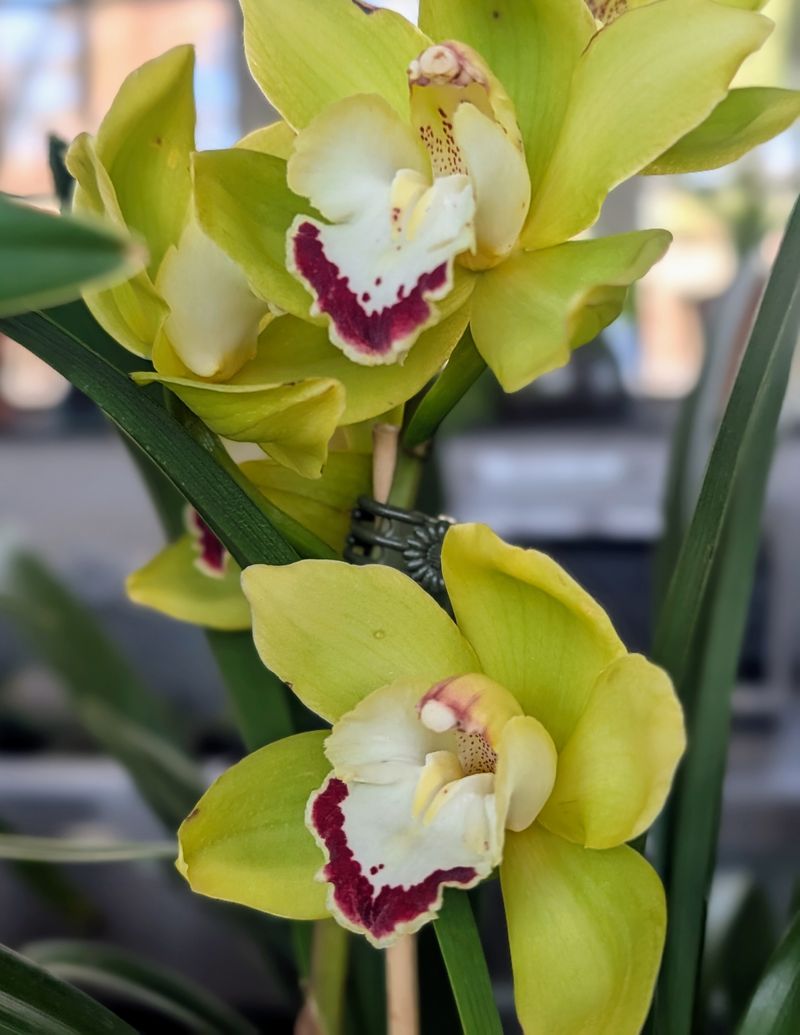
Coastal gardens from San Diego to Santa Barbara let some orchids, like cymbidiums, live outdoors much of the year. Those big, sturdy plants are heavier feeders than moth orchids, and they respond nicely to well-made compost.
Vegetable peels and fruit cores break down into rich compost when mixed with dry leaves and turned regularly. Skip meat and dairy scraps, since they attract rats and raccoons faster than you can say dinner.
Once the compost looks dark and crumbly, scoop a little into a cloth bag and soak it in water. After a day, the water turns tea-colored and carries gentle nutrients that cymbidium roots can actually use.
Dilute it until it looks like weak iced tea, then water during spring and summer when leaves and bulbs grow. University of California experts note that cymbidiums need cool autumn nights to set flower spikes for winter blooms.
Many growers ease off nitrogen in late summer, so compost tea fits best earlier in the growing season. Too much nitrogen late in the year can push leafy growth at the expense of those long flower spikes.
Use fresh tea within a day or two, since stored batches can turn smelly and lose their benefits. Pour it at the base of the plant, keeping liquid off the leaves to reduce any chance of spotting.
What surprises me most is how a humble scrap bucket can connect the kitchen to a winter flower show. Give it a season, and you may find yourself guarding that compost pile like a treasure chest.