Kitchen Staples California Gardeners Use To Discourage Moles In The Yard

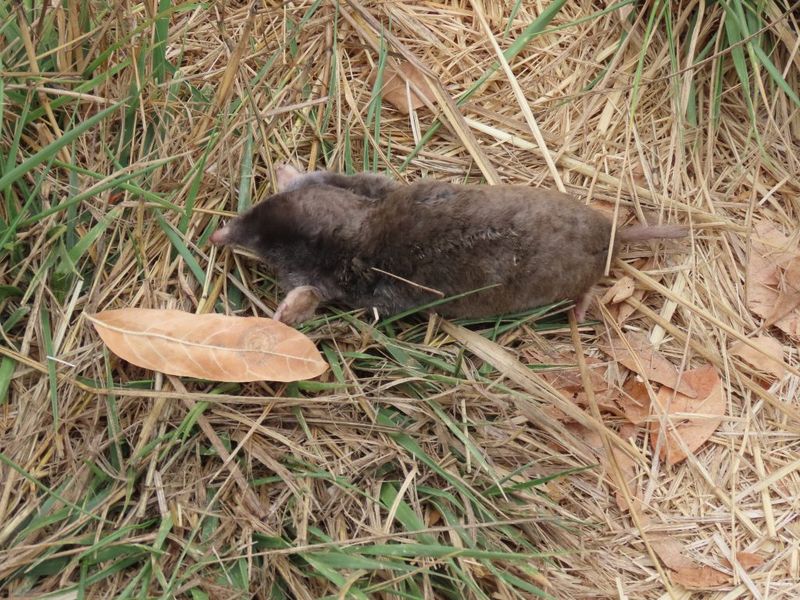
Overnight, a tidy lawn can sprout a string of small, crumbly mounds, each one seemingly appearing by magic. Somewhere below, a busy digger has been at work.
The first instinct often points toward the hardware store. Some gardeners, though, start their search closer to the stove.
Ordinary items in most kitchens carry scents and flavors that underground visitors may find less charming than people do.
None of them work as a miracle cure, and some come with safety notes worth knowing. Still, they can play a helpful supporting role.
Fall’s damp soil tends to bring more activity, making this a good season to learn the options.
The secret to a calmer lawn might be sitting in the spice rack.
1. Castor Oil Is The Staple With The Most Research
Research gives this pantry option a clear edge over every other jar. The UC Statewide IPM Program notes that castor oil repellents showed some success in studies of eastern moles.
Research on California’s western mole species remains limited, though. Promising, rather than proven, describes it best.
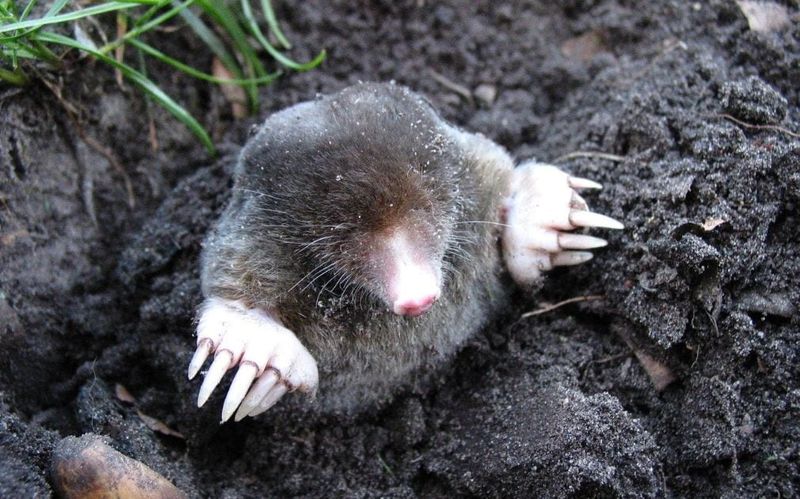
Confirming the culprit comes first. Mole mounds look round or cone-shaped with crumbly soil, often lined up over a tunnel.
Gopher mounds, by contrast, form crescents with a plugged hole off to one side.
Castor oil seems to upset the soil life moles hunt and may leave an unpleasant taste. A common recipe mixes about 2 tablespoons of castor oil with 1 tablespoon of dish soap in a gallon of water.
A good shake blends everything, and a watering can delivers the mix over active tunnels and fresh mounds. Soil, rather than grass blades, is the real target.
Deep watering right after application carries the mix down to where moles travel. A light sprinkle sitting on top does very little, and the smell fades fast.
Reapplication every few weeks, plus after heavy rain or long irrigation cycles, keeps it working. Store-bought castor oil granules work the same way and also need deep watering.
Realistic expectations help. A treated zone may simply push a mole to dig elsewhere, even into a neighbor’s yard or a new corner of the same lawn.
Small flags marking treated spots make it easy to see which tunnels stay quiet and which pop back up.
2. Dish Soap Helps Castor Oil Blend And Soak In

Oil and water shaken together in a jug separate within seconds, with the oil floating to the top in a greasy layer. Poured on a lawn, most of that oil stays near the surface.
A small squirt of dish soap fixes the problem. Soap acts as an emulsifier, a helper that lets oil and water stay mixed.
The castor oil breaks into tiny droplets that spread evenly and soak down into the soil. That makes the whole treatment far more effective.
Plain, unscented dish soap works best. Products with bleach, degreasers, or antibacterial additives can stress grass and garden plants, so they’re best skipped.
About 1 tablespoon of soap per gallon of water handles a castor oil drench nicely. More rarely helps.
Your California Garden Changes Every Week. Your Plan Should Too.
Gardening in California changes quickly throughout the season. Every Friday you’ll receive a simple weekly plan showing exactly what to plant, prune, fertilize, harvest, and protect so you never miss the right timing.
Mixing the soap and castor oil together first, until the blend looks creamy, makes a smoother result. Water goes in next, followed by another good shake.
Some gardeners whip the mixture in an old blender reserved strictly for garden use. Kitchen equipment and garden equipment are best kept separate.
The mix works best applied soon after preparation, since it can separate over time. Deep watering helps, along with an occasional shake of the jug while pouring.
Soap alone rarely chases moles away. Its job involves teamwork, helping the castor oil reach the tunnels where it can do its work.
Reapplication after rain or heavy sprinkler use keeps that partnership going.
3. Cayenne Pepper Adds A Hot Irritant
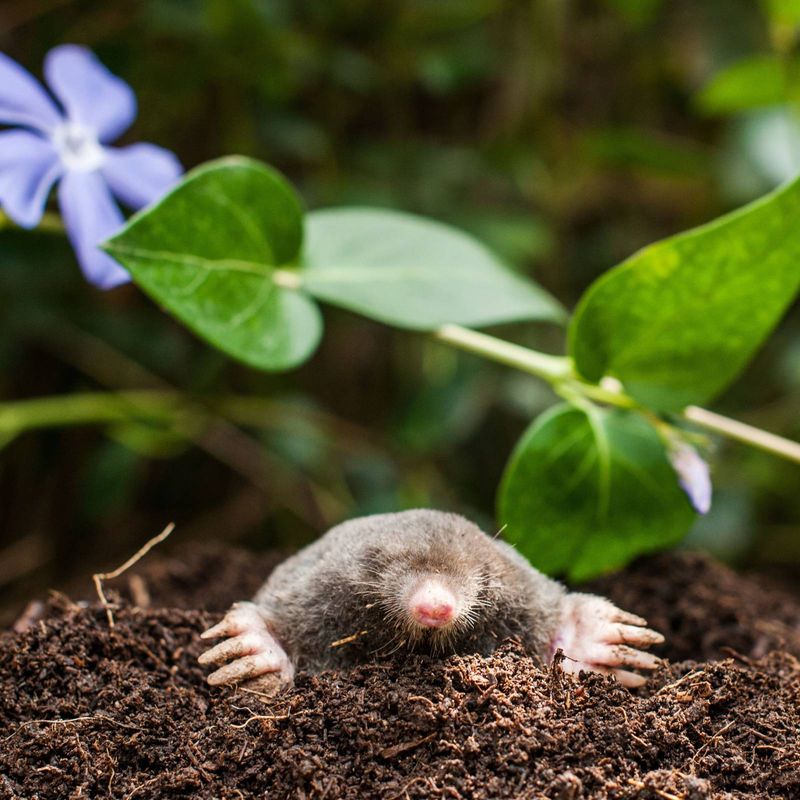
One careless rub of the eye after handling cayenne leaves a lasting impression. That fiery punch explains why gardeners reach for this red powder.
Capsaicin, the compound that makes peppers hot, irritates the noses and mouths of many animals. Moles moving through treated soil may find the experience unpleasant.
Two easy methods work well. Cayenne sprinkled directly over fresh mounds and into opened tunnel entrances, then lightly covered with soil, offers one approach.
A drench offers another. About 2 tablespoons stirred into a gallon of warm water with a drop of dish soap can be poured along active runs.
Safety comes first with this spicy helper. Gloves and sunglasses protect skin and eyes, and working with the wind at one’s back keeps powder away from the face.
A gust in a breezy coastal yard can blow powder in unexpected directions.
Children and pets are best kept away until the powder settles or soaks in. Dogs sniffing treated mounds may sneeze and paw at their noses.
Thorough handwashing afterward helps, too.
Cayenne breaks down and washes away quickly. Reapplication after every rain, after deep watering, and roughly once a week during busy digging seasons keeps it working.
In much of California, that means fall and spring, when moist soil brings worms and moles closer to the surface.
Buying in bulk saves money. Warehouse stores and international markets sell large bags of ground red pepper for far less than tiny spice jars.
4. Garlic Adds A Strong Scent Barrier
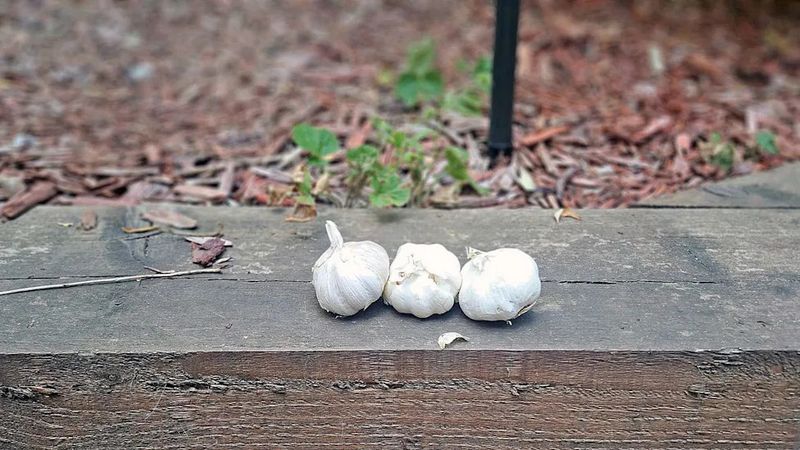
A garden path that smells like an Italian kitchen at dinnertime sounds lovely to people. A mole with a sensitive nose may feel differently.
Moles depend heavily on smell and touch underground. Strong odors may encourage them to tunnel elsewhere.
Burying cloves offers the simplest approach. Peeled cloves pressed about 2 to 3 inches deep along tunnel edges, spaced roughly a foot apart, create a scented line.
Spots where raised ridges meet a flower bed or vegetable patch deserve the most attention.
A garlic drench covers more ground. One crushed bulb soaked overnight in a quart of water, then strained, makes a strong base.
That liquid can be added to a gallon of water with a small squirt of dish soap and poured slowly over active runs.
Plenty of California gardeners already grow garlic, planting it in fall for a summer harvest. Growing plants add a mild scent, though whole bulbs in the ground rarely act as a true wall.
Crushed garlic releases far more odor than a quiet, healthy bulb. That difference matters for deterrence.
Freshness counts, too. Garlic scent fades within days once it hits damp soil, so buried cloves need replacing every couple of weeks.
Drenches need repeating after rain or heavy irrigation.
Garlic belongs to the onion family, which is toxic to dogs and cats when eaten. Cloves buried deep enough to stay out of reach of a curious pup keep the treatment safer for pets.
5. Coffee Grounds Spread Easily Over Mounds
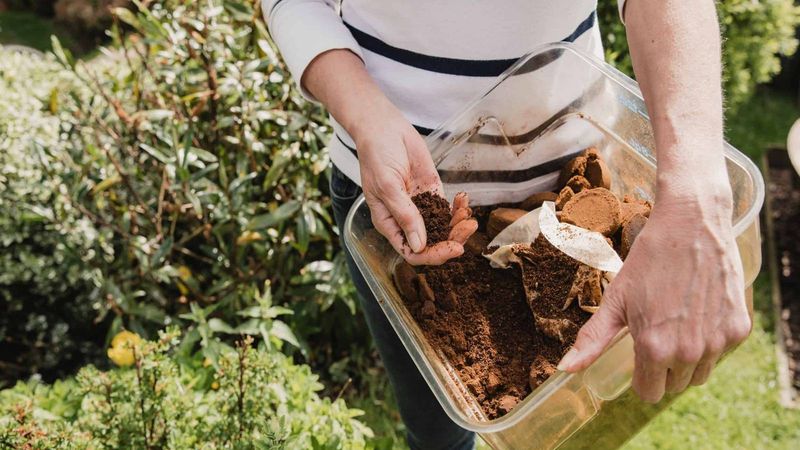
Morning coffee leaves behind a free little gift. Instead of heading to the trash, used grounds often travel straight to the lawn, where their bitter, roasted smell may encourage moles to steer clear.
A fresh mound flattened with a rake or a foot makes a good starting point. A thin layer of used grounds, about a quarter inch deep, spread over the spot works best.
More grounds sprinkled along visible tunnel ridges, then raked gently into the top layer of soil, extend coverage. The scent then reaches more of the tunnel system.
Thin layers work far better than thick ones. Heavy piles of wet grounds can clump, grow mold, and block water from reaching grass roots.
A light dusting, like seasoning rather than frosting, keeps things balanced.
Many local coffee shops hand over bags of spent grounds for free when asked. Some California cafes even set out labeled buckets for gardeners, making a steady supply easy.
Reapplication every week or two, and again after rain washes grounds away, keeps the scent fresh. Fresh mounds signal when another round is due.
New activity beyond the treated area offers another useful clue. It may show a mole simply relocating rather than leaving.
Grounds also add a little organic matter to the soil over time. Caffeine can upset dogs that eat large amounts, though, so placement away from curious pets makes sense.
Grounds work best as one small part of a broader plan.
6. Peppermint Oil Adds A Sharp Aroma

A freshly opened bottle of peppermint oil wakes up the nose instantly. That cool, sharp smell feels refreshing to people, and gardeners hope the same intensity annoys moles traveling through nearby tunnels.
Dilution matters greatly. About 10 to 15 drops of peppermint essential oil in a gallon of water, with a teaspoon of dish soap to help it blend, makes a workable mix.
The mixture goes on slowly along active runs and over fresh mounds. Gradual pouring helps it soak in.
Cotton balls offer another method. A few drops on each ball, tucked into a small opening in a tunnel and covered with soil, deliver concentrated scent underground.
Weekly refreshing keeps them effective, since scent fades fast below ground. Old cotton balls are best removed and replaced.
Pets need serious protection here. Essential oils can harm animals, and cats face particular risk because their bodies struggle to break down these compounds.
Sealed bottles stored up high stay out of reach. Yards where cats roam are better suited to other options on this list.
Dogs can also react badly to licking or chewing oil-soaked cotton balls, so burying them well matters. Children are best kept away from concentrated oil, too.
Repeating the drench after rain or irrigation, and about once a week otherwise, maintains the scent. A small bottle stretches further when diluted.
Pairing it with stronger tools makes sense, since a pleasant scent alone rarely sends a hungry mole packing.
7. Black Pepper Adds Another Spicy Layer
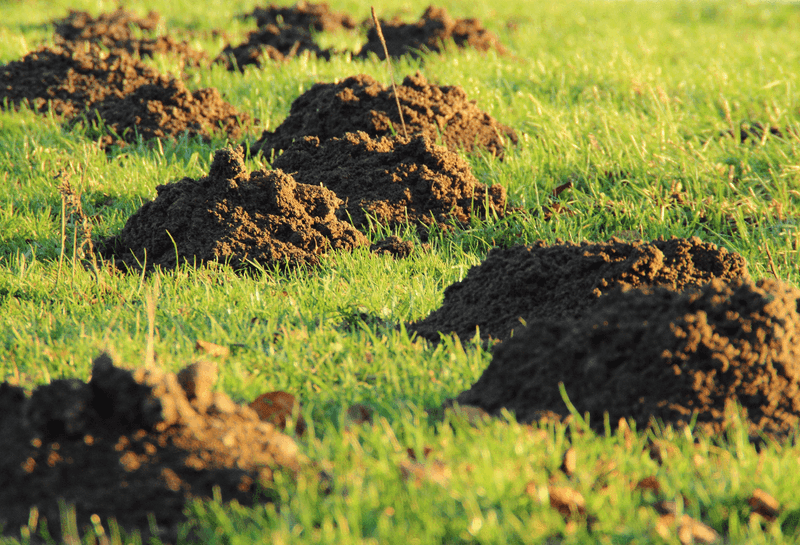
A raised ridge winding across the grass gives away a mole’s favorite highway. Those shallow feeding tunnels make the perfect spot for a pinch of something peppery.
Black pepper contains piperine, a compound that can irritate the nose and trigger sneezing. Moles may find treated tunnels less comfortable.
A large container of ground black pepper works better than a fancy grinder. A light line dusted along each tunnel ridge, then pressed down gently with a foot, gets the pepper into the soil.
Some gardeners poke small holes with a stick and shake pepper right inside. That method places the irritant exactly where moles travel.
Layering spices may give better coverage. Many people alternate black pepper with cayenne on different days, so tunnels carry more than one irritating scent.
A mole that ignores one spice might still dislike the combination. Variety keeps the deterrent working.
Gloves help, and breathing in the dust is best avoided. Pepper is milder than cayenne but can still sting eyes and trigger sneezing fits.
Calm, windless mornings make the job far easier.
Reapplication after rain, after long sprinkler runs, and whenever new ridges appear keeps things working. Dry inland yards may hold pepper a bit longer than foggy coastal lawns, though tunnels deserve a check every few days either way.
A thin, steady dusting beats big piles that waste money and wash into storm drains. Pepper pairs nicely with a castor oil drench applied a day or two later.
8. Hot Sauce Mixes Into A Drench
That half-empty bottle in the fridge door might have one more job to do. Hot sauce delivers capsaicin from its peppers, while vinegar adds a sharp smell.
Together they make a quick, punchy drench for active tunnels.
About 3 tablespoons of hot sauce and a squirt of dish soap stirred into a gallon of water make a simple mix. Slow pouring over fresh mounds and along tunnel ridges helps it soak in.
Gloves and eye protection make sense, and children and pets are best kept away until the soil dries. A clearly labeled mixing jug prevents anyone from mistaking it for something tasty.
Repeating the drench after rain or heavy watering keeps it effective, since the heat rinses out quickly.
Pantry remedies work best as one layer in a larger plan. The UC Statewide IPM Program calls trapping the most dependable way to remove moles.
Trap types and local rules vary, so a licensed pest professional or the county agricultural commissioner can offer guidance. Proper placement in active main tunnels makes a big difference.
Wire mesh protects small areas like raised beds and new lawns. Hardware cloth lining the bottom of beds, or mesh buried at least 2 feet deep around a bed’s edge, blocks tunneling.
Gopher purge plants and poison baits are best avoided entirely.
Kitchen staples can make tunnels less welcoming and buy valuable time. Combined with barriers and professional help, they can turn a lumpy lawn into a quieter one.