Help Your New York Christmas Cactus Fill With Buds This October
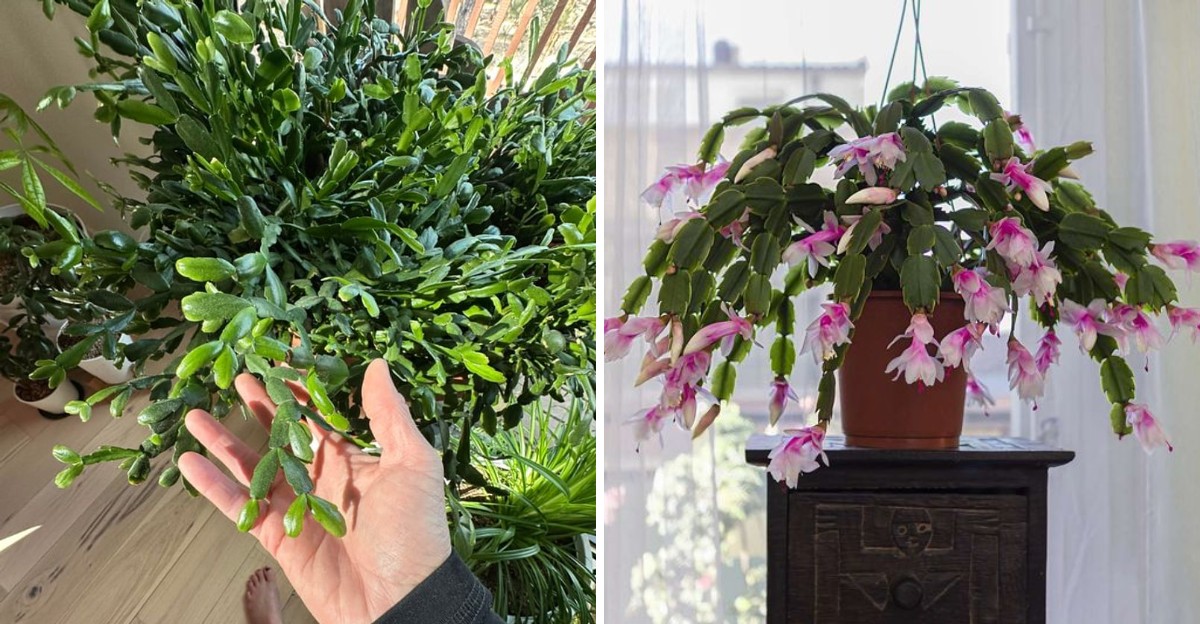
Your Christmas cactus has been quietly lounging all summer, and now it’s time to wake it up. October brings the perfect setup for a holiday bloom.
With a few simple tricks, you can coax those flat green stems into pink, red, or white flowers. The secret mix is cool nights, long stretches of darkness, and a little patience.
Many New Yorkers miss the window and wonder why their plant stays bare in December. Buds take about six to ten weeks to set, so this month matters.
You don’t need a greenhouse or fancy gear to get it right. A spare closet, a careful hand with the watering can, and a calendar will do most of the work.
Cooler Nights Around 50 To 55 Degrees Start The Process
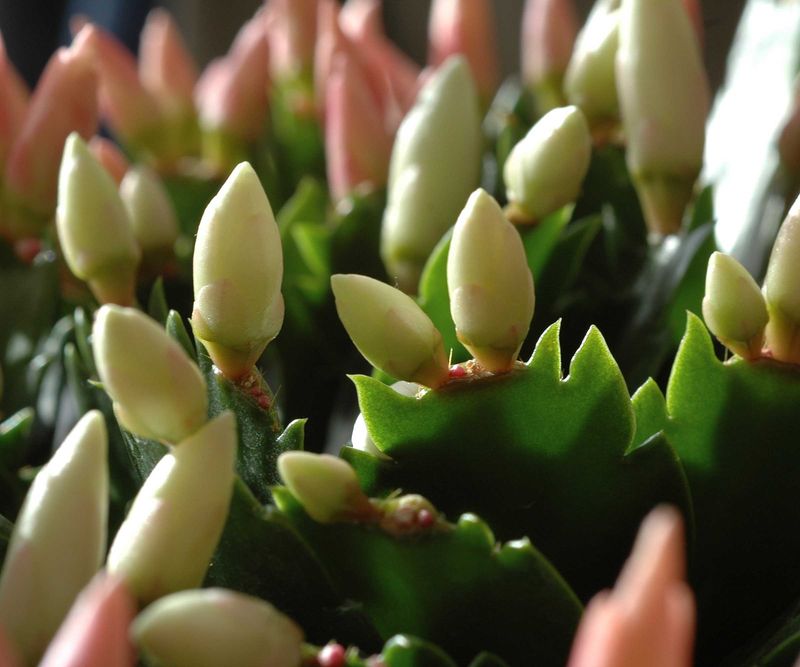
Picture a crisp October evening when you finally pull a sweater from the closet. Your Christmas cactus feels that chill too, and it treats the drop as a signal to start making buds.
Night temperatures around 55 to 60 degrees Fahrenheit work best for bud setting. Research shows nights in the 50s can start buds even when day length is not ideal.
Warm nights tell a different story for your plant. When temperatures stay above 65 degrees at night, buds often refuse to form at all.
New York gives you a natural advantage here each fall. Early October nights often slide into the 50s, which matches what the plant wants.
Indoor homes can be trickier because heat often runs warm. Try placing the plant near a cool window or in a room you rarely heat.
A cheap digital thermometer can take the guessing out of the process. Set it beside the pot and check the reading before bed for a week.
Unheated sunrooms and enclosed porches can be wonderful spots in early fall. Just watch the forecast, since temperatures below 45 degrees can stress the plant.
Cool rooms also slow down growth, which helps the plant focus its energy. Fewer new leaves in autumn usually means more room for flower buds.
Here is a fun bit of history for you. These plants come from the mountain forests of Brazil, where nights cool down naturally.
Matching those mountain conditions at home gives your cactus a familiar cue. Think of it as recreating a little Brazilian hillside in your living room.
Thirteen Hours Of Uninterrupted Darkness Work Too
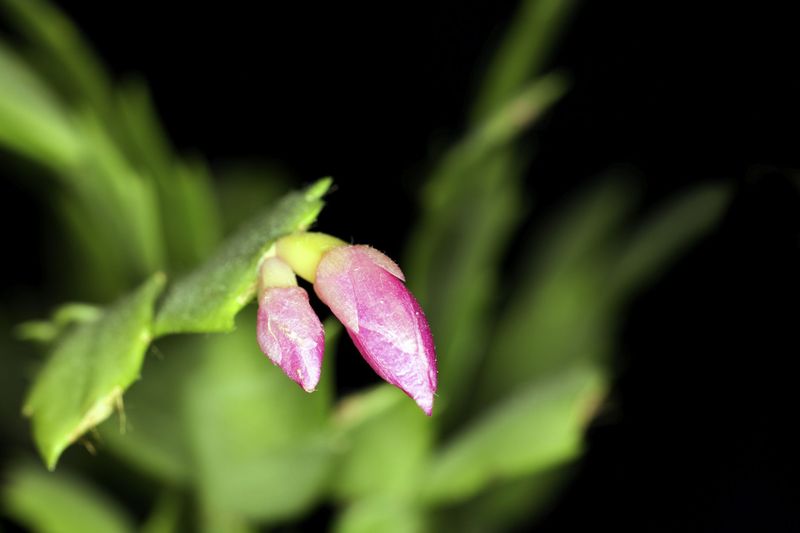
Not every home has a chilly room, and that is perfectly fine. Long, dark nights offer a second path to a bud-filled plant.
Christmas cacti are short-day plants, so they respond to the length of the night. They need around 12 to 15 hours of steady darkness to begin forming flowers.
Thirteen hours is a solid target that many growers rely on. For the best results, some experts suggest aiming for 14 hours or more.
The word uninterrupted matters more than you might think. A quick flick of a lamp or a bright TV can reset the plant’s internal clock.
Even streetlights glowing through a city window can cause trouble. Apartments in busy parts of New York often deal with this kind of light spill.
Your New York Garden Changes Every Week. Your Plan Should Too.
Gardening in New York changes quickly throughout the season. Every Friday you’ll receive a simple weekly plan showing exactly what to plant, prune, fertilize, harvest, and protect so you never miss the right timing.
A simple schedule makes the routine easier to follow. Try darkness from about 6 p.m. to 8 a.m., then return the plant to its daytime spot.
Setting a phone reminder can help you stay on track. Busy weeks have a way of making these small chores slip through the cracks.
Combining darkness with cool nights gives you the strongest results. Each cue boosts the other, so buds tend to appear faster and in bigger numbers.
Curious why darkness works so well? Plants contain light-sensing pigments that measure the night like a tiny timer.
Once the timer reads long enough, the plant switches from growing stems to making blooms. Your job is simply to keep that timer running without interruptions.
A Spare Room Or Closet Makes A Good Dark Spot
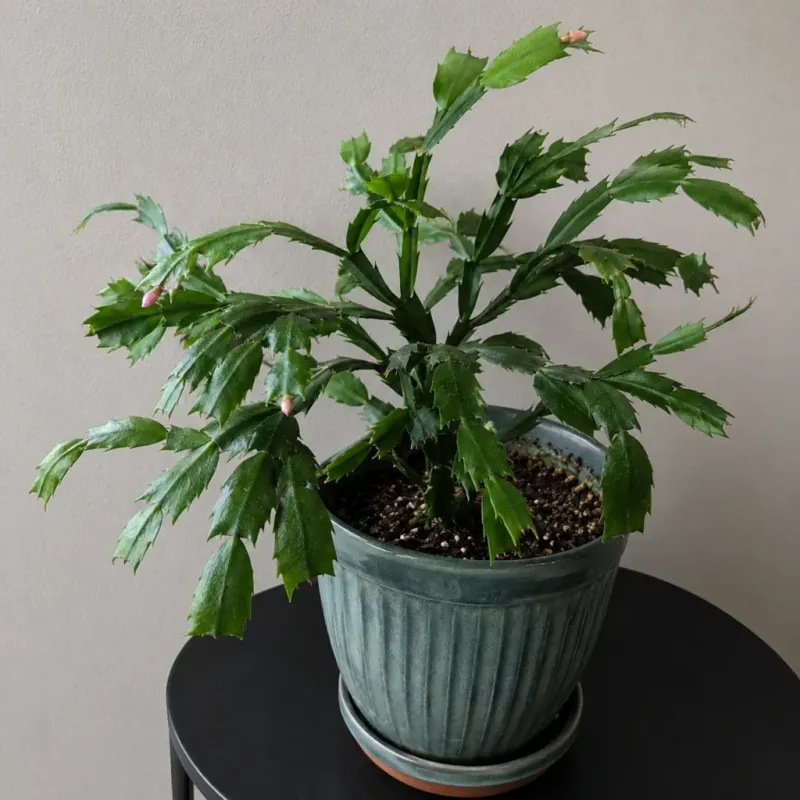
Ever notice how quiet and dim your guest room feels at night? That forgotten space could become your cactus’s favorite hideaway this fall.
Spare bedrooms, closets, and basements make excellent dark spots. They usually stay free of evening lamps, screens, and passing headlights.
Small apartments may not offer a spare room. A closet with a closed door can work just as well for overnight darkness.
Moving the plant every day is not a must, though. You can cover it with a cardboard box or dark cloth each evening instead.
Leave a little airflow under any cover you choose. Trapped moisture can encourage mold or rot on the stems.
A tall laundry basket lined with a dark towel can do the job nicely. Just lift it off each morning so the plant gets its daylight.
Basements bring a bonus because they often run cooler. That cool air pairs well with darkness to encourage strong bud growth.
Check the spot for hidden light sources before you commit. Glowing power strips, phone chargers, and smoke detector lights can add up.
Quick tip from experienced growers here. Sit in the space for a minute with the lights off and look for any glow.
If you can see your hand clearly, it may be too bright. A truly dark spot helps your cactus count those long nights correctly.
Radiators And Heat Vents Undermine The Plan
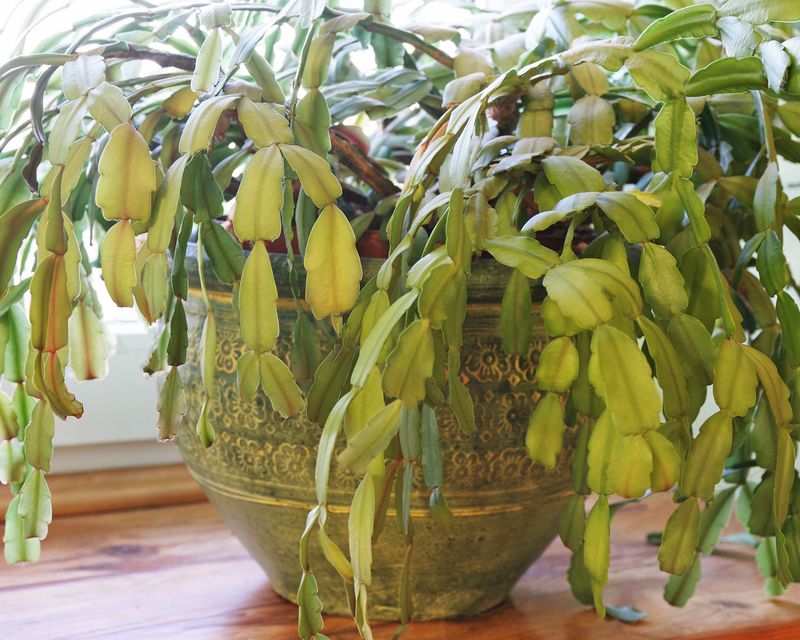
Anyone who has lived in an older New York building knows the clanking radiator. It can turn a cozy room into a sauna by late October.
Your Christmas cactus does not enjoy that blast of dry heat. Hot air near radiators and vents can dry the stems and stall bud formation.
Sudden temperature swings cause even more trouble. Buds that already formed may drop off when warm air hits them without warning.
High heat can also delay blooming and shorten flower life. You might get fewer blossoms that fade faster than they should.
Fireplaces and space heaters belong on the same caution list. Keep the plant several feet away from anything that pumps out warmth.
Drafty doors can be a problem in the other direction. Cold gusts from an opening front door can shock the plant too.
Look for a spot with steady, mild conditions instead. An interior shelf or a table away from windows with radiators often works well.
Many city buildings control heat centrally, so you cannot always adjust it. Moving the plant is usually easier than fighting the thermostat.
Here is a handy trick to test a spot. Hold your hand near the area for a minute and notice any warm or cool drafts.
If your hand feels a breeze, your cactus will too. Choose the calmest corner you can find for the best chance at blooms.
Six To Eight Weeks Of Care Sets Buds
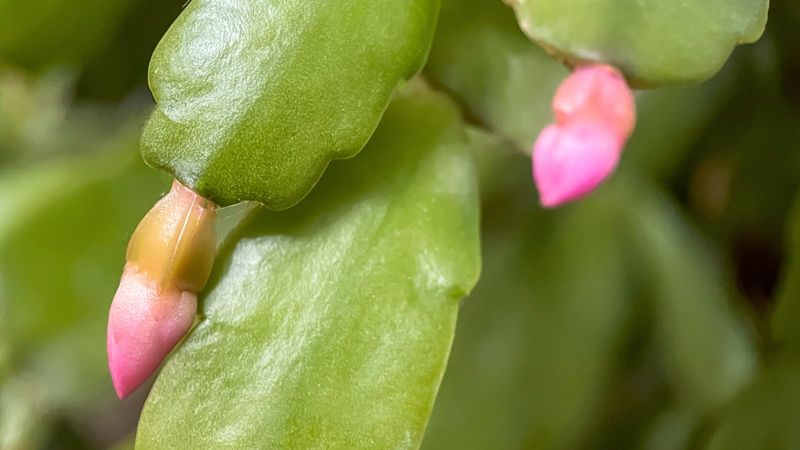
Patience might be the hardest part of growing a holiday bloomer. Good news, though, because the waiting period has a clear timeline.
Bud setting usually takes about six to ten weeks of steady care. That window starts once cool nights or long darkness are in place.
Many guides suggest starting in early to mid-October. That timing lines up nicely with blooms near the end of December.
Tiny buds often show up after four to six weeks. Look at the tips of the stem segments for small bumps in pink or red.
Consistency matters more than perfection during these weeks. Skipping darkness for several nights in a row can slow things down.
Marking a calendar helps you track progress without stress. Write down your start date and check for buds around week four.
New York schedules can get hectic with school and work in fall. A simple routine, like covering the plant after dinner, makes the habit stick.
Once buds reach about a quarter inch long, you can relax a little. Most growers return the plant to normal light at that point.
Fun fact for curious gardeners here. A healthy, mature plant can produce dozens of buds in one season.
Older plants often bloom more heavily than young ones. Your steady care this fall builds a stronger plant for many holidays ahead.
Plants Summered Outdoors Come In Before Frost
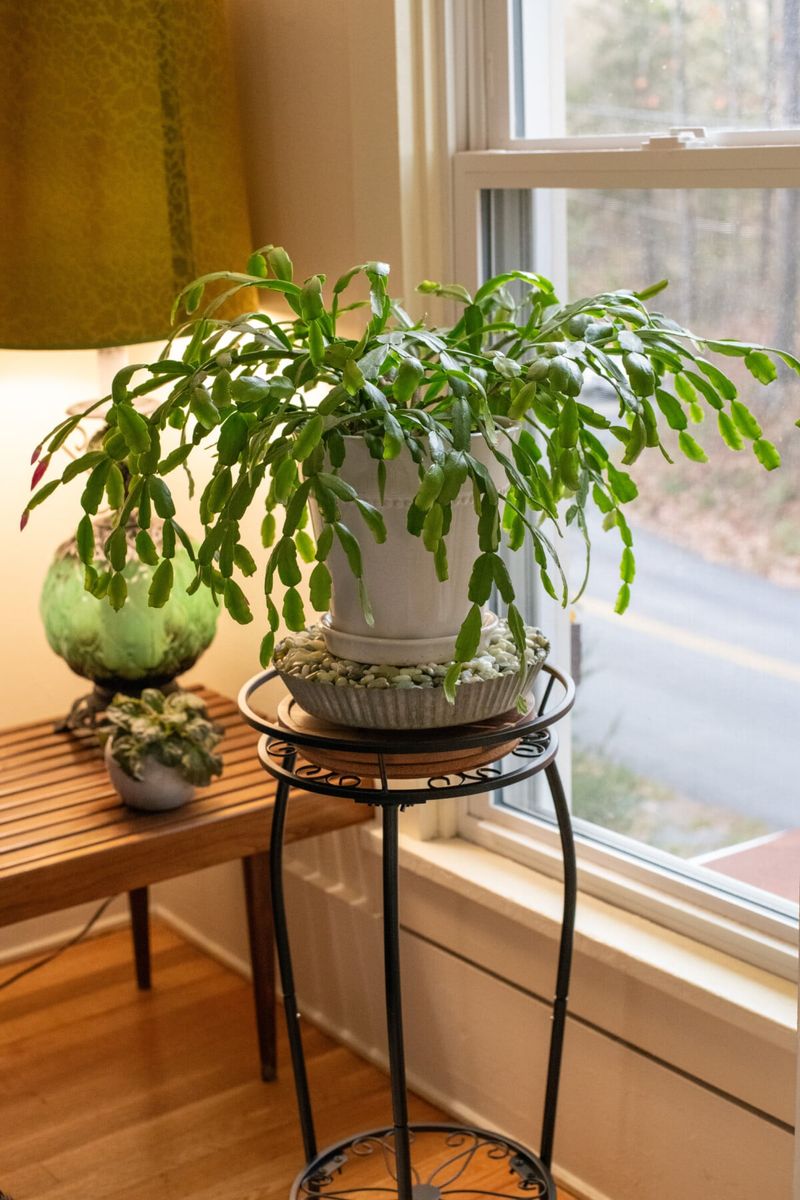
Summer on a shady porch can do wonders for a Christmas cactus. The fresh air and soft light often leave the plant plump and green.
Fall changes the rules, especially across the state. Frost can arrive in upstate regions by late September or early October.
Bring your plant inside before the first frost hits. Another good cue is when nights stay below 50 degrees on a regular basis.
Cool outdoor nights in early fall actually help bud setting. Just watch the forecast closely so a surprise cold snap does not catch you.
Moving straight from patio to living room can shock the plant. A gradual shift over several days works much better.
Start by bringing it in for a few hours each day. Slowly increase the indoor time until it stays inside for good.
Check the leaves and soil for hitchhikers before coming indoors. Mealybugs, spiders, and small slugs sometimes ride along in the pot.
A gentle rinse of the stems with lukewarm water can help. Let the pot drain well before setting it in its new home.
Here is a helpful tip for Long Island and city gardeners. Frost often arrives later near the coast, sometimes into early November.
Upstate growers usually have less wiggle room. Keep a local frost date chart handy so you can plan the move with confidence.
Soil Stays Slightly Drier Through Fall
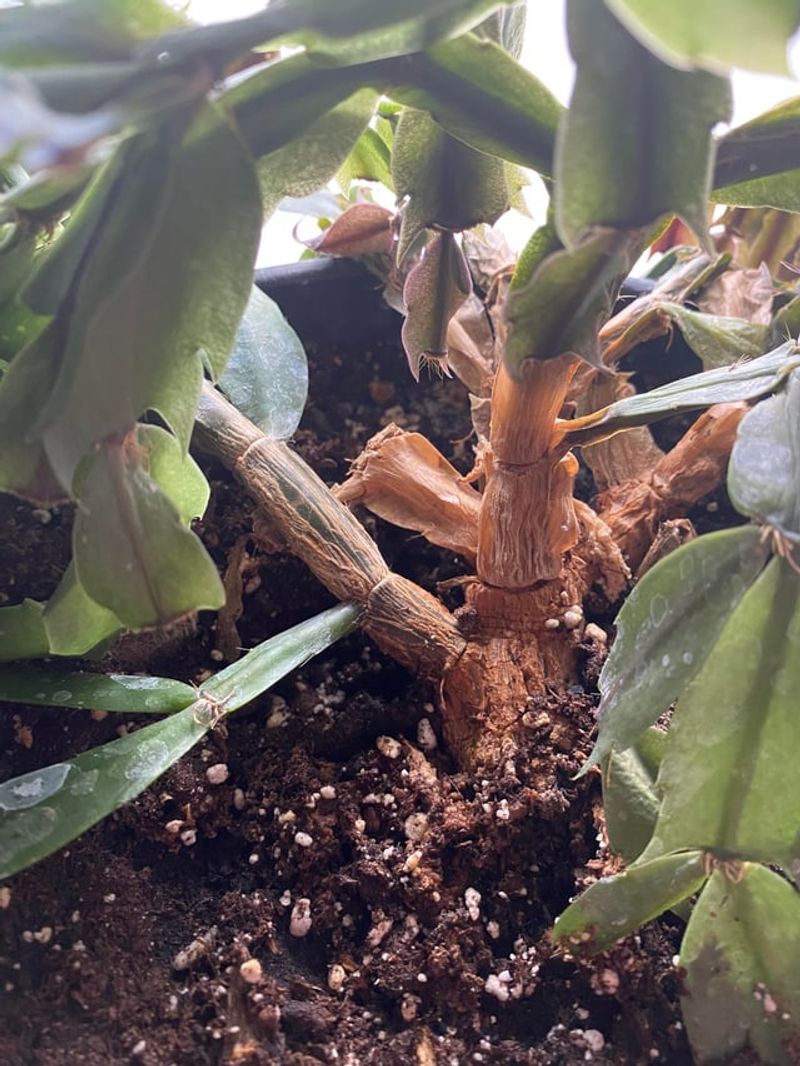
Some plants want a big drink every few days, but your cactus prefers a lighter touch in autumn. Easing up on water helps steer its energy toward flowers.
Aim for soil that stays slightly moist but never soggy. Wet roots can rot quickly when nights turn cool.
A simple finger test works better than a fixed schedule. Water when the top inch of soil feels dry to the touch.
Both extremes can lead to dropped buds. Bone-dry soil stresses the plant, while soggy soil weakens the roots.
Drainage plays a big role in keeping balance. Use a pot with holes and empty any water left sitting in the saucer.
Room temperature water is kinder than icy tap water. Let a cup sit out for a little while before pouring it in.
Hold off on heavy fertilizing during the bud-setting weeks. Many growers stop feeding in early fall and pick back up after blooming.
Dry indoor air in winters can pull moisture from the soil faster. Check the pot more often once the heat starts running.
Here is an easy trick for nervous waterers. Lift the pot after watering and notice how heavy it feels.
Lift it again a few days later and compare the weight. A noticeably lighter pot usually means it is time for another drink.
Bright, Indirect Daylight Keep The Plant Strong
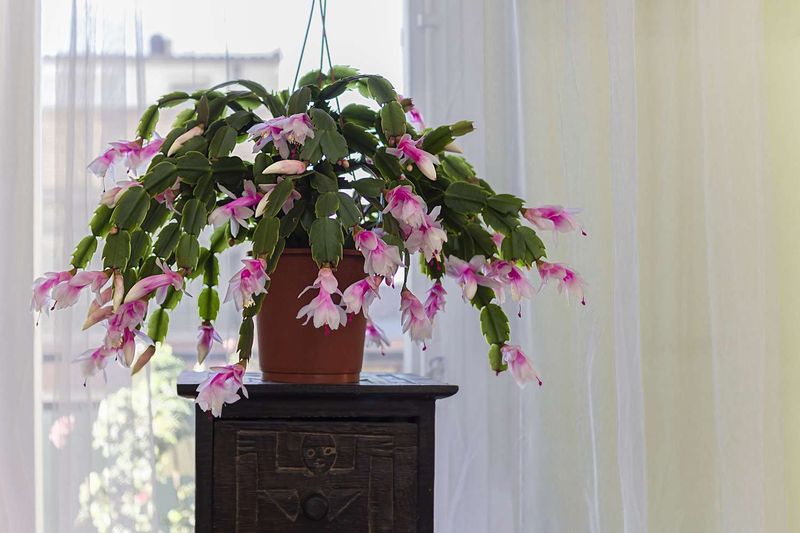
Long nights get all the attention, yet daytime light quietly powers every bloom. Without good daylight, your plant lacks the fuel to build buds.
Christmas cacti thrive in bright, indirect light for about 8 to 10 hours daily. Think of the soft glow you get through a sheer curtain.
East or southeast windows are often ideal spots. Morning sun tends to be gentle and steady without scorching the stems.
Harsh direct sunlight can burn the flat segments. Reddish or yellow patches are often a sign the light is too strong.
Fall light grows weaker as the season moves on. A spot that felt too bright in July may be perfect by October.
Rotate the pot a quarter turn every week or so before buds appear. Even light helps the plant grow evenly on all sides.
Stop rotating once buds start forming, though. Buds can turn toward the light and may drop if you keep shifting them.
Grow lights can help in dim apartments with few windows. Just switch them off well before the long dark period begins.
Curious about those flat green parts? They are actually stems, not leaves, and they handle photosynthesis for the plant.
Healthy, deep green segments usually mean the light is right. Pale or limp stems suggest the plant needs a brighter spot.
Moved Plants May Drop Their Buds
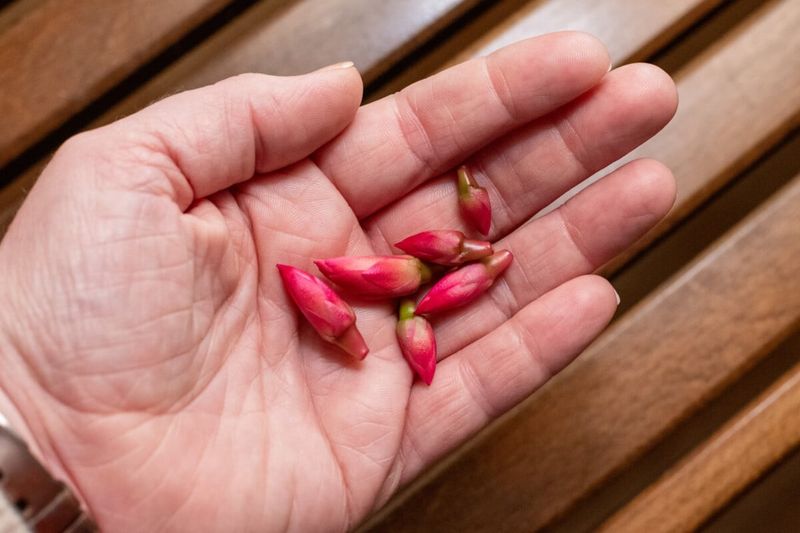
Few things sting like finding a pile of pink buds on the table. Sadly, moving a budding plant is one of the most common causes.
Christmas cacti are sensitive to change once buds have formed. Shifts in light, temperature, or even position can make them let go.
Even turning the pot around can upset some plants. The buds may have already angled toward a light source.
Plan your display spot before buds get large. Move the plant early, then let it settle in for the rest of the season.
Holiday decorating often tempts people to shuffle things around. Try building your decor around the cactus instead of moving it.
Gift plants face extra stress from car rides and new homes. If you give one as a present, explain the bud drop risk to the receiver.
Steady conditions are the best protection. Keep watering, light, and temperature as consistent as you can.
Losing a few buds does not mean the season is ruined. Most plants still open plenty of flowers if conditions stay calm.
Here is a small comfort for New York growers. Plants that drop buds often recover and bloom well the following year.
Take notes on what changed before the drop happened. Those clues will help you fine-tune your routine for next October.