7 Black Flowers And Plants For A Hauntingly Beautiful Fall Garden In Texas
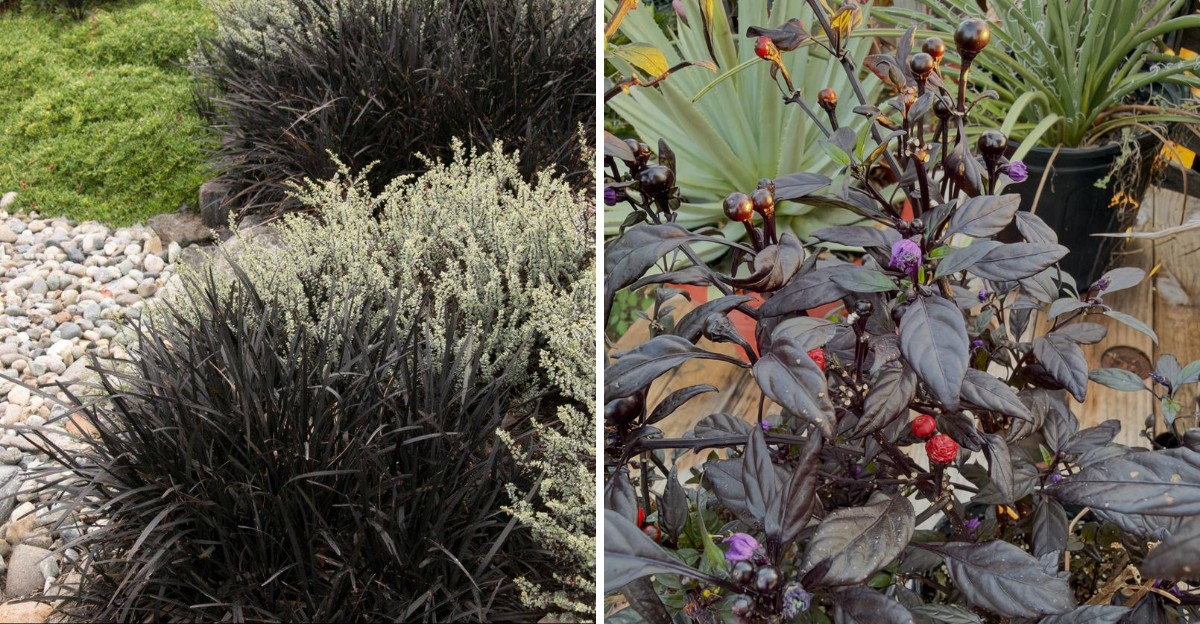
Black flowers and dark leaves can turn an ordinary yard into a moody, eye-catching space that fits right in with Halloween decorations.
These plants are not truly pure black, but their deep purple, maroon, and inky shades look almost black in the right light.
They make bright colors pop, add depth to containers and flower beds, and look especially striking next to orange pumpkins or silver-leaved plants.
Come October, they can turn an ordinary yard into something a little bit spooky and a lot more stylish.
Plenty of these dark beauties also handle Texas heat surprisingly well, and some keep going long after Halloween is over.
If you want a garden with a touch of gothic charm, these plants bring all the drama without any of the fright.
1. Black Pansies For Velvety Cool-Season Charm
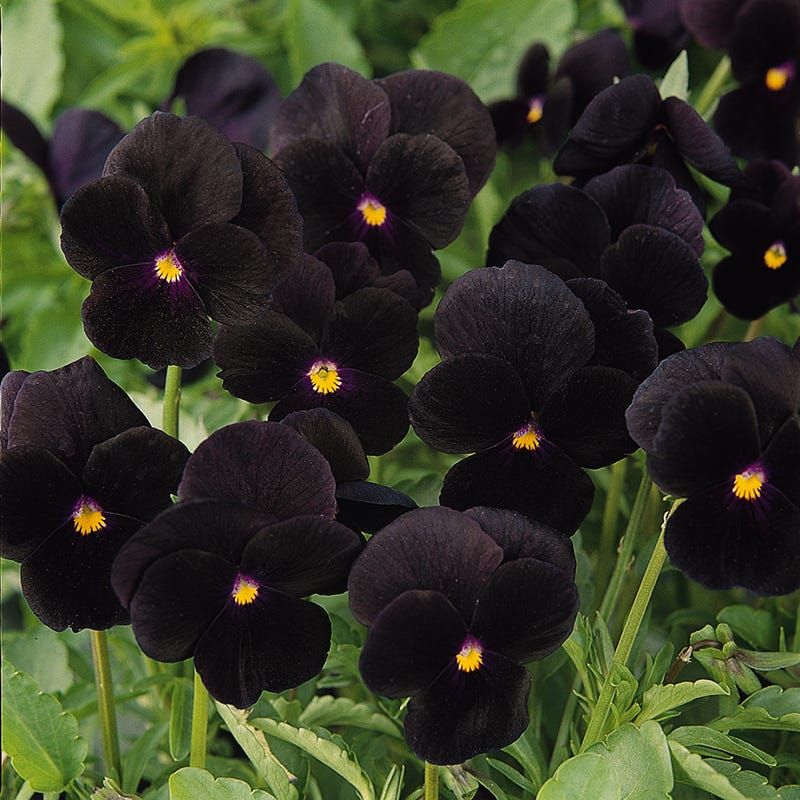
Soft as a velvet cape, a black pansy looks like it belongs in a storybook witch’s garden. The petals are so dark that people often lean in close to check if they are real. Kids love touching them, and adults love how fancy they look.
Pansies are cool-season flowers, which makes them a smart pick for Texas. They do not like summer heat at all. Once nights cool off in October or November, you can plant them and enjoy blooms through winter and often into spring.
Look for varieties like ‘Black Moon’ or ‘Halloween II’ at your local nursery. Plant them in a spot with morning sun and some afternoon shade.
In North Texas, full sun is fine during the cool months, but in South Texas a little shade helps.
Good soil matters a lot. Mix in some compost before planting so the roots can spread easily. Water when the top inch of soil feels dry, but do not let the pot sit in a puddle.
Here is a helpful trick. Pinch off old, faded flowers every few days. The plant will then push out more new blooms instead of making seeds.
Black pansies look amazing next to bright colors. Try pairing them with orange violas, yellow pansies, or silver dusty miller. The contrast makes the dark petals pop even more.
Fun fact: the name pansy comes from the French word pensée, which means thought. People once believed the flower looked like a thoughtful human face. With their dark faces, black pansies look like they are thinking up a spooky secret.
Add a light layer of mulch to keep roots cozy during cold snaps, and they will reward you for months.
2. Black Petunias That Bring Inky Drama
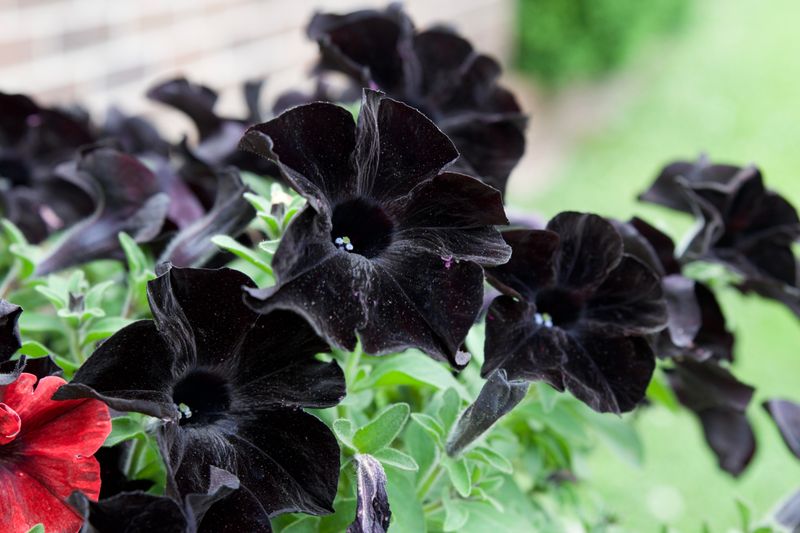
Ever seen a flower that looks like it was dipped in ink? That is the magic of ‘Black Velvet’ petunias. When they first came out in 2011, gardeners were amazed because a true black petunia had never been sold before.
In much of Texas, petunias actually struggle in the hottest part of summer. They grow best when temperatures cool down.
That makes early fall a great time to plant them, especially in Central and South Texas where winters stay mild.
Your Texas Garden Changes Every Week. Your Plan Should Too.
Gardening in Texas changes quickly throughout the season. Every Friday you’ll receive a simple weekly plan showing exactly what to plant, prune, fertilize, harvest, and protect so you never miss the right timing.
Petunias love sunshine. Give them at least six hours of direct light each day. Without enough sun, they get leggy and make fewer flowers.
Hanging baskets and pots are perfect homes for them. Their blooms spill over the sides and create a dark waterfall of color. Use a good potting mix that drains well, because soggy roots make petunias unhappy.
Feed them every two weeks with a liquid flower fertilizer. Petunias are hungry plants, and regular meals keep the blooms coming. If stems start looking long and floppy, trim them back by about a third.
Want a fun combo? Plant ‘Black Velvet’ with ‘Phantom’ petunias, which are dark with bright yellow stars.
Or mix them with white petunias for a classic black and white look. Some gardeners call that pairing the tuxedo basket.
Keep an eye on the weather forecast. Petunias can handle light chills, but a hard freeze will hurt them. Simply move pots into a garage or cover them with a sheet on frosty nights.
With a little care, these dark beauties will keep your porch looking dramatic well past Halloween and often until Thanksgiving dinner.
3. Black Mondo Grass For Year-Round Dark Edging
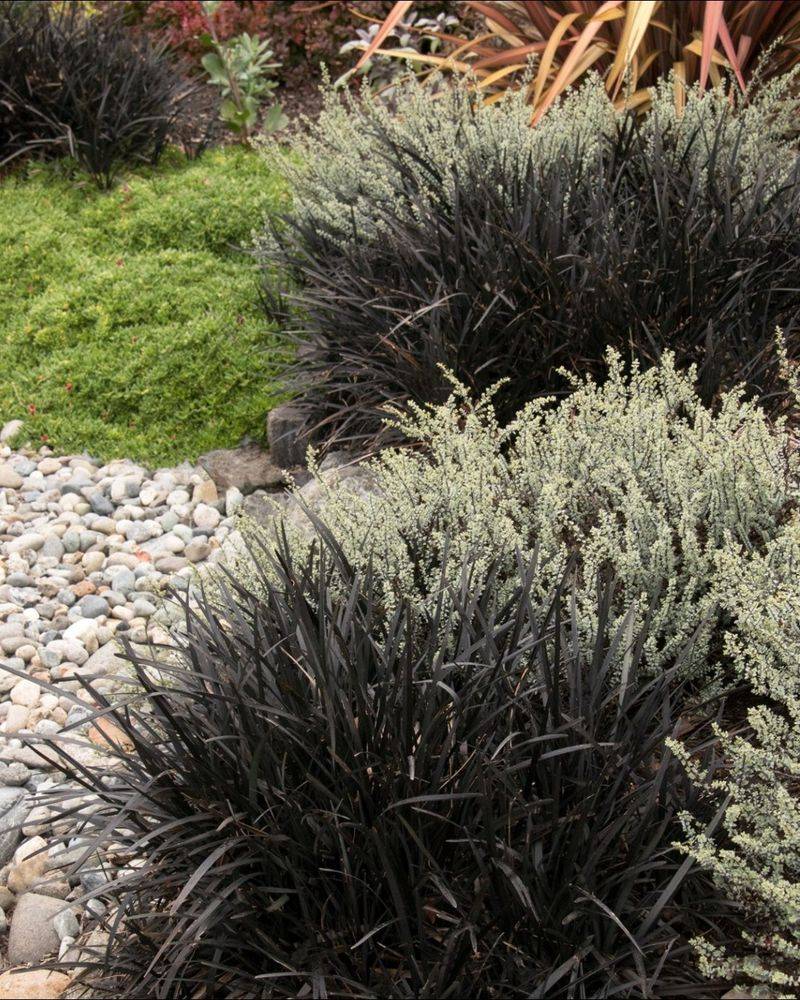
Some plants shout for attention, but black mondo grass simply whispers. Its slim, dark leaves look almost like strips of licorice poking out of the ground. Once you plant it, it stays dark and lovely all year long.
Despite its name, black mondo grass is not really a grass. It belongs to the asparagus family. Gardeners just call it grass because of its thin, arching leaves.
The plant only grows about six to eight inches tall. That small size makes it ideal for edging paths, lining garden beds, or filling gaps between stepping stones. It also looks sharp in modern pots with white or gray gravel on top.
Shade is where it really shines. In Texas, afternoon sun can scorch the leaves, so pick a spot with morning light or bright shade. Under a tree or along the north side of a house works great.
Patience is key with this one. Black mondo grass grows slowly, so do not expect it to fill an area in one season. Plant clumps about six inches apart, and over a few years they will spread into a thick carpet.
Watering is simple. Keep the soil lightly moist while the plants settle in, then water during dry spells. Once established, it handles Texas winters with no trouble at all.
In summer, tiny pink or lavender flowers may appear, followed by shiny black berries. Those berries add another fun spooky touch.
For a striking fall look, plant it next to chartreuse plants like golden creeping Jenny. The bright green makes the dark leaves look even deeper and more mysterious.
4. ‘Black Magic’ Elephant Ear With Giant Spooky Leaves
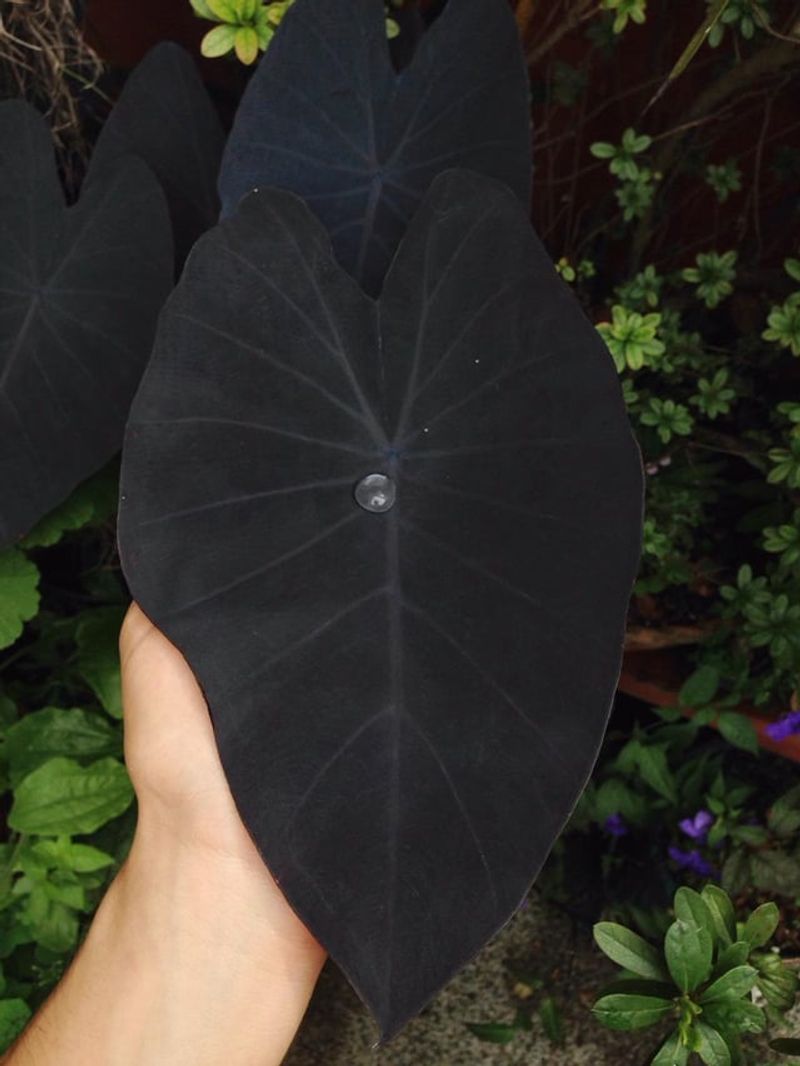
Walk past a ‘Black Magic’ elephant ear, and you might feel like you stepped into a haunted jungle. The leaves can grow up to two feet long. Their dusky purple-black color looks almost unreal against a bright fall sky.
Texas heat does not scare this plant one bit. In fact, it loves it. Hot days and plenty of water help it grow tall, often reaching four to six feet by late summer.
Give it a spot with full sun to partial shade. More sun usually brings darker leaves, but in West Texas a bit of afternoon shade helps prevent crispy edges. Rich, moist soil keeps it happiest.
Water is its best friend. Elephant ears come from wet, swampy areas, so they like soil that stays damp. They even do well near ponds or in low spots where water collects after rain.
Big pots work too. A large container by the front door makes a bold statement, especially with a few jack-o-lanterns tucked at its base. Feed it every few weeks with a balanced fertilizer to keep those huge leaves coming.
The leaves stay dramatic until the first frost. After that, they flop over and turn mushy. In South Texas, the roots often survive winter in the ground and sprout again in spring.
In colder parts of the state, dig up the bulbs after frost. Let them dry for a few days, then store them in a paper bag in a cool garage. Replant them next spring.
Fun fact: elephant ears are related to taro, a plant people have grown for food for thousands of years.
5. ‘Blackie’ Sweet Potato Vine For Trailing Shadows
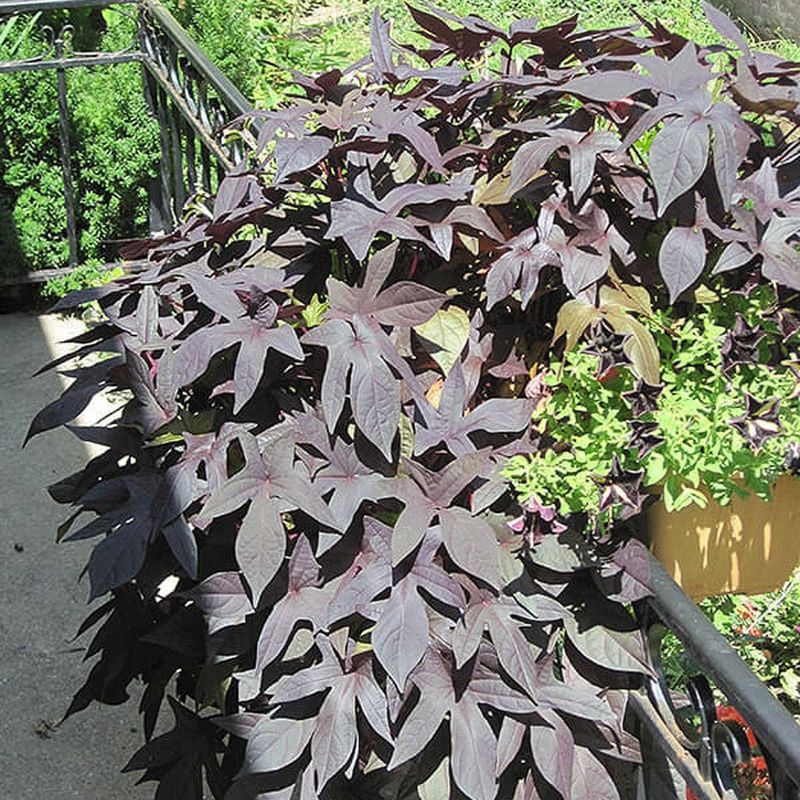
Here is a plant that practically grows itself. Toss a ‘Blackie’ sweet potato vine into a pot, give it sun and water, and step back. Within weeks, dark leaves will tumble over the edges like spilled shadows.
The leaves are deeply lobed, which means they have finger-like points. Many people say they look a bit like maple leaves or tiny bat wings. That shape makes them perfect for a Halloween display.
Heat is no problem for this vine. It thrives in Texas summers and keeps looking great right up until frost. That gives you months of color from just one plant.
Window boxes, hanging baskets, and tall planters are its favorite stages. Use it as the spiller in a container. Put a tall plant in the middle, some colorful flowers around it, and let the vine trail down the sides.
Full sun brings out the darkest color. In shade, the leaves turn more green-purple. Water regularly, especially in pots, because they dry out fast on hot days.
Watch out, though. This vine can get wild. If it starts taking over its neighbors, just snip it back with scissors. It will not mind one bit.
Did you know? ‘Blackie’ is the same species as the sweet potatoes you eat at Thanksgiving. When you pull it up in late fall, you may even find small tubers in the soil. They are edible but usually not very tasty.
For a bold fall pot, mix ‘Blackie’ with orange mums and lime-green sweet potato vine. The mix of colors looks festive and fun on any front porch.
6. ‘Black Pearl’ Ornamental Pepper With Halloween Colors
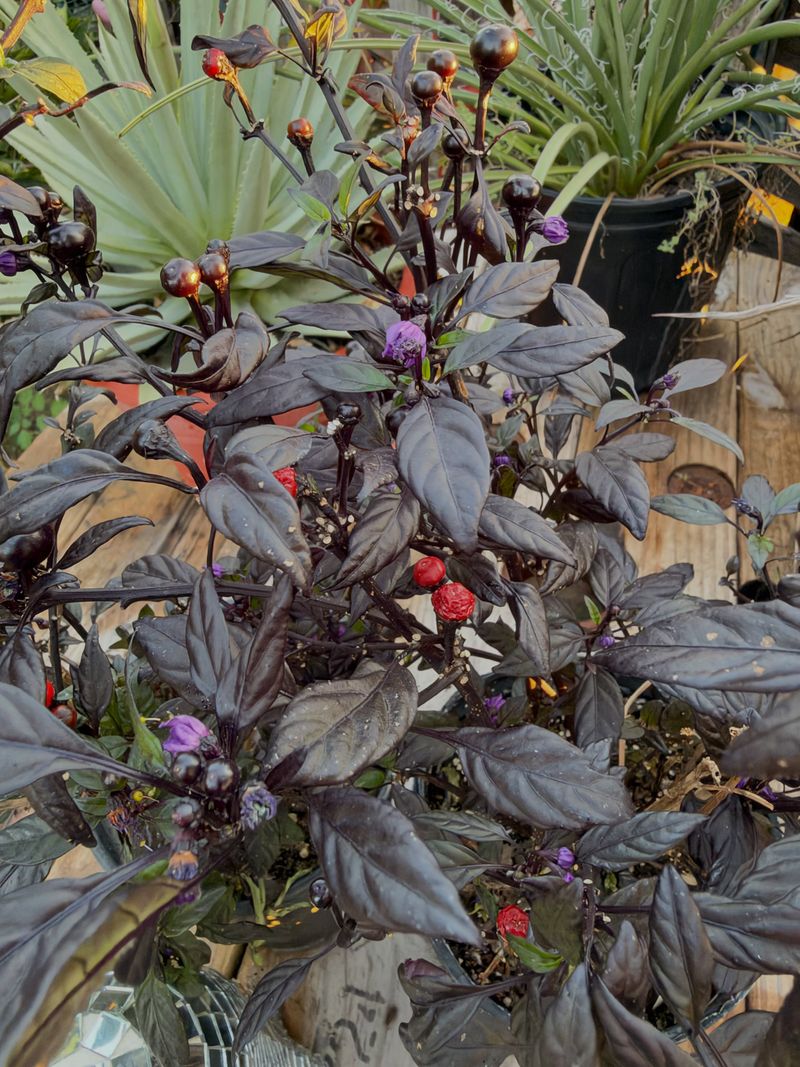
Orange and black are the official colors of Halloween, and ‘Black Pearl’ ornamental pepper nails the look. Its leaves are a deep purple-black. Its small, round peppers start shiny black and slowly ripen to bright red.
When both colors hang on the plant at once, it looks like a living party decoration. Neighbors may stop and ask what it is. It even won an All-America Selections award for its beauty back in 2006.
Texas heat suits this plant well. Peppers come from warm places, so long, hot summers help them grow strong. By fall, the plant is usually at its very best.
Plant it in full sun for the darkest leaves and the most peppers. Well-drained soil is a must. In heavy clay, add compost or grow it in a raised bed or pot.
Water deeply about once or twice a week, depending on the weather. Let the top of the soil dry a little between waterings. Too much water can cause yellow leaves.
A quick safety note. These peppers are edible, but they are very hot. Keep them away from small kids and pets who might want to taste the shiny little balls. Wash your hands after touching them, and never rub your eyes.
‘Black Pearl’ grows about eighteen inches tall and wide. That size fits nicely in borders, pots, and even small fall arrangements.
Try pairing it with yellow marigolds or orange pansies. Together they create a warm, harvest feel. A few pots near pumpkins on the steps make a fall scene everyone will notice.
7. ‘Black Dragon’ Coleus For Ruffled, Moody Foliage
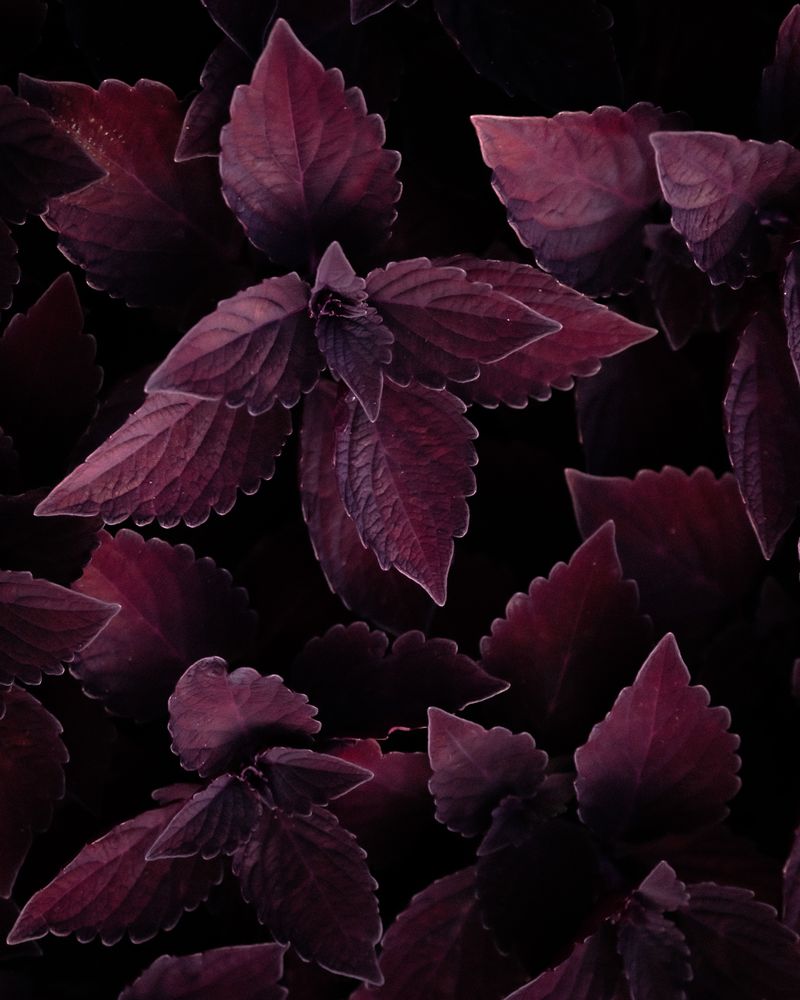
With a name like ‘Black Dragon,’ you know this coleus means business. Its ruffled leaves look soft and velvety. The deep purple-black color shows hints of red in the center, almost like glowing embers.
Coleus is grown for its leaves, not its flowers. That is great news for busy gardeners. You get rich color without having to worry about deadheading old blooms.
Shade lovers will be thrilled with this one. ‘Black Dragon’ does best in shady to partly sunny spots. Too much hot afternoon sun can fade or burn the leaves, especially in Texas.
Morning sun with afternoon shade is the sweet spot. Under a live oak or on a covered patio works well. It looks gorgeous in containers and shady flower beds alike.
Keep the soil evenly moist. Coleus gets droopy fast when thirsty, but it usually perks right back up after a drink. A layer of mulch helps hold moisture in garden beds.
Here is a pro tip. When you see small flower spikes forming at the top, pinch them off. The plant will put its energy into making bushier, fuller leaves instead.
You can also grow new plants for free. Snip a four-inch stem, remove the bottom leaves, and set it in a glass of water. Roots usually appear in about a week.
The color lasts until the first frost, when coleus quickly fades. Take a few cuttings before cold weather arrives and grow them on a sunny windowsill all winter. Next spring, you will have a fresh batch of dragons ready for the garden.