What It Really Means When A Fox Shows Up In Your Pennsylvania Yard
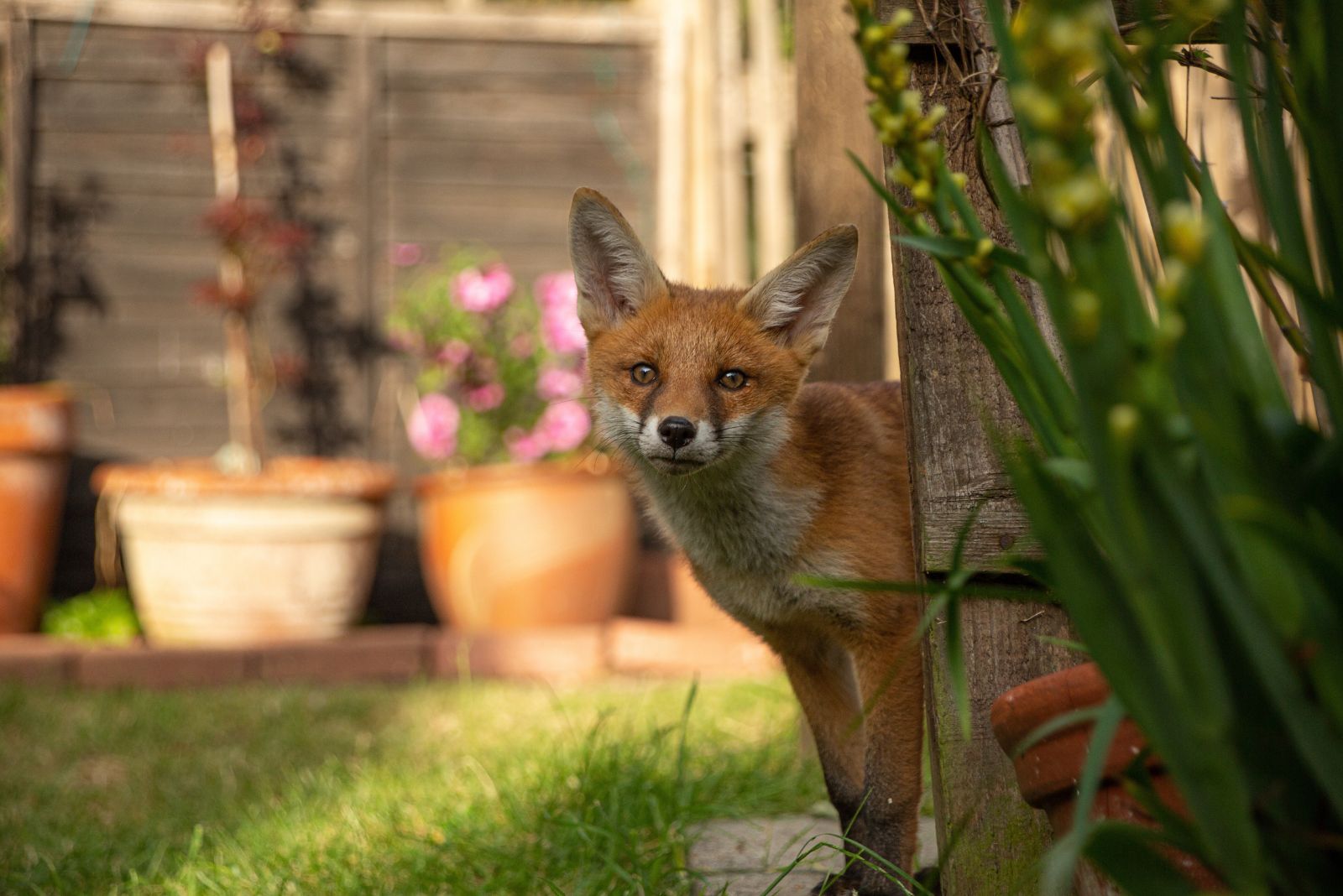
Seeing a fox in your Pennsylvania yard stops most people in their tracks, and the reaction tends to swing between fascination and concern depending on the person.
Foxes are beautiful animals, and a daytime sighting in a residential area raises questions that a lot of homeowners are not sure how to answer.
Is it sick? Is it dangerous? Does it mean something is wrong? Most of the time the answer is far less alarming than the initial reaction suggests.
Red foxes are more common in Pennsylvania neighborhoods than most people realize, and their presence in a yard usually tells you something specific about your property and the surrounding area rather than signaling a problem.
Understanding what is actually drawing a fox in, what their behavior typically means at different times of year, and when if ever a sighting warrants concern gives a much clearer picture of what is really going on in your yard.
1. Your Yard Provides Food Sources

Foxes are smart, resourceful animals, and food is almost always the number one reason they show up somewhere new. If a fox has been spotted in your yard more than once, take a good look around at what might be attracting it.
Pennsylvania foxes are opportunistic feeders, which means they will eat just about anything that is easy to find.
Common food sources include mice, voles, rabbits, and insects that naturally live in grassy or wooded yards. Fallen fruit from apple trees, berry bushes, or garden plants can also be a big draw.
Bird feeders are another surprising magnet because they attract small rodents that foxes love to hunt.
Pet food left outside overnight is one of the most common culprits. Even a small bowl of cat food on a porch can bring a fox back night after night.
Compost piles with food scraps are another hidden attractant that homeowners often overlook.
Removing or securing these food sources is the most effective way to discourage repeat visits if you prefer not to have foxes around. Bring pet bowls inside at night, use sealed compost bins, and clean up fallen fruit regularly.
These simple changes can make your yard far less appealing to a hungry fox. Keep in mind that the presence of a fox hunting rodents in your yard is not always a bad thing. Foxes naturally help keep rodent populations in check.
So before you take action, consider whether the fox might actually be doing your yard a favor by keeping pest numbers low.
2. There’s Good Cover Nearby
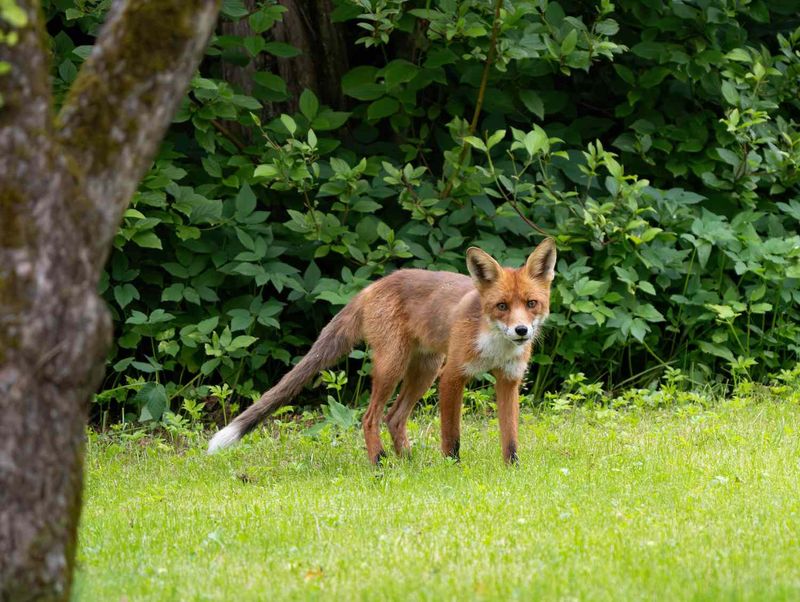
Foxes do not just wander randomly. They follow natural corridors and look for places where they feel safe and hidden.
If your yard borders a wooded area, has thick shrubs, brush piles, or tall grass, it offers exactly the kind of shelter a fox is looking for. Pennsylvania’s landscape is full of these natural edges, making suburban and rural yards especially attractive to passing foxes.
A brush pile left from yard cleanup, an overgrown corner behind the shed, or dense hedgerows along a fence line can all serve as temporary resting spots or travel routes.
Your Pennsylvania Garden Changes Every Week. Your Plan Should Too.
Gardening in Pennsylvania changes quickly throughout the season. Every Friday you’ll receive a simple weekly plan showing exactly what to plant, prune, fertilize, harvest, and protect so you never miss the right timing.
Foxes are crepuscular, meaning they are most active around dawn and dusk, and they prefer to move through areas where they can stay partially hidden from view.
Gray foxes, which are common in Pennsylvania’s woodlands, are especially drawn to dense vegetated areas. They are even known to climb trees, so wooded yards with low branches can feel like a five-star hotel to them.
Red foxes tend to prefer more open areas but will still use brushy edges as cover when moving through neighborhoods.
If you want to reduce fox activity near your home, consider tidying up dense vegetation close to your house. Clear away brush piles, trim overgrown shrubs, and keep grass mowed in areas near doors or play spaces.
You do not need to clear your entire yard. Just reducing hiding spots near high-traffic areas can encourage foxes to pass through rather than linger. A little maintenance goes a long way in making your yard feel less like a fox highway.
3. The Local Ecosystem Is Relatively Healthy
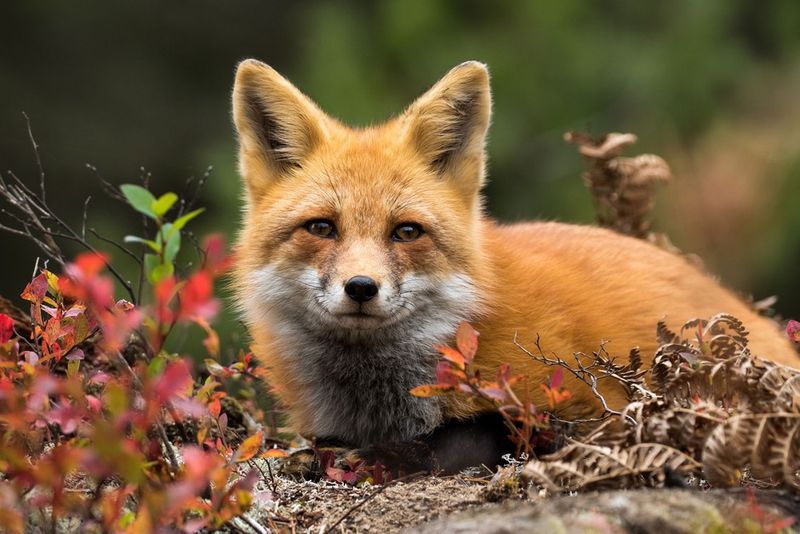
Believe it or not, seeing a fox in your yard can actually be a good sign about the health of your local environment. Foxes sit near the top of the small predator food chain, and they need a functioning ecosystem to survive.
Their presence suggests that prey animals like mice, voles, rabbits, and birds are plentiful enough to support them.
In areas where natural habitats have been heavily disrupted by development or pollution, top predators like foxes tend to disappear first.
So when one strolls through your Pennsylvania yard, it often means the surrounding landscape still has enough biodiversity to support wildlife at multiple levels. That is genuinely something worth appreciating.
Foxes play an important role in keeping rodent populations balanced. A single fox can consume hundreds of mice and voles in a year.
Without predators like foxes, small rodent populations can explode and cause real problems for gardens, crops, and even home foundations. Having a fox patrol your neighborhood is a bit like having a free pest control service.
Pennsylvania Game Commission data shows that red fox populations remain stable across much of the state, which reflects reasonably healthy habitat conditions in many areas.
Wetlands, meadows, farmland edges, and forest patches all contribute to a landscape that can support foxes and the prey they depend on.
Next time you see a fox trotting across your lawn, consider it a small but meaningful signal that nature is still doing its thing nearby. Healthy ecosystems benefit everyone, including the people who live alongside them every single day.
4. It May Be Raising Young Nearby
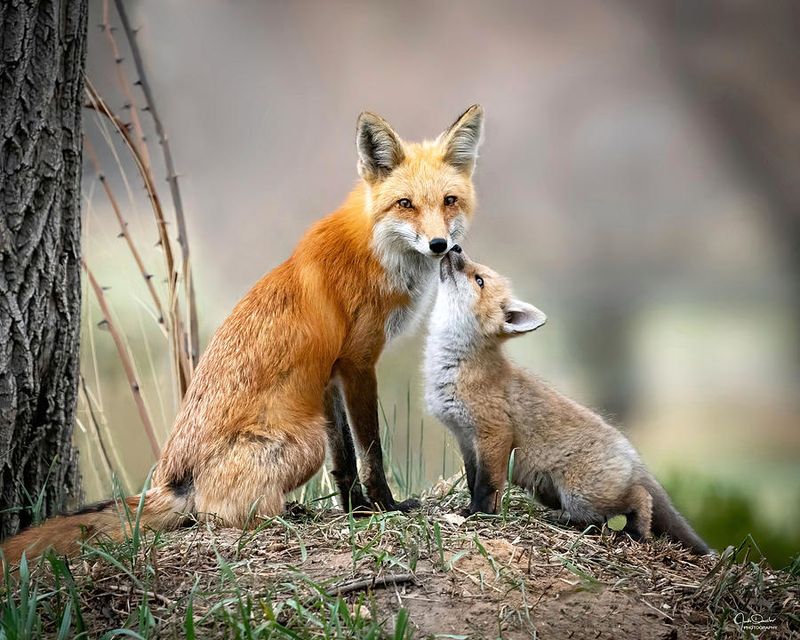
Spring and early summer are the most active seasons for fox sightings in Pennsylvania, and there is a good reason for that. Between March and June, foxes are raising their young, called kits.
A mother fox, known as a vixen, will make repeated trips through nearby areas to find food for her growing family. If you are seeing a fox regularly during these months, there is a solid chance there is a den somewhere close by.
Fox dens are often located in hidden spots like under sheds, in dense brush, beneath old tree roots, or along embankments. Vixens choose locations that feel protected and quiet.
Sometimes they set up shop closer to human activity than you might expect, partly because larger predators like coyotes tend to avoid areas with regular human presence.
Watching a fox family from a respectful distance can be one of the most memorable wildlife experiences a Pennsylvania homeowner can have.
Fox kits are playful and curious, and they often tumble around near the den entrance in the early evening hours. Most families move on once the kits are old enough to travel, usually by late summer.
If you discover a den under your shed or porch, the best approach is patience. Avoid disturbing the area, keep pets indoors more often, and wait for the family to move on naturally.
Harassing or attempting to relocate a nursing fox family can cause serious stress to the animals and may not even be legal depending on local wildlife regulations in Pennsylvania. Letting nature take its course is usually the wisest move.
5. The Fox Is Usually More Afraid Of You Than You Are Of It
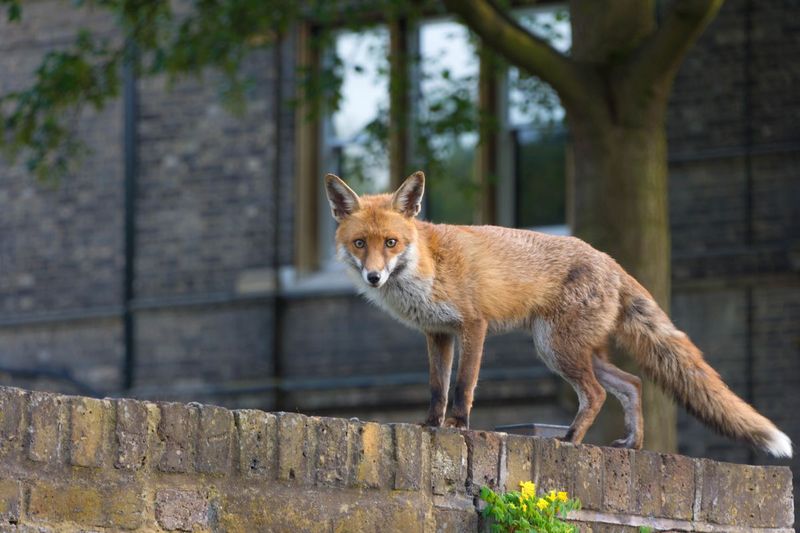
Most people freeze up the first time they lock eyes with a fox in their yard. But here is something that might surprise you: the fox is probably way more stressed about the situation than you are.
Healthy wild foxes are naturally wary of humans and will almost always choose to run rather than stick around when a person is nearby.
Red foxes in Pennsylvania have lived alongside humans for a long time, and they have learned that people can be dangerous. That wariness is actually a healthy survival instinct.
A fox that bolts when you step outside is behaving exactly as it should. It is not a sign of aggression or sickness. It simply means the animal is doing its job of staying alive.
You might occasionally see a fox that seems less skittish, especially in neighborhoods where people have accidentally fed them or where they have grown used to human activity.
This kind of bold behavior is worth paying attention to, but it is still not automatically a cause for alarm.
The exception is a fox that appears disoriented, stumbles, or acts aggressively without provocation. Those behaviors can sometimes indicate illness and should be reported to your local Pennsylvania wildlife authority.
For everyday encounters, the best thing you can do is simply make yourself known. Clap your hands, speak in a loud voice, or wave your arms.
This is called hazing, and it helps reinforce the fox’s natural fear of people. A fox that stays afraid of humans is a fox that is much less likely to cause problems in your neighborhood over time.
6. It Doesn’t Necessarily Mean There’s A Problem
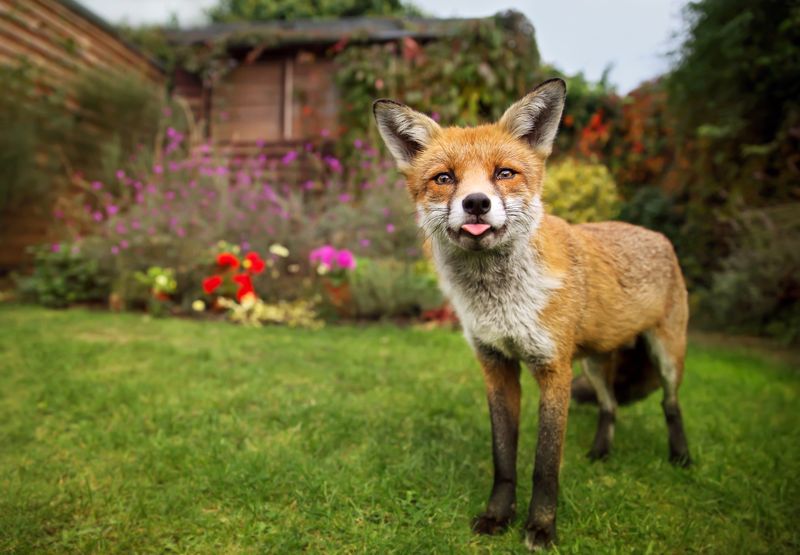
One of the most common reactions people have when they see a fox is immediate worry. Questions like “Is it rabid?” or “Will it hurt my kids?” tend to pop up fast.
The truth is that a single fox passing through your Pennsylvania yard is almost never a sign that something is wrong. More often than not, it is simply using your property as part of its regular home range.
Foxes cover a lot of ground each day. A red fox’s home territory can stretch from one to five square miles depending on food availability and the time of year.
Your yard might just be one small stop on a much longer nightly route. The fox was probably there before you noticed it, and it will likely be gone just as quietly.
Pennsylvania has a long history of foxes living in close proximity to people without major incidents. Attacks on humans are extremely rare and almost always connected to an animal that is sick or has been fed by people and lost its natural fear.
Keeping a respectful distance and never feeding foxes intentionally are the two most important things you can do to keep both yourself and the fox safe.
Coexisting with foxes is genuinely possible and even rewarding for many Pennsylvania homeowners. Learning to recognize normal fox behavior helps you stay calm and make smart choices.
Secure your chickens if you have them, supervise small pets outdoors, and enjoy the rare chance to observe a wild animal up close. A visiting fox is a reminder that nature is still alive and well, right outside your door.