Leaf Cleanup Becomes Your Favorite Task With These 8 Super Easy Tricks
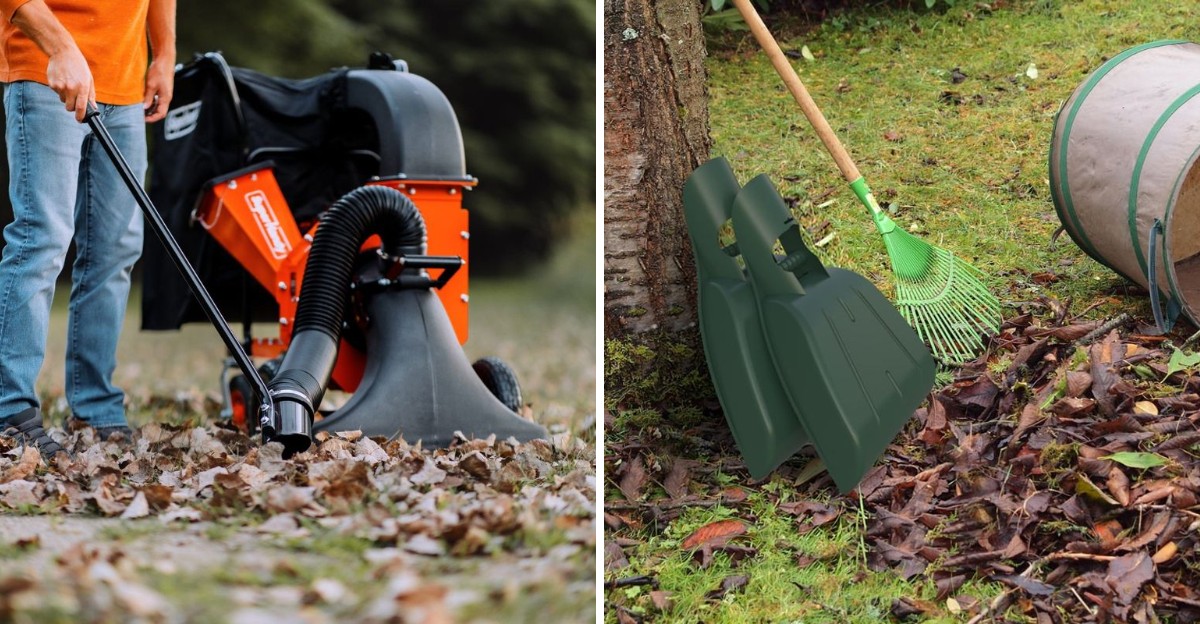
A single mature oak can drop around 200,000 leaves in one autumn, and every one lands somewhere. In my yard, it often feels like most of them choose my front walk on purpose.
The EPA counted roughly 35 million tons of yard trimmings generated across America in 2018 alone. A huge share of that heap is fallen leaves, and much of it could quietly feed our lawns instead.
I used to dread that crunchy blanket each October and grumble through long, blistered afternoons with a rake. After I tested a few smarter habits, my cleanup time shrank and my sore back finally stopped complaining.
You might notice your neighbors working twice as hard for half the result every single fall. What changes when those leaves stop being trash and start acting like free treasure for your garden?
1. Mow Fallen Leaves Into Tiny Lawn Confetti
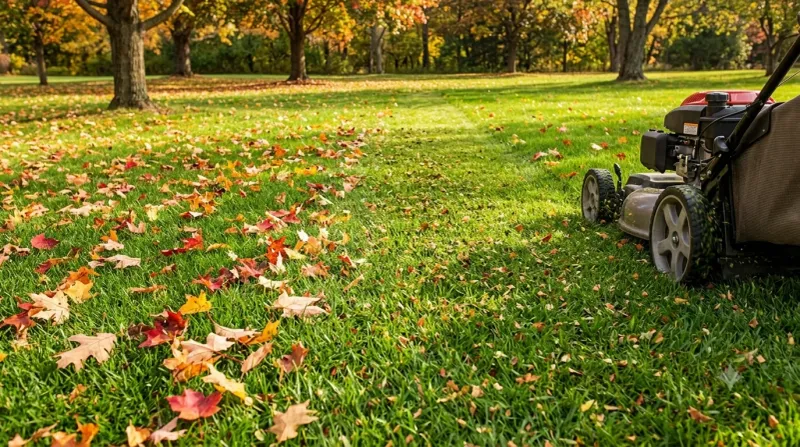
My mower became my favorite leaf tool the day I realized it could turn crunchy piles into tiny confetti. Those dime-sized flakes slip down between grass blades and break down over the following weeks, like a quiet backyard magic trick.
Researchers at Michigan State University spent years mowing leaves into test lawns and found no harm to healthy turf. Their plots often looked greener the following spring, which surprised plenty of skeptical homeowners and turf experts at the time.
Shredded leaves feed soil microbes and earthworms, slowly returning organic matter that your grass can use later on. You also save money on paper bags, and you skip the sore shoulders that come with hauling heavy loads.
A regular rotary mower works fine, though a mulching blade chops the pieces smaller and faster than standard blades. Set the deck a little higher than usual, around three inches, so leaves get tossed and sliced well.
Mow once a week during peak leaf drop instead of waiting for a knee-deep layer to build up. Thick piles can clog the deck and leave soggy clumps that smother the turf underneath through the winter months.
Check your work by looking down at the lawn after each pass across the yard. If you can still see green grass peeking through the brown bits, you chopped them small enough and did it right.
Dry leaves shred much more easily than soggy ones, so pick an afternoon after the morning dew burns off. I like to treat these sessions as my last relaxing mows of the season, with a warm cider waiting nearby.
2. Blow Leaves Toward One Corner With The Wind At Your Back
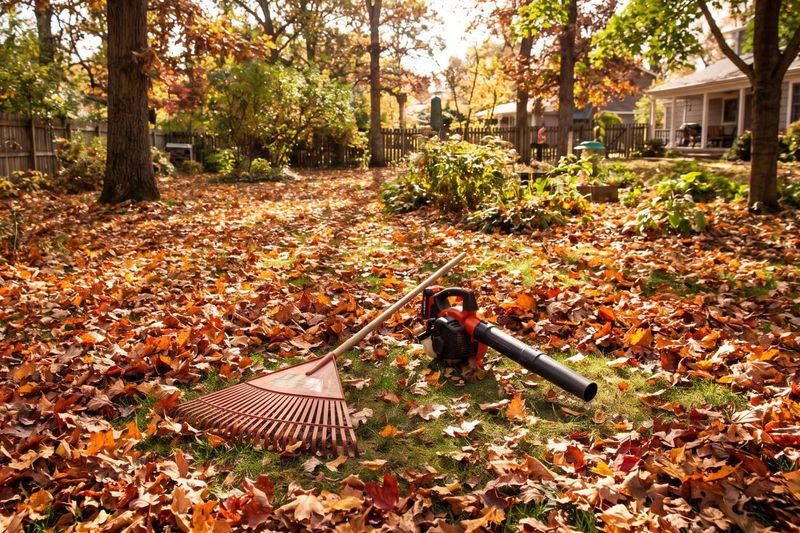
A leaf blower turns cleanup into something closer to herding sheep, and honestly that is half the fun for me. You walk slowly behind the stream of air and watch a whole carpet of color drift wherever you point.
Start with driveways and sidewalks first, since leaves slide easily across hard surfaces and clear in just minutes. Once those spots look tidy, you have clean edges to work toward instead of a messy patchwork all over.
Work across the lawn in straight rows, the same way you would mow, and push leaves toward one spot. Hold the nozzle low and angled slightly down, so the air gets underneath leaves instead of scattering them everywhere.
Pay close attention to the breeze before you start blowing anything around the yard on cleanup day. Moving leaves in the same direction as the wind saves energy, while fighting a gust sends your work right back.
Several medium piles are easier to handle than one giant mountain that keeps spilling over its edges all afternoon. I usually build a few small heaps along the lawn edge and then gather them onto a tarp later.
Protect your ears and eyes, because many gas blowers run loud enough to harm hearing over long stretches of time. Foam earplugs and simple safety glasses cost very little and make longer sessions far more comfortable for most people.
Some towns limit blower hours or restrict gas models, so check your local rules before an early Saturday start time. Battery blowers run noticeably quieter, and your neighbors will probably appreciate the difference more than they ever say out loud.
3. Drag Big Leaf Piles Away On A Heavy Tarp
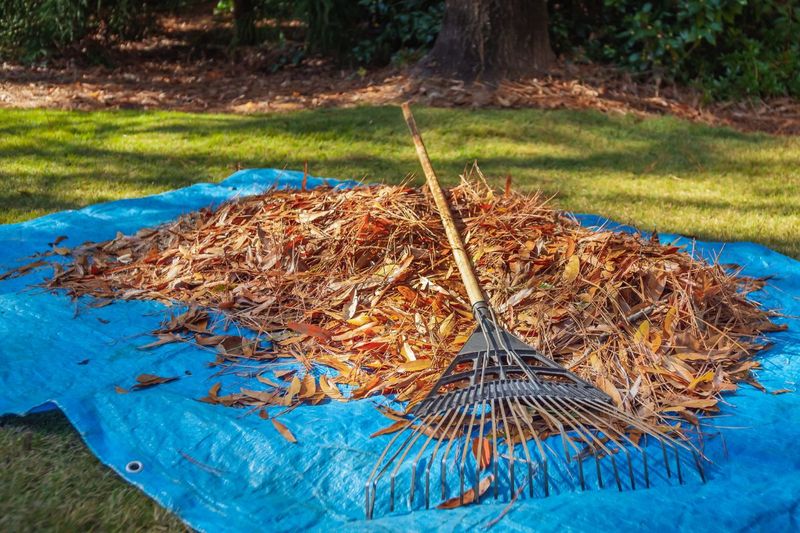
Nobody warned me that the cheapest tool in my garage would save my back more than any gadget I own. A plain tarp lets you slide a mountain of leaves across the yard like a sled on fresh snow.
Spread the tarp flat right beside your work area, then rake or blow the leaves straight onto its center. Keep the pile in the middle, because leaves stacked near the edges tend to tumble off once you start pulling.
Grab two corners, lean back slightly, and drag the load toward your compost bin or curbside collection area. Your legs do most of the work here, which feels much kinder than lifting armful after armful from the ground.
A medium tarp around eight by ten feet handles plenty for most yards without getting too heavy to move. Models with rope handles or reinforced grommets give your hands a firmer grip when the load gets bulky and awkward.
Bagging for city pickup gets easier with this trick too, and I learned it after one very messy afternoon. Fold the tarp into a loose funnel and pour leaves into a paper bag standing inside a sturdy trash can.
Large properties just need a little patience, since you can repeat the process section by section across the lawn. Moving one manageable load at a time keeps you from feeling buried by the whole job at once.
I keep my tarp folded near the back door all season long, ready for quick ten-minute pickups after windy nights. Shake it out and let it dry before storing it, or mildew may leave a musty smell behind.
4. Toss Shredded Leaves Into A Backyard Compost Pile

Crumbly dark compost made from last year’s leaves smells like a forest floor after rain, and I adore that smell. Every handful feels like a small reward for turning yard clutter into something my vegetable beds truly crave.
Leaves count as brown material, which means they bring carbon that compost microbes need for steady energy. Mix them with green material like fresh grass clippings or vegetable peels, which supply the nitrogen to keep things cooking.
Many extension services suggest roughly two or three parts browns to one part greens by volume for good balance. You do not need perfect math here, since a pile that feels lively and earthy usually means you are close.
Shred the leaves first with your mower or a leaf shredder before tossing them into the bin or heap. Whole leaves tend to mat into flat layers that shed water, while small pieces break down much faster overall.
Keep the pile about as damp as a wrung-out sponge, adding water from a hose during dry autumn stretches. Turning it with a garden fork every couple of weeks brings in air that the busy microbes need to thrive.
Cold winters slow decomposition way down, so the pile may sit quietly until warmer spring days return. Once temperatures climb again, the activity picks back up, and finished compost often appears by late spring or summer.
Stash a few bags of shredded leaves beside the bin to mix in later when summer greens pile up. I think of those bags as a savings account for my garden, ready whenever my kitchen scraps start overflowing.
5. Suck Up And Shred Leaves With A Vacuum Mulcher
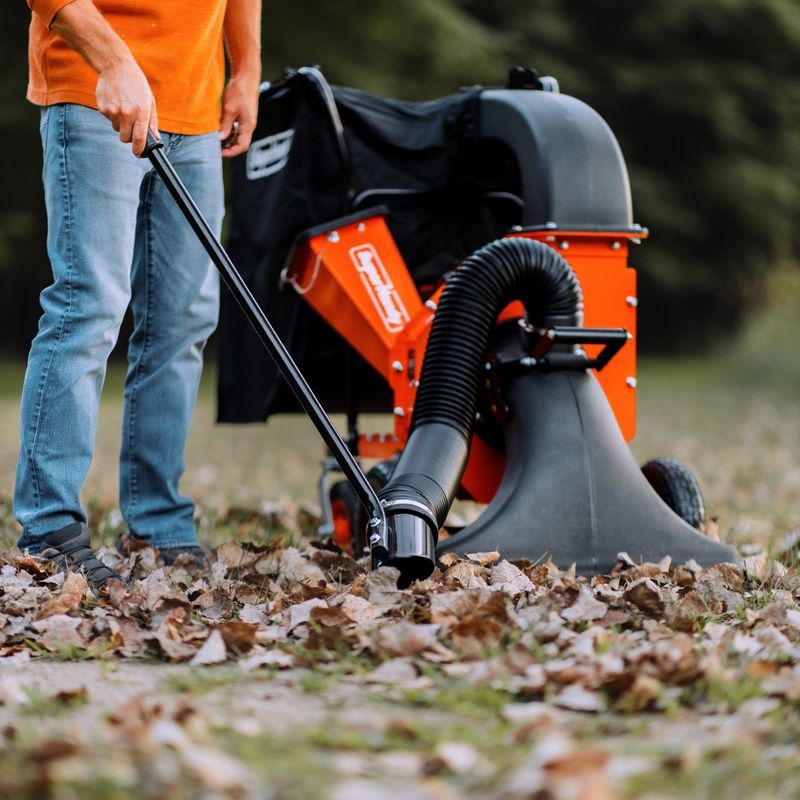
Hearing a pile of leaves whoosh up a tube and come out as fluffy flakes never gets old to me. A vacuum mulcher feels a little like a superpower, especially in tight spots where a rake keeps snagging on things.
Most handheld models switch between blowing and vacuuming, so one machine can gather leaves and then swallow them up. Inside the tube, a spinning impeller chops everything into small pieces before dropping them into an attached collection bag.
Manufacturers often list mulching ratios around ten to one or higher, meaning many bags of whole leaves shrink into one. Real results vary with leaf type and moisture, yet the drop in volume still feels dramatic on cleanup day.
Flower beds and fence lines are where these machines truly shine compared with a mower or a broad rake. You can steer the nozzle around shrubs and stepping stones without flattening the perennials you worked hard to grow.
Feed it dry leaves for the best performance, since wet clumps clog the tube and strain the motor quickly. Watch for sticks, acorns, and small stones, because hard objects can chip the impeller and shorten the tool’s life.
Empty the bag before it gets packed full, which keeps suction strong and the shoulder strap more comfortable to carry. I dump mine straight into the compost bin or spread the shreds as mulch around my hostas and roses.
Corded electric models suit smaller yards, while battery versions give you freedom to roam without dragging an extension cord. Wear a dust mask on dusty days too, since fine particles can kick up when you empty the bag.
6. Rake Smarter With A Lightweight Fan Rake And Leaf Scoops
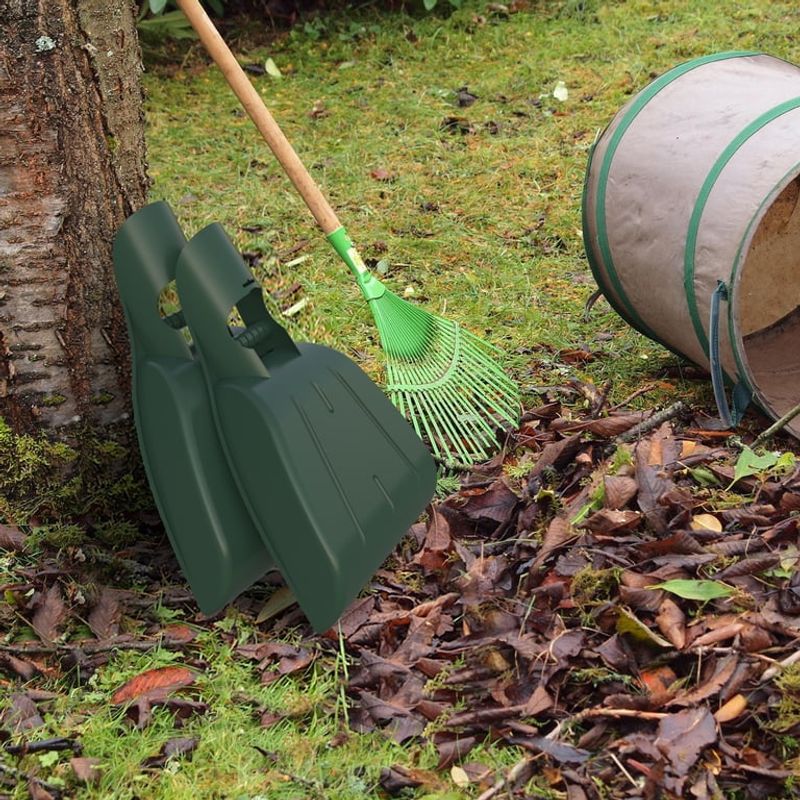
Raking still holds a cozy charm for me, with the soft scratch of tines and that crisp cool air. The secret is choosing gear that works with your body instead of against it, which changes the whole experience.
A wide fan rake with springy plastic or steel tines glides over grass and grabs loose leaves without much effort. Look for a lightweight model with a padded or bent handle, which helps keep your wrists in a natural position.
Use light, short strokes that skim the surface rather than digging into the soil with every single pull. Pulling leaves toward you, then stepping back and repeating, puts less strain on your back than long reaching motions.
Switch your leading hand every few minutes, the same way a canoe paddler changes sides to stay balanced longer. That small habit spreads the work across both arms and can make a long afternoon feel noticeably lighter afterward.
Leaf scoops look a bit silly, like giant plastic bear paws, yet they make pickup surprisingly quick and easy. You clamp a huge armful between both scoops and drop it straight into a bag or onto a tarp.
Around shrubs and perennial beds, a narrow adjustable rake reaches tight corners without tearing up stems or roots. Gentle hand collection works well too, especially near spring bulbs planted shallow in the soil that you want protected.
Take breaks, stretch your shoulders, and sip some water, even when the cool weather makes you feel fresh. I set a timer for twenty minutes, and those short rounds keep raking enjoyable rather than exhausting by evening.
7. Clear Leaves Weekly Before They Mat Down On The Lawn
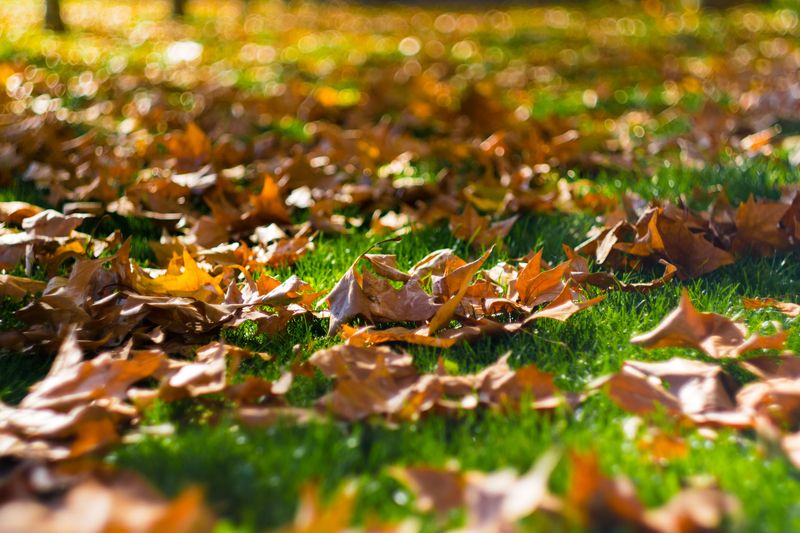
Leaves seem harmless when they first flutter down, but a thick soggy layer can quietly smother your lawn by spring. I learned that lesson the hard way after finding pale, matted patches where my favorite maple dropped its load.
Short weekly sessions keep each job small, which makes cleanup feel like a quick stroll instead of a weekend marathon. Ten or fifteen minutes with a rake or mower handles a light layer before it turns into a real problem.
Cool-season grasses keep growing in fall, storing energy in their roots for the coming year. They need sunlight reaching their blades to do that work, and a heavy leaf blanket blocks much of it.
Turf experts point out that matted leaves and long grass going into winter can encourage snow mold. That fungus shows up as gray or pink circular patches after snow melts, especially in spots where moisture lingered.
Watch your trees, because each species follows its own schedule for dropping leaves through the season. Some maples shed early and fast, while many oaks hold onto brown leaves well into late fall or even winter.
Plan bigger sessions around those peaks, and use quick mower passes on regular mowing days for the lighter weeks. Every bit you handle early means less heavy, wet material waiting for you when the weather turns harsh.
Keeping up also helps your gutters and storm drains, which clog fast once leaves pile into the street. A tidy lawn in late fall usually greets you with healthier, greener grass when spring finally rolls around again.
8. Wait For A Dry Calm Afternoon To Gather Leaves
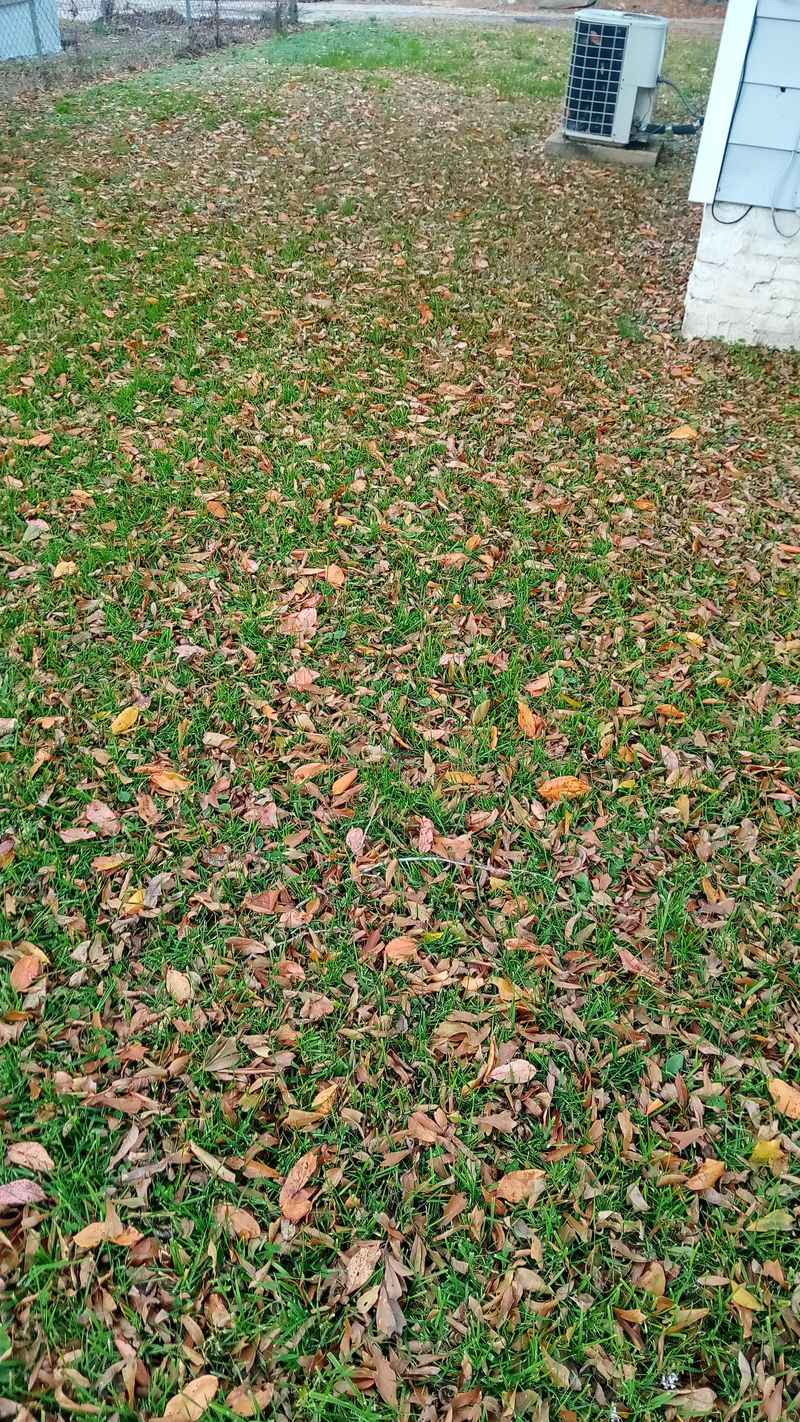
Crunchy dry leaves weigh a fraction of what soggy ones do, and your arms will notice the difference right away. That satisfying crackle underfoot also happens to be the sound of an easier, faster cleanup day ahead.
Wet leaves stick to grass, clump on rake tines, and cling to the ground no matter how hard a blower pushes. Waiting a day or two after rain lets them dry out, which saves both your energy and your patience.
Check the forecast before you plan a big session, and aim for afternoons after the morning dew burns away. Autumn weather can swing quickly, so a sunny window between showers is worth grabbing when it appears.
Wind matters just as much as moisture, since a strong gust can scatter careful piles across the whole yard. A calm day keeps your heaps in place, while a light steady breeze can help push leaves where you want.
Slippery leaves on steps and walkways still deserve quick attention after a rainy spell, even if the lawn waits. Wet leaf mats on concrete can be surprisingly slick, so a fast sweep keeps everyone safer coming and going.
Leave a modest layer under shrubs or in garden beds if you can, because many helpful insects spend winter there. Lightning bug larvae and plenty of moths shelter in leaf litter, according to the Xerces Society and extension experts.
Patience turns into a real advantage here, and I genuinely enjoy waiting for that perfect crisp day now. A little planning means the whole job feels more like a pleasant fall walk than a dreaded chore.