Nobody Warns You About These Snake Plant Mistakes
One of the toughest houseplants around lost its old scientific name in 2017 and joined the dragon tree genus. Its stiff leaves store water for weeks, which is why so many owners accidentally love it too much.
Thousands of copies sit on office desks, yet plenty of them quietly rot from the roots up without anyone noticing. Leaves can look fine on top while the hidden rhizomes underneath turn soft and start to smell sour.
I learned this the hard way after drowning my first one with a weekly watering habit I thought was kind. You might notice the same warning signs in your own pot once you know where to look.
Most of the trouble comes from small habits that seem helpful, like bigger pots or extra plant food. So which of your well-meaning routines might be secretly working against that tall green beauty by the window?
1. Watering On A Schedule Drowns Snake Plant Roots
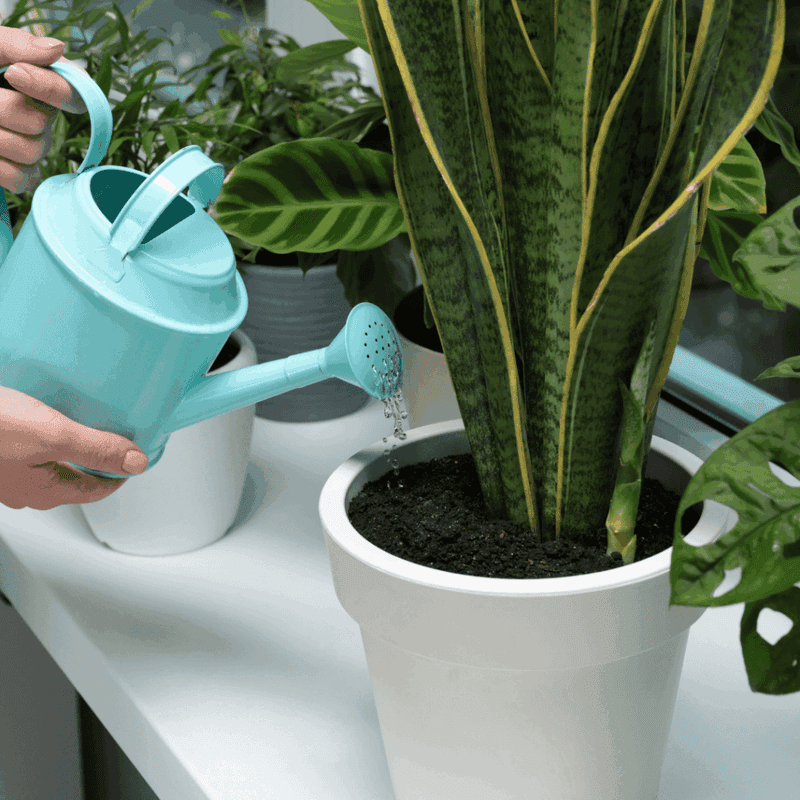
My first snake plant got a splash of water every Sunday, and by spring its leaves felt like soggy celery. Those thick leaves and underground rhizomes hold water like tiny storage tanks, so frequent drinks pile up fast.
Soggy soil pushes oxygen away from the roots, and they slowly decline in the dark where you cannot see. That is why overwatering tops nearly every list of snake plant problems from growers and garden experts.
Watch for yellow or see-through leaves that feel squishy near the soil line instead of firm and upright. A sour, musty smell drifting from the pot is another strong clue that root rot has moved in.
Tip the plant out if you suspect trouble, and check the roots in good light on a sheet of newspaper. Healthy roots look firm and pale, while rotten ones turn brown or black and feel slimy between your fingers.
Trim away the mushy parts with clean, sharp scissors, and let the root ball air dry for about a day. Then settle it into fresh, dry, fast-draining mix and hold off on watering for roughly a week afterward.
Going forward, poke your finger two or three inches into the soil before you reach for the watering can. If you feel any coolness or dampness down there, walk away and check again in several more days.
Honestly, the calendar is a terrible plant parent for this species, because home conditions change from month to month. Let the soil tell you when to water, and your snake plant will thank you with steady new growth.
2. Thirsty Snake Plant Leaves Wrinkle And Curl
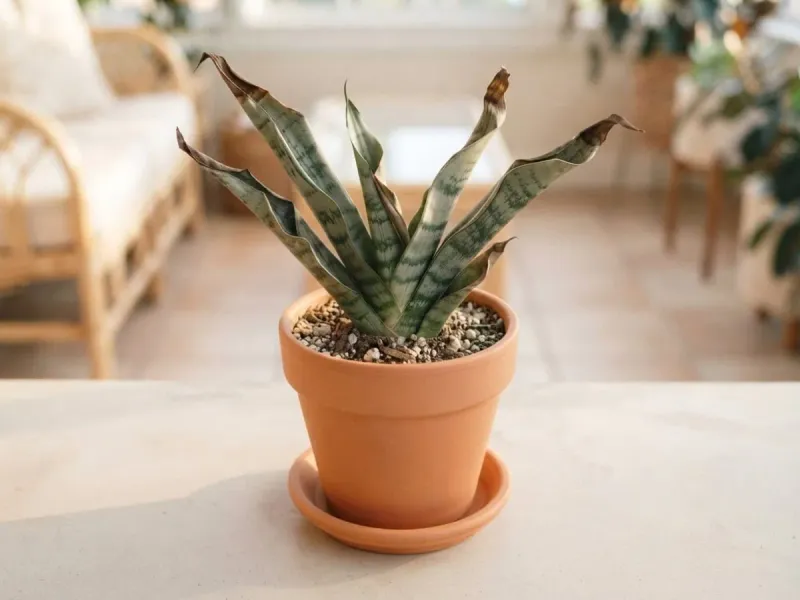
Funny enough, the plant famous for surviving neglect can still get parched if you forget it for months. Drought tolerant does not mean drought proof, especially when warm weather pushes the plant into active growth.
Thirsty leaves start to wrinkle and curl inward, almost like a deflated pool float left out in the sun. Their glossy shine fades to a dull gray-green, and the tips often turn crispy and brown along the edges.
One handy trick separates thirst from drowning, and it only takes a quick squeeze near the base of a leaf. Underwatered leaves usually stay firm down low, while overwatered ones feel soft and mushy right at the soil line.
The soil gives away clues too, because bone dry mix feels light and often shrinks back from the pot walls. When you lift the container, it may feel surprisingly airy compared to how heavy it felt after watering.
Fixing it is simple, so give the pot a slow, deep soak until water runs freely from the drainage holes. Mildly dehydrated plants often perk up within a day or two, as long as the roots are still healthy.
Snip off any leaves that have turned fully brown and brittle, since they will not green up again. During spring and summer, most snake plants do well with a drink every one to two weeks once the soil dries.
Winter is a different story, because growth slows down and the soil stays damp much longer indoors. I stretch my watering to once every month or so then, checking the soil first every single time.
3. Snake Plants Stretch Thin In A Dark Corner
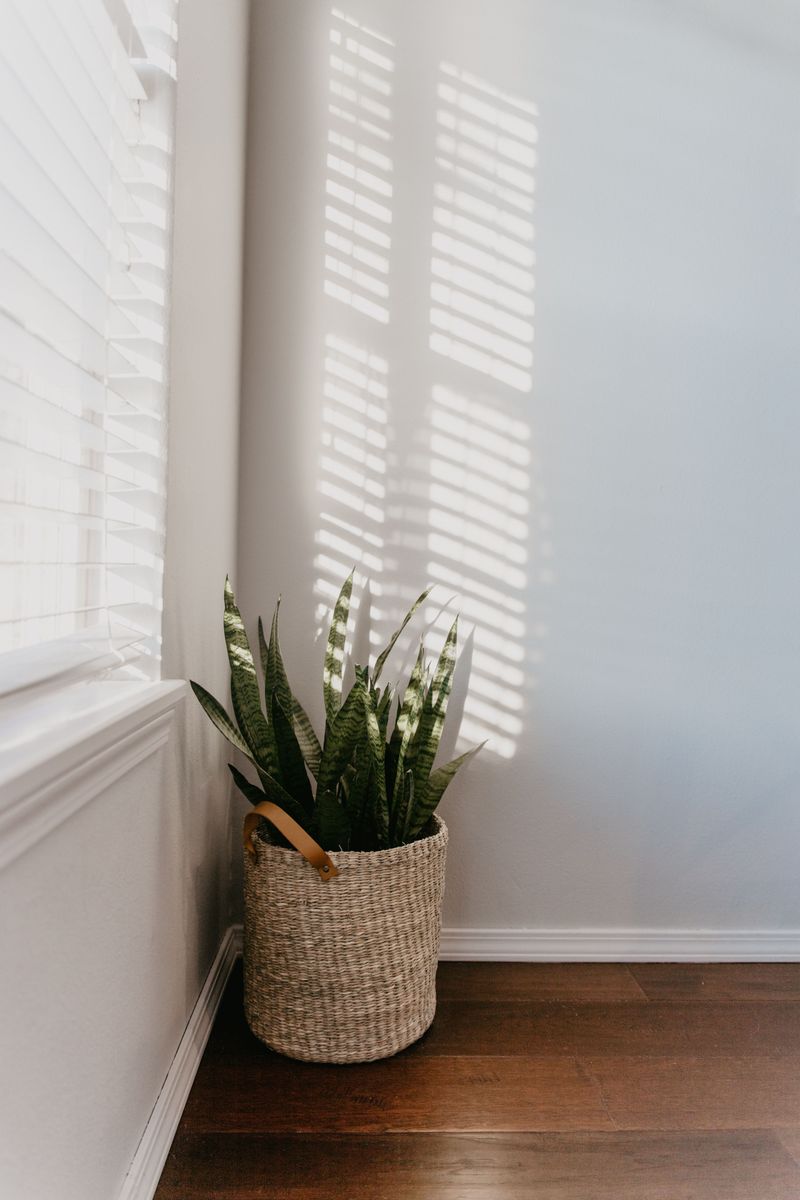
Low light tolerance might be the most misunderstood compliment ever given to this upright, sword-leaved houseplant. Surviving in a dim hallway is not the same as thriving there, and the plant shows the difference over time.
In deep shade, new leaves grow long, thin, and floppy while the striking bands fade to plain green. Some plants barely grow at all, looking exactly the same year after year like a plastic decoration on a shelf.
Bright to medium indirect light is the real sweet spot, and an east window with gentle morning sun works beautifully. A few feet back from a south or west window can also be lovely, especially with a sheer curtain.
Too much harsh sun creates the opposite problem, leaving bleached patches and brown scorch marks on the leaves. Plants moved suddenly from a dim room into strong afternoon light are especially likely to burn within days.
I move my plants toward brighter spots gradually, shifting them a little closer to the window every week or so. That slow change gives the leaves time to adjust instead of getting shocked by a sudden blast of sunshine.
No good window in your space can still work if you add a full-spectrum LED grow light overhead. Growers often suggest placing it about 12 to 18 inches above the plant for 8 to 12 hours daily.
You will notice sturdier leaves and sharper patterns within a season once the light improves for your plant. It feels a bit like watching a sleepy teenager finally wake up and start doing their chores again.
4. Heavy Garden Soil Smothers Snake Plant Rhizomes
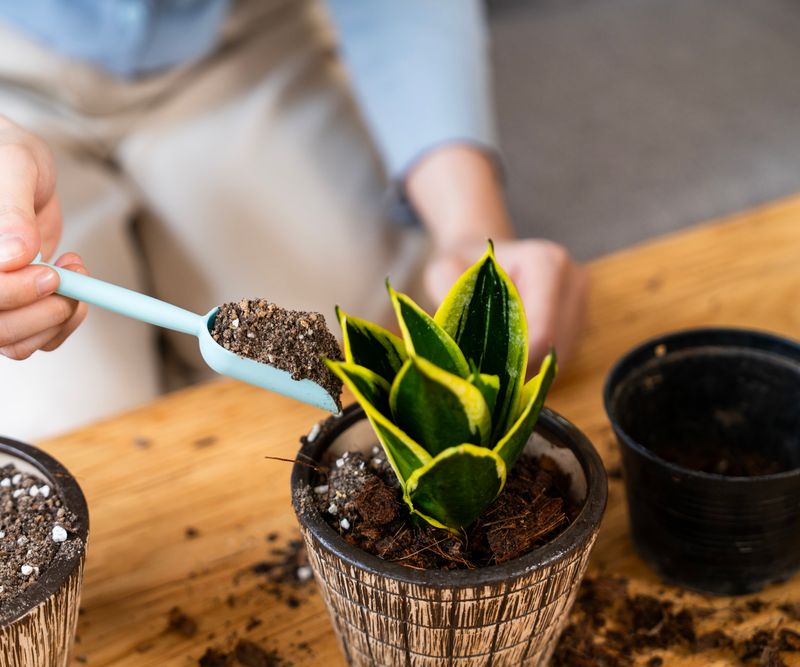
Scooping dirt from the backyard flower bed feels thrifty, but your snake plant will resent every crumb of it. Garden soil packs down hard in containers and can carry pests or fungus that you never wanted indoors.
These plants come from dry, rocky parts of tropical Africa, where rain drains away quickly instead of puddling. Their roots expect air pockets, so dense mixes that stay wet for days set them up for trouble.
Even regular bagged potting soil can hold too much moisture, especially types made for ferns or other thirsty plants. Those peat-heavy blends act like a sponge, and the roots sit in that soggy mess for far too long.
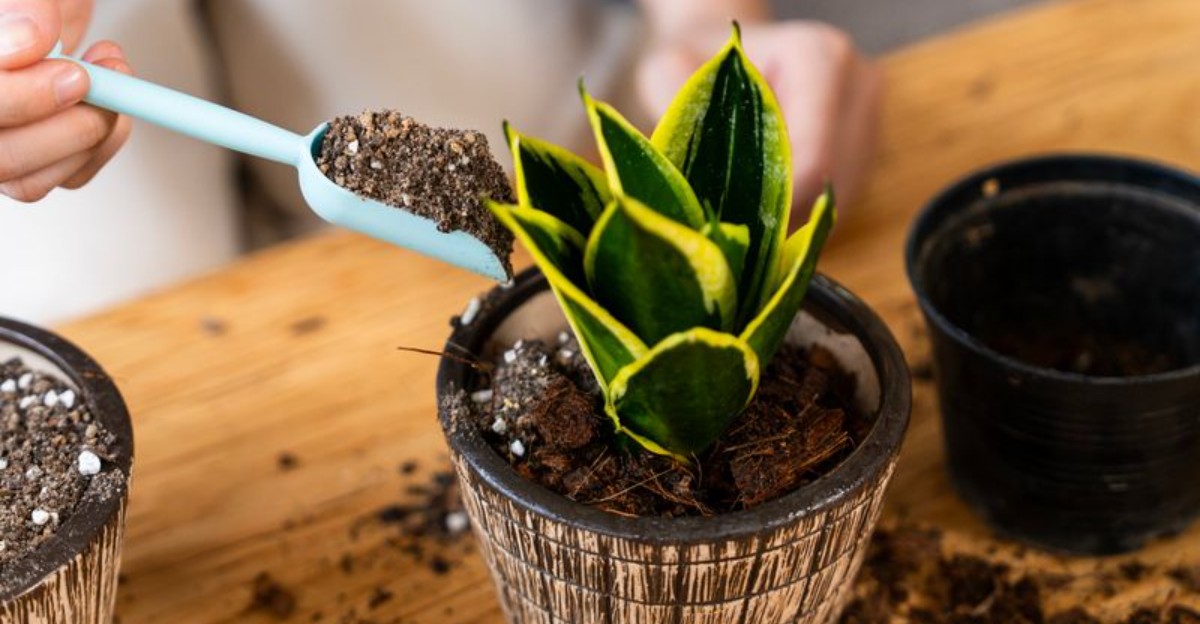
A cactus or succulent mix is the easiest ready-made choice, and most garden centers carry it on the shelf. I like that it feels gritty and loose in my hand instead of heavy and clumpy like cake batter.
Want to make your own blend at home without spending much money on fancy bags of specialty soil? Mix standard houseplant soil with perlite or pumice, and add a little coarse sand or fine bark for extra air.
Aim for a mix that dries out within about a week after a thorough watering in normal room conditions. If your pot stays damp much longer than that, the soil probably needs more chunky material mixed into it.
Repotting into better soil feels like a small chore, yet it solves a surprising number of puzzling problems. Healthy roots in airy soil make every other part of snake plant care so much more forgiving.
5. Oversized Pots Without Drainage Holes Trap Water
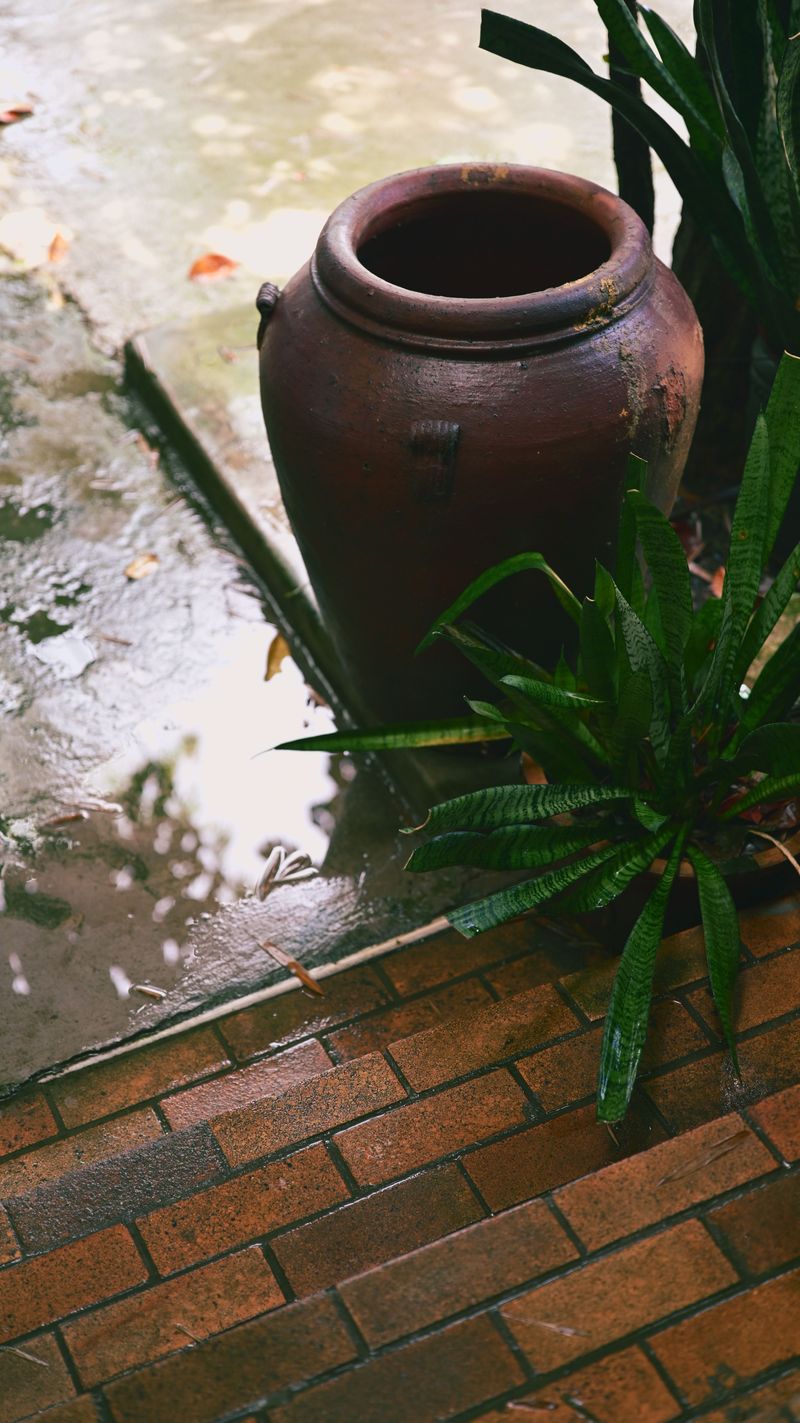
Giving a small plant a giant new pot seems generous, like buying a kid shoes they can grow into. Snake plants actually prefer snug quarters, and many growers say they do best when slightly root-bound.
Extra soil in a big pot holds extra water, and the roots cannot drink it fast enough to keep up. That leftover moisture lingers for weeks, inviting rot even when your watering habits are otherwise pretty careful.
Choose a container only one to two inches wider than the current root ball whenever repotting time comes around. Wide, shallow pots work better than deep ones, since the rhizomes spread sideways more than they dig downward.
Drainage holes matter even more than size, and that cute glossy pot from the gift shop often lacks them. Without an exit, water pools at the bottom and quietly creates a swampy zone where roots begin to decay.
I keep my favorite decorative pots by slipping a plain nursery pot with holes inside them as a cover. Just remember to pour out any water collecting in the outer pot or saucer after each watering session.
Skip the old trick of adding gravel to the bottom, because it can actually raise the soggy layer higher. Water does not move easily from fine soil into coarse rocks, so the roots end up sitting wetter.
Terracotta is my favorite material, since the porous clay helps soil dry faster and steadies tall plants nicely. Plastic pots work too, but they hold moisture longer, so you may need to water a bit less often.
6. Cold Drafty Windows Chill Snake Plant Leaves
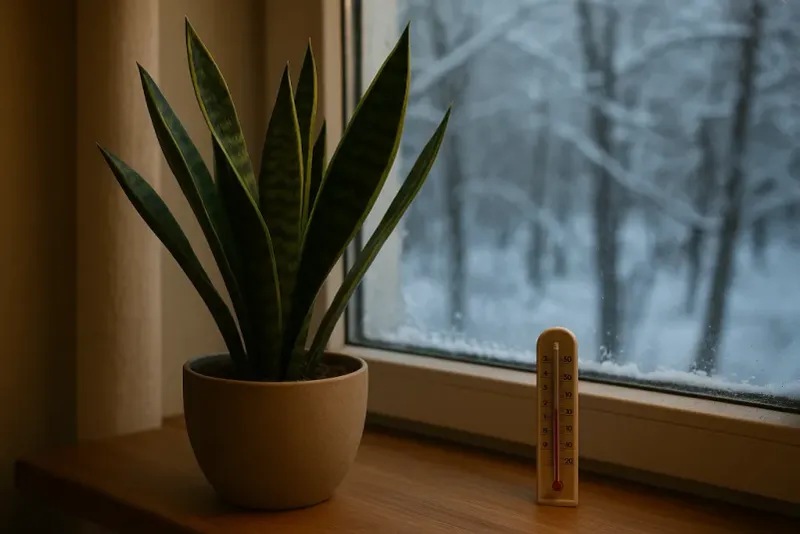
Frosty window glass looks magical in winter, but your snake plant pressed against it feels anything but cozy. Native to warm parts of West Africa, this plant has very little patience for chilly air.
Indoor temperatures between about 60 and 80 degrees Fahrenheit keep most snake plants comfortable and steadily growing. Once things dip below 55 degrees for long periods, the leaves can start showing stress and slowing down.
Extended time below 50 degrees can injure the tissue, and freezing temperatures turn leaves mushy and limp quickly. Cold damage often looks a lot like overwatering, which makes it tricky to figure out what went wrong.
Wet soil plus cold air is the worst combo, because roots struggle to use water when they feel chilled. I cut back watering in winter partly for this reason, keeping the soil drier while temperatures drop.
Watch out for sneaky cold spots like drafty doors, air conditioning vents, and tile floors near exterior walls. A plant just a few feet away from these places can stay much happier through the cooler months.
Heat is less of a worry, since snake plants handle temperatures up to roughly 100 degrees with decent airflow. The bigger risk in hot weather is a small pot drying out too fast while sitting in bright sun.
Moving potted plants outside for summer is fine, but bring them back indoors before nights turn cool again. Most gardeners use about 50 degrees as their signal to carry those pots back inside for the season.
7. Too Much Fertilizer Burns Snake Plant Roots
Plant food sounds like a treat, yet snake plants are light eaters who prefer a small snack over a buffet. Generous feeding often backfires, leaving owners confused when their plant looks worse instead of better.
Fertilizers contain nutrient salts, and those salts build up in the soil when you feed too often or too heavily. That crusty buildup can burn tender roots and make it harder for the plant to take up water.
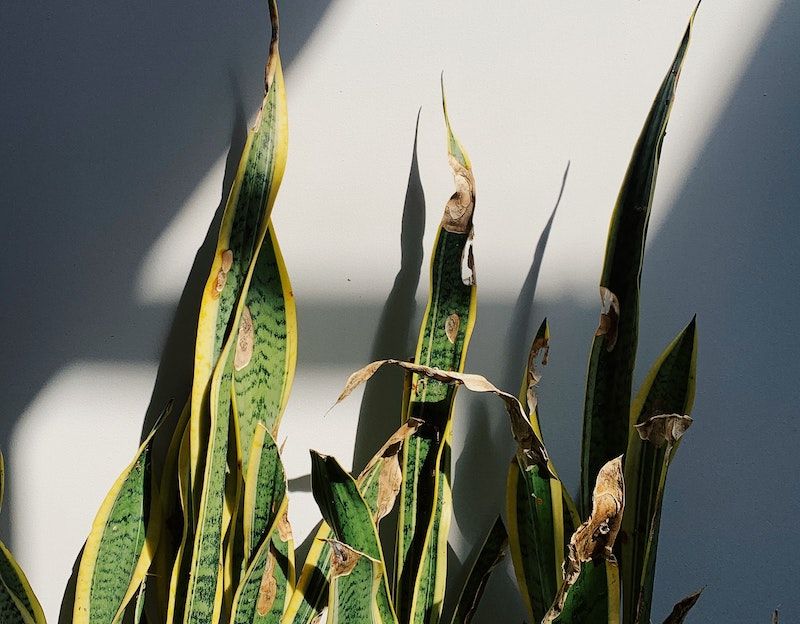
Brown tips and crispy edges are classic warning signs, along with yellowing leaves or growth that suddenly stalls. You might even spot a whitish crust on the soil surface or around the rim of the pot.
Oddly enough, overfed plants can look a lot like thirsty ones, which leads many people to water even more. Before reaching for anything, think back to when you last fed the plant and how much you used.
If you suspect overfeeding, stop all fertilizer and flush the soil with plenty of plain water in the sink. Let it drain thoroughly, and repot into fresh mix if the plant looks seriously unhappy after a few weeks.
For future feeding, a balanced fertilizer diluted to about half strength works well during spring and summer. Once every month or two is plenty, and I skip feeding entirely through fall and winter when growth slows.
I honestly forget to feed mine some years, and they still push out handsome new leaves each spring. A little restraint goes a long way with this tough plant, and your wallet will appreciate it too.
8. Dusty Leaves Invite Mealybugs And Spider Mites
Run a finger along a forgotten snake plant leaf, and you may be shocked by the gray fuzz you collect. Those broad, flat leaves act like dust shelves, and a thick coating can block light the plant needs.
Dusty leaves look dull and tired, and they cannot soak up sunshine as efficiently for making food. Once a month, I wipe each leaf gently with a soft, damp cloth while supporting it from behind.
Skip the leaf shine sprays sold at stores, since they can clog the tiny pores on the leaf surface. Plain water does the job nicely, and the natural sheen comes back on its own after cleaning.
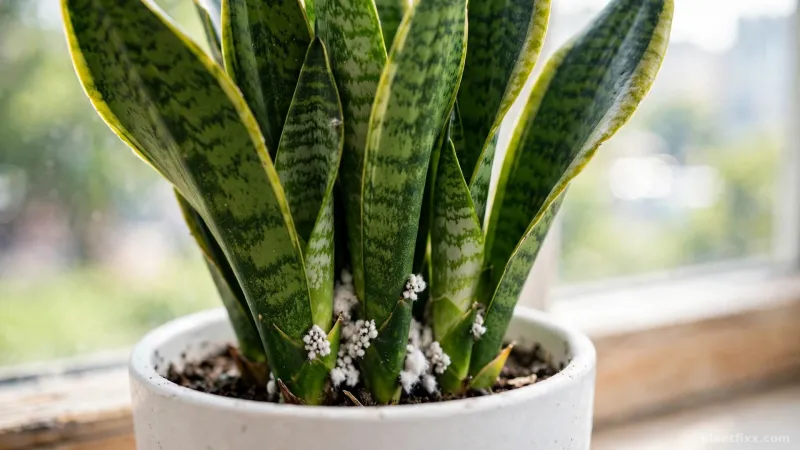
Cleaning time doubles as a pest patrol, giving you a close look at leaf undersides and the soil. Mealybugs show up as white cottony clumps, while spider mites leave fine webbing and tiny speckled spots.
Scale insects look like small brown bumps, and sticky residue on leaves often means sap-sucking bugs are nearby. Little dark flies hovering over the soil are fungus gnats, a clear hint that the mix stays too wet.
Dab mealybugs with a cotton swab dipped in rubbing alcohol, or spray horticultural oil following the label directions. Letting the soil dry out more between waterings helps reduce fungus gnats without any special products at all.
Healthy, well-cared plants resist most pests far better than stressed ones sitting in soggy soil or deep shade. Fix the basic care habits first, and you will find bugs show up much less often over time.