The One Hydrangea Chore California Gardeners Should Do Before Winter for Bigger Blooms
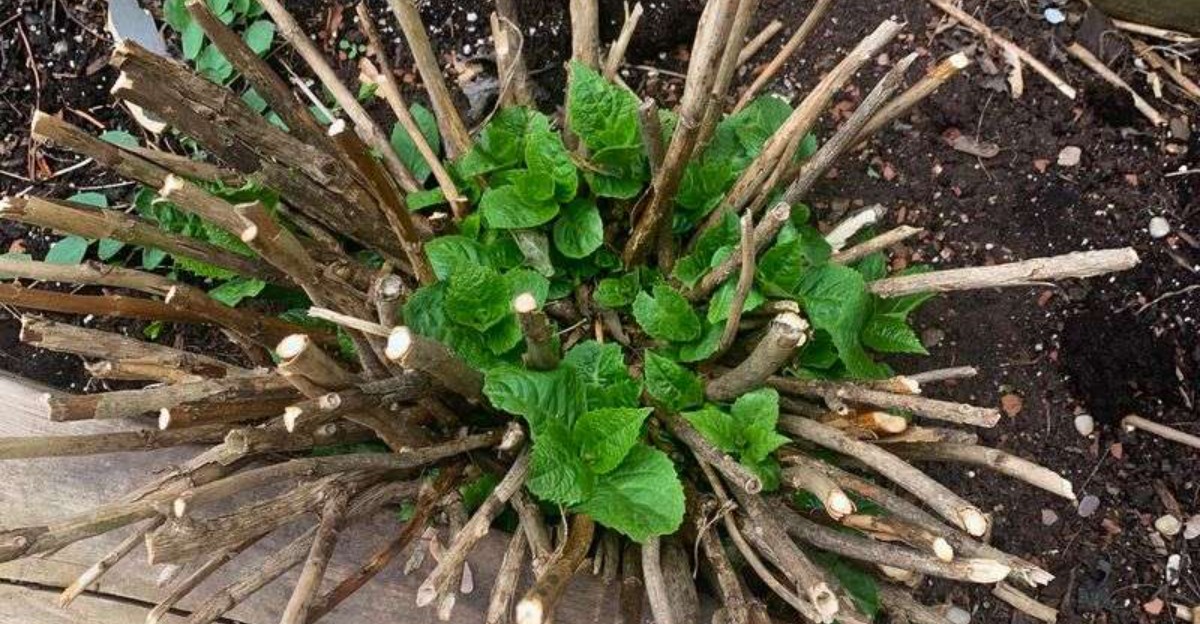
Next summer’s flowers are already hiding on the shrub in your yard. They sit tucked inside plump buds at the stem tips, waiting out the cool months.
I love that little secret, and I also fear it a bit. One careless snip in late fall can send those future blossoms straight to the green waste bin. Plenty of gardeners blame the weather when the real culprit was a pair of eager pruners.
Here in California, our mild winters make the timing a little tricky. Coastal yards barely slow down, while foothill gardens get real frost. You need to know which stems hold the goods and which ones are fair game.
Personally, I think this is the most satisfying ten minutes you can spend in the garden all year. So which stems on your shrub are quietly carrying next year’s show?
Those Fat Hydrangea Buds Are Already Holding Next Summer
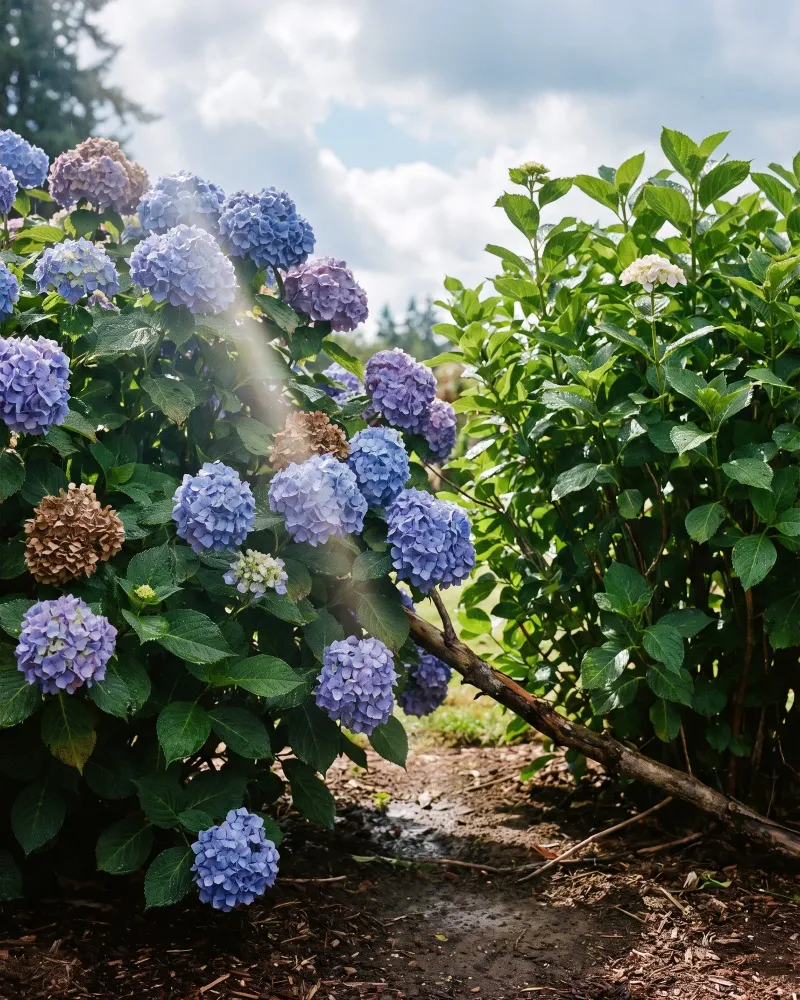
Walk out to your shrub this week and look closely at the stems. On a bigleaf hydrangea, the buds near the tips are often noticeably fatter than the ones lower down. Those chubby buds are where next summer’s flowers are packed and waiting.
Bigleaf types, the classic mopheads and lacecaps found in so many California yards, set these flower buds in late summer and fall. Gardeners call this blooming on old wood. The buds ride out winter on last year’s stems, then open as the weather warms.
So the one chore that matters most before winter is not a big haircut. It is a careful, selective prune that removes spent stems while protecting every stem with a promising tip bud. Get that right, and you keep the flowers while still tidying the plant.
Panicle and smooth hydrangeas play by different rules. They flower on new wood, meaning the buds form on fresh spring growth. That difference changes how much you can safely cut.
Before you grab the pruners, figure out which kind you have. Check the plant tag, ask your nursery, or snap a photo of the leaves and flowers. Identification is the true first step, and it costs nothing.
Snip Only The Bigleaf Hydrangea Stems That Already Flowered
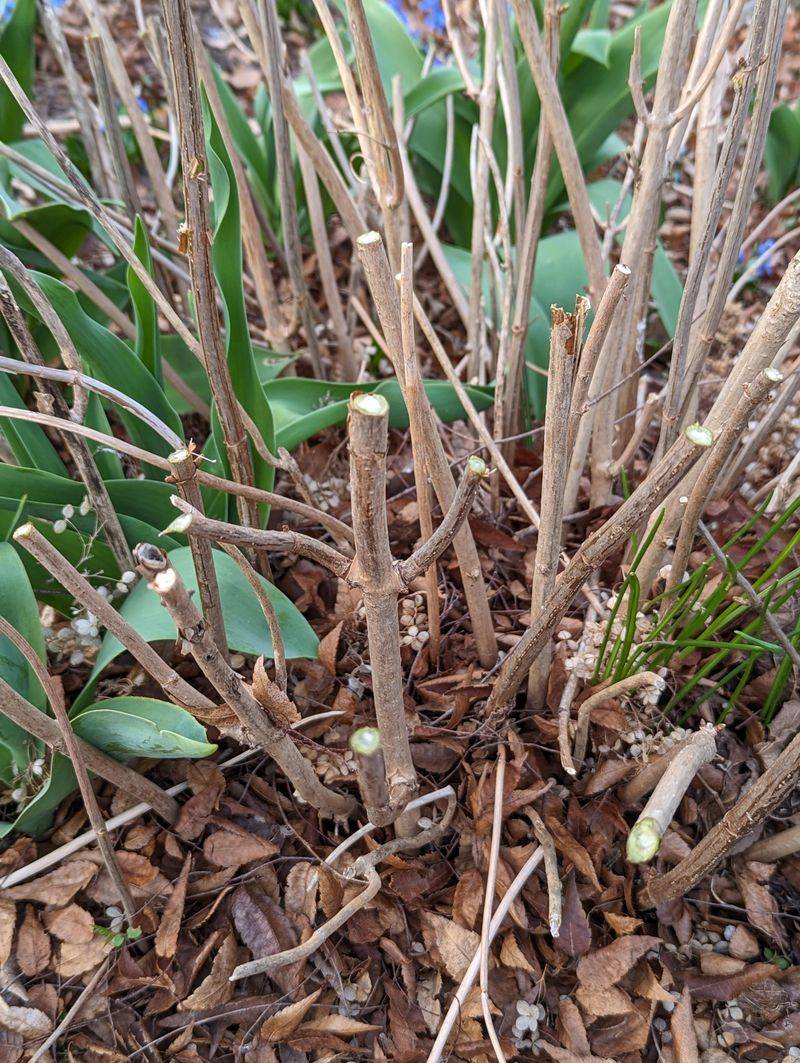
My favorite moment of the whole job comes when I find a stem still wearing a dried, papery flower head from summer. That stem has done its work, and it is the one you can trim. UC Master Gardener programs in California commonly recommend this approach for bigleaf hydrangeas during the dormant season.
Follow the flowered stem down from the old bloom. Look for the first pair of fat, healthy buds, then cut just above them. Those buds will push new shoots in spring, and some may carry flowers of their own.
Next, look at the base of the shrub. Very old, woody, or weak canes that produce little can be removed right at ground level. Taking out a few of the oldest canes each year keeps the plant young and full of vigor.
Brittle, hollow, or broken stems can come off too. A quick scratch with your thumbnail shows green tissue on healthy wood and brown, dry tissue on stems past their prime.
Use sharp, clean bypass pruners so each cut is smooth. Wiping the blades with rubbing alcohol between plants helps reduce the spread of disease. Clean cuts heal faster and look far tidier, too.
Leafy Hydrangea Stems With Plump Tip Buds Deserve A Pass
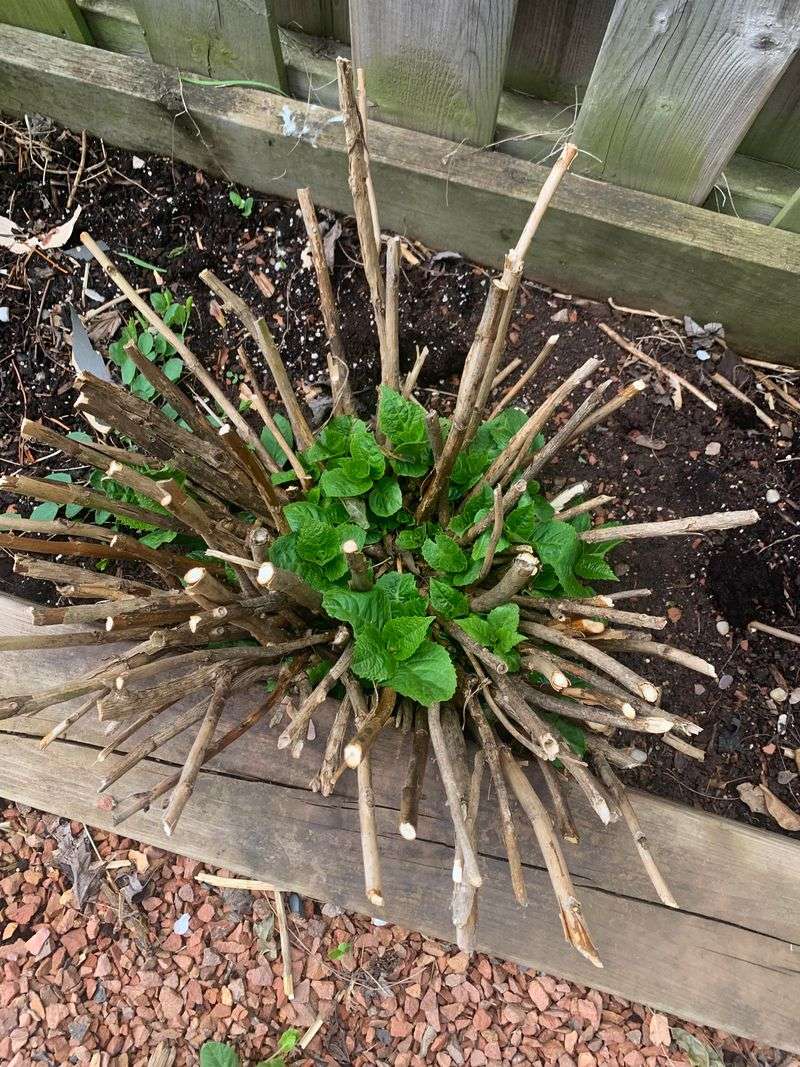
Some stems on your bigleaf hydrangea grew all summer without making a single flower. They look plain, maybe a little boring. Yet those quiet stems are often your best bet for big blooms next year.
Many of them carry a large terminal bud right at the top. That single bud frequently holds a flower, sometimes the biggest one the plant will produce. If you shorten that stem, the bloom goes with it.
I learned this the hard way years ago. I trimmed my shrub into a neat little dome in November and felt pretty proud. The next June, I had a lovely green bush and almost no flowers.
So resist the urge to make everything even. A slightly shaggy shrub in winter usually means a generous show in summer. Leave these unflowered stems at full length and let them do their thing.
If a stem is badly crossing another or rubbing, choose one to remove at the base rather than shortening both. That keeps the remaining stem’s tip bud intact. Think of it like editing, not shearing.
A handy rule to remember is simple. No old flower head means hands off, at least until summer.
Panicle And Smooth Hydrangeas Can Handle A Harder Winter Cut
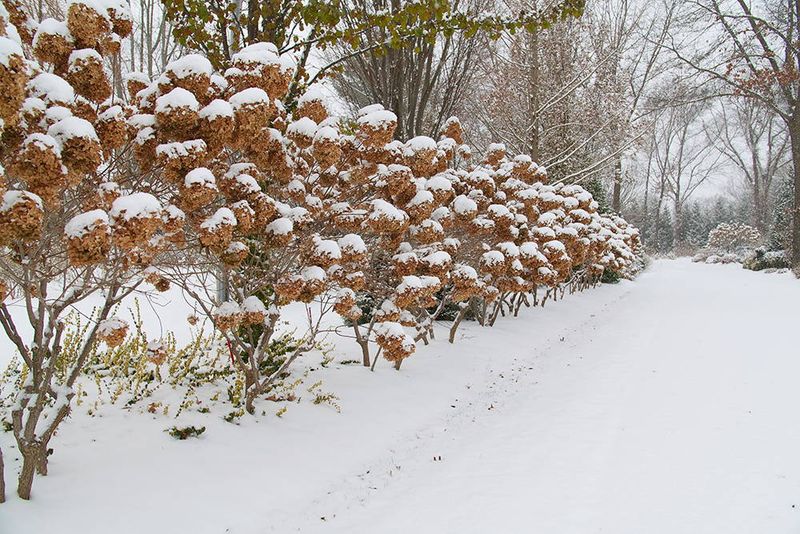
Got a panicle hydrangea like Limelight or a smooth hydrangea like Annabelle? Then you get to be bolder with the pruners. These shrubs bloom on new wood, so the flower buds form on growth that appears in spring.
Because of that, cutting them back during dormancy does not remove next year’s flowers. Many growers prune them in late winter or very early spring, though a late fall cut after leaves drop works for many gardeners too. In California’s colder inland and mountain areas, waiting until late winter can protect stems from frost damage.
Smooth hydrangeas can be cut quite low, often to about 12 to 24 inches. Panicle types usually do well when you remove roughly a third of their height. Cut just above a set of healthy buds.
A harder prune tends to produce fewer stems with larger flower heads. A lighter trim gives you more blooms that are a bit smaller. You get to pick the look you like.
One caution matters here. Smooth hydrangea stems sometimes flop under huge flowers after a very hard cut. Leaving the stems a little taller helps them stand straighter through summer.
Oakleaf Hydrangeas Would Rather Your Pruners Stay Put
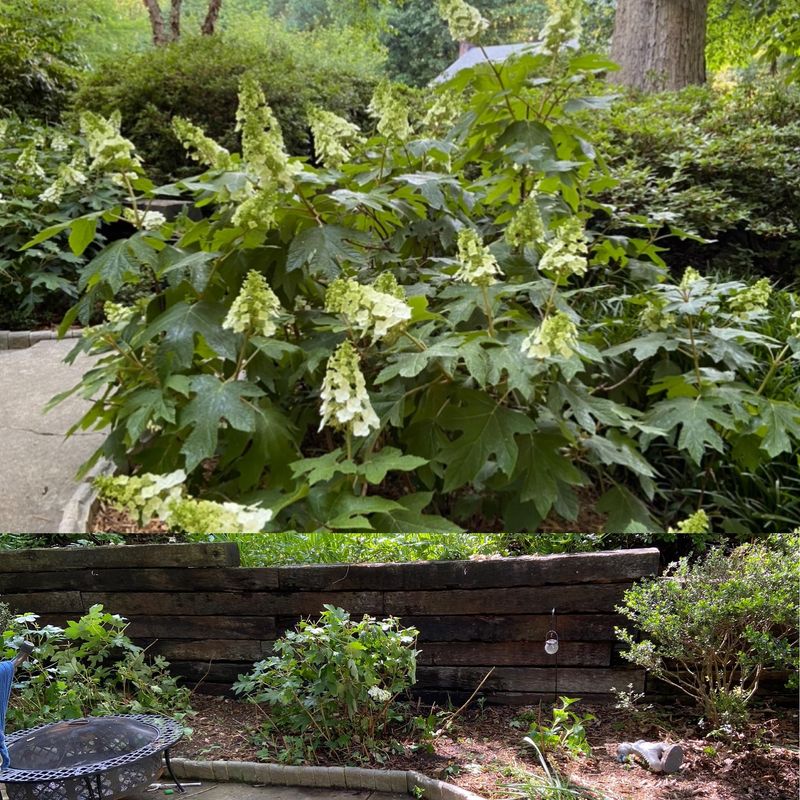
Oakleaf hydrangeas are the show-offs of late autumn. Their big, lobed leaves turn wine red and bronze, and the stems reveal peeling, cinnamon-colored bark. Honestly, they look so good in fall that I can hardly bear to touch them.
Luckily, leaving them alone is the right move. Like bigleaf types, oakleaf hydrangeas bloom on old wood. Their flower buds are already set, so a winter cut means fewer of those cone-shaped white blooms next season.
Mountain hydrangeas, which look like dainty bigleaf cousins, follow the same pattern. Climbing hydrangeas do as well. Save any real shaping for right after they finish flowering in summer.
Winter tasks for these shrubs are tiny. Snip off a broken branch, or remove a stem that is clearly lifeless and brittle. That is about it.
Oakleaf hydrangeas are native to the southeastern United States. In California, they appreciate afternoon shade, especially in hot inland valleys, and well-drained soil. They are more drought tolerant than bigleaf types once established, which makes them a smart pick for water-conscious gardens.
Fun fact for your next garden chat. Those dried flower clusters often blush pink as they age, so leaving them on adds winter charm.
Winter Dry Spells Still Leave Hydrangea Roots Thirsty
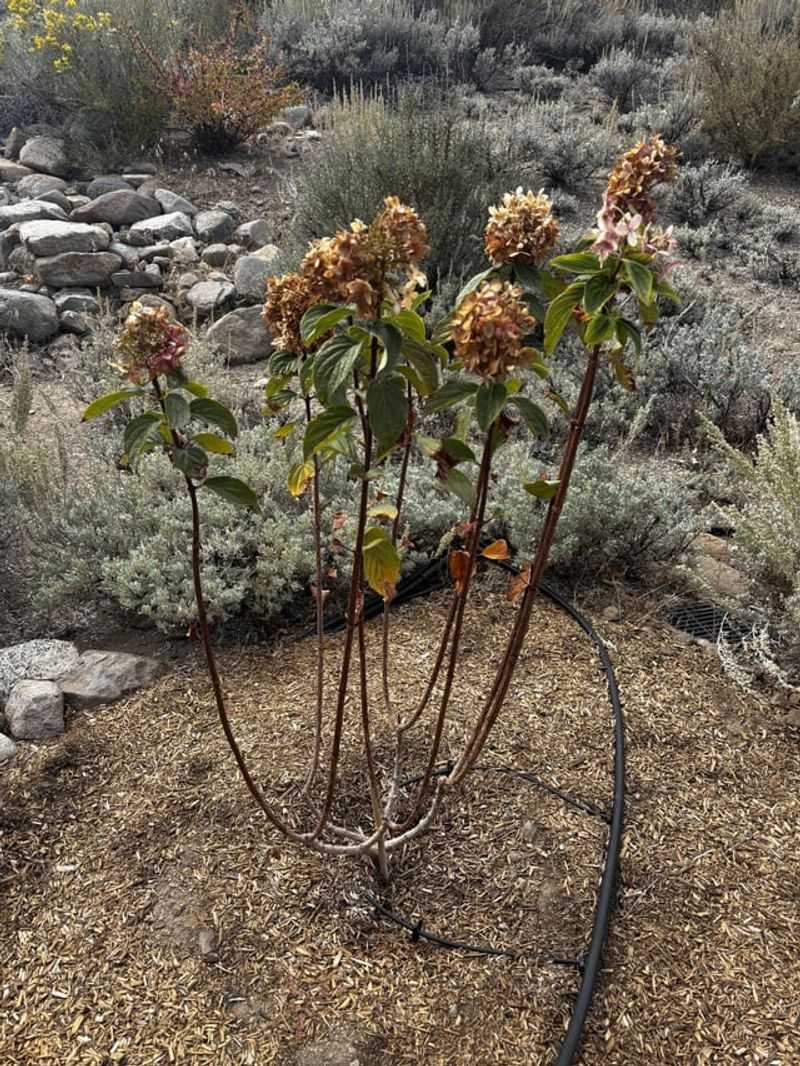
The name hydrangea comes from Greek words meaning water vessel. That tells you a lot about this plant’s personality. Even dormant shrubs need some moisture in the soil to keep their roots and buds healthy.
California’s rainy season usually runs from about November through March. Some years bring soaking storms, and other years bring weeks of dry, sunny weather. Santa Ana winds in Southern California can dry soil out surprisingly fast.
During those dry stretches, check the soil with your finger. If the top couple of inches feel dry, give the plant a slow, deep drink. Watering every week or two during a dry spell is often plenty in cool weather.
Avoid keeping the soil soggy, though. Wet, cold, poorly drained soil can lead to root rot, which is a much bigger headache than a little thirst. Container hydrangeas need extra attention, since pots dry out and also drain poorly if saucers fill up.
Many local water agencies adjust irrigation rules during winter, and some ask residents to turn off sprinklers after rain. Check your area’s guidelines. Hand watering only where needed is kind to both your plants and your water bill.
A Cozy Layer Of Mulch Sets Your Hydrangeas Up For Spring
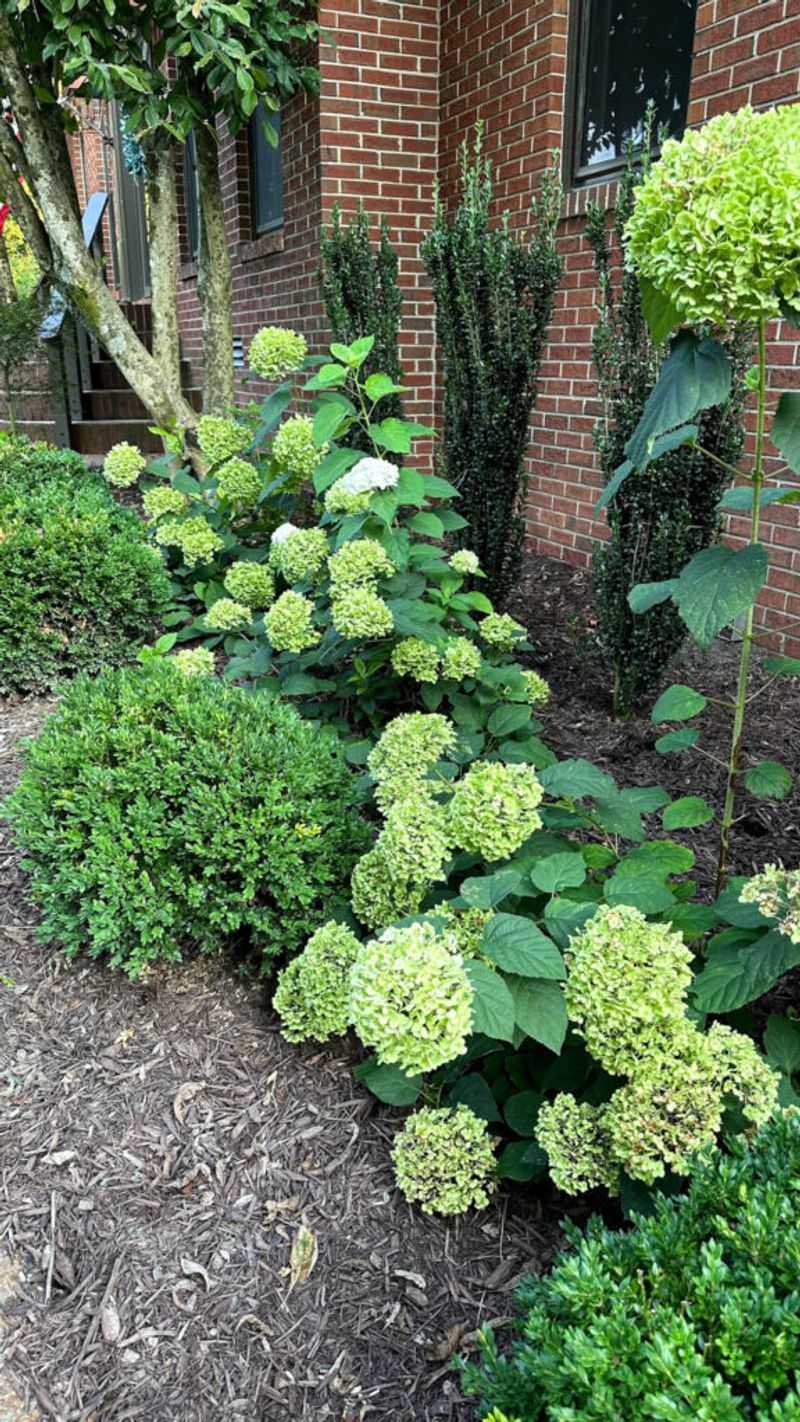
Once the pruning is done, finish with a simple treat for the roots. A 2 to 3 inch layer of organic mulch makes a real difference. Shredded bark, wood chips, or compost all work well.
Mulch acts like a light blanket. It keeps soil temperatures steadier, holds moisture between rains, and slowly feeds the soil as it breaks down. Over time, that richer soil supports stronger stems and better flowers.
Keep the mulch pulled back a few inches from the base of each stem. Mulch piled against bark can trap moisture and invite rot or pests. Picture a donut shape, not a volcano.
Hold off on fertilizer for now. Feeding in late fall can push tender new growth that frost may damage, especially in inland and foothill gardens. Wait until new leaves appear in spring, then feed lightly.
Gardeners in colder mountain areas can add a bit more mulch around bigleaf types to shield the lower buds. Coastal gardeners usually need far less protection.
The takeaway is wonderfully simple. Learn your hydrangea type, prune with care, water during dry spells, and mulch. Next summer, those big blooms will tell you it worked.