Leatherleaf Mahonia Is An Invasive Shrub Spreading Through Georgia Woods
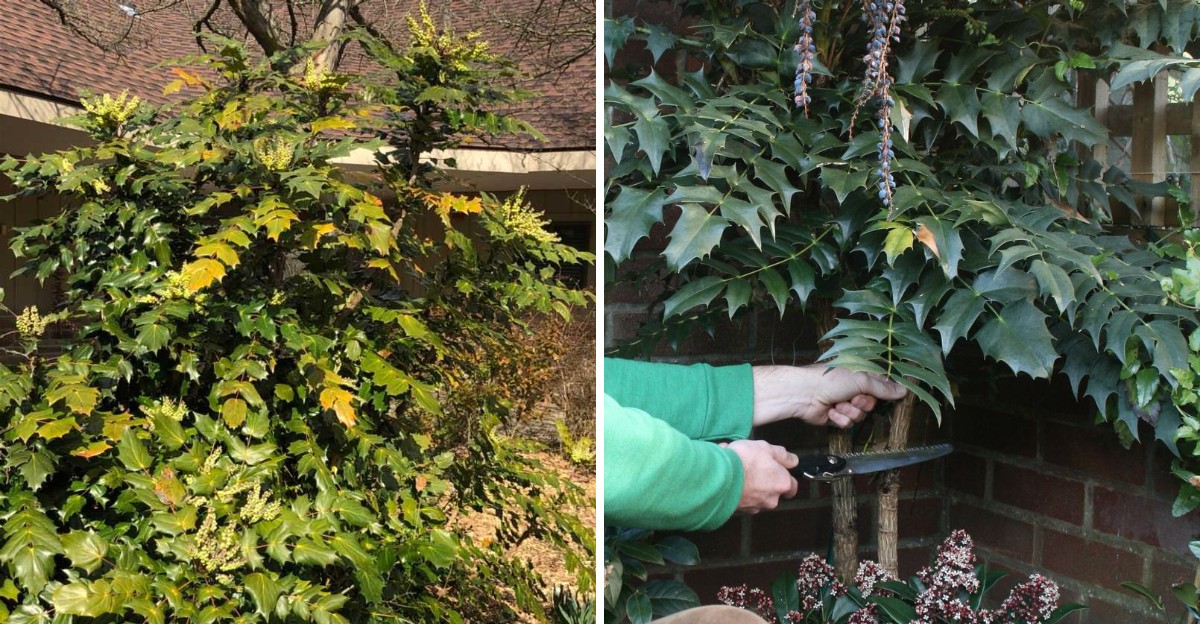
Once oaks and maples drop their leaves, stiff, glossy evergreen shrubs start to stand out in Georgia woods.
Many of them are leatherleaf mahonia, an Asian shrub planted near homes for its winter flowers. Its yellow blooms open when little else does, making it popular for shady yards.
Birds eat the berries that follow and drop the seeds far from the original plant.
Over time, seedlings can form dense, spiny thickets under the canopy that crowd out native plants. Count how many you can spot along the edge of your property, since a few often turn into many.
Removing it takes some effort, partly because the sharp leaflets make every cut uncomfortable.
Fall and winter offer the clearest view of where it has spread, long before next year’s berries ripen.
1. Spiny, Holly-Like Leaves In The Woods May Not Belong There
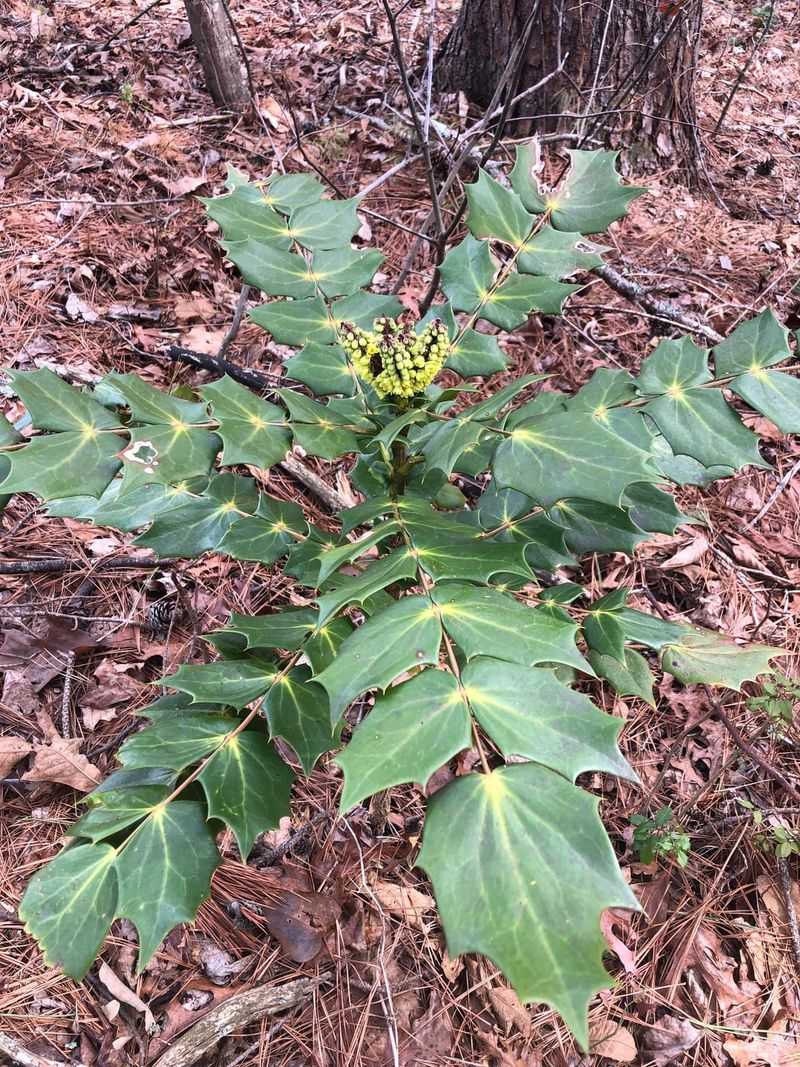
Not every holly-looking shrub in the forest is a holly. Leatherleaf mahonia fools a lot of hikers because its leaflets are stiff, glossy, and lined with sharp spines.
A closer look reveals the difference right away.
Each leaf is compound, meaning it holds several leaflets arranged in pairs along a central stem, with one leaflet at the tip. A true holly has single leaves attached one at a time along the branch.
Growth habit gives it away too, since mahonia tends to grow in upright, mostly unbranched stems topped by clusters of leaves.
Leaflets are usually a dull to medium green on top and paler underneath. Some turn reddish or bronze in cold weather, though that varies from plant to plant.
Across Georgia, you are most likely to see it in shady woodlots near older neighborhoods, along streams, and on wooded slopes.
Bring gloves if you plan to handle it, because those spines are sharp enough to scratch skin. A quick phone photo of the whole leaf can also help you confirm the plant later.
Your county Extension office can help with identification if you are unsure.
Another close look-alike is Oregon grape, a related mahonia from the western states. Leatherleaf is the one most often reported escaping into Southeastern forests, so it deserves your attention first.
2. Fragrant Late-Winter Flowers Helped Make It A Popular Landscape Shrub
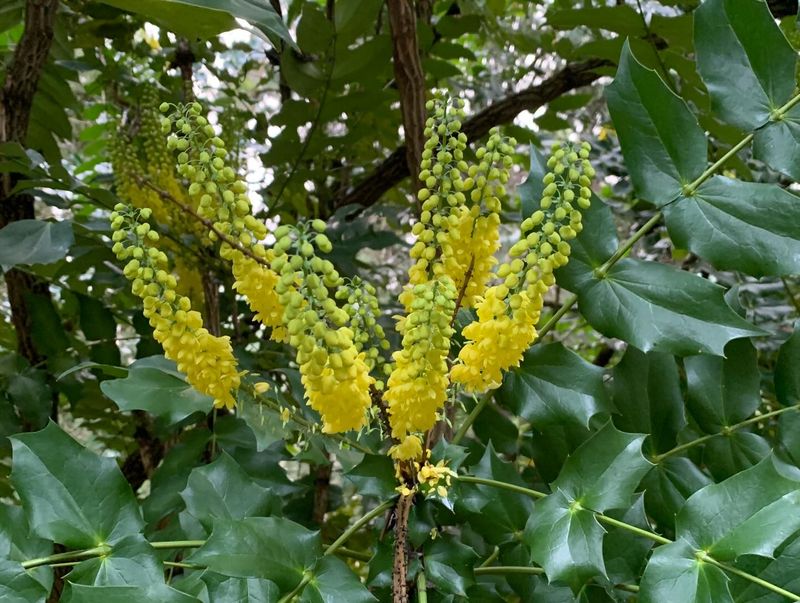
Bright yellow blooms in the middle of winter are hard to resist. Leatherleaf mahonia offered just that, which is a big reason nurseries sold it so widely.
Flowers usually appear from late winter into early spring, depending on the year and location.
They grow in upright, finger-like spikes at the tops of the stems. Many people notice a sweet scent, often compared to lily of the valley, though some noses pick it up more than others.
Gardeners loved that it stayed green all year and handled shade under big trees.
It also seemed tough. Deer tend to avoid it, and it rarely needed much care once established.
In Georgia, those qualities made it a common pick for foundation plantings and shady corners through much of the twentieth century.
Nobody planting it back then was trying to cause trouble. Invasive behavior often takes years to notice, and awareness of this shrub grew slowly as it appeared in nearby forests.
Your Georgia Garden Changes Every Week. Your Plan Should Too.
Gardening in Georgia changes quickly throughout the season. Every Friday you’ll receive a simple weekly plan showing exactly what to plant, prune, fertilize, harvest, and protect so you never miss the right timing.
Some nurseries may still offer it, so read plant tags carefully before buying any mahonia.
If you already have one, you do not need to panic. Watching it closely and managing its flowers and berries can limit how far it spreads while you decide whether to replace it.
3. Birds Eat The Blue Berries And Drop Seeds Far From Gardens
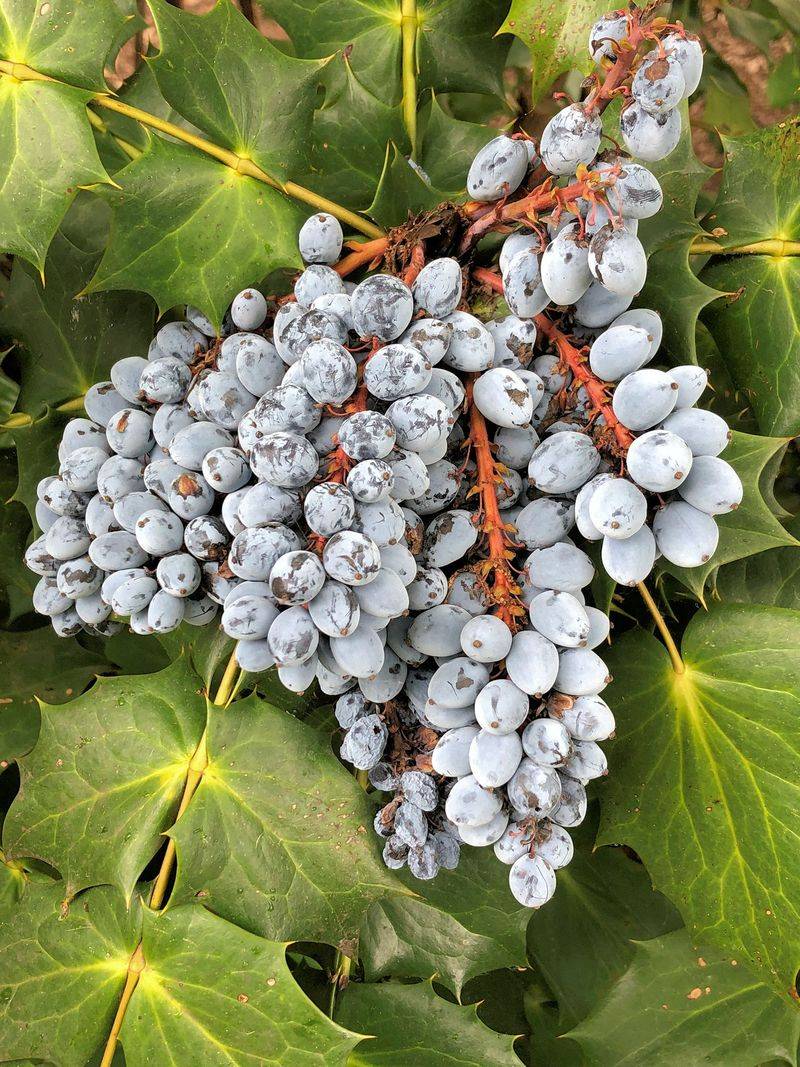
Grape-like clusters of dusty blue berries follow the flowers in spring. They look pretty, but they are the main way this shrub travels.
Birds such as robins, mockingbirds, and cedar waxwings feed on fruit like this.
After eating, they fly off and pass the seeds somewhere else. That might be a neighbor’s fence line, a creek bank, or a patch of woods a good distance away.
Distance matters here, because a single yard shrub can seed areas the owner never sees.
Seeds that land in moist, shady soil have a decent chance of sprouting. Germination depends on conditions like moisture and leaf litter, so not every seed grows.
Georgia land managers often find scattered mahonia plants under trees where birds perch, such as along power lines and woodland edges.
Birds are not the problem in this story. They are simply eating available food, and they would happily eat native berries instead if those were nearby.
Planting native fruiting shrubs gives birds better options close to home.
Removing berries from your own mahonia, or removing the shrub entirely, cuts off one local seed source. It will not stop every seed in the area, but it does help reduce the spread from your property.
4. Shade Tolerance Helps This Shrub Spread Beneath Forest Canopies
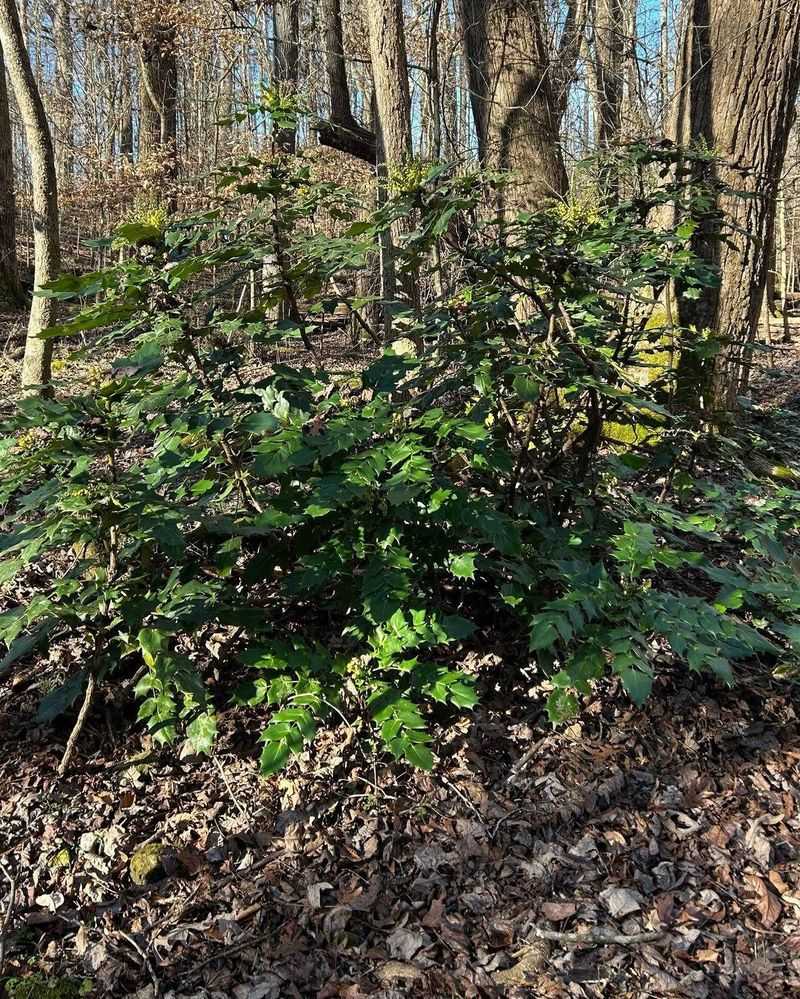
Deep shade stops a lot of weeds cold. Leatherleaf mahonia is different, and that sets it apart from many sun-loving invaders.
Under a thick canopy of oaks, hickories, and tulip poplars, sunlight is limited.
Most plants struggle there, but mahonia grows slowly and steadily in low light. Over time, it can form scattered colonies in the understory.
Forest floors are home to wildflowers, ferns, and young native trees that need room to grow.
When an evergreen shrub settles in, it can shade the ground year-round. How much that affects native plants likely depends on how dense the mahonia becomes and how long it stays.
In Georgia’s Piedmont, it often shows up in wooded areas near towns where older plantings provide seeds.
Shady woods are also visited less often than sunny fields or roadsides. Plants can grow for years before anyone notices them, which gives them time to mature and produce fruit.
Check your own wooded edges once or twice a year, especially in winter.
Winter is a handy time because many native shrubs have dropped their leaves. Evergreen mahonia stands out more clearly against the bare branches and brown leaf litter, making it easier to find.
5. Young Seedlings Are Easier To Remove Than Established Shrubs
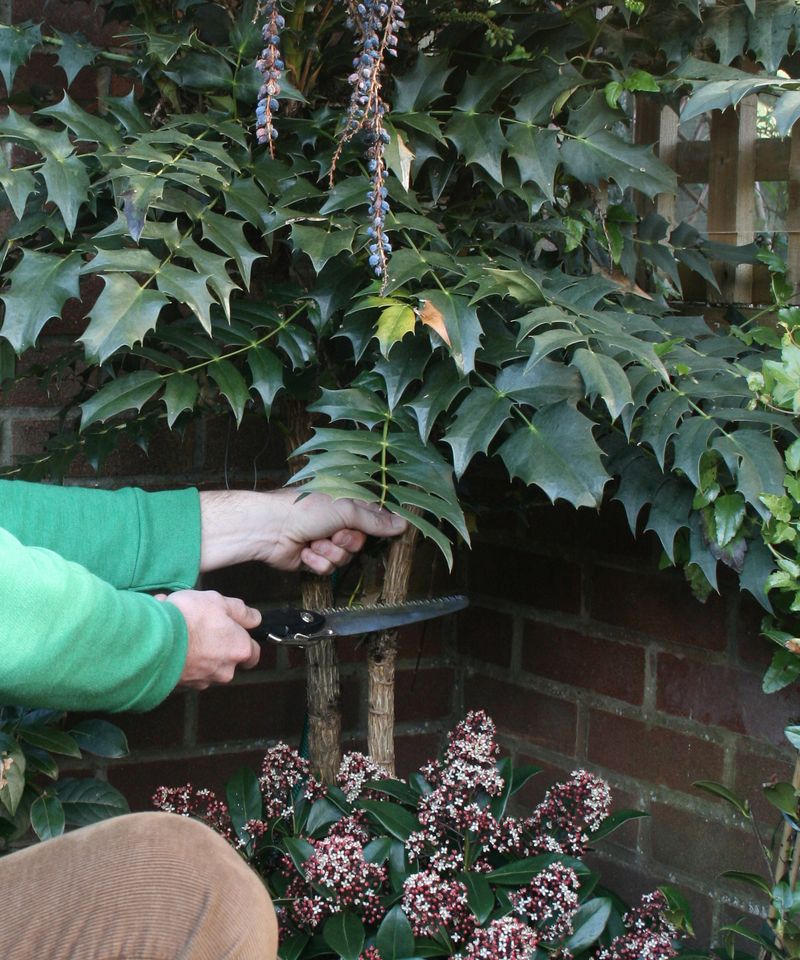
Small plants, small effort. A seedling with just a few leaves can often come out with one firm pull.
Timing helps a lot, and moist soil after a good rain makes pulling much easier.
Grip the stem low, close to the ground, and pull slowly. You want to bring up as much root as possible, since leftover root pieces may resprout.
Wear thick gloves even on young plants, because the leaflet spines can still poke.
Larger shrubs are a tougher job. Their roots grow thicker over time, and cutting the stems alone often leads to new sprouts from the base.
A weed wrench or digging tool can help with mid-sized plants in your yard.
For big, established shrubs, some Georgia homeowners use a cut-stump herbicide treatment. Product choice, timing, and safety steps matter, so read the label carefully or ask your local Extension agent before trying it.
Bag any plants that have berries attached instead of tossing them into the woods.
Plan to come back. Seeds already in the soil may sprout over the next year or two, so a quick check each season helps you catch new seedlings while they are still easy to handle.
6. Clipping Flower Stalks Early Prevents A New Crop Of Berries
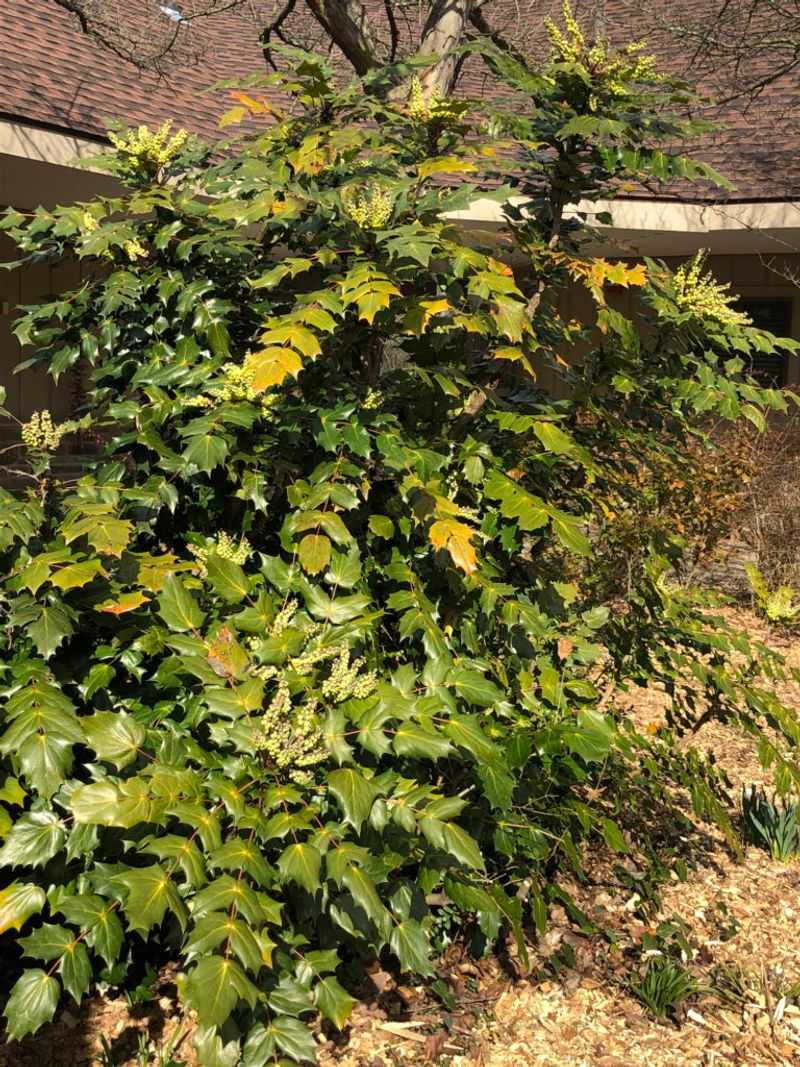
No flowers means no berries. That simple idea gives yard owners an easy way to slow the spread while they decide what to do next.
Watch for the yellow spikes as they open in late winter or early spring.
Clip them off at their base with hand pruners, either while they bloom or shortly after. Waiting too long gives berries a chance to form and ripen.
Toss the clippings in the trash rather than the compost pile.
Bloom timing can shift from year to year in Georgia, depending on temperatures and where you live. Gardens in the warmer south may see flowers a bit earlier than yards in the northern mountains.
Honestly, you will lose the winter fragrance by doing this.
Pollinators like early bees may visit those flowers, so it is a trade-off worth knowing about. Adding native plants that bloom early, such as red maple nearby or spring wildflowers, can help make up the difference.
Clipping works best as a short-term step.
Shrubs keep producing new flower stalks every year, so the job repeats each season. If that sounds like a chore, replacing the plant with a native shrub may save time over the long run.
7. Florida Anise And American Holly Make Native Stand-Ins For Shade
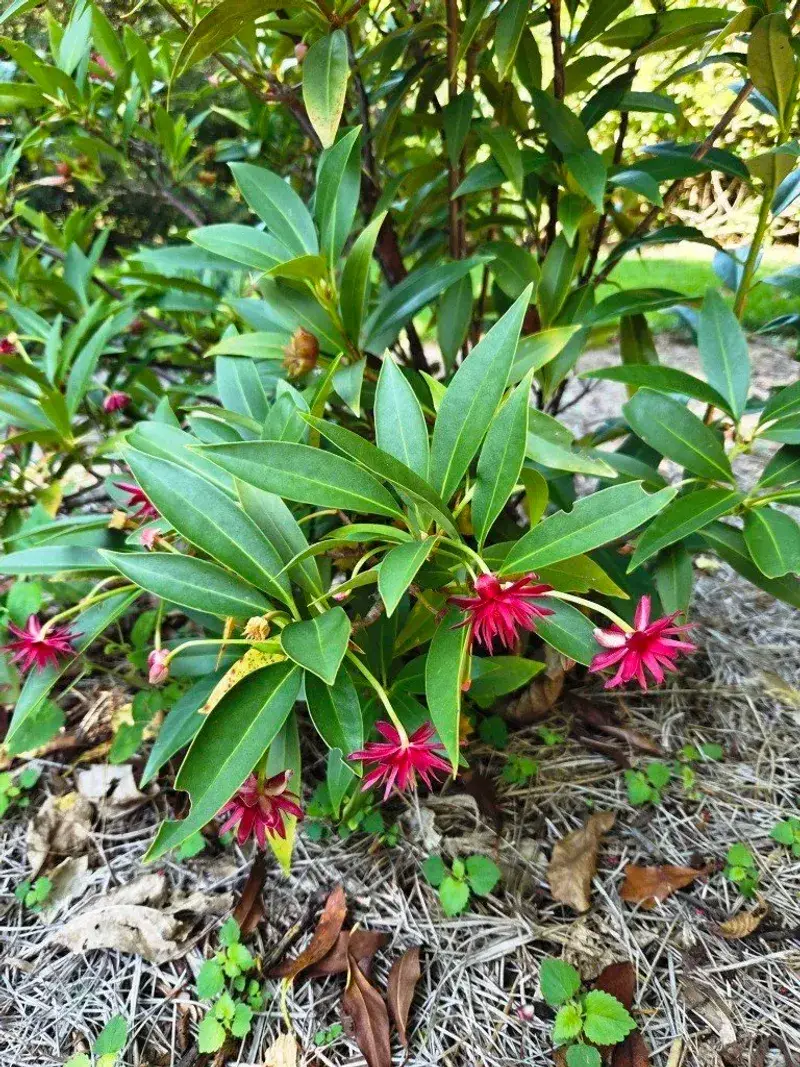
Looking for evergreen shade plants that stay put? Two Southern natives fit the bill nicely.
Florida anise grows naturally in parts of the Southeast, including southwest Georgia.
Its leaves are smooth and aromatic when crushed, and it handles shade and moist soil well. Cold hardiness can vary, so gardeners in colder northern areas should check with local nurseries about how it performs there.
Spring brings small reddish flowers with an unusual starry shape.
American holly gives you the spiny, glossy look that people liked in mahonia. It grows slowly into a small tree, so plan for its mature size before planting near a house.
Only female hollies produce red berries, and they need a male holly nearby for pollination.
Birds will eat those berries, but since the plant is native, spreading seeds is part of its natural role in local forests.
Both shrubs prefer partial shade and decent drainage, though conditions in your yard will affect growth. Buy from a nursery that labels plants clearly as native species.
Other choices include wax myrtle for sunnier spots and needle palm for very shady, damp corners. Mixing a few natives can create a layered, evergreen look that benefits local wildlife.