Lemon Balm Is The Herb That Makes New Hampshire Patios Worth Sitting On, And Here Is Why
New Hampshire summers are short, and every patio evening counts. You light the citronella candle, wave off the first mosquito, and sit back.
Then spend the next hour swatting anyway. There’s a better option growing quietly in herb gardens across New England, and most people walk right past it at the nursery without a second glance.
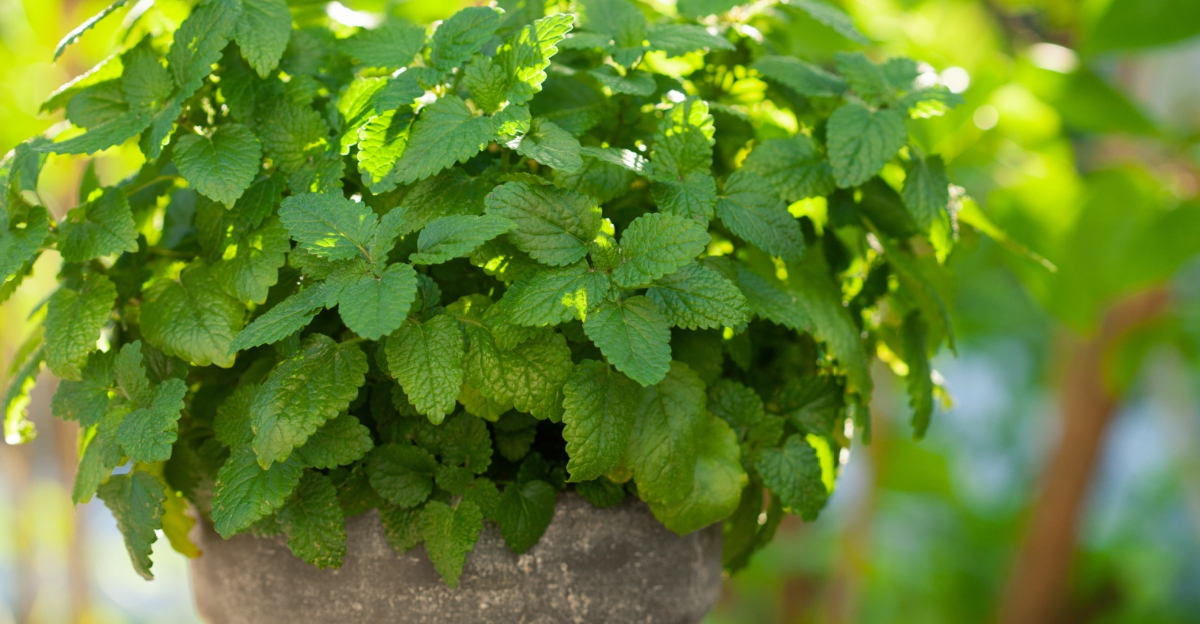
Lemon balm looks unassuming. Soft leaves, mild shape, nothing flashy. But crush one leaf between your fingers and you’ll understand why insects want nothing to do with it.
That sharp, clean citrus bite isn’t just pleasant to humans. It’s a chemical signal that sends mosquitoes, gnats, and flies looking for someone else’s porch.
Bees think differently. So do butterflies. Plant lemon balm along the edge of your New Hampshire patio and you stop repelling the outdoors. You start curating it.
1. Naturally Repels Mosquitoes And Other Insects

Mosquitoes are the uninvited guests nobody wants at a patio party. Lemon balm contains citronellal, a natural compound bugs are hardwired to avoid.
When you brush against the leaves, the scent releases instantly. That sharp, citrusy burst creates an invisible barrier around your seating area.
Some studies suggest lemon balm essential oil has meaningful mosquito-repelling properties, though it does not match DEET’s duration or overall effectiveness.
You do not need sprays, candles, or plug-in devices cluttering your patio. Just plant lemon balm in a few containers near your chairs and let nature handle the rest.
Gnats and flies also steer clear of the strong fragrance. Your outdoor meals get a lot more peaceful when fewer insects show up uninvited.
Planting near doorways is especially smart because bugs tend to sneak inside during summer. A row of lemon balm pots acts like a natural bouncer at your back door.
Crush a few fresh leaves and rub them on your skin for extra protection. It smells wonderful on you and terrible to anything with wings.
Homeowners across the Northeast swear by this trick every summer season. Once you try it, you may find yourself reaching for chemical sprays less often.
Your patio should feel like a sanctuary, not a battleground. Lemon balm helps you reclaim that space without a single drop of harsh chemicals.
2. Thrives In New Hampshire’s Climate With Minimal Care
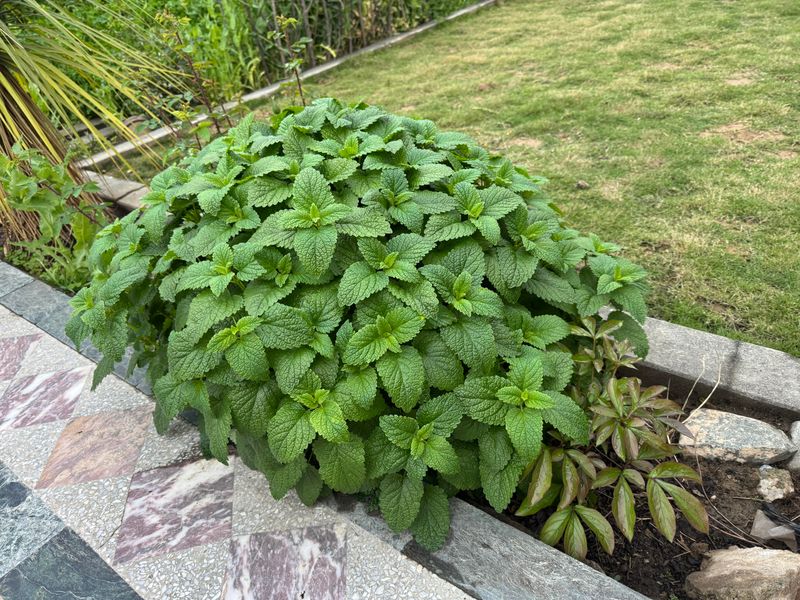
Some plants act like high-maintenance houseguests who need constant attention. Lemon balm is the opposite. It practically takes care of itself.
New Hampshire’s climate, with its cool springs and warm summers, suits this herb perfectly. It handles humidity, light frost, and even rocky soil without complaint.
Gardeners in the Granite State often joke that lemon balm grows faster than they can trim it. That kind of enthusiasm in a plant is actually a gift for busy homeowners.
It prefers partial to full sun, which most patios naturally provide. Give it decent drainage and occasional watering, and it rewards you with dense, fragrant growth all season.
You do not need a green thumb to keep it happy. Even first-time gardeners find this herb forgiving and surprisingly fun to tend.
Your New Hampshire Garden Changes Every Week. Your Plan Should Too.
Gardening in New Hampshire changes quickly throughout the season. Every Friday you’ll receive a simple weekly plan showing exactly what to plant, prune, fertilize, harvest, and protect so you never miss the right timing.
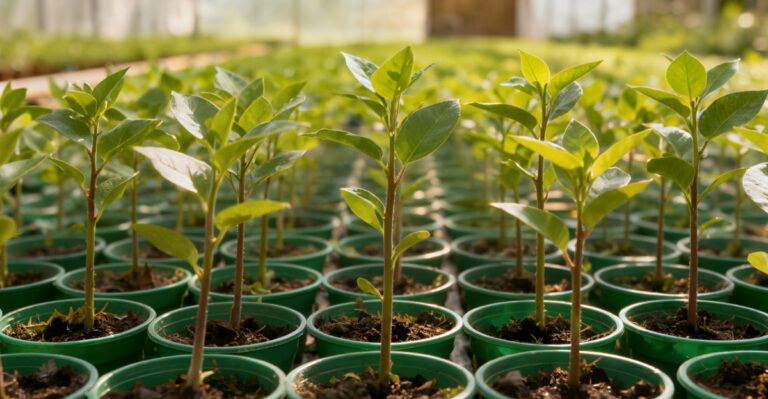
Container growing works beautifully for patio setups. A medium-sized pot with good potting mix gives roots enough room to spread without taking over your garden beds.
Fertilizer is rarely needed since lemon balm draws nutrients efficiently from average soil. Skip the complicated feeding schedules and enjoy a truly low-effort plant.
Trimming it back every few weeks actually encourages bushier, more productive growth. The more you harvest, the better it looks and smells.
For New Hampshire patios specifically, few herbs offer this level of reward for so little effort. Lemon balm proves that easy and impressive can absolutely go hand in hand.
3. Fresh Leaves Make Calming Herbal Teas
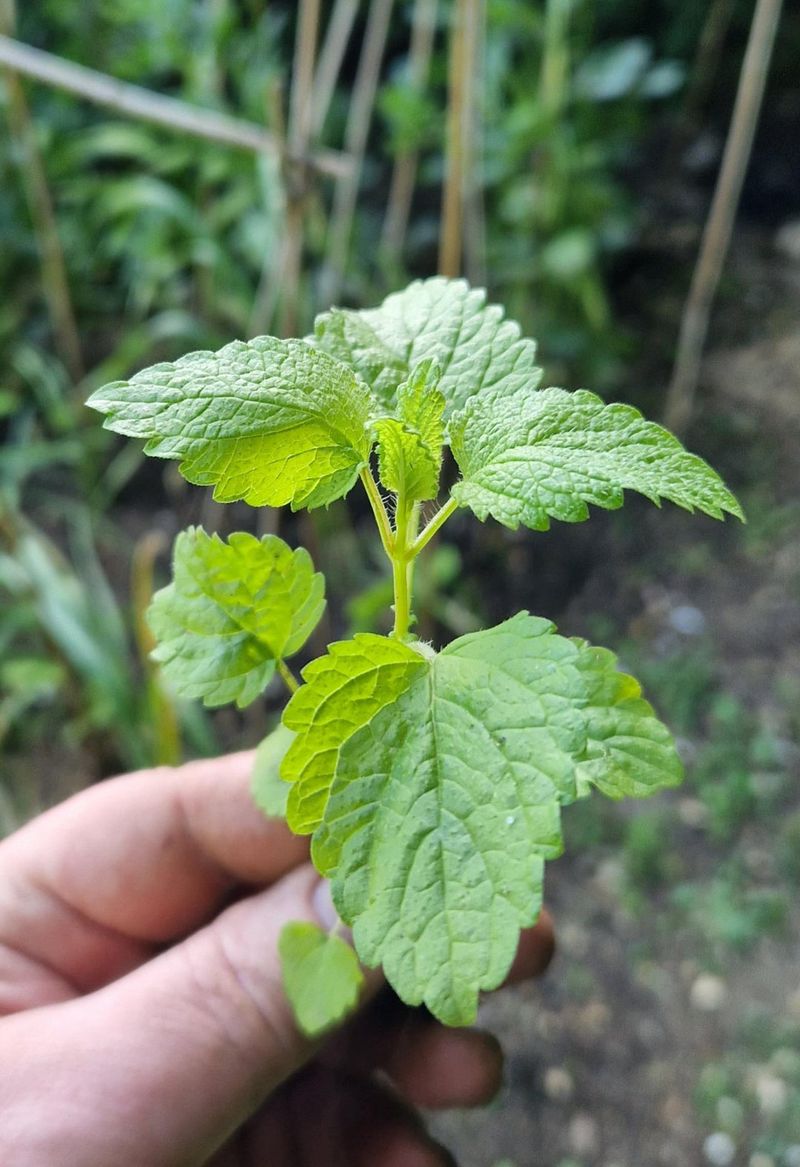
There is something deeply satisfying about walking to your patio, picking a handful of leaves, and brewing your own tea. Lemon balm makes that small ritual feel almost magical.
The flavor is bright, mildly citrusy, and incredibly soothing. It tastes like someone squeezed a lemon into chamomile and got everything right.
Herbalists have used lemon balm for centuries to calm nerves and ease stress. Modern research backs this up, showing it can reduce anxiety and improve sleep quality.
After a long workday, a warm cup on the patio hits differently than anything store-bought. You brewed it yourself, from a plant three feet away, and that matters.
Making the tea is simple: steep eight to ten fresh leaves in hot water for about ten minutes. Add honey if you like sweetness, or drink it plain for a clean herbal experience.
Iced lemon balm tea is equally wonderful during hot summer afternoons. Brew a strong batch, chill it, and pour over ice for a refreshing backyard drink.
Kids tend to enjoy the mild, pleasant flavor too. It becomes a fun family moment when children help pick the leaves right from the pot.
Dried lemon balm leaves store well in airtight jars for winter use. You can enjoy a taste of your summer patio even during a February snowstorm.
Growing your own tea garden starts with one reliable plant. Lemon balm is the perfect first step into that rewarding, fragrant world.
4. Pollinators Like Bees Are Attracted To Its Flowers
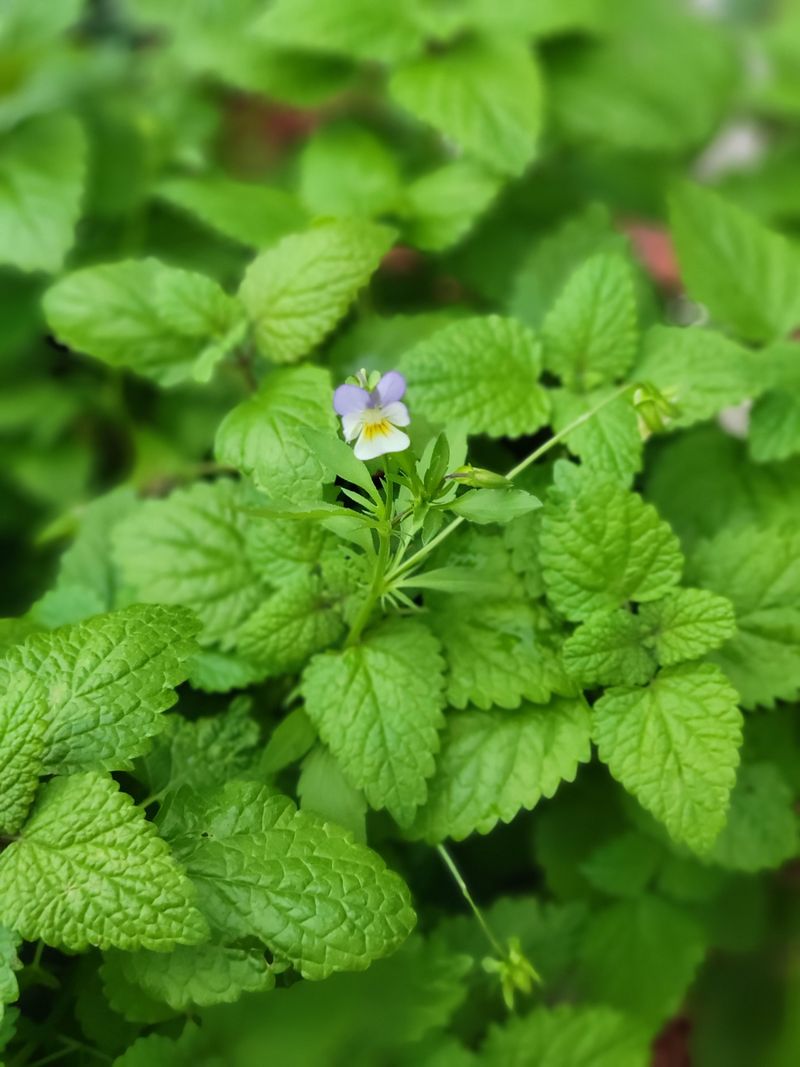
Bees absolutely love lemon balm flowers, and your garden will love the bees back. This relationship is one of the most important partnerships in your backyard ecosystem.
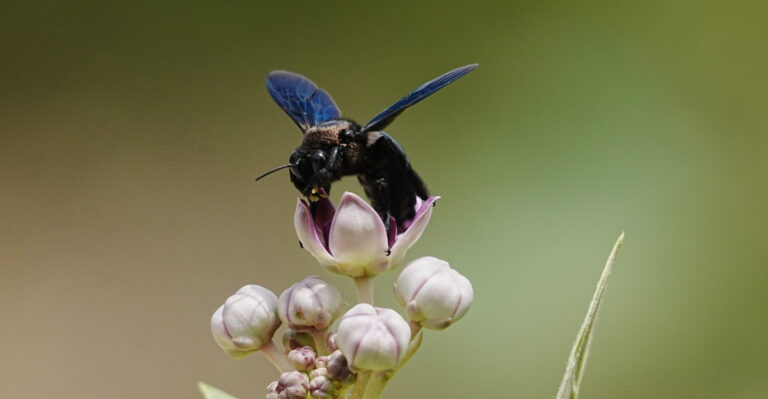
When lemon balm blooms in midsummer, it produces tiny white flowers packed with nectar. Honeybees, bumblebees, and native pollinators show up like they received a personal invitation.
Ancient beekeepers actually rubbed lemon balm on their hives to attract swarms. The Greek name for this plant, Melissa, literally means honeybee and that connection goes back thousands of years.
More pollinators on your patio mean better fruit and vegetable production nearby. If you have tomatoes, peppers, or berries in the yard, lemon balm is actively supporting your harvest.
Butterflies also visit the blooms regularly, adding a visual bonus to the pollinator traffic. Watching them flutter around your patio turns an ordinary afternoon into something genuinely delightful.
You do not need a large garden to make a difference for local pollinator populations. Even one or two containers of lemon balm contribute meaningfully to the local bee community.
Pollinators across New England have faced serious habitat loss in recent decades. Planting lemon balm is a small but real act of environmental support.
Let some stems go to flower instead of trimming everything back. The blooms look charming and the pollinators will thank you with a season full of buzzing activity.
A patio that feeds bees is a patio doing something genuinely good. That feels worth celebrating every single summer.
5. Aromatic Scent Can Create A Relaxing Outdoor Ambiance
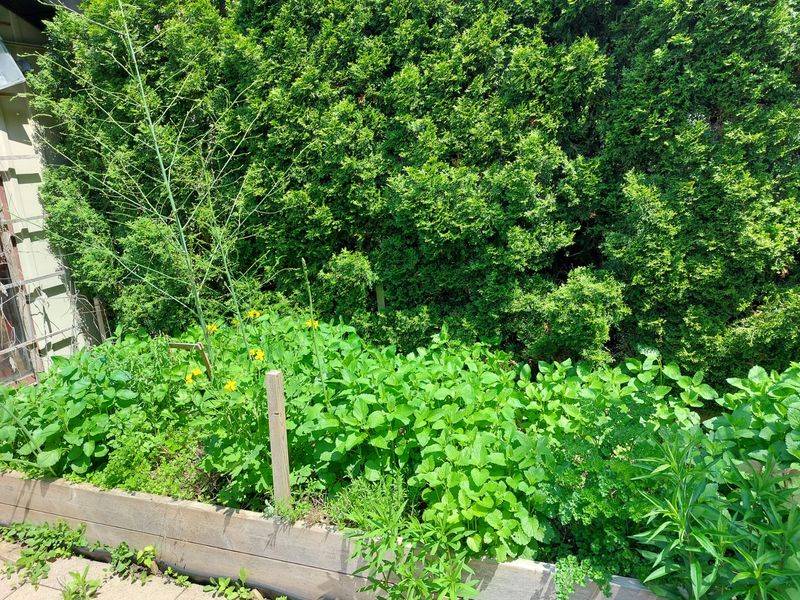
Close your eyes and imagine stepping outside to a gentle wave of citrus and mint. That is exactly what lemon balm delivers every time the breeze moves through it.
Scent has a powerful effect on mood, and this herb leans fully into that science. Early research on aromatherapy suggests lemon balm fragrance may support lower stress and a calmer mood.
You do not need diffusers, candles, or expensive outdoor sprays to create an inviting atmosphere. A few well-placed pots around your seating area handle the job beautifully and naturally.
The fragrance is never overwhelming or sharp the way some herbs can be. It sits in the background like good background music, present, pleasant, and easy to enjoy.
On humid New Hampshire evenings, the scent becomes even more pronounced and rich. The air practically wraps around you like a soft, fragrant blanket.
Guests notice it immediately without always knowing what they are smelling. They just feel more relaxed and comfortable, which makes your patio the spot everyone wants to gather.
Lemon balm works especially well near outdoor dining tables. The scent subtly elevates the experience of eating outside in a way that feels effortless and sophisticated.
Rubbing a leaf between your fingers releases an even stronger burst of fragrance. It is a simple sensory pleasure that never gets old no matter how many times you do it.
Your patio should feel like an escape, not just an outdoor room. Lemon balm gives it that intangible quality that makes people exhale and finally relax.
6. Culinary Uses In Salads, Drinks, And Cooking

Lemon balm in the kitchen is often overlooked, and most people have no idea what they are missing. Once you start cooking with it, going back to plain herbs feels boring.
The flavor profile is bright and citrusy without being acidic. It adds a fresh, summery lift to dishes that lemon juice alone cannot quite replicate.
Toss a handful of chopped leaves into a green salad for an unexpected pop of flavor. It pairs beautifully with strawberries, cucumbers, goat cheese, and light vinaigrettes.
Infused water with lemon balm and cucumber is one of the most refreshing drinks of summer. Drop a few sprigs into a pitcher, refrigerate overnight, and serve it ice cold on the patio.
Cocktails and mocktails also benefit from a muddled sprig of lemon balm. Bartenders use it in gin drinks, lemonades, and sparkling water blends for a sophisticated herbal note.
In cooking, it works well with fish, chicken, and roasted vegetables. The heat mellows the flavor slightly, leaving a subtle, aromatic quality that enhances without dominating.
Lemon balm butter is a surprisingly easy condiment to make at home. Blend softened butter with minced leaves and a pinch of salt, then chill it for a fancy finishing touch.
Bakers use it in cakes, cookies, and fruit tarts for a floral citrus note. A lemon balm pound cake sounds fancy but comes together with minimal effort.
Having fresh lemon balm steps from your kitchen transforms everyday cooking. Your New Hampshire patio becomes a functional herb garden that feeds your creativity all season long.
7. Deer Tend To Avoid Its Strong Fragrance

Deer are beautiful creatures until they discover your garden at midnight. New Hampshire homeowners know this painful reality all too well.
Lemon balm’s powerful fragrance is one scent that deer tend to avoid. Their sensitive noses find the citrusy, minty aroma deeply unappealing, which works entirely in your favor.
Planting lemon balm around the edges of your patio creates a fragrant border deer prefer not to cross. It is a natural deterrent that looks good and smells great to humans.
Unlike physical fencing or chemical sprays, this approach blends seamlessly into your garden design. Nobody looks at your patio and sees a deer-proofing system, they just see a beautiful herb garden.
Surrounding more vulnerable plants with lemon balm adds an extra layer of protection. Hostas, petunias, and vegetable seedlings benefit from having this aromatic neighbor nearby.
White-tailed deer populations in New Hampshire remain high, especially in suburban and rural areas. Having a natural strategy in place saves you from heartbreaking garden losses each season.
Lemon balm will not guarantee no deer visits since hungry animals sometimes ignore preferences. But it significantly reduces the odds of your patio becoming a late-night snack stop.
Combine it with other deer-resistant plants like lavender and yarrow for stronger coverage. A thoughtfully layered planting strategy gives your garden its best chance of coming through the season intact.
Protecting your outdoor space should not require constant vigilance or expensive solutions. Lemon balm handles the job quietly, and your patio looks better because of it.
8. Hardy Enough To Withstand Cold New Hampshire Winters
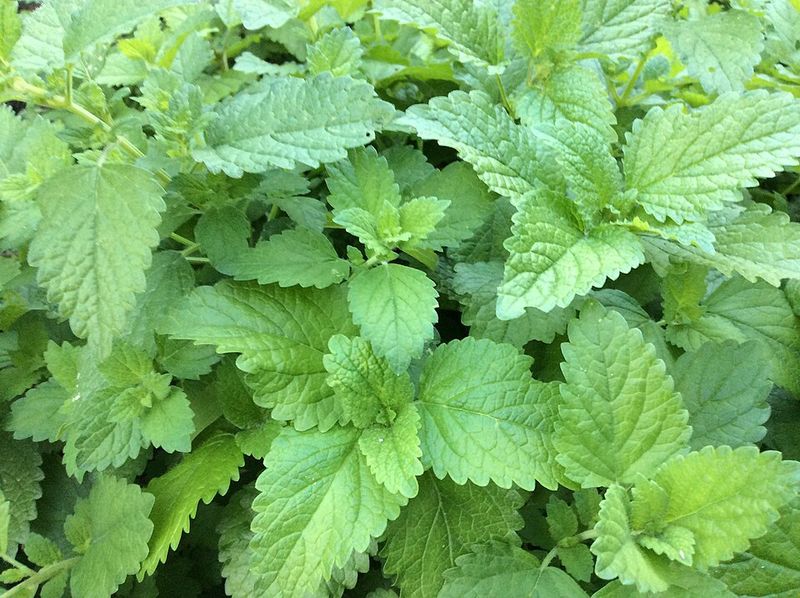
New Hampshire winters are not for the faint of heart, and neither are its gardeners. Choosing plants that can weather the cold is not just smart, it is essential.
Lemon balm is a perennial herb, meaning it returns year after year without replanting. Once established, it handles freezing temperatures and heavy snow with impressive resilience.
It is hardy in USDA zones 3 through 7, and New Hampshire falls comfortably within that range. That means your investment in this plant pays off across multiple seasons, not just one.
In fall, the above-ground growth fades back naturally as temperatures drop. But the root system stays alive underground, quietly waiting for spring to arrive and signal a comeback.
Come April or May, fresh new shoots push up through the soil right on schedule. Watching lemon balm return after a long New Hampshire winter never gets old for gardeners who appreciate persistence.
Container-grown plants benefit from a little extra winter protection. Moving pots to an unheated garage or shed keeps roots insulated during the harshest cold snaps.
Mulching around in-ground plants adds another layer of frost protection. A few inches of straw or shredded leaves over the root zone makes a meaningful difference in how well roots come through to spring.
This hardiness makes lemon balm one of the most cost-effective herbs for New Hampshire patios. You plant it once and enjoy it for years without spending money on replacements each spring.
A plant that weathers winter and reliably returns deserves a permanent spot on your patio. Lemon balm earns that spot every single year.