These 8 Plants May Help Redirect Carpenter Bees Away From Wood In North Carolina
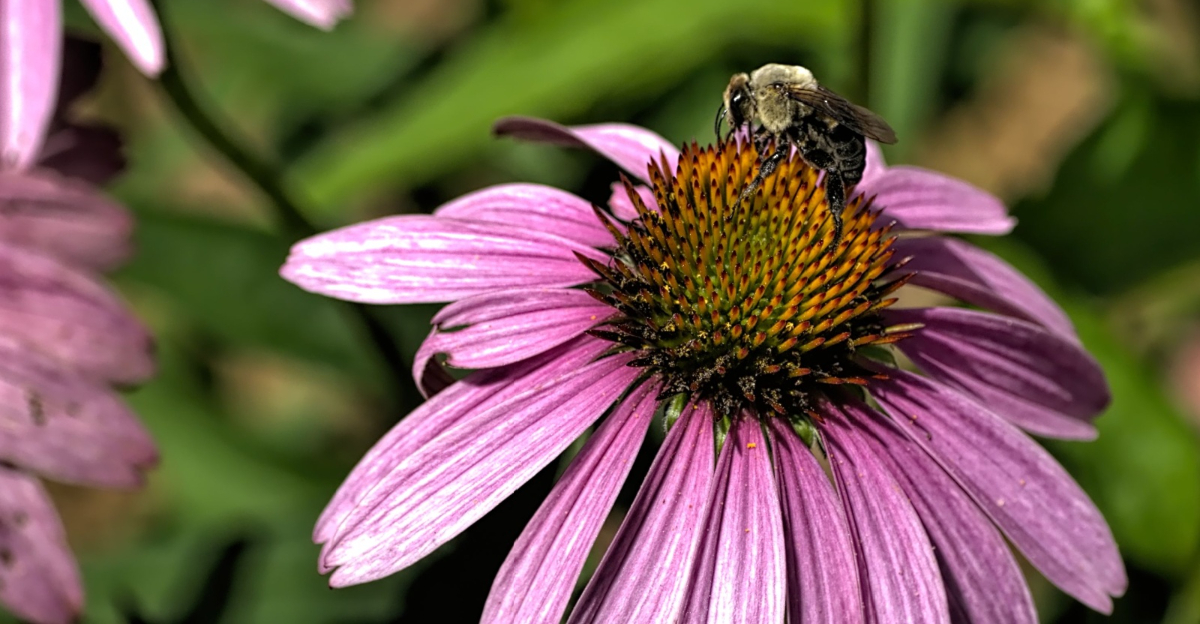
If large buzzing bees have been hovering suspiciously close to your porch rails or wooden eaves every spring, you have almost certainly met the carpenter bee.
These big, shiny pollinators are a familiar sight across North Carolina once temperatures start climbing, and they spend their days moving between flower beds and exposed wooden structures with what can only be described as a very confident sense of purpose.
Here is something worth knowing though: carpenter bees visit flowers for nectar and pollen, but it is bare and weathered wood that gets them thinking about nesting.
Planting bee-friendly flowers away from wooden structures can draw foraging activity toward your garden beds instead, which is a genuinely smart strategy.
Just keep in mind that repairing and protecting exposed wood remains the most reliable way to reduce nesting activity around your North Carolina home.
1. Sunflowers Draw Bees Into Sunny Beds
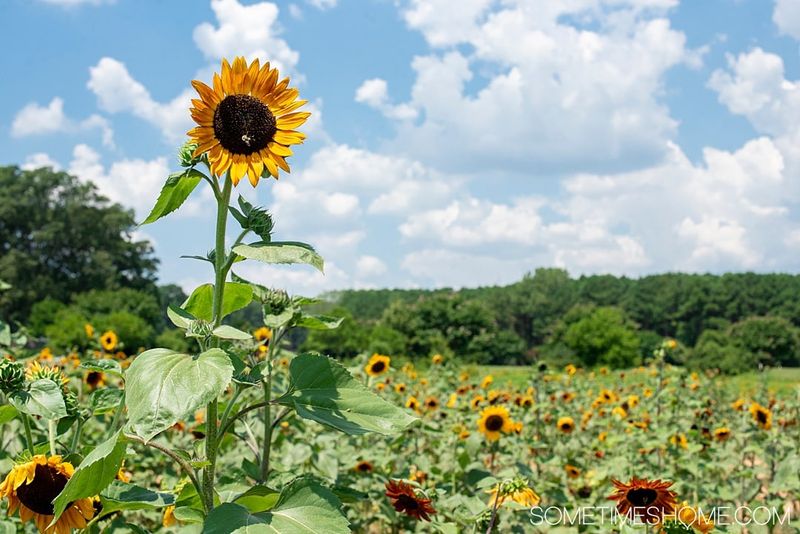
Few sights in a North Carolina summer garden are as satisfying as a tall row of sunflowers covered in buzzing activity.
Sunflowers produce large, open flower heads loaded with pollen and nectar, making them one of the most attractive foraging stops for carpenter bees during warm months.
When planted in a sunny bed away from decks, porches, or wooden fences, they may help pull bee activity toward the garden rather than toward your home’s wooden structures.
Carpenter bees are strong fliers and will travel a reasonable distance between foraging and nesting sites.
Placing sunflowers on the far side of your yard, well away from exposed or weathered wood, may encourage more time spent in the flower bed and less time spent near the eaves or porch railings.
There is no certainty that this approach will stop nesting, but it can help shift where bees spend most of their foraging time.
Sunflowers are easy to grow in North Carolina’s warm, sunny summers and thrive in most well-drained garden soils.
Annual varieties like the classic large-headed types tend to bloom from midsummer into early fall, giving bees a reliable food source during peak activity.
Pairing sunflowers with other pollinator-friendly plants nearby can make the garden bed even more appealing. Protecting bare or unfinished wood on your home remains the most important step in reducing nesting activity.
2. Purple Coneflower Offers Open Blooms
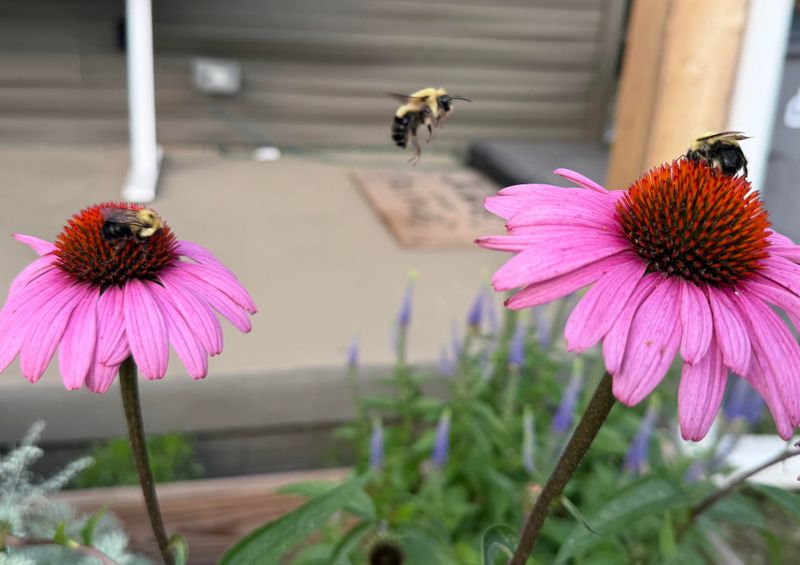
Walk past a blooming patch of purple coneflower on a warm afternoon and you will almost certainly hear it before you see it.
The steady hum of bees working those wide, daisy-like blooms is one of the most familiar sounds in North Carolina pollinator gardens from early summer well into fall.
Echinacea purpurea, as it is formally known, is a native perennial that thrives across much of the state and produces open, accessible blooms that carpenter bees find very appealing.
Unlike tubular flowers that favor long-tongued bees, coneflower’s flat central cone and reflexed petals give carpenter bees easy access to both pollen and nectar.
Homeowners who plant coneflowers in a dedicated pollinator border away from wooden structures may notice carpenter bees spending significant time in that area rather than hovering around the porch or deck.
Your North Carolina Garden Changes Every Week. Your Plan Should Too.
Gardening in North Carolina changes quickly throughout the season. Every Friday you’ll receive a simple weekly plan showing exactly what to plant, prune, fertilize, harvest, and protect so you never miss the right timing.
This does not guarantee bees will ignore nearby wood, but creating an inviting foraging destination can help redirect their attention.
Purple coneflower is drought-tolerant once established, making it well-suited to North Carolina summers. It grows well in full sun to partial shade and pairs nicely with native grasses, black-eyed Susans, and asters in a mixed pollinator planting.
Leaving seedheads standing through fall also benefits other wildlife. As always, sealing or painting exposed and weathered wood on your home is a more dependable step toward reducing carpenter bee nesting than relying on plants alone.
3. Native Asters Feed Late-Season Bees
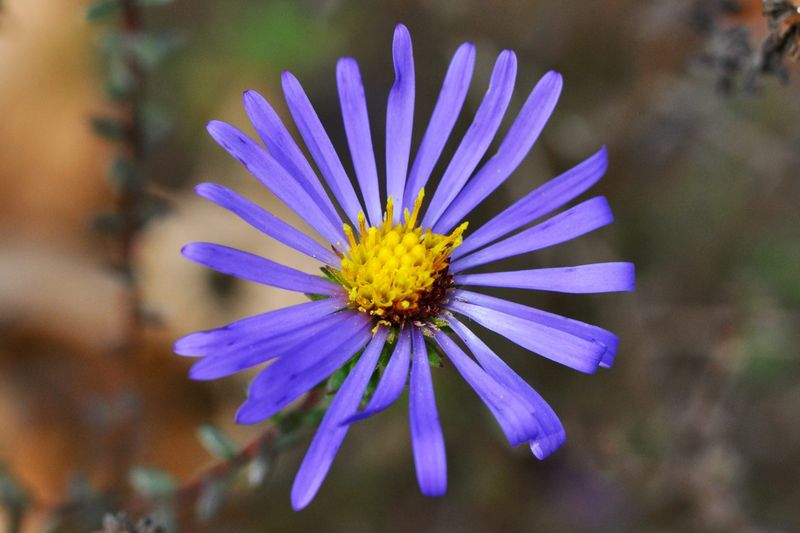
By late summer and early fall, many flowering plants have finished blooming, but native asters are just getting started. For carpenter bees that remain active well into autumn across North Carolina, this timing matters quite a bit.
Native asters, including species like Symphyotrichum laeve and Symphyotrichum novi-belgii, provide a valuable nectar and pollen source during a season when other flowers have faded, making them a natural draw for foraging bees.
Homeowners sometimes notice carpenter bees becoming more noticeable around wooden structures in late summer as they prepare for overwintering.
Having a patch of native asters in full bloom away from the house during this period may help keep bees focused on foraging in the garden rather than investigating the eaves or porch boards.
Again, this is not a guaranteed fix, but it adds an appealing option for bees that are actively searching for late-season food.
Native asters are easy to grow in North Carolina gardens, tolerating a range of soil conditions and light levels from full sun to light shade.
They tend to spread gradually over time, forming full, shrubby clumps that can anchor a pollinator border through the end of the season.
Planting them in a bed positioned away from wooden decks, railings, or fences gives them the best chance of drawing bee activity into the garden. Protecting exposed wood remains the most reliable approach to managing nesting behavior on structures.
4. Passionflower Has A Strong Carpenter Bee Link
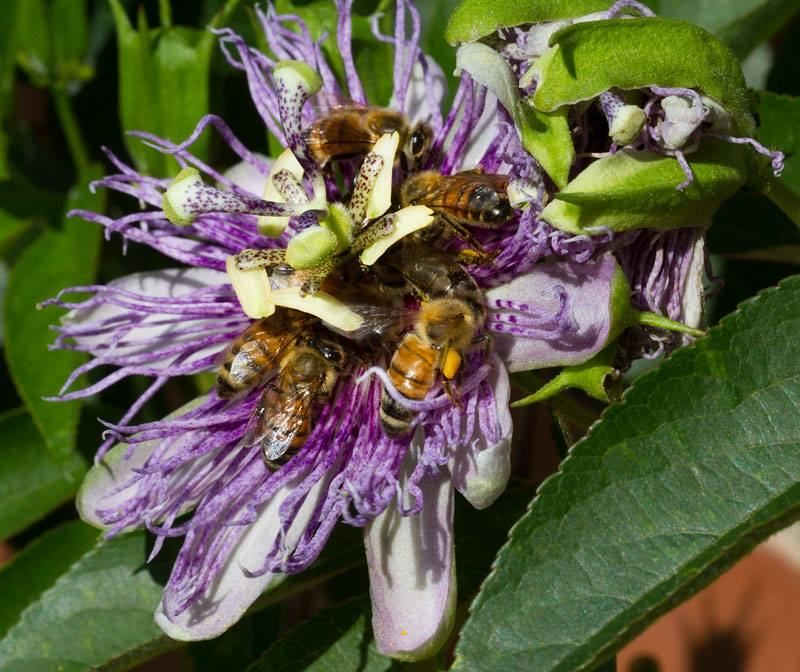
Among native vines in North Carolina, passionflower holds a special reputation when it comes to carpenter bees.
Passiflora incarnata, the native species found throughout much of the state, produces large, exotic-looking blooms with a complex structure that carpenter bees seem particularly drawn to.
The flower’s shape and size appear well-suited to larger bee species, and on warm summer days, it is not unusual to spot carpenter bees working passionflower blooms with noticeable enthusiasm.
One thing worth knowing is where you plant this vine. Passionflower is a vigorous climber and will readily grow on trellises, arbors, or fences.
If you train it on a wooden structure close to your home, you may actually bring carpenter bees closer to areas where nesting could occur.
Planting it on a metal or vinyl trellis positioned away from your house gives the vine a place to grow while keeping bee activity farther from vulnerable wood.
Passionflower blooms from early summer through early fall in North Carolina and attracts a range of pollinators beyond carpenter bees, including native bumblebees and various butterflies.
It is also the host plant for several native butterfly species, adding extra wildlife value to your yard.
Growing it in a sunny, well-drained spot with room to spread gives the best results. Just be thoughtful about placement so you are directing bee foraging activity away from your home’s wooden surfaces rather than right alongside them.
5. Bee Balm Keeps Pollinators Busy
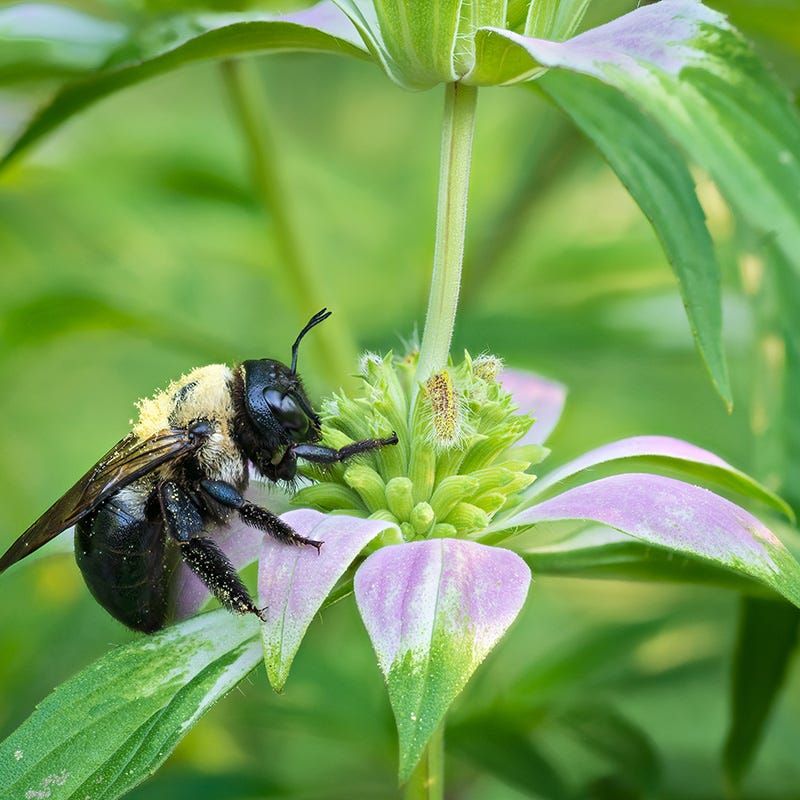
Spend a few minutes near a blooming patch of bee balm and the name makes complete sense. Monarda species, especially Monarda fistulosa and Monarda didyma, produce dense clusters of tubular flowers that draw pollinators in remarkable numbers during summer.
In North Carolina gardens, bee balm tends to bloom from late spring through midsummer, offering a lively and colorful foraging station right when carpenter bee activity is at its highest.
Carpenter bees are strong enough to access tubular flowers that smaller bees sometimes struggle with, which makes bee balm a practical choice for a pollinator border designed to attract and hold their attention.
Planting a generous stand of bee balm in a bed positioned away from wooden decks or porch structures may help encourage bees to spend more time in the garden and less time investigating exposed wood nearby.
That said, no planting strategy replaces the value of sealing, painting, or treating bare wood to reduce nesting opportunities.
Bee balm grows best in full sun to partial shade and prefers moist, well-drained soil. It spreads readily by rhizomes, so giving it enough room to expand in the garden will save you from having to divide it too frequently.
Thinning plants in the center of a clump helps improve airflow and reduce powdery mildew, which can be a common issue in North Carolina’s humid summers.
Combined with other native perennials, bee balm makes a strong contribution to any pollinator-friendly planting in the yard.
6. Mountain Mint Brings Heavy Bee Traffic
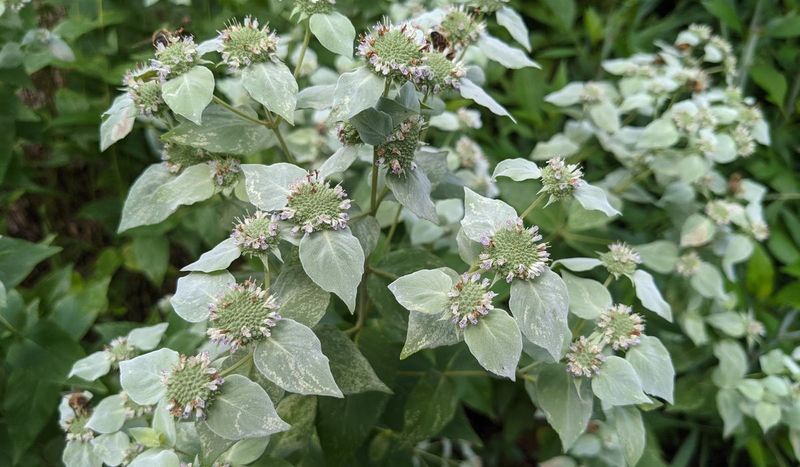
If there is one plant that consistently stops people in their tracks when they see how many insects it attracts, mountain mint is probably it.
Pycnanthemum species, particularly Pycnanthemum muticum and Pycnanthemum tenuifolium, are native to North Carolina and produce small clustered white flowers throughout summer.
These blooms seem to act like a magnet for a wide range of bees, wasps, and other pollinators during the warmer months.
Carpenter bees are regular visitors, drawn in by the accessible nectar and the plant’s strong aromatic qualities.
Planting mountain mint in a sunny border well away from your home’s wooden structures gives carpenter bees a compelling reason to stay in the garden.
On a warm summer afternoon, a mature clump of mountain mint can be almost constantly buzzing with activity, which is a good sign that bees are focused on foraging rather than exploring nearby wood.
This is exactly the kind of diversion that may help shift bee behavior in a backyard setting.
Mountain mint is a tough, low-maintenance perennial that handles North Carolina summers well once established.
It spreads over time through rhizomes, so planting it in a contained bed or giving it room to naturalize in a wilder garden corner both work well.
Full sun encourages the heaviest bloom production, though it tolerates some afternoon shade.
Pairing it with goldenrod, native asters, and coneflower creates a long-season pollinator patch that stays active from early summer through fall, giving carpenter bees consistent foraging options away from wooden structures.
7. Goldenrod Extends The Foraging Season
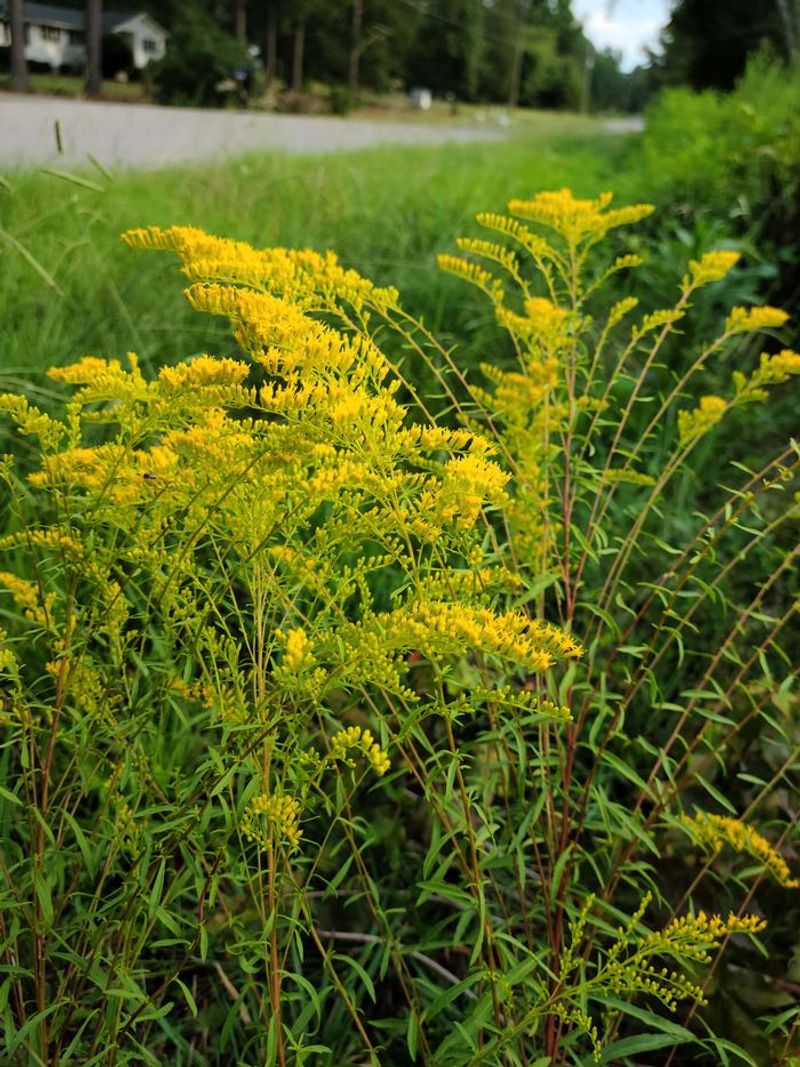
Goldenrod gets an unfair reputation from people who mistake it for the cause of fall allergies, but this native plant is actually a quiet hero in the North Carolina pollinator garden.
Solidago species bloom from late summer into fall, filling garden borders with bright yellow plumes right when many other nectar sources have faded.
For carpenter bees preparing for the cooler months ahead, goldenrod offers a reliable and abundant food source during a critical window of the season.
Homeowners who notice carpenter bees becoming more active around their home’s wooden surfaces in late summer may find that adding goldenrod to a garden bed away from those structures gives foraging bees a better destination.
The dense flower clusters are easy for large bees to land on and work, and a well-established goldenrod patch can stay in bloom for several weeks, extending the season when bees have good reason to stay in the garden.
Several goldenrod species are native to North Carolina, including Solidago rugosa and Solidago nemoralis, both of which adapt well to a range of garden conditions.
Most prefer full sun and tolerate dry or average soils, making them practical choices for low-maintenance pollinator borders.
Goldenrod spreads by rhizomes and can be divided every few years to keep it from overtaking smaller plants nearby.
Combining it with native asters and mountain mint in a fall-focused planting gives carpenter bees and other pollinators a strong reason to stay active in the garden rather than near your home.
8. Black-Eyed Susan Supports Busy Borders
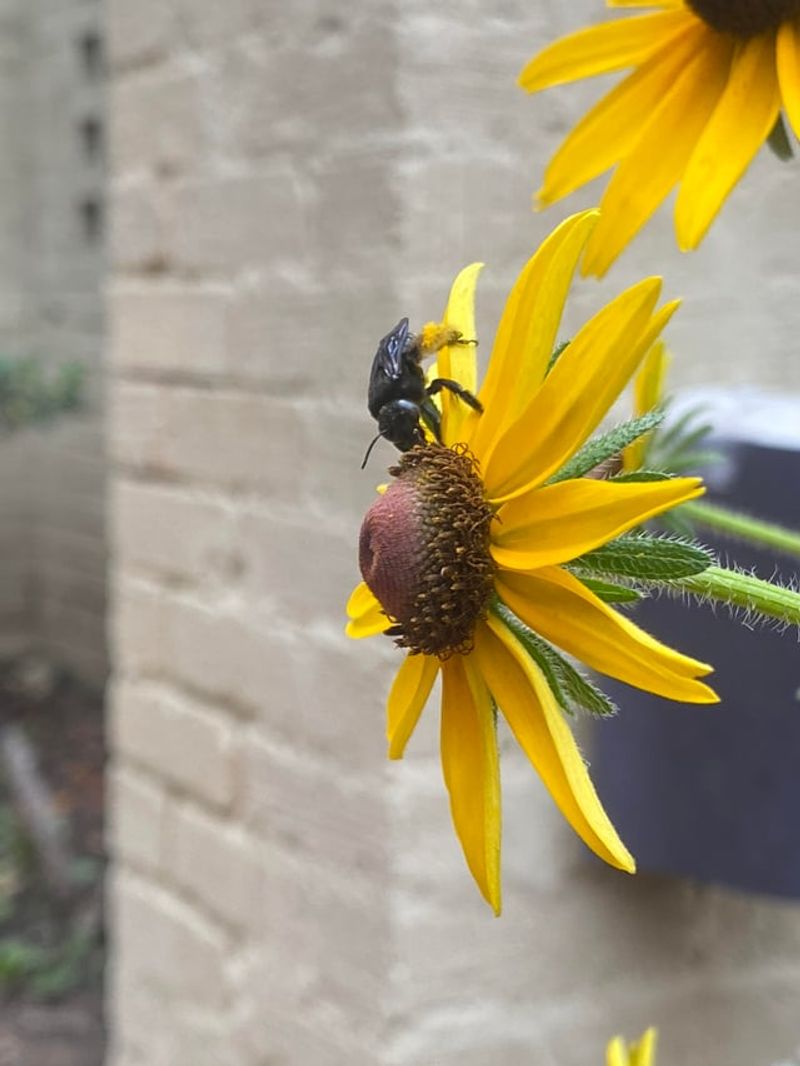
Cheerful and dependable, black-eyed Susan is one of those plants that earns its place in almost any North Carolina garden.
Rudbeckia hirta and related species produce bright yellow blooms with dark central cones from early summer through fall, offering a long window of nectar and pollen availability that keeps pollinators returning throughout the season.
Carpenter bees are among the regular visitors, landing on the open flower heads and working the blooms with the kind of focused energy that makes a garden border feel alive.
For homeowners trying to create a more appealing foraging area away from wooden decks, fences, or porch structures, black-eyed Susan is a practical and visually rewarding choice.
Planting a generous swath of it in a sunny bed on the far side of the yard from your home’s exposed wood may help draw carpenter bee activity toward the garden.
Pairing it with other native perennials like coneflower, bee balm, and goldenrod creates a pollinator border that stays active across multiple seasons.
Black-eyed Susan grows well in full sun and tolerates a range of soil types, making it well-suited to North Carolina’s varied growing conditions from the mountains to the coastal plain.
It self-seeds readily, so established plants tend to naturalize over time without much effort.
Deadheading can encourage repeat blooming, though leaving some seedheads standing benefits birds in fall.
As with any plant-based approach to carpenter bee management, protecting bare or weathered wood on your home is still the most effective step you can take.