Leprosy Bacteria Carried By Some Armadillos Make Gloves A Smart Habit In Georgia Garden Beds
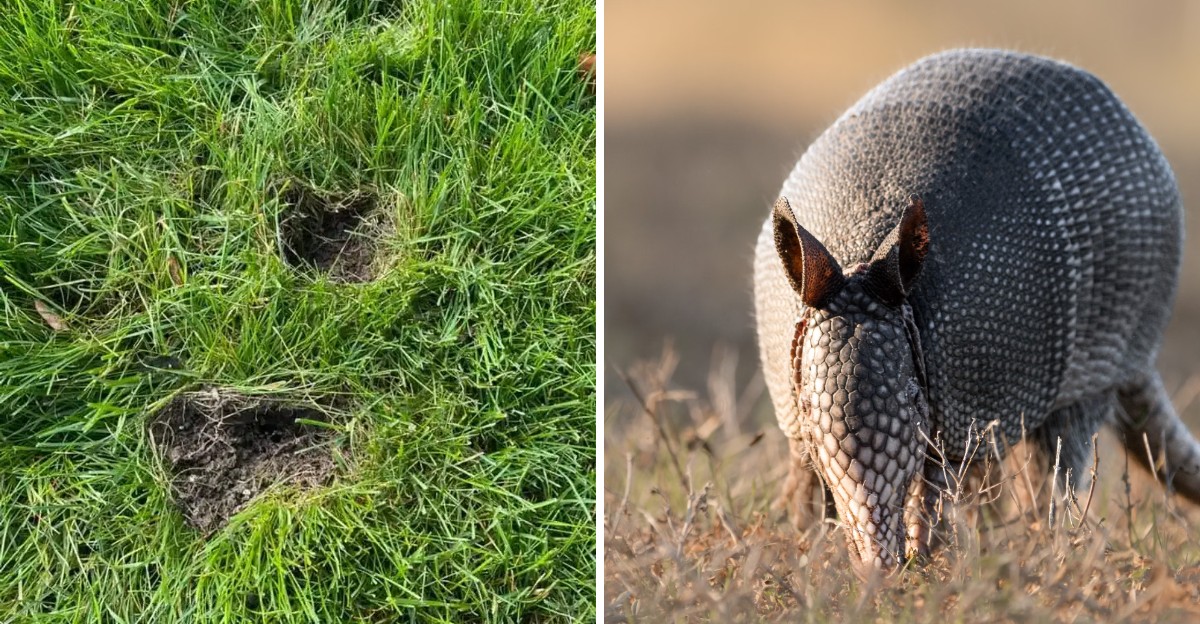
A creature that digs through your flower beds at night can carry the same germ that caused one of history’s most feared illnesses. Scientists have confirmed it, and the animal in question is probably closer to your tomatoes than you think.
Researchers found this germ grows best in cool body temperatures. That quirk makes one armored Southern visitor a nearly perfect host.
I still remember reading that and glancing nervously at the holes in my own lawn.
I love working barehanded in warm Georgia soil. It feels honest and simple.
But you need to know that a tiny bit of caution goes a long way, and the risk to most people stays very low.
Those little cone-shaped holes might reveal more than a nighttime visitor, but understanding the actual risk can help you garden without unnecessary worry.
1. That Armored Night Digger In Your Flower Bed Has A Strange Secret
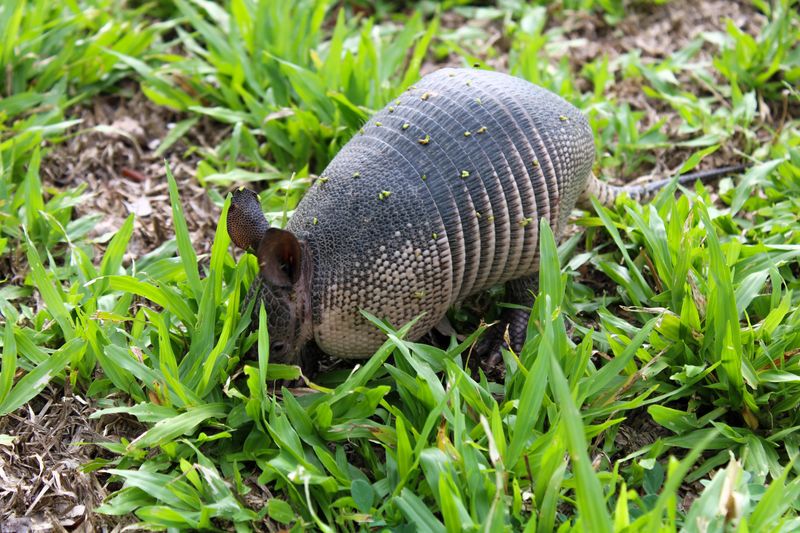
Nine-banded armadillos are among the wild animals known to naturally carry Mycobacterium leprae, the bacterium that causes Hansen’s disease.
That germ causes Hansen’s disease, the modern name for leprosy.
Armadillos make good hosts because their body temperature runs cool, around 90 to 95 degrees. The leprosy germ likes cooler spots, so it settles in comfortably.
Scientists have used armadillos in leprosy research for decades for this exact reason.
Studies across the Southeast have found infected armadillos in many areas. A 2015 study reported that roughly 1 in 6 armadillos tested in parts of Georgia carried signs of the bacteria.
Numbers vary a lot from place to place, so nobody can say for sure whether the one in your yard is infected.
Armadillos moved into Georgia from Texas and Florida over the last century. They now live across much of the southern and central parts of the state, and they keep spreading north.
Mild winters help them along.
So the critter tearing up your pine straw is not just a nuisance. It may also be a quiet carrier.
That fact alone is a solid reason to rethink barehanded weeding where armadillos roam regularly.
2. A Good Pair Of Garden Gloves Is Your Simplest Shield
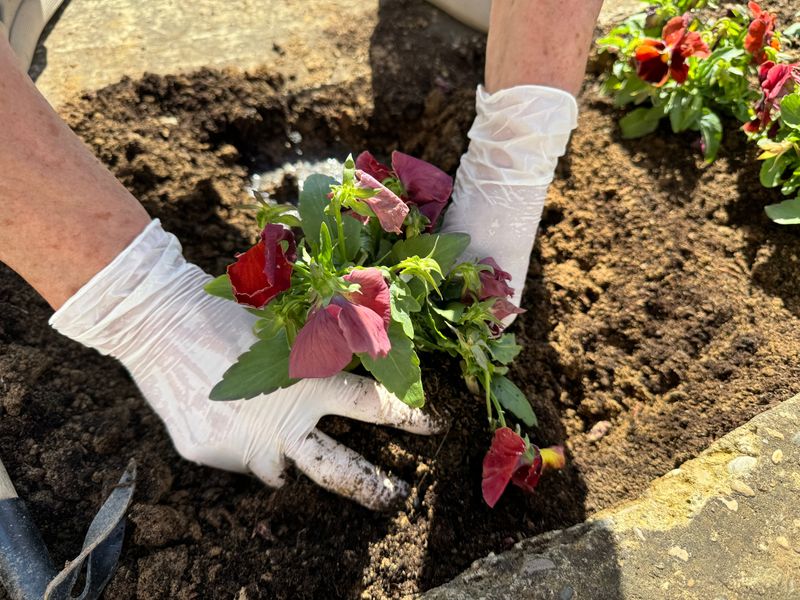
Gloves cost a few dollars and solve most of the worry. They put a barrier between your skin and soil that an armadillo may have rooted through the night before.
Pick gloves that fit snugly and cover your wrists. Nitrile-coated gloves are great for wet beds because water and mud stay out.
Leather gloves work well for thorny jobs like pruning roses or pulling briars.
Small cuts and scrapes matter most. Health experts think broken skin may give germs an easier way in.
If you have a scratch on your hand, gloves become even more important that day.
Washing up finishes the job. Scrub your hands with soap and water after gardening, even if you wore gloves the whole time.
Toss gloves in the wash every week or two, and rinse muddy ones before storing them.
I keep two pairs by my back door, one for dry work and one for soggy beds. That way I never have an excuse to skip them.
You might be surprised how quickly the habit sticks once gloves are always within reach.
It’s also a good idea to replace gloves once they develop holes or tears, since damaged gloves no longer provide reliable protection from soil and moisture.
3. Most People Shrug Off This Bacteria Naturally
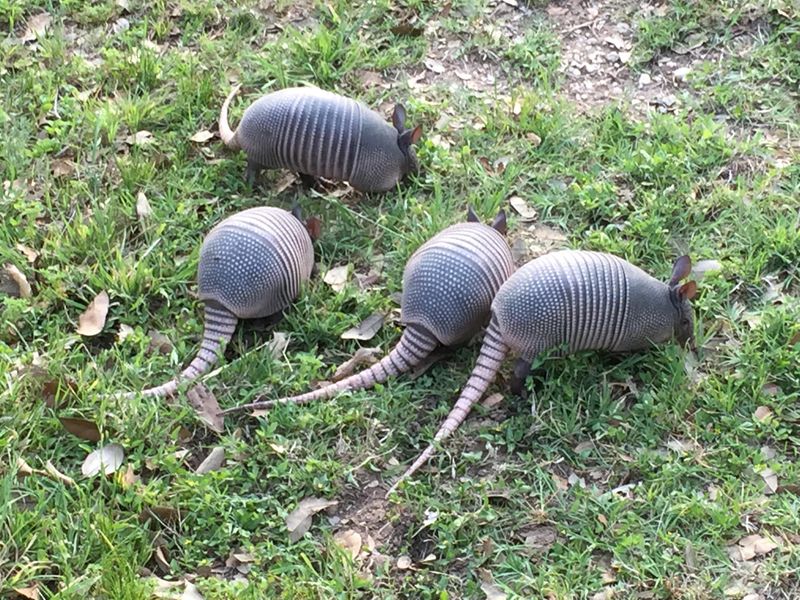
Take a deep breath, because the actual risk is small. The CDC says about 95 percent of people are naturally unable to catch Hansen’s disease even after exposure.
The United States sees only around 150 to 200 new cases each year. Many of those cases involve people who lived in other countries where the disease is more common.
Only a portion are linked to armadillos.
The illness also moves slowly. Symptoms can take years to appear, often showing up as pale or reddish skin patches with reduced feeling.
Numbness in hands or feet can be another clue.
Treatment works very well today. A course of antibiotics, offered free in the U.S. through the National Hansen’s Disease Program, cures the infection.
Patients stop being contagious soon after starting treatment.
So why bother with gloves at all? Low risk is not zero risk, and the fix is easy.
If you ever notice a numb skin patch that will not go away, mention armadillo contact to your doctor. That one detail can speed up the right diagnosis.
4. Handling An Armadillo Carries Far More Risk Than Digging Near One
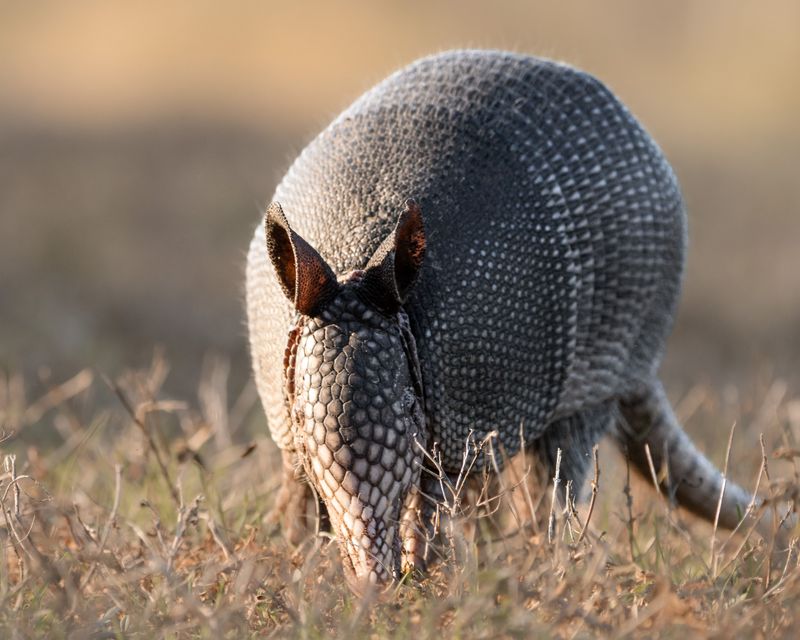
Picking up that cute armored visitor is the riskiest move you can make. Health officials link most armadillo-related cases to direct contact, like handling, skinning, or eating the animals.
Some folks in the South have a long tradition of hunting armadillos for food. Others pick them up for a photo or move them out of the road.
All of these bring your skin close to the animal’s body and fluids.
Soil contact is a lower and less certain risk. Lab studies show the bacteria can survive in moist soil for weeks.
Researchers have also described a few patients who never touched an armadillo but spent lots of time outdoors where armadillos lived. Scientists still debate how often soil passes the germ along.
So the rule is simple. Admire armadillos from a distance and let them waddle on.
If you need to move one, call a licensed wildlife professional instead.
Should you find an armadillo carcass in your yard, use a shovel and thick gloves. Bag it, dispose of it properly, and wash up well afterward.
5. Those Little Cone-Shaped Holes Tell You Who Visited Last Night
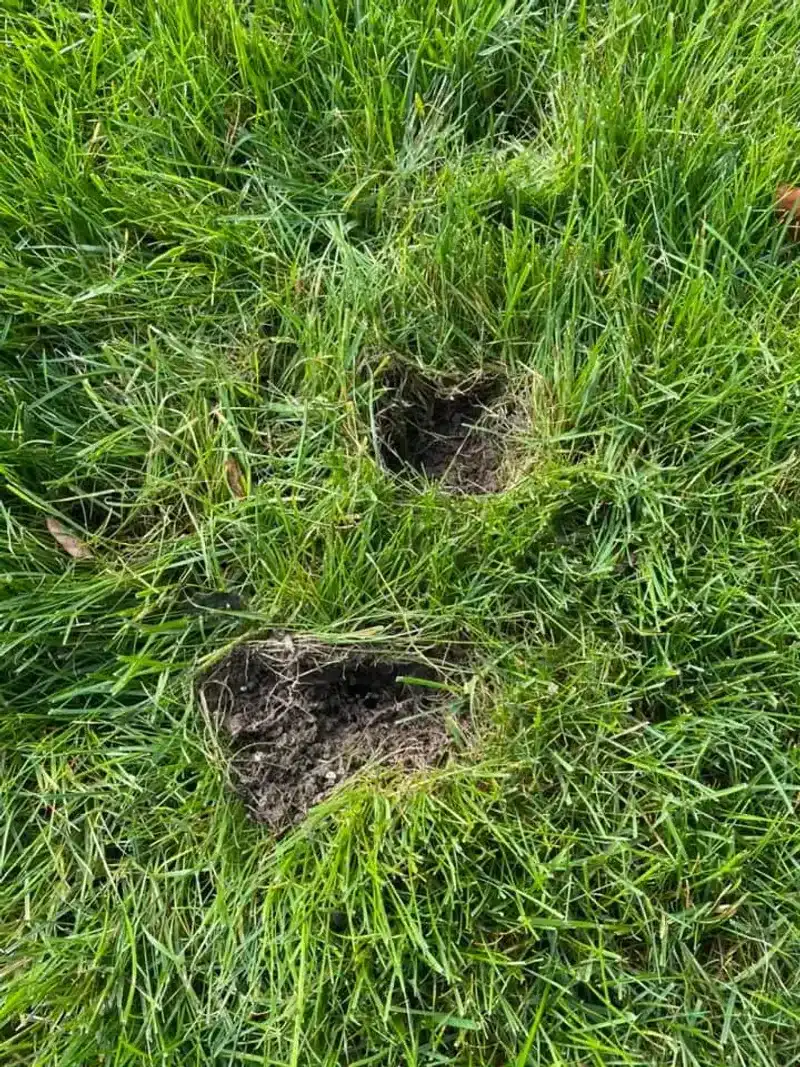
Shallow pits in the morning are the classic armadillo calling card. The holes usually measure 1 to 3 inches deep and 3 to 5 inches wide, often looking like a little cone.
Armadillos sniff out grubs, earthworms, beetles, and other insects. Their noses are amazing, and they can find prey several inches underground.
They dig fast with strong front claws, flipping mulch and seedlings aside.
Most activity happens at night during warm months. In cooler weather, you may spot them foraging in the afternoon.
Moist soil after a rain is like an open buffet for them.
Burrows are a different clue. A main den entrance is roughly 7 to 8 inches wide, often near a brush pile, woodpile, or under a shed or porch.
Knowing these signs helps you plan your gloves routine. If your beds show fresh digging, treat that soil with a bit more care.
Wear gloves, avoid touching freshly turned dirt barehanded, and wash tools after use. A quick morning walk around the yard can tell you which spots got a nighttime visit.
Fresh tracks in soft soil can offer another clue, especially when you spot the long claw marks left by their front feet.
6. A Buried Fence Line Keeps Armadillos Out Of Your Vegetable Beds
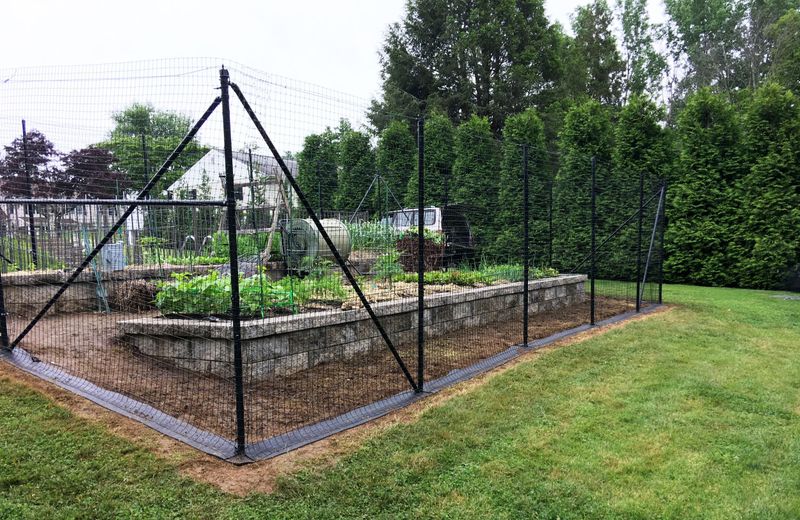
Fencing is the most reliable fix I know. Armadillos are strong diggers but poor climbers, so a smart barrier stops most of them.
Use sturdy wire mesh and bury the bottom edge at least 12 to 18 inches deep. Some gardeners bend the buried section outward into an L shape.
A fence about 2 feet tall above ground usually works well.
Raised beds can get hardware cloth stapled across the bottom before filling with soil. That step blocks digging from below and keeps moles out too.
Tidy habits help as well. Clear brush piles, seal gaps under sheds and decks, and avoid overwatering lawns, which brings worms and grubs closer to the surface.
Grub control can lower the food supply, though armadillos also eat many other insects.
Repellents and castor oil products get mixed reviews from wildlife experts. Live trapping is another option, and Georgia allows landowners to remove nuisance armadillos.
Check current Georgia DNR rules before trapping, since releasing animals elsewhere may be restricted. A licensed nuisance wildlife trapper can handle the job safely for you.
7. Your Garden Tool Routine Deserves A Quick Upgrade This Season
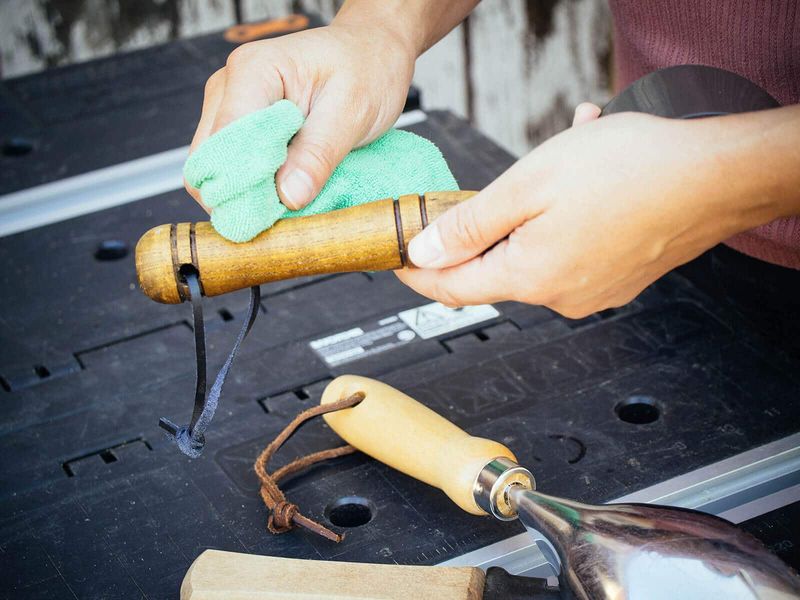
Small habits add up to real peace of mind. You do not need fancy gear, just a steady routine every time you head outside.
Start with gloves and long sleeves when weeding beds with fresh armadillo digging. Cover any cuts with a bandage first.
Kneel on a pad instead of bare knees in disturbed soil.
After the work, rinse trowels and hand tools with a hose. Wash your hands with soap and water, scrubbing for about 20 seconds.
Keep gloves out of the kitchen and clean them regularly.
Teach kids the same rules. Children love poking at holes and might want to chase an armadillo.
Explain kindly that these animals are fun to watch but should not be touched.
Pets need a little attention too. Keep dogs from catching or chewing on armadillos, since the animals can carry other germs like Salmonella.
None of this should scare you away from the garden. Georgia soil still offers fresh tomatoes, bright zinnias, and happy pollinators.
With gloves on and clean hands afterward, you can enjoy it all without second-guessing every scoop of dirt.