The Creeping Charlie Mistakes Pennsylvania Homeowners Repeat Every Fall
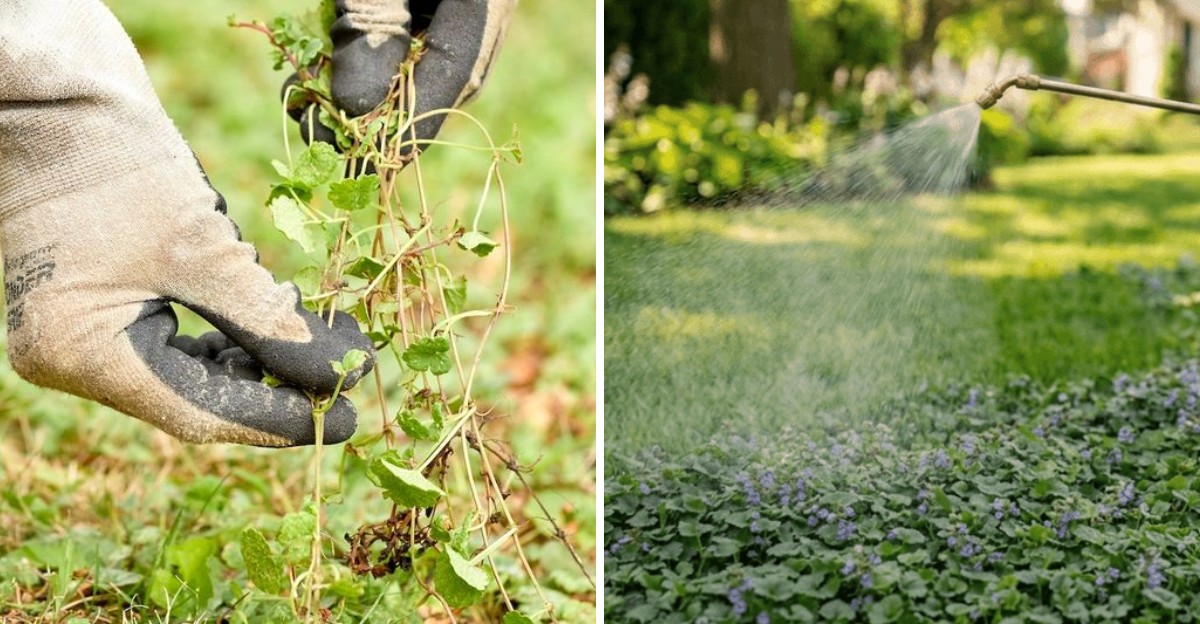
A single stem of this lawn invader can root at every joint that touches soil, so one runner becomes dozens. It belongs to the mint family, and crushing a leaf releases a sharp, minty smell.
Settlers carried it from Europe as early as 1672, and people once used it to flavor brewing recipes. Today it ranks among the toughest weeds in Pennsylvania yards, and it rarely leaves without a fight.
I have to admit that I lost my first battle with it badly, mostly because my timing was off. You might notice the same patch returning each spring, even after you worked hard pulling and spraying it.
Autumn gives you a real advantage here, yet Pennsylvania homeowners often waste that chance with a few common slipups. Which of these habits have quietly been helping that minty carpet spread across your lawn?
1. Waiting Until Spring To Spray Ground Ivy
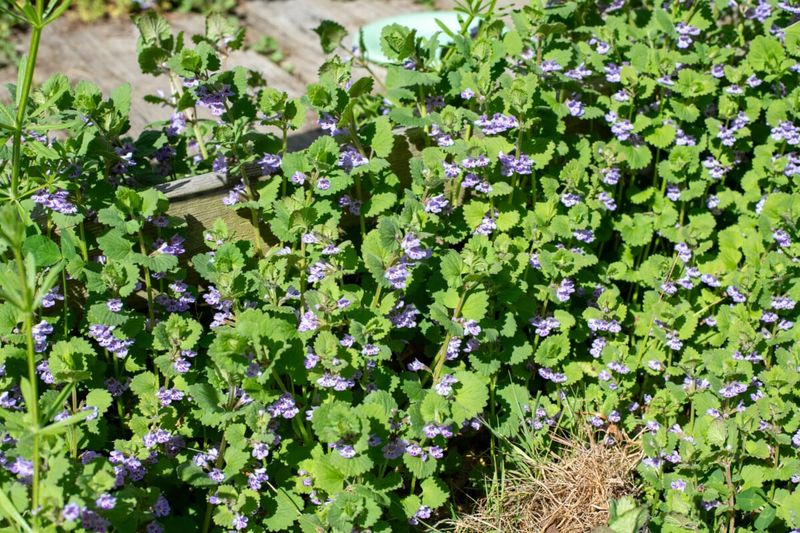
Ground ivy behaves like a squirrel in autumn, pulling sugars down into its roots to survive the long winter ahead.
That habit makes fall the smartest moment to treat it, because sprays travel down along with those sugars.
Many folks wait until spring, when the purple flowers suddenly make the patch look much bigger and far more annoying.
Spring treatments can still help, but by then the weed has already rested and stored energy through winter.
Summer spraying usually disappoints even more, since heat and dry spells slow how much product the leaves absorb. Penn State Extension points to fall as the strongest window for treating stubborn broadleaf weeds like this one.
Personally, I watch for that crisp stretch of September and October when nights cool but leaves stay green and active.
Treat while the plant still grows actively, ideally before a hard frost turns those leaves sluggish and tired.
You also want a calm, dry day so the spray stays put and does not drift onto nearby flowers or shrubs. Check the label for temperature limits, since some products behave poorly when afternoons get too hot or chilly.
A quick calendar reminder each autumn can save you hours of frustration when warm weather returns next year.
Trust me, catching the weed while it stocks its pantry feels far more satisfying than chasing its springtime flowers.
2. Hand Pulling Long Creeping Charlie Runners
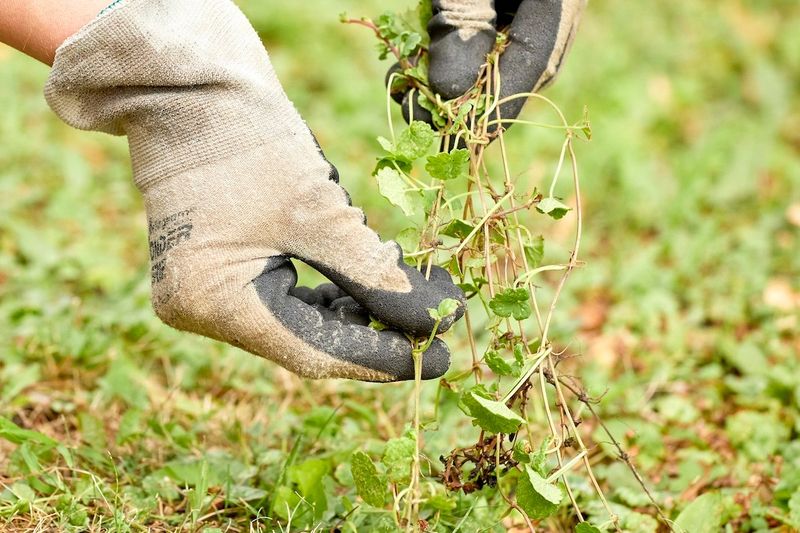
Tugging a long runner out of the grass feels oddly satisfying, almost like pulling a loose thread from a sweater. Sadly, that thread usually snaps, leaving rooted pieces behind that quietly sprout again within a few weeks.
Each joint along the square stem can grow its own roots, which explains why pulling rarely clears an established patch. Even tiny fragments buried in the soil may restart the whole colony once cool, damp weather settles in.
I used to spend whole Saturday afternoons yanking runners, only to find fresh green leaves popping up in the same spots.
That experience taught me hand weeding works best on small, young patches, not wide mats across the lawn.
Garden beds are a different story, because herbicides there could harm your perennials, vegetables, or favorite shrubs.
Water the area first, since moist soil releases roots more easily and helps you lift longer pieces without breaking them.
Work slowly, following each runner back toward its base and loosening the soil with a hand fork as you go. Bag the pieces instead of tossing them on the compost pile, where they might happily root and spread again.
Plan to revisit the same spot every week or two, because a few hidden bits often show up later.
Consistent follow-up visits matter more than one heroic weekend, and your back will thank you for the shorter sessions.
3. Grabbing The Wrong Broadleaf Weed Spray
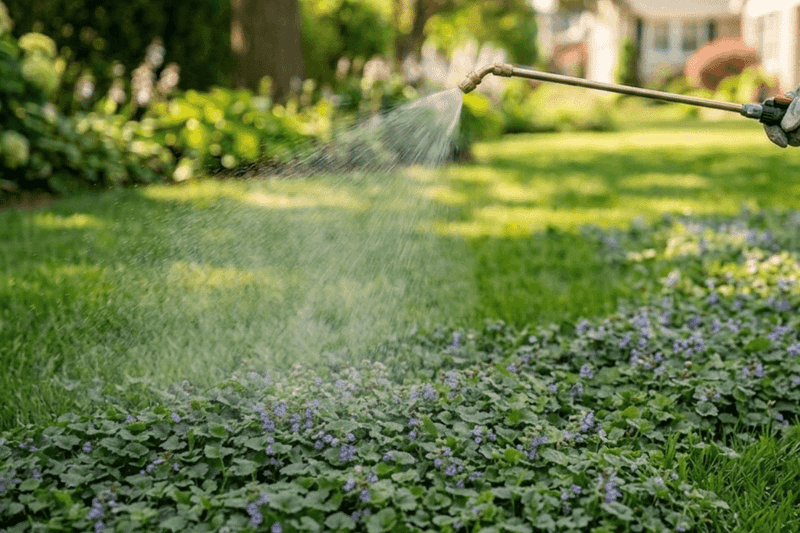
Creeping Charlie wears a waxy coat on its leaves, and that slick surface shrugs off plenty of everyday weed sprays.
Products containing only 2,4-D often leave the plant looking a bit sad before it bounces back strongly.
University extensions usually recommend selective lawn products containing triclopyr, sometimes blended with fluroxypyr, dicamba, or MCPP.
Those ingredients target broadleaf weeds while sparing most common lawn grasses when you follow the label carefully and closely.
Nobody warned me that one round would not be enough, so I celebrated far too early during my first autumn.
Established patches often need repeat treatments, sometimes spread across several seasons, before the lawn finally gains real control.
Read the label for the waiting period between applications, since spraying again too soon wastes product and money.
Spot treating only the affected areas keeps chemical use lower and protects nearby flower beds from unwanted drift.
Wear gloves, keep pets and kids off treated grass until it dries, and store containers well out of reach. Those small habits make lawn care safer for everyone who shares the yard, including curious dogs sniffing around.
Keep a simple notebook with dates and products used, so next fall you remember what worked and what failed.
Patience pays off here, because each careful round weakens the roots a little more than the last one did.
4. Mowing The Lawn Right Before Spraying Weeds
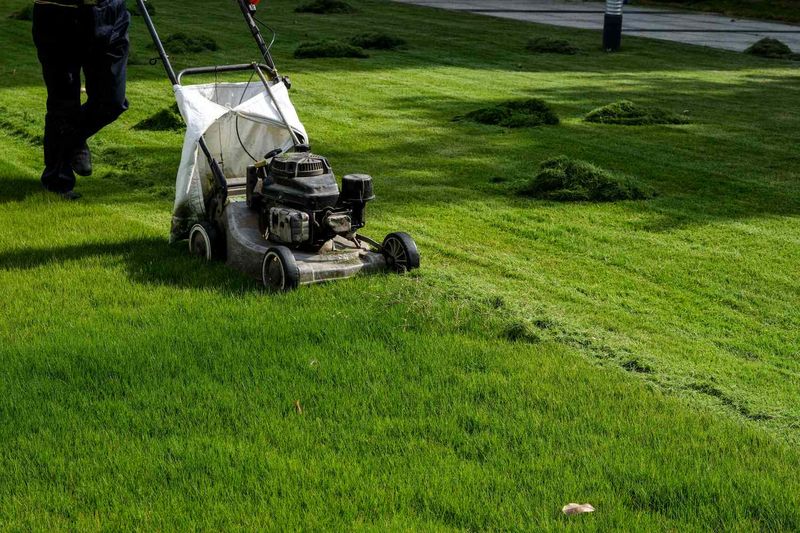
A freshly mowed lawn looks tidy, but it also hands Creeping Charlie a clever way to dodge your treatment. Cutting right before spraying removes leaves, and fewer leaves mean less surface area to soak up the product.
I like a neat yard as much as anyone, yet I hold off mowing for a couple of days beforehand now. That short pause lets the weed grow back some foliage, giving your spray a much bigger target to hit.
The same patience matters afterward, because the herbicide needs time to travel from leaves down into those hungry roots.
Mowing too soon chops away treated foliage before the product finishes its job inside the stubborn plant.
Most product labels suggest waiting several days before mowing again, so check yours for the exact timing guidance. Skipping irrigation for a day after spraying helps too, since water can rinse the product away from leaves.
Watch the forecast as well, because a sudden downpour within hours of spraying can weaken your results quite a bit.
Choose a stretch of dry autumn weather, which often appears in Pennsylvania between September showers and November chills.
You will love how little extra effort this takes, since it only means shuffling your mowing schedule slightly. Small timing tweaks like this one often separate a frustrating failure from a lawn that finally looks clean.
5. Sprinkling Borax On Creeping Charlie Patches
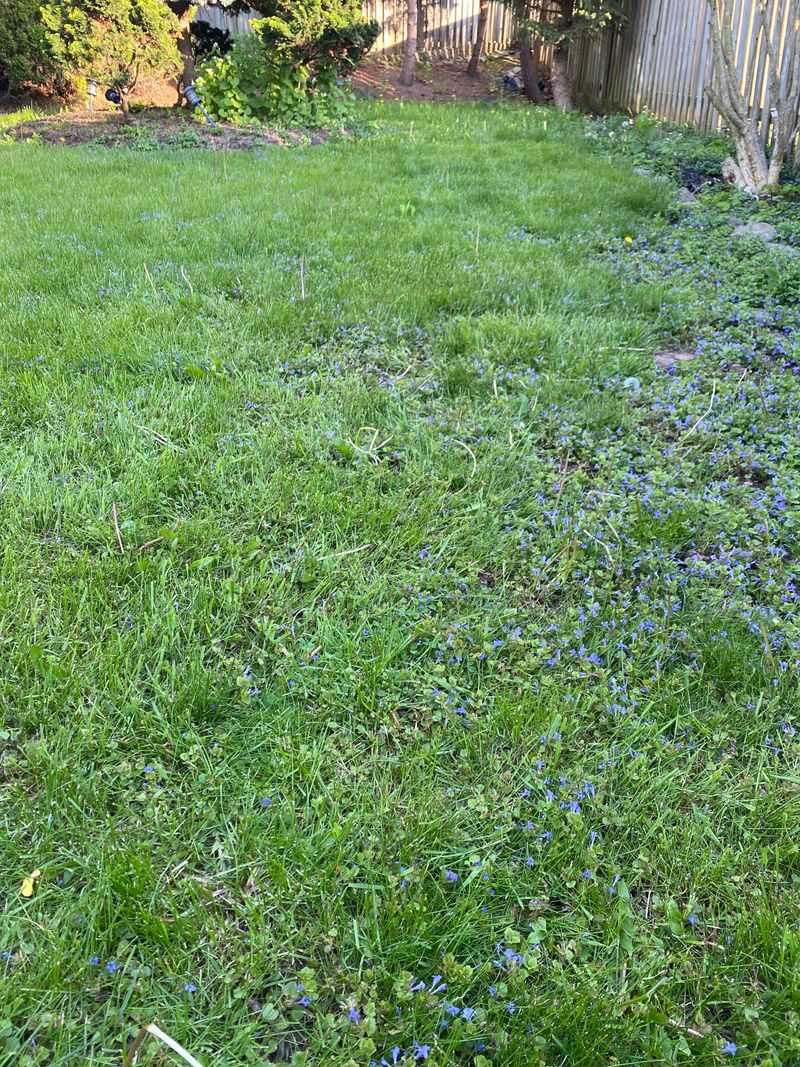
Borax sounds like a clever kitchen hack, and online forums still pass this recipe around every single fall. The powder contains boron, which can suppress Creeping Charlie, so the idea seems sensible on first hearing.
Believe it or not, university experts at Iowa State Extension no longer recommend this home remedy at all.
The gap between a helpful dose and a harmful dose is tiny, making mistakes easy for anyone measuring at home.
Too much boron can injure your grass, nearby flowers, and young trees growing close to the treated area. Worse, boron can build up in soil over time, causing lasting problems that are hard to reverse later.
I truly believe homemade fixes deserve a spot in gardening, but this one carries more risk than reward. Your lawn might look worse next spring, with yellowing grass patches right where you sprinkled the mixture.
A soil test from Penn State Extension can tell you what nutrients your Pennsylvania yard actually needs before you add anything.
Those affordable kits often reveal surprising details, like low pH or poor fertility that helps weeds outcompete grass.
Stick with proven methods and save the borax for laundry day, where it belongs and causes far fewer headaches.
Your grass, your soil, and your future self will appreciate that careful decision when spring finally arrives.
6. Ignoring Thin Grass In Shady Damp Lawn Corners
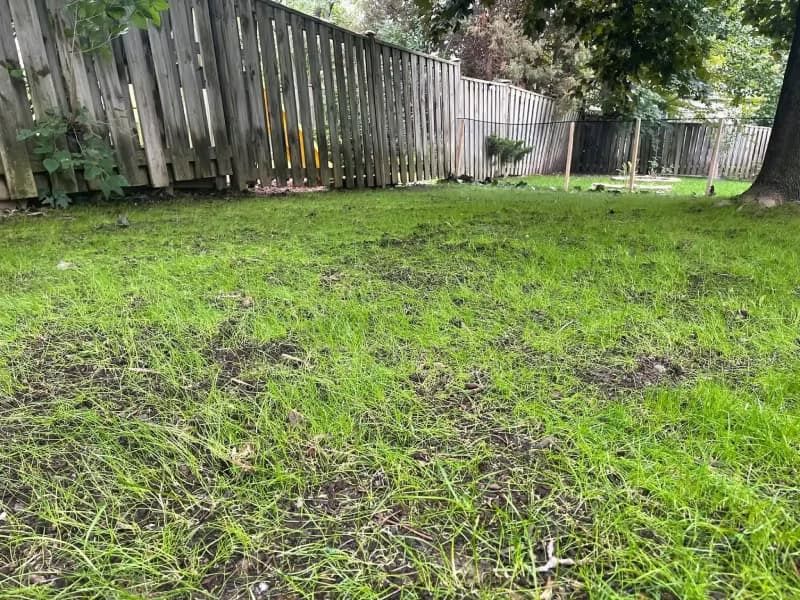
Creeping Charlie acts like a nosy tenant, moving straight into the shady, soggy corners your grass struggled to claim. That green carpet often signals deeper trouble, such as compacted soil, poor drainage, or too little sunlight.
Treating the weed without fixing those conditions is like mopping a floor while the faucet keeps running nearby. The patch may fade for a season, but it usually returns once the empty space invites it back again.
Fall happens to be prime time for overseeding cool-season lawns across Pennsylvania, especially from late August into September.
Shade-tolerant fine fescues blend nicely under trees, where many standard grass mixes thin out and leave gaps behind.
Core aeration helps loosen compacted soil, letting air, water, and roots move more freely through the ground below. Pruning a few low tree branches can brighten dark spots, giving young grass the light it needs to thicken.
Mowing higher, around three to four inches, lets grass shade the soil and crowd out creeping runners more effectively.
A sensible autumn fertilizer application, guided by a soil test, keeps that turf dense and healthy through winter.
Some deeply shaded spots may never grow great grass, and that is perfectly okay for a relaxed homeowner.
Mulch or shade-loving native groundcovers can replace struggling turf there, leaving far less room for the minty invader.