Little-Known North Carolina Native Ferns That Thrive In Clay Soil
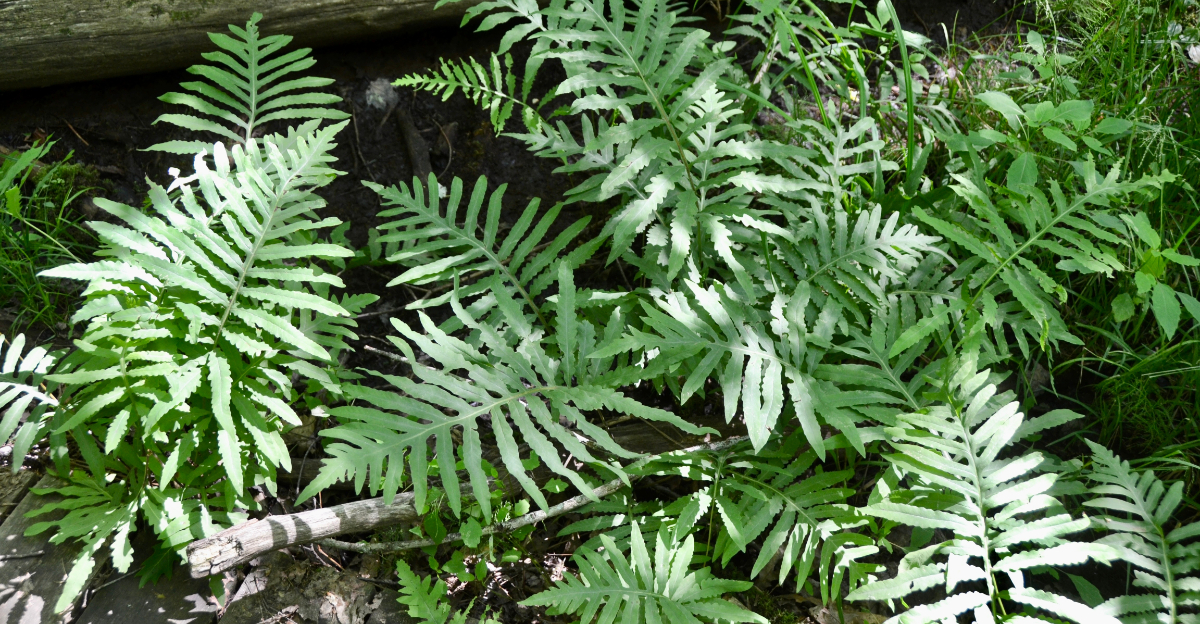
Clay soil stops a lot of North Carolina gardeners from even attempting ferns, and that hesitation is understandable given how many plants struggle in dense, poorly draining ground.
What most gardeners do not realize is that several native ferns not only tolerate clay but actually perform better in it than they do in looser, amended soil.
These are not the ferns showing up at every garden center or featured in mainstream planting guides.
They are genuinely underused species that have spent thousands of years adapting to exactly the kind of heavy, compacted, moisture-retaining soil that covers so much of the state.
Getting them established in the right shaded or semi-shaded spots produces lush, reliable growth that holds up beautifully through North Carolina’s humid summers without any special treatment or soil overhaul.
1. Christmas Fern
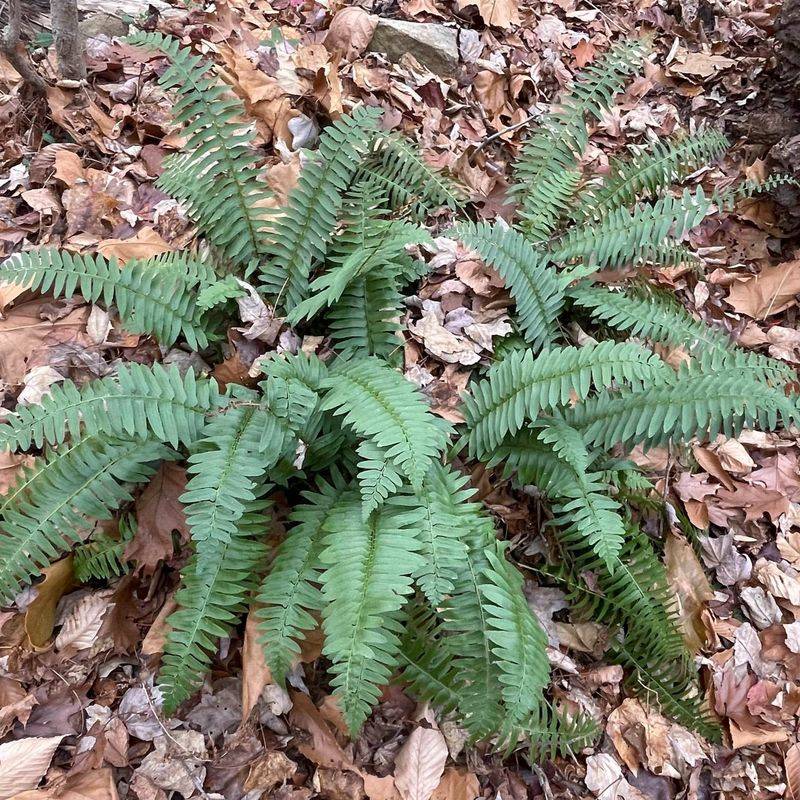
Walk through any North Carolina woodland in the middle of winter, and you will likely spot the Christmas Fern still standing tall and green when everything else has gone brown. That is exactly where it gets its name.
Gardeners have long treasured this fern for its ability to stay evergreen through cold snaps, ice, and everything in between.
Christmas Fern handles clay soil with remarkable ease. Its roots do not mind the dense, moisture-holding structure that clay creates.
In fact, the consistent moisture that clay retains through dry spells is something this fern actually benefits from. Pair it with a shaded or partially shaded spot, and you have a nearly effortless planting.
Each frond grows between one and three feet long, with individual leaflets shaped a little like tiny Christmas stockings. The texture is leathery and bold, which gives the plant a tidy, structured look even without any pruning.
It never becomes invasive or aggressive, so it plays well with other native plants nearby.
For North Carolina homeowners dealing with slopes or erosion-prone clay areas, Christmas Fern is especially useful.
Its root system holds soil in place effectively, making it a practical choice for hillsides and shaded banks. Plant it in groups of three or five for the best visual effect.
Maintenance is refreshingly minimal. You can cut back old fronds in late winter before new growth emerges, but even that step is optional.
This fern is one of the most reliable natives you can add to a shaded clay garden.
2. Southern Shield Fern
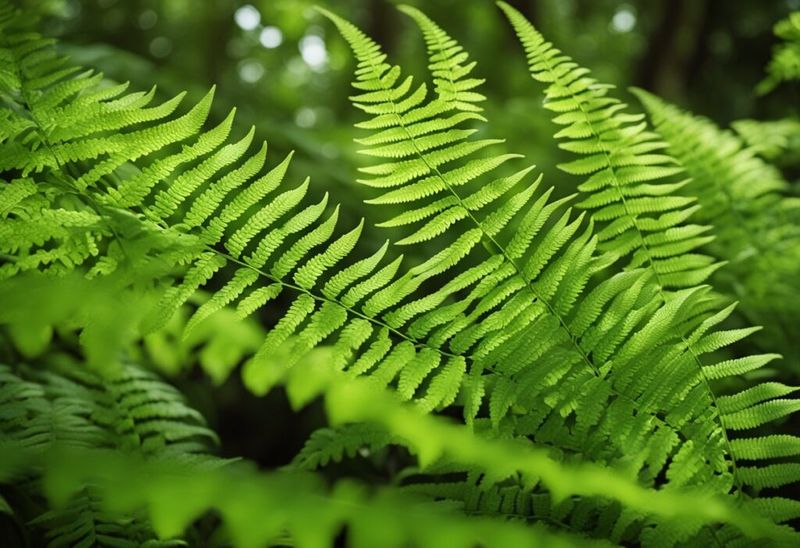
Bright, lime-green fronds that seem to glow in the shade are what make Southern Shield Fern one of the most eye-catching native ferns in North Carolina.
It has a soft, almost tropical look that feels surprising given how tough this plant actually is.
Gardeners who have struggled with dry, compacted clay under trees often find that Southern Shield Fern handles those conditions better than almost anything else.
This fern spreads gradually through underground rhizomes, slowly filling in bare patches under trees and along shaded borders. The spread is steady but not overwhelming, so you stay in control of where it goes.
Over a few seasons, it builds into a beautiful, weed-suppressing groundcover that requires almost no attention from you.
Your North Carolina Garden Changes Every Week. Your Plan Should Too.
Gardening in North Carolina changes quickly throughout the season. Every Friday you’ll receive a simple weekly plan showing exactly what to plant, prune, fertilize, harvest, and protect so you never miss the right timing.
Thelypteris kunthii grows well in both partial and full shade, though it can handle a bit of morning sun if the soil stays reasonably moist.
In clay-heavy gardens, moisture retention is rarely an issue, which works perfectly in this fern’s favor. Fronds typically reach two to three feet tall, giving shaded beds a layered, lush appearance.
One of the most practical things about Southern Shield Fern is how well it pairs with other shade-loving natives like wild ginger, native azaleas, and trillium. It creates a natural understory feel without crowding out its neighbors.
The fronds are semi-evergreen in warmer parts of North Carolina, staying green well into late fall.
Planting is straightforward. Space plants about two feet apart and water regularly during the first season to help them establish in clay soil.
3. Ebony Spleenwort
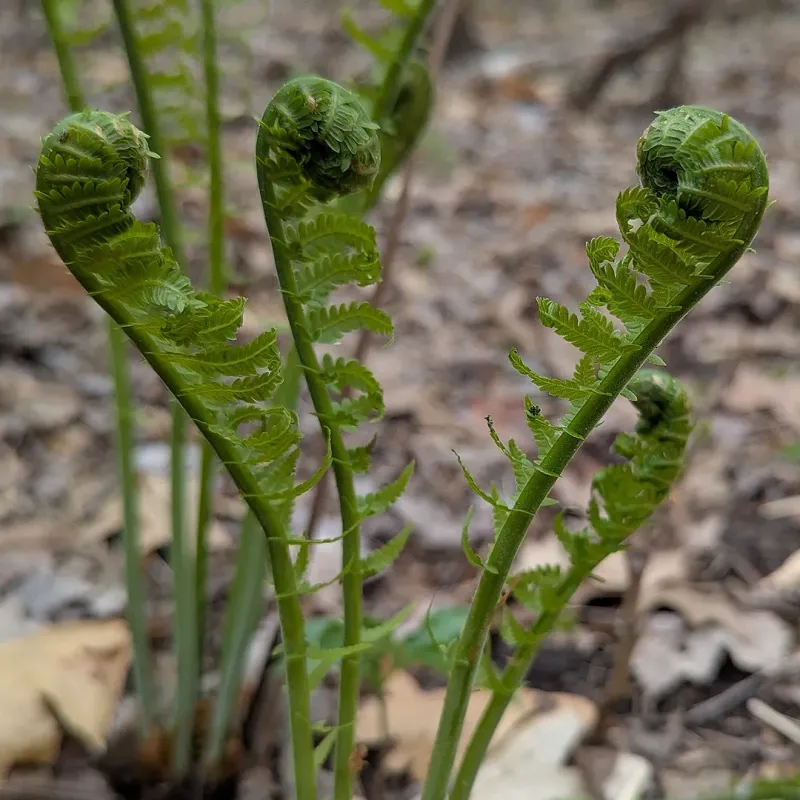
There is something quietly dramatic about Ebony Spleenwort. Most ferns blend into the background, but this one catches your eye with its glossy, near-black stems contrasting sharply against bright green leaflets.
It is one of the most distinctive native ferns in North Carolina, and yet it remains surprisingly underused in home gardens.
Asplenium platyneuron thrives in well-drained clay soils, which might sound contradictory at first. The key is that it prefers clay that does not stay waterlogged.
Rocky slopes, shaded banks, and the edges of wooded areas with decent drainage are where this fern feels most at home. It also grows happily in the cracks of stone walls or along shaded garden paths where other plants would struggle.
The fronds are upright and narrow, growing between six and eighteen inches tall. That compact size makes Ebony Spleenwort a fantastic choice for smaller garden spaces or as a textural accent plant between larger ferns and shrubs.
Its neat, tidy form means it never looks messy or overgrown, even without any trimming.
One genuinely interesting fact about this fern is that it produces two types of fronds. Shorter, spreading fronds appear in spring, followed by taller, more upright fertile fronds later in the season.
That two-phase growth habit adds visual interest over a long period, which is something most ferns do not offer.
Ebony Spleenwort is also quite drought-tolerant once established, which makes it a reliable performer even in North Carolina summers when clay soil can dry and crack between rain events.
4. Lady Fern
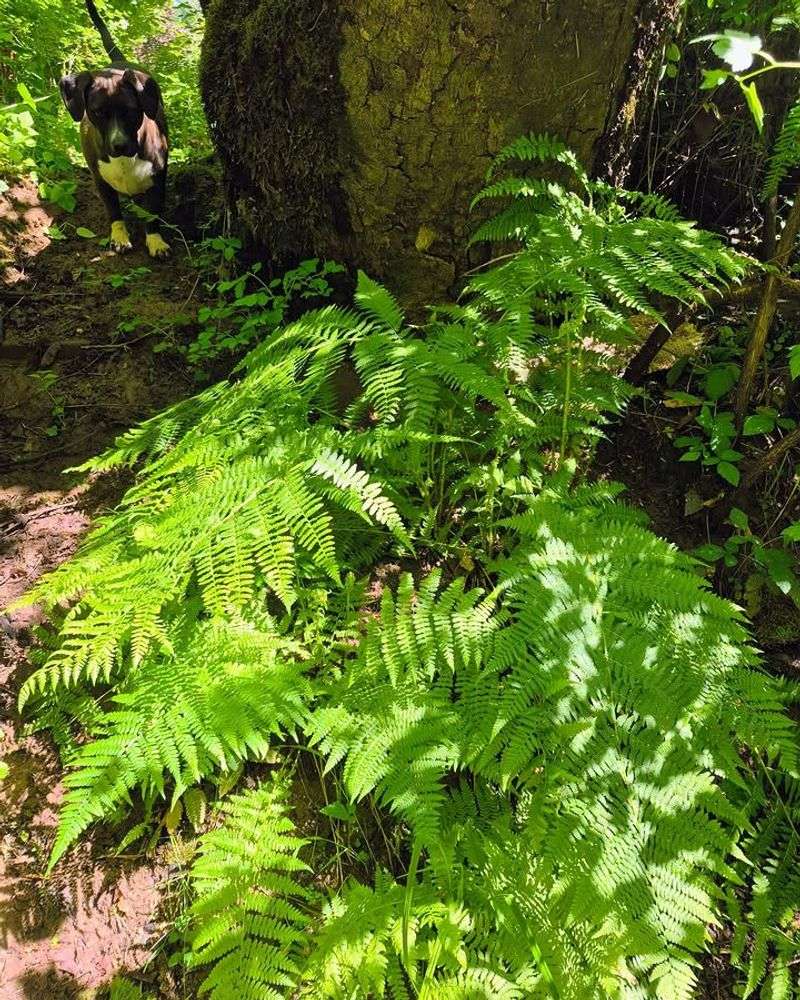
If any fern deserves to be called elegant, it is the Lady Fern. Its fronds are finely cut and feathery, with a soft, airy texture that brings a sense of movement to shaded garden spaces.
Unlike some ferns that look stiff or formal, Lady Fern has a relaxed, flowing quality that makes a garden feel lush and natural.
Athyrium filix-femina is a strong performer in moist, clay-heavy soils, which are common across much of North Carolina. Clay holds water well, and Lady Fern appreciates consistent moisture, especially during summer heat.
Planting it in a low spot or near a downspout where water collects naturally gives it the conditions it truly loves.
Fronds can reach two to three feet in length, creating a full, vase-shaped clump that fills space beautifully in shaded borders. The color is a fresh, medium green that pairs well with darker-leaved plants like heucheras or native gingers.
New fronds unfurl throughout the growing season, so the plant always looks fresh and active rather than tired.
Lady Fern grows well in full shade but also tolerates partial shade, making it flexible for a range of garden situations. It is not aggressive, so it fits comfortably into mixed plantings without taking over.
The clumps expand slowly over several years, which means you can divide and share extra plants with neighbors once it is well established.
Cutting back old or tattered fronds in early spring before new growth emerges keeps the plant looking its best. Beyond that simple step, Lady Fern asks very little of you.
5. Hay-Scented Fern
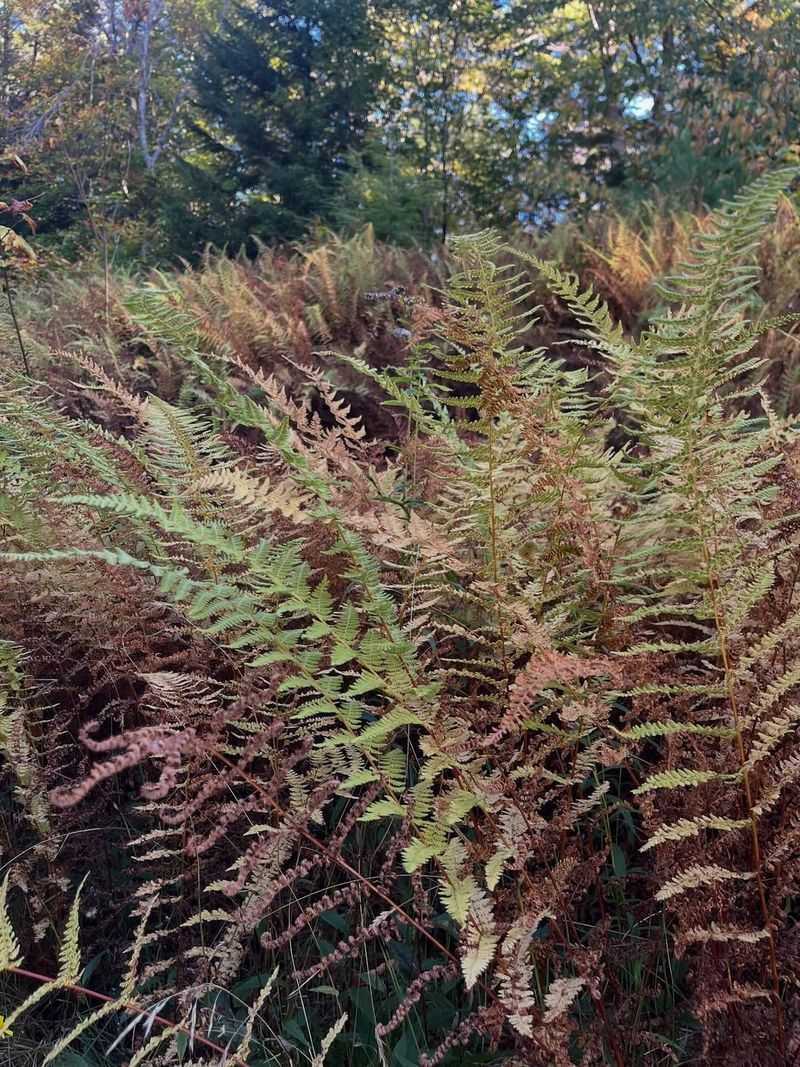
Crush a frond between your fingers and you get a sweet, grassy scent that smells remarkably like freshly cut hay. That is the little sensory surprise that makes Hay-Scented Fern one of the most memorable native ferns in North Carolina.
Beyond its charming fragrance, this fern is a serious performer in clay soils and shaded to partly sunny garden spots.
Dennstaedtia punctilobula spreads moderately through underground rhizomes, building a soft, textural groundcover over time.
It is not as aggressive as some spreading ferns, but it does fill in steadily, which is exactly what you want when you are trying to cover bare ground under trees or along a shaded slope.
The pale green, lacy fronds create a light, airy carpet effect that looks beautiful in naturalistic garden designs.
This fern is one of the few that tolerates partial sun in addition to shade, which gives it a wider range of planting options than most native ferns.
In clay soil, it holds up well through both wet periods and short dry spells, making it adaptable to North Carolina’s unpredictable weather patterns. Fronds typically reach one to two and a half feet tall.
Hay-Scented Fern works especially well on hillsides where erosion is a concern. Its spreading root system binds soil effectively while the fronds soften the landscape visually.
It is also a great choice for areas where mowing is difficult or unwanted.
Once established, this fern needs almost no supplemental watering or fertilizing. It is genuinely one of the easiest native groundcovers you can grow in a North Carolina clay garden.
6. Virginia Chain Fern
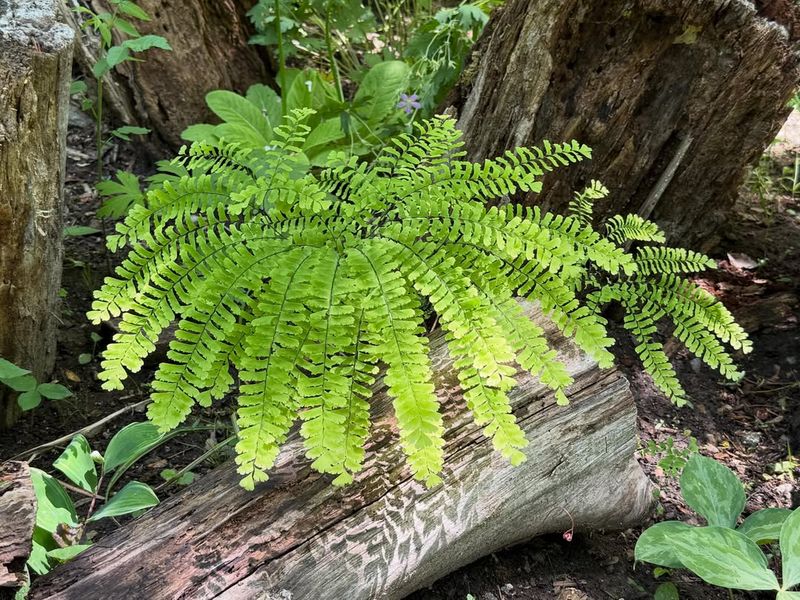
Few native ferns make as bold a visual statement as Virginia Chain Fern. Its long, arching fronds can reach four to five feet in length, giving it a dramatic, almost tropical presence that transforms ordinary shaded spaces into something genuinely striking.
For gardeners who want impact without a lot of effort, this fern delivers in a big way.
Woodwardia virginica is a natural fit for clay-rich, consistently moist soils. It thrives along stream banks, in low-lying garden areas, and in spots where water tends to collect after rain.
North Carolina has plenty of those kinds of spots, and Virginia Chain Fern fills them with confidence. It handles partial shade well and can even tolerate fairly wet conditions that would stress most other plants.
The name comes from the chain-like pattern of spore cases arranged along the underside of the fronds, which is a distinctive feature that sets it apart from other large ferns.
The fronds are a deep, rich green with a slightly glossy surface that catches filtered light beautifully.
New growth often emerges with a reddish or bronze tint before maturing to green, adding seasonal color interest.
When planting Virginia Chain Fern, space individual plants about three feet apart to give the arching fronds room to spread without crowding. It spreads slowly through rhizomes, gradually forming impressive colonies in the right conditions.
That natural spreading habit makes it ideal for filling large shaded areas over time.
Maintenance is minimal. Remove old fronds in late winter, and the plant will reward you with a fresh flush of growth each spring without any fuss.
7. Sensitive Fern
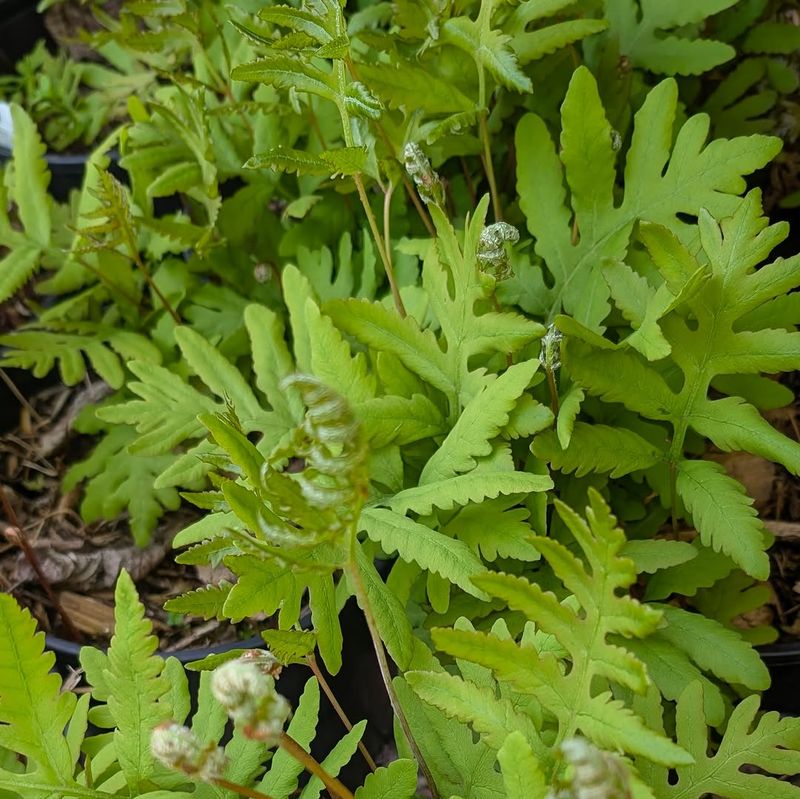
The name might suggest fragility, but Sensitive Fern is actually one of the toughest native ferns you can grow in North Carolina clay.
The sensitivity refers to its fronds reacting quickly to the first frost of autumn, not to any weakness in its overall constitution.
Through the rest of the year, this fern is remarkably vigorous and adaptable.
Onoclea sensibilis has a bold, architectural look that sets it apart from the finer-textured ferns on this list. Its fronds are broad and deeply lobed, more like a large leaf than the typical feathery fern shape.
That chunky, substantial texture makes it a fantastic contrast plant when paired with delicate-looking species nearby. The overall effect is layered and visually interesting.
Wet and clay-heavy soils are exactly where this fern thrives. Stream banks, rain gardens, boggy low spots, and shaded areas that stay moist through summer are all ideal locations.
Sensitive Fern spreads through rhizomes at a moderate pace, filling in damp areas naturally without becoming a nuisance. It is a reliable choice for problem spots where standing water after rain is a regular occurrence.
One fascinating feature is its separate fertile fronds, which produce dark, bead-like spore clusters that persist through winter long after the green fronds have faded.
These dried fertile fronds are actually popular in dried floral arrangements, giving this plant a practical bonus beyond the garden.
Plant Sensitive Fern about two feet apart in groups for the best coverage. It establishes quickly in moist clay and needs almost no supplemental care once it settles in.