15 Long-Lasting Fall Container Ideas That Can Keep Your Porch Looking Great Until Thanksgiving
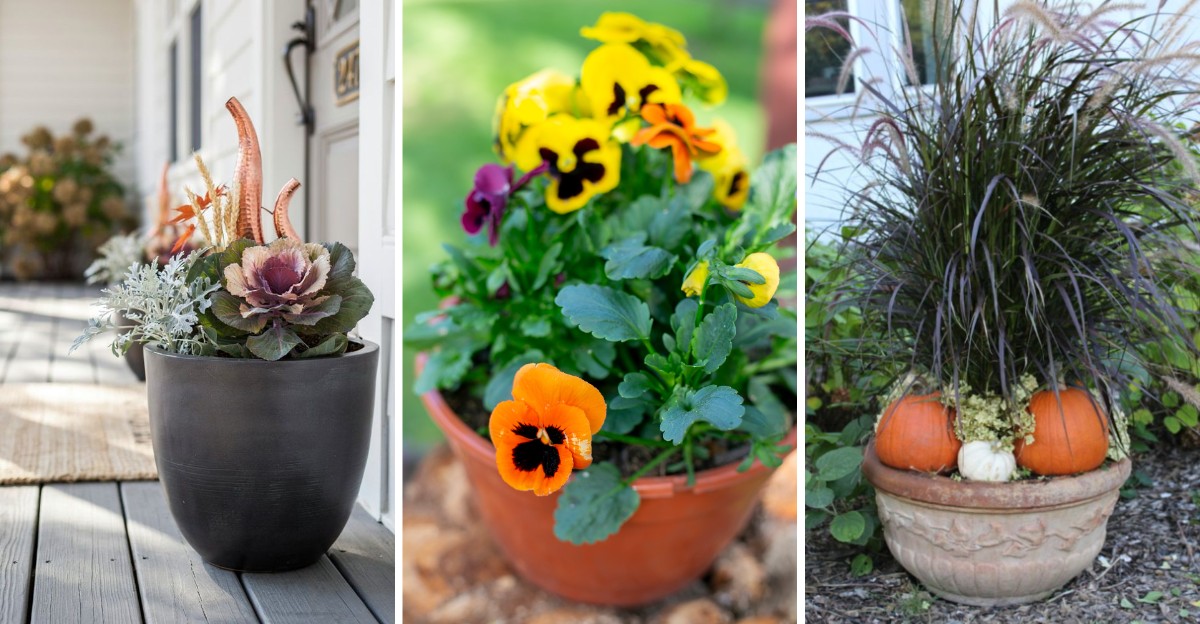
Your summer petunias are quitting on you, and they chose the worst moment. September chill exposes weak plants on your porch fast. You can fight back with a container engineered for cold.
Heuchera gives you burgundy leaves that hold rich color through frosty mornings. Ornamental kale rewards you by brightening as temperatures drop, flushing its centers purple.
Violas shrug off a light freeze, and you see them perk up by lunchtime. Orange mums supply the glow you want at the front door. Carex adds movement when gusts whip across your steps.
Together, this lineup handles chill, wind, and surprise frost while you relax. Instead of swapping pots repeatedly, you plant smart and enjoy color until late November.
Neighbors will slow down, study your porch, and ask where you shopped. Grab your pots, because the winning combination waits for you now.
1. Garden Mums With Creeping Jenny
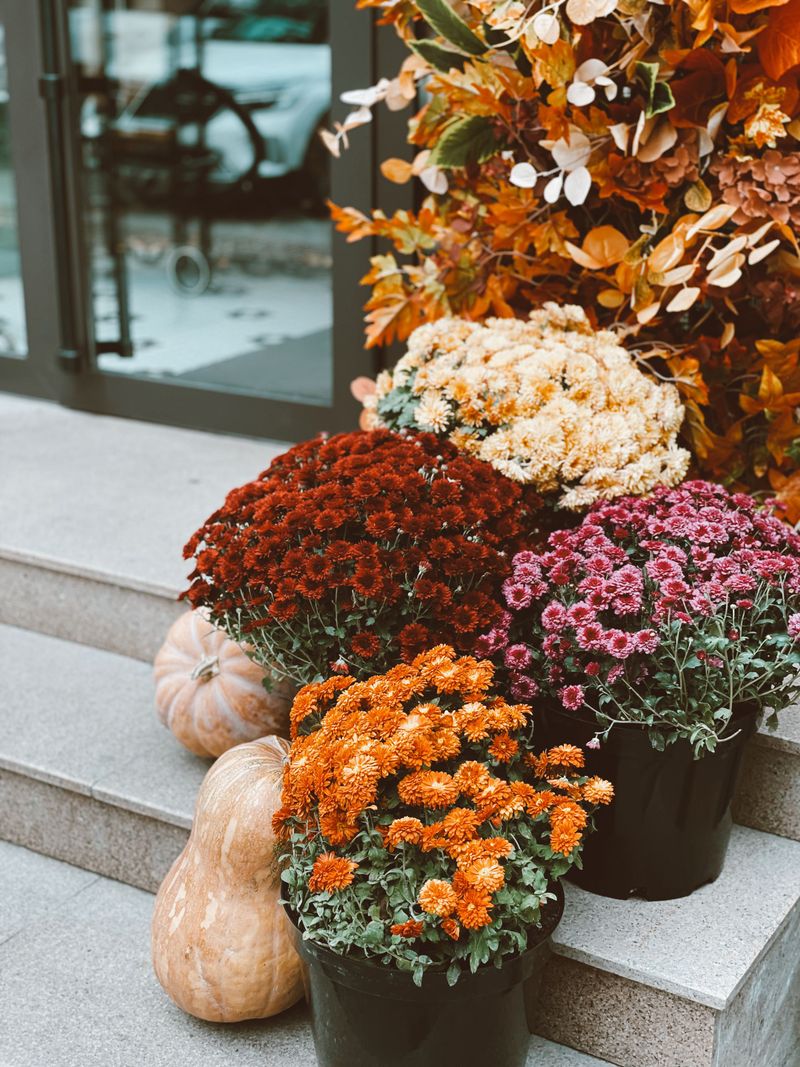
Nothing says autumn quite like a big, bushy mum covered in hundreds of tiny, cheerful little blooms. Pick plants with mostly tight buds instead of open flowers, and the show lasts much longer.
Tuck golden creeping Jenny around the edge so it spills over the rim like melted butter. The bright trailing leaves stay pretty even after the mum flowers start to fade in November.
Keep it in the pot, though, since creeping Jenny can spread aggressively in garden beds. Mums are thirsty plants, so check the soil every single day during warm September afternoons. If the pot feels light when you tip it, give it a long, slow drink right away.
Fun fact: mums were grown in China over 2,000 years ago and once symbolized long life. Pinch off faded blooms each week, and your porch will keep that happy, golden autumn glow.
2. Ornamental Kale With Purple Pansies
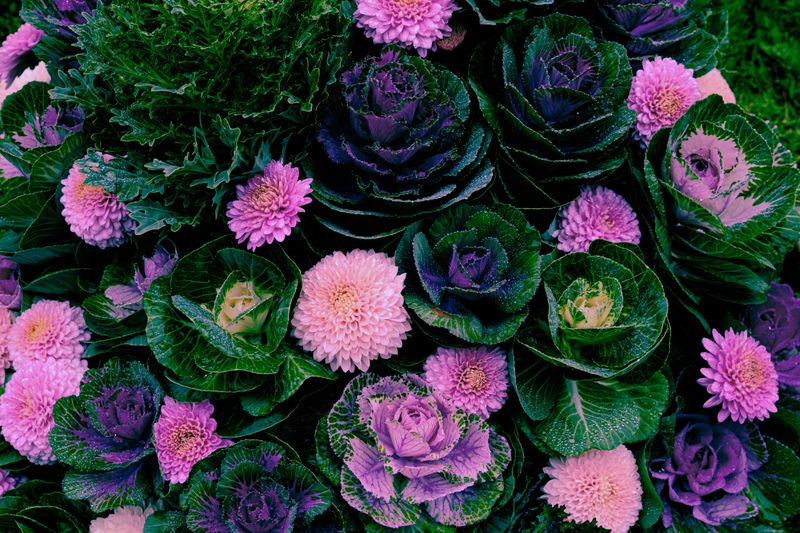
Here is a quirky plant that actually gets prettier and brighter when the weather turns frosty. Ornamental kale deepens its pink, purple, and creamy white colors once nights dip below 50°F (10°C).
Pair one large kale plant in the center with a ring of purple pansies around it. The ruffled leaves look like a giant rose, and the pansies add cute little faces below.
Both plants can handle light frosts, so you will not need to rush them indoors. Pansies may look floppy after a freezing night, but they usually perk right back up by lunchtime.
Keep hungry rabbits and squirrels away by setting the container on a table or tall stand. With a little luck, this cheerful combo can look fresh and full well past your Thanksgiving dinner.
3. Coral Bells With Japanese Forest Grass
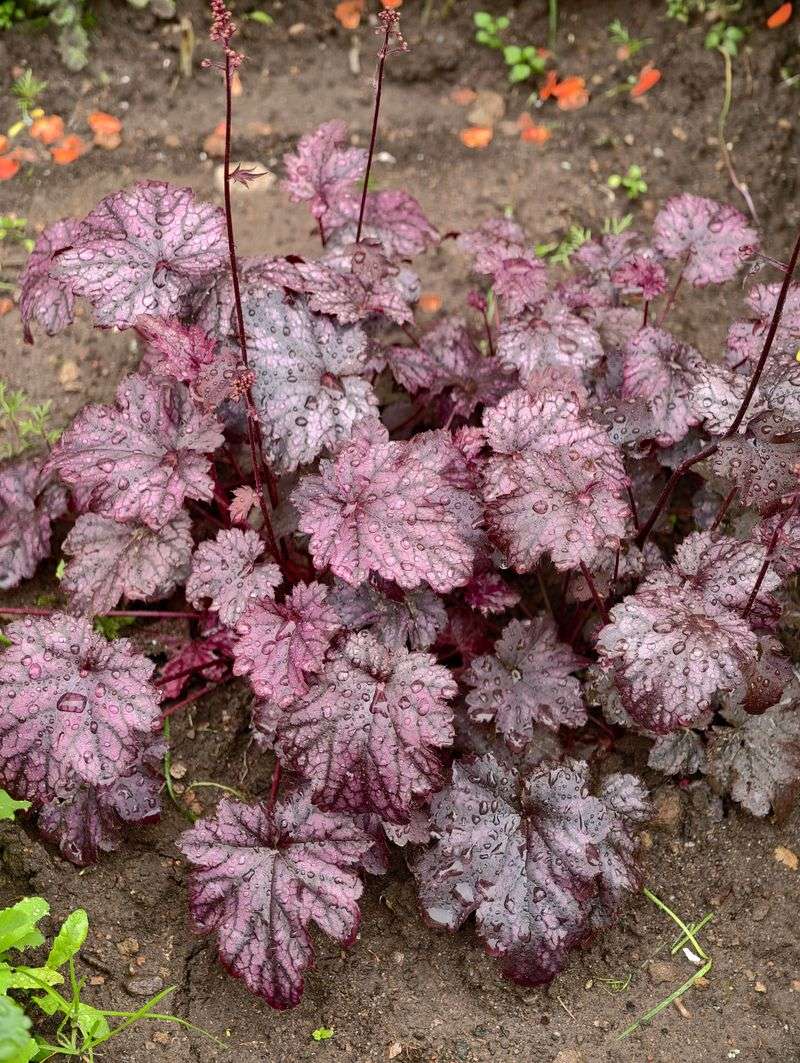
Who needs flowers when a pot full of colorful leaves can look this stunning all season? Coral bells come in rich shades of caramel, plum, lime green, and deep, moody burgundy.
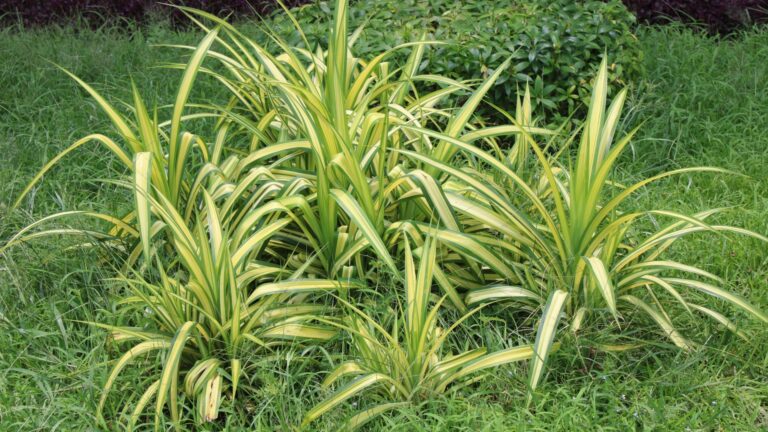
Add Japanese forest grass beside them for soft, golden blades that sway in every breeze. The grass looks like a tiny golden waterfall, while the coral bells form neat, tidy mounds below.
Both plants are perennials, which means they can come back year after year in the ground. After Thanksgiving, plant them in your garden bed if the ground is not frozen, and enjoy them again next spring.
Shady porches are perfect for this duo, since strong afternoon sun can scorch the leaves. Water whenever the top inch of soil feels dry, and skip the plant food once October arrives.
4. Ornamental Peppers With Sweet Potato Vine
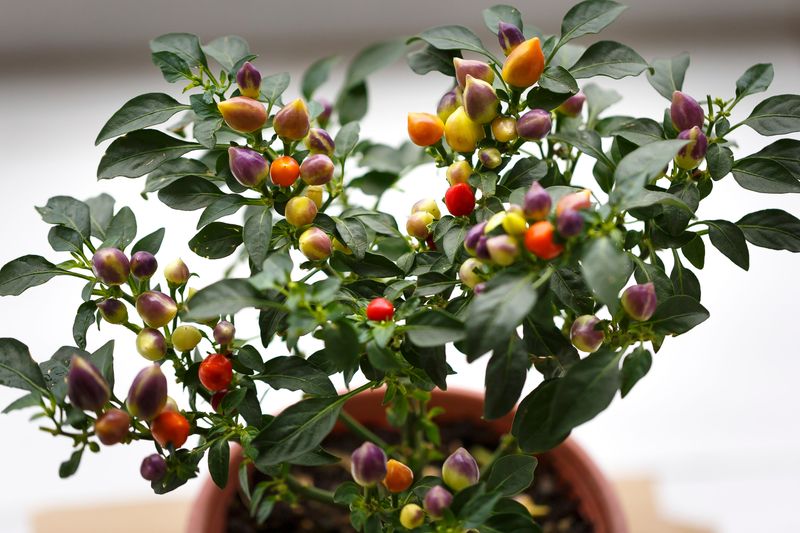
Tiny peppers in red, orange, yellow, and purple make this pot look like a bowl of candy. Ornamental peppers hold their colorful fruit for weeks, which makes them a smart September buy.
Surround them with chartreuse or dark purple sweet potato vine for a bold, splashy contrast. The big heart-shaped leaves tumble down the sides and quickly fill any empty gaps in the pot.
A quick word of caution: those cute peppers are very spicy and not meant for snacking. Keep the container out of reach if curious kids or pets like to explore the porch.
Both plants dislike frost, so drape an old bedsheet over them on nights that dip near freezing. In warmer areas, this playful combo often keeps its fiery sparkle right through late November.
5. Purple Fountain Grass With Mini Pumpkins
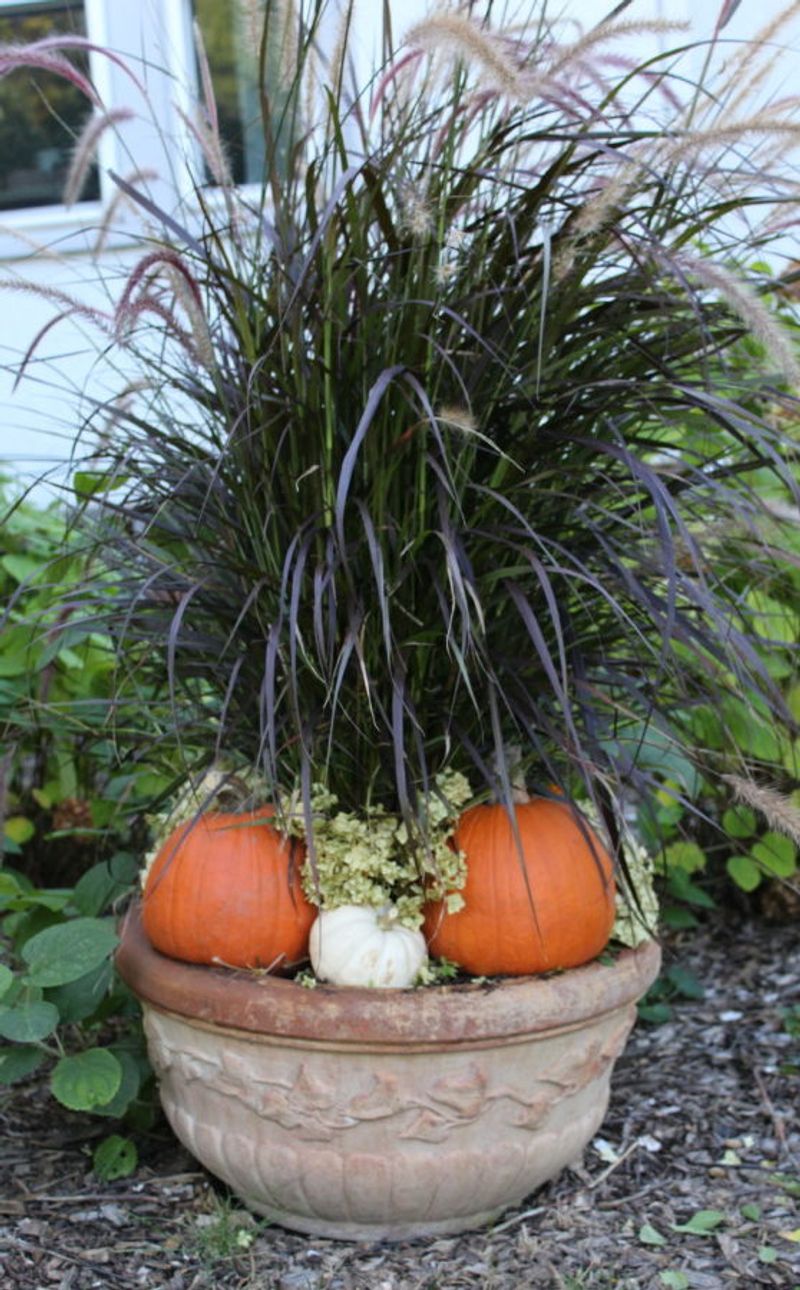
Picture tall, feathery plumes waving gently in the wind like a friendly hello to every visitor. Purple fountain grass gives any container instant height and graceful movement without much work at all.
Instead of cramming more plants underneath, nestle a few mini pumpkins and gourds around the base. They cost very little, need zero water, and usually stay bright and firm for many weeks.
White, orange, and speckled green pumpkins look especially charming mixed together in one cozy cluster. Set them on top of the soil rather than burying them, so they do not rot.
Some gardeners rub a thin coat of vegetable oil on pumpkins to slow drying, though results vary. The grass itself turns a lovely tan after frost, which still looks great with pumpkins.
6. Ornamental Cabbage With Dusty Miller
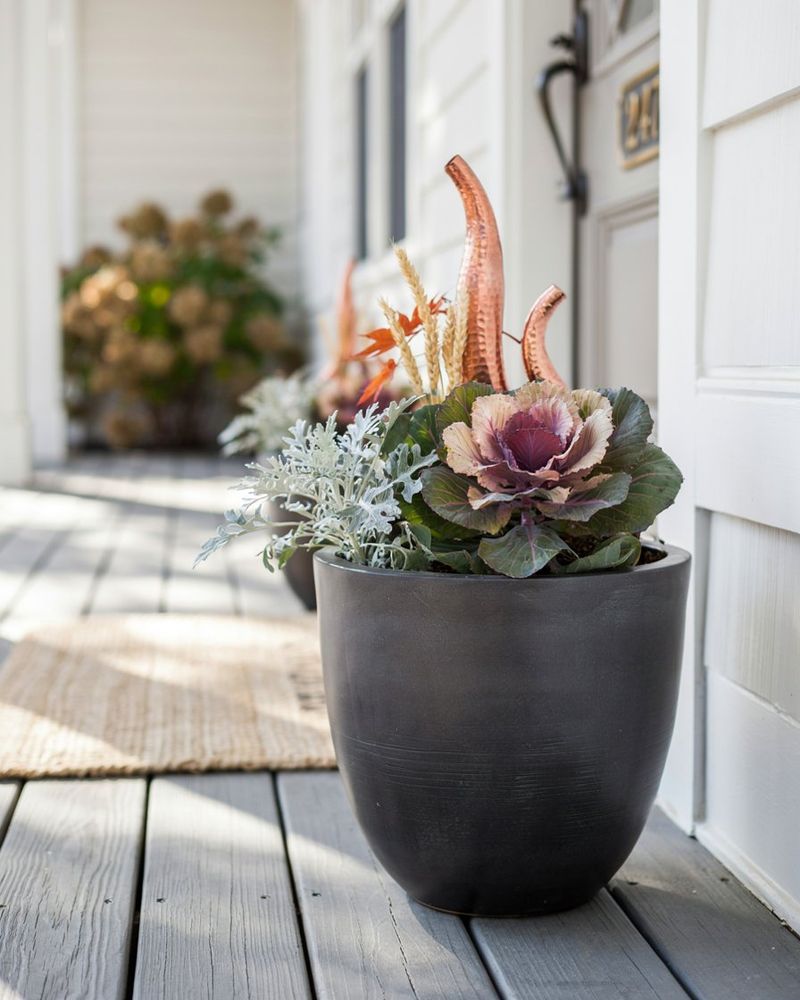
Think of this pairing as the elegant, grown-up cousin of the classic orange fall pot. Ornamental cabbage forms flat, round heads with ivory or rosy pink centers that seem to glow.
Silvery dusty miller tucked between the cabbages adds a soft, frosty sparkle to the whole arrangement. Its fuzzy, lace-like leaves feel like velvet, so kids love to reach out and touch them.
Dusty miller handles cold surprisingly well and often stays silvery until the first hard freeze. Cabbage can even handle temperatures in the low 20s°F (around -6°C) without losing its fancy good looks.
Try this combo in a gray stone or white ceramic planter for a crisp, modern farmhouse feel. Remove yellowing lower leaves now and then, and the planter will keep looking sharp for months.
7. Asters With Silver Thyme
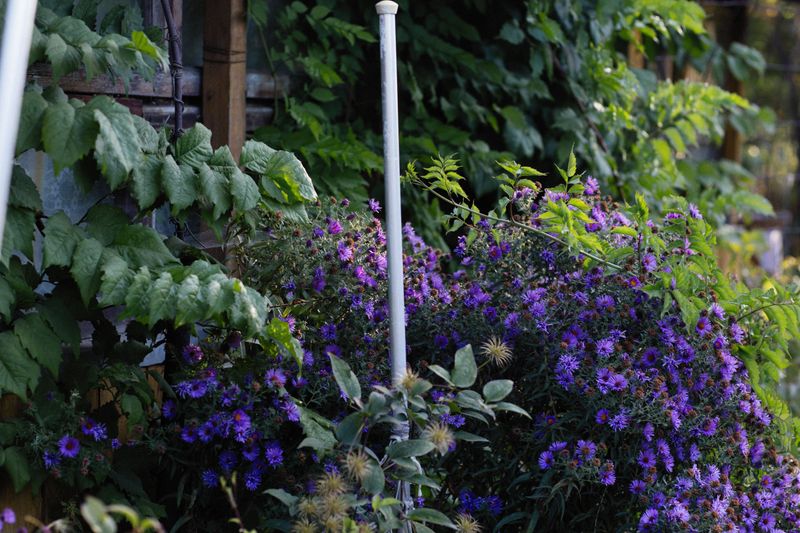
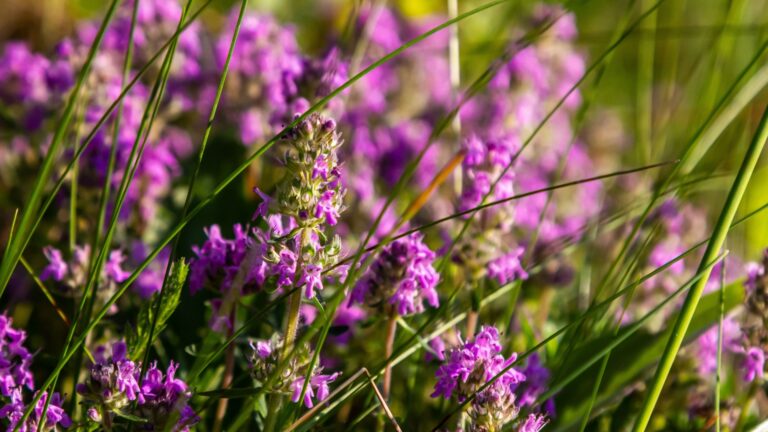
Butterflies and bees throw a buzzing little party whenever asters start blooming in early fall. Those starry purple, pink, and sky blue flowers give hungry pollinators a valuable late-season food source.
Plant a compact aster in a wide pot and tuck silver thyme around its feet. The thyme creeps over the edges, smells amazing when brushed, and stays green through light frost.
You can even snip a few thyme sprigs for your Thanksgiving stuffing, as long as the plant was not treated with pesticides meant for ornamentals. It is a pretty decoration and a tiny spice rack all packed into one handy container.
Asters love sunshine, so give them at least six hours of bright, direct light each day. Once the blooms fade, trim them back and enjoy the tidy, fragrant thyme until late November.
8. Dwarf Conifers With Trailing Ivy
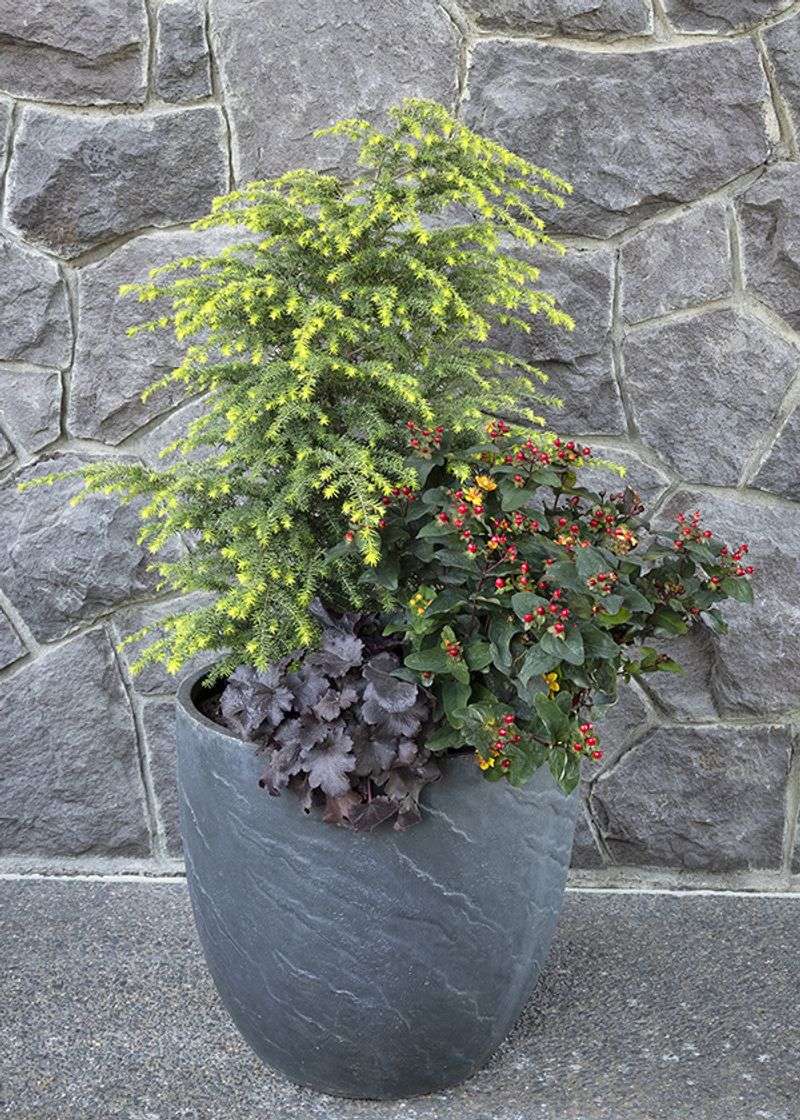
Evergreens are the true marathon runners of the container world, staying green long after flowers quit. A dwarf Alberta spruce or small juniper gives your pot a sturdy, structured shape right away.
Plant English ivy around the base so it drapes over the sides in graceful green ribbons. Variegated ivy with pale, frosted edges adds extra brightness on gloomy, overcast November afternoons.
Keep in mind that English ivy is invasive in many regions and toxic to pets, so keep it contained and out of reach.
Even better, this container keeps working hard long after the Thanksgiving leftovers are finally gone. Add twinkle lights, red ribbon, or pinecones, and it becomes a festive winter display in minutes.
Evergreens in pots dry out much faster than you might think, especially on sunny, windy porches. Water deeply once a week until the soil freezes, even when the weather feels cool and damp.
9. Snapdragons With Rainbow Swiss Chard
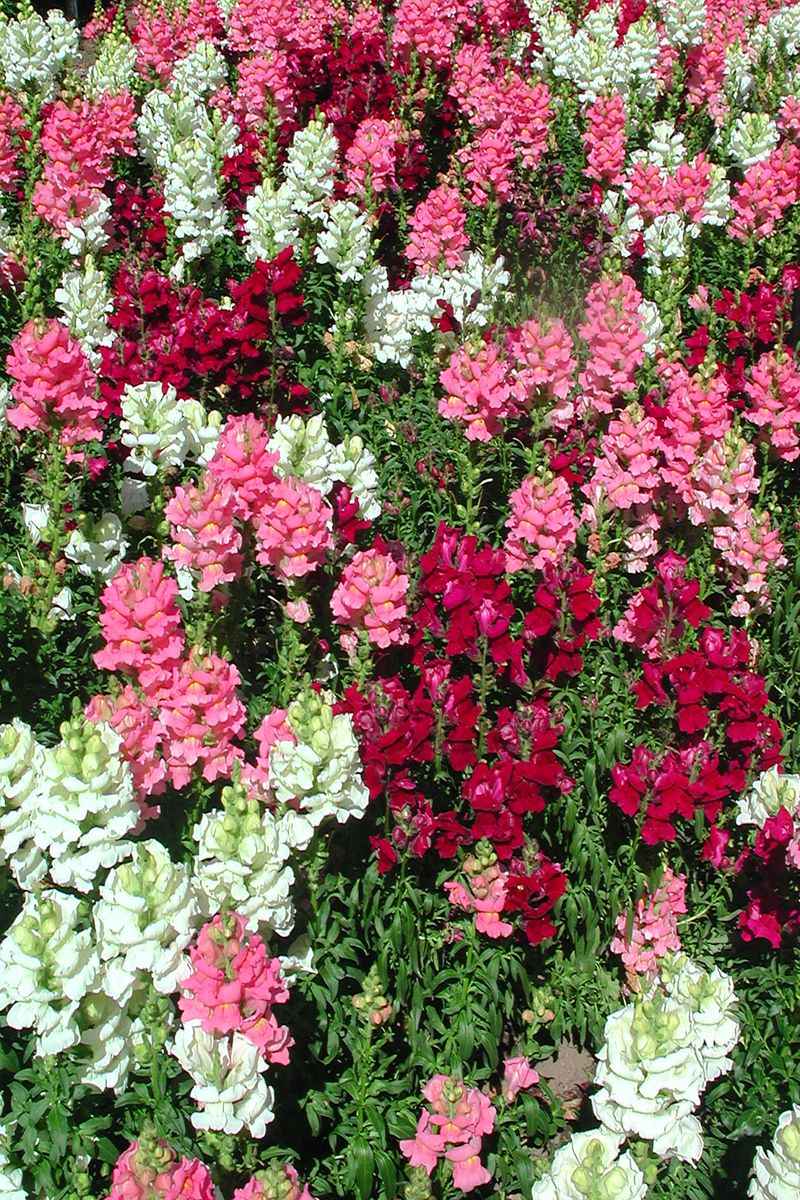
Swiss chard in a flower pot might sound silly, but trust me on this one. Rainbow chard has glowing stems in hot pink, sunny yellow, and bright orange that look like neon.
Snapdragons love cool weather and often bloom better in fall than during the steamy summer months. Their tall flower spikes in bronze, apricot, or burgundy match the colorful chard stems beautifully.
Kids get a kick out of gently squeezing snapdragon blooms to make the little dragon mouths open. Meanwhile, you can harvest a few outer chard leaves for soups without hurting the display.
Both sturdy plants tolerate light frosts and keep going strong until temperatures drop to around 25°F (-4°C). Feed them with a gentle liquid fertilizer every two weeks in September for bigger, bolder color.
10. Violas With Wintergreen
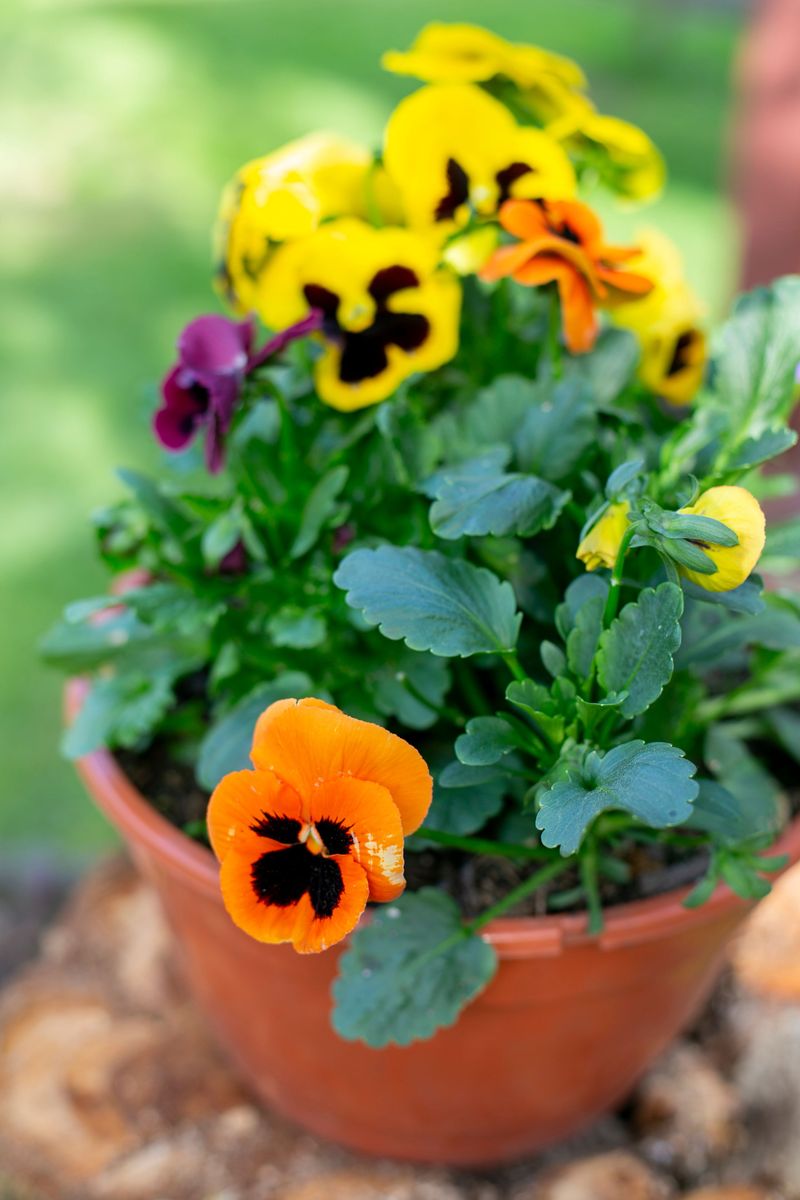
Small but mighty, violas are the tough little cousins of pansies with even more cold tolerance. Their dainty blooms keep popping up after frosty mornings, and some even survive snowy spells.
Wintergreen is a low, glossy plant covered in bright red berries that look like tiny holiday ornaments. Crush a leaf between your fingers, and you will notice a fresh, minty scent right away.
Mix orange or yellow violas with wintergreen for a warm color scheme that bridges fall and winter. A shallow bowl or window box works nicely, since neither plant grows very tall.
Place the pot in partial shade, since wintergreen dislikes strong afternoon sun.
Wintergreen prefers slightly acidic soil, so a bag of azalea potting mix is a smart choice. Keep the berries away from toddlers and pets, since they should not be eaten in large amounts.
11. Autumn Joy Sedum With Hens And Chicks
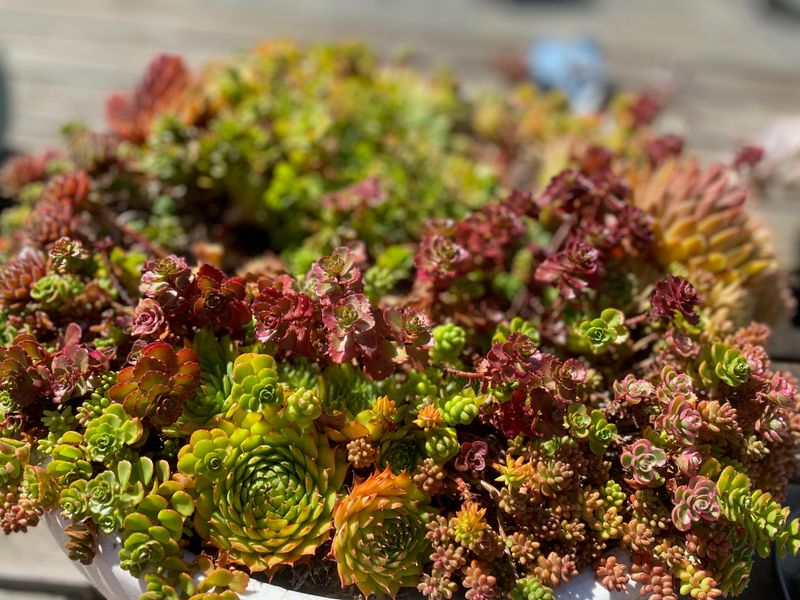
If you tend to forget about watering, this low-fuss succulent pot was made for you. Autumn Joy sedum starts pale green in late summer, turns pink, and slowly deepens to a rich rusty red.
Hens and chicks form tight little rosettes that multiply around the mother plant like a family reunion. Many types blush purple or bronze as the nights get colder, which suits fall perfectly.
Use a clay pot with a drainage hole and a gritty cactus mix to prevent soggy roots. Water only when the soil feels dry about two inches down, then let it drain well.
Even after frost, the sedum flower heads turn a handsome chocolate brown that pairs nicely with gourds. Both plants are hardy perennials, so you can move them into the garden once fall wraps up.
12. Upright Rosemary With Orange Carex
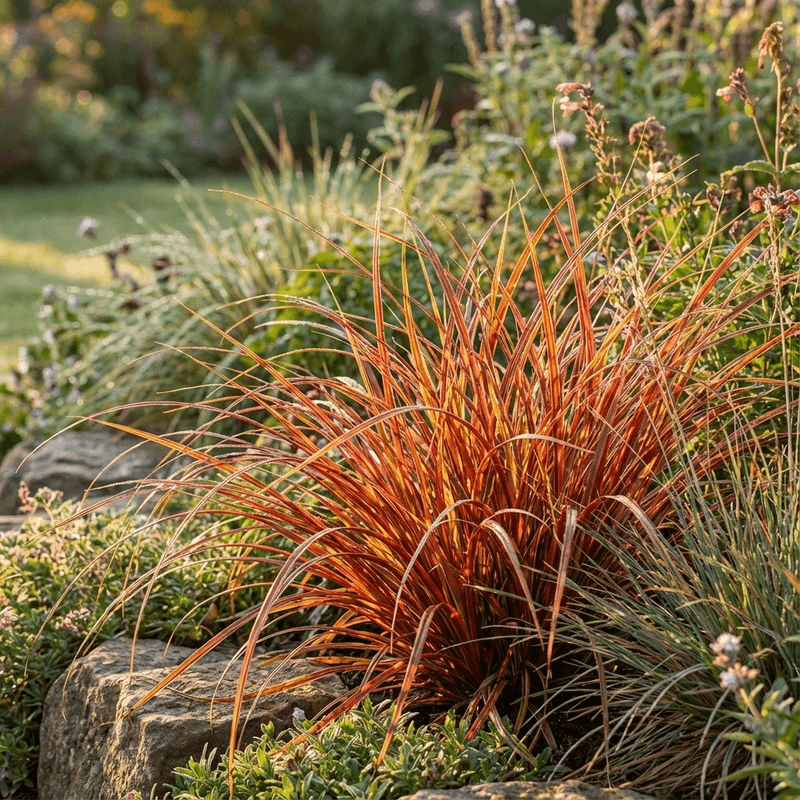
Brush past this planter on your way inside, and your whole porch will smell like a fancy kitchen. Upright rosemary grows like a tiny evergreen shrub with needle-like leaves and a piney scent.
Orange sedge (Carex testacea) adds copper-colored blades that arch and sway around the rosemary. Together they create a warm, rustic look that feels right at home beside a wooden door.
According to popular tradition, ancient Greek students wore rosemary in their hair to improve memory. Whether that works or not, snipping fresh sprigs for your holiday roast is a delicious little bonus.
Rosemary dislikes wet feet, so let the soil dry out slightly between each watering session. It handles light frost fairly well, but most varieties need protection below about 20°F (-7°C), while the carex stays colorful even during sudden cold snaps.
13. Dried Hydrangeas With Decorative Gourds
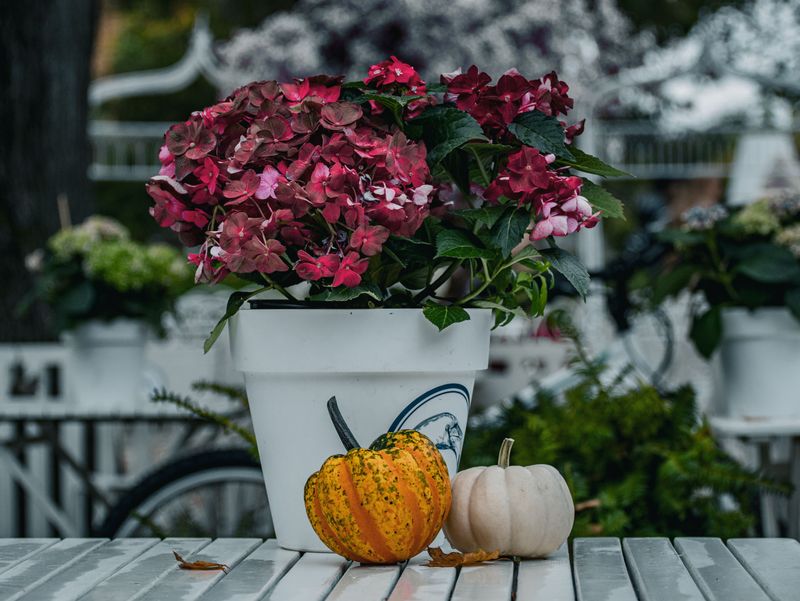
Not every gorgeous fall container needs living plants, and this one proves it in style. Dried hydrangea blooms in dusty rose, sage green, and antique cream keep their shape for months.
Cut them from your garden in September when the petals feel papery, then hang them upside down. After about two weeks in a dry closet, they are ready for their porch debut.
Arrange the dried stems in an urn filled with sand, then pile warty gourds around the top. Bumpy textures and soft, faded petals create a vintage look that feels straight out of a magazine.
Place the container under a covered porch roof, since heavy rain can make the blooms droop. A light mist of clear hairspray helps the petals hold together a little longer in wind.
14. Winterberry Branches With Evergreen Tips
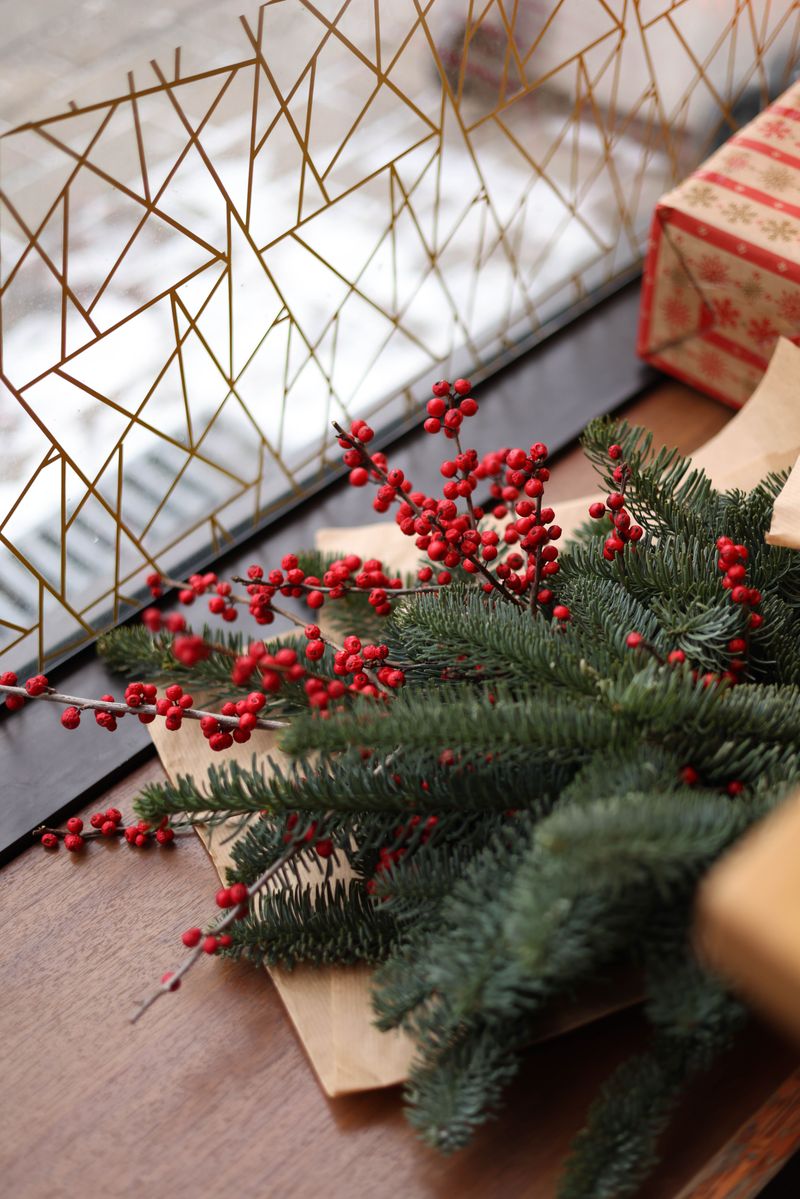
Bright red winterberry branches can turn a plain empty pot into a showstopper in five minutes flat. Winterberry is a native holly that drops its leaves in fall, leaving bare stems covered in berries.
Push cut branches into the soil of an old summer planter after you pull out tired annuals. Then tuck in cedar, pine, or boxwood tips around the base for a full, lush look.
Cut greenery can stay fresh outdoors for weeks once cooler temperatures settle in for good. Watering the soil lightly each week helps the needles and berries keep their glossy shine.
Hungry birds like robins and cedar waxwings adore winterberries, so expect some feathered visitors on your porch. Many craft stores also sell faux berry stems that look real and last all season long.
The berries are mildly toxic to people and pets, so keep the container out of reach of curious kids and pets.
15. Red Mustard Greens With Calendula
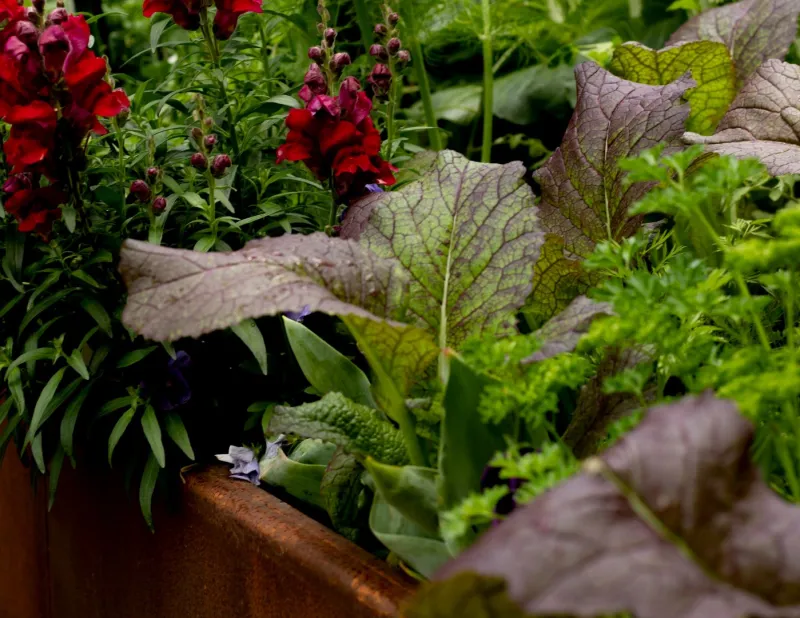
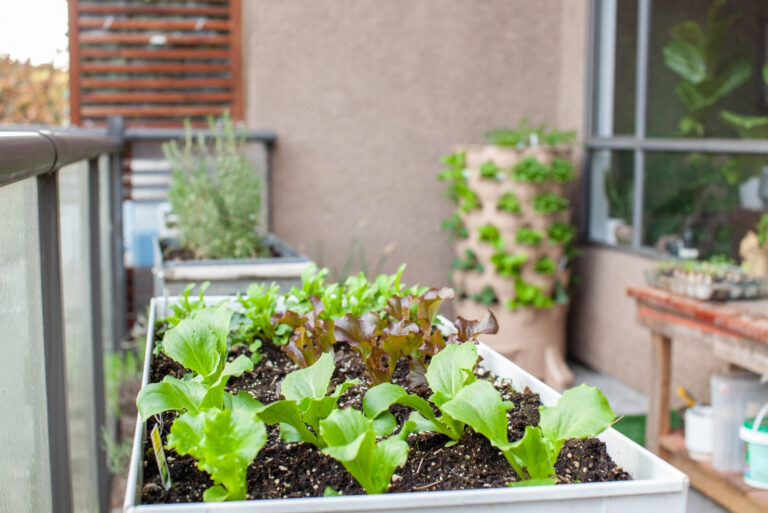
Edible gardens deserve a spot on the porch too, and this pot tastes as good as it looks. Red mustard greens have frilly burgundy leaves that get sweeter and darker as the weather cools.
Calendula, sometimes called pot marigold, adds sunny orange and golden daisy-like blooms right beside them. Long ago, European cooks tossed calendula petals into soups and stews for a cheerful yellow color.
Start calendula from young nursery plants in early September, since seeds may not bloom in time, while mustard grows fast enough to start from seed. Give them a sunny spot and a deep container at least ten inches tall.
Pick the outer mustard leaves for spicy salads, and the plant will keep making fresh ones. If you bought the plants at a garden center, check that they are safe to eat before harvesting.
Snip spent calendula flowers often, and new buds should keep opening until the holiday table is set.