6 native Oregon shrubs that hand the birds free shelter through a soggy winter
When the November rain settles in for its long Oregon stay, the little birds in your yard need somewhere dry-ish to wait it out. A tidy lawn and a lonely maple don’t offer much, but a few tough native shrubs can turn your garden into a winter hotel with free room service.
Better yet, these plants already know how to handle our wet winters and dry summers, so you get to do right by wildlife without babying anything. Here are six local favorites worth making room for, even if you swore you were done buying plants this year.
1. Oregon Grape (Mahonia aquifolium and Mahonia nervosa)
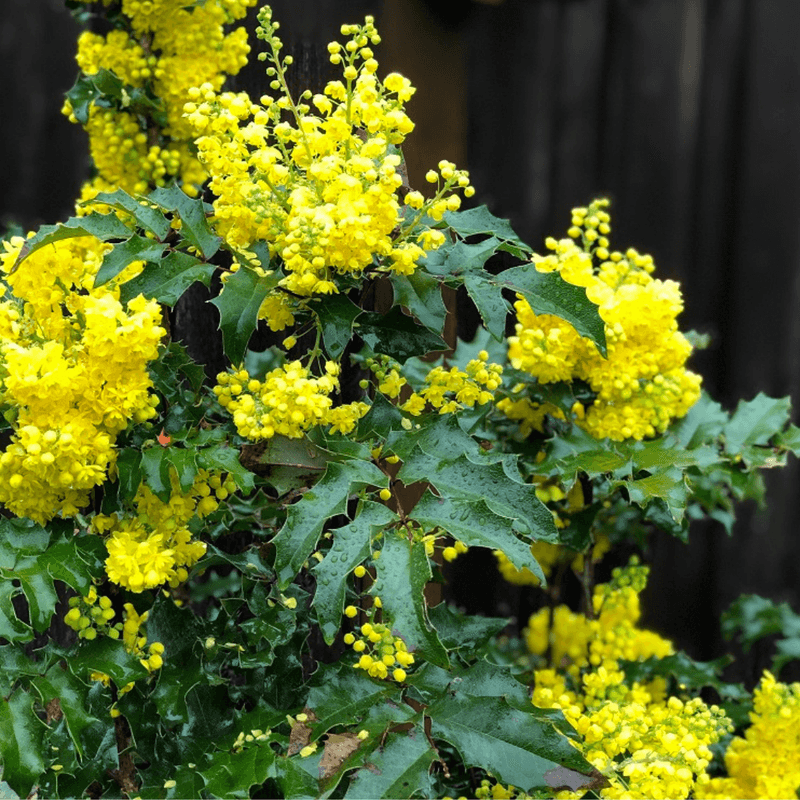
Our state flower is not a delicate thing. Oregon grape looks like it wandered out of a holly catalog and decided to toughen up, with leathery, spiny leaves that stay green straight through February.
For a chickadee dodging a Cooper’s hawk, those prickly leaves can feel like a locked front door.
You’ll find two main types at local nurseries. Tall Oregon grape (Mahonia aquifolium) grows into an upright shrub around 5 to 8 feet, great for a screen along a fence.
Low Oregon grape (Mahonia nervosa) stays knee-high and spreads slowly under Douglas firs, filling those shady spots where nothing else seems happy.
Late winter brings a real bonus. Bright yellow flower clusters often open as early as February, and they may give overwintering Anna’s hummingbirds and early native bees a welcome snack.
By summer, dusty blue berries follow, and robins, waxwings, and thrushes can strip a bush quickly.
Plant it in fall while the rain does your watering for you. Once settled, it shrugs off our dry Julys with barely a sip, which means one less thing to feel guilty about when you forget the hose.
2. Evergreen Huckleberry (Vaccinium ovatum)
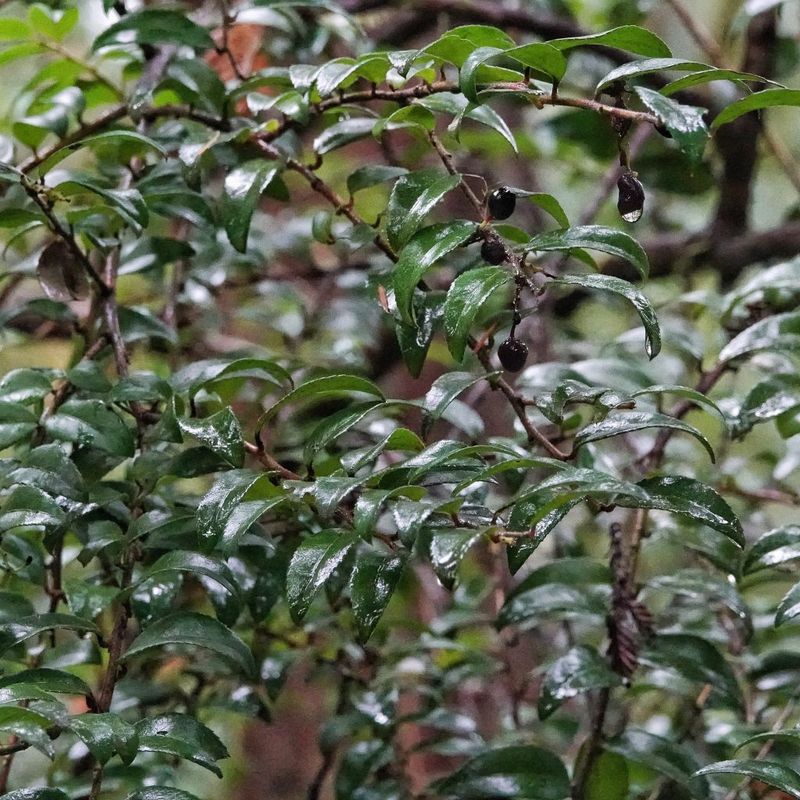
Picture the fanciest hedge you’ve ever seen, then imagine it also feeds the neighborhood. That’s evergreen huckleberry in a nutshell.
Its small, glossy leaves pack together so tightly that a wren can disappear inside with one hop.
Unlike its deciduous cousins, this huckleberry holds its foliage all year. New growth often flushes a pretty coppery red, so it even looks dressed up in spring.
It grows slowly, which frustrates impatient gardeners, but the payoff is a thick, layered shrub that can reach 4 to 8 feet in the Willamette Valley and taller in shady coastal spots.
Here’s the fun part. Its shiny black berries ripen late, usually from late summer into fall, and some can hang on into early winter.
That timing may help bridge the gap for towhees, thrushes, and jays just as other food runs thin.
Fair warning: you might end up competing with the birds, because the berries make a fantastic pancake topping. Give it partial shade and acidic, well-drained soil, and let the fallen leaves stay underneath.
That leaf litter becomes a scratching buffet for ground-feeding birds all winter long.
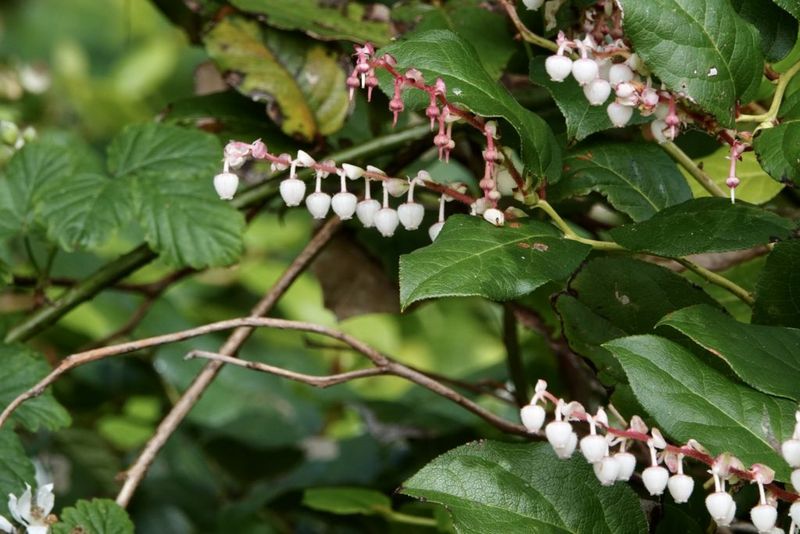
3. Salal (Gaultheria shallon)
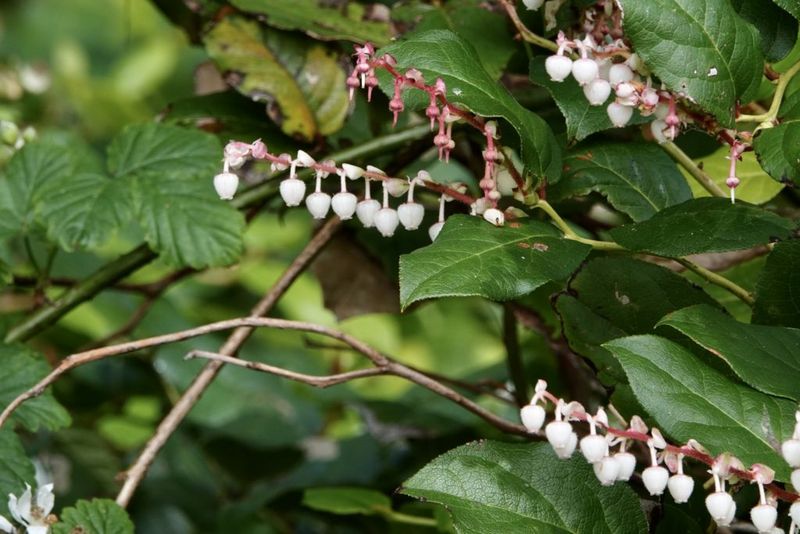
Anyone who has tried to bushwhack through the Coast Range knows salal. It forms thickets so dense that hikers curse it, which is exactly why birds love it.
Your Oregon Garden Changes Every Week. Your Plan Should Too.
Gardening in Oregon changes quickly throughout the season. Every Friday you’ll receive a simple weekly plan showing exactly what to plant, prune, fertilize, harvest, and protect so you never miss the right timing.
What frustrates us makes a perfect rain shelter for a flock of bushtits.
Salal has big, leathery leaves that shed water like a good raincoat. In deep shade it can climb to 6 feet or more, while in sunnier spots it stays shorter and spreads into a low mat.
Either way, the interior stays surprisingly sheltered on even the soggiest January afternoon.
Did you know? Florists ship salal leaves across the country as filler greenery, so you’ve probably seen it in a bouquet without realizing it came from a Northwest forest floor.
Dark purple berries ripen from about July to September, and grouse, thrushes, and waxwings are among the birds that may feast on them. Some berries linger into fall, offering a few stragglers for late visitors.
It’s a great choice for that dry, root-choked patch under your big conifers where you’ve given up on everything else. Mulch it well the first year and water through the first summer, then step back.
Salal tends to take care of itself once it decides it likes you.
4. Pacific Wax Myrtle (Myrica californica)
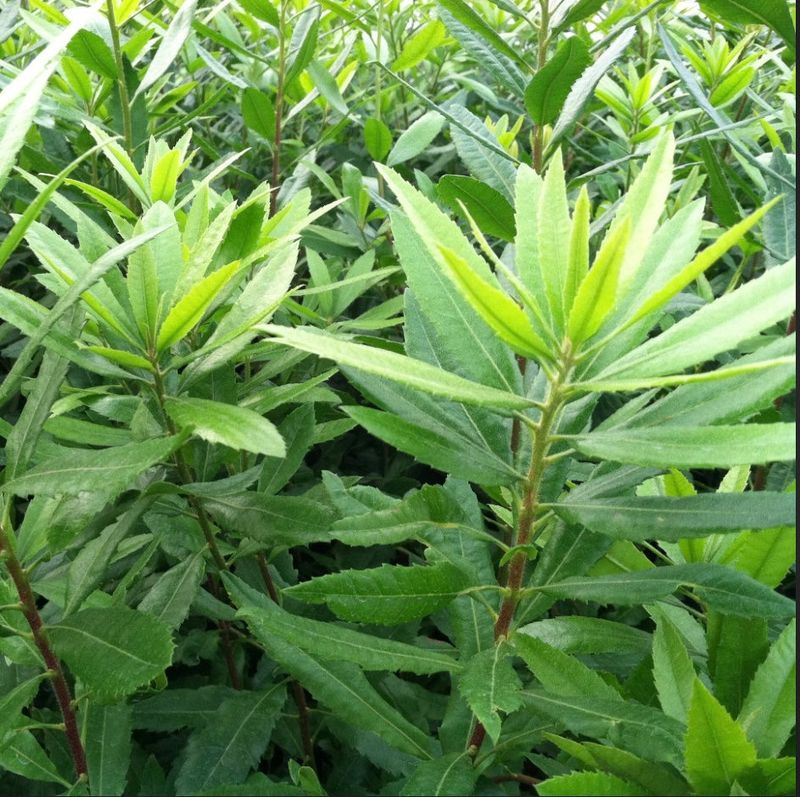
Some shrubs whisper, and this one practically builds you a windbreak. Pacific wax myrtle is the big, bold option on the list, able to grow 10 to 20 feet in a garden and even taller in ideal spots.
If you’ve got room along a property line, it can turn into a living wall of evergreen cover.
The narrow, glossy leaves have a faint spicy scent when crushed. Branches grow thick and full from the ground up, giving birds shelter at several heights at once.
On a stormy night, that layered cover can matter a lot to a sparrow.
Its real claim to fame is the berries. Small, purplish fruits coated in a waxy layer ripen in fall and often stick around well into winter.
Yellow-rumped warblers are famous for eating waxy berries like these, and quail, flickers, and other songbirds may join in when forage gets scarce.
It’s most at home near the coast and in the milder parts of the Willamette Valley. Gardeners in colder pockets may see some winter damage during hard freezes, so a sheltered spot helps.
Give it sun to part shade, and don’t worry much about pruning, since the birds prefer it a little shaggy anyway.
5. Snowberry (Symphoricarpos albus)
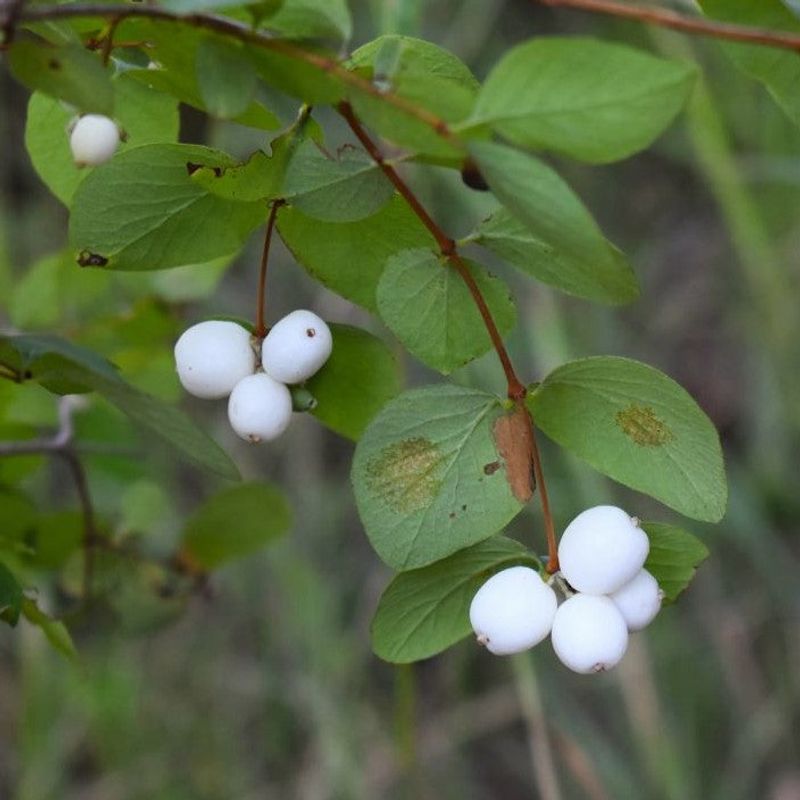
Walk through an Oregon park in December and you’ll likely spot little white berries glowing on bare twigs like tiny pearls. That’s snowberry, and it’s the showoff of the gray season.
When everything else looks brown and soggy, it’s the one plant that still seems to be throwing a party.
Yes, it drops its leaves in fall. But don’t let that scare you off.
The thin, twiggy branches grow so densely, especially when planted in a group, that sparrows and towhees still find plenty of cover to duck into.
Those white berries hang on for months. Birds don’t usually rush for them, but robins, towhees, grosbeaks, and thrushes may turn to them in late winter when tastier food runs out.
Think of snowberry as the emergency pantry in the back of the cupboard.
A heads-up for families: the berries aren’t meant for people, so skip the snacking. Snowberry spreads by underground runners, which makes it a champ at holding soil on slopes and filling in hedgerows.
Plant it in sun or shade, in clay or loam, and it will probably still thrive, making it a forgiving pick for beginners.
6. Nootka Rose (Rosa nutkana)
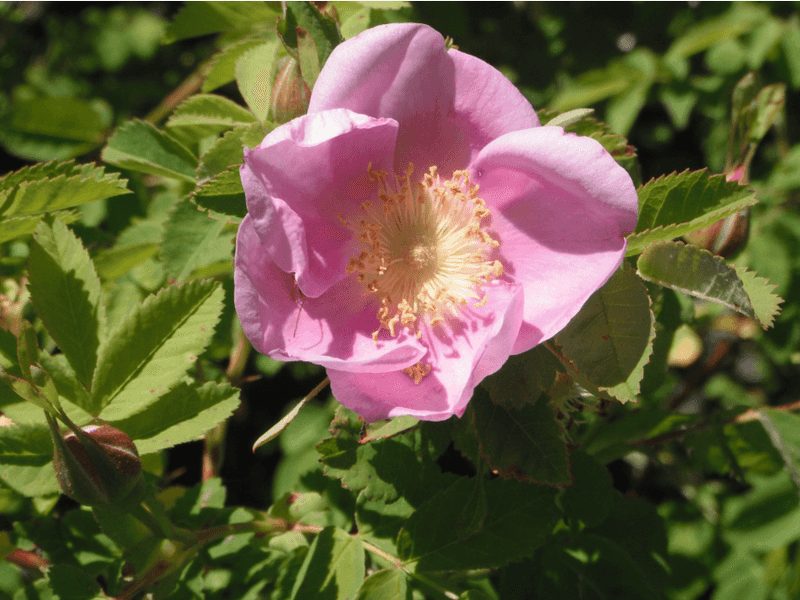
“Why would anyone plant something that thorny?” asked every person who has never watched a song sparrow escape a neighborhood cat. Nootka rose is a prickly, tangled mess in the best possible way.
Its thickets can act like a fortress that predators think twice about entering.
In late spring, it rewards you with pink, sweetly scented single blooms that bees happily visit. By late summer, those flowers turn into plump red rose hips.
Many of them cling to the canes deep into winter, adding cheerful color to a dreary hedgerow.
Birds such as waxwings, robins, and grosbeaks may snack on the hips, especially as the season wears on. Meanwhile, the bare, tangled canes keep offering cover even after the leaves fall.
Sparrows often tuck themselves inside to wait out a downpour.
Fun fact: the name comes from Nootka Sound on Vancouver Island, where early explorers recorded the plant. It grows natively across much of western Oregon, from wet meadows to forest edges.
Give it space, because it spreads by suckers and forms colonies over time. A sunny back corner or fenceline is ideal.
Wear sturdy gloves, embrace the wildness, and let this rose become the bird bouncer your garden didn’t know it needed.