Love Your Fuchsia? Here’s How to Keep It Through a Michigan Winter Instead of Buying New
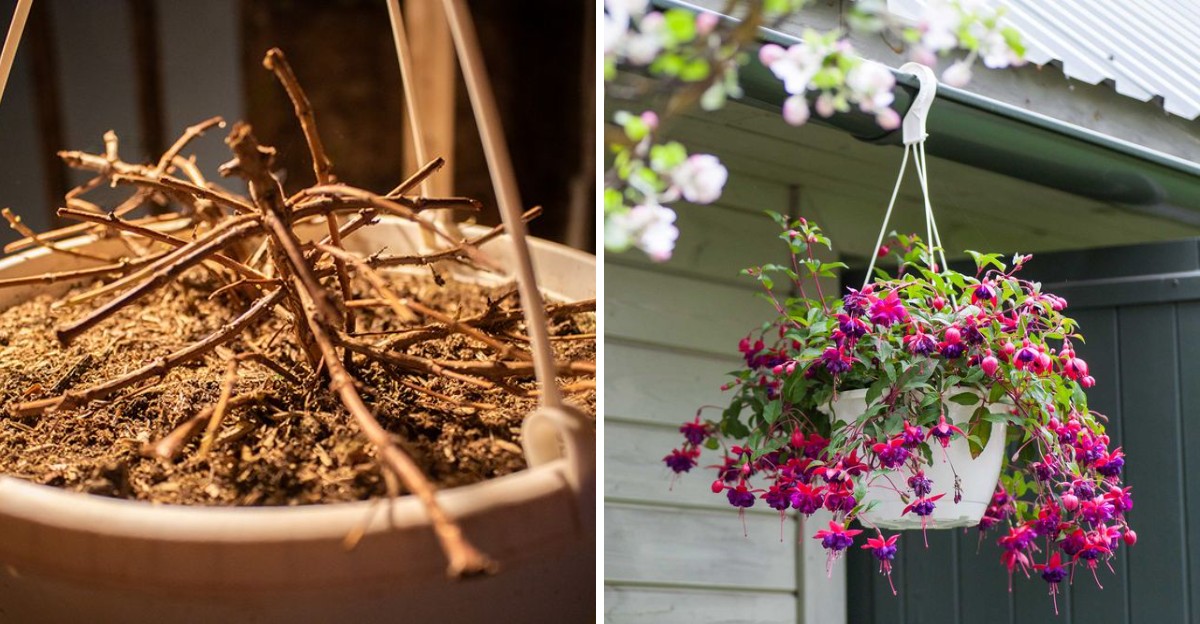
Hummingbirds can spot one flower from across a yard, and the dangling blooms on my porch pull them in like a dinner bell. Those little ballerina skirts of pink and purple come from plants native to mountain forests in Central and South America.
In their homeland, many of these shrubs live for years and grow woody stems. Here in Michigan, most of us treat them like throwaway summer decor. I can’t help but think that’s a waste of a perfectly good plant.
I know how frustrating it can be to spend good money on a hanging basket every May. One thing I love about gardening is finding out a plant has more life in it than the tag suggests.
A cool basement corner might be all it takes, so why buy new when last year’s beauty is quietly waiting for a second act?
1. That Fuchsia Basket on Your Porch Has More Seasons Left in It
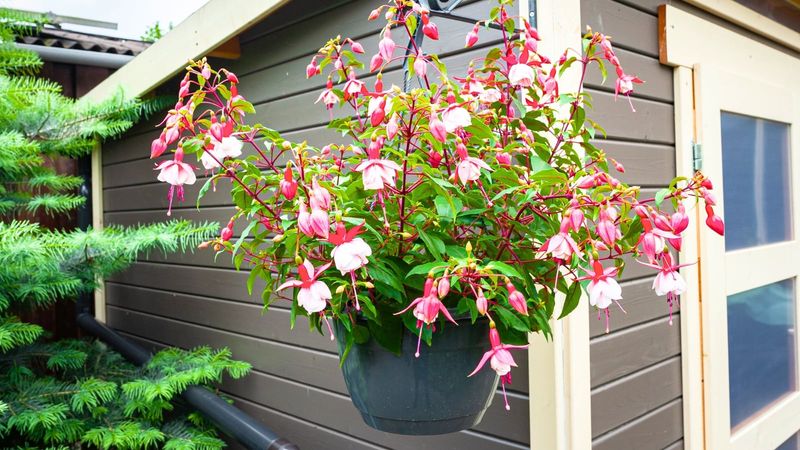
Most hanging fuchsias sold in garden centers are tender perennials, not true annuals. In their mild native climates, they keep growing year after year and can turn into small shrubs.
The catch is cold. Most popular basket types, often hybrids of Fuchsia x hybrida, handle a light chill but struggle once a hard freeze arrives.
Across much of Michigan, that hard freeze usually shows up somewhere between late September in the north and late October near the southern lakeshore.
So the plant itself is not the problem. The weather is. Once you see it that way, saving your fuchsia starts to feel less like a gamble and more like simple planning.
Some hardy types, such as Fuchsia magellanica, can survive outdoors in milder zones with heavy mulch. Even so, most Michigan gardeners will have better results bringing pots inside rather than testing their luck in the ground.
I like to think of it as giving the plant a long winter vacation. It rests, you save money, and next spring you get a bigger, more established plant than anything sitting on a store shelf.
There are two main ways to do it. You can let the plant go dormant in a cool, dark spot, or keep it growing slowly as a houseplant. Both work, and the sections below walk you through each one.
2. Bring Potted Fuchsias Indoors Before the First Frost Sneaks In
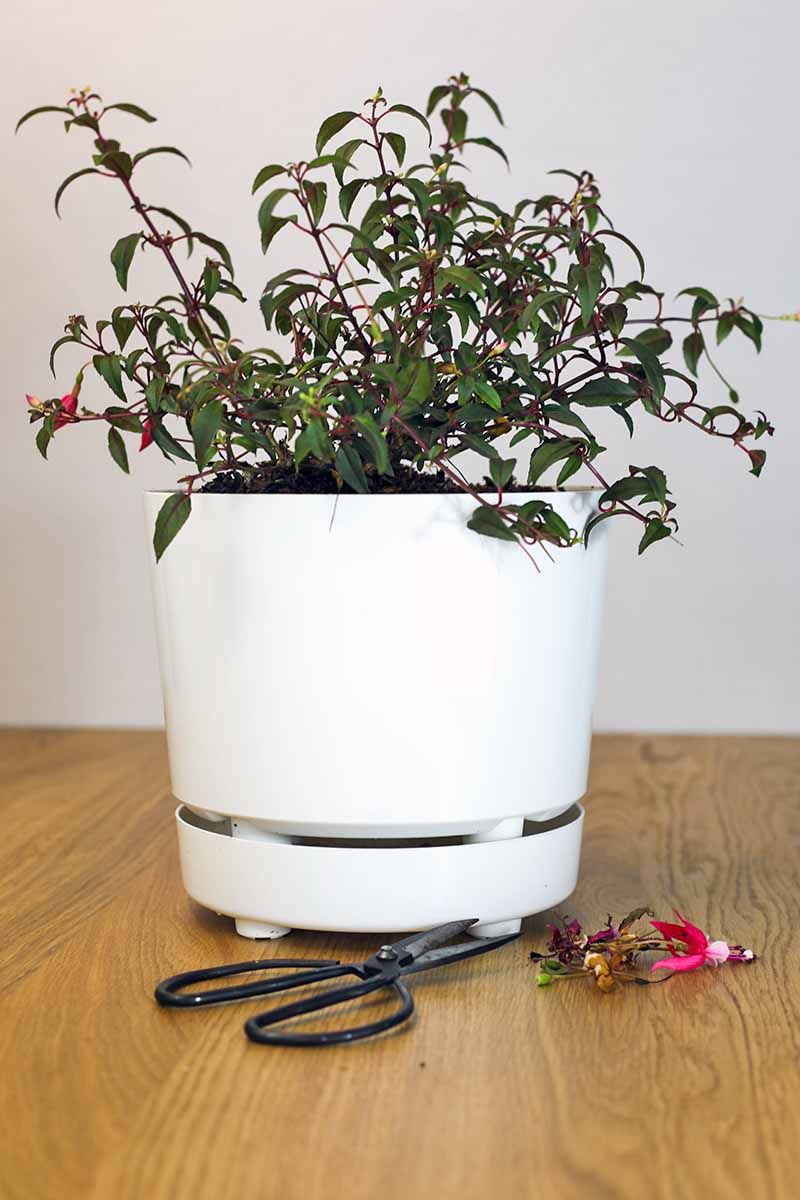
Timing is the whole game here. A single frosty night can blacken fuchsia leaves and damage soft stems, so it pays to move early instead of late.
A good rule is to bring plants inside when nighttime temperatures start dropping into the 40s on a regular basis. In the Upper Peninsula, that can mean early or mid-September.
Gardeners in the Detroit area or along Lake Michigan often have until early October. Keep an eye on your local forecast rather than the calendar alone.
Michigan State University Extension notes that frost dates vary a lot across the state, and low spots in a yard often freeze first.
Before moving anything, start easing off the care in late summer. Stop fertilizing around mid to late August. Water a little less often, too, so the plant gets the message that its busy season is winding down.
If a surprise cold snap is coming and you are not ready, toss a light sheet over the basket for the night or roll the pot into the garage. That buys you a few extra days.
One more tip from my own porch: move plants on a dry day. Wet, heavy pots are harder to carry, and soggy soil heading into storage invites rot. A little patience now makes winter much easier.
3. A Hard Prune Sends Your Fuchsia Into a Restful Winter Nap
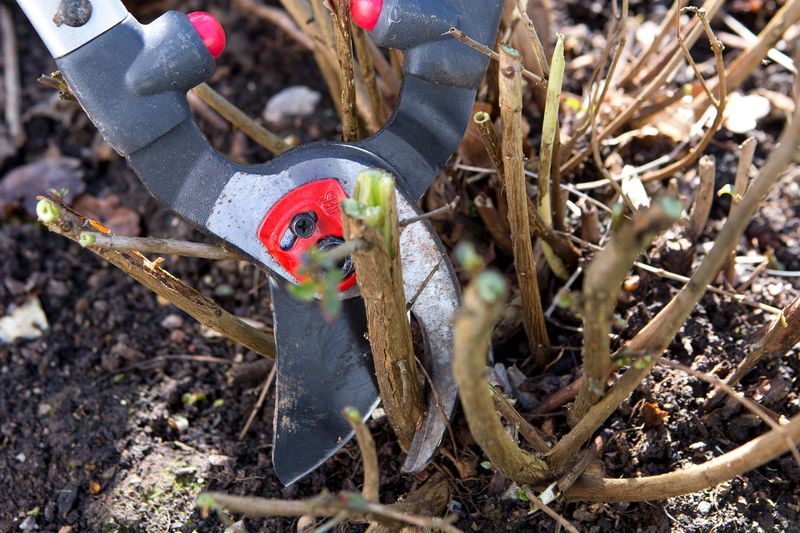
Cutting a gorgeous plant down to bare sticks feels a little heartless the first time. Trust me, the fuchsia handles it far better than you might expect.
For dormant storage, prune stems back by about one-half to two-thirds. Some growers go further and leave only about six inches of woody stem. Clean, sharp pruners make neat cuts that heal quickly.
Next, strip off the remaining leaves and any old flowers or seed pods. Bare stems use less energy and give pests fewer places to hide over the winter.
Then find the right room. An unheated basement, attached garage, or cool crawl space works well, as long as it stays between about 40 and 50 degrees Fahrenheit and does not freeze. Light is not needed because the plant is resting.
Avoid spots right next to a furnace or near a drafty garage door. Big temperature swings can wake the plant too early or chill the roots. I keep a cheap thermometer near my stored pots, and it has saved me more than once.
A quick glance tells me if a cold February night pushed the garage too close to freezing. If that happens, a cardboard box or old blanket over the pots adds just enough protection.
4. Less Water Keeps Dormant Fuchsia Roots Happy Until Spring
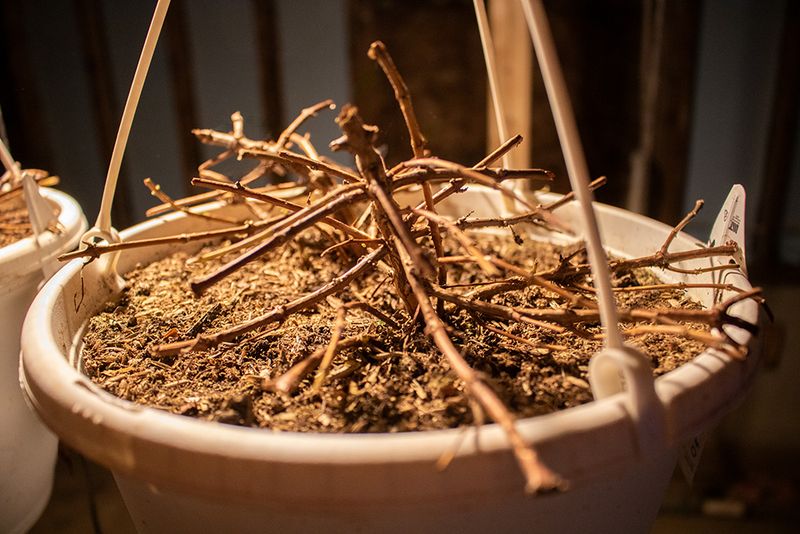
Overwatering causes more winter losses than cold does. A resting fuchsia barely drinks, so soggy soil just sits there and invites root rot.
Check your stored pots every three or four weeks. Push a finger an inch or two into the potting mix. If it feels dry all the way down, give a small drink, just enough to keep the soil from turning to dust.
The goal is barely moist, never wet. Water should not pool in the saucer, and the pot should feel light rather than heavy when you lift it.
Skip fertilizer entirely during this stage. Feeding a sleeping plant does not help, and extra salts can build up in the soil and harm tender roots.
Here’s something you might not expect: stems tell you a lot. Scratch one lightly with a fingernail. Green tissue underneath means the plant is alive and resting. Brown, brittle wood on just a few tips is normal, and you can trim those off in spring.
I like to set a phone reminder for the first Sunday of each month. It keeps me from forgetting my plants in the dark corner. It also stops me from fussing over them too often, which is honestly the bigger risk for an eager gardener.
5. No Cool Basement? Grow Fuchsia as a Bright Windowsill Houseplant
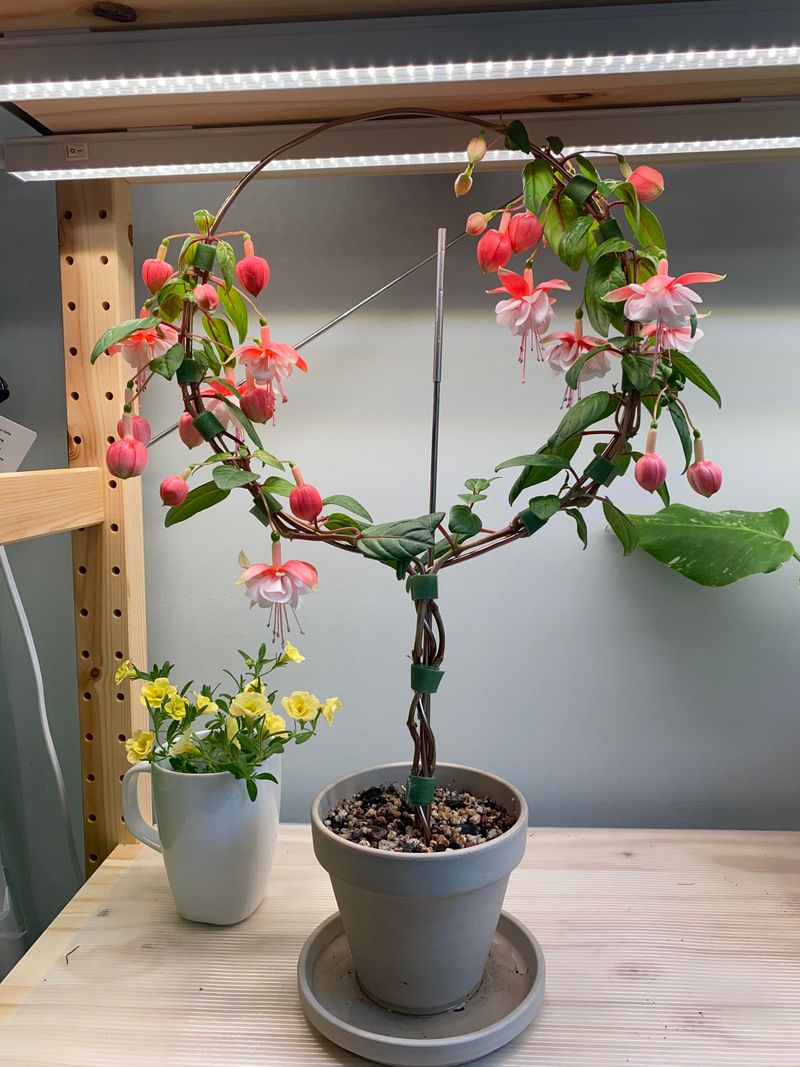
Plenty of homes simply lack a cool, dark storage spot. Apartments and newer houses with finished basements fall into this group, and that is perfectly fine. You can keep your fuchsia growing slowly as a houseplant instead.
Give it a light trim, cutting back long or straggly stems by about a third, then set it in a bright spot with indirect light. An east-facing window or a sheltered south window works nicely during short winter days.
Cooler rooms suit it best. Temperatures around 55 to 65 degrees Fahrenheit keep it content, while warm, dry air near heating vents can stress it.
Water when the top inch of soil feels dry, and hold off on fertilizer. Expect some yellowing and dropped leaves, especially in the first few weeks. That reaction is the plant adjusting to lower light, not a sign of failure.
Dry winter air is tough on fuchsias. Grouping plants together or setting the pot on a tray of pebbles and water raises humidity a bit.
Be honest with yourself about expectations. Houseplant fuchsias often look a little leggy by February, and spring blooming can be lighter than with true dormancy. Still, a living plant you saved beats an empty hook on the porch.
6. Check Fuchsia Leaves for Whiteflies Before They Move Indoors
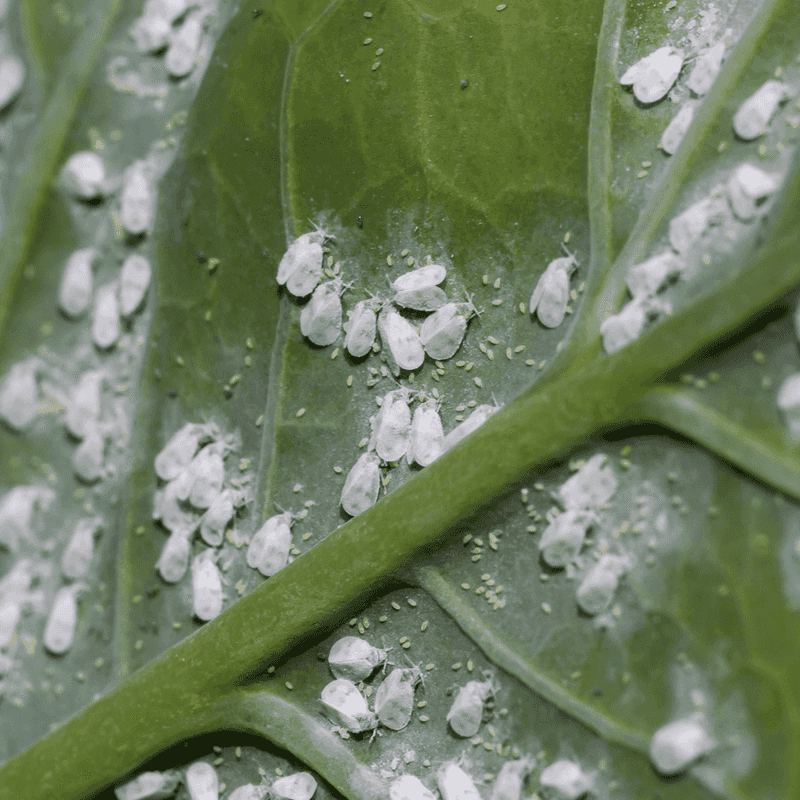
Whiteflies adore fuchsias. Bring one infested plant inside, and those tiny white specks can spread to every houseplant you own by Christmas.
Do a careful inspection before the pot crosses your doorway. Flip leaves over and look at the undersides, where whiteflies, aphids, and spider mites like to gather. Gently shake the plant.
A little cloud of white fliers is a clear warning sign. Fine webbing or speckled, dull leaves can point to spider mites. Sticky residue on leaves often means aphids or whiteflies are feeding.
If you spot trouble, treat the plant outside first. A strong spray of water knocks many pests off. Insecticidal soap or horticultural oil, used according to the label, helps manage what remains.
Repeat treatments a week apart, since eggs often hatch after the first round. Removing every leaf before dormant storage is a huge help. It takes away food and shelter for pests and disease spores in one step.
For houseplant fuchsias, keep them apart from your other plants for two or three weeks. A yellow sticky card nearby makes an easy early warning system.
Catching a small problem early is far simpler than chasing a full-blown outbreak across your living room in January.
7. Wake Your Sleeping Fuchsia With Light and Fresh Potting Mix in March
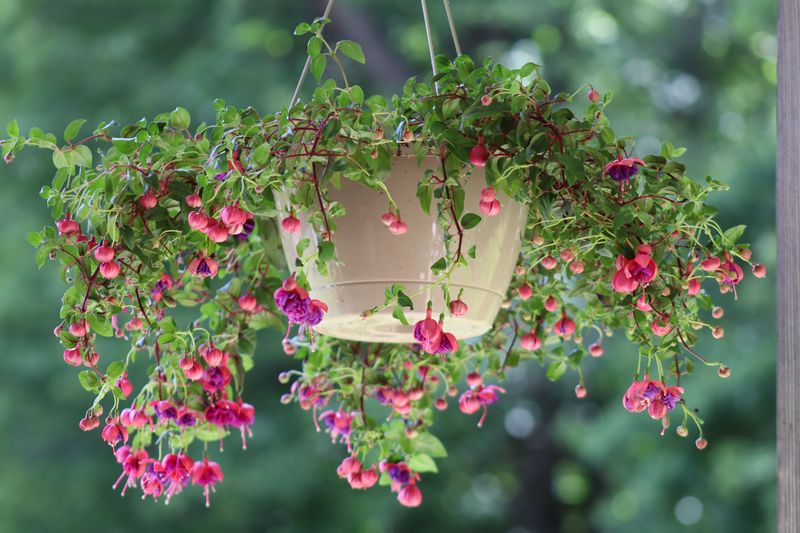
Late winter brings one of my favorite garden moments. Tiny green buds start popping along those bare brown stems, and suddenly the whole effort feels worth it.
Around late February or March, move dormant pots to a warmer, brighter location. A sunny window or a spot under grow lights works well. Room temperatures in the 60s help coax growth along.
Increase watering slowly as buds swell and leaves appear. The soil should stay evenly moist but never soggy.
This is a great time to repot. Gently slide the plant out and loosen any circling roots. Then settle it into fresh, well-draining potting mix, moving up just one pot size if roots are crowded.
Trim away any stems that stayed brown and brittle. Cut back to a point just above a healthy bud, which points the plant toward strong new shoots.
Hold off on feeding until you see real leafy growth. Once new shoots are a couple of inches long, start a diluted balanced fertilizer every two weeks or so.
Patience matters here. Some plants wake within days, while others take several weeks. If stems still feel green when scratched, give the plant more time before giving up on it.
8. Pinch Fuchsia Tips and Harden Off for a Bushier Summer Basket
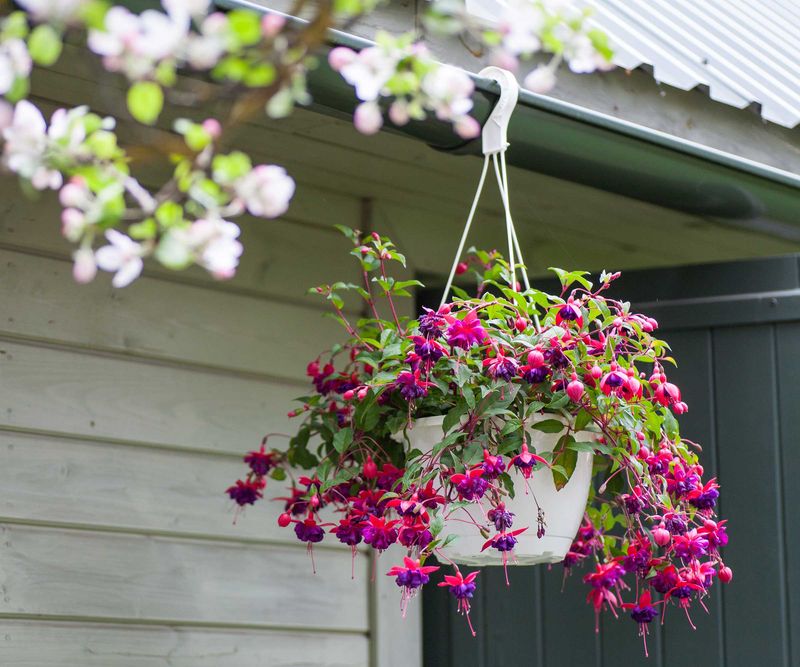
Fuchsias bloom on new growth. That simple fact explains why a little pinching in spring pays off with way more flowers in July.
When fresh shoots have two or three sets of leaves, pinch off the soft tip with your fingers. Each pinch encourages two new branches. Repeat this a couple of times, and your plant fills out into a full, rounded shape instead of a few long, floppy stems.
Stop pinching about six to eight weeks before you want big blooms. That gives the plant time to set flower buds.
Next comes the move outdoors. Wait until frost danger has passed, usually mid to late May in southern Michigan and early June farther north. Then harden off your plant over about a week.
Start with an hour or two in a shady, sheltered spot. Gradually leave it out longer each day before it stays outside full time. Most fuchsias prefer morning sun and afternoon shade during summer.
Once it settles in, you get a mature plant with thicker stems and an earlier start than a brand new basket. I tend to think that’s the best reward of all. A saved fuchsia carries a little story with every bloom, and the hummingbirds will find it again soon.