What South Carolina Law Says When A Neighbor’s Christmas Lights Shine Into Your Home
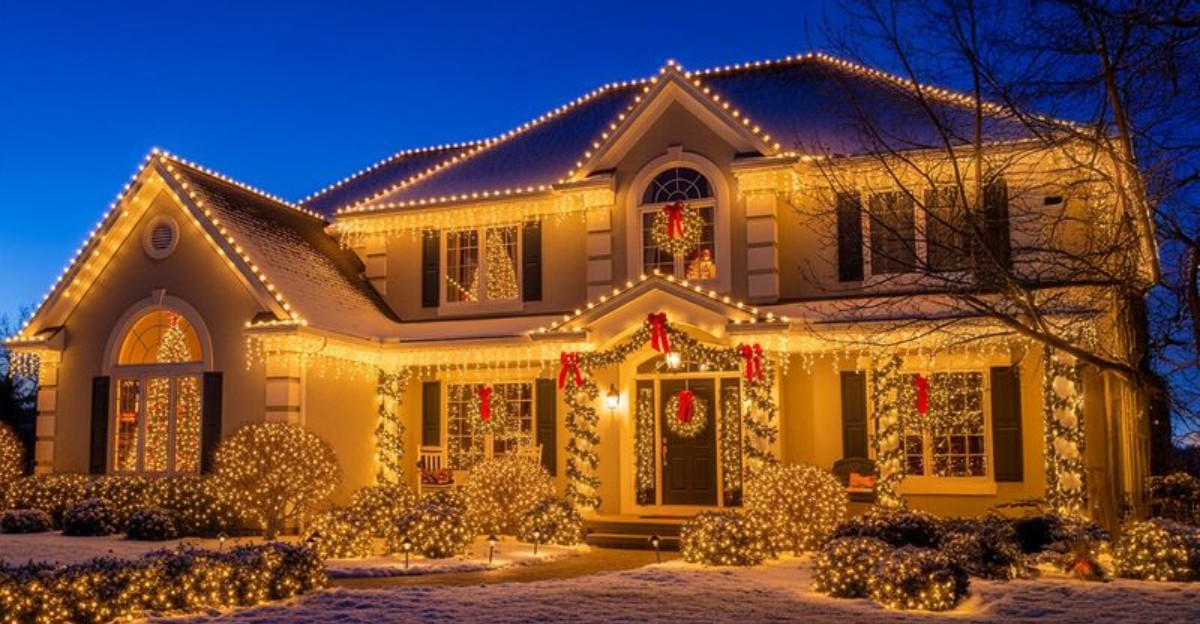
I could not find any South Carolina law that mentions Christmas lights by name. State lawmakers do not appear to have singled out holiday displays at all. I went looking, half expecting a dusty rule about tinsel, and came up empty.
Funny thing is, that silence does not leave you powerless. Courts here lean on a centuries-old idea about how neighbors share space, and bright light can fit inside it. Some city codes even talk about light that spills over property lines.
I get it. Holiday displays are part of the fun, and I’m a sucker for a well-lit porch myself. But a beam aimed at your pillow at midnight feels a lot less merry.
The line between a cheerful glow and a legal problem depends on brightness, timing, your HOA papers, and even the town you call home. Some of those details surprised me more than the light show did.
A Floodlit Bedroom Window Can Count As More Than An Annoyance
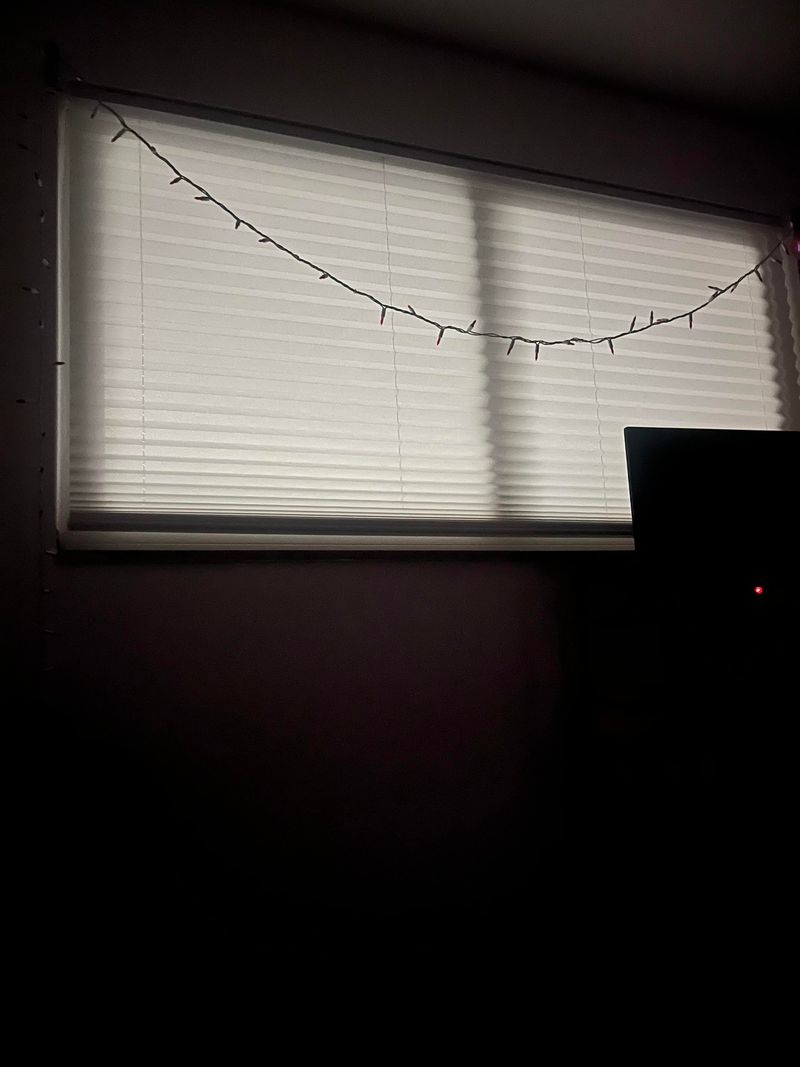
Plenty of folks assume holiday lights get a free pass every December. They don’t, at least not in every case.
South Carolina does not appear to have a special statute for festive displays. Instead, these disputes usually fall under private nuisance, a common law idea that courts have used for generations. It covers situations where one owner’s use of their land interferes with a neighbor’s use and enjoyment of theirs.
Noise and smells get most of the attention. Light can qualify too, especially when it pours straight into your living space night after night.
The key word is interference. A few strands along a gutter that make your yard a bit brighter rarely raise legal eyebrows. A high-powered spotlight pointed at your bedroom, keeping you up past midnight, is a different story.
Courts look at the real effect on ordinary people. They ask whether a typical neighbor, not an unusually sensitive one, would find the light seriously disruptive.
That standard cuts both ways. It protects your sleep, but it also protects your neighbor’s right to celebrate. Knowing this balance early helps you decide whether you have a genuine complaint or simply a strong opinion about inflatable snowmen.
Courts Weigh Substantial And Unreasonable Holiday Glare
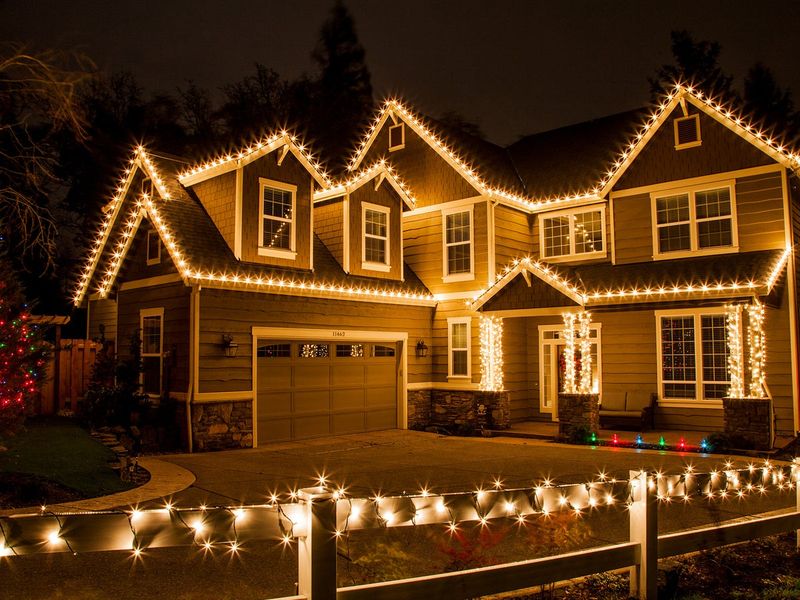
Two words carry most of the weight in a South Carolina nuisance claim: substantial and unreasonable. Both must fit your situation.
Substantial means the light does more than mildly bother you. It has to genuinely affect your comfort, rest, or ability to use your home. Trouble sleeping, being unable to use a room, or needing blackout gear just to get by can all point that way.
Unreasonable is the balancing piece. A judge weighs your neighbor’s interest in decorating against your interest in peace. Seasonal decorations carry some social value, and courts tend to respect that.
Factors that often matter include:
How bright the lights are, how late they stay on, and how many weeks the display runs. Whether the fixtures appear aimed at your house on purpose also matters a lot.
A display that shuts off at 10 p.m. and comes down in early January rarely crosses the line. Blinding lights running all night through February look much worse.
Spite counts too. If a neighbor turns a light toward you after an argument, that intent can tip the scales in your favor. Keep that detail in mind if things get tense.
Bare Bulbs Glaring Across The Property Line Tell A Story
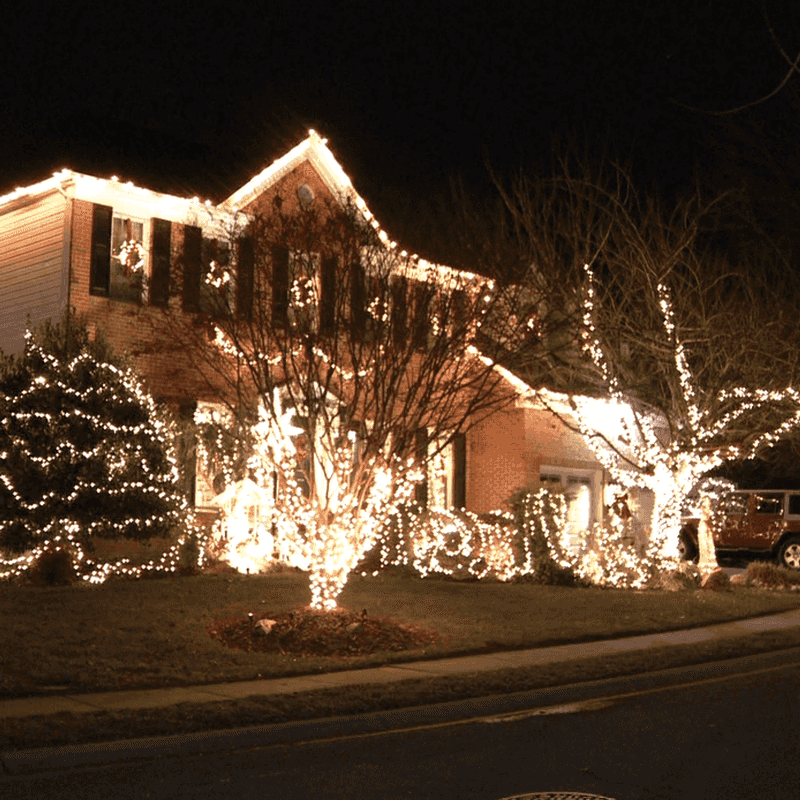
Lighting designers have a handy test, and it works for holiday displays too. If you can see the bare bulb from your house, light is probably trespassing onto your property.
Well-placed lighting shines on the thing it decorates, like a roofline, shrub, or front walk. Poorly placed lighting sends glare outward and across the fence. Those stray beams are what cause most neighbor complaints.
Walk your own yard after dark and notice what you see. Twinkling strands that outline a house usually create soft ambient light. A floodlight or laser projector pointed sideways is often the real troublemaker.
Laser projectors deserve special mention. They throw moving dots a surprising distance, and many folks don’t realize the pattern lands on the house next door.
Spotting the specific source helps in two ways. It makes a conversation easier because you can ask about one fixture instead of the whole display. It also gives you clearer evidence if the issue escalates.
Most of the time, a small tilt or a hood over the fixture fixes everything. Your neighbor keeps the cheer, and your windows stay dark.
Your HOA Rulebook Might Already Cover Those Christmas Lights
Guilty as charged, I once skipped right past the HOA packet at closing. Turns out that thick stack of paper can settle a light fight faster than any lawyer.
Many South Carolina neighborhoods operate under covenants, conditions, and restrictions, often called CC&Rs. These rules frequently address exterior decorations. Some set dates when holiday displays may go up and must come down.
Others limit the hours lights can be on, or ban fixtures that shine onto adjoining lots. A few restrict certain types, like flashing lights or large projectors.
If your community has rules like these, the path gets simpler. You can file a written complaint with the association instead of confronting your neighbor head-on. The board then handles enforcement through warnings or fines.
Read the actual language before you complain. Look for words like decorations, exterior lighting, or nuisance, and note any deadlines in the rules.
One caution matters here. HOA boards vary in how actively they enforce, and some go easy during the holidays. Still, a documented rule gives your complaint real weight, and it keeps the dispute focused on the agreement everyone signed rather than on personal feelings.
City And County Lighting Codes Can Shift The Rules On Your Street
Your town’s code book could change everything. Or nothing at all.
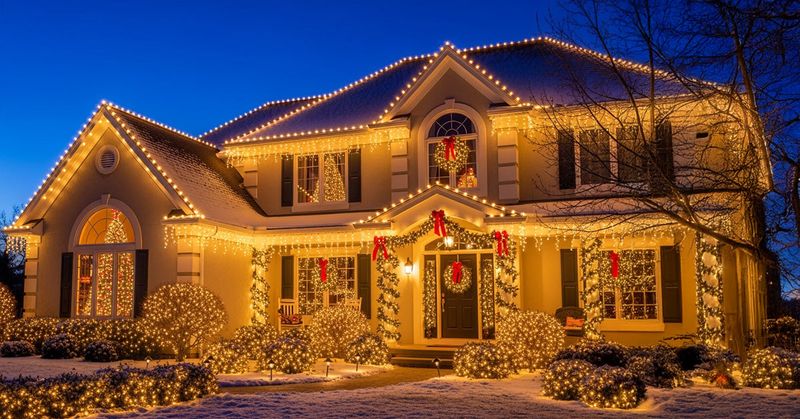
Some South Carolina cities and counties have ordinances on outdoor lighting, light trespass, or excessive illumination. A few use language aimed at light that unnecessarily illuminates and substantially interferes with the use or enjoyment of other property. That sounds promising if you’re losing sleep.
Read the fine print, though. Many lighting ordinances exempt seasonal decorations or temporary lighting. In those places, a code that would stop a glaring security light might not apply to a holiday display at all.
Rules also differ sharply between areas. A coastal community worried about sea turtle nesting may regulate beachfront lighting in summer, while an inland county may have almost no lighting rules. City limits and unincorporated areas can follow different codes, too.
Finding your local rules is easier than it sounds. Many municipalities post their codes online through services like Municode. You can also call the city planning or code enforcement office and ask directly.
If an ordinance does apply, code enforcement may step in without you filing anything in court. That route often feels less personal than suing the folks next door.
A Plate Of Cookies And A Phone Camera Make A Smart First Move
Trust me on this one. Most lighting headaches end with a friendly knock, not a court date.
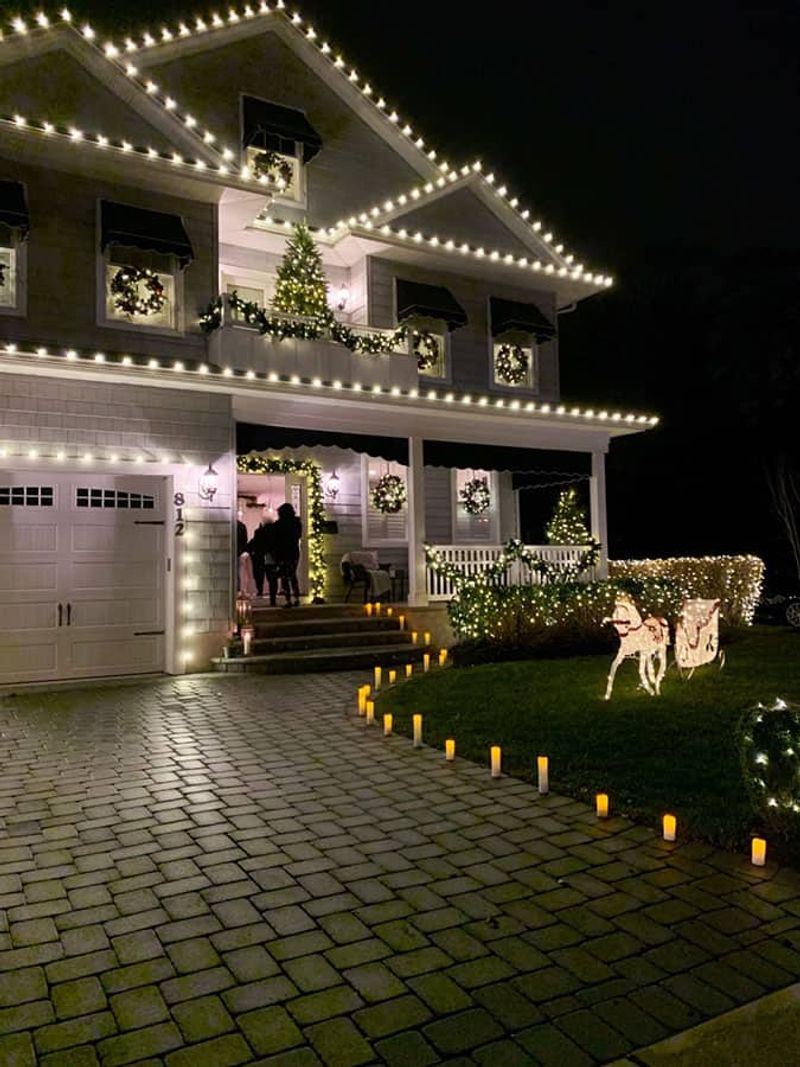
Your neighbor may have no idea their projector paints your ceiling. Lights get set up in daylight, and few people check how things look from next door. A calm, specific request often works fast.
Try something simple. Ask whether that one floodlight could be angled down, or whether the display could run on a timer that shuts off at bedtime. Timers are cheap, and many smart plugs handle it automatically.
Keep records while you wait, just in case:
Write a short log with dates and times the light bothers you. Snap photos or short videos from inside your home showing where the light lands.
Note how it affects you, such as lost sleep or a room you can’t use. If other neighbors feel the same, their observations can help as well.
Save any texts or notes you exchange about the issue. Good records keep things factual and prevent memories from drifting. They also show that you tried to be reasonable first, which matters if the problem ever lands in front of an HOA board or judge.
Stubborn Spotlights Leave Letters, Mediation, And Court On The Table
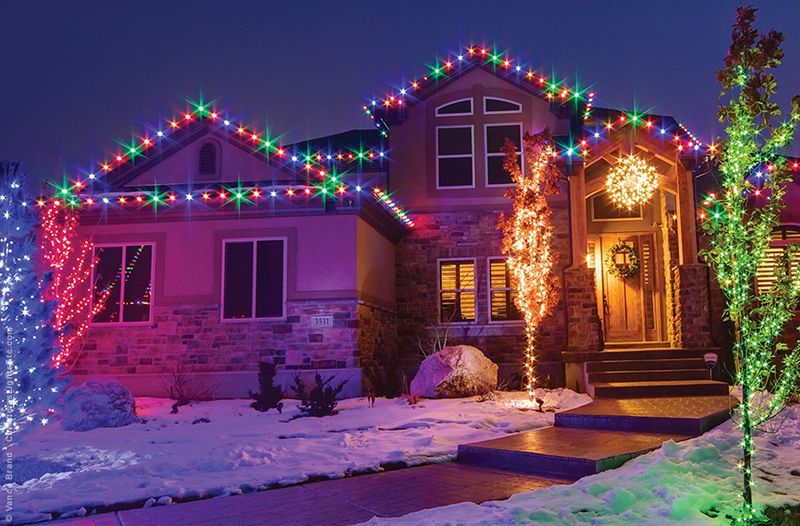
Sometimes the lights stay glaring no matter how kindly you ask. You still have options, and they get more formal step by step.
A written demand letter is a common next move. It describes the problem, references any HOA rule or local ordinance, and requests a specific fix by a set date. An attorney’s letterhead tends to get noticed, though you can write one yourself.
Mediation is another solid route. A neutral third person helps both sides find a compromise, such as a shutoff time or a relocated fixture. Some South Carolina communities offer low-cost or free mediation programs, so ask your county or local court what is available.
Court is the last resort. A private nuisance suit can seek money damages or an injunction, which is an order to change or stop the lighting. These cases take time and money, and results depend heavily on your evidence.
Timing matters too. South Carolina generally gives three years to bring this type of claim, but rules on ongoing nuisances can get technical. Talk with a local attorney before filing.
Honestly, the best outcome is a darker bedroom and a neighbor you can still wave to. Push only as hard as you need.