9 Christmas Light Mistakes That Can Quietly Damage South Carolina Trees
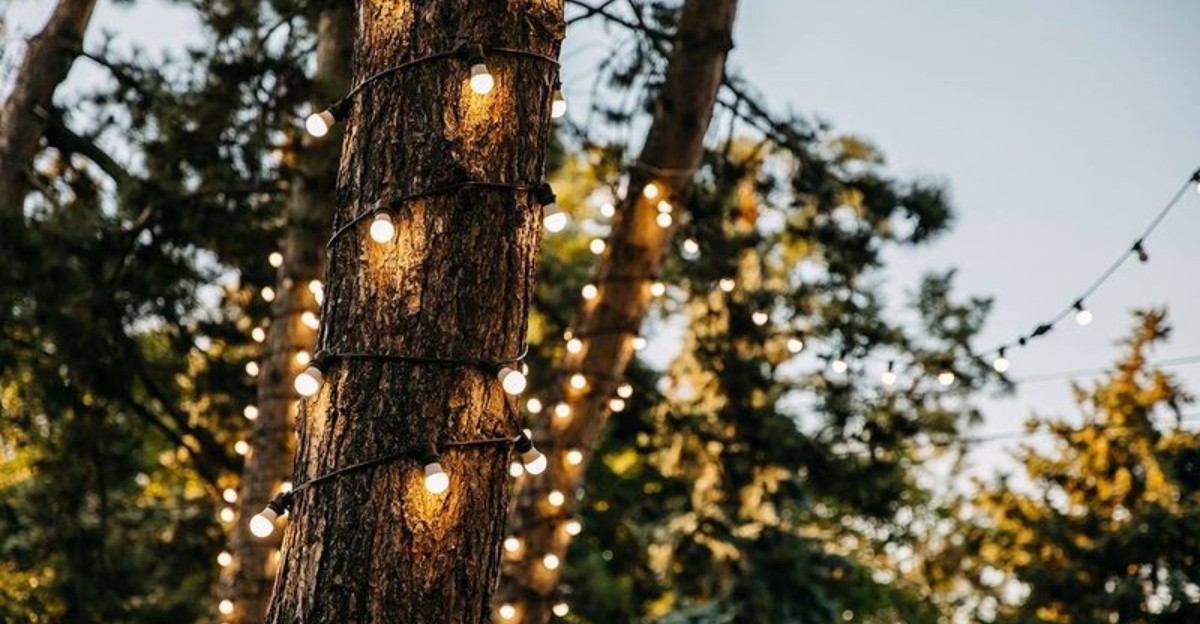
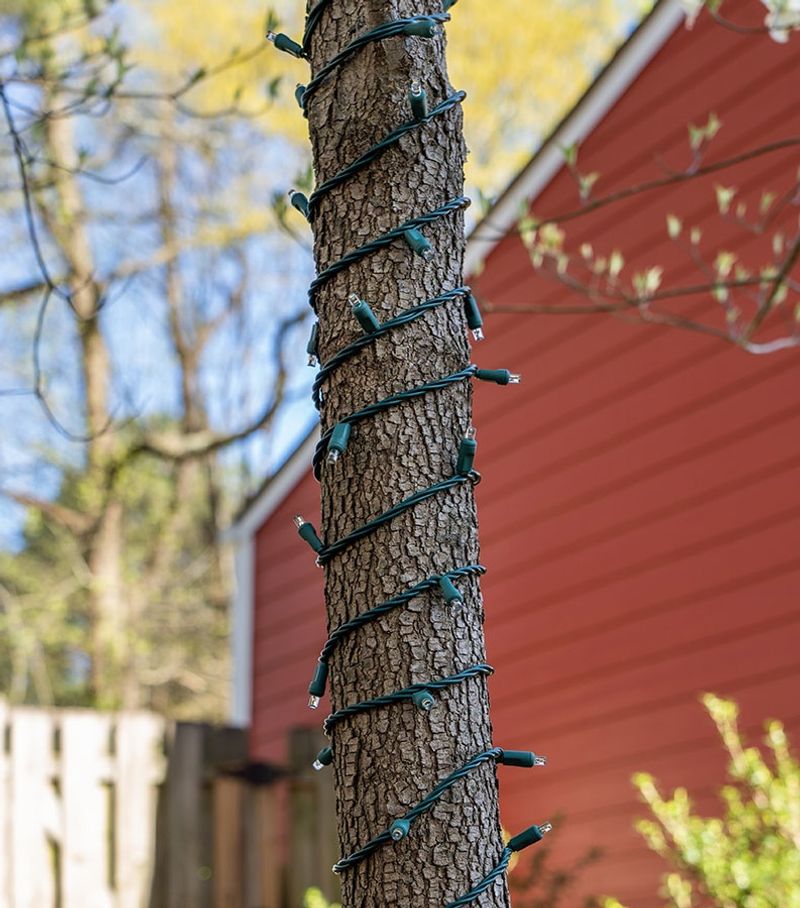
Arborists sometimes find old light wires buried deep inside tree trunks, years after the holiday party ended. The bark simply swallowed the strand while nobody was watching from the porch.
Trees add a new layer of wood under their bark each growing season, so trunks keep getting wider. A wire wrapped snugly in December can feel like a tight belt by the following summer.
I used to think tree lights were harmless fun, but my poor crape myrtle taught me otherwise. Not going to lie, I winced when I spotted those deep grooves cut into its smooth bark.
Our mild South Carolina winters tempt many of us to leave displays glowing well past New Year. A few small habits can quietly hurt the trees we love most across South Carolina this season.
1. Tight Light Strands Squeezing Tree Trunks
A tree trunk works a bit like a living drinking straw packed with tiny tubes under the bark. Just under the bark, a thin living layer carries sugars down from the leaves, and the water-carrying wood lies right beneath it.
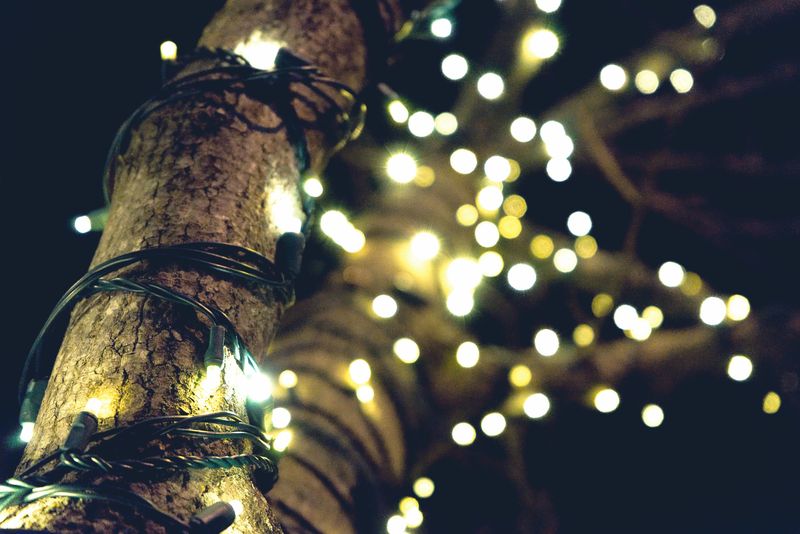
When you wrap a strand snugly around a trunk, you press right on that delicate living layer. Over months, the pressure can block sugars from traveling down to the roots, so everything below the wire slowly goes hungry.
Arborists call this girdling, and it often shows up as thin leaves or weak growth on one side. I learned the hard way that pretty spirals look tidy in December but cause trouble by summer.
Trust me, loose wraps still look lovely once the bulbs light up and the sky turns dark. Leave enough slack that you can slide two fingers easily between the wire and the bark all around.
Another smart trick is draping strands over branches instead of coiling them around the main trunk. Gravity does most of the work, and the tree keeps its living tissue free from tight pressure.
Young trees with smooth, thin bark need extra care, since they show squeeze marks much faster than older ones. Crape myrtles and young red maples fall into this group across many neighborhood yards around town.
Check your wraps after windy nights, because strands sometimes shift and tighten in odd places without warning. A quick loosening takes only a minute and spares your favorite tree from a long, slow struggle.
2. Holiday Lights Left On Trees Into Spring
Spring arrives early around here, and dogwoods sometimes start blooming while old holiday strands still hang on. That cheerful mix of flowers and faded bulbs is a clear sign something stayed too long.
Guilty as charged, I once left my lights up until the azaleas started showing their bright pink buds. By then, new growth had already started pushing against the wires in several spots on the branches.
Trees put on fresh wood mostly during spring and early summer, when warm days fuel fast growth. Any wire still wrapped around a limb during that stretch can start cutting into soft new bark.
Leftover strands also trap moisture against branches, which may invite fungus or insects into small cracks. Our humid weather makes damp bark more common than in cooler, drier parts of the country.
Plastic coatings on cords also break down under months of strong sunshine and repeated rain showers. Brittle insulation can crack open, which turns a forgotten strand into a safety risk as well as a tree problem.
A simple rule works well for most gardeners, and that means taking lights down by mid-January. Mark the date on your calendar right when you hang them, so the reminder pops up without any guesswork.
If life gets busy, at least unplug the display and loosen any wraps around smaller branches. Your trees will appreciate the breathing room long before you finally carry those boxes back to the attic.
3. Nails And Staples Hammered Into Tree Bark
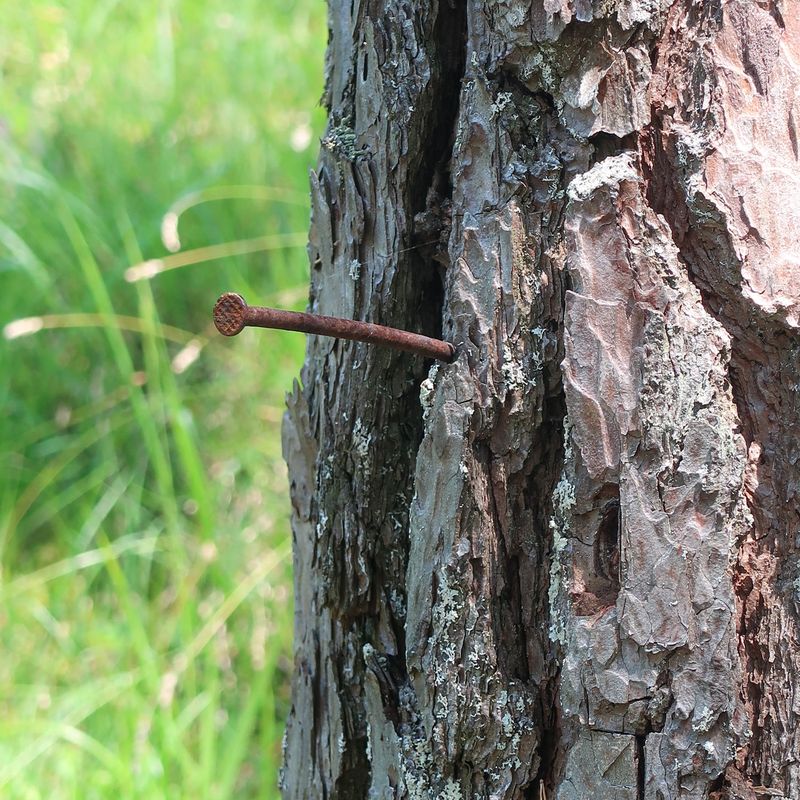
One tiny staple seems harmless, but bark is a tree’s only protective skin against the outside world. Every puncture opens a small doorway that pests and fungal spores can find surprisingly quickly over time.
Trees do not heal like people, since they seal wounds off rather than repairing the damaged wood. That sealing process takes energy, and a trunk dotted with holes keeps the tree working much harder than needed.
I get it, a staple gun makes the job go faster when your fingers are cold. Still, the convenience lasts a few weeks while the wounds stick around for many seasons on that trunk.
Metal fasteners can also rub through wire insulation as branches sway, which creates an electrical concern. Zip ties bring their own trouble, since they hold firm and slowly squeeze limbs as those limbs grow.
Soft fabric strips, stretchy plant ties, or rubber-coated garden wire make much kinder choices for holding strands. Tie them loosely so a branch can move with the breeze without rubbing against a hard edge.
Some stores also sell plastic clips designed to grip branches gently without piercing the bark at all. Keep a small bag handy and reuse them every year, which saves money along with your trees.
Already have old nails stuck in a trunk from past displays? Leave deeply buried ones alone, since prying them out can cause a larger wound than the original metal ever did.
4. Heavy Decorations Bending Thin Tree Branches
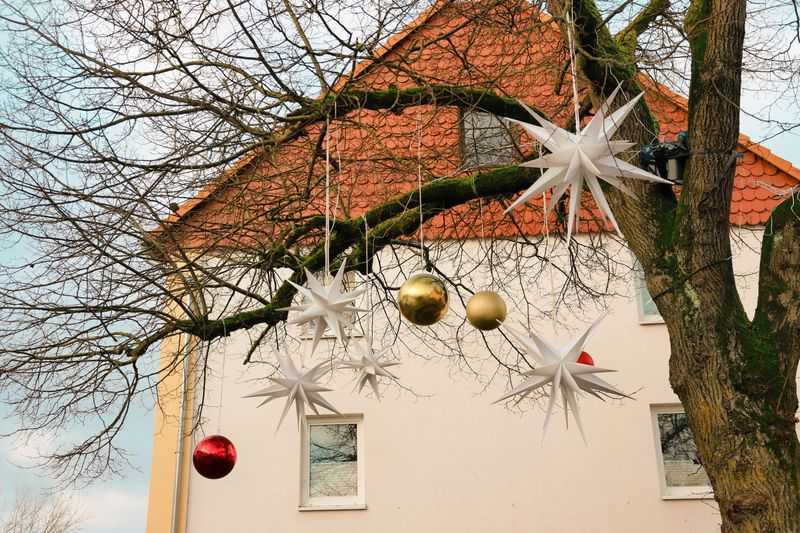
Ice storms in the Upstate can coat every twig with a glassy shell overnight, adding surprising weight. Add a pile of heavy lights and ornaments, and slender limbs may bend farther than they safely can.
Funny thing is, the branches that look most magical with lights are often the thinnest ones out front. Those graceful outer twigs simply lack the strength of thicker wood near the center of the tree.
Older incandescent strands and big outdoor ornaments weigh more than many people realize, especially once they get wet. Rain soaks fabric bows, and that extra water makes sagging limbs droop even lower than before.
A cracked branch is more than an eyesore, because the jagged wound can let decay creep inside. Split limbs may also fall unexpectedly during later winds, which creates a hazard for cars and walkways below.
Spread your decorations across sturdy branches instead of bunching everything onto a single favorite limb. Lightweight LED strands help a lot, since they usually weigh less than older bulb styles from years past.
Give each branch a gentle bounce test before hanging anything heavy from it during setup. If the limb dips sharply under light pressure, choose a thicker branch closer to the trunk for that ornament.
Check your display after storms, and remove anything causing a noticeable bend or strain. A few minutes outside with a flashlight can spare you a broken limb and a pricey visit from an arborist.
5. Indoor Rated Light Strings Hung On Outdoor Trees

That little tag near the plug tells a bigger story than most of us bother to read. Indoor-rated strands are built for dry living rooms, not damp yards full of dew and drizzle.
I’m not proud of this, but I once wrapped an indoor strand around a holly by the porch. It flickered after the first rain, and I unplugged it quickly before anything worse could happen nearby.
Outdoor lights have sealed sockets and tougher wire coatings that handle moisture and temperature swings much better. Indoor versions may short out when water seeps inside, which can scorch nearby bark or dry leaves.
Our humid climate and frequent winter showers make moisture a steady concern for any outdoor display. Even foggy mornings can leave droplets sitting inside sockets that were never designed to keep water out.
Look for a label stating the lights are suitable for outdoor use before buying anything new. A recognized safety testing mark on the packaging gives you extra confidence that the product was checked.
Extension cords need the same attention, since indoor cords crack and wear down quickly outside. Plug everything into outlets with ground fault protection, which cuts power fast if something goes wrong.
Keep connection points off the soggy ground by resting them on a brick or inside a covered box. Small steps like these protect your trees, your lawn, and the family members who walk past every evening.
6. Frayed Light Cords Draped Through Tree Limbs
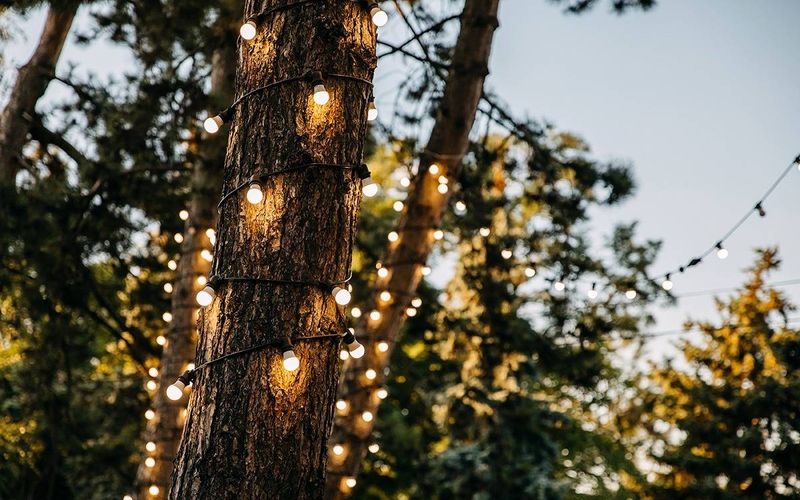
Squirrels love chewing on light cords, and those tiny tooth marks can expose bare wire inside. A damaged strand tucked deep in branches may spark near bark, mulch, or dry fallen leaves below.
Every fall, I pull my bins from the garage and feel tempted to start hanging lights immediately. Experience taught me to spread every strand across the floor first and give it a slow inspection.
Look closely for cracked sockets, broken bulbs, loose plugs, and spots where insulation has worn thin. Run your hand gently along each cord, since small nicks are easier to feel than to see.
Faulty strands can overheat in spots where they rub against branches during breezy nights. That heat may scorch bark, and a short circuit could ignite pine straw or dry grass under the tree.
Toss damaged strands instead of patching them with tape, which rarely holds up outdoors for long. New LED sets cost less than they used to and run much cooler than older bulbs.
Plug each strand in for a quick test before climbing the ladder or wrapping anything around a limb. It is far easier to spot a dead section on the porch than twenty feet up a tree.
Store lights loosely wound around a piece of cardboard once the season wraps up next month. Neat storage prevents kinks and pinched wires, so next year’s inspection goes faster and smoother for you.
7. Too Many Light Strands Plugged Into One Outlet
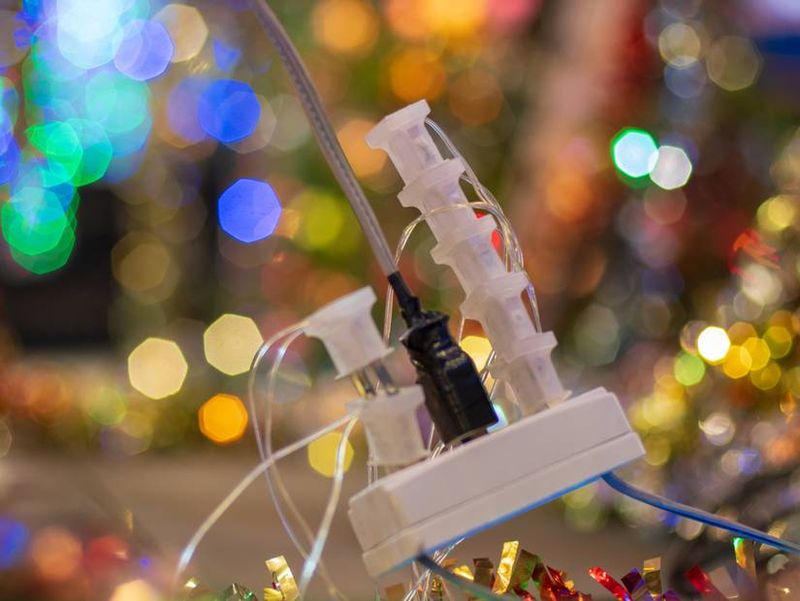
Most light boxes print a limit on how many strands you can safely connect end to end. Plenty of us skip that number, then wonder why the breaker trips halfway through a cozy evening.
Trust me on this one, a dark yard right when guests arrive feels pretty embarrassing. I once chained far too many old strands together, and the plug felt warm when I touched it.
Overloaded cords run hot, and heat near a tree trunk is something nobody wants in winter. Warm connections tucked against dry bark or leaf litter can become a real hazard on breezy, dry nights.
Check the label for the maximum number of connected sets, then follow it carefully during setup. Older incandescent strands usually allow fewer connections than modern LED sets with much lower power needs.
Spread your display across separate outdoor outlets whenever possible instead of relying on a single plug. Heavy-duty outdoor power strips with built-in breakers can help manage several runs more safely than cheap splitters.
Switching to LED lights makes a big difference, since they use far less energy than older bulbs. They also stay cool, so they are much gentler on twigs and bark they happen to touch.
An outdoor timer is another handy tool, turning lights off late at night without you remembering. Fewer hours of use means less heat, lower power bills, and a calmer rest for your trees too.
8. Newly Planted Young Trees Wrapped In Lights
Late fall is a popular planting time in our state, so many yards hold brand new trees right now. Those fresh arrivals are busy growing roots and settling in, even while their branches look sleepy.
Don’t laugh, but I wrapped a newly planted redbud so heavily that it leaned toward the sidewalk. The skinny trunk simply could not handle all that extra weight on top of its shallow roots.
Young trees have thin bark and flexible stems that bruise and bend more easily than older ones. Tight wraps can leave marks quickly, and heavy strands can pull a freshly planted tree out of line.
Struggling trees deserve a break too, especially ones with cracked limbs, peeling bark patches, or thin canopies. Adding lights to a stressed tree gives it one more challenge during a season meant for rest.
Before decorating, walk around each tree and look for weak branches or wobbly trunks in the soil. Save your brightest displays for sturdy, established trees that have been growing in place for several years.
If you still want sparkle near a new tree, try a lighted stake or small lantern nearby. That way the young tree gets attention without carrying anything heavy on its slender, growing branches.
Keep watering new trees during dry winter weeks, since roots keep developing whenever soil stays above freezing. Healthy roots now mean a much stronger tree for many future holiday seasons in your yard.
9. Rushed Light Removal Snapping Tree Buds And Twigs
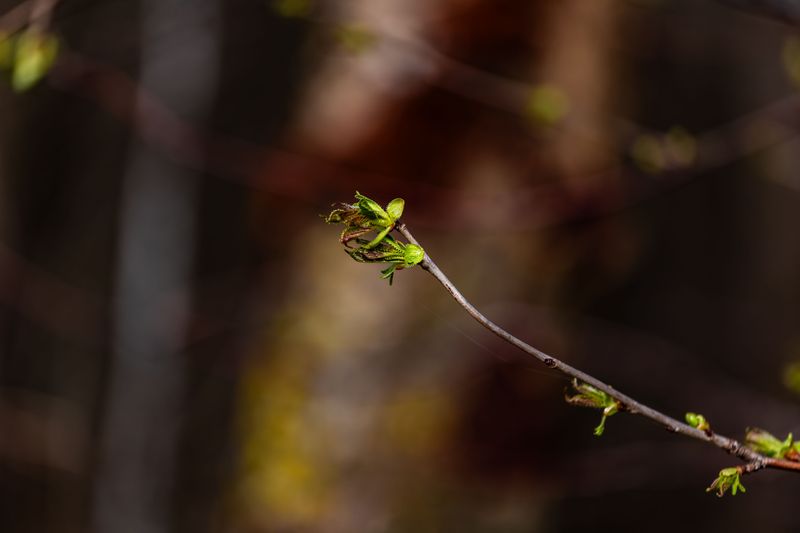
Next spring’s flowers are already tucked inside tiny buds on many trees during the middle of winter. Dogwoods, redbuds, and magnolias set those buds months before they open, so rough handling costs blossoms later.
I’m the first to admit that I used to yank strands down in a hurry on cleanup day. Little twigs went flying, and fewer flowers showed up on those branches when warmer weather finally returned.
Cold wood tends to be stiffer and snaps more easily than flexible branches on mild afternoons. Wait for a warmer day if possible, since bending limbs will feel more forgiving under your hands.
Start unwinding from the outer tips and work slowly back toward the trunk without pulling hard. When a strand snags, pause and lift it free instead of tugging until something cracks off the tree.
A sturdy stepladder helps you reach higher sections safely without bending branches downward to grab lights. Ask a helper to feed cords down from above, which keeps strands from dragging across delicate buds.
Take note of where lights rubbed against bark, then check those areas again once spring growth begins. Shallow scrapes usually seal on their own, but deeper wounds are worth showing to a certified arborist.
Small breaks can be trimmed cleanly with sharp pruners just outside the branch collar on the limb. A neat cut seals better than a ragged tear, giving your tree a fresh start for spring.