8 Low-Maintenance Flowers That Keep Blooming For Decades In Montana
Winter here doesn’t ever wait for you to get ready. Temperatures crash overnight, and you’ll watch flowers fail. Montana challenges less-hardy plants and rewards you for choosing right.
Blooms this tough will handle frost, drought, and wind for you. Certain flowers keep coming back reliably, giving you decades of color. Each type handles unpredictable springs, rewarding your patience every summer.
Roots dig deeper while petals push upward, giving you results fast. Beginners plant them early and watch your yard fill with color. Experienced growers trust them completely because they never let you down.
Nothing about thriving through Montana winters happens purely by accident for you. Particular varieties separate thriving yards from struggling plants in your neighborhood.
Color returns every year, rewarding you without replanting or extra work. Your patience now pays off for decades of returning blooms. You are about to discover which flowers deliver, and stopping now means missing the full list.
1. Peony
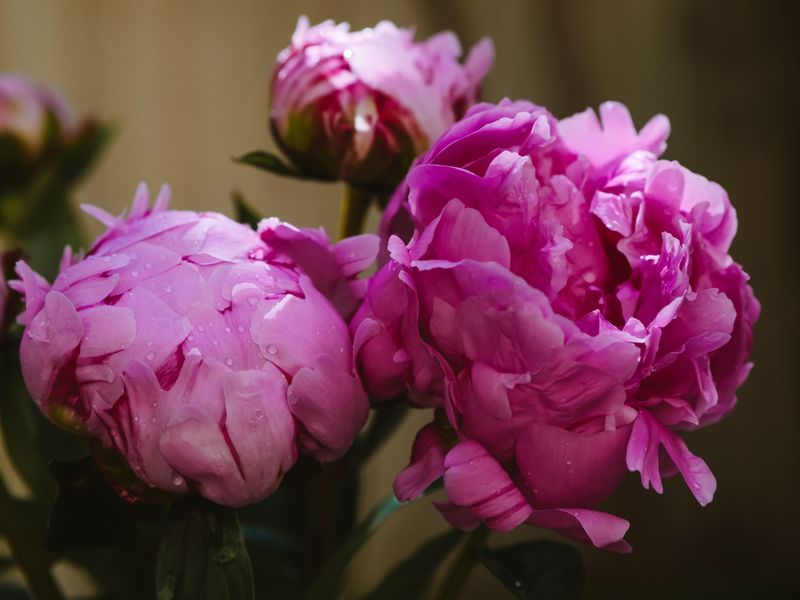
Some flowers are just built to last, and the peony is a strong example of that. A single peony plant can bloom for several decades, sometimes longer, with minimal effort from you.
Peonies thrive in Montana’s cold winters because they actually need a hard freeze to set their blooms. Plant them in a sunny spot with well-drained soil, and they will handle the rest.
Their big, ruffled blooms arrive each spring in shades of pink, white, red, and cream. The fragrance alone is worth every square foot of garden space you give them.
One thing to remember: plant the roots shallow. If you bury them too deep, they may never bloom, which prevents flowering altogether.
Peonies attract pollinators like bees and butterflies, making your whole garden healthier. They also make stunning cut flowers that last over a week in a vase indoors.
Once established, these low-maintenance flowers need almost nothing from you year after year. Skip the fertilizer overload, water them during dry spells, and cut back the foliage in fall.
They tend to be deer-resistant too, which is a helpful advantage in rural Montana where wildlife often feeds on garden plants. A peony is not just a flower; it is a long-term investment in beauty.
2. Daylily
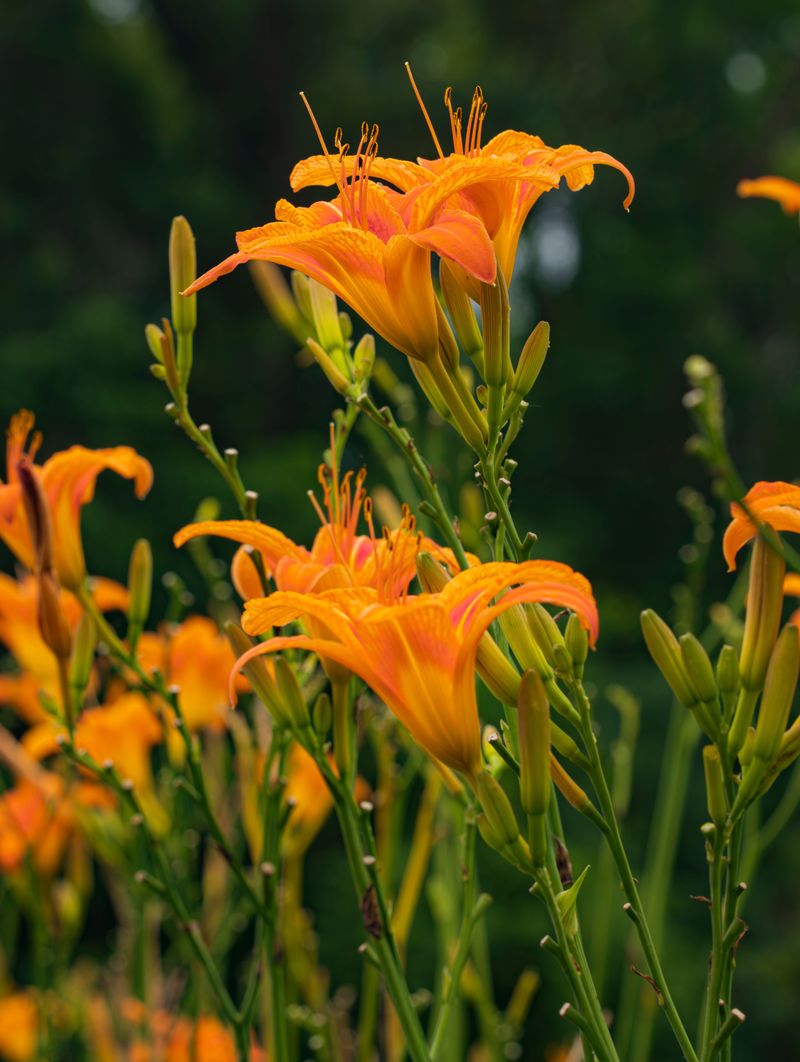
If you have ever driven past a roadside ditch in summer and spotted bursts of orange, you have already met the daylily. This hardy plant spreads on its own and asks for very little in return.
Daylilies are some of the most forgiving low-maintenance flowers you can grow anywhere, including Montana. They tolerate drought, poor soil, heat, and cold without skipping a beat.
Each individual bloom lasts just one day, but the plant produces dozens of buds over several weeks. That means you get a long season of color without doing much of anything special.
They come in hundreds of varieties ranging from pale yellow to deep burgundy. Mixing a few different types gives you a rolling wave of color from early summer into fall.
Planting is simple: dig a hole, set the roots, water once, and walk away. They spread gradually each year, filling empty spots in your garden with little effort on your part.
Divide the clumps every few years to keep them vigorous and share extras with neighbors. Daylilies are easy to divide and share with neighbors.
They also stand up well to Montana’s unpredictable weather, bouncing back after late frosts and summer heat waves alike. This makes them one of the more reliable, low-effort options for color.
3. Bearded Iris
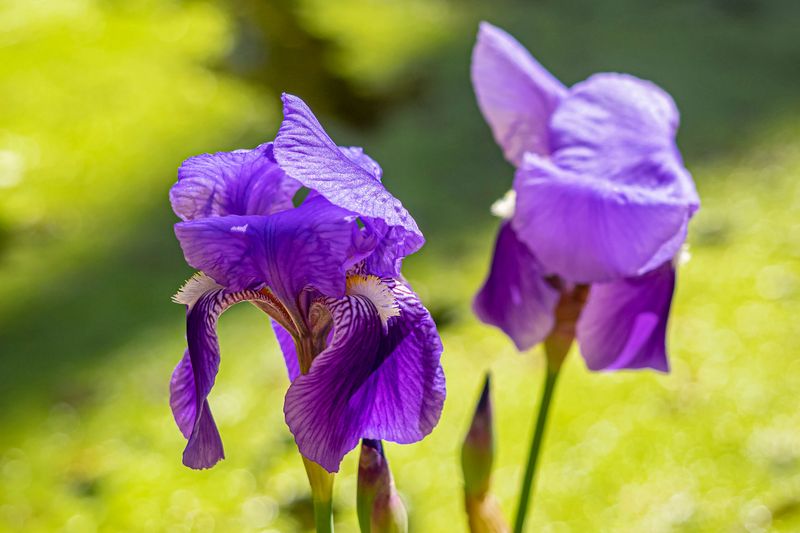
Bearded iris plants have a dramatic, ornamental look that stands out in a garden. Their dramatic, ruffled blooms come in almost every color imaginable, from deep violet to soft peach.
These striking low-maintenance flowers are perfectly suited to Montana’s dry climate and cold winters. They actually prefer lean, well-drained soil and will rot if you water them too much.
Plant the rhizomes at the surface of the soil with the tops exposed to sunlight. This is the single most important step to getting them to bloom year after year.
Once established, this flower needs very little attention from you. They spread slowly on their own, forming impressive clumps that get more stunning with each passing season.
Divide them every three to four years to keep the blooms strong and the clumps healthy. Replant the outer sections and compost the old center pieces that have already bloomed out.
They are drought-tolerant once rooted, which makes them ideal for Montana gardeners who do not want to babysit their plants all summer long. Less watering means more time to enjoy the view.
Deer tend to leave iris alone, and they are rarely bothered by common pests. Plant a mix of early, mid, and late varieties to stretch the bloom season across several weeks of pure color.
4. Russian Sage
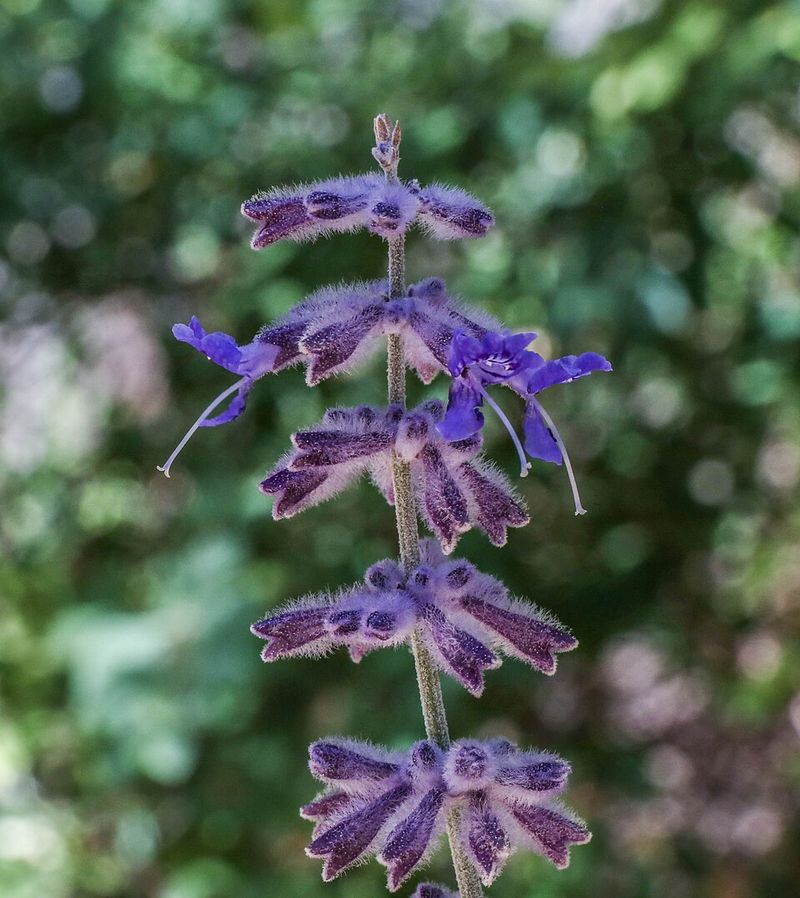
You’ll notice Russian Sage as much for its structure as its color. Tall, airy spikes of small lavender-blue flowers rise above silvery, aromatic foliage, giving your garden a soft, layered texture that holds up well against Montana’s open, windy landscape.
It brings a slightly different look than most flowering perennials, more like a soft haze of color than individual blooms, and it tends to stand out nicely against greener plants nearby.
This one handles drought and poor soil about as well as any perennial you’ll find. Once established, it rarely needs supplemental watering, which makes it a practical choice for Montana’s dry summers and unpredictable rainfall.
It also tolerates cold winters well, generally holding up through harsh temperature swings without much trouble.
Russian Sage does best in full sun and well-drained soil, and it can struggle a bit in heavier, wetter ground. You’ll typically see blooms from midsummer into early fall, adding color during a stretch when some earlier bloomers start to fade.
Many gardeners find that cutting it back in early spring, before new growth starts, helps keep the plant from becoming too woody or sprawling over time.
You may want to give it a bit of room to grow, since it can spread wider than expected in favorable conditions. Paired with Coneflower, Black-Eyed Susan, or ornamental grasses, Russian Sage adds contrast and movement to a mixed bed.
With minimal upkeep beyond that yearly trim, it tends to remain a steady, reliable presence in a Montana garden for many seasons.
5. Lilac
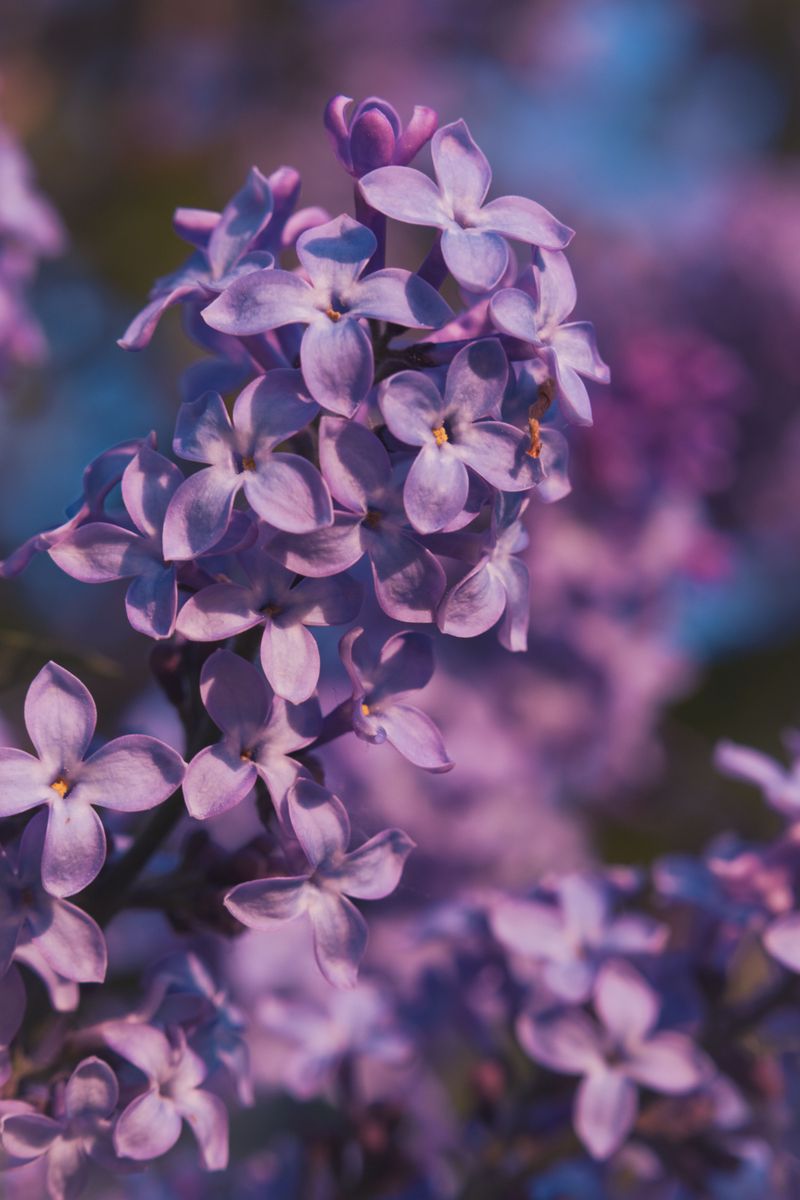
Lilac blooms bring a strong, familiar fragrance to Montana spring evenings. It’s a fragrance many gardeners consider especially memorable.
Lilacs are technically shrubs, but they earn their place on any list of low-maintenance flowers because of their stunning annual bloom show. Plant one in a sunny spot and it can continue blooming for many decades.
They are cold-hardy to the bone, thriving in zones where many other flowering shrubs simply give up. Montana’s freezing winters are no problem at all for a well-placed lilac bush.
Blooms appear in late spring in shades of purple, lavender, pink, and white. Each cluster is packed with tiny flowers that attract butterflies and fill the surrounding air with sweetness.
Pruning is the one task lilacs truly need, but it is simple and only takes a few minutes each year. Snip off spent blooms right after flowering to encourage a strong show the following season.
Avoid cutting them back in fall or you will remove next year’s flower buds by accident. A light shaping right after bloom time is all you need to keep them looking tidy and full.
Lilacs grow slowly at first but become more impressive over time. These low-maintenance flowers are the kind that can last across multiple generations of care.
6. Purple Coneflower
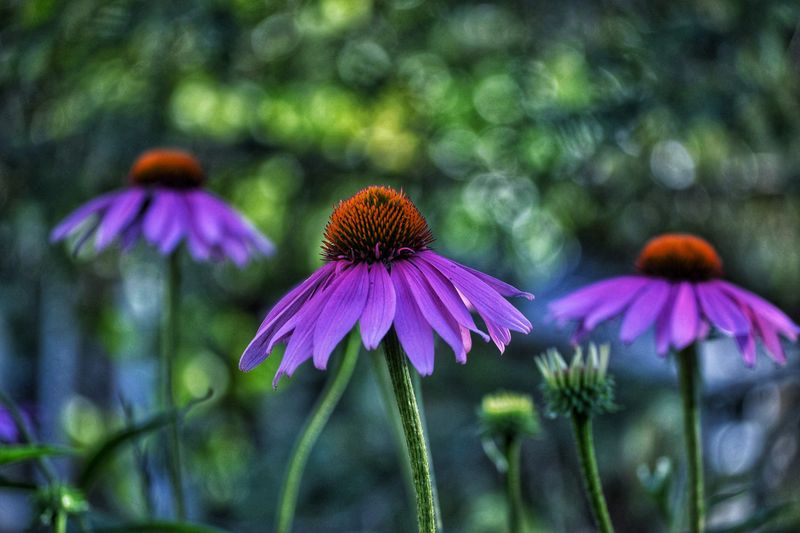
You’ll notice Purple Coneflower before you notice much else in a Montana garden. Tall stems hold up bold, daisy-like blooms in shades of pink and purple, with a spiky bronze center that pollinators seem to love.
Bees and butterflies show up in numbers once this plant settles in, and goldfinches often visit later in the season to pick at the seed heads.
You won’t need to baby this one. It tolerates lean, rocky soil and handles dry stretches without much fuss, which makes it a strong match for Montana’s shifting weather. Once established, bearded iris needs very little attention from you.
You can expect blooms from early summer well into fall, giving your garden color across most of the growing season.
Removing spent flowers can encourage a second wave of blooms, though many gardeners leave the seed heads standing for winter interest and bird activity.
This flower also tends to self-seed, so you may find new plants popping up nearby in following years, gradually filling out a bed with minimal effort on your part.
Purple Coneflower pairs nicely with grasses, Black-Eyed Susan, or Russian Sage for a layered, prairie-style look that suits Montana’s open landscape.
It generally returns reliably each spring, though like most perennials, individual plants can thin out over time and benefit from occasional division every few years.
Give it full sun and decent drainage, and you’ll likely find this one becomes a dependable anchor in your garden, asking little while giving quite a lot back.
7. Blanket Flower
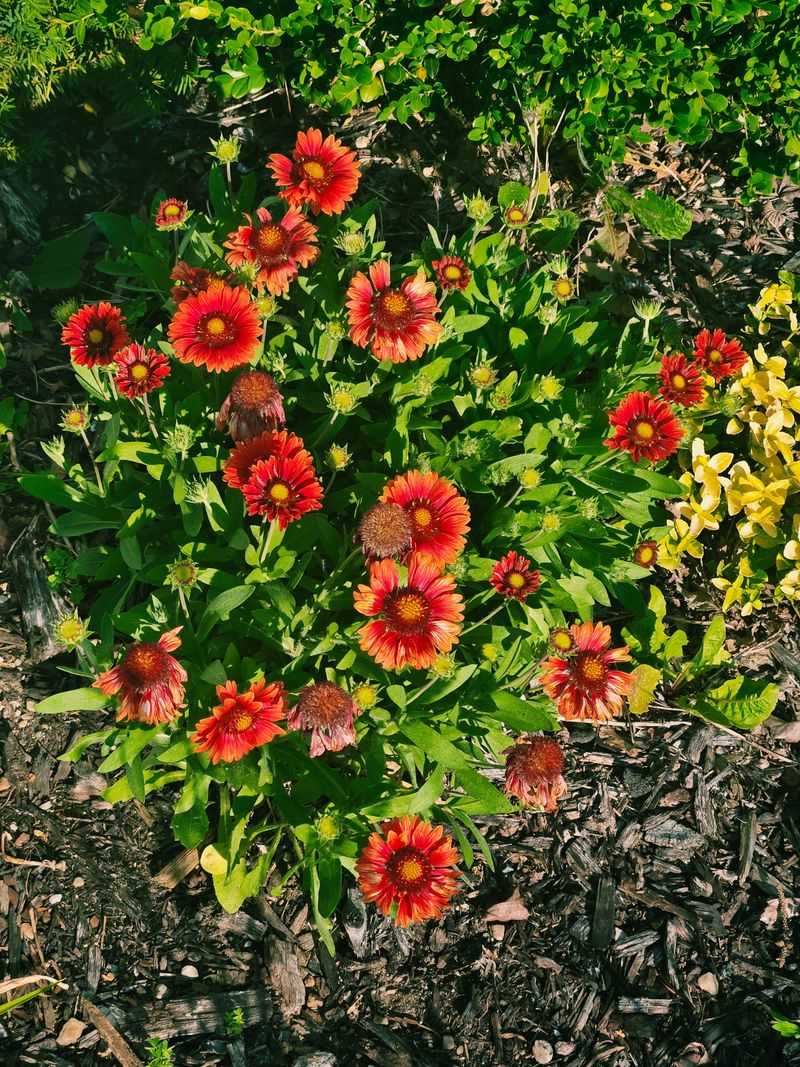
You’ll appreciate how much color Blanket Flower packs into a small amount of effort. Its daisy-like blooms come in warm shades of red, orange, and yellow, often blending together on the same petal, which gives your garden a fiery, layered look through summer.
This flower tends to handle drought well once it’s established, making it a sensible choice for Montana’s drier stretches and unpredictable rainfall. You won’t need to water it constantly to keep it going.
Blanket Flower generally prefers well-drained soil and can struggle a bit in heavy clay or areas where water tends to sit, so a slightly sandy or gravelly spot often works in its favor.
It’s a good option if you’re working with a tougher patch of yard where other flowers might hesitate. Full sun brings out its best color and keeps growth compact rather than sprawling.
You can expect blooms from early summer through fall, and removing spent flowers regularly tends to encourage more to follow.
Left alone, it will often self-seed, which means you may find new plants appearing nearby in later seasons without any planting on your part.
Some gardeners find individual plants are shorter-lived, often thriving for a few years before needing replacement or division, so treating it as a plant that renews itself through seedlings can help keep a patch going long term.
Blanket Flower works well alongside Russian Sage, Coneflower, or native grasses, and its low water needs make it a practical fit for a Montana yard that sees hot, dry summers and cold, demanding winters.
8. Shasta Daisy
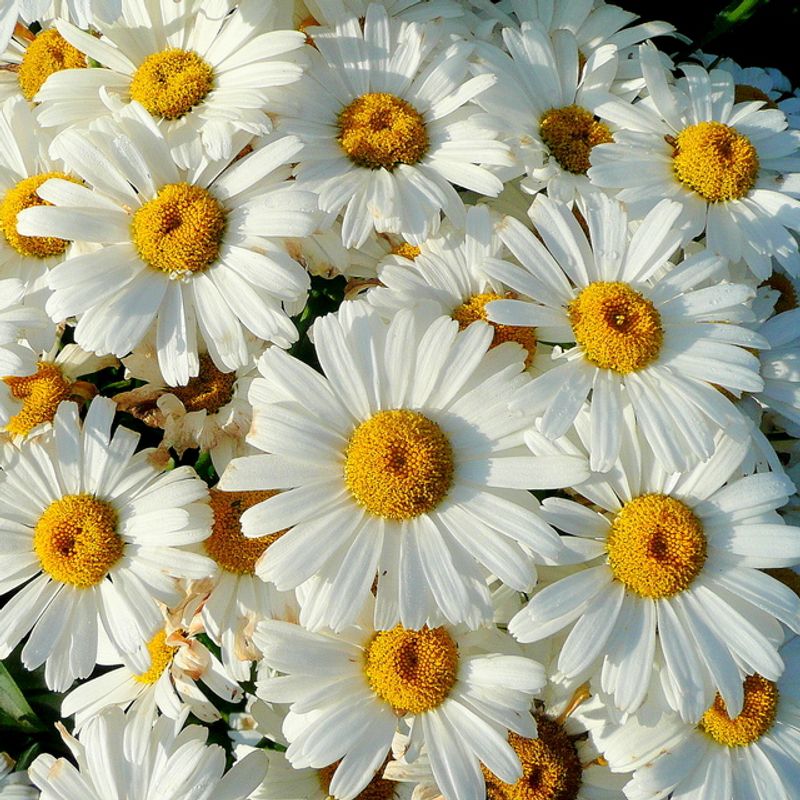
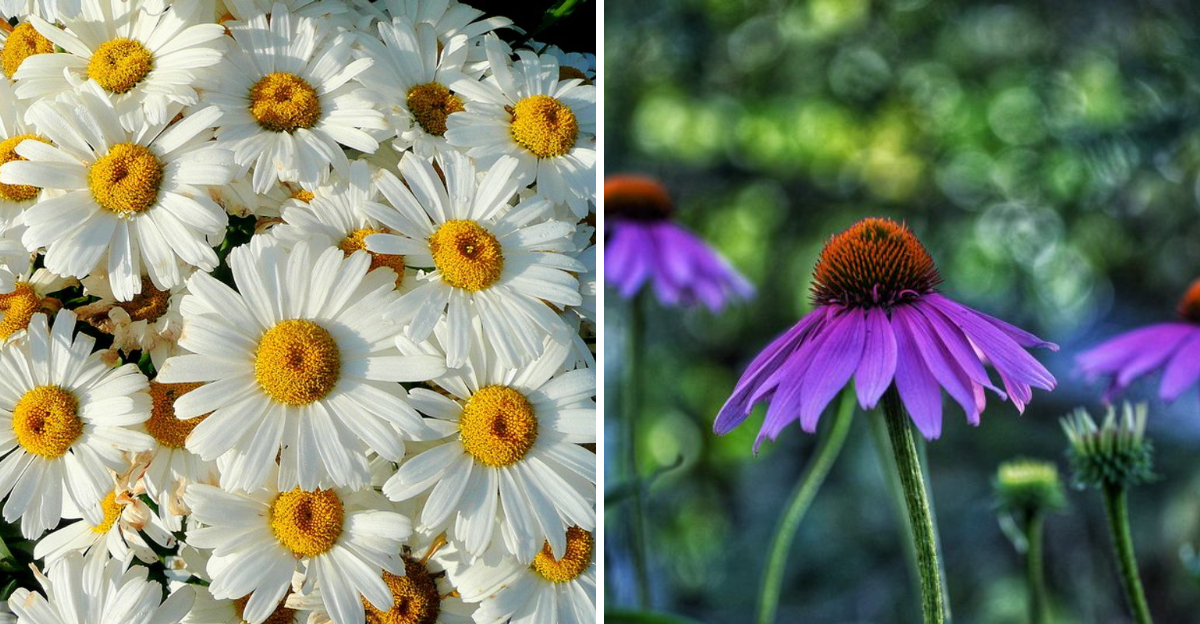
You’ll likely recognize Shasta Daisy right away, since its classic white petals and sunny yellow center are about as familiar as flowers get.
That familiarity doesn’t make it any less useful in a Montana garden. It brings a clean, bright look that pairs easily with almost anything else you’re growing, and it tends to hold its shape well without sprawling out of control.
Shasta Daisy generally prefers full sun and well-drained soil, and it can handle Montana’s cooler nights reasonably well once established.
You’ll typically see blooms from early summer into late summer, with some varieties continuing a bit longer if conditions cooperate. Regular trimming tends to encourage additional blooms and helps keep the plant looking tidy through the season.
One thing worth knowing is that Shasta Daisy can be a bit shorter-lived compared to some other Montana perennials, often thriving for around five to ten years before it starts to lose vigor.
Dividing the clumps every few years usually helps keep plants healthy and blooming well, and it also gives you extra starts to fill in other spots in your garden.
You may find this flower is a good match if you want a classic, cheerful look without a complicated care routine. It tends to attract pollinators, adds brightness to mixed beds, and works well as a border plant or cut flower.
With a little occasional attention, mainly dividing and trimming, Shasta Daisy can remain a steady, dependable presence in your Montana garden for a good number of years.