8 Montana’s Toughest Native Plants For Big Sky Gardens
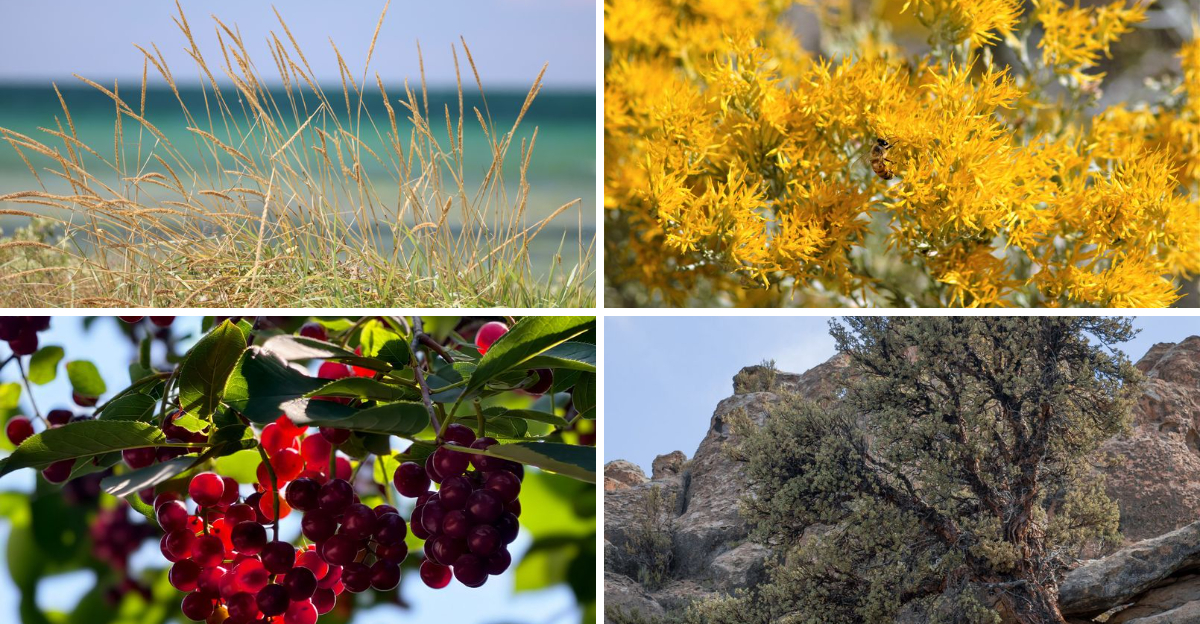
Montana doesn’t hand out easy gardens. Winters here can freeze a rookie’s confidence solid, summers scorch what little survives, and the soil underneath often feels more like gravel than dirt.
Yet scattered across this rugged terrain are plants that never got the memo about giving up. They’ve spent generations wrestling with Big Sky extremes, and come out tougher and leaner than anything shipped in from milder states.
Plant one in your yard and something shifts. Roots dig deeper. Blooms show up on their own schedule, tuned to local frost dates. Pollinators recognize these species instantly, having shared the same ground for centuries.
Skip the fight against Montana’s climate. Work with plants that already know how to survive it.
1. Bitterroot
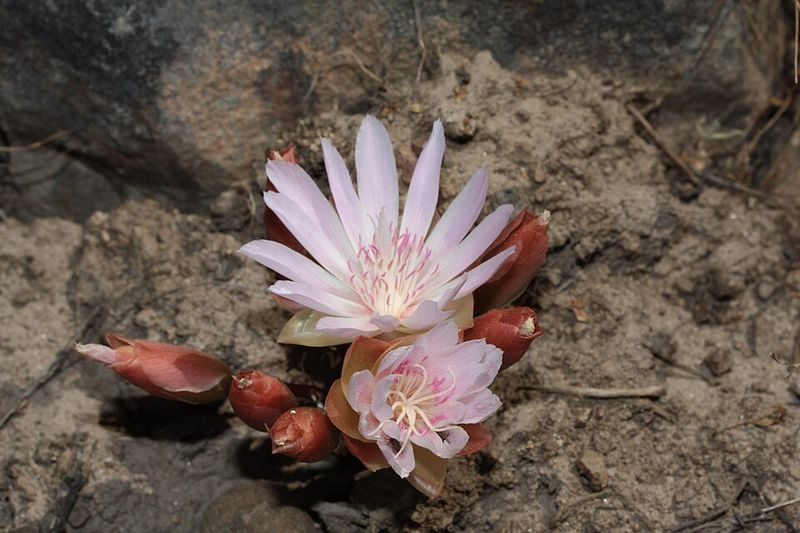
Montana’s state flower has a reputation for surviving where almost nothing else dares to grow. Bitterroot pushes up through gravel and hardpan like it owns the place, flashing pink blooms that stop people in their tracks.
Native people across the region harvested its roots for food and trade for centuries. Lewis and Clark were so impressed they brought samples back east, making this little plant a piece of American history.
Bitterroot thrives in full sun and fast-draining soil. Plant it on a sunny slope or rocky ledge and forget about regular watering once it settles in.
The leaves appear in early spring, then vanish just as the blooms open. That quirky habit keeps gardeners guessing every season.
Bitterroot’s scientific name, Lewisia rediviva, hints at another surprising trick up its sleeve. Roots can dry out for months and still spring back to life once moisture returns, a trait early botanists found almost impossible to believe.
This plant reaches only a few inches tall, so it works beautifully between stepping stones or along a dry garden border. Pair it with other low-water natives for a look that feels completely at home in Big Sky gardens.
Do not baby this plant with rich soil or heavy watering. Too much moisture causes root rot faster than a cold snap.
The blooms last a few weeks in late spring, but the show is absolutely worth the wait. Once established, Bitterroot returns faithfully year after year without complaints from you.
2. Yarrow
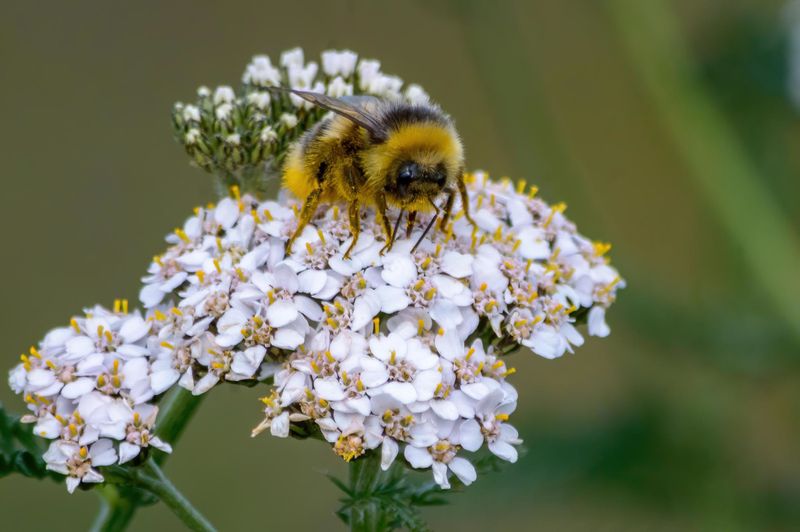
Yarrow is the plant that laughs at drought, deer, and neglect all at once. Flat-topped flower clusters in white, yellow, or pink rise above feathery, aromatic foliage that smells faintly of herbs when you brush past it.
Traditional herbalists once used Yarrow leaves as a natural remedy for minor cuts and scrapes. That old folk remedy earned it the nickname “soldier’s woundwort,” and the plant has been earning fans ever since.
Yarrow’s feathery leaves aren’t just decorative. Crushed, they release a sharp herbal scent that some gardeners use as a companion-planting trick, tucking sprigs near roses or vegetables to help mask pest-attracting odors.
In Big Sky gardens, Yarrow handles heat, cold, and poor soil without skipping a beat. It spreads steadily over time, filling gaps between other plants with cheerful color all summer long.
Pollinators absolutely love the wide, flat flower heads. Butterflies, bees, and beneficial insects treat Yarrow like an all-you-can-eat buffet from June through September.
Plant it in full sun and well-drained soil for the best performance. Avoid rich, amended beds because too much fertility makes stems flop over and look messy.
Divide clumps every few years to keep growth tidy and vigorous. Fresh divisions transplant easily in spring or early fall without much fuss.
Dried Yarrow holds its color beautifully in arrangements, giving gardeners a bonus craft project after the growing season ends. Few plants deliver this much value for this little effort in Montana’s challenging climate.
3. Rocky Mountain Penstemon
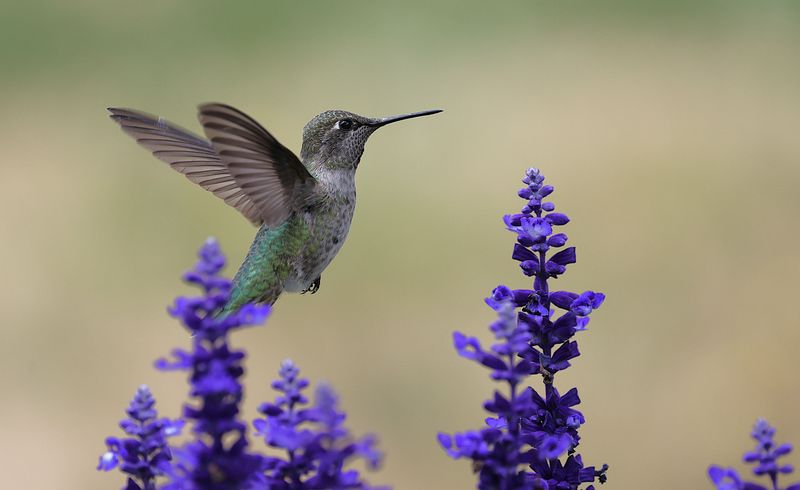
Rocky Mountain Penstemon offers exactly what hummingbirds need most, without asking gardeners to drag hoses around.
These blooms appear in late spring and early summer, right when hummingbirds are hungry from their long migration north. The timing lines up perfectly with their arrival.
The tubular shape of Penstemon flowers isn’t random design. It fits the exact curve of a hummingbird’s beak, giving the bird easy access to nectar while brushing pollen onto its head in the process.
Penstemon grows in rocky, lean soil with sharp drainage and full sun. Rich, moist garden beds are actually its enemy, leading to weak stems and short-lived plants.
Heights range from one to three feet depending on the variety and growing conditions. Taller stems create great vertical interest behind lower-growing ground covers or ornamental grasses.
Once established, this native handles Montana’s notorious temperature swings without complaint. Late spring frosts that flatten tender annuals barely bother a healthy Penstemon clump.
Removing spent flower spikes encourages a second flush of blooms later in the season. That extra effort rewards you with weeks of additional color and even more hummingbird visits.
Rocky Mountain Penstemon seeds freely if you let a few spikes go. Within a season or two, seedlings pop up around the garden, filling bare spots with almost no work from you. It is one of the hardest-working natives in any Big Sky garden lineup.
4. Bluebunch Wheatgrass
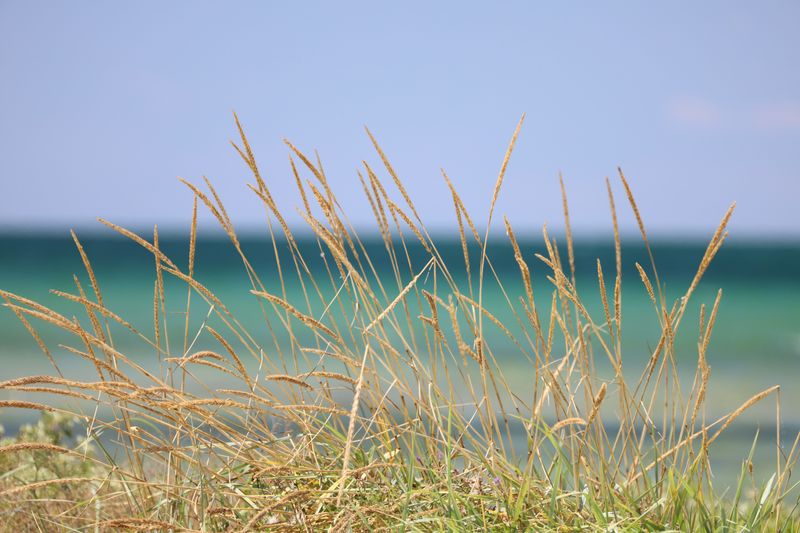
Not every garden star has to bloom in flashy colors. Bluebunch Wheatgrass proves that texture, movement, and structure can be just as beautiful as any flower on the block.
This cool-season bunchgrass was once the dominant grass across Montana’s prairies and hillsides. Overgrazing reduced its range significantly, making it a rewarding choice for gardeners who want to restore a piece of that original landscape.
Slender blue-green blades grow in tidy clumps reaching two to four feet tall. Seed heads extend even higher, catching the breeze and creating that hypnotic swaying motion that makes ornamental grasses so satisfying to watch.
Plant it in full sun with well-drained soil and almost no supplemental water after the first season. It goes dormant in summer heat and greens back up beautifully when cooler weather returns in fall.
Bluebunch Wheatgrass pairs naturally with wildflowers like Penstemon and Yarrow. The combination creates a meadow-style planting that feels genuinely native rather than artificially designed.
Birds love the seeds, turning your garden into a small wildlife refuge without any extra feeders or maintenance. Sparrows, juncos, and finches pick through the dried seed heads all winter long.
This grass rarely needs dividing and stays attractive for many years with minimal care. For a Big Sky garden that looks effortlessly wild and handles Montana’s extremes with grace, Bluebunch Wheatgrass is a must-have anchor plant.
5. Curl-Leaf Mountain Mahogany
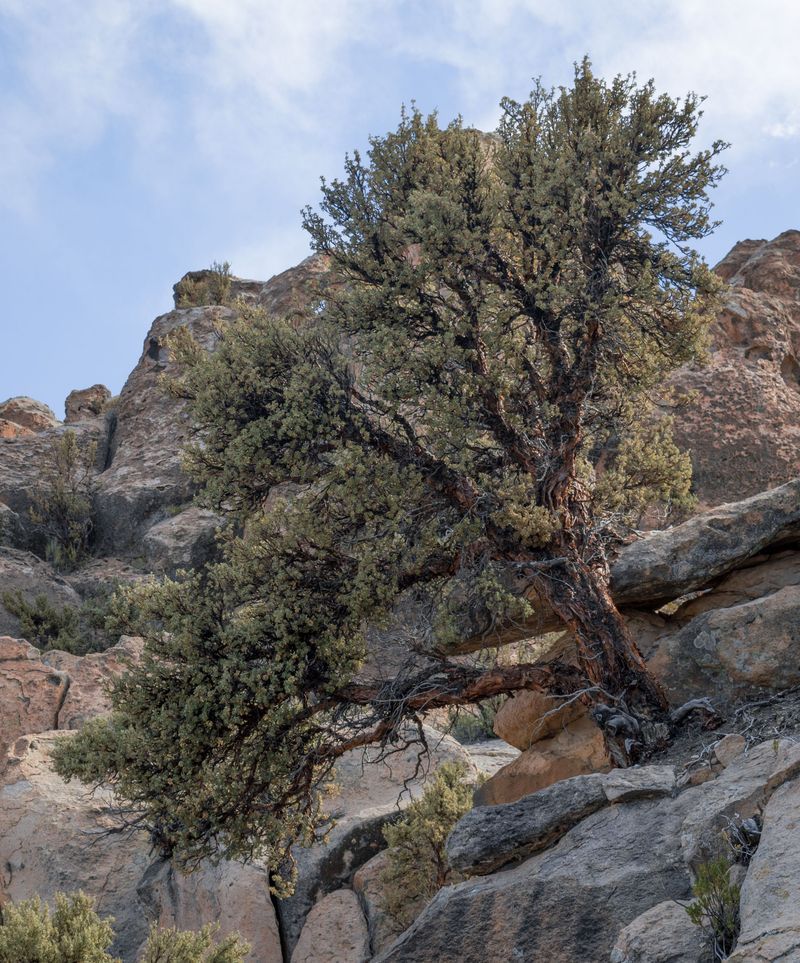
When a shrub can survive on a windswept ridge at eight thousand feet, you know it means serious business. Curl-Leaf Mountain Mahogany is one of the toughest woody plants native to the mountain west, and it brings year-round interest to Big Sky gardens.
The name comes from the distinctive curled, feathery seed plumes that spiral from the branches in late summer. Those silvery tails catch the light in a way that looks almost magical against a deep blue sky.
Small, leathery evergreen leaves stay on the plant through winter, giving the garden structure when everything else goes brown and bare. That persistent foliage makes it an excellent anchor in a mixed native shrub border.
Mountain Mahogany fixes nitrogen in the soil through a partnership with root bacteria. That means it actually improves the ground around it over time, benefiting neighboring plants without any fertilizer from you.
Established plants are incredibly drought-tolerant and rarely need supplemental watering. They grow slowly but steadily, eventually reaching six to fifteen feet tall depending on site conditions and water availability.
Wildlife value is exceptional with this shrub. Deer, elk, and bighorn sheep browse the foliage heavily in winter, while birds use the dense branching for shelter and nesting in warmer months.
Give it full sun, rocky or gravelly soil, and room to spread at its own pace. Patience with this plant pays off in a rugged, beautiful specimen that outlasts almost everything else in your garden.
6. Rabbitbrush
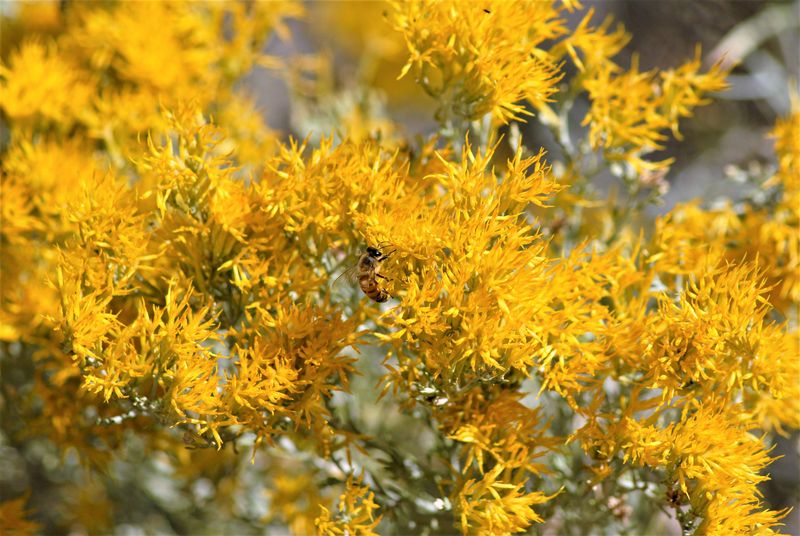
When late summer turns other plants crispy and exhausted, Rabbitbrush explodes into a cloud of bright golden yellow. It is the plant that saves the garden from the late-season blahs and reminds you why native plants are worth every bit of the hype.
Rubber Rabbitbrush, as it is sometimes called, grows into a rounded mound of silver-green foliage that looks attractive even before the blooms appear. The soft, rubbery stems give it a unique texture among shrubs.
Blooms arrive in August and September, right when most flowering plants are winding down for the season. That late-season timing makes Rabbitbrush one of the most valuable pollinator plants in any western garden.
Monarch butterflies and dozens of native bee species flock to the flowers during fall migration. Planting a few shrubs near a sunny fence or slope creates a critical fueling station for insects heading south.
Rabbitbrush handles alkaline soil, drought, and temperature extremes without missing a step. It thrives in full sun and asks almost nothing in return once it gets established in its first growing season.
Pruning is optional but cutting plants back by one-third in early spring keeps growth compact and vigorous. Left alone, shrubs can reach four to five feet tall and equally wide.
For sheer toughness combined with genuine beauty, few Montana natives can compete with this golden showstopper. Add it to your Big Sky garden and watch the pollinators arrive right on schedule every fall.
7. Chokecherry
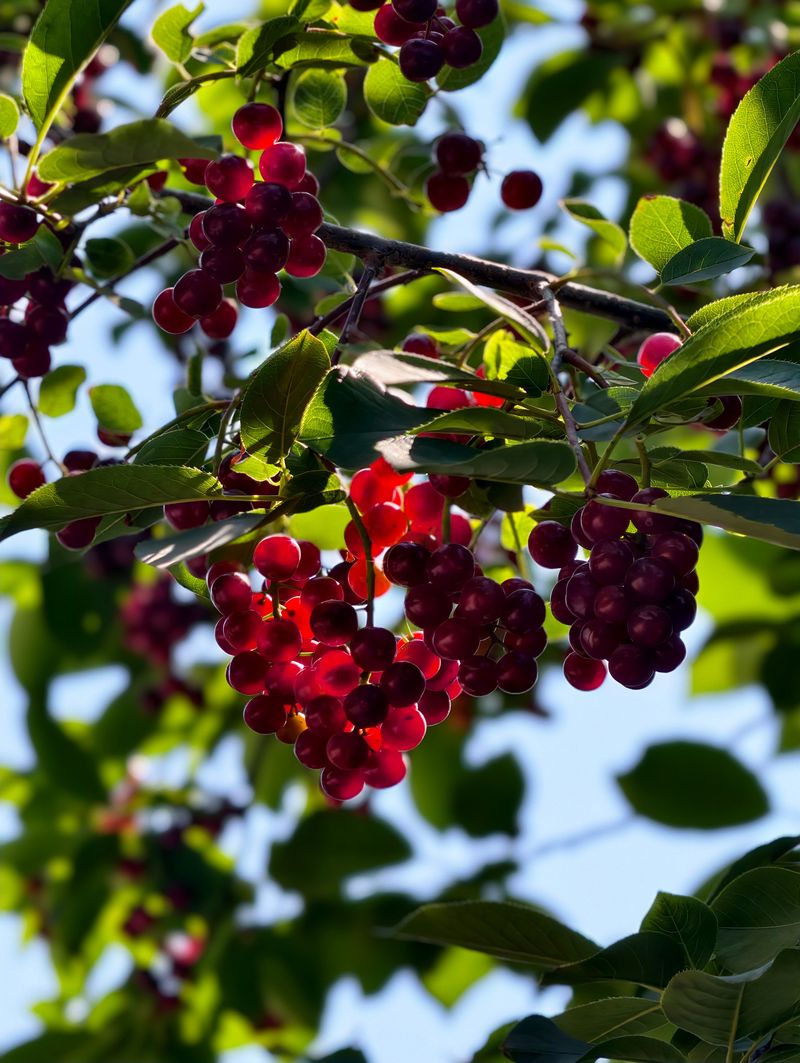
Chokecherry is the kind of plant that pulls triple duty without breaking a sweat. It feeds wildlife, feeds people, and looks gorgeous doing it across three full seasons in Big Sky gardens.
Spring brings long, drooping clusters of fragrant white flowers that cover the shrub in a frothy display. Those blooms attract early pollinators when few other native plants are showing off yet.
By late summer, the flowers transform into clusters of dark red to purple berries. Bears, birds, and small mammals feast heavily on the fruit.
People have used Chokecherry for centuries to make jams, jellies, syrups, and pemmican. The berries are intensely tart raw, but cooking them with sweetener brings out a rich, complex flavor rarely found in store-bought fruit.
Fall foliage turns shades of orange and red before the leaves drop, adding one final burst of color before winter sets in. That seasonal progression keeps the plant visually interesting almost year-round.
Chokecherry grows as a large shrub or small tree reaching six to thirty feet tall depending on water and conditions. It spreads by root suckers, so give it room or plan to manage the edges occasionally.
Plant it along a fence line, a creek bank, or the back of a native border where it can spread naturally. Few plants in Montana native gardens deliver this much wildlife value and seasonal beauty in one tough package.
8. Prairie Sagewort
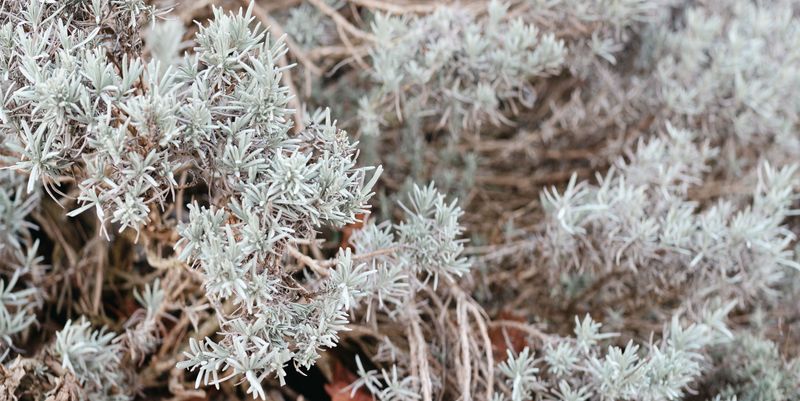
Close your eyes and crush a single leaf between your fingers. That sharp, clean, unmistakably western scent is Prairie Sagewort, and it is one of the most sensory-rich plants you can add to a Big Sky garden.
Also called pasture sage or fringed sagebrush, this low-growing native forms silvery-gray mounds that shimmer in the sun. The color alone earns it a spot as one of the best foliage plants for dry, sunny landscapes.
Prairie Sagewort stays under two feet tall and spreads slowly into attractive patches. That tidy, ground-hugging habit makes it ideal for filling spaces between larger shrubs or anchoring the front edge of a native border.
The aromatic compounds in the leaves actually deter some browsing insects and even certain mammal pests. Planting it near more vulnerable natives creates a subtle protective buffer that costs you nothing extra.
Flowers are small and not particularly showy, but they attract tiny native bees and beneficial wasps in late summer. Those insects are important predators of garden pests, so the plain blooms earn their keep.
Drought tolerance is exceptional once the plant establishes its root system in the first season. After that, natural rainfall in most Montana locations is enough to keep it healthy and attractive all year.
Prairie Sagewort thrives in the same poor, rocky, fast-draining soil that defeats most garden plants. For anyone building a tough, authentic Big Sky garden rooted in Montana’s native plant heritage, this aromatic silver beauty belongs in every design.