March Is The Perfect Time To Divide And Double These Texas Houseplants
March in Texas signals a fresh start for houseplants. As the days get longer and sunlight increases, many indoor plants begin to wake up from their slower winter phase.
This is the perfect time to give them a little extra attention and even multiply your green collection. Certain houseplants respond really well to being divided now, letting you grow new plants from old ones and refresh their space at the same time.
Dividing plants not only creates extra greenery for your home or gifts for friends, but it also gives the original plant room to thrive.
Crowded roots and tired soil can hold back growth, so splitting them up encourages healthier, fuller foliage and stronger growth throughout the spring and summer.
With minimal effort, you can double your plants, improve their health, and add vibrant life to your indoor spaces. March offers the ideal conditions to make it happen.
1. Spider Plant (Chlorophytum Comosum)
Few houseplants are as cheerful and forgiving as the spider plant. With its long, arching leaves and cascading little plantlets dangling like tiny green fireworks, it is easy to see why this plant has been a household favorite for generations.
In Texas, where warm indoor conditions help plants thrive year-round, March is the sweet spot for dividing your spider plant and making the most of its natural energy surge.
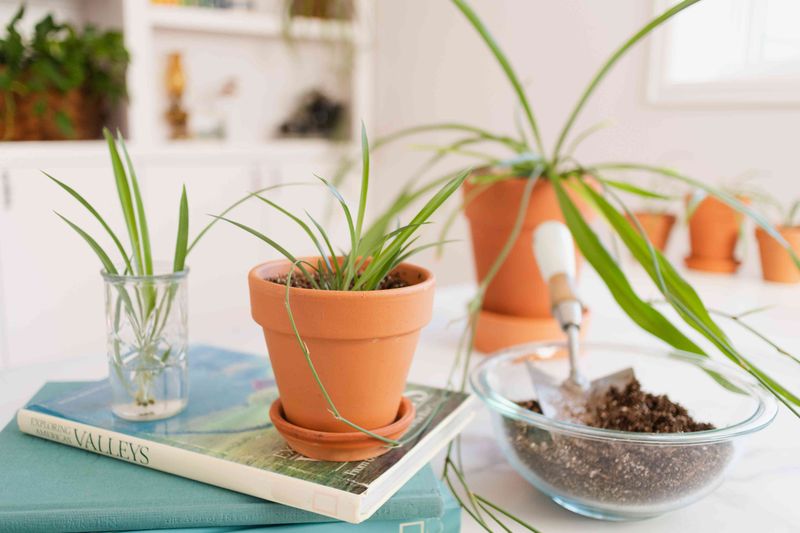
Spider plants grow fast. Before long, the mother plant sends out long, thin stems called runners, and at the end of each runner, you will find a small plantlet, often called a pup or spiderette.
These little guys already have tiny roots forming, which makes them incredibly easy to propagate. Simply snip the pup off the runner, place it in a small pot filled with moist potting mix, and press it gently into the soil.
You can also choose to separate crowded clumps at the root level if your spider plant has become too dense.
Carefully remove the plant from its pot, shake off excess soil, and gently pull apart the root clumps with your hands or a clean knife. Replant each section in fresh soil and water lightly.
Keep your newly potted spider plants in a spot with bright, indirect light. Avoid placing them in harsh afternoon sun, especially during the warmer months in Texas, as the leaves can scorch.
Within a few weeks, you should see fresh new growth pushing up from the soil, a sure sign your division was a success.
2. Peace Lily (Spathiphyllum Spp.)
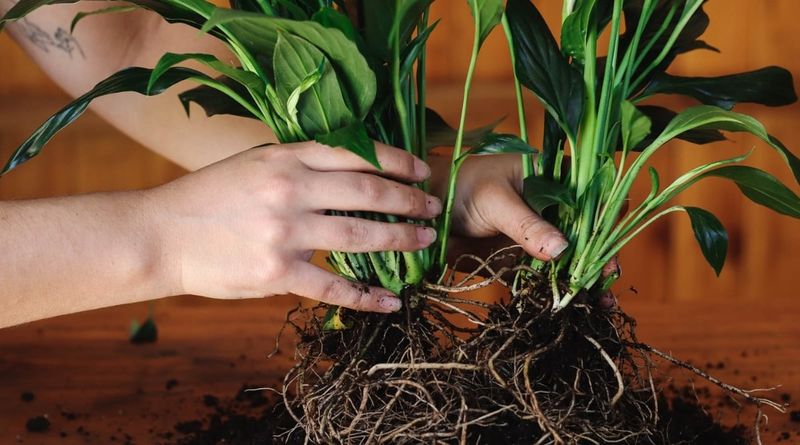
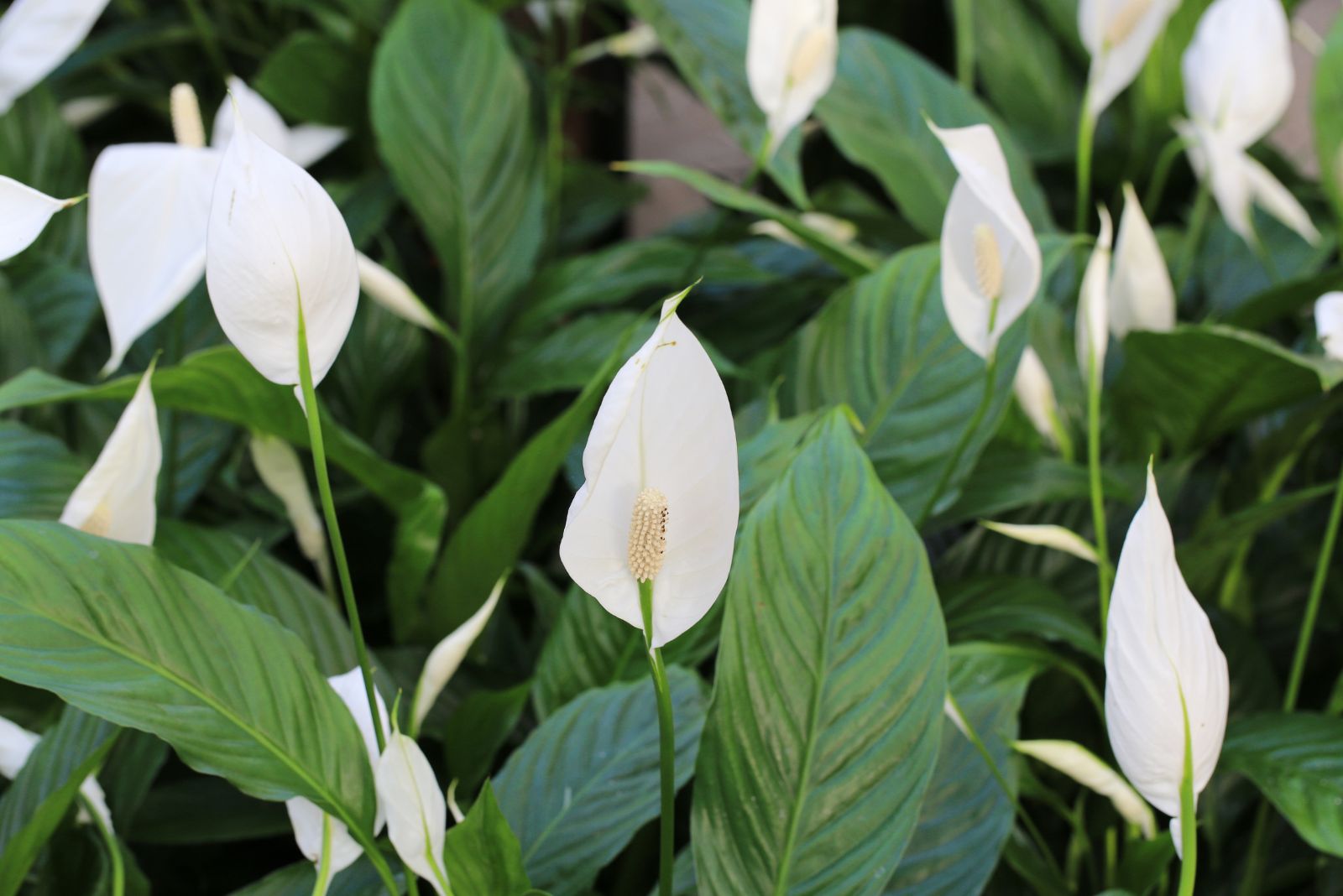
Walk into almost any Texas home and chances are you will spot a peace lily somewhere nearby. This plant has earned its place as a classic indoor favorite thanks to its gorgeous white blooms, deep green leaves, and impressive ability to clean the air around it.
But here is something many plant owners do not realize: when a peace lily gets too crowded in its pot, it actually starts producing fewer flowers.
March is the ideal time to change that. As the days grow longer and warmer across Texas, peace lilies wake up and begin actively pushing new growth.
That makes this the perfect window to remove the plant from its pot and take a good look at what is happening below the surface. If you see a tangled mass of roots with little room to breathe, it is time to divide.
Gently shake off as much old soil as you can and look for natural separation points in the root mass.
Use your fingers or a clean, sharp knife to carefully pull apart sections, making sure each division has both healthy roots and several leaves attached. Pot each new section into fresh, well-draining potting mix and water lightly.
Place your newly divided peace lilies in a spot with medium, indirect light. Avoid full sun, which can scorch the leaves.
Texas homes can get quite warm and dry, so misting the leaves occasionally or using a small humidifier nearby can help the plant settle in faster. Within a few weeks, you will likely see fresh white blooms beginning to form.
3. Snake Plant (Sansevieria Trifasciata)
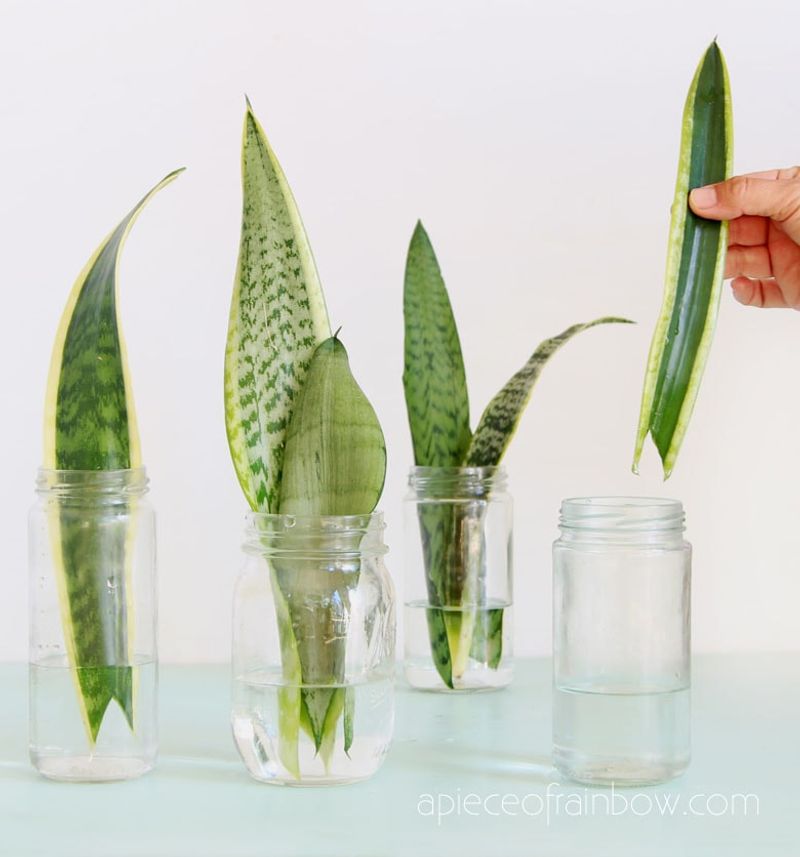
If there is one plant that practically takes care of itself, it is the snake plant. Tough, architectural, and nearly indestructible, this plant has survived in offices, bedrooms, and dimly lit corners across Texas for decades.
But even the hardiest plants benefit from a little attention now and then, and March is the perfect time to give your snake plant some love by dividing it.
Over time, mature snake plants spread outward and form large, dense clumps. When the roots start circling the bottom of the pot or you notice the plant looking cramped, that is your signal.
Division not only gives each section more room to grow, it also refreshes the plant and encourages stronger, more upright leaves going forward.
Start by carefully tipping the pot on its side and sliding the plant out. You may need to loosen the edges with a butter knife or trowel if the roots are tightly packed.
Once out, brush away old soil and look for natural clusters or offsets growing from the base. Use a sharp, clean knife to cut through the root mass, making sure each section has at least two or three leaves and a healthy root system attached.
Pot each division into well-draining cactus or succulent mix, which works beautifully for snake plants in the warm Texas climate. Press the soil firmly around the roots and water lightly.
Here is an important tip: do not overwater right after repotting. Snake plant roots are sensitive to excess moisture, especially when freshly cut. Let the soil dry out between waterings as the plant settles into its new home.
4. Pothos (Epipremnum Aureum)
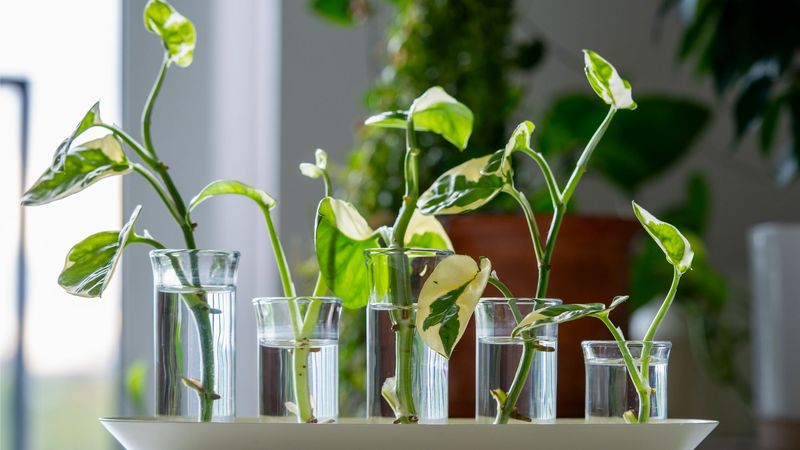
Pothos might just be the most popular trailing houseplant in Texas, and honestly, it deserves every bit of that reputation. With its heart-shaped leaves in shades of green, gold, and white, it looks stunning draping over a shelf or cascading from a hanging basket.
But if you have had yours for a while, you may have noticed the vines getting longer and longer while the base starts looking thin and bare. That is your cue to propagate.
March is a great time to take cuttings because the plant is gearing up for active growth. Look along each vine for a node, which is a small brown bump or nub where a leaf meets the stem.
Cut the vine into sections, making sure each piece has at least one node and one leaf. You can root these cuttings in a glass of water placed in a bright spot, or stick them directly into moist potting soil.
Water propagation is fun because you can watch the roots develop over a couple of weeks. Once the roots are about an inch long, transfer the cuttings into a pot with fresh potting mix.
If you are rooting directly in soil, keep the mix consistently moist for the first few weeks while the roots establish.
For Texas homes, pothos thrives in bright to medium indirect light and appreciates the warm indoor temperatures the state is known for.
Once your new cuttings are rooted and growing, you can pot several together in one container to create a fuller, bushier plant right from the start. It is one of the most rewarding propagation projects you can do indoors.
5. ZZ Plant (Zamioculcas Zamiifolia)
Slow and steady wins the race, and that description fits the ZZ plant perfectly. Known for its glossy, deep green leaves and almost legendary tolerance for neglect, the ZZ plant has won over plant lovers all across Texas who want something beautiful without a complicated care routine.
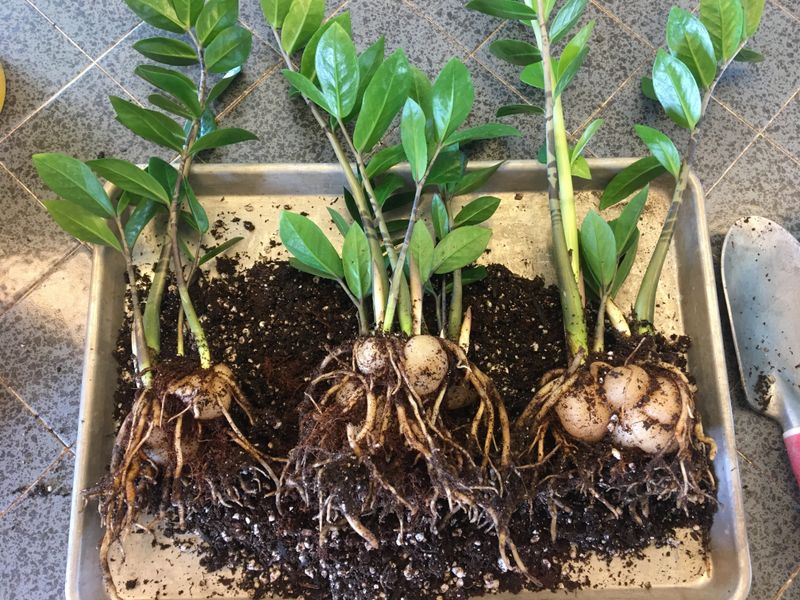
What many people do not know is that beneath the soil, this plant stores energy in thick, potato-like structures called rhizomes. And in March, those rhizomes are primed and ready to be divided.
Because ZZ plants grow slowly, it can take a few years before division becomes necessary. But when you start to see the roots pushing up through the drainage holes or the pot beginning to bulge slightly, that is a sure sign the rhizomes have filled up the container.
Dividing at this stage gives each section more space and encourages fresh, healthy growth throughout the spring and summer months ahead.
To divide your ZZ plant, carefully remove it from its pot and brush away the old soil. You will likely see several thick rhizomes connected together.
Gently pull them apart by hand, or use a clean, sharp knife to separate them. Make sure each division has at least one healthy stem with leaves and a good chunk of root attached.
Plant each section into a pot filled with well-draining soil, ideally a mix formulated for succulents or cacti, which suits the ZZ plant’s preference for drier conditions.
Texas heat can warm up indoor spaces quickly, so avoid placing newly divided plants in direct sunlight right away. Give them a week or two in bright, indirect light before gradually introducing more sun exposure.
6. Aloe Vera
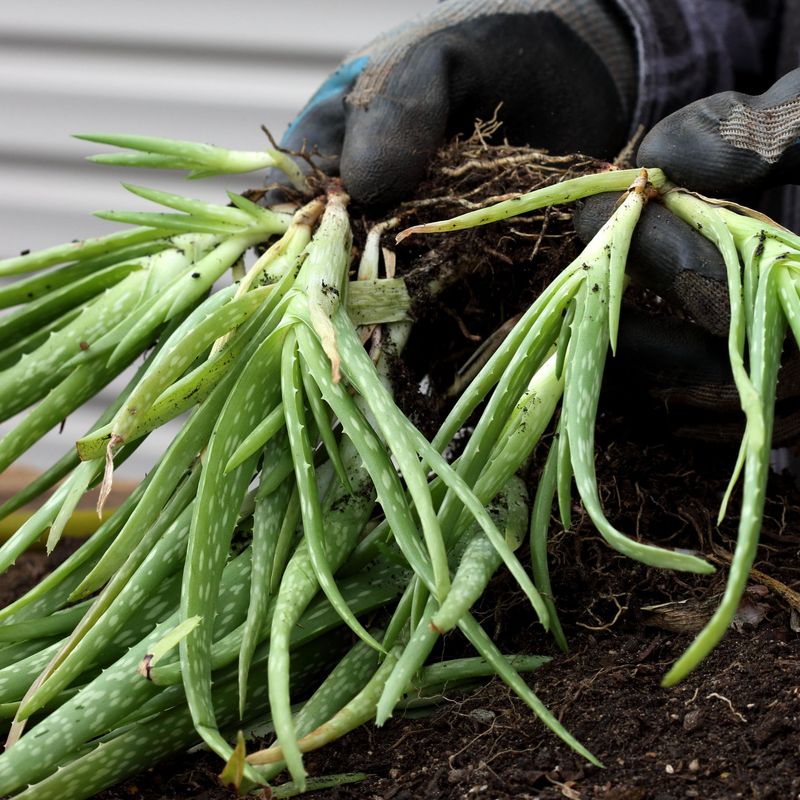
Aloe vera is practically a Texas tradition. From windowsills in San Antonio to patios in Dallas, this spiky, sun-loving succulent has been a go-to plant for generations.
Most people know aloe for its soothing gel, great for minor burns and skin irritation, but not everyone realizes how easy it is to multiply. March is the best time to check your aloe for offsets, which are tiny baby plants that sprout up around the base of the mother plant.
These offsets, sometimes called pups, grow from the same root system as the parent plant. When they are left in the same pot for too long, they compete for nutrients and water, which can slow down everyone’s growth.
Separating them in early spring gives both the parent plant and the pups a fresh start right as the growing season begins, which is especially helpful in Texas where spring warmth arrives early.
To remove a pup, tip the pot gently and slide the entire plant out. Brush away the soil to expose the roots and locate where the pup connects to the mother plant.
Use a clean, sharp knife to sever the connection, making sure the pup has some roots of its own. Let the cut end dry out for a day or two before planting, which helps prevent rot.
Plant your new aloe pups in a small terracotta pot filled with cactus or succulent mix. Terracotta is a great choice because it allows the soil to dry out faster, which aloe loves.
Place the pot in a bright, sunny spot and hold off on watering for about a week. Then water sparingly and watch your new aloe grow strong and healthy.