Maryland’s Venomous Little Mammal Keeps Hunting All Winter Under Your Leaves
A furry creature about the size of a mouse is crawling through your leaf pile right now with toxic spit.
Its saliva carries a venom strong enough to stun a frog or a mouse. Scientists have studied that venom for years, and it is one of the few mammal venoms known in North America.
Here’s what gets me. This tiny hunter doesn’t hibernate, doesn’t slow down much, and eats close to its own body weight in food each day. In Maryland, it stays busy all winter under leaves and snow.
I used to rake every leaf off my beds each fall. Now I leave a few piles in the back corners, and I think about the busy little predator tunneling below them. So who exactly is down there, and should you be worried about it at all?
A Tiny Gray Hunter With Venomous Spit Lives in Your Leaf Litter
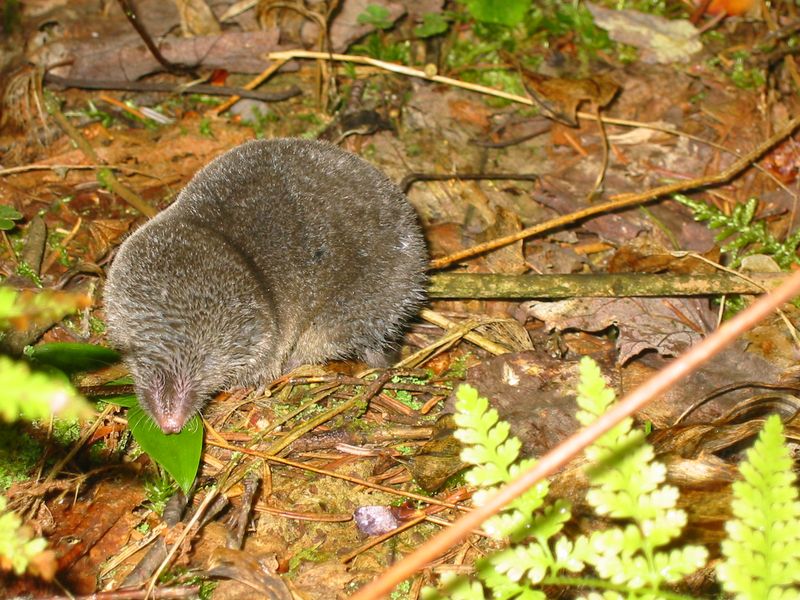
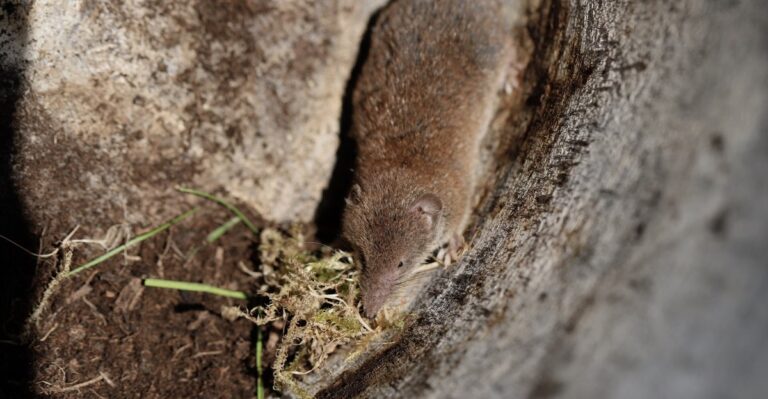
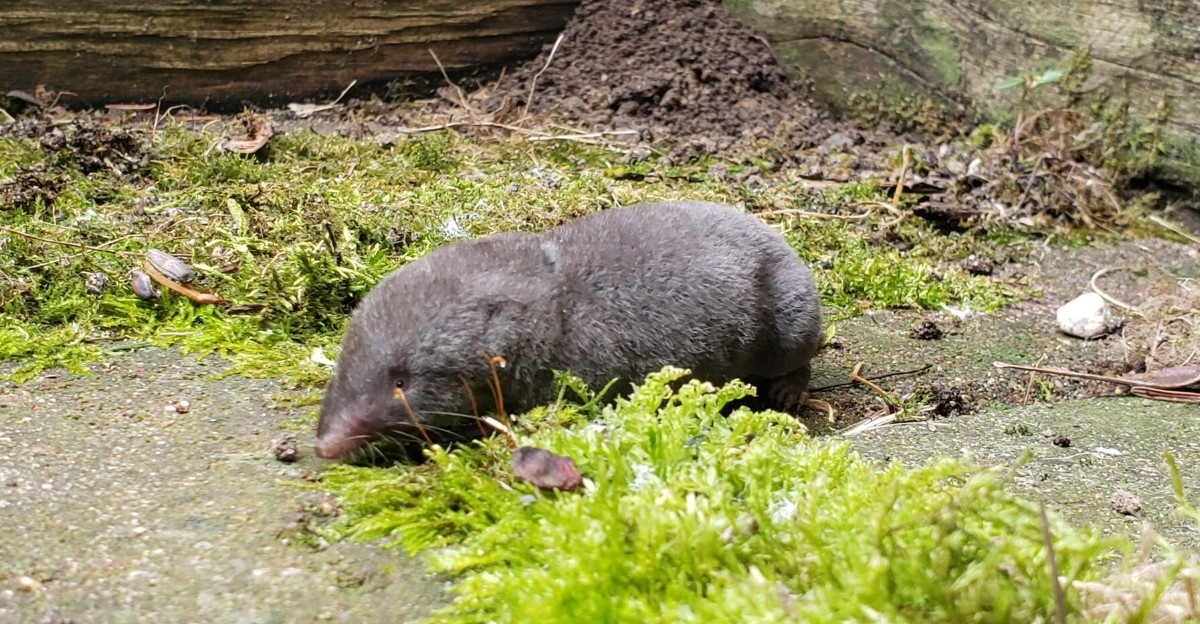
Meet your yard’s most surprising resident without ever seeing it. The northern short-tailed shrew, Blarina brevicauda, is common across most of Maryland, from the Piedmont to the western mountains and much of the Coastal Plain.
It is about 4 to 5 inches long, including a stubby inch-long tail. The fur is slate gray and soft like velvet. Its eyes are so small they almost vanish, and its ears hide under the fur.
People often mistake it for a mouse or a mole. A mouse has big ears, big eyes, and a long tail. A mole has huge paddle-shaped front feet for digging. This shrew has none of those features, just a pointy snout and a constant hurry.
Its claim to fame is venom. Glands under the jaw make saliva containing a protein called blarina toxin. When the shrew bites, the saliva flows into the wound and can paralyze small prey like insects, worms, salamanders, and even young mice.
Biologists consider it one of very few venomous mammals on Earth. The platypus and some solenodons join this unusual club. Pretty wild company for something hiding under your hostas.
Winter Leaves Become a Shrew Highway While Other Animals Sleep
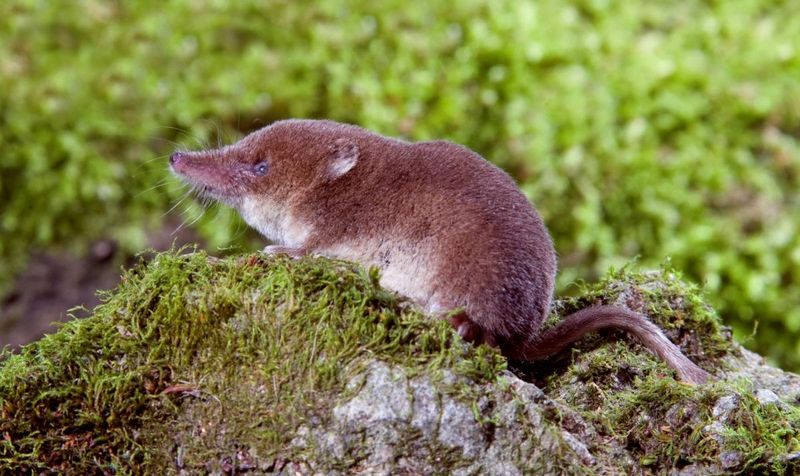
Cold weather doesn’t send this little predator to bed. Short-tailed shrews stay active through every Maryland winter, day and night, in short bursts of hunting and resting.
They can’t afford a break. A shrew’s metabolism runs so fast that it needs to eat often, roughly every few hours. Going without food for long puts it in real trouble, so hibernation simply isn’t an option.
Leaf litter is its winter shelter. A thick layer of leaves traps warmth near the ground and shields it from wind. Under snow, the space between soil and snow, called the subnivean zone, stays near freezing even on bitter nights.
Shrews build runways through this hidden layer. They also use mole tunnels and dig their own shallow burrows. Many build round nests of grass and leaves underground to rest between hunts.
Researchers have found something odd about shrews in cold regions. Some species shrink their bodies, and even their skulls, during winter to save energy, then regrow in spring. It’s called Dehnel’s phenomenon, and it has been documented in several shrew species.
So that quiet leaf pile isn’t quiet at all. It’s a busy winter hunting ground.
Should You Worry About a Shrew Bite in the Garden?
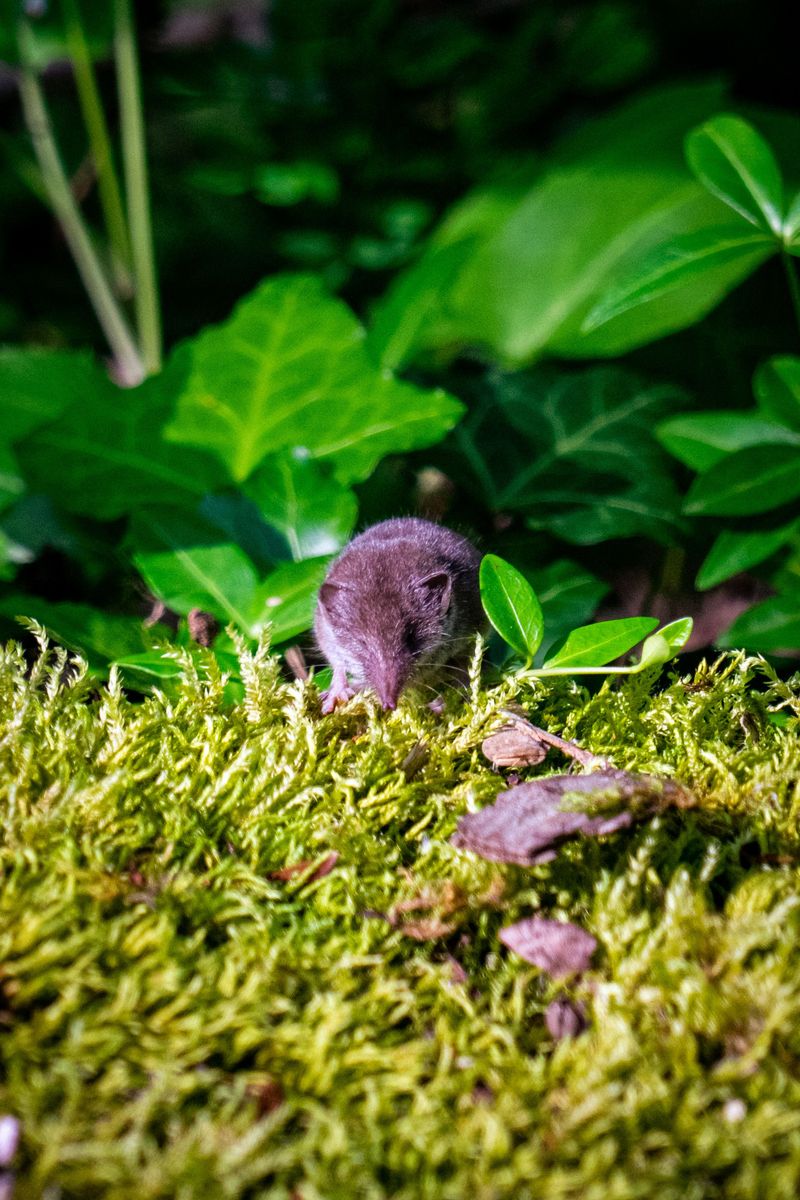
Let me ease your mind right away. A short-tailed shrew bite is not considered dangerous to people, and bites are rare.
The venom is built for tiny prey. A human hand is far too big for that small dose to cause serious harm. People who have been bitten, usually while picking up a shrew, report a burning pain and some swelling near the bite that can last a few days.
These shrews don’t go looking for trouble. They bite when grabbed or cornered, the same way most wild animals would. Leave them alone and they leave you alone.
Wear gloves when you dig through leaf piles, compost, or woodpiles. That simple habit protects you from shrews, spiders, and thorny debris all at once. If your cat brings one in, use gloves or a dustpan to move it outside.
If you do get bitten, wash the area with soap and water. Watch for redness or signs of infection, and call your doctor if anything seems off. Wild animal bites are always worth mentioning to a professional.
Also, shrews aren’t usually listed as rabies carriers of concern in Maryland, but any wild bite deserves care.
Slugs, Grubs, and Beetles Top This Shrew’s Winter Menu
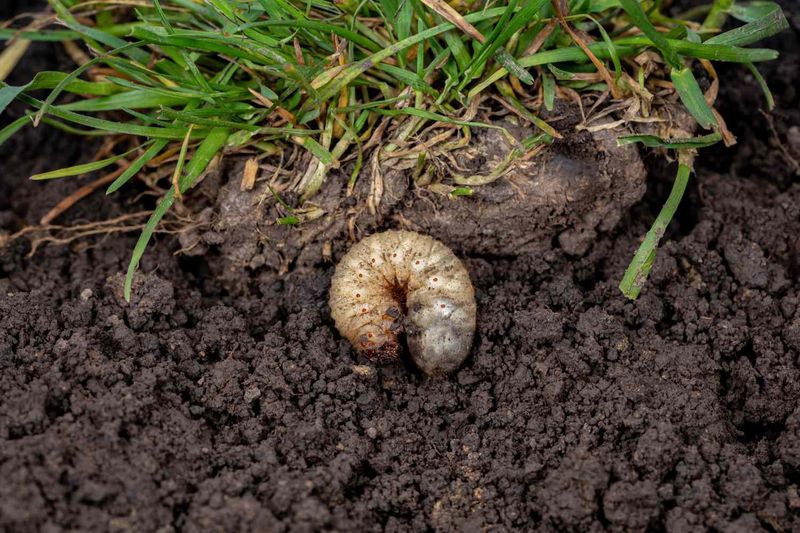
Guilty as charged, I once blamed every garden pest problem on bad luck. Then I learned how many pests a single shrew can eat.
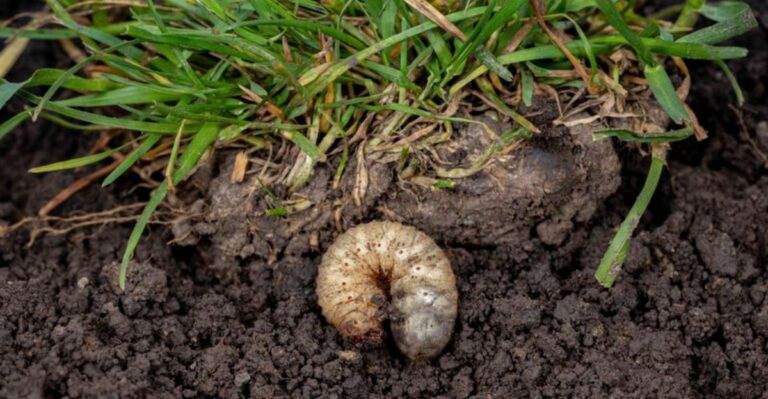
Short-tailed shrews mostly feed on invertebrates. Their menu includes earthworms, slugs, snails, beetle larvae, cutworms, centipedes, spiders, and insect pupae hiding in the soil. In winter, they dig out overwintering insects that most birds can’t reach.
They also eat seeds, fungi, and sometimes small vertebrates. Mice, voles, salamanders, and small snakes can end up on the menu when the venom helps them win.
One wild trick fascinates me. Shrews sometimes stash paralyzed prey in their burrows. The venom keeps snails and insects alive but still, like a tiny pantry that stays fresh for days.
For gardeners, this matters. Slugs and grubs that overwinter in your beds become shrew snacks long before spring planting. Fewer of them survive to chew on lettuce and lawn roots.
The shrew also eats some earthworms and beneficial beetles. Nature doesn’t sort pests neatly. Still, extension experts generally describe these shrews as helpful to gardeners overall.
Think of it as free, round-the-clock pest patrol that works best when you skip the chemicals.
Those Little Tunnels in Your Lawn May Not Belong to a Mole
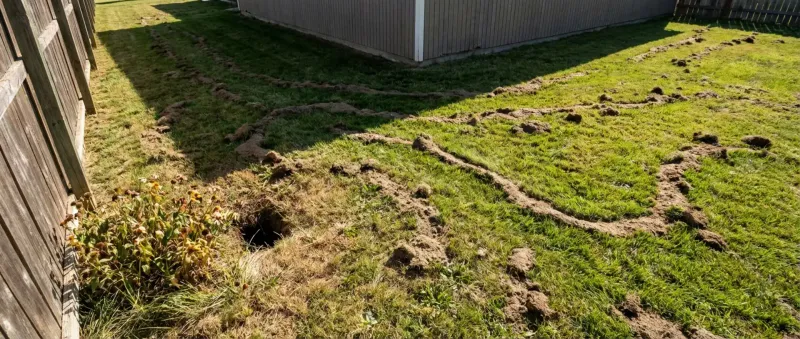
Spring snowmelt often reveals a maze of trails across the lawn. Many homeowners point straight at moles, but shrews and voles leave similar signs.
Surface runways about an inch wide, often matted into the grass, usually belong to voles. Shrews frequently borrow those same runways and nearby mole tunnels. Raised ridges with volcano-shaped dirt mounds point to moles.
Small round holes, about the width of a finger or slightly bigger, can lead to shrew burrows. You may also notice a musky smell. Shrews have scent glands that give them a strong odor, which is why many cats catch them but refuse to eat them.
Getting the culprit right saves you money and frustration. Voles chew plant roots and bark. Moles and shrews mostly eat insects and worms rather than your plants.
So before setting traps or buying repellents, take a closer look. Check whether plant roots have been gnawed. Look for chewed bark at the base of shrubs.
If plants look fine, your tunnel maker is probably an insect eater. In that case, a little patience usually works better than any product. The trails fade quickly once the grass greens up.
Squeaks and Clicks Help Shrews Find Their Way in the Dark
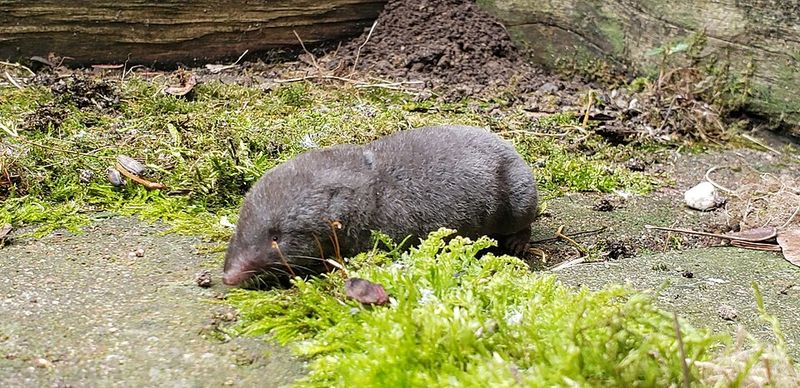
Not going to lie, this part sounds made up. Short-tailed shrews appear to use a simple form of echolocation.
With eyes that barely work, they rely on other senses. They make high-pitched clicks and twitters while exploring. Researchers have found evidence that these sounds help them sense their surroundings, much like a basic version of what bats do.
It isn’t sharp enough to catch flying insects. Scientists think it helps them judge openings, tunnels, and obstacles in dark leaf litter and burrows.
Touch and smell do much of the hunting work. Long whiskers sweep side to side as they move. A sensitive snout sniffs out grubs buried in soil or hidden under bark.
You might hear them before you ever see them. On quiet evenings near a woodpile or leaf bed, faint high squeaks sometimes give them away. Kids often have the ears to pick up those sounds better than adults.
Shrews also communicate with each other using sounds, especially during brief meetups. They mostly live alone and defend small territories, so most encounters are quick and grumpy.
Next time you hear rustling under the leaves, stop and listen.
Owls and Foxes Count on This Busy Little Snack
Life is short and fast for a shrew. Most live only a year or so in the wild, rarely reaching two.
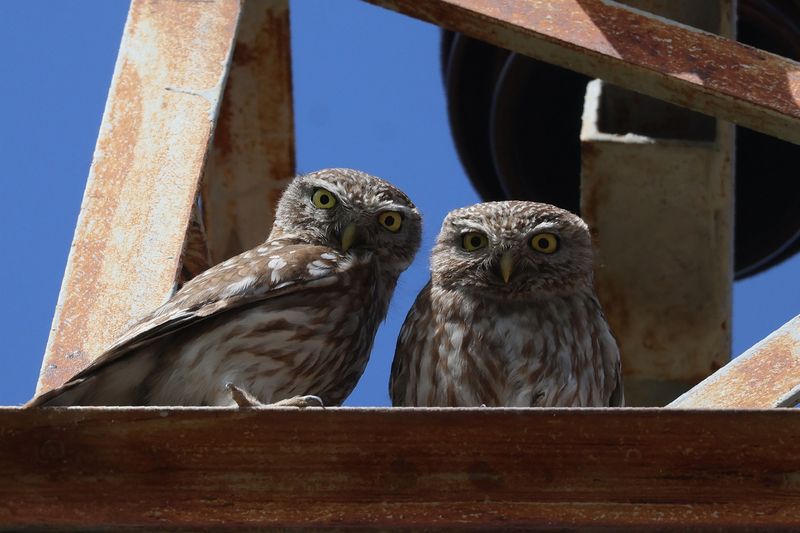
That brief life feeds a whole community of predators. Owls, especially barred owls, great horned owls, and barn owls, catch many shrews. Biologists often find shrew skulls in owl pellets, which shows how common they are.
Hawks, snakes, foxes, weasels, and house cats hunt them too. Many mammals catch shrews but leave them uneaten because of the musky scent. Owls have a weak sense of smell, so the odor doesn’t bother them much.
Shrews breed from spring through fall. A female can have a few litters a year, with several tiny babies each time. That steady turnover keeps populations healthy even with so many hunters around.
For your yard, shrews are a sign of a working food web. Insects feed shrews, and shrews feed owls. Remove the bottom of that chain and the top suffers too.
I love hearing barred owls calling on winter nights. It’s fun knowing that the little creatures under my leaves help keep those owls around.
Leave a Few Leaf Piles and Let Your Shrew Patrol Work
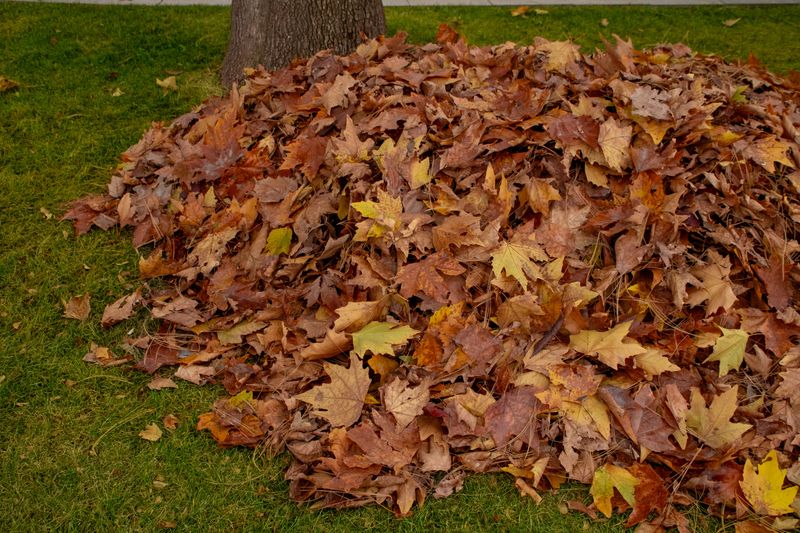
Trust me on this one. A slightly messy yard in winter is a gift to wildlife, and shrews are just the start.
Leave fallen leaves in garden beds, under shrubs, and along fence lines. The University of Maryland Extension encourages gardeners to keep leaves as mulch because they protect soil and shelter beneficial creatures.
Brush piles, logs, and rock edges add even more shelter. Place them away from the house foundation so critters don’t move indoors. Shrews occasionally wander into basements, and sealing gaps keeps them outside.
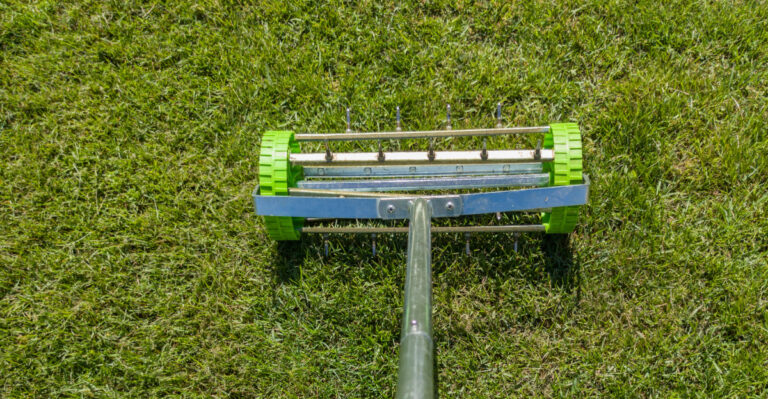
Skip broad pesticide use, especially for lawn grubs. Shrews eat grubs and other insects, and poisons reduce their food and can harm them. Targeted, careful approaches work better for the whole yard.
Keep cats indoors when you can. Outdoor cats catch huge numbers of small mammals and birds every year.
Front lawns can stay tidy if neighbors expect it. Just let the back corners go a little wild. Shred some leaves with a mower and spread them over beds if you prefer a neater look.
Come spring, your soil will be richer, your pests fewer, and your tiny venomous neighbor still hard at work.