8 Invasive Flowers Maryland Homeowners Should Never Plant
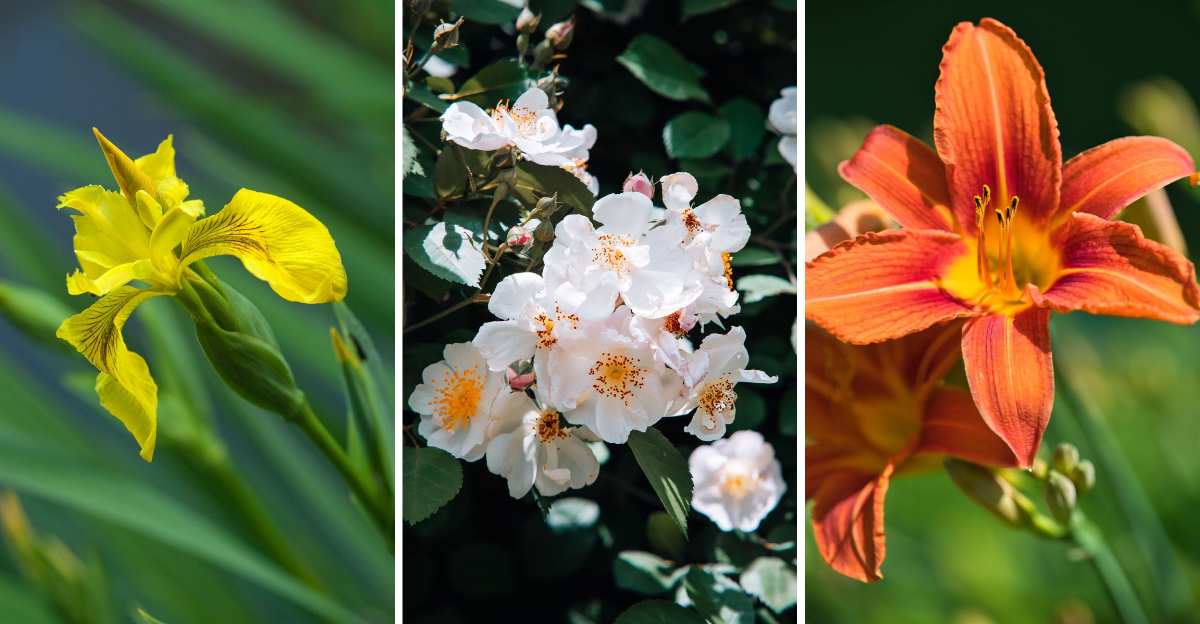
Beauty deceives you the moment you plant it. Charm hides ambition inside every flower you admire.
Roots creep farther than your eyes ever notice. Maryland hides invaders inside your gorgeous yard.
Wetlands bend while blossoms hold your attention completely. Forests lose ground to flowers you trusted blindly.
Meadows near your home shrink as seeds travel further. Nobody warns you before the damage spreads wide.
Every corner of Maryland affects your planned garden. Neighbors near you plant them without knowing the danger.
Ecosystems near your property shift then change fast. You hold more power here than you realize.
Choices you make today decide what lasts tomorrow. Some flowers you love are quietly working against you. Butterfly bush spreads seeds across your county while you smile.
Purple loosestrife fills wetlands near your favorite trail. English ivy climbs your trees until sunlight disappears. What you plant next could quietly reshape everything around you.
1. Purple Loosestrife
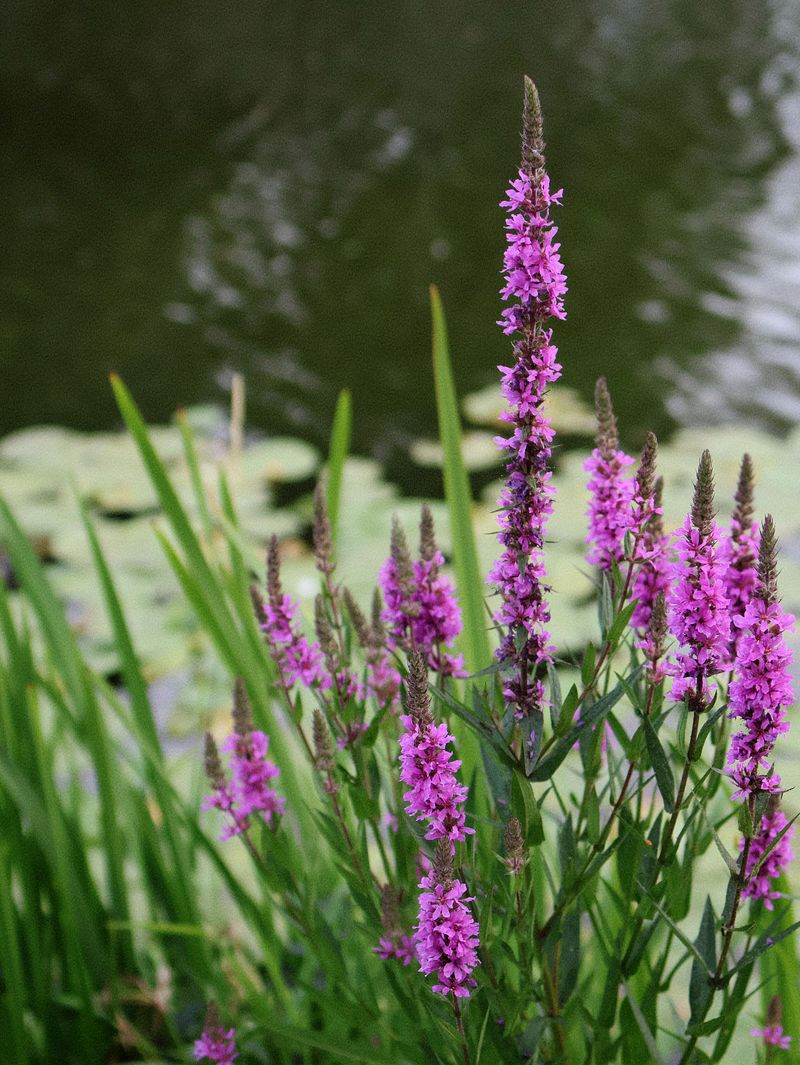
Purple Loosestrife looks like a dream planted near a pond. Those tall spikes of magenta blooms seem magical in late summer light.
Sadly, this plant is a wetland nightmare in disguise. One mature plant can produce over a million seeds per year, with some estimates reaching two million.
Lythrum salicaria arrived from Europe in the early 1800s. It hitched rides in ship ballast and quickly spread across North America.
Once established, it forms dense, single-species colonies. Native cattails, sedges, and marsh grasses simply cannot compete.
Wildlife is affected too. Waterfowl and muskrats lose the food and shelter that native wetland plants once provided.
Maryland classifies it among its most concerning invasive species, reflecting a serious ecological threat statewide.
Removing it is genuinely hard work. Roots go deep, and any fragment left behind can sprout a brand-new plant.
Homeowners near streams or ponds face the biggest risk. Even a single plant in your yard can seed a nearby wetland fast.
A beautiful native swap is blue vervain. It offers similar height and purple color without the ecological drawbacks.
Swamp rose is another stunning option. It supports pollinators and fits naturally into Maryland’s wet landscapes.
If you spot Purple Loosestrife blooming nearby, act quickly. Removing it before seed set is the single most effective strategy you have.
2. Butterfly Bush
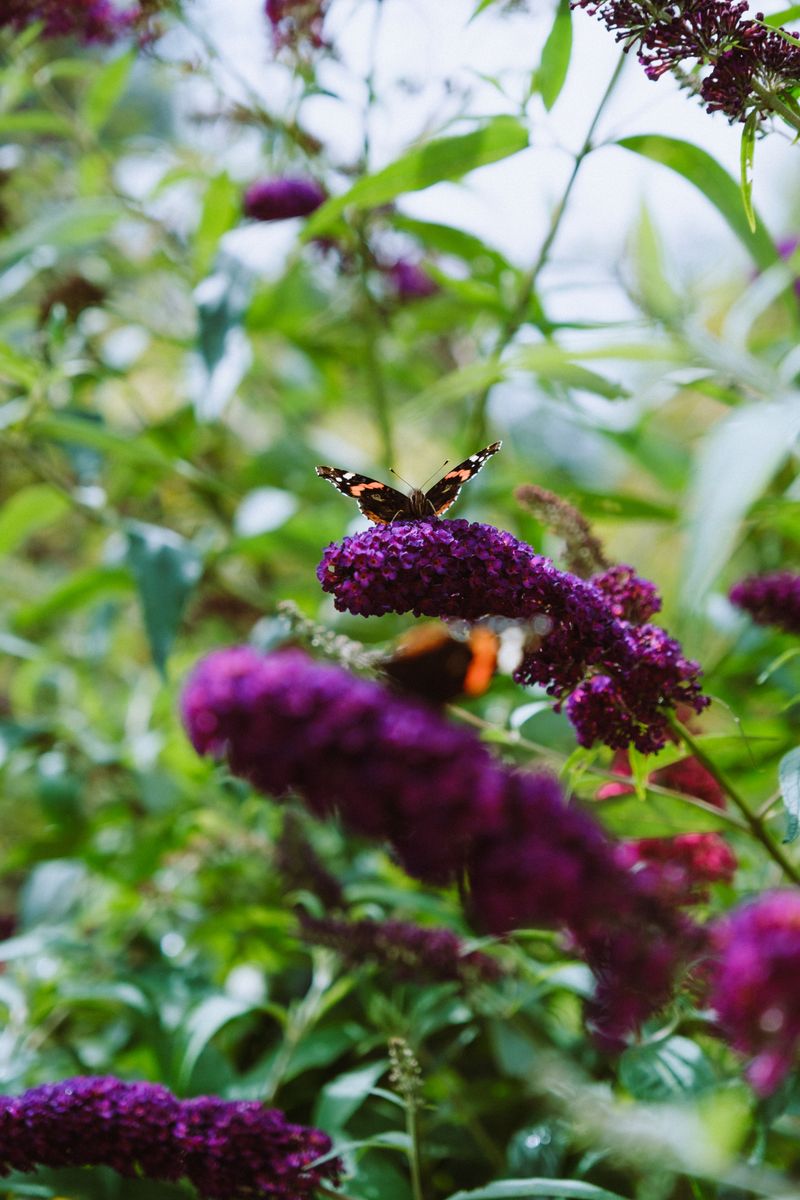
Butterfly Bush sounds like the hero of every pollinator garden. Those long, fragrant flower cones do attract butterflies by the dozens.
Buddleja davidii came from China and quickly became a garden staple across America. Its fast growth and showy blooms made it irresistible to nurseries and homeowners alike.
But attracting butterflies is not the same as supporting them. Adult butterflies sip nectar, but their caterpillars need native host plants to survive.
Butterfly Bush offers no caterpillar support. No native butterfly species can complete its life cycle on this shrub.
Meanwhile, the plant spreads aggressively by seed. A single shrub can produce tens of thousands of seeds per year, each one light enough to float on a breeze.
Seeds land in disturbed areas, roadsides, and natural areas near your home. Once established, the shrub crowds out native vegetation quickly.
Your Maryland Garden Changes Every Week. Your Plan Should Too.
Gardening in Maryland changes quickly throughout the season. Every Friday you’ll receive a simple weekly plan showing exactly what to plant, prune, fertilize, harvest, and protect so you never miss the right timing.
Maryland’s natural landscapes are already under pressure. Adding a prolific seed producer near wild areas accelerates that damage.
Some gardeners buy sterile cultivars, believing they solve the problem. However, research suggests many marketed sterile varieties can still produce a small number of viable seeds.
Native alternatives are genuinely better for pollinators. Buttonbush supports numerous native bee species and blooms beautifully in wet spots.
Swamp milkweed is a monarch butterfly magnet. It serves as both nectar source and caterpillar host plant in one package.
Choosing plants that complete the full ecological cycle transforms your yard. A real butterfly garden feeds every life stage, not just the pretty winged adults.
3. Yellow Flag Iris
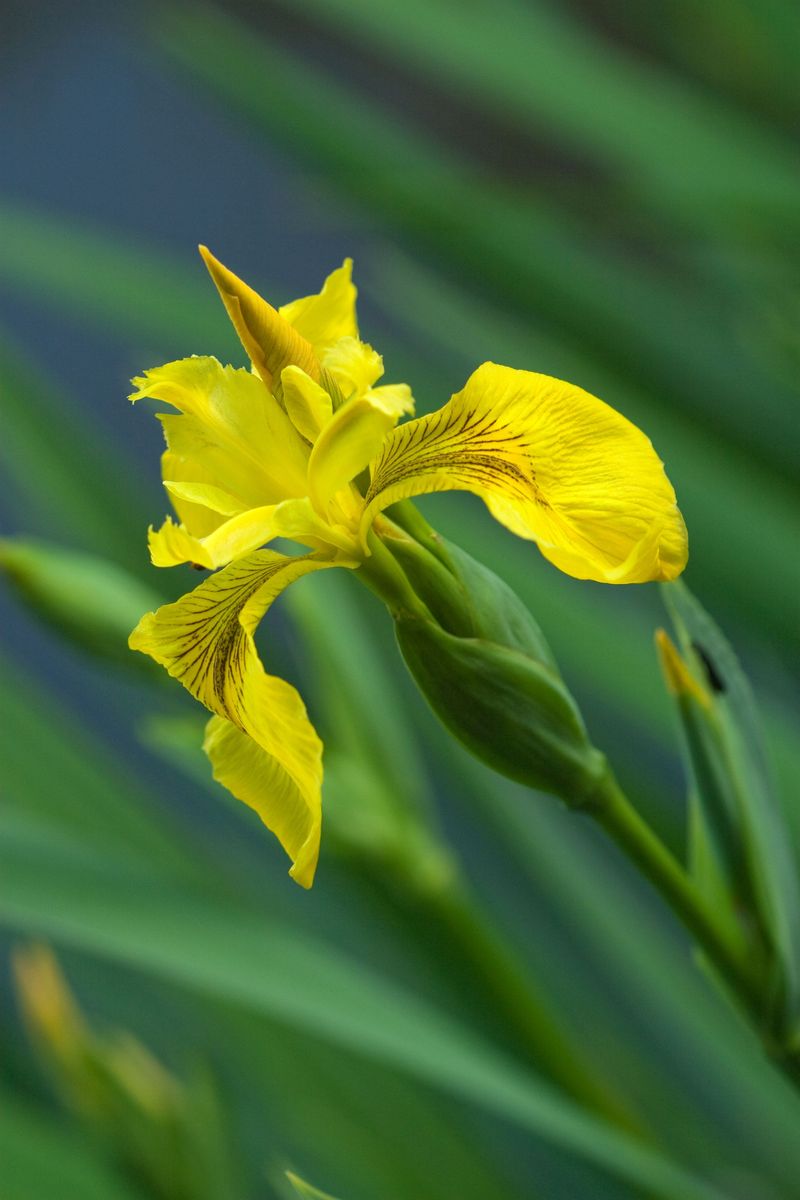
Yellow Flag Iris looks like it belongs on a painter’s canvas. Those bold yellow blooms over sword-shaped leaves feel almost too perfect.
Gardeners have adored Iris pseudacorus for centuries. It has long been associated with French royal heraldry, though historians still debate whether the fleur-de-lis was originally based on the iris, the lily, or another flower.
But charm does not equal safety. This European native has become one of Maryland’s most problematic aquatic invaders.
It spreads two ways: by seed and by thick underground rhizomes. Both methods make removal exhausting and time-consuming.
Dense stands block sunlight from reaching native aquatic plants below. Open water areas shrink as colonies expand outward season after season.
Turtles and frogs lose basking spots. Native fish lose the shallow-water vegetation they depend on for spawning.
Here is a fact most gardeners do not know: all parts of Yellow Flag Iris are toxic. Skin contact with the sap can cause irritation and rashes.
Children and pets exploring near water deserve a safer environment. Planting this species near family spaces creates an unnecessary hazard.
Some state agricultural resources caution against planting it, and a number of local nurseries have reduced or stopped stocking it.
Blue flag iris is a stunning native alternative. It thrives in wet soils and supports native bees beautifully.
Pickerelweed is another excellent choice for pond edges. Its purple flower spikes attract butterflies and blend naturally into the landscape.
Swapping Yellow Flag Iris for native species protects both your family and the waterways just beyond your backyard fence.
4. Orange Daylily
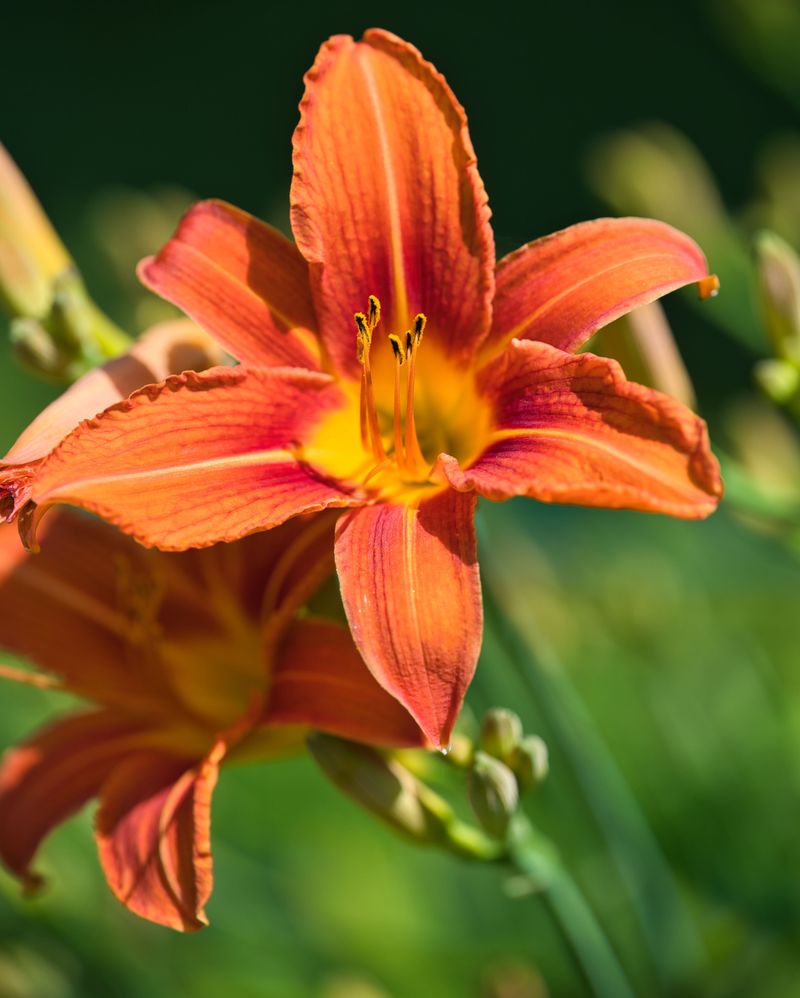
Few flowers feel as nostalgic as the orange daylily. Those fiery blooms lining old farmhouse roads are a familiar sight in older gardens.
Hemerocallis fulva arrived from Asia centuries ago. Early settlers treasured it, and it spread from garden to garden across generations.
The problem is that it never stopped spreading. Today it colonizes roadsides, meadows, and forest edges across Maryland.
Each plant sends out fleshy underground stolons in every direction. A small clump can become a massive patch within just a few seasons.
Native wildflowers cannot compete with that aggressive growth. Species like wild bergamot and black-eyed Susan get pushed out completely.
Pollinators lose diversity when orange daylily dominates a field. Native bees and butterflies need a variety of blooms to thrive year-round.
Here is the surprising part: orange daylilies rarely produce viable seeds. They spread almost entirely through root division and human planting.
That means every new colony traces back to a gardener’s choice. Choosing not to plant it genuinely makes a difference.
Removal requires digging out every fleshy root fragment. Leave even a small piece behind, and the plant bounces right back.
Native alternatives deliver equal beauty without the baggage. Wild columbine offers dramatic red and yellow blooms that hummingbirds adore.
Maryland’s native coneflower is another bold summer bloomer. It feeds goldfinches in fall and pollinators all season long.
Swapping one nostalgic bloom for a native one might feel small, but for local ecosystems, that single choice carries real weight.
5. Lesser Celandine
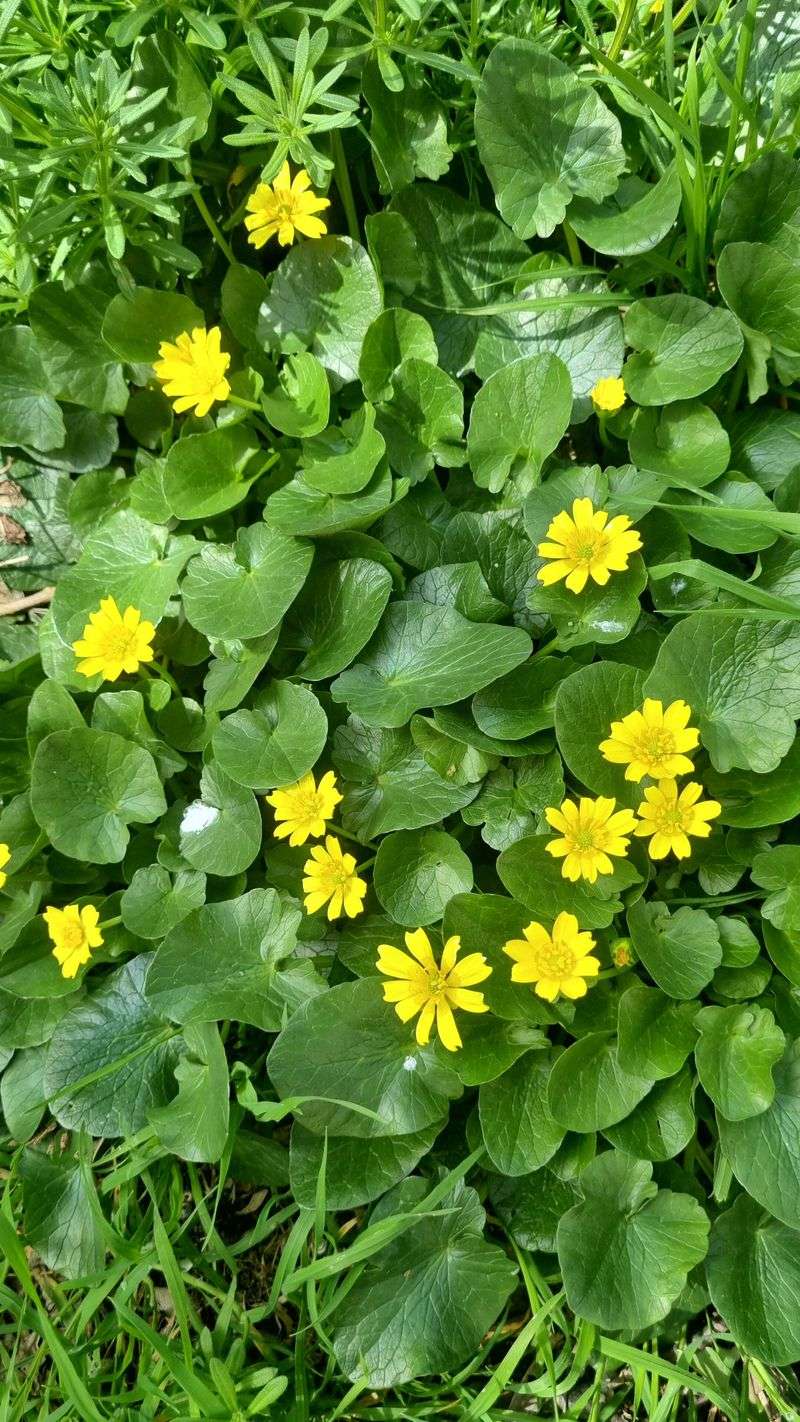
Lesser Celandine is the early bird of invasive plants. It emerges in late winter, sometimes while snow still patches the ground.
Ficaria verna carpets forest floors in glossy green leaves and cheerful yellow flowers. From a distance, it looks like a native spring wildflower.
That mistaken identity is part of what makes it so dangerous. Gardeners sometimes admire it before realizing the damage underneath.
By the time native spring ephemerals like trout lily and Virginia bluebells try to grow, Lesser Celandine has already claimed the light. Native wildflowers cannot photosynthesize without sunlight.
The plant goes dormant by early summer. But the damage is already done, and the soil is loaded with tiny bulbils ready to sprout next year.
Each plant produces hundreds of these underground bulbils. Every time you dig to remove the plant, you spread the bulbils further.
Removal requires patience and persistence over multiple seasons. Herbicide treatment during active growth is often the most effective control method.
Maryland stream corridors and floodplains are especially vulnerable. Lesser Celandine spreads rapidly along waterways, blanketing entire slopes in a single season.
Native spring alternatives are breathtaking without the ecological cost. Bloodroot offers delicate white blooms and spreads slowly and politely.
Wild ginger creates a lush, low ground cover in shady spots. It supports native insects and stays exactly where you plant it.
Spotting Lesser Celandine early gives you the best chance at control. Act in late winter before those yellow flowers open and set seed.
6. Japanese Honeysuckle
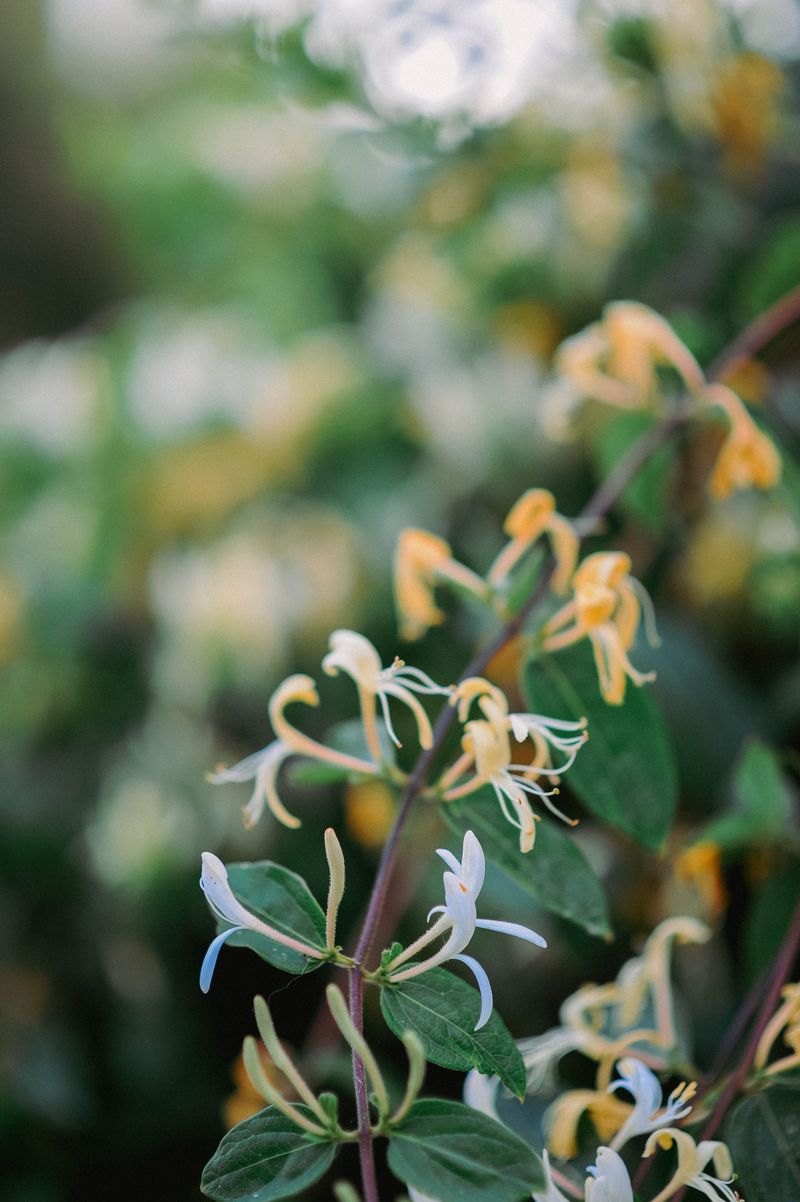
The scent of Japanese Honeysuckle on a summer evening feels like a familiar, sentimental favorite. Many Marylanders grew up pulling those tiny sweet blooms and tasting the nectar.
Lonicera japonica was introduced in the 1800s as an ornamental and erosion control plant. It thrived so well that it never needed any help spreading again.
Today it blankets roadsides, forest edges, and backyards across the mid-Atlantic. Its vines climb trees, shrubs, and fences with vigorous growth.
Dense vine coverage blocks sunlight from reaching the plants below. Young trees and native shrubs can be completely girdled and weakened over time.
Birds do eat the berries and spread seeds widely. That means your garden can seed a forest preserve several miles away.
Removing established vines requires cutting at the base repeatedly. Roots are deep and vigorous, often resprouting after multiple removal attempts.
The plant also stays semi-evergreen in Maryland’s mild winters. That means it keeps shading out competition even when other plants are dormant.
Native coral honeysuckle is a gorgeous, well-behaved alternative. It attracts hummingbirds with tubular red blooms and stays neatly within bounds.
Trumpet vine is another bold native climber for fences and trellises. Both species offer that vertical garden drama without the invasive spread.
If you love the fragrance of Japanese Honeysuckle, plant native wild bergamot nearby. Its minty-sweet scent attracts bumblebees and fills the air just as beautifully.
Choosing a native climber means keeping the charm while protecting the forest just beyond your fence line.
7. Multiflora Rose
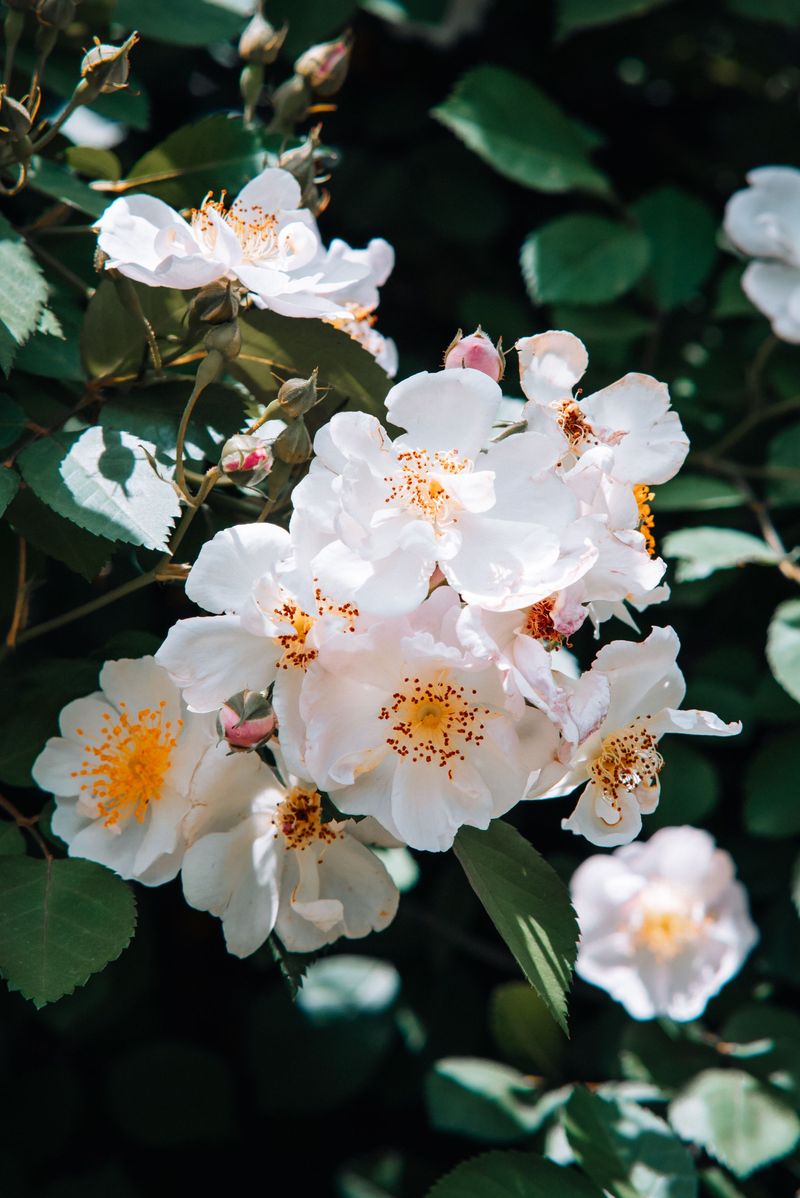
Multiflora Rose was once promoted by the U.S. government as a living fence for farms. That recommendation turned into a well-documented example of unintended ecological consequences.
Rosa multiflora arrived from Asia and was widely planted through the 1960s for erosion control and wildlife habitat. Within decades, it had escaped cultivation across the entire eastern United States.
A single mature shrub can produce hundreds of thousands of seeds annually. Birds eat the small red hips and deposit seeds across fields, forests, and roadsides.
The result is dense, thorny thickets that few animals can penetrate. Native shrubs and young trees cannot establish in those conditions.
Deer avoid Multiflora Rose because of its thorns. That selective pressure actually helps the plant dominate while deer browse competing native shrubs instead.
Removal is genuinely demanding work. Thick gloves, long sleeves, and serious determination are all required before you even start digging.
Cutting alone does not work. The root crown must be removed or repeatedly cut over several growing seasons to exhaust the plant’s energy reserves.
Maryland classifies it among its most serious invasive species, in the same high-threat category as Purple Loosestrife.
Native alternatives for hedgerows and borders are excellent. Buttonbush, inkberry, and native viburnums all provide wildlife value without the aggressive spread.
Pasture rose is a beautiful native option with similar small blooms. It supports native bees and stays manageable in garden settings.
Replacing Multiflora Rose one shrub at a time helps reclaim Maryland’s fields for the native plants that belong there.
8. Creeping Jenny
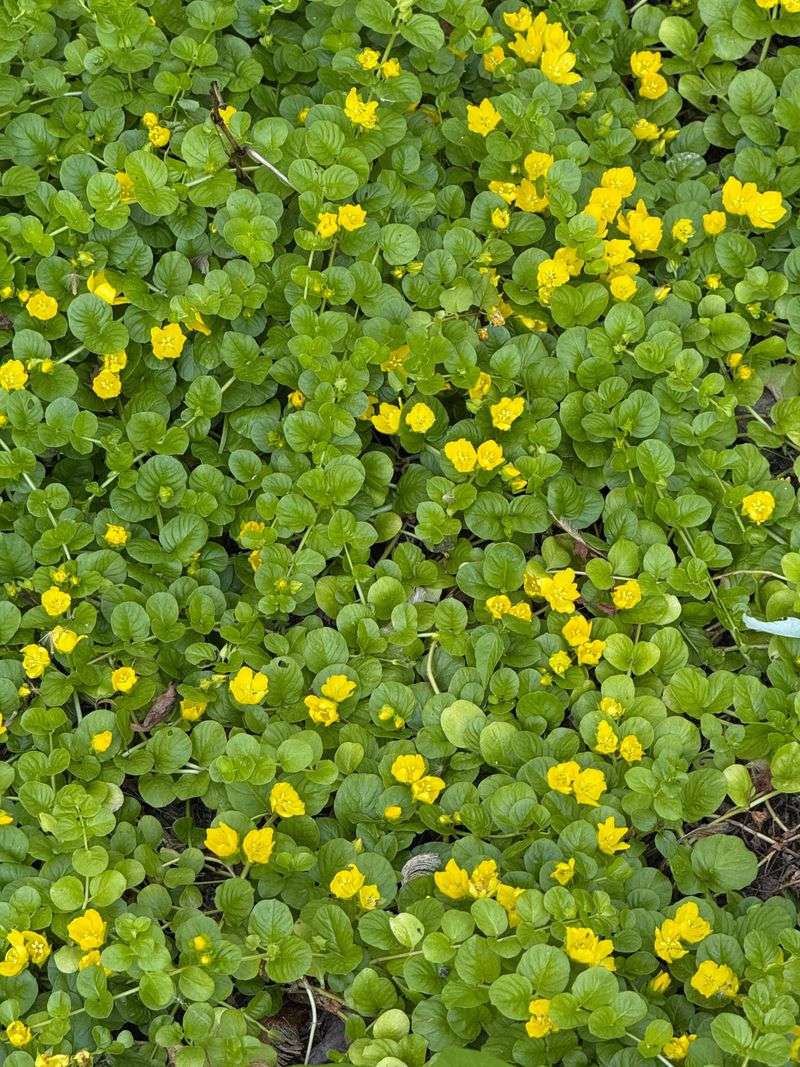
Creeping Jenny looks harmless in a hanging basket at the garden center. Those bright chartreuse leaves and trailing stems seem perfectly tame.
Lysimachia nummularia is a European native that has found Maryland’s climate extremely agreeable. It roots wherever a stem node touches moist soil.
In wet areas and along stream banks, it forms dense mats quickly. Native low-growing plants like wild violets and ground ivy simply get smothered.
The golden variety sold in most nurseries is especially popular. Gardeners use it as ground cover, not realizing how far it plans to travel.
Once it reaches a stream or drainage ditch, containment becomes nearly impossible. Water carries stem fragments downstream, starting new colonies with every rain event.
Maryland’s riparian zones are particularly at risk. These streamside areas are critical habitat for amphibians, insects, and nesting birds.
Removing Creeping Jenny from established areas requires pulling every stem fragment. Any piece left in contact with soil will root and regrow within days.
Regular monitoring after removal is essential. A quick weekly check through early summer can catch regrowth before it reclaims lost ground.
Native alternatives for shady, moist ground cover are genuinely lovely. Wild ginger forms a glossy, dense carpet that supports native insects all season.
Green-and-gold is another outstanding native ground cover for part-shade areas. Its yellow flowers brighten spring gardens while staying politely within bounds.
Swapping Creeping Jenny for a native ground cover is one of the simplest swaps invasive flowers Maryland gardeners can make for lasting ecological impact.