Massachusetts Lawns Are Seeing Chinch Bugs Earlier Than Usual This Year
Your lawn is changing faster than any heatwave alone could explain. Massachusetts lawns, including yours, are browning weeks ahead of schedule. Chinch bugs arrived early, and your grass is already showing signs.
Weeks before anyone expected trouble, your yard started thinning out. These insects drain your grass from the roots upward. Brown patches spread quickly across your entire lawn before you notice.
Nothing about your dry spots comes from drought alone. Watering more won’t fix your struggling grass this time. Homeowners across Massachusetts, including you, are noticing this identical pattern.
Roots weaken quietly while your lawn’s surface still looks fine. Feeding intensifies as your soil warms earlier each season. Neighbors compare notes, confused by their own struggling lawns near you.
Every single day you wait costs your lawn more valuable ground. Confusion alone won’t fix your yard, but information will. You cannot afford to guess what is affecting your lawn.
Why Chinch Bugs Are Showing Up Earlier This Year
Warm winters change everything. Massachusetts lawns are seeing chinch bugs earlier this year because of an unusually mild winter season.
Temperatures stayed above freezing for longer stretches than normal. That gave chinch bug eggs a head start on hatching before spring even arrived.
Pest activity typically ramps up in late June or July. This year, reports of damage are coming in as early as May, an earlier timeline than lawn care professionals typically expect.
Chinch bugs thrive when soil stays warm and dry for extended periods. When winter does not deliver hard freezes, the insect population does not get reduced naturally.
Think of a cold winter as a reset button for pest populations. Without that reset, bugs that survived the fall simply kept breeding through the mild months.
Turf health data from regional extension offices shows similar seasonal shifts in recent years. Warmer seasonal temperatures are shifting the timeline for many lawn pests, not just chinch bugs.
Homeowners who rely on a predictable pest calendar are getting caught off guard. Waiting until midsummer to check for damage could mean losing large sections of turf this season.
The earlier the infestation begins, the more generations of bugs can develop in a single season. More generations mean more damage across a wider area of your yard.
Staying informed and acting early is the smartest move any lawn owner can make right now. Your lawn may already be affected, so early monitoring helps.
Signs Your Massachusetts Lawn Already Has an Infestation
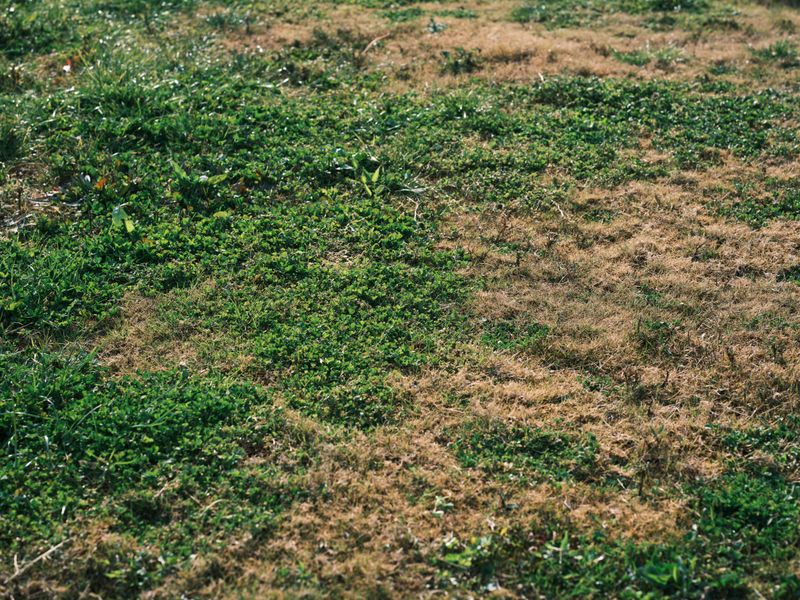
Brown patches appear, and most people blame the heat. But when the damage shows up in irregular shapes near sunny edges, chinch bugs are often the real cause.
One of the clearest early signs is yellowing grass that does not recover after watering. Healthy turf bounces back quickly, but chinch bug damage just keeps spreading outward.
Check the border between green and yellow grass first. That transition zone is where active feeding is happening, making it the best spot to search for live insects.
Your Massachusetts Garden Changes Every Week. Your Plan Should Too.
Gardening in Massachusetts changes quickly throughout the season. Every Friday you’ll receive a simple weekly plan showing exactly what to plant, prune, fertilize, harvest, and protect so you never miss the right timing.
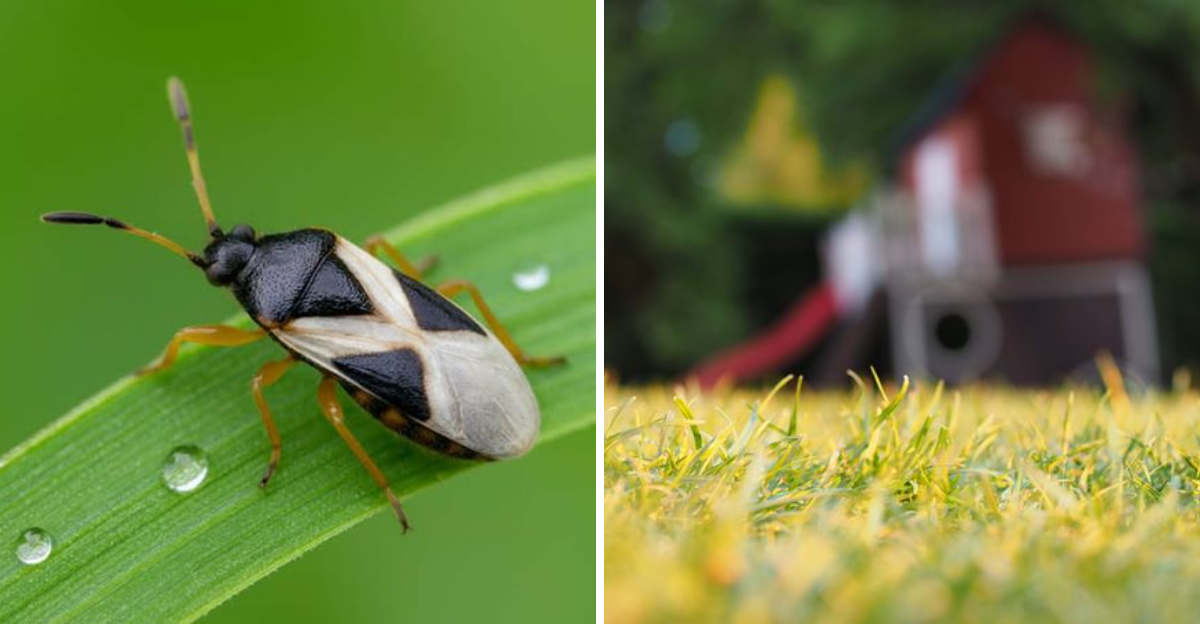
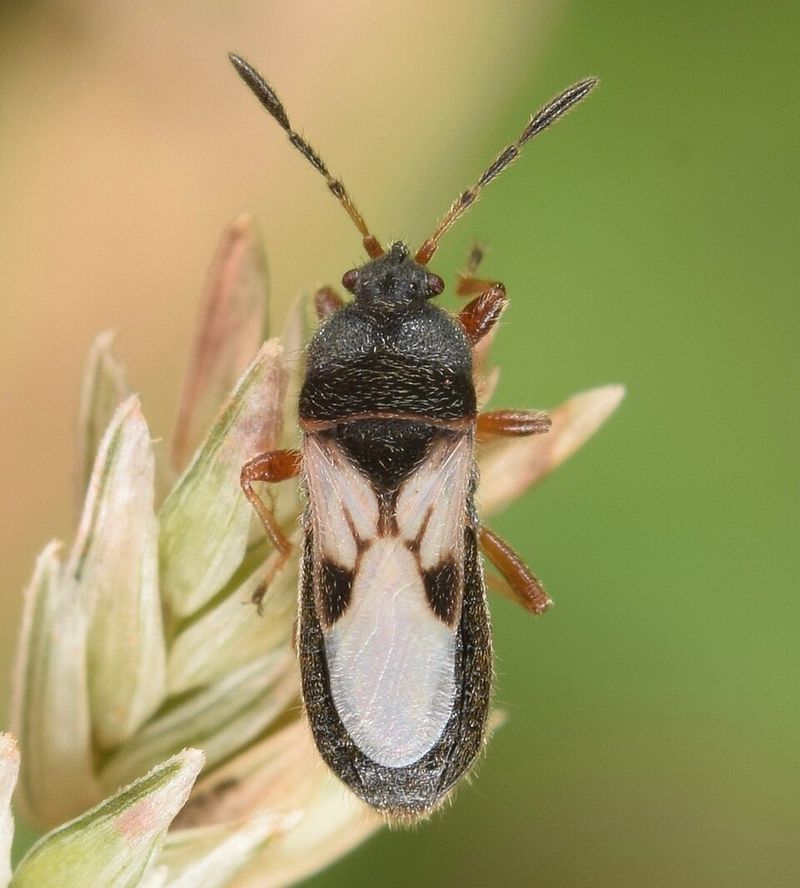
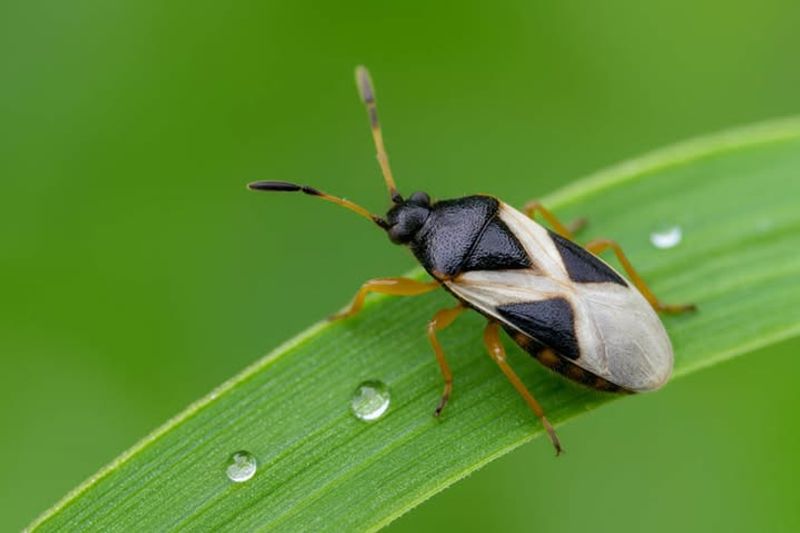
Get down low and part the grass blades near the soil. Chinch bugs are tiny, roughly the size of a sesame seed, but they move fast and are visible to the naked eye.
A simple float test can confirm your suspicion quickly. Remove both ends of a coffee can, push it into the soil, fill it with water, and watch for bugs floating to the surface within ten minutes.
Infested areas often feel dry and crunchy underfoot, even after rainfall. The bugs inject a toxin while feeding that blocks water movement inside the grass plant itself.
Chinch bug damage often appears near driveways, sidewalks, and south-facing slopes, areas that tend to be hotter and drier. Those spots heat up faster and create ideal conditions for chinch bug colonies to grow.
Catching an infestation early saves you significant time, money, and stress. The sooner you spot the signs, the more of your lawn you can actually save this season.
What Makes This Pest So Hard To Catch In Time

Chinch bugs are sneaky by nature. They are small enough to hide deep inside thick turf, which makes spotting them before serious damage occurs difficult.
Most people do not even know what a chinch bug looks like. Without that visual awareness, homeowners often misidentify the damage as drought stress or fungal disease.
That misidentification is costly. Treating for the wrong problem wastes time while the actual pest population keeps growing underneath the surface of your grass.
The bugs also tend to cluster in hot, sunny spots first. Since those areas already look stressed during summer, the early damage blends right in with normal seasonal wear.
Another tricky factor is that chinch bugs feed slowly at first. The initial yellowing can take days to appear after feeding begins, creating a delayed reaction that throws off timing.
By the time the lawn looks obviously damaged, the infestation is already well established. At that point, you are managing a larger problem than you would have faced a week earlier.
Thatch buildup makes detection even harder. A thick layer of thatch gives chinch bugs perfect cover, keeping them protected from both predators and casual inspection.
This pest is frequently misdiagnosed, since its early symptoms closely resemble drought stress. Homeowners often call for help after the worst damage has already spread across the yard.
Knowing the pest is half the solution. A little education now can save your lawn from a gradual, hard-to-detect spread.
Conditions That Are Fueling The Early Outbreak
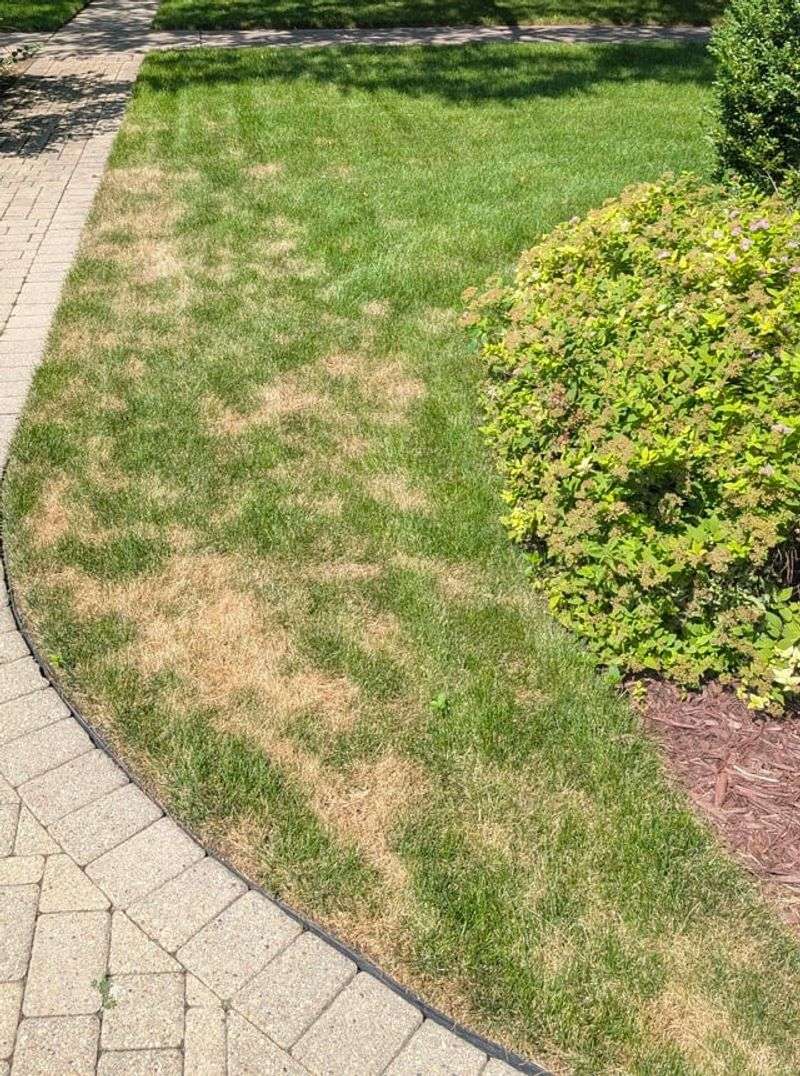
Hot, dry conditions are conditions that favor chinch bug survival. Many parts of the state saw stretches of low rainfall and above-average temperatures this spring, based on regional weather patterns.
Stressed turf is more vulnerable to feeding. When grass is already weakened by drought, chinch bugs can feed more aggressively and spread faster through the root zone.
Compacted soil makes the situation worse. Dense, hard ground holds less water, dries out faster, and creates the warm microclimate chinch bug colonies thrive in.
Lawns with heavy thatch layers tend to be especially vulnerable during warm, dry stretches like this one. Thatch traps heat near the soil surface, raising temperatures to levels that speed up the insect’s reproductive cycle.
Sandy or thin soils common in certain parts of the state drain quickly. That fast drainage means less moisture retention, which is another condition that favors chinch bug survival.
Overuse of high-nitrogen fertilizer also plays a role. Lush, fast-growing grass produced by heavy fertilizing is actually more attractive to feeding insects than moderate, steady growth.
Sunny, south-facing slopes tend to be hit hardest during early outbreaks like this one These areas receive more direct heat and lose moisture quickly, creating favorable conditions for a pest outbreak.
Climate patterns across New England have been trending warmer over recent years. Pest timelines are shifting as a result, and chinch bugs are one of the clearest examples of that shift.
Understanding what feeds an outbreak helps you fight back smarter. Changing a few yard habits can make your lawn a far less inviting target going forward.
Treatment Options To Consider
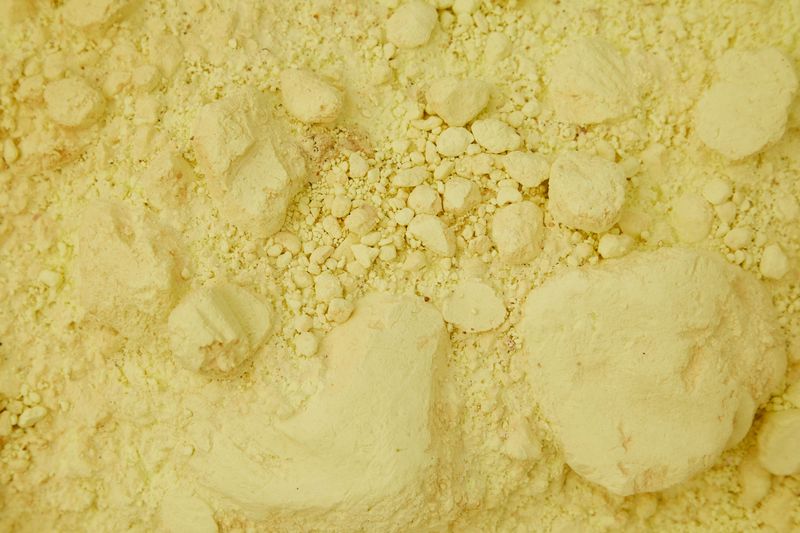
Fast action beats hesitation every time when dealing with chinch bugs. Once you confirm an infestation, choosing the right treatment approach can mean the difference between a partial fix and a full recovery.
Granular insecticides containing bifenthrin or imidacloprid are widely used for chinch bug control. Apply them to the affected area and water them in thoroughly to push the product down to the soil level.
Liquid insecticide sprays work well for targeted spot treatments. They act faster than granules and are ideal when you need to knock down a concentrated population quickly.
Always read the product label carefully before applying anything to your lawn. Some formulations require specific timing or watering schedules to work as intended on turf pests.
Organic options exist for homeowners who prefer a chemical-free approach. Neem oil and insecticidal soap can reduce chinch bug populations, though they typically require more frequent reapplication.
Beneficial nematodes are another natural solution worth considering. These microscopic organisms move through the soil and may help reduce chinch bug larvae populations, without harming earthworms or other helpful insects.
Timing your treatment to early morning or late evening increases effectiveness. Chinch bugs are most active near the surface during cooler parts of the day, making contact with the product more likely.
A single application may not be enough for a heavy infestation. Plan for a follow-up treatment about two weeks later to catch any newly hatched bugs that survived the first round.
The right product applied at the right moment protects your investment. Your lawn can recover with proper care and consistent follow-through.
Steps To Prevent Chinch Bugs From Coming Back
Prevention is far less expensive than recovery. Once you have dealt with a chinch bug outbreak, the goal shifts to making your lawn an unwelcoming place for future populations.
Start with proper watering habits. Chinch bugs avoid moisture, so keeping your lawn consistently hydrated, about one inch of water per week, creates conditions they steer clear of.
Dethatch your lawn every one to two years. Removing that thick layer of organic buildup removes the warm, sheltered habitat that makes chinch bug colonies so hard to detect and disrupt.
Aerate compacted soil in the fall or early spring. Looser soil retains moisture better and supports stronger grass roots that can withstand pest pressure more effectively.
Choose grass varieties that are naturally more resistant to chinch bug feeding. Perennial ryegrass and tall fescue blends tend to hold up better than fine fescues or Kentucky bluegrass alone.
Avoid over-fertilizing with nitrogen-heavy products. A slow-release fertilizer schedule produces steadier growth that is less attractive to feeding insects throughout the season.
Encourage natural predators by reducing pesticide use in garden beds near the lawn. Beetles, spiders, and ground-dwelling insects naturally prey on chinch bugs and help keep populations in check.
Monitor your lawn every two weeks during warm months. Early detection is still your strongest tool, and a quick visual check takes less than five minutes to complete.
Protecting Massachusetts lawns from chinch bugs long-term requires consistency, not perfection. Small, steady habits build the kind of turf that pests simply do not want to mess with.