A Smarter Way To Water Vegetable Beds During Massachusetts’ Drought Restrictions
Your tomato vines are curling by 2 PM. The squash leaves droop before dinner. And that garden hose you reach for? It might already be against the rules.
Massachusetts towns are cracking down on outdoor watering this summer, and the drought isn’t loosening its grip anytime soon. For vegetable gardeners, that’s a real problem. Peppers need consistent moisture to set fruit.
Tomatoes split when watering gets erratic. Squash simply wilts and sulks under a scorching sun. But restrictions don’t have to mean ruin. Smart watering beats frequent watering, every single time.
A well-timed soak, the right mulch, even how you space your plants: all of it changes how much water your garden actually needs.
The Smarter Way Is Deep, Infrequent Watering Instead Of Daily Sprinkling
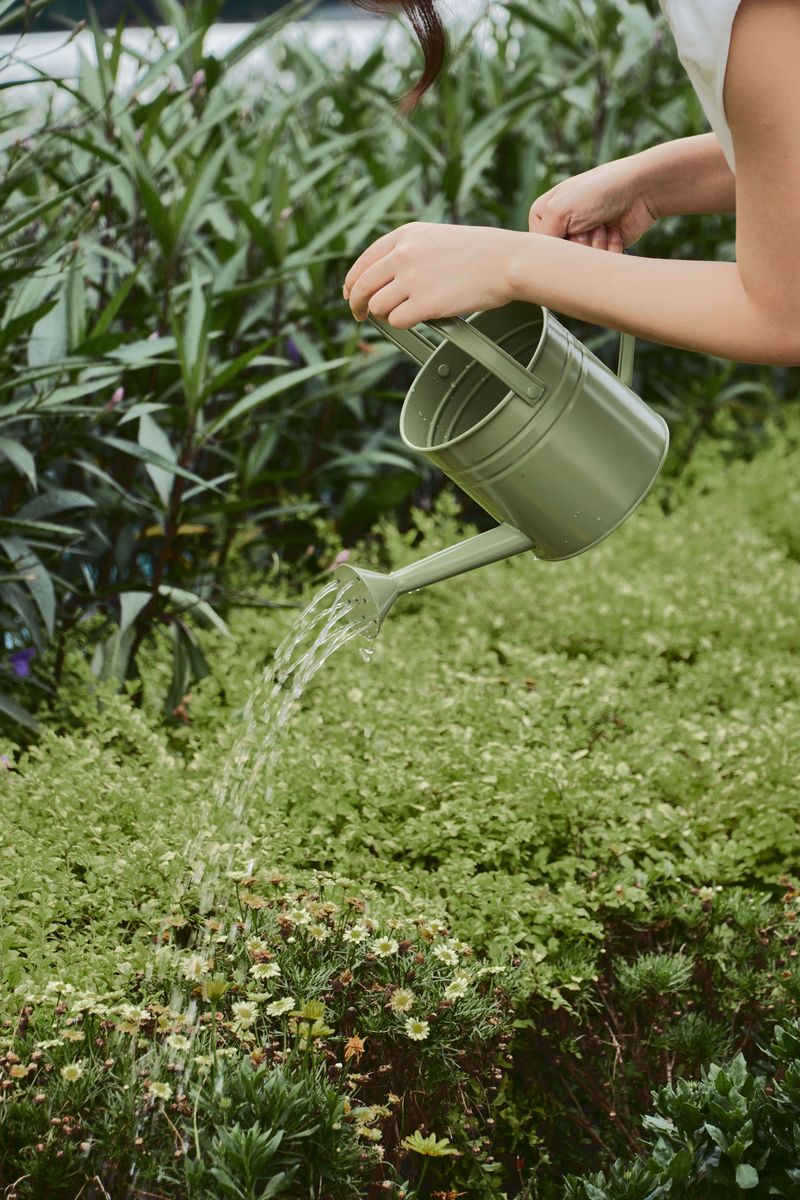
Daily sprinkling is the enemy of strong roots. Most gardeners water a little each day, and that habit actually trains plants to stay shallow.
Shallow roots cannot reach deeper soil moisture when the surface dries fast. Your plants become dependent on you, like a habit they cannot break.
Deep watering means soaking the soil six to eight inches down, then waiting. Roots chase that moisture downward and grow stronger in the process.
A smarter way to water vegetable beds during drought restrictions starts here, with patience and a timer. Water deeply two or three times a week instead of sprinkling daily.
Push a finger two inches into the soil before watering. If it feels moist, skip that session entirely and check again tomorrow.
Tomatoes, peppers, and beans respond beautifully to deep watering cycles. Their root systems expand, pulling nutrients from a wider zone underground.
Cucumbers and squash, however, need slightly more frequent checks during fruiting. Their large leaves lose water fast in hot afternoon sun.
The goal is to build plant independence, not dependence. A garden that can ride out two dry days without wilting is a garden built on smart habits.
Deep watering also reduces fungal disease because the foliage stays dry. Wet leaves in humid Massachusetts summers are an open invitation for trouble.
Start this week by doubling your usual watering volume and cutting frequency in half. Your vegetable bed will reward you within days.
Understanding Massachusetts’ Current Water Restrictions
Not all towns in Massachusetts follow the same rules right now. Restrictions vary by municipality, water district, and current drought level classification.
The state uses a four-level drought scale, from Mild to Emergency. Each level triggers progressively stricter outdoor watering limitations for residents.
At Level Two, many communities ban daytime watering between 9 a.m. and 5 p.m. That window matters enormously for scheduling your garden sessions.
Level Three restrictions typically ban all nonessential outdoor watering outright, including hoses and sprinklers. Knowing when your town shifts to this level helps you plan your last deep watering session before the ban takes effect.
Check your local water department website for current status updates. Towns update restrictions frequently during dry stretches, sometimes weekly during peak heat.
Your Massachusetts Garden Changes Every Week. Your Plan Should Too.
Gardening in Massachusetts changes quickly throughout the season. Every Friday you’ll receive a simple weekly plan showing exactly what to plant, prune, fertilize, harvest, and protect so you never miss the right timing.
The Massachusetts Department of Environmental Protection tracks statewide drought conditions. Their online map shows real-time drought severity by county and watershed zone.
Signing up for town water alerts by email or text takes two minutes. That small step keeps you ahead of sudden restriction changes before they catch you off guard.
Violating restrictions can result in fines ranging from fifty to several hundred dollars per offense. Beyond the cost, repeated violations can trigger stricter rules for entire neighborhoods.
Watering during permitted hours, typically early morning, also benefits your plants directly. Cooler temperatures mean less evaporation and better absorption into warm soil.
A smarter way to water vegetable beds during restrictions begins with knowing exactly what your town allows. Rules are not the obstacle; they are actually your scheduling framework.
Building Soil That Holds Water Longer Between Waterings
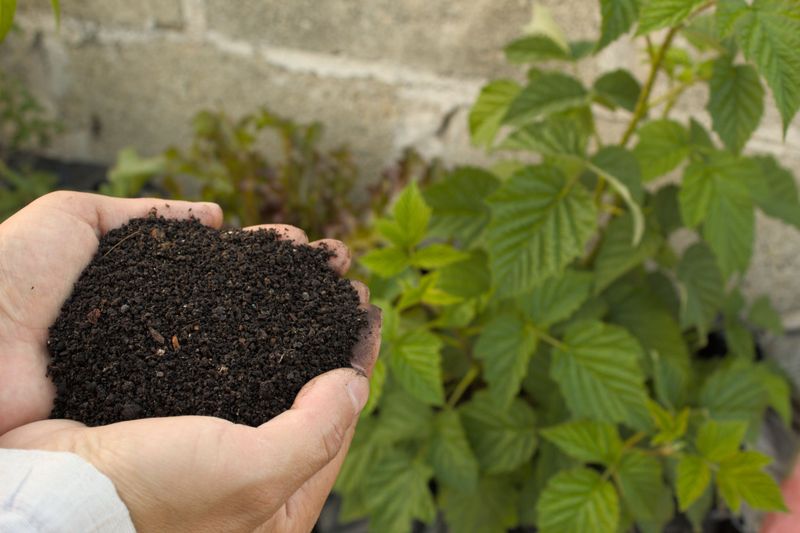
Sandy soil is the worst drought companion a gardener can have. It drains fast, dries out by noon, and leaves roots gasping before sunset.
Clay soil holds moisture longer but compacts easily, blocking the air roots need to function. The sweet spot is somewhere beautifully in between.
Compost is the single best amendment for either soil type. Adding two to four inches of finished compost and working it in twelve inches deep noticeably improves water retention.
A good compost application can meaningfully reduce how often you need to water, since the added organic matter holds moisture that would otherwise drain away.
Biochar is another amendment worth exploring for drought-prone gardens. This carbon-rich material holds water in its porous structure and improves microbial activity simultaneously.
Worm castings blended into planting holes give seedlings an early moisture advantage. The fine texture of castings holds water close to developing roots where it counts most.
Avoid tilling soil unnecessarily during drought periods. Tilling breaks up the moisture-holding structure and exposes more surface area to evaporation.
Cover crops planted in fall rebuild organic matter for next season. Crimson clover and winter rye both add significant structure back to depleted New England garden beds.
Testing your soil every two years reveals exactly what amendments are missing. The UMass Extension soil testing service offers affordable results with specific garden recommendations.
Great soil does the hard work between your watering sessions. Build it once, and it pays back every dry summer for years ahead.
Getting The Most From Every Legal Watering Minute With Drip Irrigation
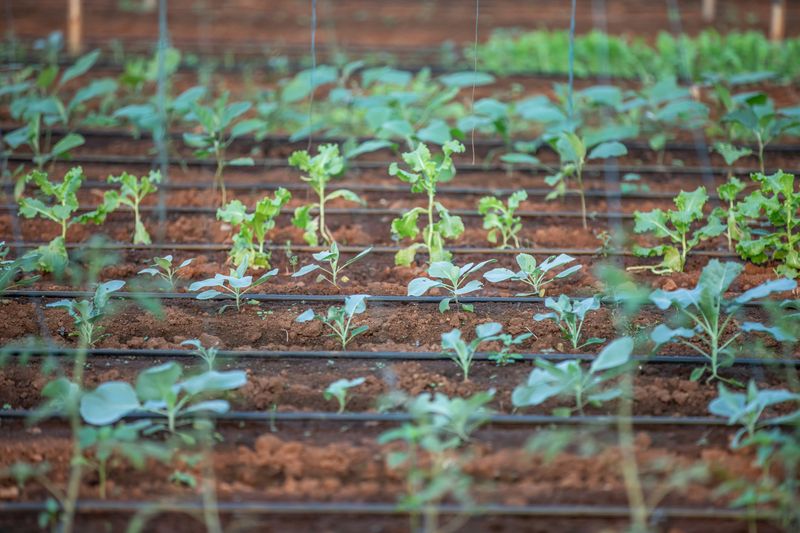
Overhead sprinklers lose a significant share of their water to evaporation on a hot day, especially when used midday.
A basic drip system for a raised vegetable bed costs between twenty and sixty dollars at most garden centers. Installation takes an afternoon and no plumbing experience at all.
Soaker hoses are the budget-friendly cousin of drip lines. They weep water slowly along their entire length, keeping soil evenly moist without any runoff.
Connecting a timer to your drip system is where the real magic happens. You set it once, and the system waters during your permitted morning hours automatically.
Many Massachusetts towns permit drip irrigation even under moderate drought restrictions, thanks to its efficiency advantage. Once restrictions reach the highest levels, though, most towns ban all nonessential outdoor watering, drip systems included.
Check your town’s specific code before assuming exemptions apply to you. Calling the water department directly takes five minutes and can save you from an unnecessary fine.
Drip systems also keep foliage completely dry, reducing fungal pressure in humid summers. Wet leaves and warm nights are the perfect setup for blight and mildew problems.
Place emitters six inches from plant stems rather than directly at the base. This encourages roots to spread outward, building the resilience plants need during dry spells.
Drip irrigation is one of the smartest upgrades you can make during drought restrictions. Your vegetables will grow stronger, and your water bill will likely drop.
Mulching Techniques That Cut Vegetable Bed Water Needs In Half
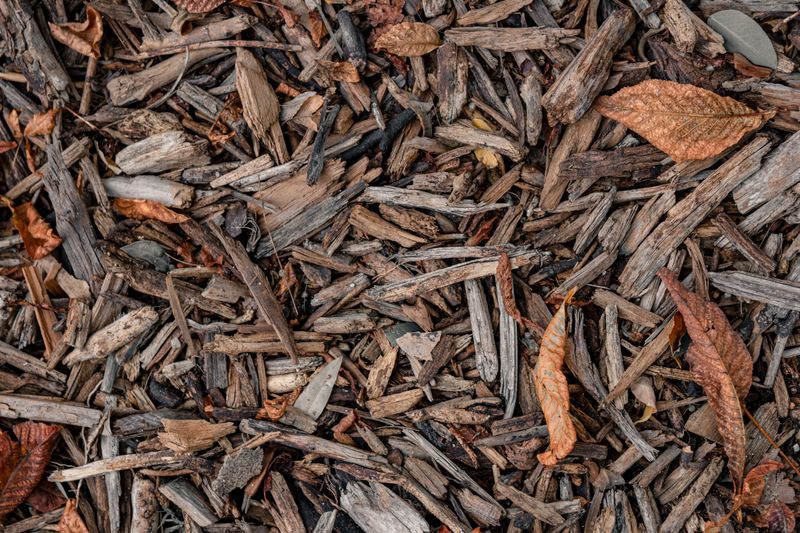
Bare soil in summer is a water thief working against you every hour. The sun bakes exposed ground, pulling moisture upward and into the air constantly.
A three-inch layer of mulch acts like a lid on your soil’s moisture jar. Research consistently shows mulched beds retain noticeably more soil moisture than bare, exposed soil.
Straw is the most popular vegetable garden mulch for good reason. It is light, easy to spread, breaks down slowly, and does not harbor weed seeds the way hay does.
Shredded leaves from last fall are a free and effective alternative. Run them through a mower first to break them down, or they mat together and block water instead of holding it.
Wood chips composted for six months or more are safe around vegetable plants and skip the nitrogen drain fresh chips cause. Many municipalities offer them free from tree-trimming operations.
Apply mulch after a deep watering session, not before. Mulching dry soil traps the drought in place rather than locking in the moisture your plants need.
Pull mulch back two inches from plant stems to prevent rot at the base. Good airflow at the stem keeps crown rot and fungal issues from taking hold.
Refresh your mulch layer midseason when it compresses down below two inches. Thin mulch loses its insulating power quickly during back-to-back hot weeks.
This one technique alone can meaningfully cut your watering frequency. Less watering means more compliance with restrictions and more time actually enjoying your garden.
Reading Your Plants To Know When Vegetables Actually Need Water
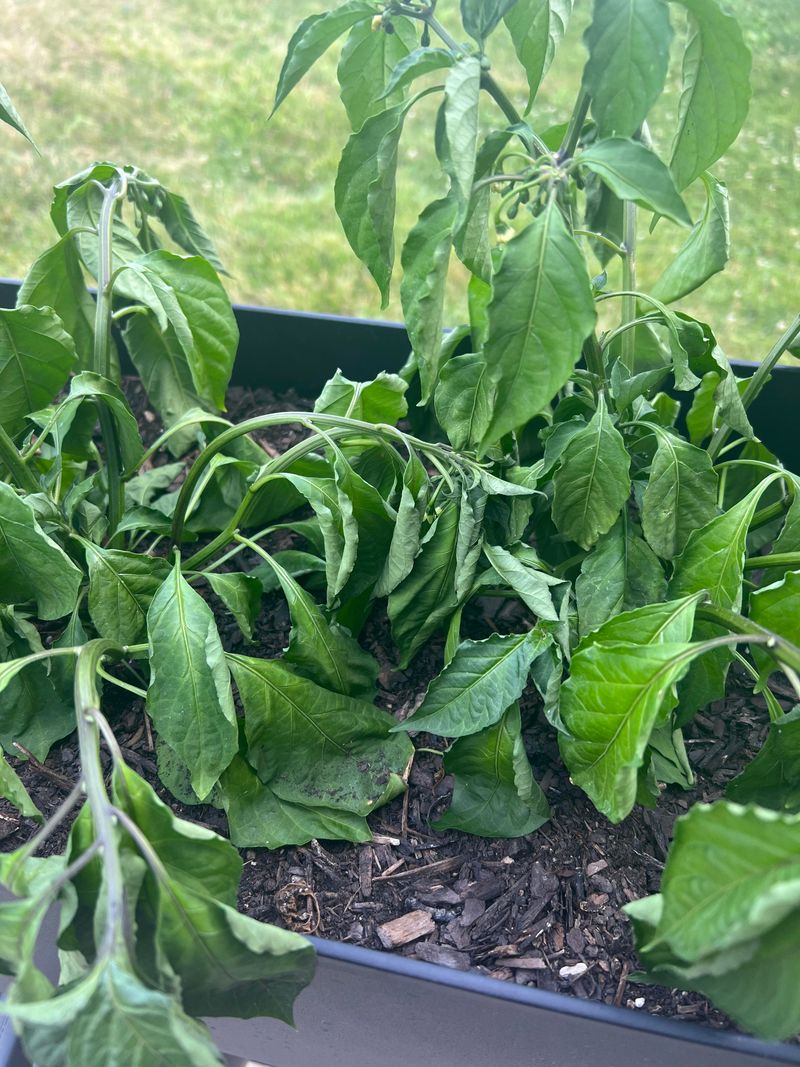
Plants talk constantly, and most gardeners are not listening closely enough. Learning to read those signals saves water, time, and the guesswork that wastes both.
Slight wilting in the late afternoon is completely normal for most vegetables. Soil moisture is usually fine, and plants perk back up once temperatures drop after sunset.
Morning wilt is the signal that actually demands attention. If leaves droop before 9 a.m. on a mild day, the soil is genuinely dry and needs water soon.
Tomato leaves that curl inward are protecting themselves from heat, not necessarily screaming for water. Check the soil two inches down before reaching for the hose.
Cucumber leaves that turn dull and slightly gray-green are a reliable thirst signal. That color shift happens before visible wilting and gives you an early warning window.
A wooden chopstick pushed six inches into the soil works as a free moisture meter. Pull it out clean and dry means water now, pull it out with soil clinging means wait.
Fruit cracking on tomatoes and peppers usually follows irregular watering cycles. Consistent deep watering prevents the boom-and-bust moisture swings that split developing fruit.
A smarter way to water vegetable beds is knowing your plants well enough to trust them. Let them guide your schedule, and drought restrictions become much easier to work within.