7 Native Michigan Trees That Work Better Than Norway Maple Along Street Edges
Norway maple has fallen out of favor due to its invasive tendencies, but several native Michigan trees offer better long term performance along street edges.
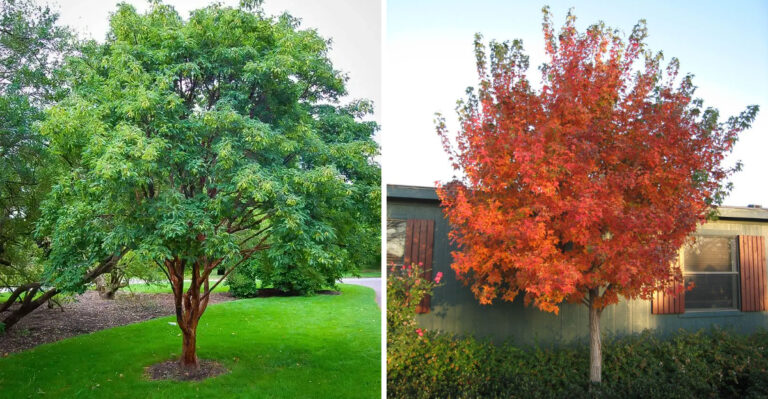
Red maple provides similar shade coverage while offering vibrant fall color that Norway maple simply cannot match.
Serviceberry works well for narrower spaces, bringing spring blooms and berries that support local birds throughout summer.
American hophornbeam tolerates urban conditions remarkably well, making it a strong choice for compacted street side soil.
Swamp white oak grows into an impressive shade tree while supporting a wide range of local wildlife over its lifetime. River birch offers attractive peeling bark, adding visual interest through every season of the year.
Northern catalpa brings unique, showy blooms that create a distinctive alternative to more common street tree choices.
Choosing any of these natives creates a street edge that supports local ecosystems far more effectively than Norway maple ever could.
1. Kentucky Coffeetree Handles Demanding Urban Conditions
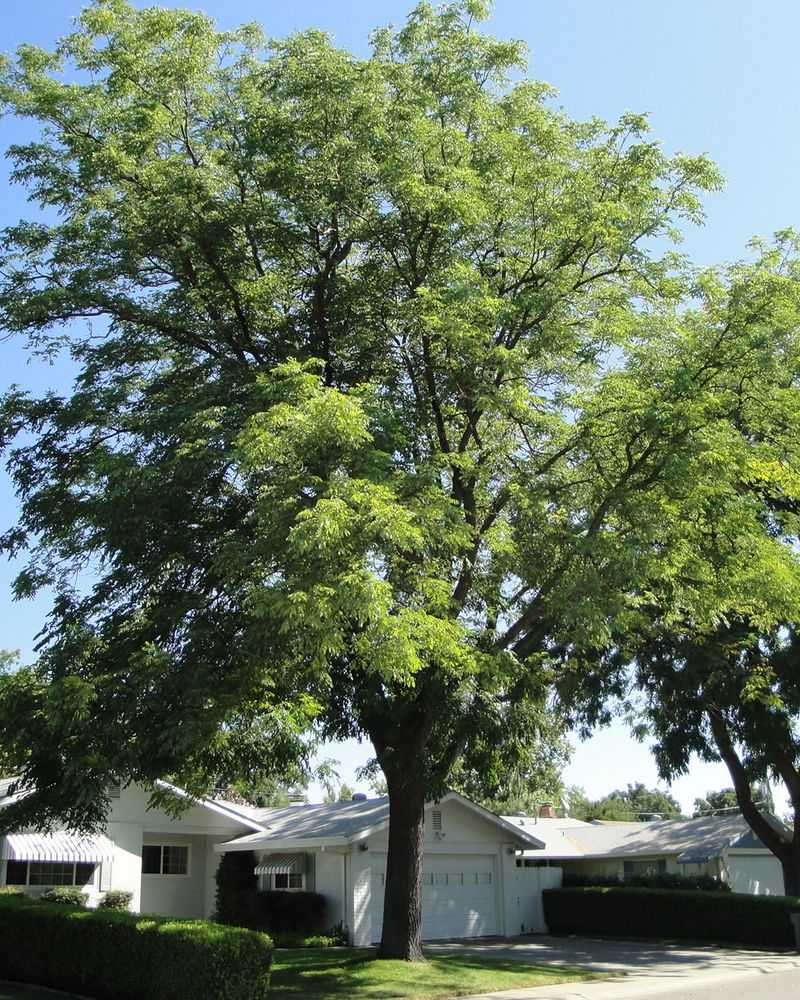
Few native trees can match the toughness of the Kentucky Coffeetree when it comes to surviving everything a Michigan street throws at it.
The Michigan DNR classifies Gymnocladus dioicus as a native, climate-adaptable street tree, and for good reason.
Its bold, open crown and oversized compound leaves give it a striking, architectural look that stands out in any neighborhood.
Mature trees typically reach fifty to seventy feet tall, so this is not a tree for tight spots. Full sun is a must, and generous spacing of at least thirty feet between trees gives each one room to develop properly.
The canopy stays fairly open, which means less dense shade but a beautiful winter silhouette thanks to the thick, irregular branching structure.
One of the biggest advantages here is soil flexibility. Kentucky Coffeetree tolerates alkaline soil, road salt, wind, occasional dryness, temporary wet periods, and urban air pollution without skipping a beat.
That combination is rare and extremely valuable along busy Michigan streets where conditions shift constantly.
Female trees produce large, leathery seed pods that can create cleanup work on sidewalks. If that is a concern, look for male cultivars like Espresso, which produces no pods and maintains a clean, tidy appearance.
Your local nursery should be able to confirm which cultivar you are purchasing before you commit.
Water newly planted trees deeply once or twice per week during the first full growing season.
Keep the root zone clear of compacted soil, and make sure overhead utility lines are at least twenty feet above the projected canopy height before planting. Proper placement from the start saves a lot of trouble later.
2. Black Gum Provides Color Without An Extremely Wide Crown
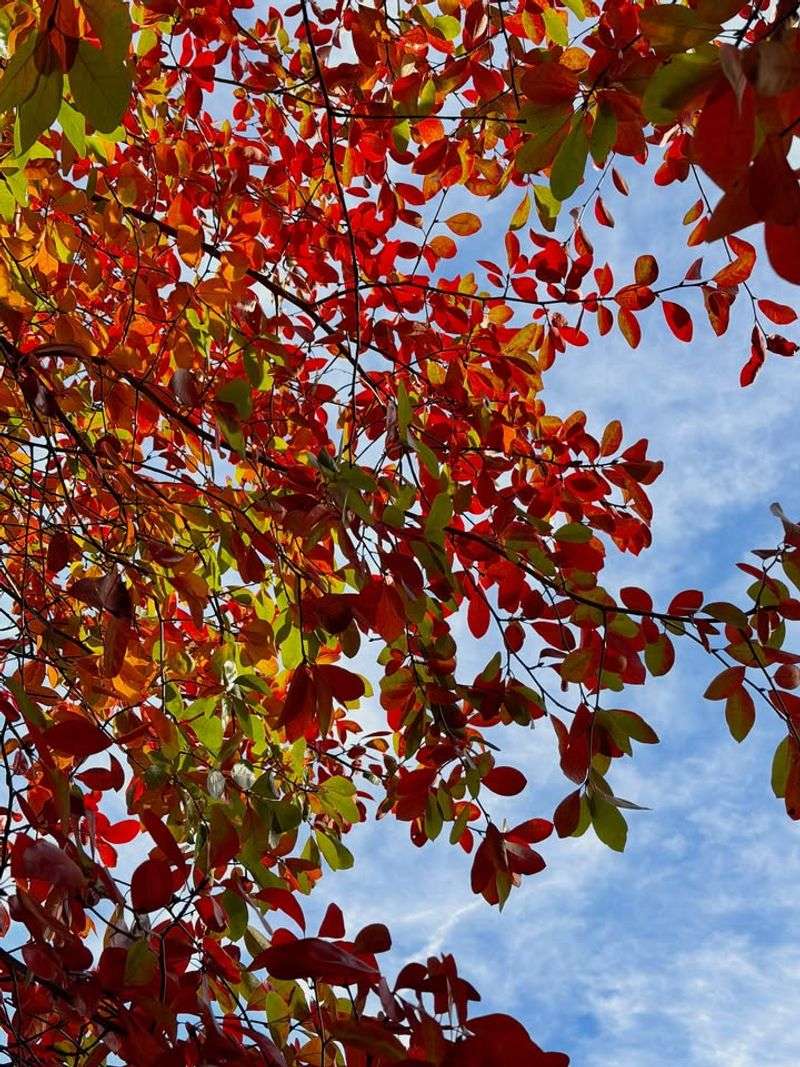
If you have ever driven past a Black Gum tree in mid-October, you already know what makes it unforgettable.
Nyssa sylvatica lights up with one of the most intense red fall colors of any native tree in Michigan, turning heads long before the maples even get started. That seasonal display alone makes it worth planting.
Beyond the color, Black Gum has a naturally pyramidal form that keeps the canopy relatively narrow.
Your Michigan Garden Changes Every Week. Your Plan Should Too.
Gardening in Michigan changes quickly throughout the season. Every Friday you’ll receive a simple weekly plan showing exactly what to plant, prune, fertilize, harvest, and protect so you never miss the right timing.
Mature trees typically reach around thirty-five feet tall with a spread closer to twenty feet, which makes it a practical choice for street edges where a massive spreading oak simply would not fit.
The smaller footprint is a genuine advantage in many residential settings.
Black Gum handles a surprisingly wide range of soil conditions. It tolerates wet clay, intermittent dryness, and moderate salt exposure once it has settled in after the first couple of seasons.
The small, dark blue fruits it produces are a reliable food source for songbirds, making it a great choice for anyone who enjoys watching wildlife from their front window.
One thing to keep in mind is that this tree establishes slowly. Planting a smaller nursery-size tree in spring gives it the best chance of developing a strong root system before summer heat arrives.
Avoid transplanting large specimens, since Black Gum does not respond well to significant root disturbance.
Full sun to partial shade works well, though full sun brings out the most vivid fall color. Water consistently during the first growing season, and keep the soil slightly acidic if possible.
Mature trees need clearance of at least fifteen feet from pavement edges.
3. Bur Oak Creates A Durable Long-Term Canopy
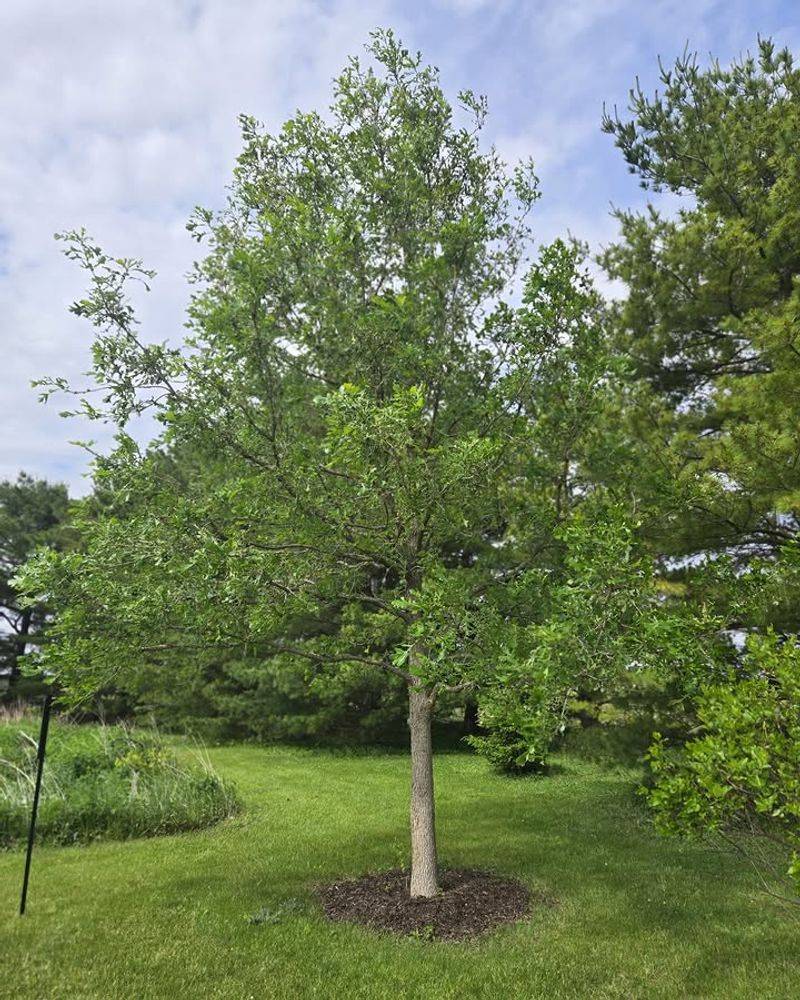
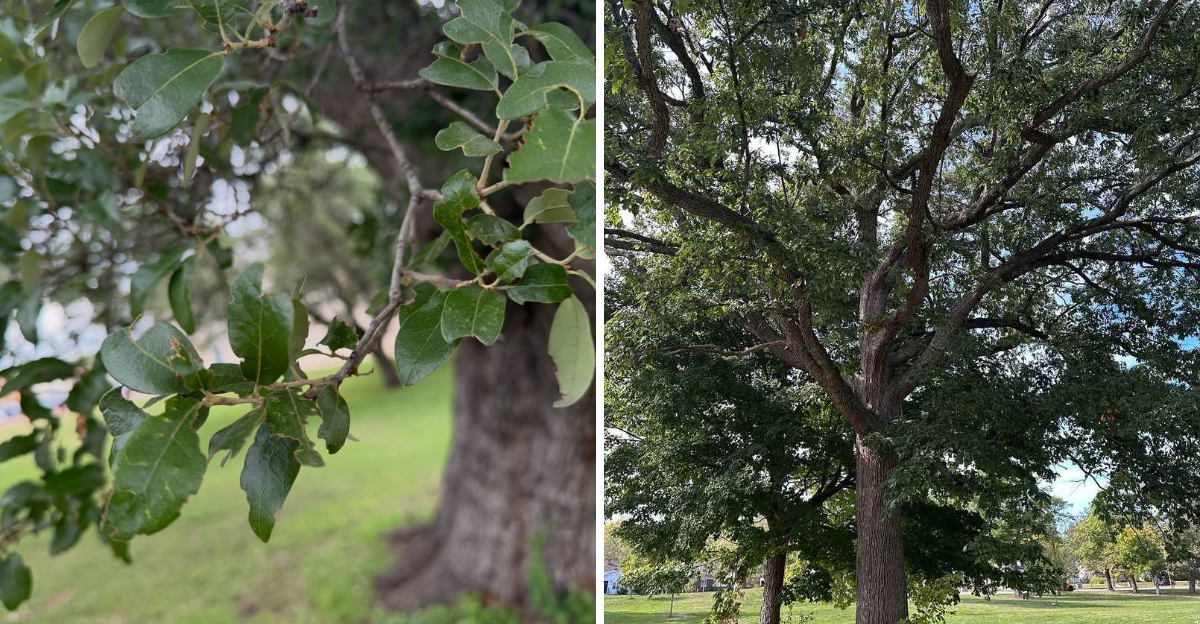
Bur Oak is the kind of tree that generations of families grow up under. Quercus macrocarpa is one of the most rugged native oaks in Michigan, built to handle conditions that would stress most other trees without complaint.
Its deeply textured, almost sculptural bark gives it a commanding presence even in winter when the leaves are gone.
Expect a mature Bur Oak to reach roughly fifty-five feet tall with a canopy spreading close to forty-five feet wide.
That spread means this tree needs space, ideally a generous street planting strip of at least eight feet wide with open soil volume extending well beyond the immediate planting hole.
Never plant Bur Oak beneath overhead utility lines, since the canopy will eventually conflict with wires no matter how carefully the tree is pruned.
What truly sets Bur Oak apart is its tolerance of difficult soil conditions. Sandy soils, heavy clay, drought years, and even intermittent flooding are all within its range.
That flexibility makes it one of the most reliable long-term choices for Michigan streets where soil quality is inconsistent or unpredictable.
Wildlife value is another strong selling point. The large acorns attract squirrels, deer, turkeys, and dozens of bird species, turning a street tree into a small ecosystem.
Early growth is admittedly slow, but the tree builds a deep, extensive root system during those first few years that pays off with decades of stability.
Water deeply every week during the first growing season. Protect young trunks with a physical guard to prevent damage from lawn mowers and passing vehicles.
That extra care during the early years makes a significant difference in the long-term health of the tree.
4. Disease-Resistant American Elm Restores Classic Street Form
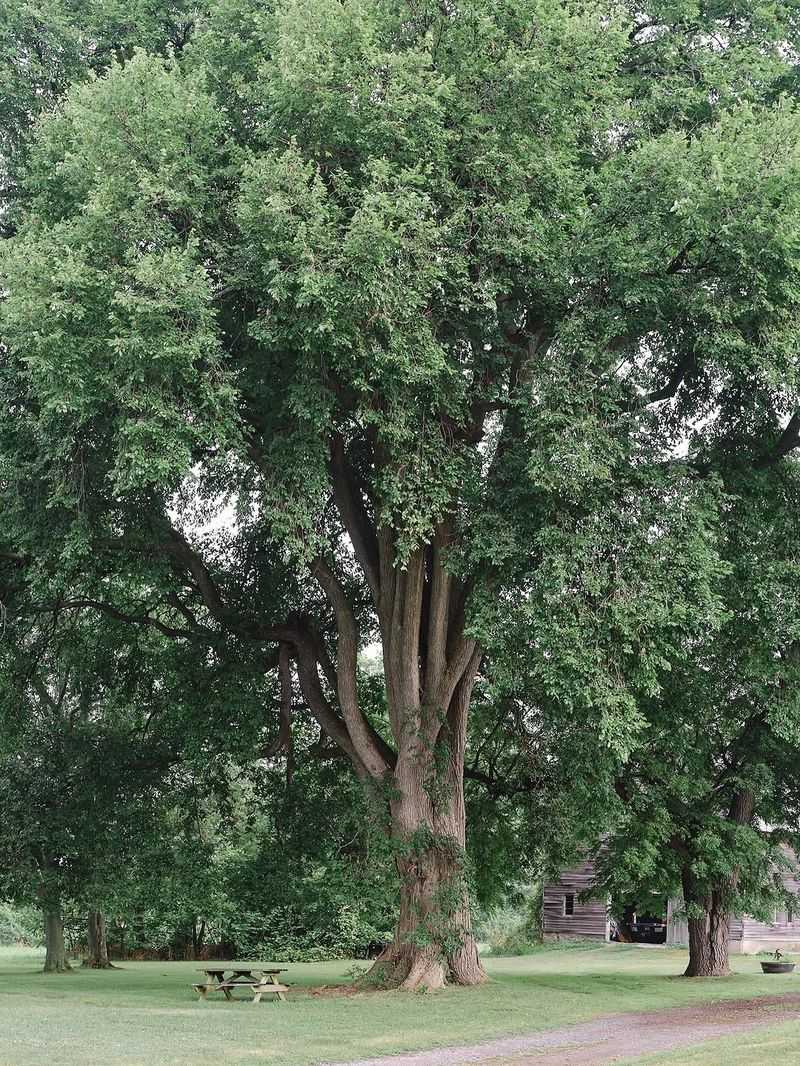
American Elm once defined the classic look of Midwestern streets, with its tall, graceful vase-shaped canopy arching over the road like a green tunnel.
Dutch Elm Disease swept through and changed that picture dramatically, but the story does not end there.
Thanks to carefully developed cultivars with strong disease tolerance, American Elm is making a well-earned comeback on Michigan streets.
The key is choosing the right cultivar. Valley Forge and New Harmony are two American Elm selections recognized for strong Dutch Elm Disease tolerance and solid urban performance.
Simply buying an unidentified elm seedling from a nursery bin is a gamble not worth taking. Always confirm the exact cultivar name before purchasing, and buy from a reputable nursery that can provide documentation.
Mature trees can reach sixty to eighty feet tall, creating substantial shade over wide street corridors.
American Elm tolerates intermittent flooding, moderate drought after establishment, and moderate road salt exposure, which covers most of the challenging conditions found along Michigan streets.
The root system needs generous soil volume, so avoid planting in narrow tree pits surrounded by pavement on all sides.
Professional pruning during the dormant season helps maintain strong structure and reduces the risk of branch failure over sidewalks or roadways.
Water newly planted trees deeply and consistently through the first two growing seasons to encourage deep root development.
Avoid overwatering once the tree is established, since soggy soil creates its own set of problems.
Planting a mix of species along the same street is always smart. No single tree should dominate an entire block, since diversity protects the whole streetscape if any one species encounters a future problem.
5. Sycamore Suits Large Street Edges With Difficult Soil
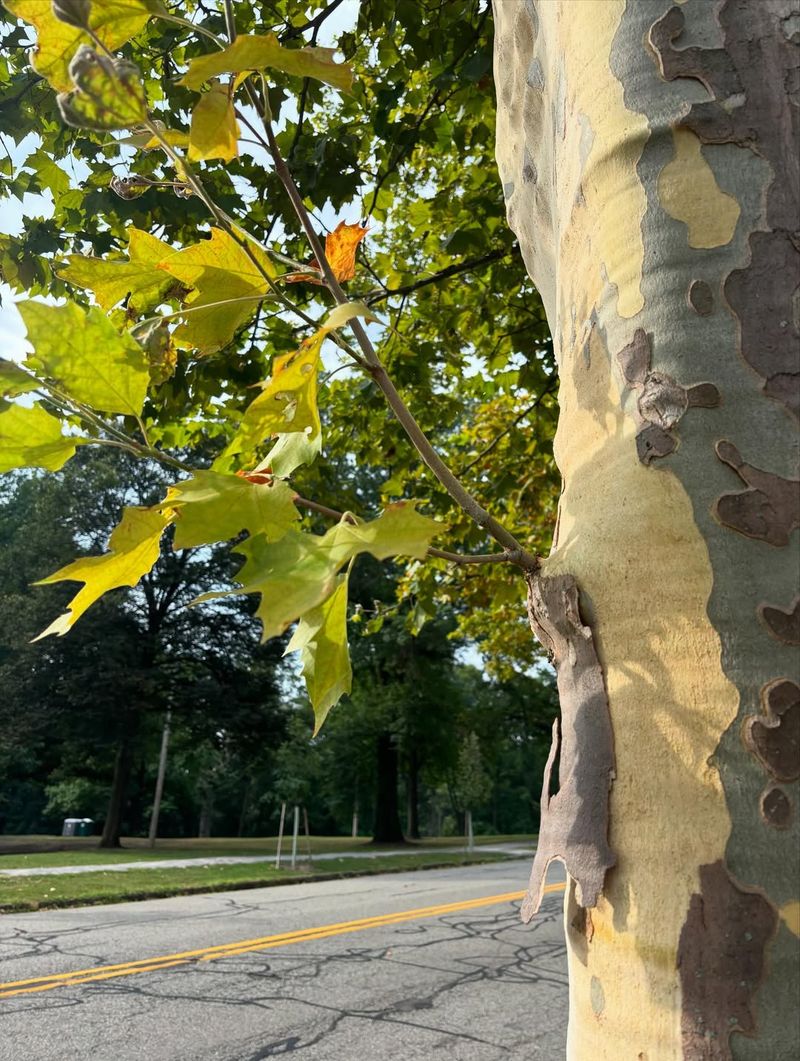
There is no mistaking a mature American Sycamore.
The pale, peeling bark that reveals creamy white and tan patches underneath makes Platanus occidentalis one of the most visually striking native trees in Michigan, especially in winter when the trunk and upper branches are fully exposed.
It is a tree that genuinely stops people in their tracks. Michigan State University recognizes Sycamore as a long-lived street tree capable of thriving in urban areas with wet or poorly aerated soil conditions, which describes a surprising number of Michigan street edges.
Compacted clay, low-lying spots that collect runoff, and areas near storm drains are all environments where Sycamore can outperform many other species.
That tolerance makes it genuinely useful in situations where other trees struggle.
The canopy is large and spreading, with mature trees reaching eighty feet or more in height and spreading nearly as wide.
That scale means Sycamore belongs on wide boulevards, generous parkway strips, and large front yards with open sky above, not beside narrow sidewalks or beneath utility lines. Matching the tree to the right site is everything with a species this size.
Spring anthracnose is a fungal issue that can temporarily affect young leaves and shoots during cool, wet weather. Established trees typically push out new growth and recover without any lasting impact.
Young trees may look rough for a few weeks in spring but bounce back reliably once warmer, drier conditions arrive.
Water deeply during the first growing season and keep the root zone free of compacted fill soil. Give newly planted Sycamores room to breathe, and avoid crowding them with structures or pavement that would restrict future root expansion.
6. Hackberry Handles Heat, Wind, And Periodic Dryness
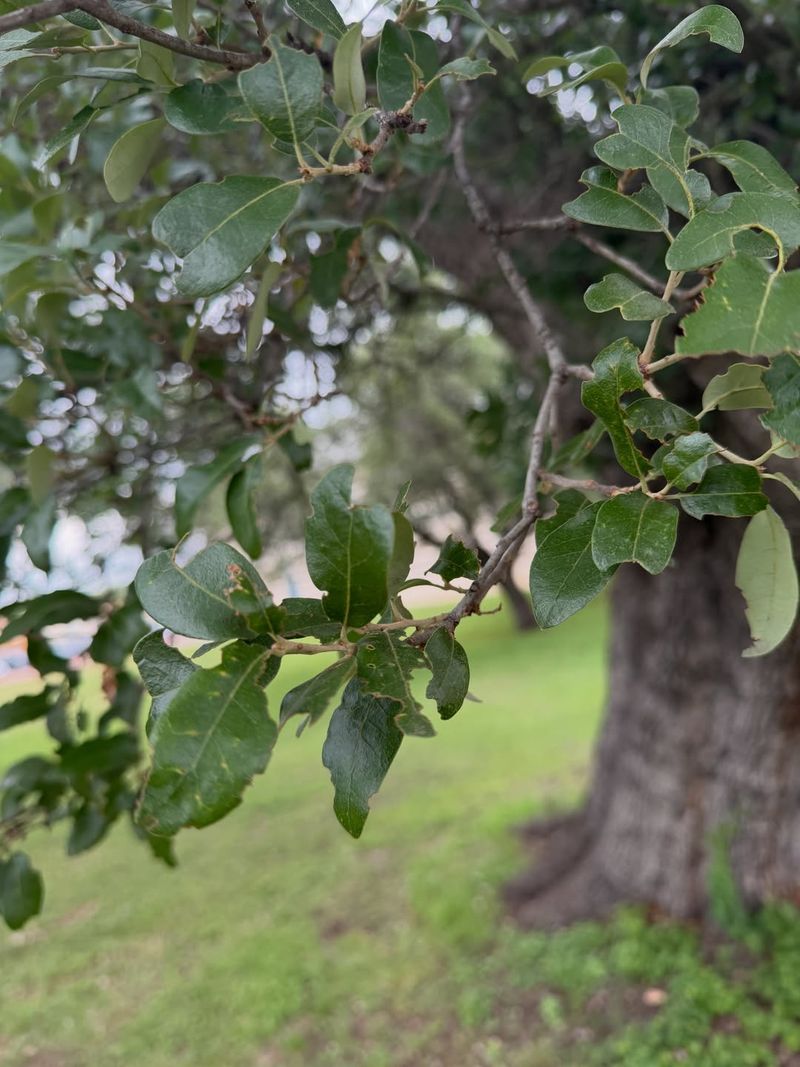
Ask any urban forester in Michigan which native tree survives the widest range of difficult street conditions, and Hackberry comes up almost every time. Celtis occidentalis is genuinely tough in a way that is hard to overstate.
Heat, wind, drought, compacted soil, and a wide range of soil acidity levels are all conditions this tree handles without major complaint.
Mature Hackberry trees commonly reach forty to sixty feet tall and develop a broadly irregular, open crown with age. The corky, ridged bark gives older trees a rugged, textured appearance that adds character to a street edge.
The small, dark purple berries that ripen in fall are a favorite food source for cedar waxwings, robins, and other birds, giving the tree real wildlife value beyond just shade.
One thing to be aware of is a cosmetic issue called witches broom, which is a dense clustering of twigs sometimes triggered by a combination of mites and a powdery mildew fungus.
It looks unusual but rarely creates a serious health problem for an otherwise well-established tree. Knowing about it ahead of time prevents unnecessary alarm when you spot it.
Hackberry works best on street edges that are not directly in the path of heavy concentrated winter salt spray.
Some salt tolerance exists, but sites where plow trucks regularly deposit large salt loads against the root zone are better suited to other species.
Spacing trees at least thirty feet apart gives each one adequate soil volume and canopy room.
Water consistently through the first full growing season, then gradually reduce frequency as the root system expands. Once established, Hackberry requires very little supplemental irrigation and manages beautifully on its own through typical Michigan summers.
7. Chinkapin Oak Fits Sunny, Well-Drained Street Verges
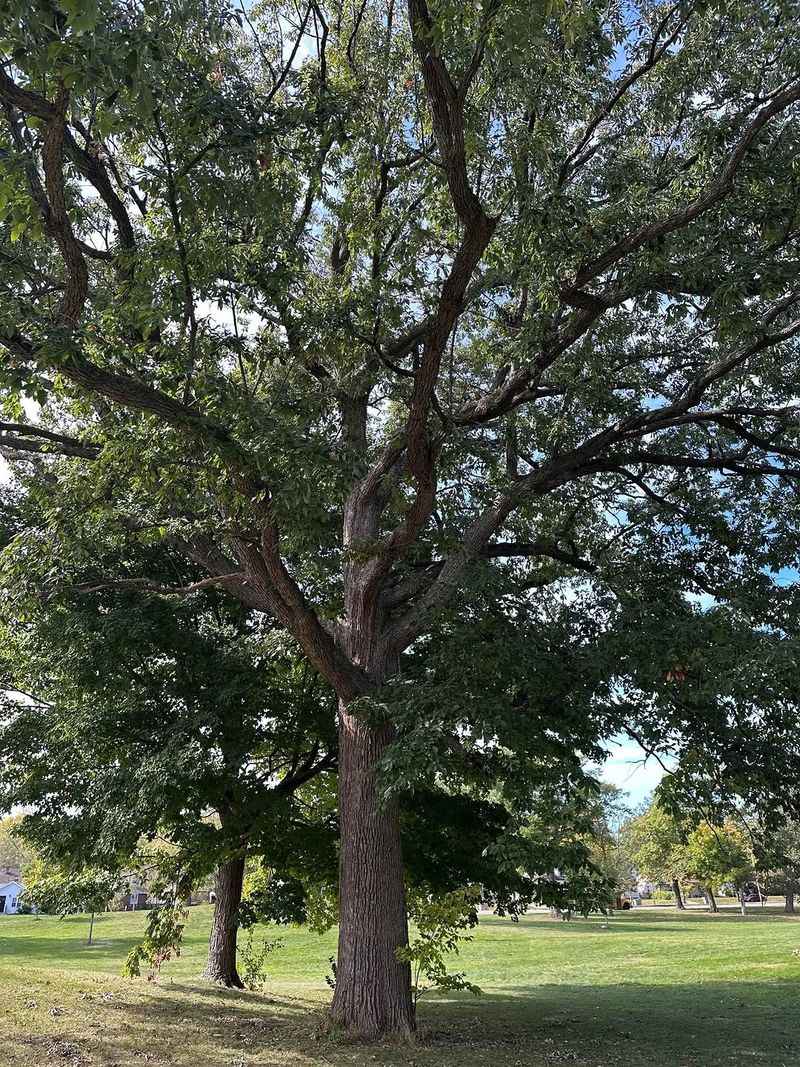
Chinkapin Oak is one of those native Michigan trees that deserves far more attention than it typically gets.
Quercus muehlenbergii has a broad, rounded canopy, distinctive toothed leaves that look almost chestnut-like, and a solid track record on sunny, well-drained sites where other oaks sometimes struggle.
The Michigan DNR classifies it as a native, climate-adaptable street tree, which is a meaningful endorsement.
Mature trees typically reach fifty to sixty feet tall with a canopy spread approaching forty to fifty feet wide. That size calls for a generous planting strip of at least six to eight feet wide, with open soil extending well beyond the immediate root ball.
Overhead utility clearance is essential, so confirm that the planting site has adequate vertical space before the tree is ever put in the ground.
The acorns Chinkapin Oak produces are relatively small and sweet, making them a preferred food source for white-tailed deer, wild turkeys, squirrels, and various songbirds.
Planting this tree contributes directly to local wildlife populations in a way that a Norway Maple simply cannot match.
That ecological value is a genuine point in its favor for anyone who cares about the broader natural environment. Full sun is a firm requirement for strong growth and a healthy, dense canopy.
Chinkapin Oak performs best in well-drained soils and handles alkaline conditions better than many other native oaks, which makes it especially well-suited to urban sites where soil pH tends to run high.
Water deeply once or twice per week during the first growing season. According to Michigan oak care guidance, avoid unnecessary pruning between April and July to reduce oak wilt risk.
After that window closes, routine structural pruning can proceed safely.