9 May Watering Mistakes Most Colorado Homeowners Make
May in Colorado is practically begging you to water your lawn.
The Rockies are still capped in white, the sun is doing its thing, and your grass is finally showing signs of life after a long winter.
So you drag out the hose, flip on the sprinklers, and feel like a responsible homeowner.
And then June arrives, and your lawn looks like it gave up.
Here is the uncomfortable truth: the way most Coloradans water in May is actually working against them.
Not because they are lazy or careless, but because watering a Colorado lawn well requires knowing a few things that nobody really talks about.
The altitude, the soil, the wild temperature swings, they all change the rules.
Walk through the most common May watering mistakes and learn exactly what to do instead!
1. Turning The Sprinklers On Too Early Before The Soil Is Ready
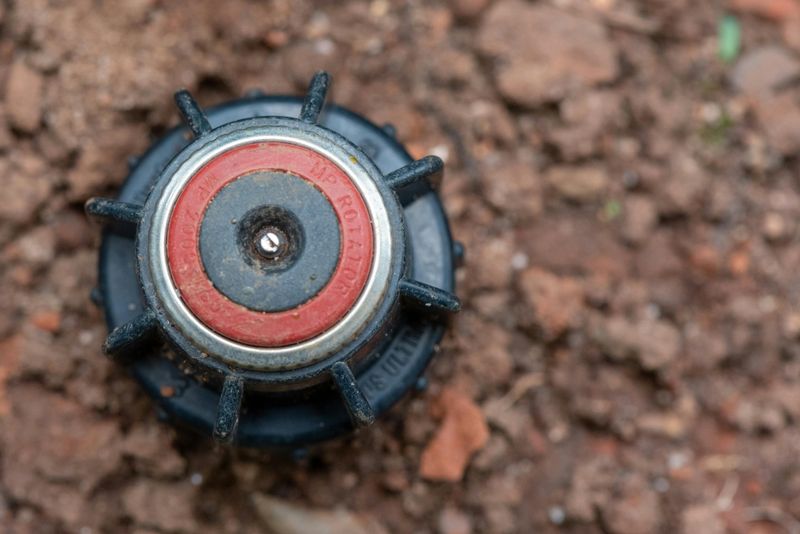
Mud season is not watering season.
Colorado soil in early May is often still cold and compacted from winter, and adding water before the ground is truly ready can cause more harm than good.
When soil stays too wet too early, roots struggle to get the oxygen they need to grow strong.
Saturated ground creates the conditions for disease before the season even gets going
Many homeowners assume that because the grass is waking up, it needs a drink right away.
But turf coming out of dormancy actually benefits from a few dry days that encourage roots to stretch deeper into the soil.
A simple squeeze test can save your lawn a lot of stress. Grab a handful of soil from about three inches deep and squeeze it into a ball.
If it holds its shape and feels cold or sticky, your soil is not ready for regular irrigation yet.
Wait until it crumbles apart easily and feels slightly warm to the touch.
Most Colorado lawns do not need sprinklers running consistently until mid to late May.
Starting too soon wastes water, raises your bill, and sets your grass up for a rough summer before it even has a chance to begin.
2. Leaving Your Sprinkler Schedule Untouched All Season Long
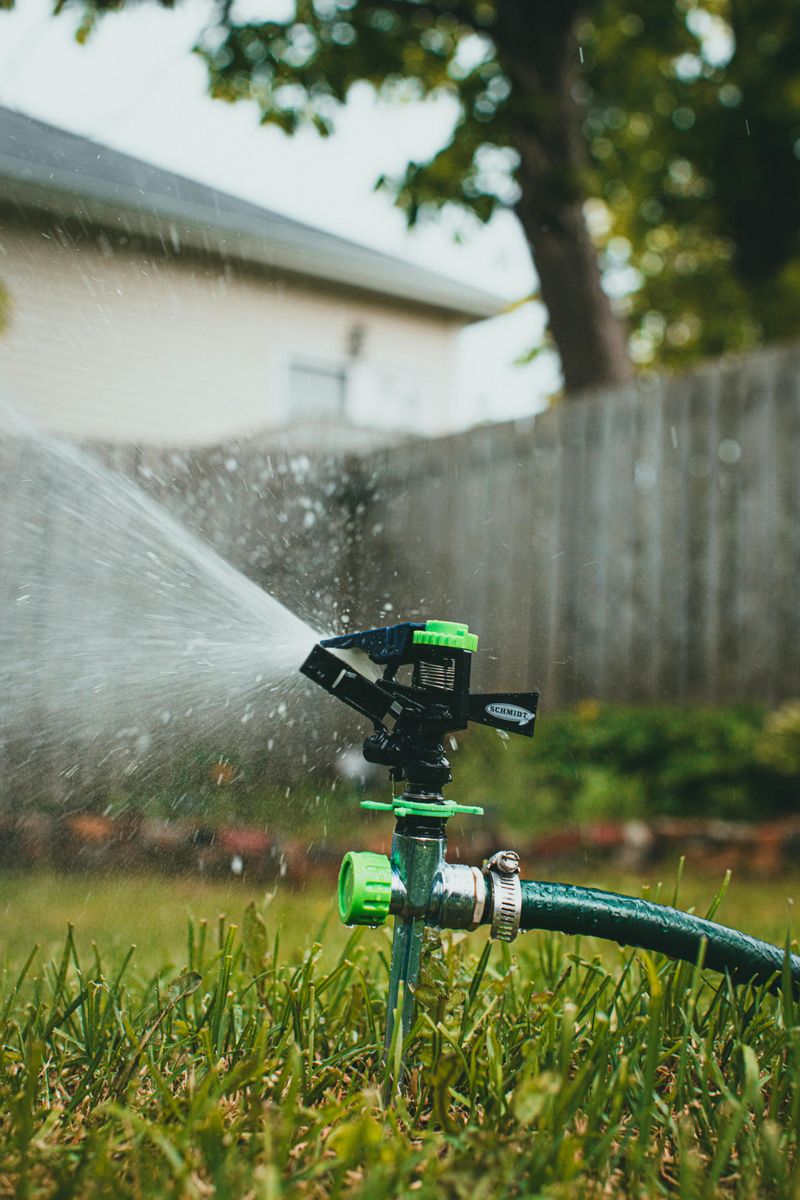
Your sprinkler timer does not know what your grass actually needs.
Setting a schedule in April and leaving it untouched through May is one of the most common Colorado lawn watering mistakes homeowners make.
Weather here shifts fast, and a schedule that made sense last week can easily become too much or too little water by the weekend.
Automatic systems give people a false sense of security.
You assume the lawn is covered, but overwatering zones get muddy while dry zones turn yellow, all while the timer keeps ticking along.
Smart irrigation controllers that adjust based on local weather data can make a real difference here.
Even without a smart controller, checking your system weekly pays off.
Walk your yard after a watering cycle and look for puddles, soggy patches, or areas where the water is clearly running off onto the sidewalk.
Your Colorado Garden Changes Every Week. Your Plan Should Too.
Gardening in Colorado changes quickly throughout the season. Every Friday you’ll receive a simple weekly plan showing exactly what to plant, prune, fertilize, harvest, and protect so you never miss the right timing.
Those are signs your schedule needs a reset.
Adjusting run times by even five minutes per zone can shift your lawn from struggling to thriving.
May weather in the high country is unpredictable, and your watering system should flex with it.
A lawn that gets consistent, thoughtful attention in spring does not just survive a Colorado summer.
It shows up for it.
3. Watering Every Day Instead Of Watering Smart
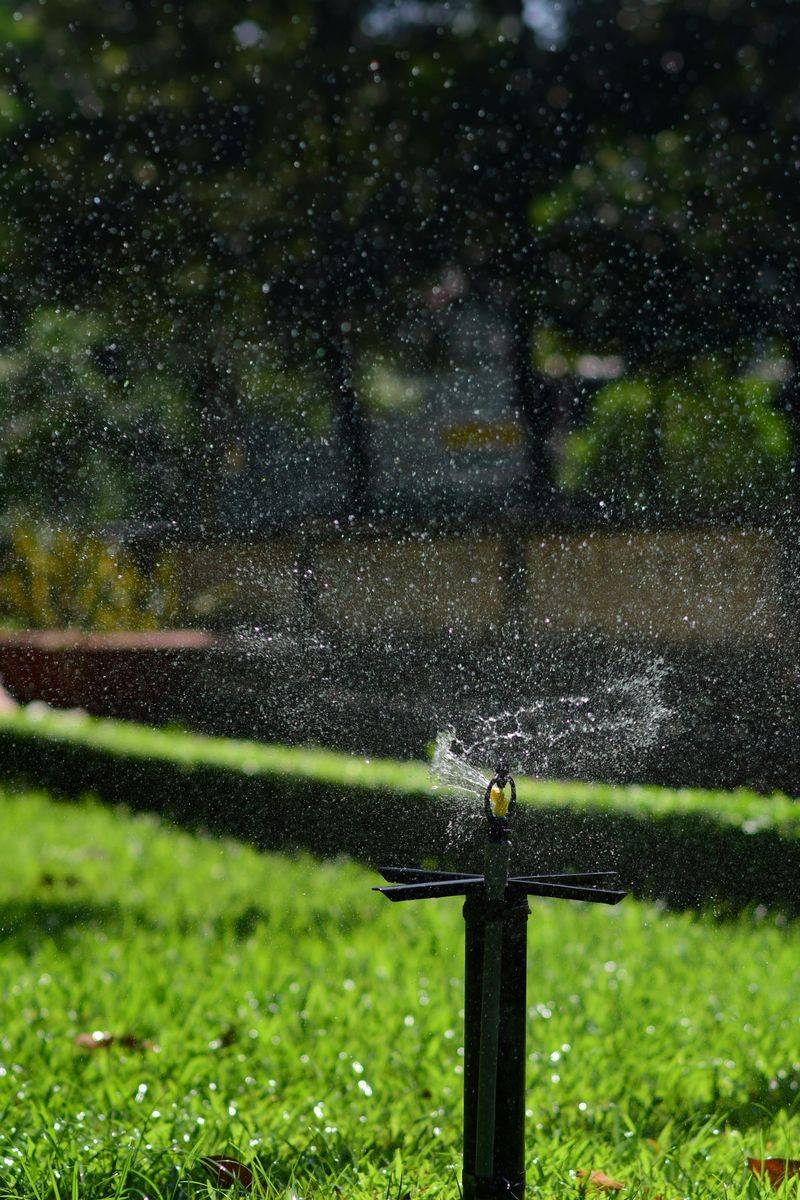
Daily watering feels like good lawn care, but your grass is quietly begging you to stop.
A few dry days build stronger roots than a week of daily watering ever could.
When water is always at the surface, roots have no reason to go anywhere else.
Shallow roots are fragile roots, and shallow-rooted grass is the first to burn out when July hits.
Colorado’s semi-arid climate actually trains grass to be tougher than people give it credit for.
Native and adapted turf species thrive when they are watered less often but more deeply.
Instead of light daily sprinkles, aim for longer, less frequent sessions that push water down four to six inches into the soil.
You can check your watering depth with a screwdriver or a soil probe.
Push it into the ground after a watering session and see how deep the moisture goes.
If it only goes in an inch or two, your cycle time needs to be longer.
Watering three times per week in May is a solid starting point for most Colorado lawn types.
Let the top inch of soil dry out between sessions to encourage roots to reach downward.
That extra root depth is what separates a lawn that looks great all summer from one that turns brown by the Fourth of July.
4. Running Your Sprinklers At The Wrong Time Of Day

Watering at noon on a Colorado May afternoon is basically pouring money into the sky.
Evaporation rates in the state are among the highest in the country, thanks to low humidity and strong sun.
Midday irrigation can lose up to fifty percent of its water before it ever reaches the roots.
That is half your effort gone before it does anything useful.
Evening watering sounds like a smart workaround, but it creates its own set of problems.
When grass blades stay wet overnight, fungal diseases like dollar spot and brown patch find the perfect conditions to spread.
Once fungus takes hold in a lawn, it is a slow and frustrating process to get it under control.
Early morning is hands down the best window for watering your Colorado lawn.
Somewhere between five and nine in the morning gives moisture time to soak into the soil before the heat of the day arrives.
The grass blades dry off quickly once the sun rises, cutting down on disease risk significantly.
If your schedule makes morning watering tough, even shifting to seven in the morning instead of noon makes a measurable difference.
Small timing adjustments add up over a season.
Your lawn absorbs more, stays healthier, and you spend less time fixing problems that never needed to happen.
5. Ignoring What Grass Type You Actually Have
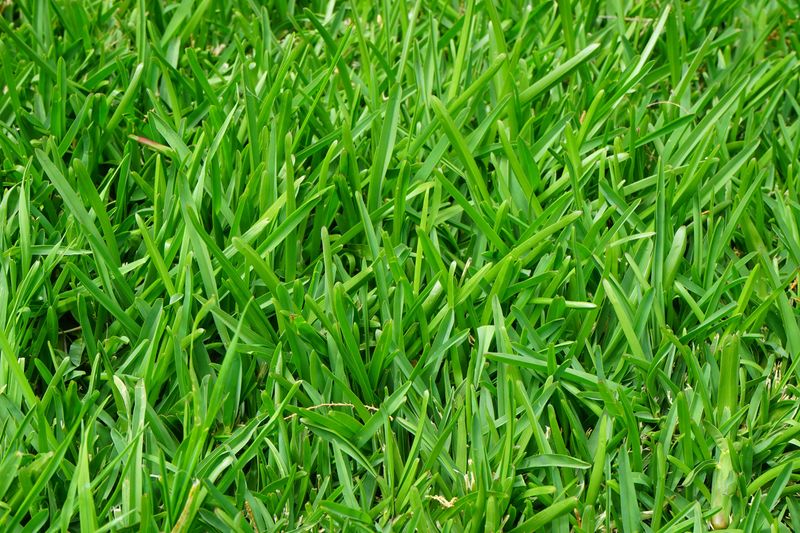
Not all grass is created equal, and watering them the same way is a recipe for frustration.
Colorado lawns are home to a wide range of turf types.
Cool-season grasses like Kentucky bluegrass and tall fescue behave very differently from drought-tolerant warm-season options like buffalo grass and blue grama.
Each one has a completely different relationship with water, especially in May.
Cool-season grasses are actively growing in May and need consistent moisture to support that growth.
They green up early and can handle more frequent watering during spring, but they still do not want to be soaked daily.
Aiming for about one inch of water per week, including rainfall, keeps them in their happy zone.
Warm-season grasses are a different story entirely.
Buffalo grass and blue grama are still waking up in May and actually prefer to be left alone a bit longer.
Overwatering them in spring encourages weeds to move in before the turf has a chance to fill in and compete.
If you are not sure what type of grass you have, pull a small plug from your lawn and take it to a local extension office or garden center.
Knowing your turf type is the single most useful piece of information you can have.
The rest is just details.
6. Overlooking Colorados Unpredictable May Rainfall
Colorado May rain does not care about your sprinkler schedule, and that is exactly the problem.
Automatic systems with no rain sensor keep watering right through afternoon thunderstorms, and homeowners have no idea because they set the timer and walked away.
That wasted water adds up fast on a monthly bill.
May in the state is statistically one of the wettest months of the year.
The Front Range and mountain communities can see multiple inches of rain across the month, which means your irrigation system should be doing a lot less work than it does in July.
Ignoring natural rainfall and sticking to a fixed schedule leads to overwatered, oxygen-starved grass that looks worse than an unwatered lawn.
A simple rain sensor costs less than thirty dollars and can be installed on most existing irrigation systems in under an hour.
It automatically pauses your watering cycle when rainfall crosses a set threshold and resumes once things dry out.
For the price of a dinner out, it pays for itself in the first month of May alone.
Keeping a basic rain gauge in your yard is another low-effort solution.
Check it after storms and subtract that amount from your weekly watering target.
Working with what nature already provides keeps your routine efficient and your lawn genuinely healthy through spring.
7. Not Giving Your Soil A Chance To Breathe After Winter
Colorado soil takes a beating over winter.
Freeze and thaw cycles compress the ground, foot traffic packs it down further, and by May you are essentially trying to water concrete.
Compacted soil cannot absorb water efficiently no matter how well-timed your irrigation is.
Instead of soaking in, water sits on the surface, runs off, or evaporates before it ever reaches the root zone.
You end up using more water to achieve less.
A light aeration in early May is one of the most effective things you can do before the watering season begins.
It pulls small plugs of soil from the ground, opening up channels for water, oxygen, and nutrients to reach the roots directly.
You do not need professional equipment for a small lawn.
A manual aerator from any garden center works fine.
For larger yards, most hardware stores rent powered aerators by the day.
Water your lawn the day before aerating to soften the ground slightly, then aerate and water again afterward.
That first post-aeration watering will absorb more deeply than anything you applied all of April.
8. Mowing Too Short And Making Every Watering Less Effective
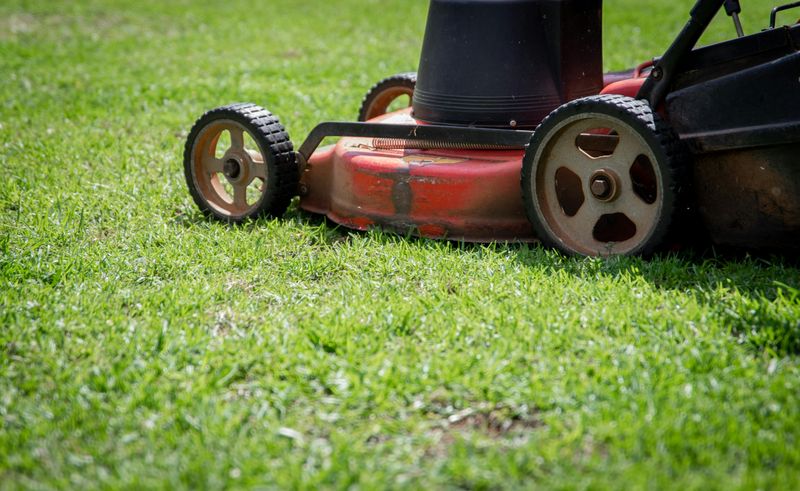
Most Colorado homeowners mow on autopilot, dropping the blade as low as it goes and calling it done.
The problem is that scalped grass has almost no ability to shade the soil beneath it.
Without that cover, the sun hits the ground directly and moisture evaporates before roots ever get a chance to use it.
Keeping your mower blade at three to three and a half inches in May is not a suggestion.
It is the difference between a lawn that holds water and one that burns through it.
Taller blades also photosynthesize more efficiently, which means your grass builds energy reserves that carry it through the heat of summer.
In a state where water is precious and summer is relentless, a taller blade of grass is one of the smartest tools you have.
9. Waiting Until Something Goes Wrong To Start Paying Attention

Most Colorado homeowners spend May on autopilot and only start paying attention to their lawn when something goes wrong.
By then, the damage from two months of neglect is already done and summer has not even started yet.
Here is the thing nobody tells you when you move to Colorado: lawn care rules from other states do not apply here.
The altitude, the soil composition, the dramatic swing between a warm afternoon and a cold night.
This state plays by its own rules.
Your lawn knows it even if you do not.
A Colorado lawn in May does not need more water.
It needs smarter water.
It needs a schedule that bends with the weather instead of ignoring it.
Soil that has room to absorb what you give it.
A mowing height that works with the sun instead of surrendering to it.
It needs an owner who checks the rain gauge after a storm and walks the yard once a week instead of trusting a timer to do all the thinking.
None of this is complicated.
It is just deliberate.
The homeowners with the greenest lawns by June are not working harder than everyone else.
They are not spending more money or more time.
They are simply paying attention to the right things at the right time, and letting the lawn respond.
Do that in May, and your lawn will carry itself through whatever Colorado summer throws at it.