Let These 8 Plants Do The Critter Chasing In Your Colorado Garden
Tired of waking up to find your garden looking like a deer buffet or a rabbit convention? Colorado gardeners know the struggle is real when wildlife treats your flower beds like an all-you-can-eat restaurant.
The good news is that nature has a clever workaround and it smells amazing. Certain plants are so fragrant, so prickly, or so downright unpleasant to critters that they act like a natural fence without the hardware store trip.
From fuzzy silver leaves to bold purple blooms, these plants pull double duty as garden showstoppers and wildlife deterrents.
For deer, rabbits, or squirrels causing havoc in your garden, there’s a plant here that will make them think twice.
Colorado’s high altitude, dry climate, and wide temperature swings actually make these varieties thrive even harder. Meet your new garden bodyguards.
1. Lavender
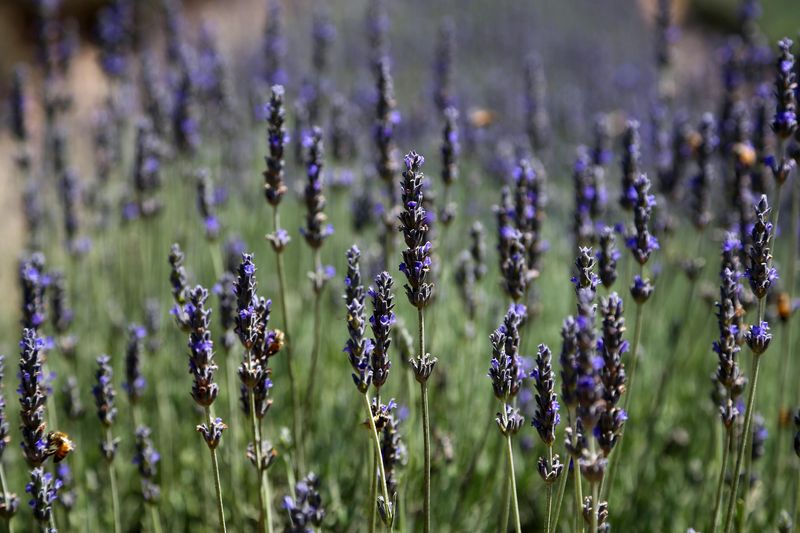
Deer hate lavender, and honestly, that is one of the best things about it. This Mediterranean superstar thrives in Colorado’s dry, sunny conditions like it was born for the Rocky Mountain lifestyle.
The strong, distinctive scent that humans find so relaxing is exactly what sends deer and rabbits scrambling in the other direction.
Their sensitive noses simply cannot handle the intensity of lavender’s aromatic oils, making it one of the most reliable critter-deterrent plants you can grow.
Plant it along the edges of your garden beds as a fragrant barrier, and watch wildlife take a hard pass on your property. Beyond its protective powers, lavender is a full-on sensory experience for people.
The silvery-green foliage looks elegant year-round, and when those purple flower spikes appear in summer, pollinators follow.
Bees and butterflies absolutely swarm it, so you get fantastic pollinator activity while critters stay away.
For Colorado gardens, choose cold-hardy varieties like Hidcote or Munstead, which handle the state’s brutal winters without flinching.
Plant in well-draining soil and give it full sun, at least six hours a day. Lavender actually performs better in lean, slightly poor soil, so resist the urge to over-fertilize. Cut it back by about one-third after blooming to keep the plant bushy and productive for years.
A well-placed row of lavender near your vegetable patch or rose garden creates an aromatic shield that works around the clock, no batteries required.
2. Catmint
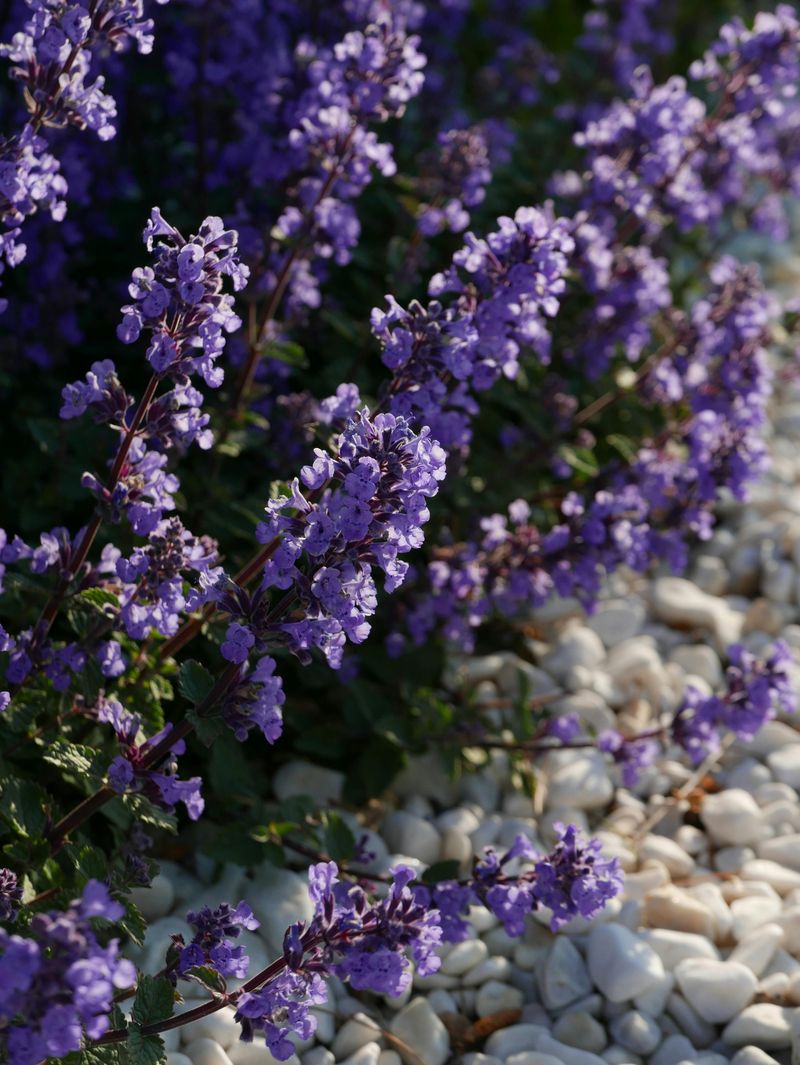
Picture a plant that smells like a cross between mint and oregano, blooms for months, and makes deer turn around mid-bite. That is catmint, and it is one of the hardest-working plants in any Colorado garden.
While cats famously roll in it with pure joy, deer and rabbits find the minty, slightly medicinal scent completely off-putting.
The aromatic compounds in catmint’s leaves are strong enough to make browsing animals lose interest fast and move on to someone else’s yard. Catmint earns its place in the garden for reasons far beyond critter control, though.
It produces waves of small lavender-blue flowers from late spring all the way into fall, especially if you shear it back after the first big flush of blooms.
Your Colorado Garden Changes Every Week. Your Plan Should Too.
Gardening in Colorado changes quickly throughout the season. Every Friday you’ll receive a simple weekly plan showing exactly what to plant, prune, fertilize, harvest, and protect so you never miss the right timing.
The soft, gray-green foliage has a gentle, mounding habit that looks polished at the front of borders or spilling over garden edges.
It pairs beautifully with roses, salvia, and ornamental grasses, making it a designer’s secret weapon for low-maintenance color.
Colorado’s semi-arid climate suits catmint perfectly since it is drought-tolerant once established and handles poor soils without complaint.
Walker’s Low is a popular variety that grows about two feet tall and wide, making it ideal for edging pathways or driveways.
Full sun is preferred, though catmint tolerates partial shade better than many drought-tolerant plants.
Water it deeply but infrequently, and it will reward you with months of color and a critter-free zone that practically takes care of itself.
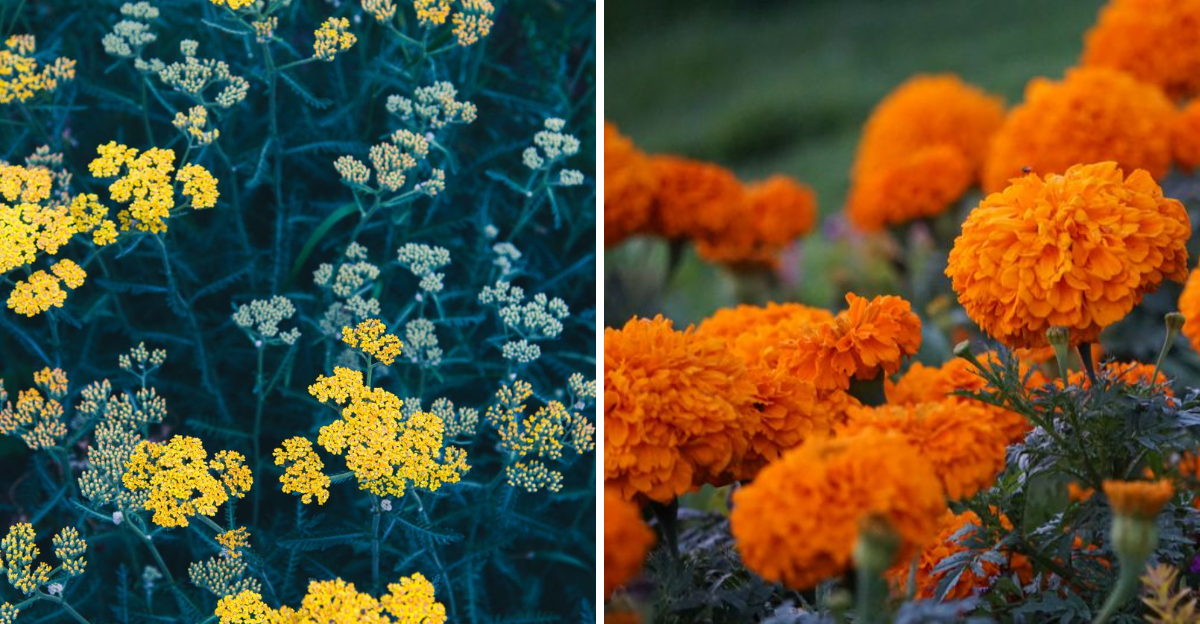
3. Yarrow
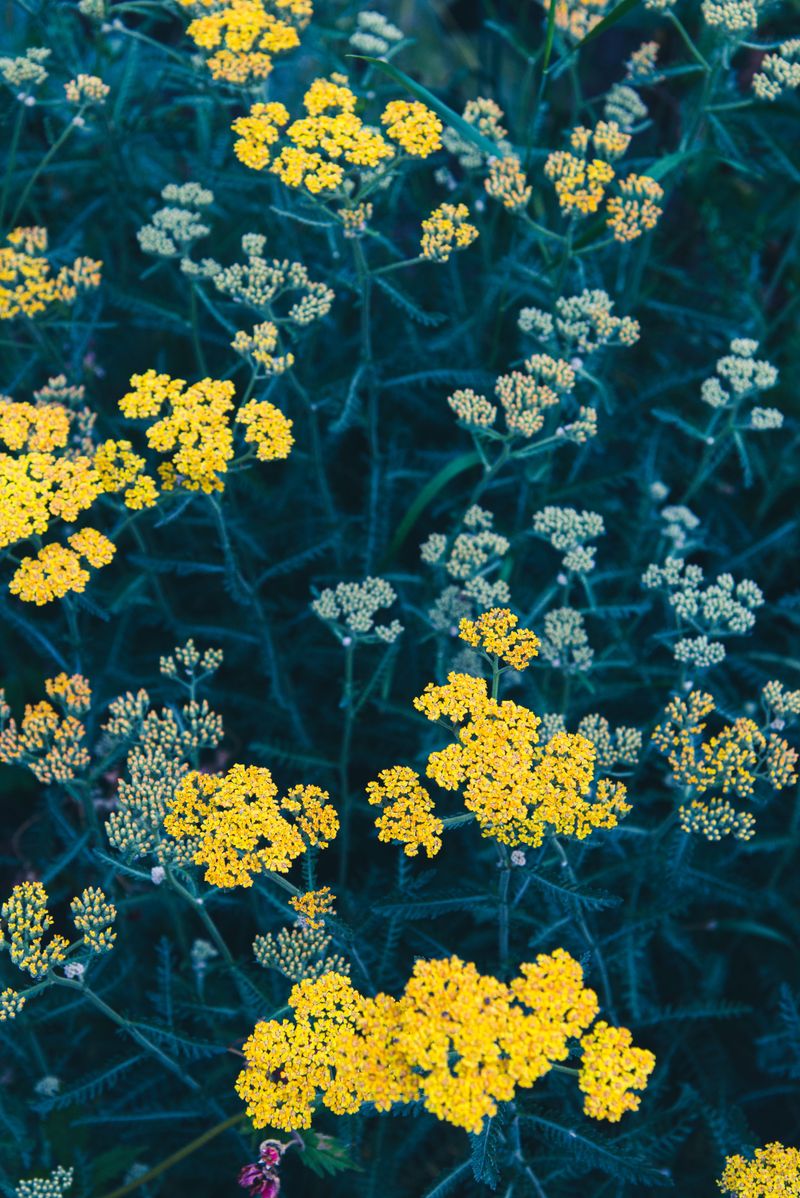
Yarrow has been outsmarting deer for centuries, and it is not about to stop now. This tough, flat-topped wildflower contains aromatic compounds and slightly bitter chemicals.
Together these make it unappealing to deer, rabbits, and most other browsing animals. The feathery, fern-like foliage has a pungent smell when crushed that critters find unpleasant, essentially signaling that this plant is not on the menu.
What makes yarrow extra special for Colorado gardens is its legendary toughness. It handles drought, heat, wind, poor soil, and cold temperatures with little fuss.
Once established, yarrow practically takes care of itself, spreading via rhizomes and self-seeding. This can become invasive in cultivated beds over time, so dividing clumps every few years and removing unwanted seedlings keeps it manageable.
The blooms come in a fantastic range of colors including white, yellow, red, orange, and soft pink, so there is a yarrow variety to match almost any garden palette.
Moonshine yarrow, with its bright sulfur-yellow flowers, is a classic Colorado choice that performs season after season without much fuss.
Pollinators adore yarrow’s flat flower heads, which serve as convenient landing pads for butterflies and native bees.
Plant it in full sun and well-draining soil, and avoid overwatering since wet roots are the one thing yarrow genuinely dislikes.
Remove spent blooms to encourage a second flush of flowers later in the season. Tuck yarrow in between more vulnerable plants and let its protective chemistry do the heavy lifting while you enjoy the show.
4. Russian Sage
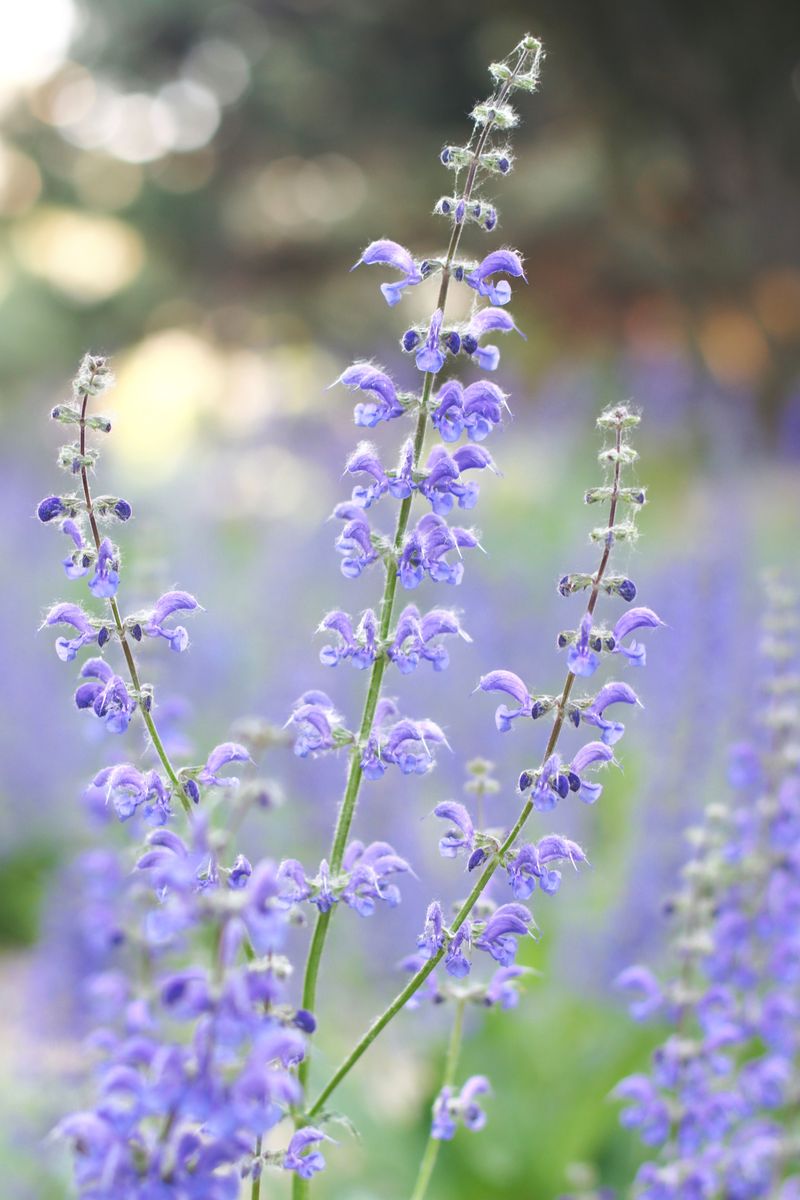
Russian sage looks like someone took a sunset and turned it into a plant. Those tall, airy wands of violet-blue flowers swaying above silver stems create a dreamy, hazy effect that photographers and gardeners both obsess over.
Deer, on the other hand, want absolutely nothing to do with it, which makes Russian sage one of the most satisfying plants you can add to a Colorado garden.
The secret is in the foliage, which releases a strong, sage-like fragrance when touched or disturbed.
Deer rely heavily on smell to assess whether a plant is safe to eat, and Russian sage’s intense aromatic oils send a clear message: keep moving.
Rabbits also tend to steer clear, making this plant a double layer of protection for garden beds. Beyond its critter-deterring talents, Russian sage is a Colorado garden superstar in its own right.
It thrives in dry, alkaline soils that would challenge many other plants, and it handles Colorado’s intense sun and low humidity without breaking a sweat.
Blooming from midsummer into fall, it fills the garden with color long after spring perennials have faded.
Pair it with ornamental grasses, black-eyed Susans, or coneflowers for a native-inspired combination that practically manages itself.
Cut it back hard in early spring to about six inches from the ground, and it will return with vigor every single year.
Russian sage planted along a fence line or property border creates a fragrant, beautiful barrier that critters respect and neighbors envy.
5. Salvia
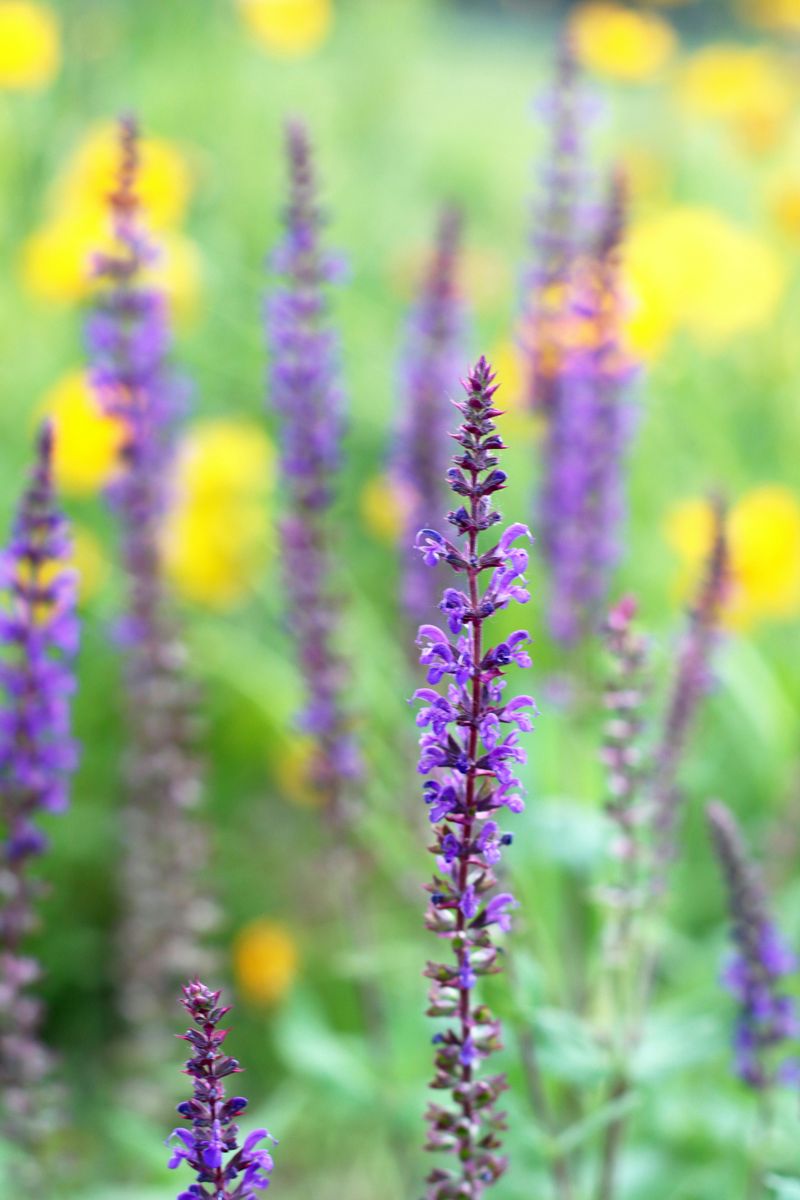
Hummingbirds are strongly drawn to salvia. That contrast pretty much sums up why salvia is such a brilliant addition to any Colorado garden where critters are a constant headache.
The aromatic, slightly bitter foliage is loaded with volatile oils that deer and rabbits find completely unappetizing, even when other food sources are scarce.
Salvia is not just one plant, it is an enormous family with hundreds of species ranging from compact ornamentals to tall, dramatic statement plants. Salvia is a reliable choice for Colorado gardens where critters are a persistent problem.
For Colorado conditions, May Night salvia is a standout performer, producing rich indigo flower spikes from late spring through summer with minimal care.
Hot Lips salvia brings a playful red and white bicolor show that pollinators cannot resist, while deer continue to walk right past it without a second glance.
Note that some salvias commonly sold at garden centers, such as Salvia splendens, are frost-tender annuals in Colorado and will not return after winter. Check that a variety is perennial in your hardiness zone before buying.
Most salvias prefer full sun and well-draining soil, fitting right into Colorado’s dry, high-altitude growing conditions.
Once established, they are impressively drought-tolerant, which means lower water bills and less babying from you.
Removing spent flower spikes encourages repeat blooming well into autumn. Plant salvia in clusters near vegetable gardens or prized rose beds to create a fragrant, protective perimeter that works passively all season long.
The combination of wildlife resistance, pollinator magnetism, and long bloom time makes salvia a practical and reliable choice for a wildlife-resistant Colorado garden.
6. Marigolds
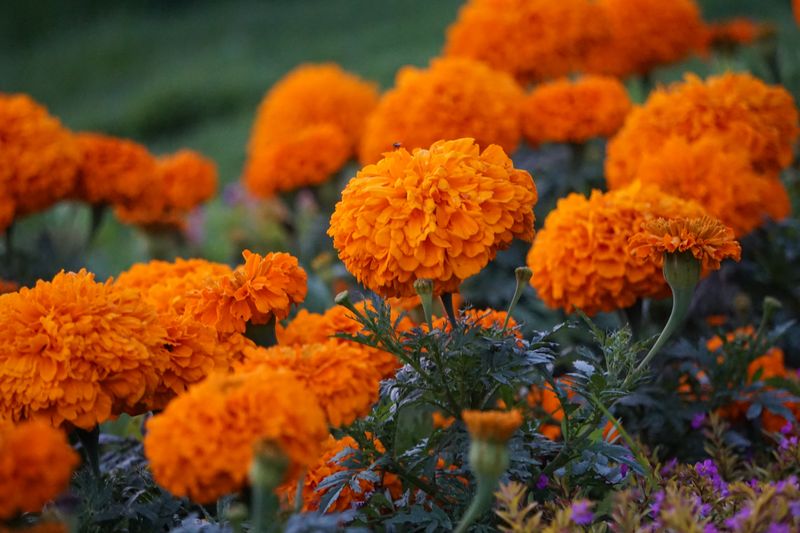
Few garden plants punch above their weight class quite like the humble marigold. Marigolds are well known for their pungent, earthy scent.
Humans may find it pleasant, but deer, rabbits, and many insects find it deeply off-putting. The smell comes from thiophenes, sulfur-based compounds in the foliage and flowers that act as a natural chemical alarm system for browsing animals.
Marigolds have been used as companion plants in vegetable gardens for generations, and the tradition exists for a very good reason.
Plant them around the perimeter of your tomato patch or lettuce rows, and they create an olfactory fence that critters prefer not to cross.
The nematode-suppression benefit sometimes attributed to marigolds requires dense planting as a full-season cover crop, and casual border planting does not reliably achieve this.
The claim that marigolds deter aphids is not well-supported; they can in fact attract them. Colorado summers are perfectly suited to marigolds since they love heat, full sun, and well-draining soil, exactly what most of the state delivers from June through September.
French marigolds stay compact and bushy, ideal for tight borders, while African marigolds grow tall and bold, creating more visual and aromatic impact per plant. Remove faded blooms regularly to keep flowers coming all summer.
Marigolds are also one of the most affordable critter-deterrent options available since seed packets cost almost nothing and transplants are easy to find at any garden center.
Scatter them generously throughout the garden, and you will have a colorful, hardworking defense system that costs less than a bag of deer repellent spray and looks a whole lot better.
7. Allium
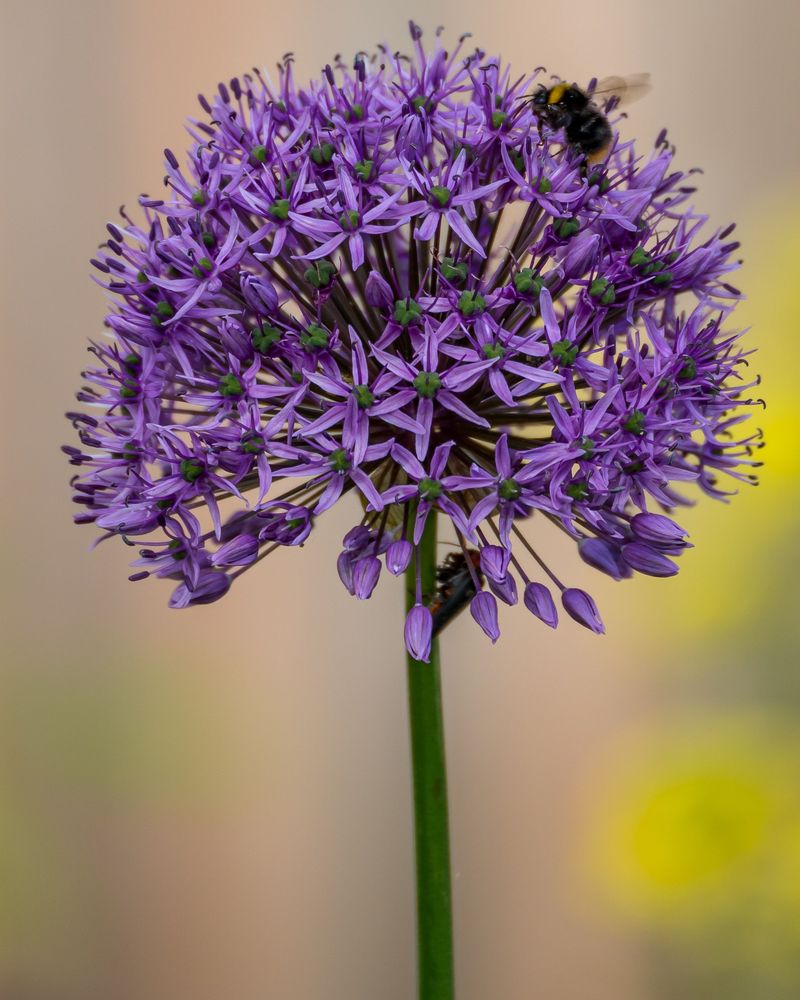
Imagine planting a vegetable that doubles as a stunning ornamental and sends deer running in the opposite direction.
Alliums, the ornamental relatives of onions and garlic, do exactly that with effortless style. Every part of the plant, from the bulb to the globe-shaped flower head, carries a sharp, sulfurous smell that deer and rabbits find absolutely repulsive.
Where most flowering bulbs are deer candy, alliums are the exception that actually holds its ground. The architectural, perfectly round flower heads look like something from a fantasy garden, rising on tall stems in shades of purple, violet, white, and pink.
Giant alliums like Globemaster can reach six inches across, creating a dramatic focal point that draws every eye in the garden while simultaneously keeping critters at bay.
Colorado’s cold winters are actually beneficial for alliums since the bulbs require a chilling period to bloom properly, making this state an ideal home for them.
Plant the bulbs in fall, about three times as deep as the bulb is wide, in a sunny spot with good drainage.
They emerge in spring with strap-like foliage before sending up those magnificent flower stems in late spring to early summer.
After blooming, the seed heads dry to an attractive, sculptural form that adds texture and interest through fall.
Pair alliums with tulips, catmint, or ornamental grasses to create a layered, season-long display. Planting alliums near vulnerable perennials adds a layer of odor-based deterrence.
Pet owner note: Alliums are toxic to dogs and cats if ingested in significant quantities. Plant with this in mind if pets have access to your garden beds.
8. Penstemons
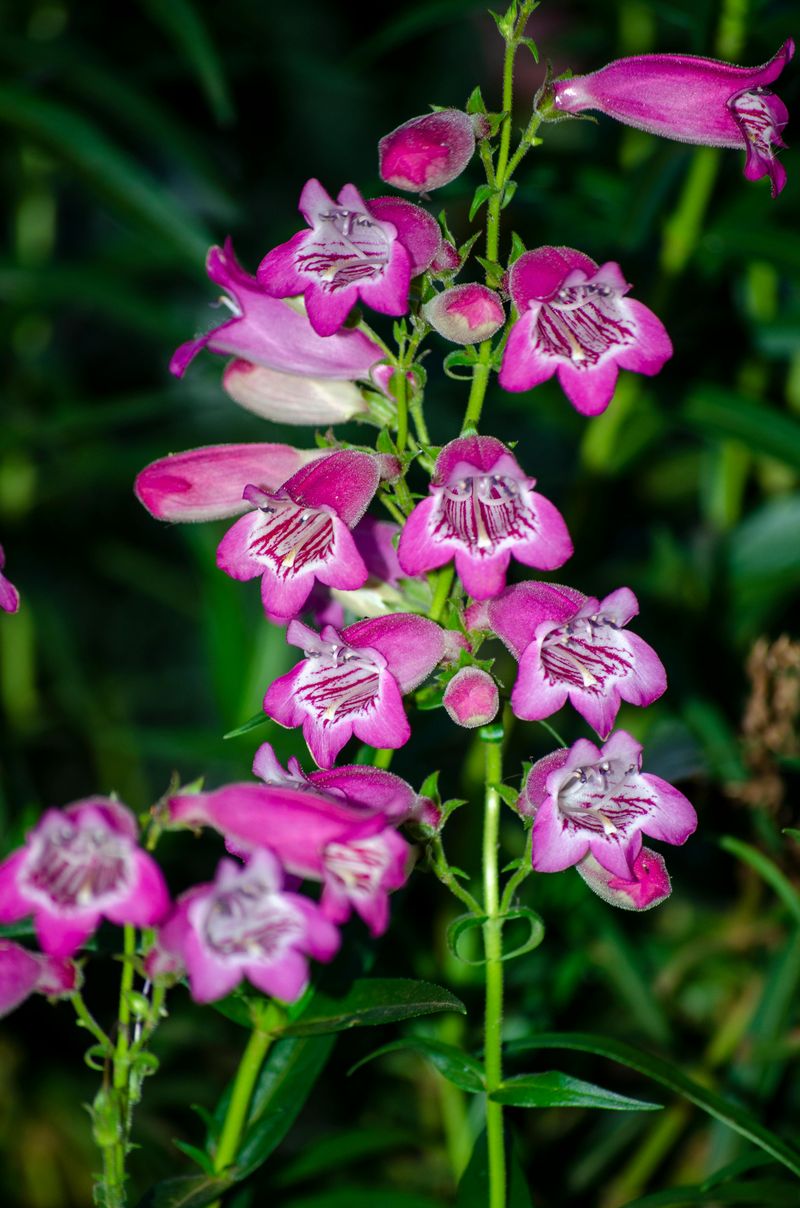
Colorado has a secret weapon in the critter-chasing plant world, and it grows wild right here in the state. Native penstemons, also called beardtongues, are Colorado royalty, thriving in rocky, dry conditions where other plants wave the white flag.
Deer tend to leave penstemons alone, likely because the tubular flowers and slightly bitter foliage simply do not match their preferred grazing profile.
Rocky Mountain penstemon, with its vivid blue-purple tubes, and Firecracker penstemon, blazing in coral red, are two native species that bring serious color while holding their own against browsing pressure.
Hummingbirds are completely obsessed with penstemons, hovering at every tubular flower like tiny jeweled helicopters on a mission.
The fact that these plants attract hummingbirds while repelling deer makes them one of the most ecologically smart choices for a Colorado garden.
Plant penstemons in full sun with sharply draining soil, ideally with some gravel or sand mixed in to mimic their native rocky habitat.
Overwatering is the biggest threat to penstemons, so let the soil dry out between waterings once plants are established.
They bloom in late spring and early summer, filling the garden with trumpet-shaped flowers in shades of red, pink, purple, and white.
Because they are native to Colorado, penstemons are perfectly adapted to the state’s altitude, climate swings, and soil types without any coddling from you.
Native penstemons are a low-maintenance choice for keeping wildlife at a distance. They also connect your garden to the broader landscape of the region in a way few non-native plants can.