The Simple Way To Grow A Lavender Border In Arizona Heat
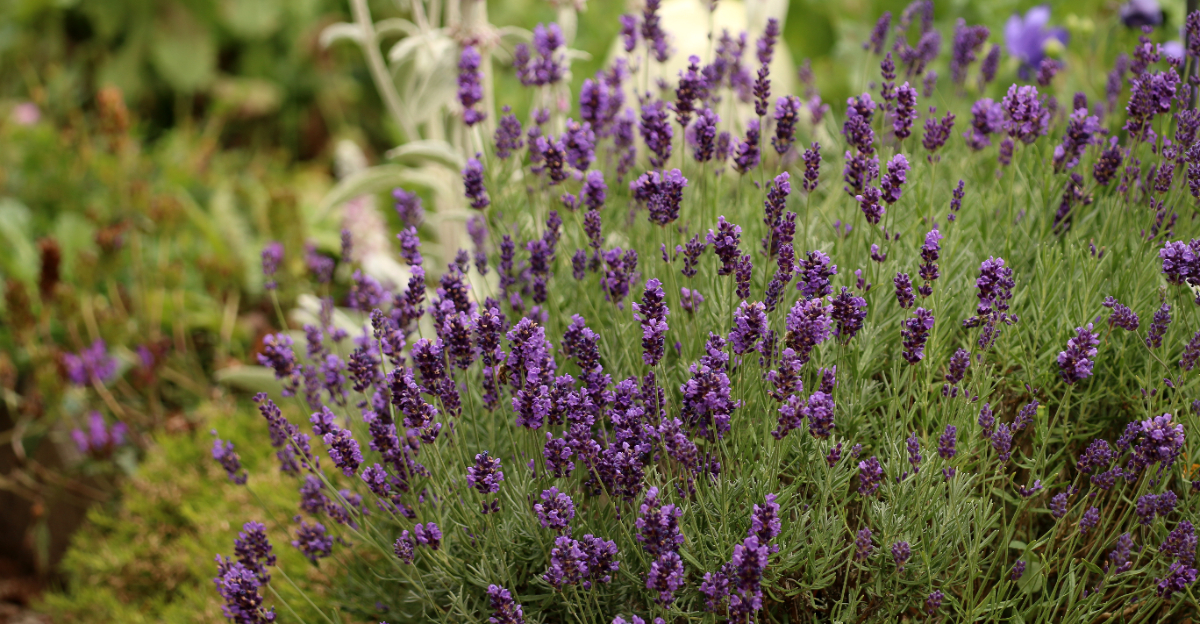
Lavender borders stand out quickly in Arizona once summer arrives. Silvery foliage, soft purple blooms, and the strong scent drifting through the yard can completely change how a garden feels during the hottest months.
A healthy border also looks much cleaner and fuller than scattered lavender plants placed randomly around the landscape.
Heat alone usually is not what causes lavender problems. Poor drainage, heavy watering, and tight spacing often create bigger issues long before extreme summer temperatures arrive.
Plants that start leaning, thinning out, or developing weak growth often struggle because the setup was wrong from the beginning.
Placement makes a huge difference with lavender borders. Areas with strong sun, airflow, and fast draining soil usually produce healthier plants that hold their shape much better through the season.
Even the distance between plants affects how full the border looks later.
Once lavender settles in properly, borders often become one of the lowest maintenance parts of the yard during long stretches of hot weather.
1. Choose Lavender Varieties That Handle Dry Conditions Well
Not every lavender variety handles extreme desert heat well, and choosing the wrong one can lead to weak growth or complete failure during summer.
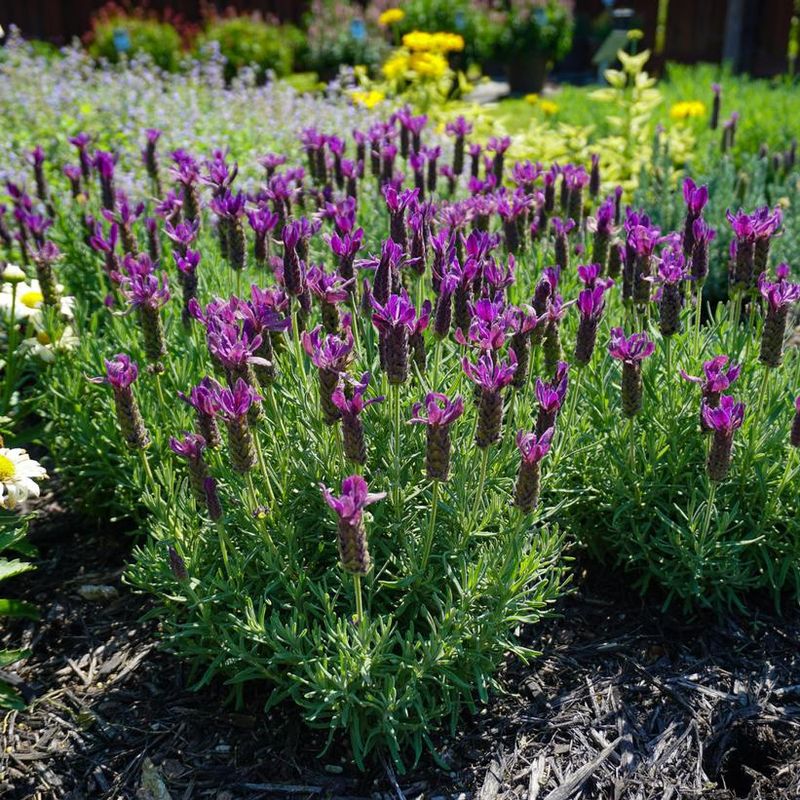
Spanish lavender, also known as Lavandula stoechas, is one of the more dependable choices for Arizona because it tolerates both intense heat and dry air better than many other types.
Goodwin Creek Grey is another variety that performs reliably even during stretches of triple digit temperatures.
French lavender, Lavandula dentata, also adapts well to desert conditions and produces soft toothed foliage with blooms that often last longer through warm weather.
Portuguese lavender, Lavandula latifolia, is another strong option because its deeper root system helps it access moisture farther below the soil surface.
English lavender usually struggles in lower desert areas but can perform better in cooler northern regions where summer temperatures are less extreme.
Checking heat tolerance before buying matters more than looking only at USDA hardiness zones. A plant that survives cold winters may still struggle badly in prolonged desert heat.
2. Plant In Areas With Fast Draining Soil
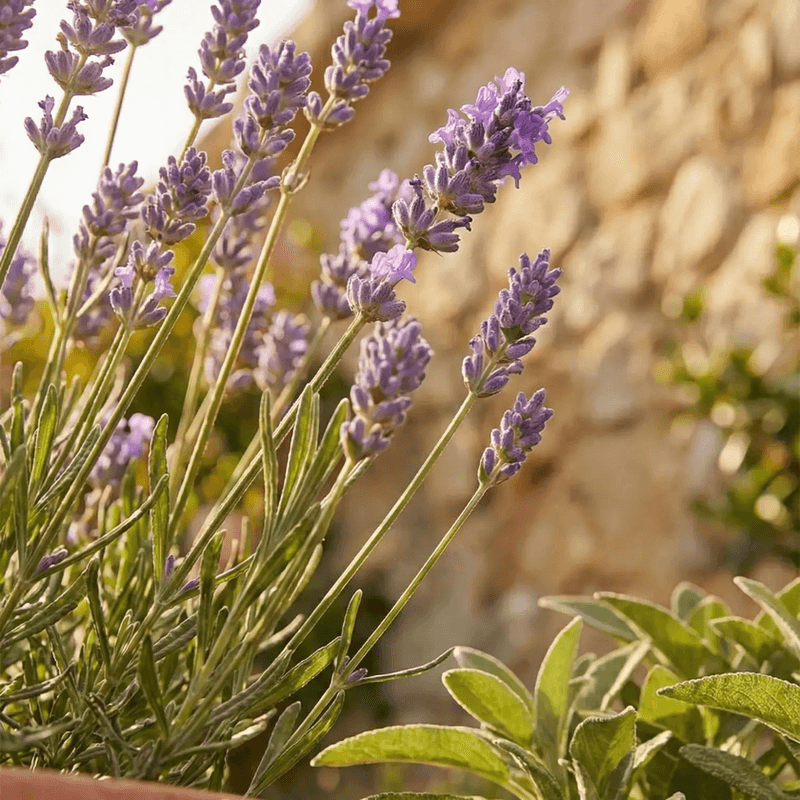
Lavender roots sitting in wet soil is one of the fastest ways to lose a plant you worked hard to establish.
Our desert soils are often caliche-heavy or clay-dense in certain parts of the state, and both of those conditions trap water longer than lavender can tolerate.
Raised beds or mounded planting rows fix this problem immediately and give roots the drainage they need.
Sandy, gritty, or loamy soil drains quickly after rain or irrigation, which is exactly what lavender prefers. Adding coarse perlite or decomposed granite to existing soil improves drainage without a complete overhaul of your planting area.
A ratio of roughly one part amendment to two parts native soil works well for most yards across the low desert region.
Avoid planting in low spots where rainwater collects, especially during our monsoon season when sudden downpours can dump an inch of water in under an hour.
Slightly elevated planting areas, even just a few inches above grade, allow excess water to move away from the root zone quickly.
Your Arizona Garden Changes Every Week. Your Plan Should Too.
Gardening in Arizona changes quickly throughout the season. Every Friday you’ll receive a simple weekly plan showing exactly what to plant, prune, fertilize, harvest, and protect so you never miss the right timing.
Many experienced gardeners in Tucson and the surrounding areas build small berms specifically for lavender borders to ensure consistent drainage year-round.
3. Space Shrubs Far Enough Apart For Better Airflow
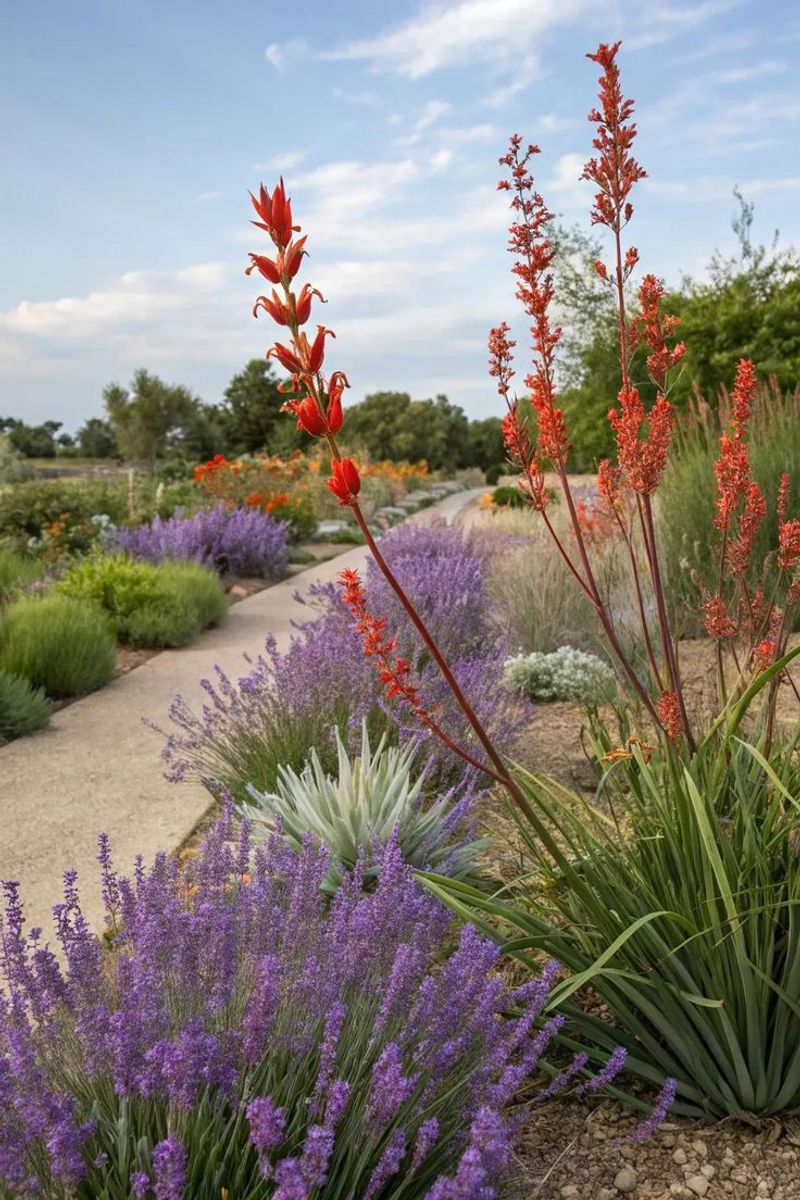
Crowding lavender plants together looks lush at first, but within a season or two it becomes a real problem.
Poor airflow between shrubs creates humid pockets right at soil level, which encourages fungal issues and slows the drying process after irrigation or rain.
A spacing of 24 to 36 inches between plants, depending on the mature size of the variety, gives each shrub enough room to breathe and spread naturally.
Compact varieties like Hidcote can get away with the shorter spacing, while larger types like Goodwin Creek Grey need the full 36 inches or even a bit more.
Measuring before planting saves a lot of transplanting work later when plants start competing for space.
Good airflow does more than prevent disease. It also helps the soil surface dry out faster between waterings, which is exactly the condition lavender roots prefer.
Spacing plants correctly from the beginning means you will not need to thin them out later, which stresses established shrubs and disrupts root systems.
Wide spacing also makes pruning and maintenance easier. You can reach the center of each plant without trampling neighbors, and visual inspection for pests or woody stems becomes a quick task rather than a guessing game.
4. Avoid Heavy Watering Once Plants Become Established
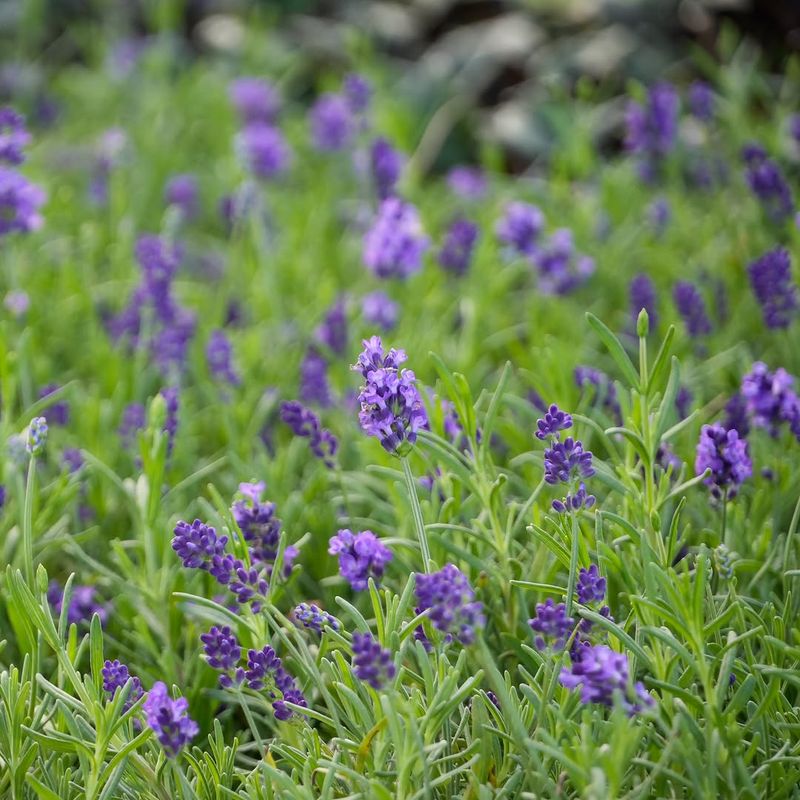
Overwatering is the single most common mistake people make with lavender in our climate.
Once plants are past the establishment phase, which typically takes about three to four months of careful watering, they genuinely prefer dry conditions between drinks.
Treating established lavender like a thirsty annual is a shortcut to root rot and weak, floppy growth.
During the first season, deep watering once or twice a week helps roots reach down into the soil. After that first summer, pulling back to once every 10 to 14 days during the hotter months is usually sufficient.
Drip irrigation works well for lavender, but placement matters. Setting emitters 8 to 12 inches away from the base of the plant encourages roots to grow outward and downward rather than clustering near the surface.
Surface-level roots are far more vulnerable to heat stress during our brutal July afternoons, so encouraging deep root growth pays off significantly.
Watch the foliage for signs of too much water rather than too little. Yellow or gray-green leaves that look waterlogged, combined with soft stems near the base, usually signal excess moisture rather than drought stress.
5. Use Gravel Mulch Instead Of Moisture Holding Bark
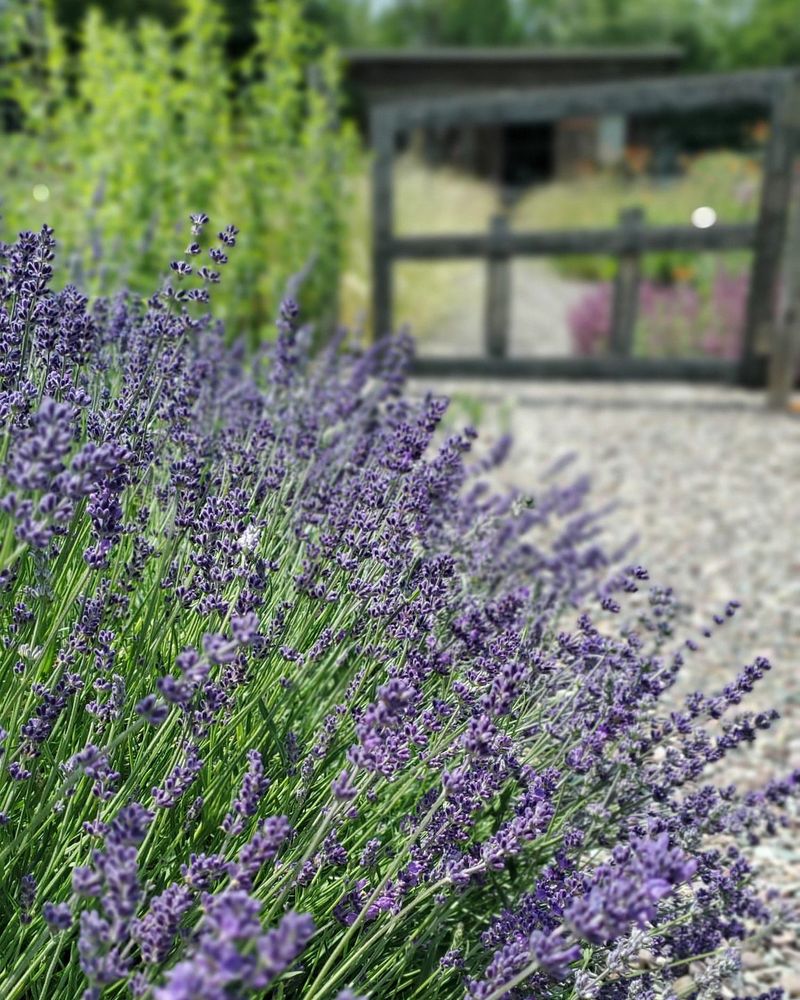
Bark mulch holds onto moisture for days, which sounds helpful until you realize that lavender roots hate sitting in a damp environment.
Organic mulches like wood chips break down over time and can actually raise the humidity level right at the base of the plant, where conditions need to stay dry.
Swapping that out for gravel or decomposed granite changes everything.
A two-inch layer spread around each plant, keeping a small gap right at the stem base, reflects heat upward during the day and helps the soil surface dry out quickly after rain or irrigation.
Both of those effects are exactly what lavender thrives on in our high-heat environment.
Gravel mulch also discourages weeds without smothering the soil the way bark can. Fewer weeds mean less competition for water and nutrients, which helps young plants establish faster.
Pulling weeds through gravel is also far easier than digging through compacted bark that has bonded to the soil surface over a full summer season.
One practical tip worth noting: lighter-colored gravel reflects more sunlight and keeps soil temperatures slightly lower than dark rock.
6. Trim Plants Lightly To Maintain A Fuller Shape
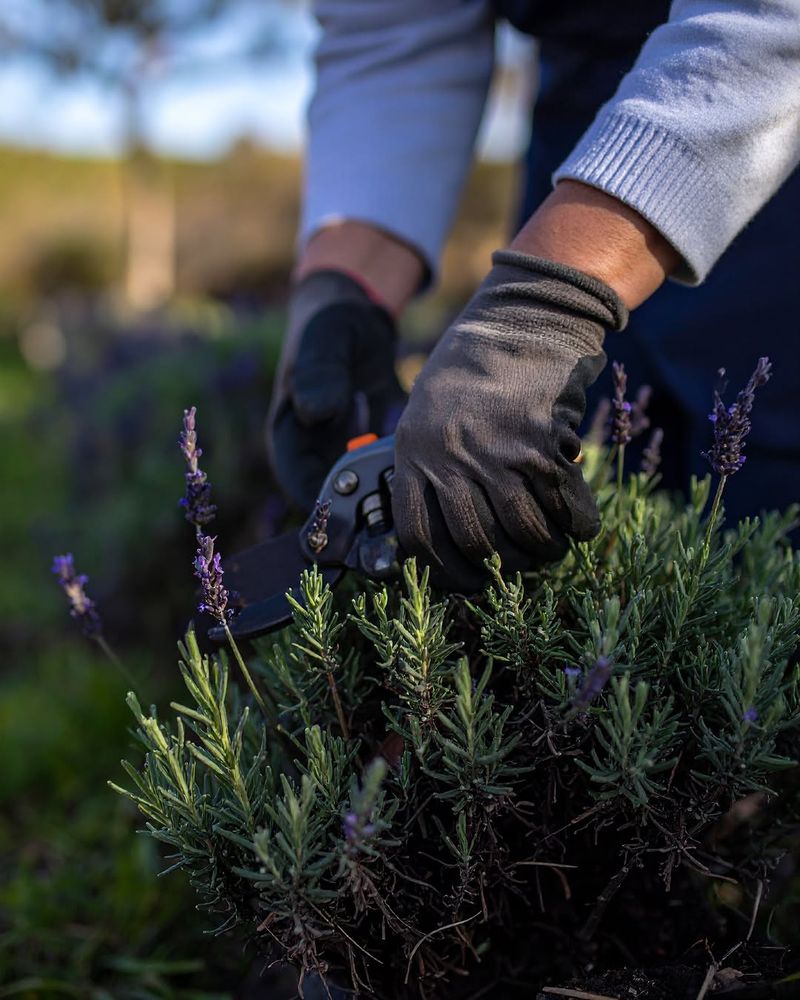
Lavender left completely unpruned for a season or two turns woody at the base, opens up in the center, and loses that tight, rounded shape that makes a border look polished. Light trimming is not about cutting back hard.
It is about encouraging the plant to stay bushy, compact, and full rather than stretching upward and falling open under its own weight.
Timing matters in our climate. The best window for trimming is right after the first flush of blooms fades, usually in late spring or early summer before the peak heat arrives.
Cutting back about one-third of the green growth at that point pushes new shoots from lower on the stem and keeps the overall silhouette tidy heading into monsoon season.
Avoid cutting into woody brown stems, which rarely push new growth and can leave permanent gaps in the plant. Always cut into green, flexible wood where new buds are visible or likely to form.
Sharp, clean pruning shears make a real difference here because rough cuts on lavender stems can invite moisture and slow healing in our intense summer sun.
A second light trim in early fall, once temperatures drop below 100 degrees consistently, helps shape the plant before cooler weather encourages a second bloom cycle.
7. Position Borders Away From Irrigated Lawn Areas
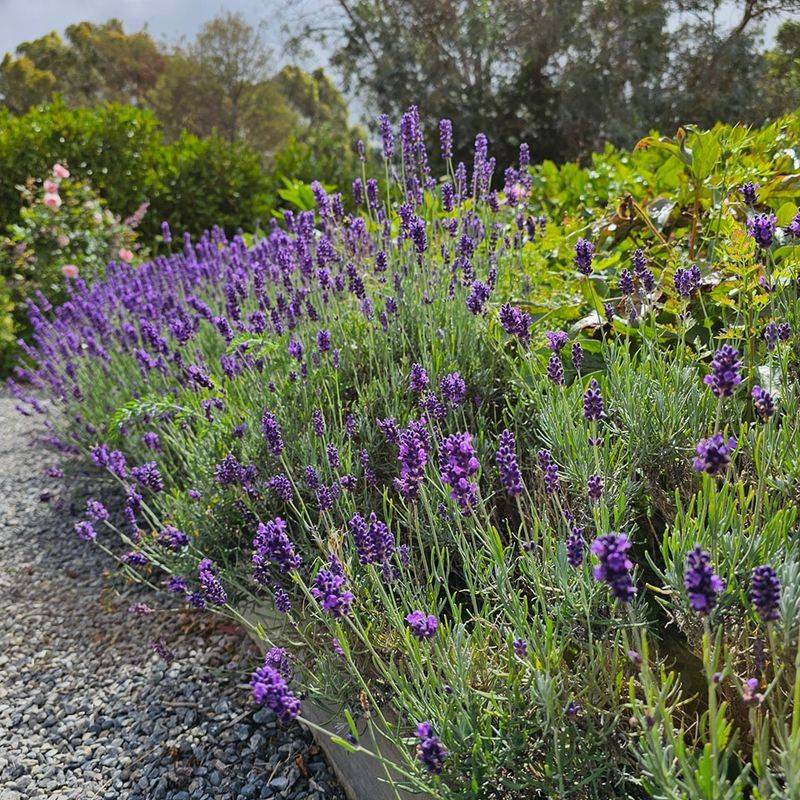
Placing a lavender border too close to a regularly watered lawn is one of the most common setup mistakes gardeners make in Arizona.
Grass lawns often receive irrigation several times per week during summer, and that moisture spreads farther through the soil than many people realize.
Lavender planted too close to those watering zones can end up sitting in consistently damp soil, which increases the risk of root problems and weak growth.
Leaving at least six to eight feet between lavender and irrigated lawn edges creates a much safer buffer against excess moisture.
Physical barriers such as concrete edging or decomposed granite can also help slow water movement through the soil. Using both methods together usually provides the most reliable long term results.
Raised borders placed along pathways, fences, or walls away from lawn irrigation systems often perform best in desert landscapes.
Certain wall and fence placements can also provide light afternoon protection during peak summer heat without reducing the full sun exposure lavender still needs for strong flowering.