Michigan Homeowners Are Replacing These Popular Plants This Spring
This spring, many Michigan homeowners are taking a fresh look at the plants in their yards and deciding some old favorites are no longer worth the trouble.
A plant may have once seemed like a safe choice, but harsh winters, pest issues, disease problems, and changing tastes are causing more people to swap them out.
In many cases, the replacements are tougher, easier to care for, and better suited to Michigan’s climate. Some also offer more value for pollinators, birds, and the overall look of the landscape.
Instead of sticking with plants that struggle or feel overused, homeowners are choosing options that bring stronger performance and a more updated feel.
This shift is changing the look of Michigan gardens in a noticeable way. It shows that the most popular plant is not always the one that works best in the long run.
1. Boxwood (Buxus spp.)
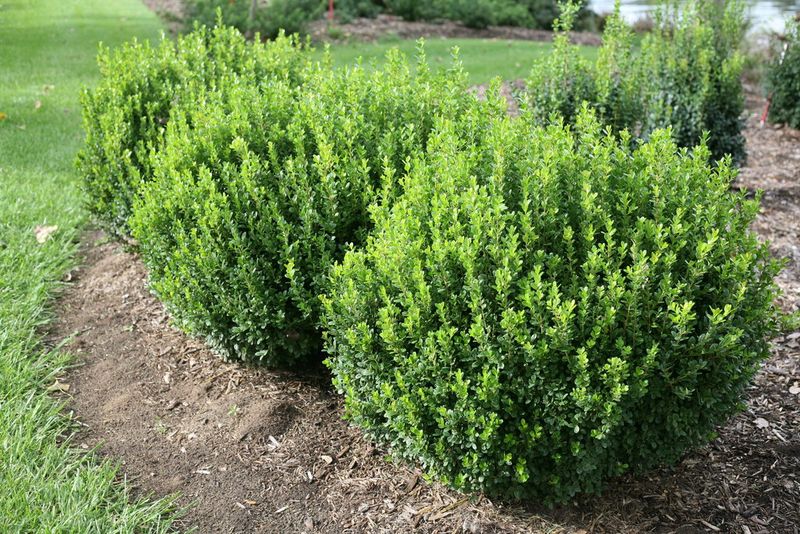
For decades, boxwood was the go-to shrub for tidy hedges and manicured front yards all across Michigan. Homeowners loved how neat and structured it looked, and nurseries could barely keep it in stock.
But something changed, and now these once-beloved shrubs are getting pulled out by the thousands every spring.
Boxwood blight is a serious fungal disease that spreads fast and turns lush green hedges into brown, patchy eyesores almost overnight.
On top of that, the box tree moth has been moving through Michigan and surrounding states, causing even more damage to boxwood plants.
Once an infestation takes hold, it is extremely hard to stop, and many homeowners find themselves losing entire hedges in a single season.
The good news is that Michigan gardeners have some excellent alternatives waiting in the wings. Inkberry holly is a native option that stays green through winter and handles wet soils like a champ.
Low-growing junipers add great texture and structure without any of the disease headaches. Native shrubs like these also support local birds and insects, which is a win for Michigan ecosystems.
Swapping out boxwood for these tougher, more reliable plants is one of the smartest landscape moves you can make this spring, and your yard will look better for it year after year.
2. Callery Pear (Pyrus calleryana)
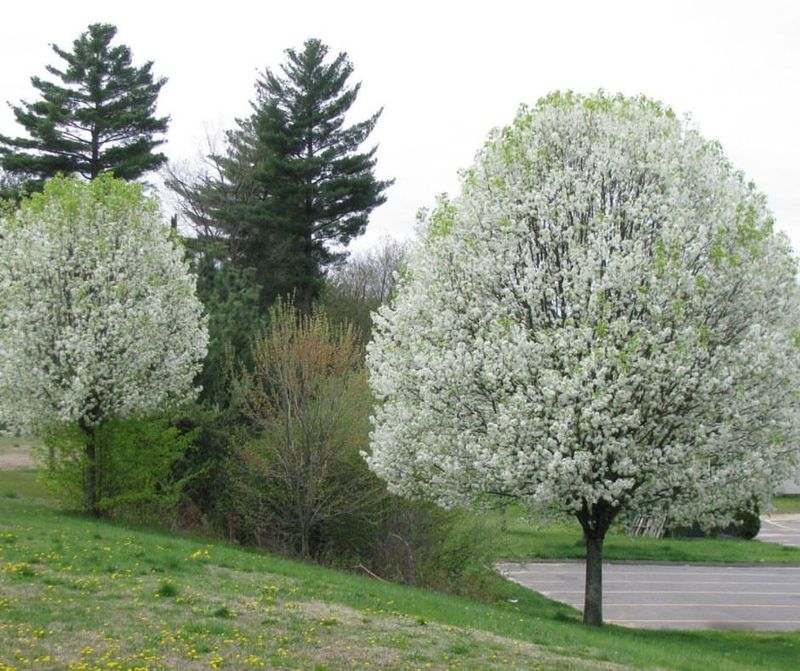
Every spring, those fluffy white blooms on Callery pear trees catch everyone’s eye along Michigan streets and driveways. They look stunning for about two weeks, and then the smell hits, which is famously unpleasant and hard to ignore.
Beyond the odor, this tree has a much bigger problem brewing beneath the surface. Callery pear is considered invasive in many parts of the Midwest, and Michigan is taking a serious look at regulating it.
The tree produces small fruits that birds love to eat, then spread seeds far and wide into natural areas, roadsides, and open fields.
Once it gets established outside of yards, it forms thorny thickets that crowd out native plants and are incredibly tough to manage.
Michigan’s Department of Agriculture and Rural Development has proposed adding Callery pear to the state’s invasive species list, which would make it illegal to sell or plant.
Your Michigan Garden Changes Every Week. Your Plan Should Too.
Gardening in Michigan changes quickly throughout the season. Every Friday you’ll receive a simple weekly plan showing exactly what to plant, prune, fertilize, harvest, and protect so you never miss the right timing.
Homeowners who want that same gorgeous spring flower show have much better options available.
Native serviceberry blooms early with delicate white flowers and also produces berries that birds genuinely love. Eastern redbud offers a burst of pink-purple color that stops people in their tracks.
Both trees are well-adapted to Michigan’s climate, support local wildlife, and will not escape into the wild. Making the switch now means staying ahead of any future regulations while doing right by Michigan’s natural spaces.
3. Japanese Barberry (Berberis thunbergii)
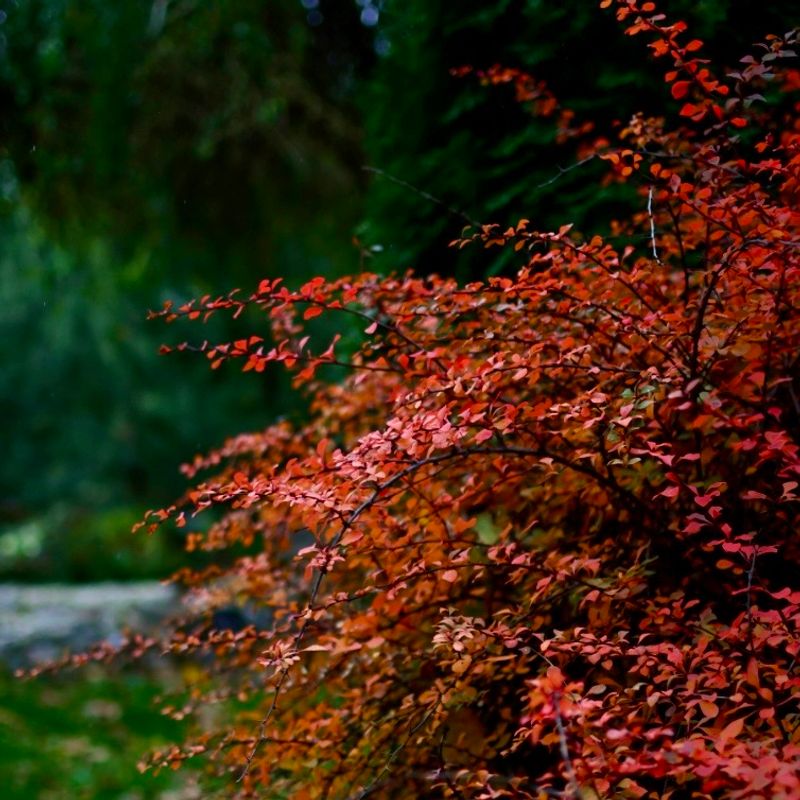
Japanese barberry was once considered a landscaping superstar. Its colorful foliage, compact shape, and low-maintenance reputation made it a staple in Michigan garden beds for years.
Walk through almost any older neighborhood in the state and you will still spot those spiky red or purple mounds tucked along foundations and driveways.
The problem runs deeper than just being invasive, though it absolutely is. Research has shown that Japanese barberry creates a humid microclimate at its base that ticks love, including the black-legged tick that carries Lyme disease.
For Michigan families with kids and pets playing outside, that is a serious concern worth taking action on. The shrub also spreads aggressively into forests and forms dense thickets that shade out native wildflowers and tree seedlings.
MDARD has listed Japanese barberry as invasive, and removal is strongly encouraged across Michigan.
Replacing it with native ninebark is a popular and smart choice because ninebark offers gorgeous peeling bark, clusters of white flowers in early summer, and rich burgundy or golden foliage depending on the variety.
Native viburnums are another excellent option, providing berries for birds and brilliant fall color. Both plants are tough enough to handle Michigan winters without any fuss.
Pulling out Japanese barberry this spring and replacing it with these natives is a meaningful upgrade that benefits your yard, your family, and the broader Michigan landscape around you.
4. Common Buckthorn (Rhamnus cathartica)
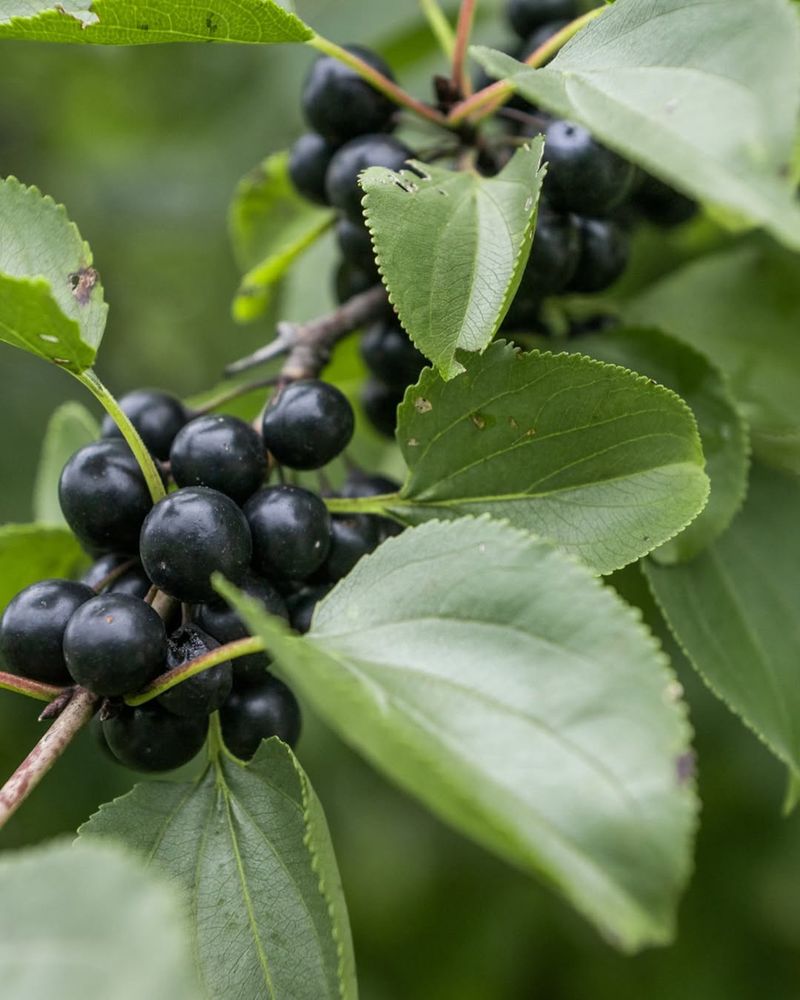
Common buckthorn might look like an ordinary shrub or small tree, but Michigan conservationists have been sounding the alarm about it for years.
It leafs out earlier than most native plants in spring and holds its leaves later into fall, giving it a competitive edge that slowly squeezes out everything around it.
Walk into almost any Michigan woodlot or forest edge and you will likely find it already there.
Beyond crowding out native vegetation, buckthorn releases a chemical compound called emodin into the soil that can inhibit the growth of surrounding plants.
It also serves as a host for crop diseases like crown rust fungus, making it a concern not just for wild spaces but for nearby agricultural land too.
Birds spread the seeds widely, which is why it keeps showing up even in yards that have never intentionally planted it.
Removing buckthorn takes persistence, but Michigan homeowners are making real progress by tackling it early in the season before it fully leafs out.
Replacing cleared areas with native alternatives like elderberry, wild plum, or native dogwood shrubs creates a much healthier yard ecosystem.
These plants offer food and shelter for Michigan birds, bees, and butterflies that buckthorn simply cannot provide. Starting the removal process this spring, even in small sections, makes a noticeable difference over time.
Your yard becomes a refuge rather than a source of spread into neighboring natural areas.
5. Burning Bush (Euonymus alatus)
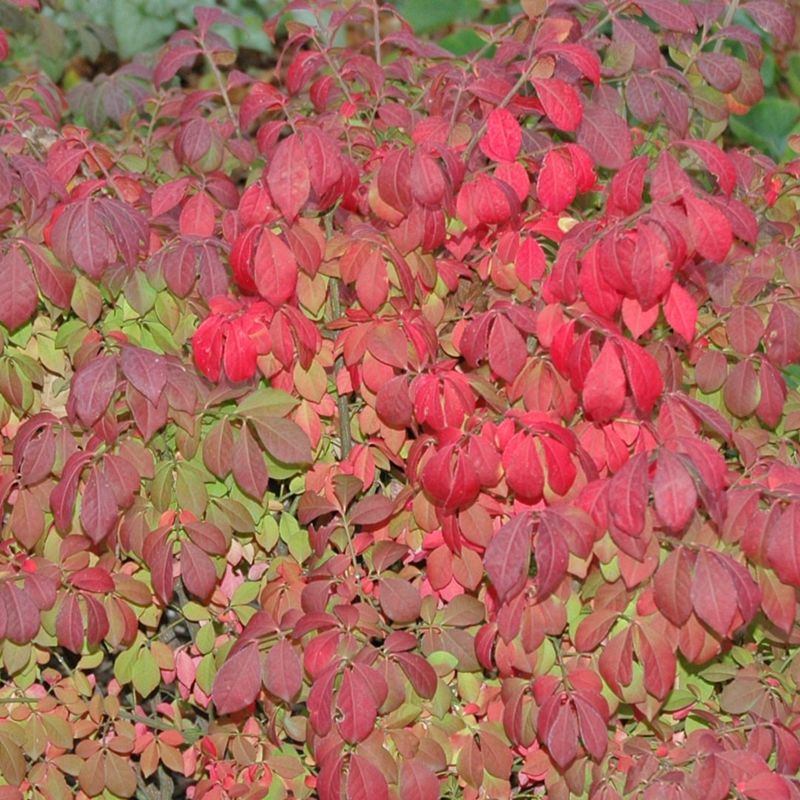
Few shrubs have ever matched the autumn spectacle of burning bush. That electric red color lights up Michigan yards every October, and for a long time, it seemed like the perfect fall plant.
Nurseries sold it by the millions, and it ended up in foundation plantings, hedgerows, and garden borders across the entire state.
The issue is that burning bush does not stay where it is planted. Birds eat the berries and scatter seeds into natural areas, where the shrub establishes itself and begins outcompeting native plants for space and sunlight.
In some Michigan natural areas, it has already spread enough to cause noticeable ecological damage. Many conservation organizations and extension programs across the state now recommend removing it and switching to native alternatives.
The exciting part is that Michigan homeowners do not have to sacrifice fall color at all. Fothergilla is a native shrub that turns brilliant shades of orange, red, and yellow in autumn and also produces sweet-smelling white flowers in spring.
Native viburnums offer clusters of colorful berries along with gorgeous fall foliage. Both plants support local insects and birds in ways that burning bush simply cannot.
Making the swap this spring means your yard will still dazzle every October, but without the environmental cost. More and more Michigan gardeners are discovering that going native does not mean giving up beauty, it actually means gaining so much more.
6. Norway Maple (Acer platanoides)

Norway maple was planted all over Michigan neighborhoods, parks, and streets throughout the mid-20th century because it seemed like the ideal shade tree. It grew fast, tolerated poor soils, and handled urban conditions better than many native species.
For a while, it looked like a landscaping success story worth repeating everywhere.
Over time, a different picture emerged. Norway maple produces enormous quantities of winged seeds that blow into natural areas and establish themselves readily in Michigan forests.
Once there, it outcompetes native maples and other hardwoods, shading out the forest floor and reducing biodiversity. Its dense canopy also prevents native wildflowers and tree seedlings from getting the light they need to grow.
Many Michigan communities are now actively removing Norway maples from public spaces and encouraging homeowners to do the same.
Replacing a Norway maple is a long-term investment that pays off beautifully for Michigan landscapes. Native oaks are among the best choices because they support hundreds of species of native insects, which in turn feed birds and other wildlife.
Black gum trees offer some of the most stunning fall color in the entire eastern United States and thrive in Michigan’s climate. Sugar maple, the beloved state tree, is another outstanding option for bringing back authentic Michigan character to any yard.
Planting one of these native trees this spring sets up your property for generations of shade, beauty, and genuine ecological value.
7. Japanese Knotweed (Fallopia japonica)
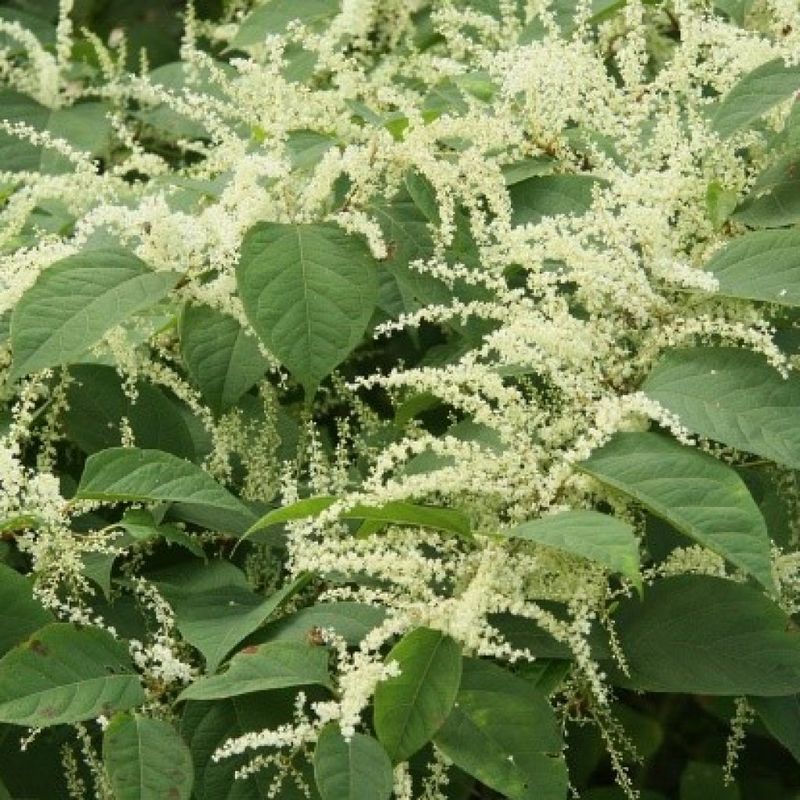
Japanese knotweed is one of the most aggressive plants you can encounter in a Michigan yard.
It sends up thick hollow stalks that can grow several feet tall in a single season, and its underground root system, called rhizomes, can spread more than ten feet in every direction.
Once it gets established, it pushes through pavement, foundations, and garden walls without slowing down.
Michigan classifies Japanese knotweed as a prohibited invasive species, meaning it is illegal to introduce or spread it intentionally.
Homeowners who discover it on their property are strongly encouraged to begin removal as soon as possible, ideally before spring growth takes off in earnest.
Because the root system runs so deep, complete removal typically takes multiple seasons of consistent effort. Cutting it back repeatedly throughout the growing season weakens the plant over time, and persistence is the most important tool in the process.
Restoring a knotweed-affected area with native plants is one of the most rewarding projects a Michigan homeowner can take on.
Wild bergamot, native grasses, and prairie plants establish quickly and help prevent knotweed from bouncing back by filling in the space aggressively.
Partnering with a local Michigan native plant nursery or extension office can give you a customized plan for your specific site conditions.
The transformation from a knotweed-choked patch to a thriving native planting is genuinely remarkable, and neighbors will notice the difference by midsummer.
8. Multiflora Rose (Rosa multiflora)
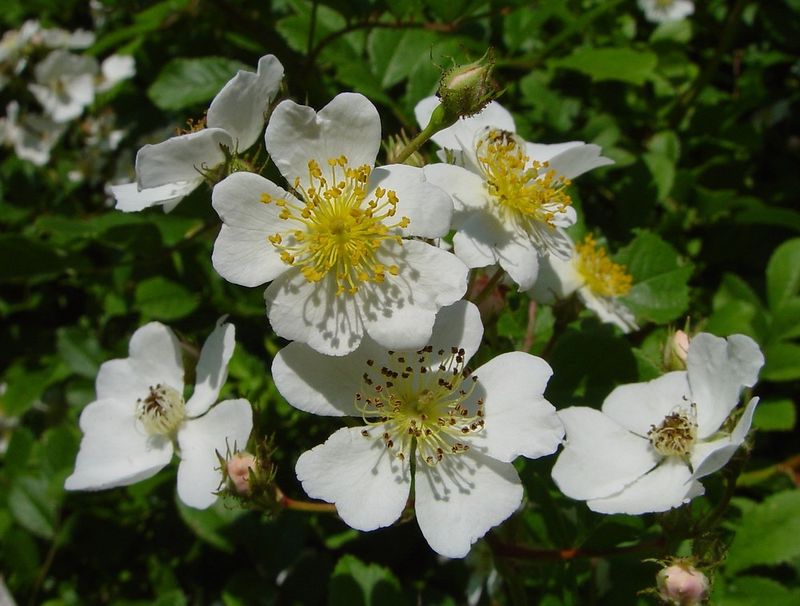
Multiflora rose has an almost deceptive charm about it. The small white flowers smell lovely in early summer, and the dense thorny growth seems like it would make a great natural fence or wildlife hedge.
For those reasons, it was actually promoted and planted widely across Michigan decades ago, including by some conservation programs that later came to regret the recommendation.
The reality is that multiflora rose spreads relentlessly. Each plant produces hundreds of small red berries that birds distribute across the landscape, and new plants establish themselves in pastures, roadsides, forest edges, and backyards throughout Michigan.
The thorns make removal physically challenging, and the root system is tough enough to resprout from the base if the plant is simply cut down. Michigan lists it as an invasive species, and removal is the right move for any homeowner dealing with it.
Swapping out multiflora rose for native alternatives brings real rewards to a Michigan yard. Smooth rose and pasture rose are native Michigan species that offer similar flowers and wildlife value without the invasive behavior.
Hazelnut shrubs provide excellent screening, wildlife habitat, and even edible nuts in the fall. Native elderberry grows quickly and produces gorgeous clusters of dark berries that songbirds absolutely adore.
Clearing out multiflora rose along a fence line or property edge this spring opens up space for plants that genuinely belong in Michigan, making your yard a healthier and more enjoyable place to spend time outdoors.
9. Butterfly Bush (Buddleja davidii)
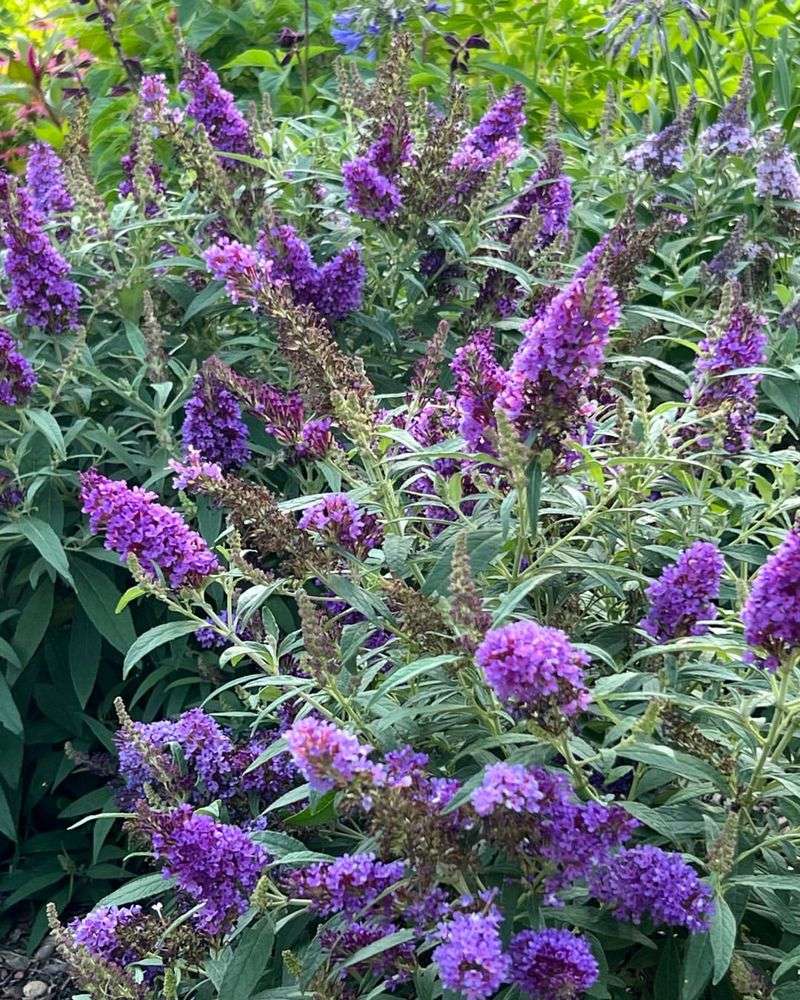
Butterfly bush has one of the most misleading names in the gardening world. Those long colorful flower spikes do attract butterflies, which is why Michigan gardeners planted it everywhere in pollinator gardens for years.
The blooms are genuinely beautiful, and watching monarchs and swallowtails land on them feels like a win for wildlife.
The catch is that butterfly bush is essentially fast food for pollinators. It provides nectar but offers zero value as a host plant, meaning butterflies cannot lay eggs on it and caterpillars cannot eat it.
Native plants like milkweed and wild bergamot actually complete the butterfly life cycle by serving as both food and nursery.
In some parts of the country, butterfly bush has also started spreading into natural areas, which is why many Michigan gardeners are choosing to phase it out in favor of plants that offer the full ecological package.
Replacing butterfly bush with native pollinator plants transforms a Michigan garden from a quick pit stop into a true wildlife sanctuary. Bee balm blooms in vivid red, pink, and purple shades and supports native bees, hummingbirds, and butterflies throughout the summer.
Joe Pye weed towers beautifully in the back of a border and draws monarch butterflies in late summer when they need fuel for migration. Purple coneflower and native asters round out the season with color and seeds for finches.
These plants are perfectly suited to Michigan’s climate and reward gardeners with far more wildlife activity than butterfly bush ever could.
10. Overused Non-Native Evergreens
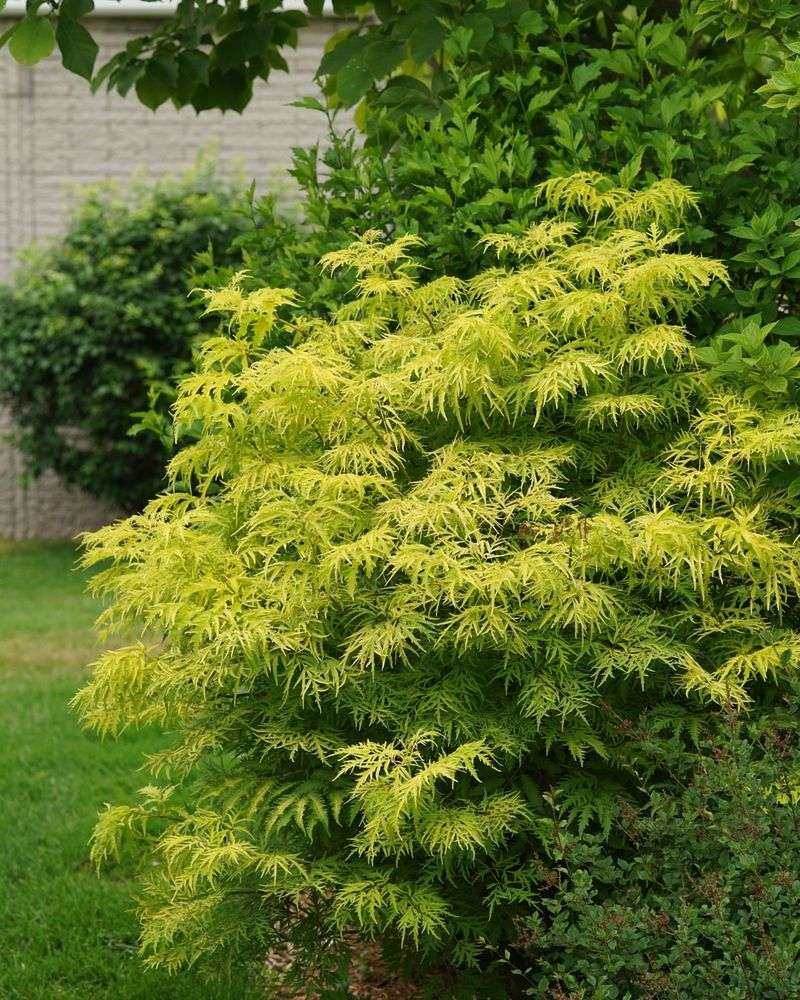
Drive through almost any Michigan subdivision built in the 1980s or 1990s and you will see the same thing repeated over and over: rows of generic evergreen shrubs lined up along house foundations like green soldiers.
Yews, arborvitae, and various non-native hollies became the default choice for decades because they were affordable, available, and stayed green all year. Nobody questioned it much at the time.
The problem with leaning so heavily on these plants is that many of them struggle with Michigan’s increasingly unpredictable winters, late spring freezes, and summer heat spikes.
Yews are particularly vulnerable to root rot in wet soils, and arborvitae have become a magnet for deer browsing across the state.
Beyond the maintenance headaches, these plants offer almost nothing to local insects, birds, or pollinators, making them ecological dead weight in a yard that could be doing so much more.
Michigan homeowners are discovering that native evergreen alternatives look just as polished while pulling far more weight for the local environment.
Native inkberry holly stays a rich dark green, tolerates wet areas beautifully, and produces berries that birds love through winter.
Eastern red cedar provides dense shelter for birds and supports dozens of native moth and butterfly species. Low-growing native junipers add great texture and color without the pest and disease issues.
Refreshing a foundation planting this spring with these native options gives your Michigan home a cleaner, more natural look that works with the landscape rather than against it.