7 Michigan Garden Habits That Make Japanese Beetles Less Likely To Target Your Roses
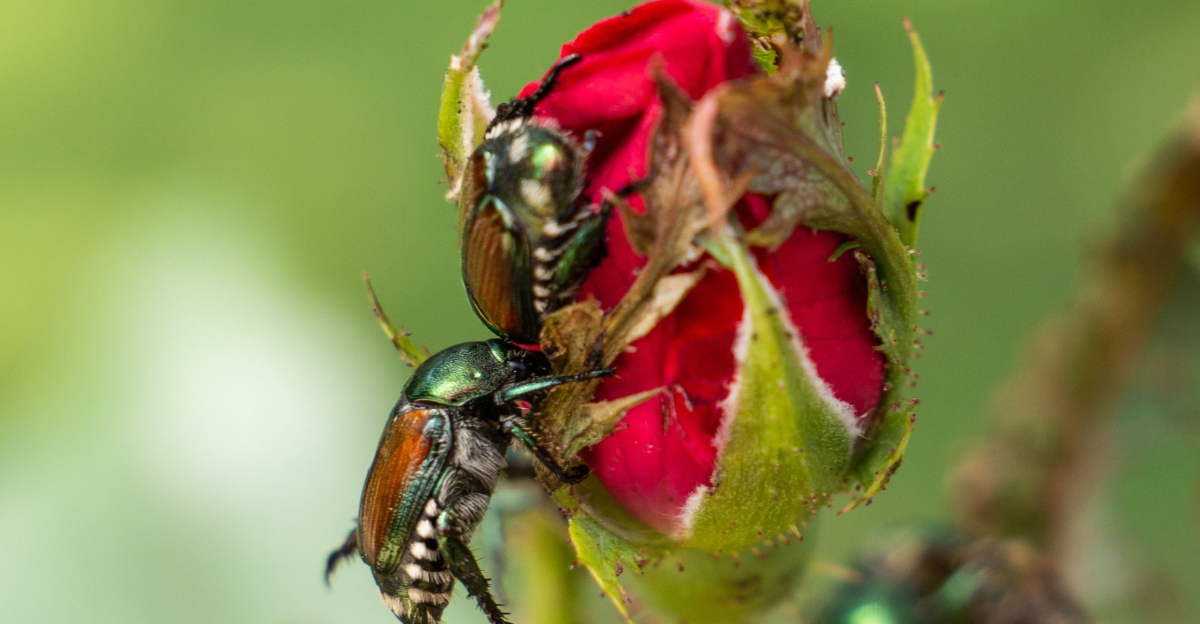
Japanese beetles in Michigan have impeccable taste, and that is exactly the problem. Roses are at the top of their list, and these shiny copper-and-green insects do not show up one at a time to politely sample a petal.
They arrive in clusters, and within a day or two a healthy rose bush can look like it lost a fight.
Michigan rose growers know this frustration well, watching beetles work through blooms and leaves faster than seems physically possible for something so small.
The good news is that beetle damage is not entirely out of your control. A few smart garden habits can make roses less of a beetle magnet and keep the damage to something manageable, even during the worst weeks of beetle season.
1. Check Roses Daily During Beetle Season
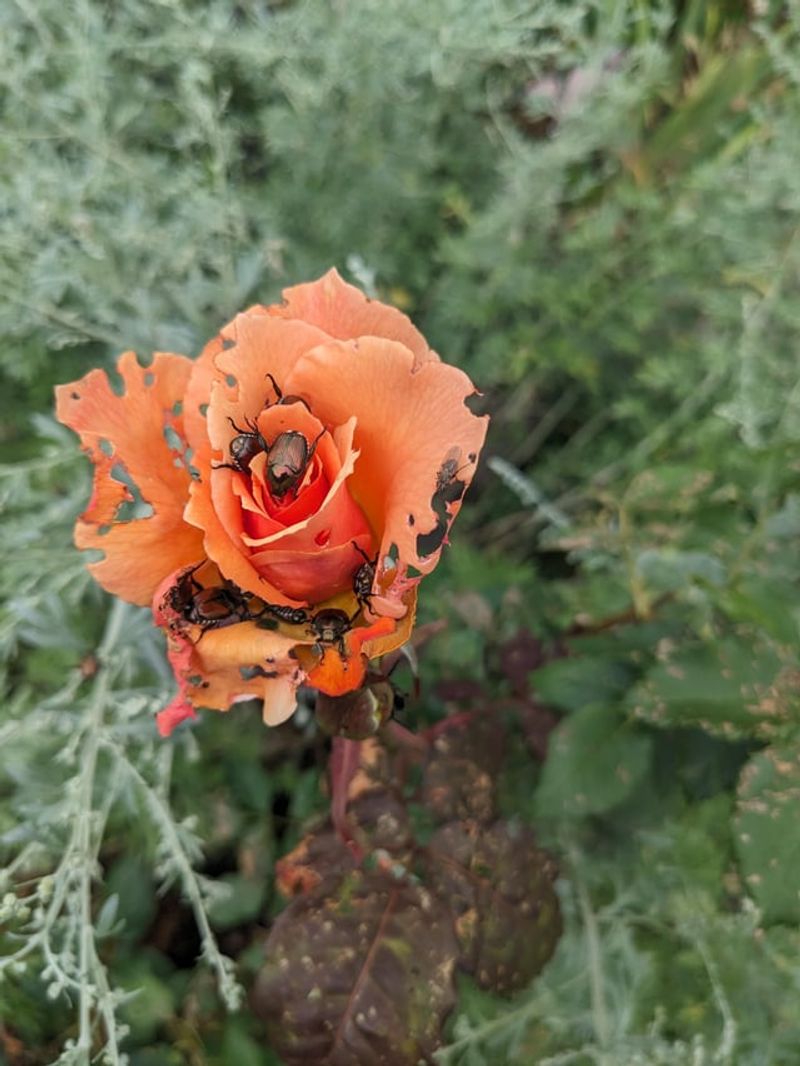
Chewed petals and skeletonized leaves are usually the first signs that Japanese beetles have found your roses. In Michigan, beetle season typically runs from late June through August, and populations can build up quickly once they arrive.
Checking your roses every day during this window gives you a real advantage.
When you catch beetles early, before large groups gather, you have a much better chance of managing the situation.
Japanese beetles release a scent that attracts more beetles to the same plant, so a small cluster left unchecked can grow into a bigger problem within a day or two.
Daily walks through your garden let you spot feeding activity before it escalates.
Morning is one of the better times to check because beetles tend to be slower and less active in cooler temperatures. Pay close attention to open blooms and the tops of canes, since beetles prefer feeding on flower petals and tender foliage first.
Tightly budded roses tend to get less immediate attention than fully open flowers.
Michigan gardeners with mixed borders or foundation plantings should check roses even when other plants nearby look untouched. Beetles move between host plants, but roses remain a strong draw throughout the season.
A quick five-minute walk through your beds each morning can help you stay ahead of feeding pressure rather than reacting after the damage is already done.
Consistent monitoring is one of the most practical habits a Michigan rose grower can build during summer.
2. Hand-Pick Beetles In The Morning Or Evening
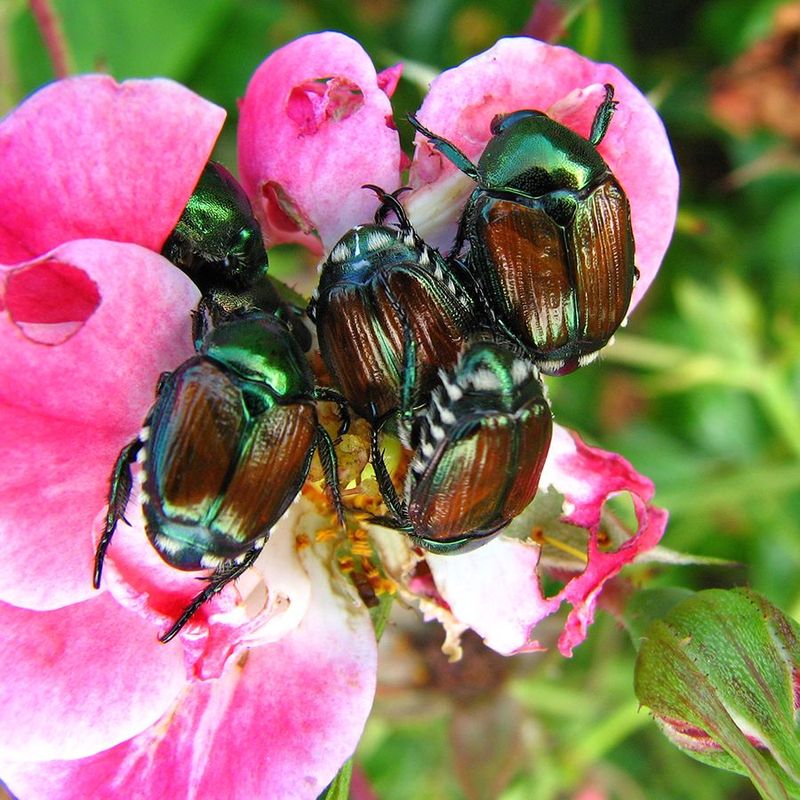
A bucket of soapy water and a few minutes each morning can make a noticeable difference in how many beetles stay on your roses.
Hand-picking is one of the most straightforward and effective ways to reduce beetle numbers on individual plants, and it works well for home rose beds where the scale is manageable.
Early morning is the best time to hand-pick because beetles are sluggish in cooler temperatures and less likely to fly away when disturbed. You can simply hold your bucket under a cluster of beetles and tap the cane or bloom gently.
The insects tend to drop rather than fly when surprised, which makes collecting them much easier than attempting to grab them mid-day when they are more active.
Your Michigan Garden Changes Every Week. Your Plan Should Too.
Gardening in Michigan changes quickly throughout the season. Every Friday you’ll receive a simple weekly plan showing exactly what to plant, prune, fertilize, harvest, and protect so you never miss the right timing.
Evening is another reasonable window if mornings are not practical for your schedule. Beetle activity tends to slow as temperatures cool down after a hot Michigan afternoon.
Wear gloves if the idea of touching beetles bothers you, and keep your soapy water bucket close so you can move quickly from plant to plant.
Hand-picking will not remove every beetle from your yard, and it works best as a daily habit rather than an occasional effort. Beetles are mobile and will continue moving in from surrounding areas throughout the season.
Still, removing beetles from your roses each day can help reduce the feeding pressure on your most valued plants. For small residential gardens across Michigan, this habit is simple enough to maintain without a lot of time or expense.
3. Remove Damaged Leaves And Flowers When Practical
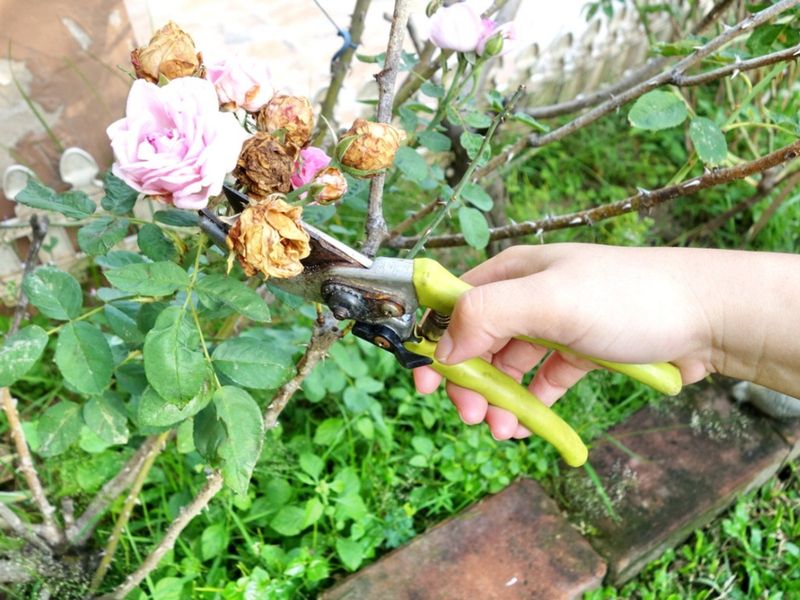
Skeletonized leaves and chewed-up rose petals are more than just unsightly. Feeding damage on roses can attract additional beetles because the odors released by injured plant tissue may signal other beetles that a food source is available.
Removing heavily damaged flowers and foliage when you notice them is a practical step that may help slow that cycle.
Spent or tattered blooms are worth deadheading promptly during beetle season, not just for aesthetics but because open, fragrant flowers are especially appealing to Japanese beetles.
A rose that has already been partially eaten tends to draw continued feeding.
Clipping off those blooms and disposing of them away from the garden removes one more attraction from the area.
You do not need to strip your rose plants bare at the first sign of feeding. Focus on blooms that are already heavily chewed or fully open flowers that beetles are actively targeting.
Tightly budded canes can often be left alone, as beetles tend to prefer the most accessible blooms first.
Bag or dispose of removed plant material rather than leaving it on the ground near your roses. Leaving damaged clippings nearby does not provide meaningful benefit and may draw continued attention to the area.
Michigan gardeners with container roses or smaller beds may find this habit especially manageable since fewer plants are involved.
Staying on top of bloom removal during peak beetle weeks keeps your garden looking better and gives beetles one fewer reason to linger around your most prized rose plants.
4. Skip Japanese Beetle Traps Near Roses
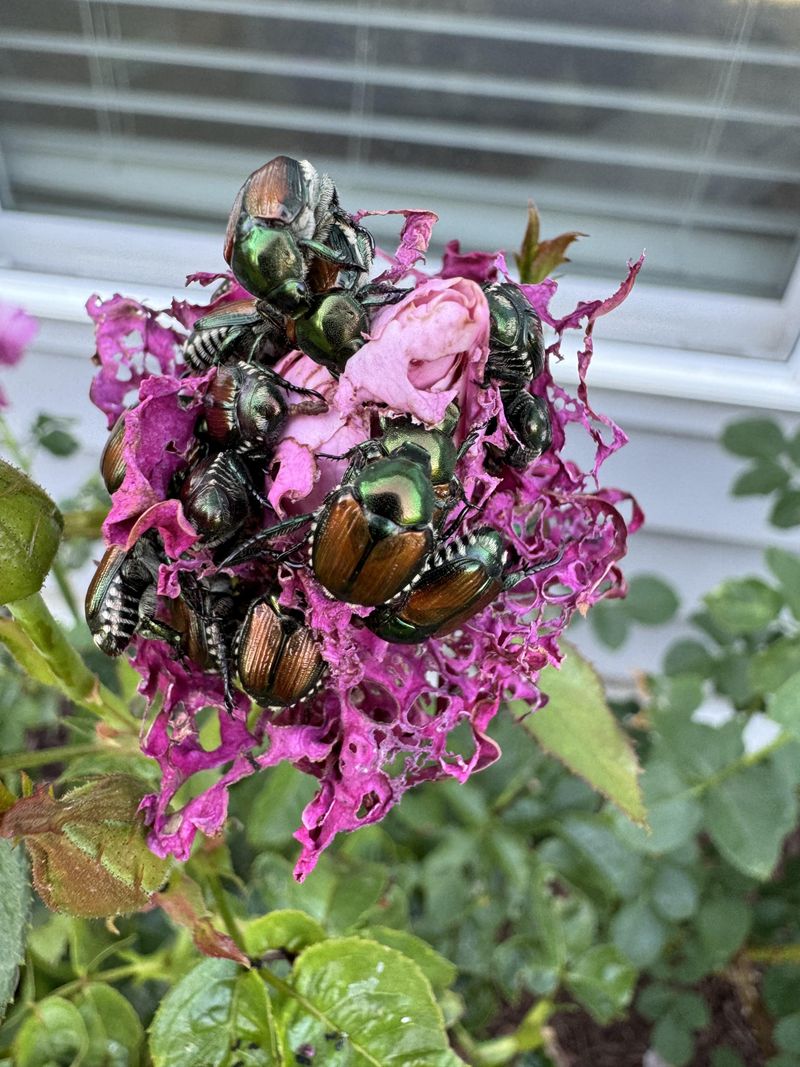
Bag-style Japanese beetle traps are sold widely in Michigan garden centers, and they do catch a lot of beetles.
The problem is that they work by releasing floral and sex-based lures that are highly attractive to beetles, and those lures can draw in far more beetles than would have naturally found your yard on their own.
Research has shown that traps placed near valued plants can actually increase the feeding pressure on those plants rather than reduce it. Beetles flying toward the lure do not all make it into the trap.
Many land on nearby roses and other host plants along the way, which is the opposite of what most gardeners hope for when they set out a trap.
If you choose to use beetle traps, placement matters enormously.
Setting them as far from your rose beds as possible, ideally at the edge of your property or in an area away from ornamental plantings, reduces the chance that trap-attracted beetles will detour onto your flowers.
Some gardeners skip traps entirely once they understand how the lure works.
Michigan homeowners sometimes place traps right next to their rose beds thinking the beetles will fly straight in. The reality is more complicated, and the risk of pulling in extra beetles from neighboring yards is worth considering carefully.
If your goal is protecting your roses, traps close to those plants are more likely to create a problem than solve one. Using hand-picking and daily monitoring in place of traps near roses tends to produce better results in residential gardens.
5. Keep Roses Healthy With Consistent Watering
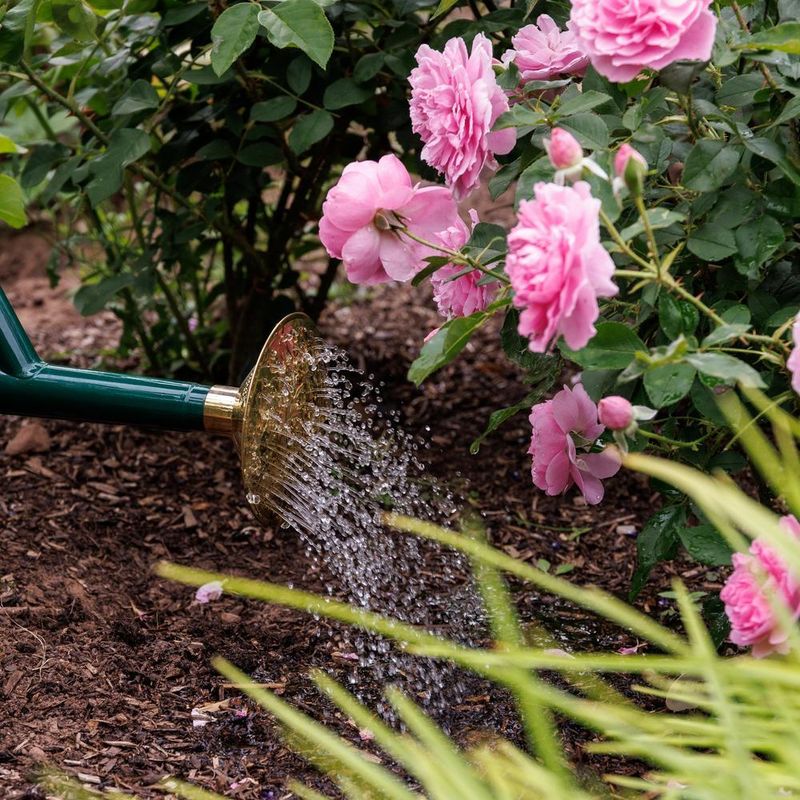
Roses under stress are generally more vulnerable to pest pressure than plants that are growing in good conditions. Consistent watering during Michigan summers helps roses stay strong enough to tolerate some beetle feeding without suffering lasting setbacks.
A well-hydrated rose can push out new growth more readily after feeding damage occurs.
Drought-stressed roses tend to show feeding damage more dramatically because they lack the resources to recover quickly.
In dry Michigan summers, roses in sandy soils or raised beds may need more frequent watering than those in heavier clay soils that retain moisture longer.
Getting to know your soil type and adjusting your watering schedule accordingly makes a real difference in how resilient your plants are during beetle season.
Soaker hoses and drip irrigation are good options for rose beds because they deliver water directly to the root zone without wetting foliage. Wet leaves can encourage fungal issues, which is an added stress on plants already dealing with beetle feeding.
Watering in the morning also gives foliage time to dry before evening, which helps reduce disease pressure alongside pest challenges.
Consistency matters more than volume. Deep, infrequent watering encourages roses to develop strong root systems rather than shallow roots that dry out quickly between waterings.
Michigan gardeners dealing with hot, dry stretches in July and August should pay close attention to soil moisture around their roses.
Healthy, well-watered plants are simply better equipped to handle the feeding pressure that comes with Japanese beetle season each summer.
6. Avoid Overwatering Lawns During Egg-Laying Season
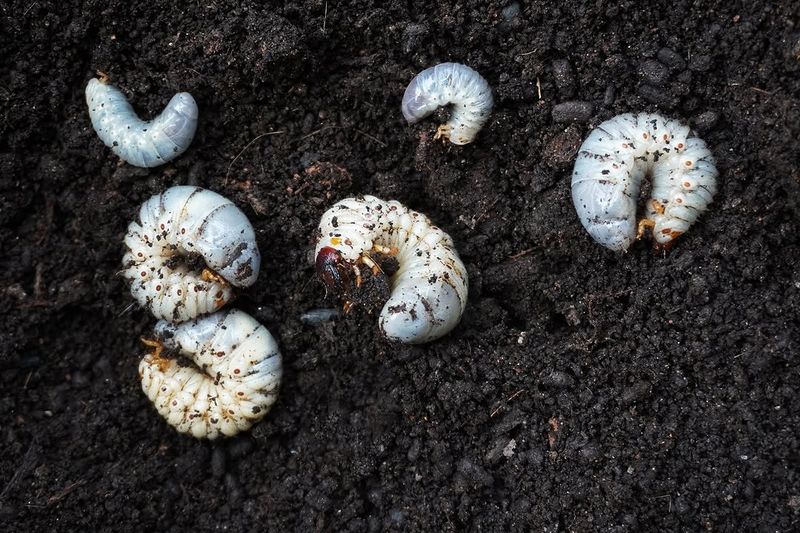
Japanese beetles lay their eggs in turf, and moist soil makes that process much easier for them.
In Michigan, egg-laying typically happens during mid-summer, roughly from late June through August, which overlaps with the same period when adult beetles are feeding on roses.
Lawn irrigation habits during this window can influence how many grubs develop in your yard.
Females prefer to lay eggs in moist, well-maintained turf because dry, hard soil is more difficult to penetrate. If your lawn stays heavily irrigated through peak egg-laying weeks, you may be creating favorable conditions right next to your rose beds.
The grubs that hatch from those eggs will feed on grass roots through late summer and fall before overwintering and emerging as adult beetles the following year.
Allowing your lawn to go through natural dry-down periods during mid-summer, rather than keeping it consistently saturated, can make the soil less hospitable for egg-laying.
Many cool-season grasses in Michigan can tolerate some summer stress without lasting harm, and reducing irrigation slightly during egg-laying season is a reasonable adjustment for homeowners trying to manage beetle pressure over time.
This habit will not eliminate beetles from your yard, since adults fly in from neighboring properties and surrounding areas throughout the season.
But reducing the number of eggs laid in your own lawn may gradually lower the local population over multiple seasons.
Combined with other habits like hand-picking and daily monitoring, adjusting lawn irrigation during egg-laying season is a practical, low-effort step Michigan gardeners can take to support their roses.
7. Cover High-Value Roses During Peak Feeding
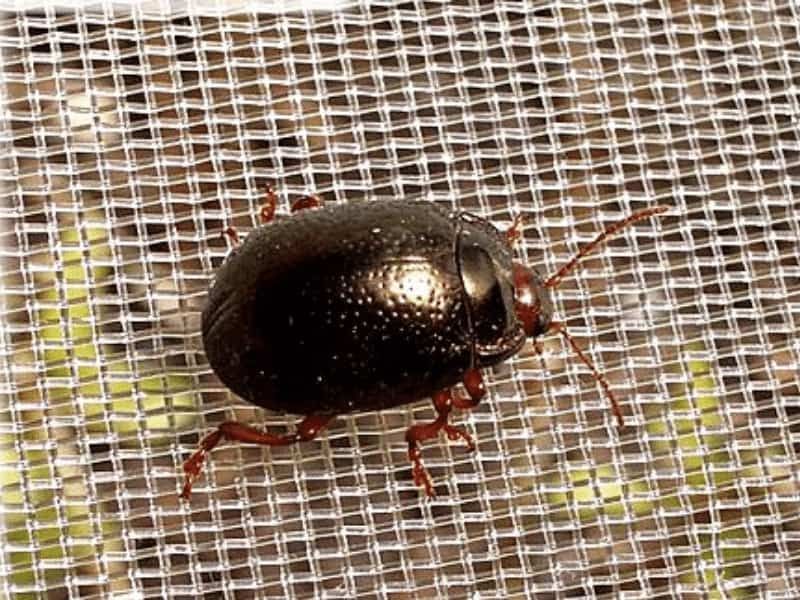
Temporary covers give your most prized roses a physical barrier against beetles during the heaviest feeding weeks of summer.
Lightweight row cover fabric, the kind used in vegetable gardens to protect against frost or insects, can be draped loosely over rose plants to reduce beetle access without blocking too much sunlight or airflow.
This approach works best for individual specimen roses, container roses on a patio, or a small number of high-value plants you want to protect during peak beetle activity.
It is not a practical solution for a large rose bed with dozens of plants, but for a single climber or a prized hybrid tea, a temporary cover can make a meaningful difference during the worst two or three weeks of beetle season.
Covers should be removed during pollinator-friendly hours or on days when beetle pressure is lower, since enclosing blooms for extended periods can reduce air circulation and trap heat.
Check covered plants regularly to make sure no beetles have found their way inside the fabric, and remove the cover when you are ready to enjoy the blooms or when the peak feeding period has passed.
Michigan beetle seasons can vary in intensity from one yard to the next depending on local turf conditions, nearby host plants, and neighborhood landscape patterns.
Some summers bring heavier pressure than others, and peak feeding weeks are not always predictable.
Having row cover fabric on hand gives you a flexible option when beetle activity suddenly spikes around your most valued roses, without committing to a permanent or chemical-based response.