8 Summer Plant Swaps And Garden Markets Florida Gardeners Actually Want To Visit
Florida gardeners know the trunk test.
Open any car after a summer plant event, and there might be three labeled pots, one mystery cutting, a bag of soil, and a new friend’s phone number on a scrap of paper.
That is not regular shopping. That is garden treasure hunting with humidity.
The best swaps and markets offer something a big box aisle cannot fake: local knowledge, local plants, and people who know which roots can handle Florida’s rain, sand, salt, shade, and heat. Some events feel like friendly backyard trades.
Some feel like rare-plant missions. Some require a plan because the good stuff disappears fast. So, which stop belongs on your calendar before the next weekend slips away?
Well, the answer depends on your region, your wishlist, and how much room your back seat has left.
Bring labels, bring shade, bring patience, and maybe leave space for one plant you never meant to buy. That is usually the one with the best story later.
1. Start At Clearwater Garden Club’s Plant Sale
A garden club plant sale feels different from a regular nursery run.
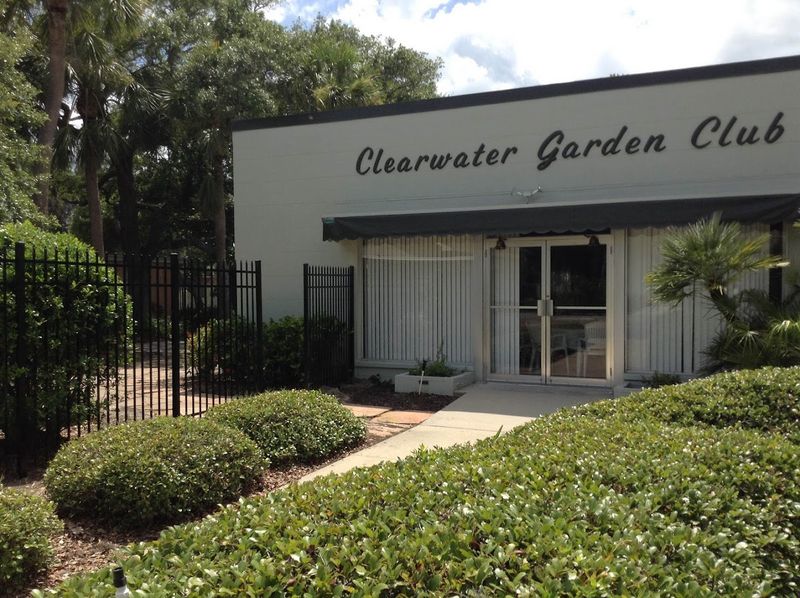
Clearwater Garden Club hosts plant events at 405 Seminole Street in Clearwater, giving Pinellas County gardeners a friendly place to shop plants with local knowledge baked right into the experience.
This is the kind of stop where the plants usually come with stories.
You may find locally grown ornamentals, pollinator picks, patio-friendly plants, herbs, divisions, and garden extras depending on the event and season.
That variety matters in coastal Florida, where salt air, sandy soil, summer humidity, and sudden storms can make plant choices more complicated than a pretty tag suggests.
The club setting also adds charm.
You are not just walking through a vendor aisle. You are meeting gardeners who know the area, trade tips freely, and often have strong opinions about what actually behaves in Clearwater yards.
That is useful, and usually more entertaining than a care label.
Go early for the best selection, especially during popular sale days. Bring a box or crate so pots stay upright in the car. A loose fern rolling around the back seat is funny exactly once.
Check the club’s current calendar before heading over, since dates and sale details can shift.
Clearwater Garden Club is a strong first stop for Tampa Bay gardeners who want plants, conversation, and maybe one “I swear I only came for one thing” purchase.
2. Explore Discovery Gardens In Tavares
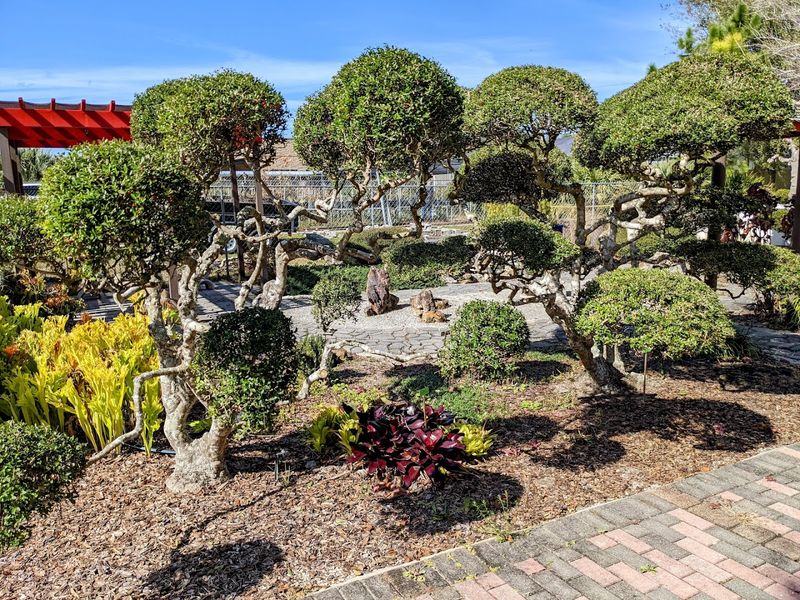
Central Florida gardeners get more than a plant stop here.
Discovery Gardens, located at 1951 Woodlea Road in Tavares, gives visitors a chance to walk through labeled garden areas and see Florida-Friendly plants growing in real conditions before taking ideas back home.
That matters when a plant tag tells only half the story.
A shrub can look tidy in a nursery pot, then turn into a completely different character once Florida heat, rain, and sandy soil join the conversation.
Discovery Gardens helps gardeners see mature plant shapes, combinations, spacing, and landscape ideas in a way a sales table never fully can.
Your Florida Garden Changes Every Week. Your Plan Should Too.
Gardening in Florida changes quickly throughout the season. Every Friday you’ll receive a simple weekly plan showing exactly what to plant, prune, fertilize, harvest, and protect so you never miss the right timing.
This is especially useful for Lake County yards, where Central Florida conditions can sit between subtropical ambition and occasional cold reality.
You can study pollinator plants, waterwise beds, vegetables, trees, and themed garden spaces without guessing how they might behave later.
Bring a notebook or use your phone for quick photos and plant names.
That way, the inspiration does not vanish by the time you reach the parking lot, which happens faster than anyone likes to admit.
Check current hours before heading to Woodlea Road, since garden access and programs can vary.
Discovery Gardens is a smart stop for gardeners who want ideas before purchases. It is basically a test kitchen for plants, minus the tiny tasting spoons.
3. Browse Pinder’s Nursery In Palm City
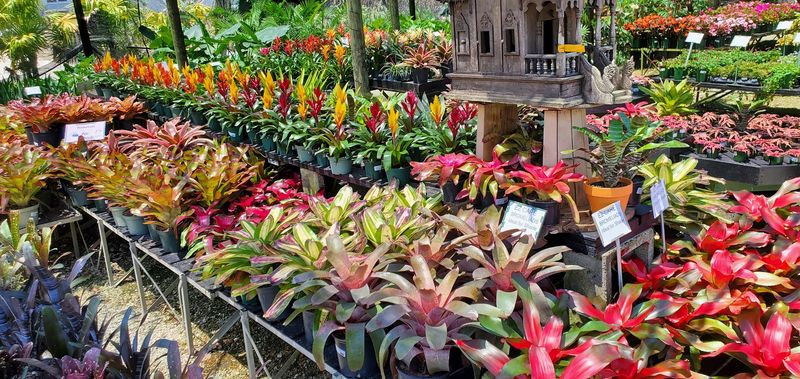
Some nursery stops feel less like shopping and more like joining a plant conversation already in progress.
Pinder’s Nursery, located at 5500 SW Martin Hwy in Palm City, gives Treasure Coast gardeners a strong summer stop for locally tested plants, pollinator favorites, Florida-friendly selections, and garden advice that actually matches the region.
This is not a one-table swap, but it fits the list because the community feel runs deep.
Pinder’s has built its reputation around plants that can handle Florida heat, humidity, rain swings, and the sandy realities of local yards.
That matters when a plant looks cute in a pot but later acts offended by August.
Expect colorful annuals, perennials, natives, herbs, container plants, and seasonal picks that make sense for South Florida gardens.
The staff also shares practical growing tips, which can be more useful than buying three mystery plants and hoping the patio forgives you.
Bring questions.
Ask what thrives in full sun, what tolerates coastal conditions, and what plays well with pollinators.
That kind of local advice can save you from the classic Florida mistake: buying a plant because it looked pretty for five minutes under shade cloth.
Check their current hours and event calendar before heading to SW Martin Hwy, since community programs and seasonal offerings can shift.
Pinder’s is a strong stop when you want plants with roots in the region and a little guidance before the trunk fills up.
4. Visit Tropical Audubon Go Native Plant Sale
South Florida native plants deserve their own spotlight.
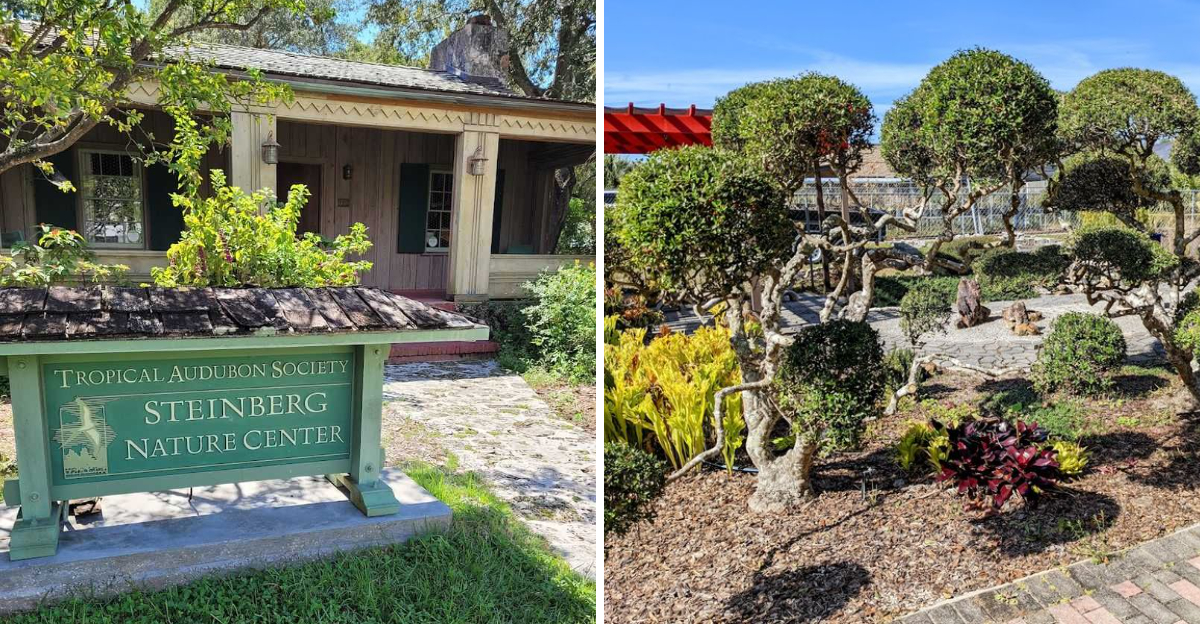
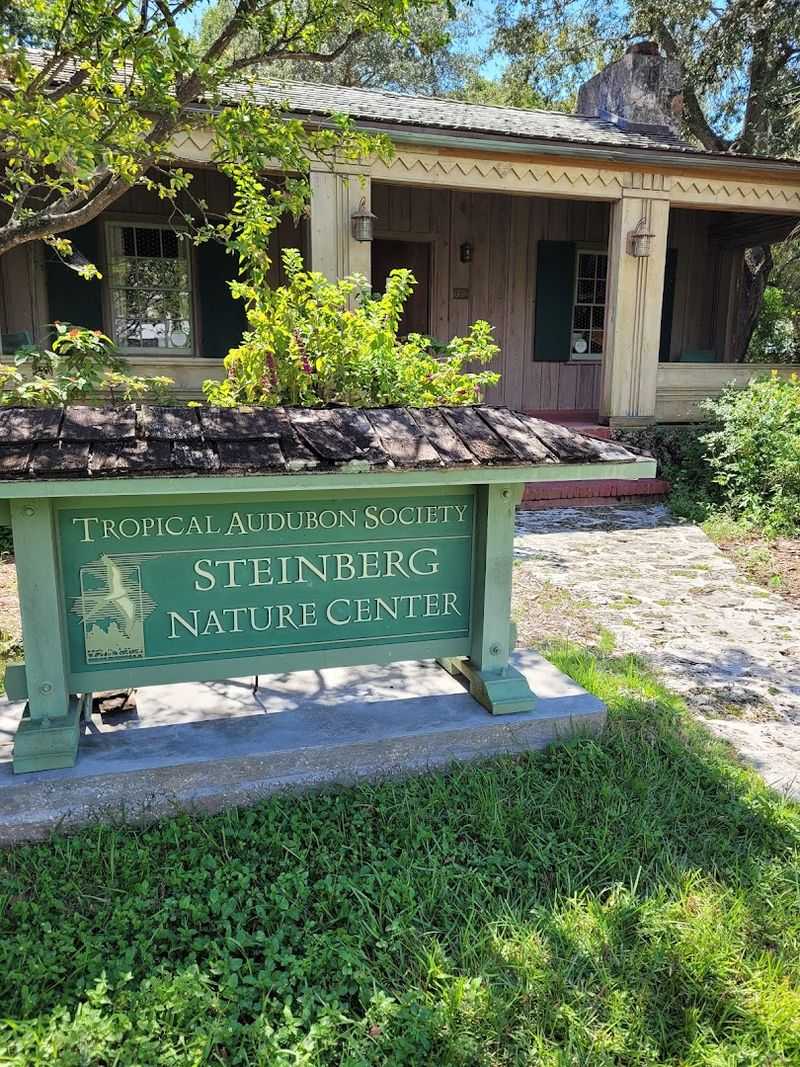
The Tropical Audubon Society Go-Native Plant Sale takes place at 5530 Sunset Dr in Miami, on the Steinberg Nature Center grounds, and it is one of the strongest stops for gardeners who want plants that support birds, butterflies, bees, and local habitat.
This is not just about pretty leaves.
The sale focuses on native plants that fit South Florida’s climate and wildlife needs. That can include species for shade, sun, birds, pollinators, and small urban yards where every plant needs to earn its space.
Miami gardeners face a special challenge. The climate allows many plants to grow fast, including some that can spread into natural areas. A credible native sale helps reduce that risk because the plant list has a clearer ecological purpose.
That gives your cart a little more integrity.
Look for plants such as wild coffee, marlberry, coontie, firebush, Bahama strongbark, and other South Florida natives that can make a yard feel alive without turning into a maintenance puzzle.
Ask volunteers about bird value, mature size, and where each plant belongs. That advice is worth slowing down for.
Bring a wagon, water, and patience. Popular native shrubs can disappear quickly. This is the kind of sale where the quiet-looking plant may be the one that brings the most wildlife later.
Not flashy at first, but very good at building backyard buzz.
5. Watch Terra Nurseries Community Plant Swap
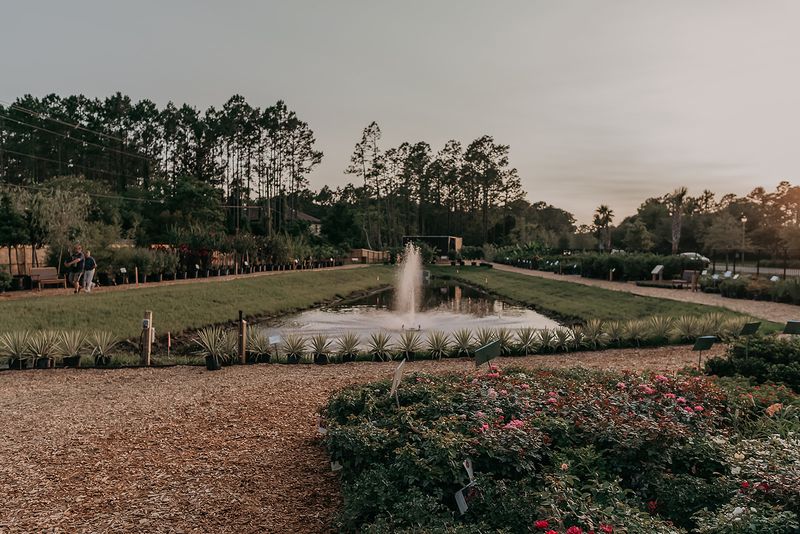
Some plant swaps feel better because they happen where plants already look at home.
Terra Nurseries hosts community plant events at 281 Cacique Dr in Saint Augustine, giving Northeast Florida gardeners a relaxed nursery setting with a strong local feel.
That setting changes the whole mood.
You can trade with other plant lovers, ask nursery staff questions, and browse the nursery stock when the swap table gets dangerous in the best way. Dangerous means you came for one plant and suddenly need trunk space math.
Swaps at nurseries can vary, so confirm the current rules before you go. Some events use one-for-one trades. Others feel more casual.
Either way, bring clean, healthy plants and avoid anything invasive, stressed, or pest-covered.
A sad cutting with spider mites is not a gift. It is a plot twist. Saint Augustine gardens deal with heat, humidity, sandy soil, salt influence in some areas, and occasional cold snaps.
Local gardeners can offer real insight into what handles that mix. That makes the conversations as valuable as the plants.
Ask about sun exposure, irrigation, and how long a plant has been growing in the area. Small answers can prevent big mistakes.
Terra’s address makes it an easy stop for St. Johns County gardeners, and the nursery backdrop adds a bonus.
Even a slow swap day can still turn into a very successful plant hunt.
6. Explore The USF Summer Plant Festival
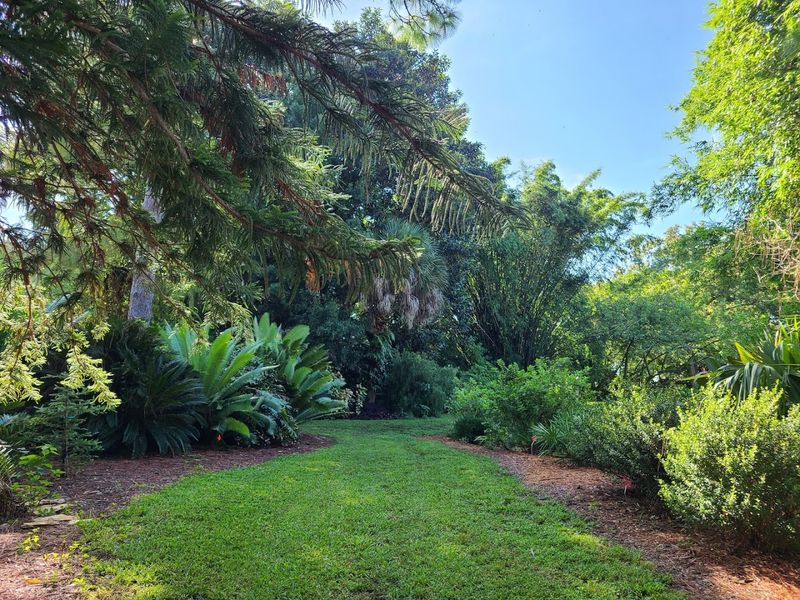
A campus garden can turn into plant-lover chaos fast.
The USF Botanical Gardens Summer Plant Festival happens at 12210 USF Pine Dr in Tampa, where plant vendors, collectors, and curious gardeners gather for a bigger shopping experience than a typical neighborhood swap.
This is the stop for gardeners who want options.
You may find rare tropicals, native species, fruit plants, orchids, aroids, ferns, herbs, and specialty growers who know their niche plants extremely well.
That mix makes the festival useful for beginners and dangerous for collectors. The good kind of dangerous.
Bring a wagon or cart, because arm strength fades quickly after the third “small” plant.
Go early for cooler weather and better selection. Tampa summer is not shy, and popular vendor tables can look very different by noon.
The campus setting helps with comfort because paths, parking areas, and garden spaces make the event easier to navigate than a loose roadside market.
Still, dress for heat and keep your new plants shaded on the ride home.
Ask vendors direct questions. Where was the plant grown? How much sun does it need in Tampa? Can it handle a patio, or does it need ground space? Those answers matter.
A festival like this can feel like a treasure hunt with receipts.
Go in with a wishlist, but leave one blank spot. That empty spot is how the best surprise plant sneaks into your life.
7. Taste Summer At Fairchild’s Mango Festival
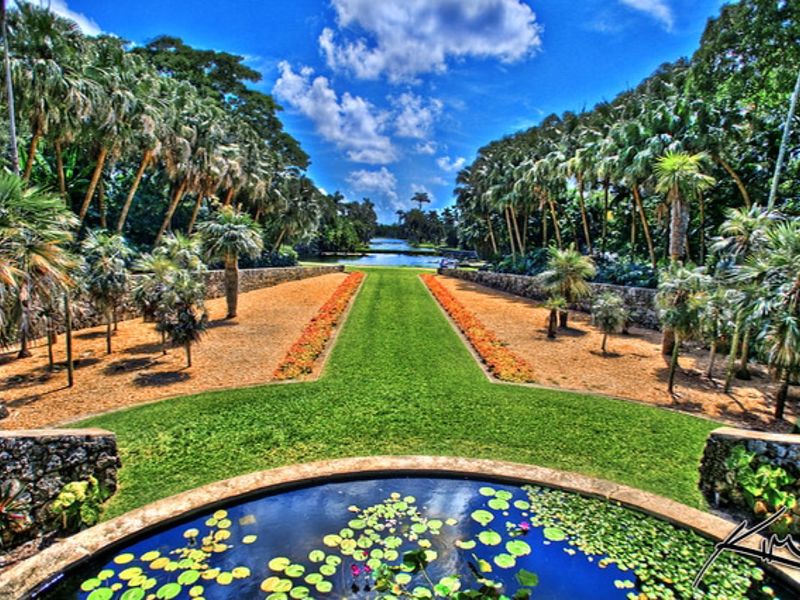
South Florida gardeners know mango season is not a casual hobby. It is a personality trait with juice on its elbows.
Fairchild Tropical Botanic Garden hosts its Annual Mango Festival at 10901 Old Cutler Road in Miami, turning one of Florida’s most beloved backyard fruits into a full summer event.
This is not a standard plant swap, but it absolutely belongs on a Florida gardener’s calendar.
Fairchild is known for tropical plant collections, fruit expertise, and a mango culture that runs deep.
Gardeners come for tastings, mango displays, fruit education, and the chance to learn which varieties deserve space in a real South Florida yard. That matters because mango choice is personal.
Some trees stay more compact. Some have fiber-free flesh. Some ripen early, some late, and some make people argue with surprising intensity for a fruit that technically never asked for drama.
The festival gives you a better feel for flavor, tree habit, and cultivar differences than a nursery tag ever could.
Go early, dress for heat, and bring water. Old Cutler Road in summer does not play around.
Ask questions while you are there. A little mango wisdom can save years of waiting on the wrong tree. You may arrive curious and leave with a favorite cultivar.
That is how mango people are made, one sticky sample at a time.
8. Browse Mounts Botanical Garden Plant Sales
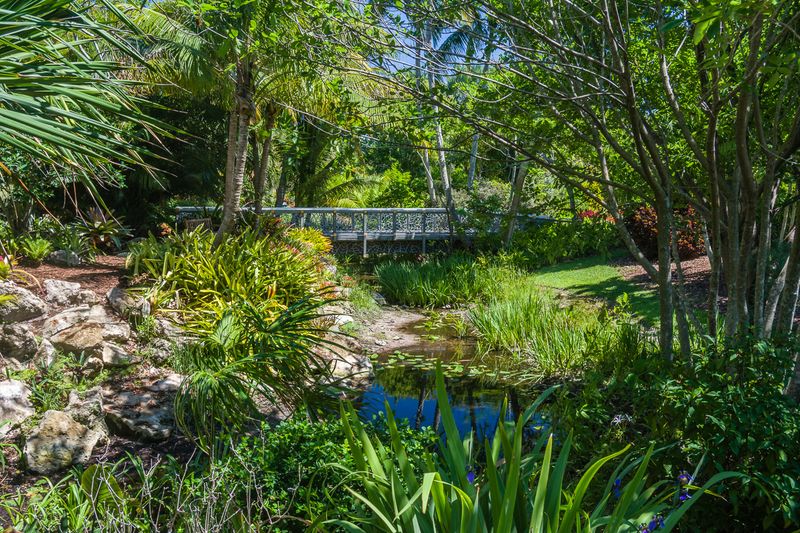
Palm Beach County gardeners get a serious plant-shopping advantage here.
Mounts Botanical Garden, located at 531 N Military Trail in West Palm Beach, hosts plant sale and festival events that bring together growers, collectors, and gardeners who know South Florida conditions well.
This is the kind of stop where the setting helps as much as the vendors.
You are shopping inside a botanical garden, so the whole visit feels more like a plant field trip than a parking-lot sale.
That makes it easier to see mature plants, notice combinations, and get ideas for your own yard before the first pot hits your cart.
Expect a mix that can include tropicals, orchids, herbs, native plants, fruiting plants, succulents, and specialty finds depending on the event and vendor lineup.
That variety matters in West Palm Beach, where heat, humidity, sandy soil, and salt influence can all shape what works.
Go early for the best selection and cooler walking weather. Bring a wagon or sturdy crate, because plant math gets suspicious fast once rare foliage enters the chat.
Check the garden’s calendar before the drive, since sale dates, admission details, and vendor lists can change by season.
Mounts is a strong stop for gardeners who want more than a quick purchase. You may leave with plants, ideas, and one extra pot you swore was “just a backup.”