Michigan Geranium Growers Need To Do This In May For Nonstop Vibrant Blooms
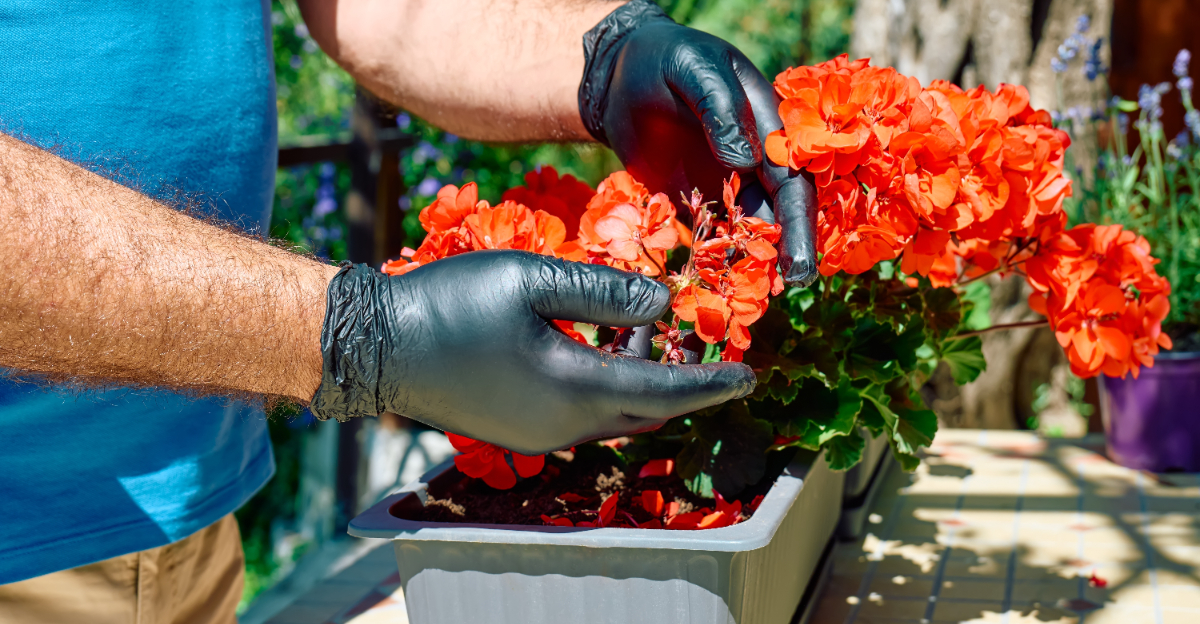
May is the month that sets the tone for everything that follows in a Michigan garden, and geraniums feel that more than most plants. Get the timing right and they reward you with months of steady, vibrant color straight through until frost.
Miss the window and you spend the rest of the season trying to coax a plant that never quite hit its stride. The challenge is that May in Michigan is unpredictable.
Warm days arrive early, then temperatures drop again without warning. Soil that looks ready isn’t always ready.
Geraniums planted too eagerly into cold, wet conditions stall out and struggle even after the weather finally settles. But for gardeners who know what to do and when to do it, May becomes less of a gamble and more of a system.
Ten simple steps taken this month give your geraniums the foundation they need to bloom heavily and keep going long after other containers start looking tired.
1. Your Michigan Geraniums Will Bloom Longer If You Do This In May
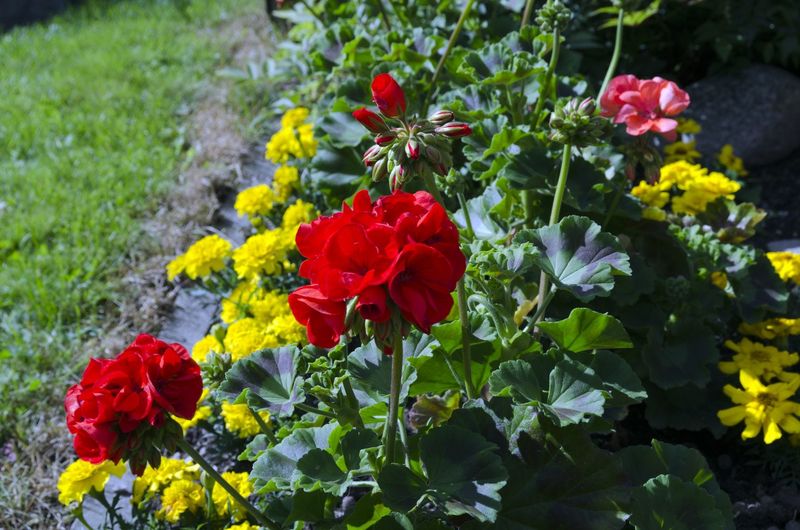
Spent blooms are sneaky little energy thieves. Once a geranium flower fades, the plant shifts its focus toward making seeds instead of pushing out fresh new blossoms.
Removing those old flower heads regularly tricks the plant into producing more blooms, which means more color for your Michigan porch or patio all season long.
During Michigan’s rainy spring weeks, humidity speeds up the fading process, so older blooms can go soft and mushy faster than you might expect. Checking your plants every two to three days keeps things tidy and keeps the bloom cycle moving.
Wet, rotting flower heads can also sit against stems and cause problems if left too long.
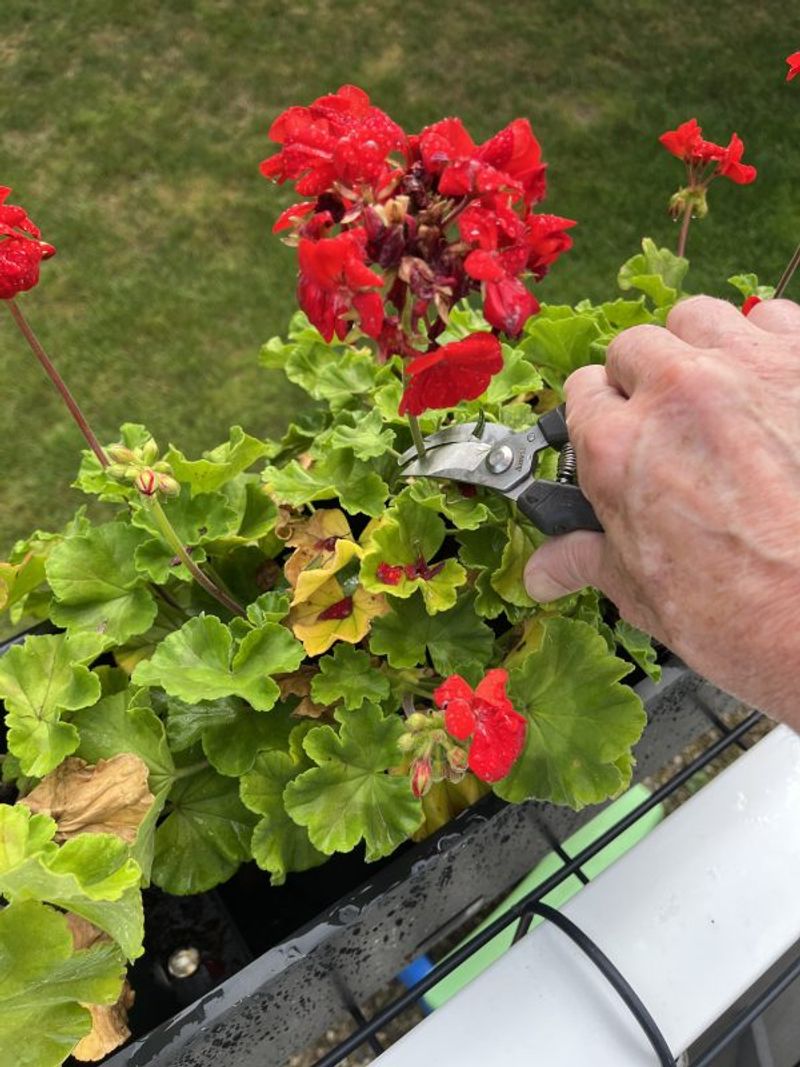
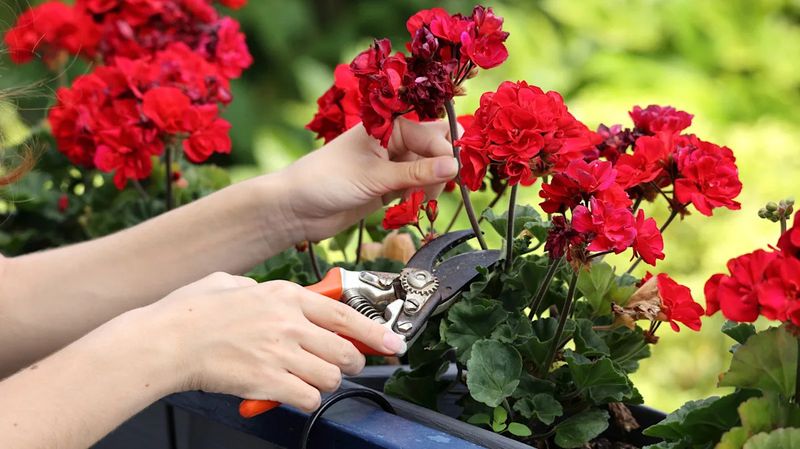
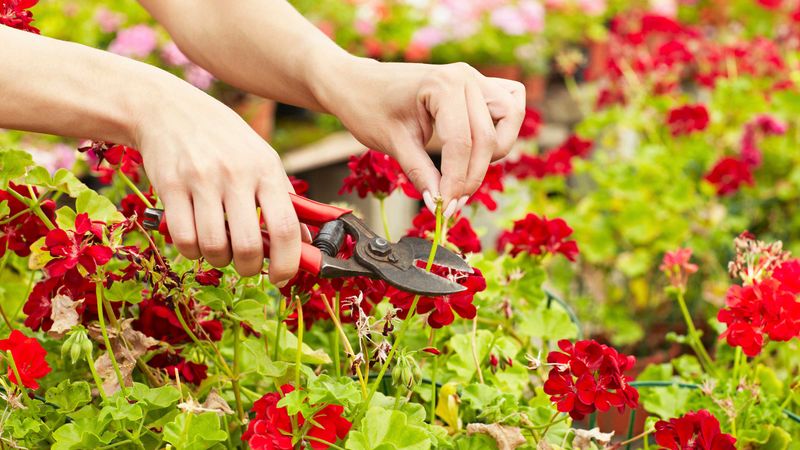
The right way to remove spent blooms matters more than most gardeners realize. Trace the flower stem all the way down to where it meets the main stalk, then pinch or snip cleanly at that point.
Pulling just the petals off leaves a stub behind that does nothing useful for the plant. A clean removal encourages a fresh stem to grow in its place, keeping your geraniums full and productive.
Make deadheading a quick weekly habit and you will notice a real difference in how long your Michigan geraniums stay vibrant and lush throughout the growing season.
2. The Biggest Mistake Michigan Gardeners Make With Geraniums In Spring
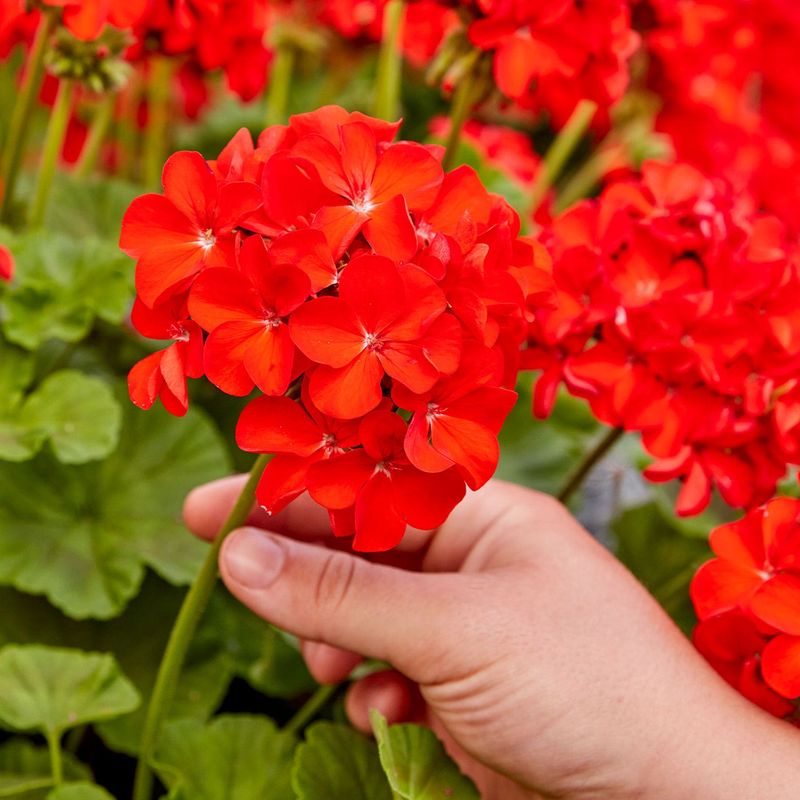
Every spring, eager Michigan gardeners rush their geraniums outside the moment sunshine appears, and that excitement can backfire fast.
Geraniums are warm-season plants that genuinely struggle when temperatures drop below 50 degrees Fahrenheit, and Michigan nights in May can still dip well below that, especially in northern parts of the state like Traverse City or Petoskey.
Southern Michigan gardeners near Detroit or Ann Arbor typically see their last frost around late April, while central Michigan gardeners around Lansing should stay cautious through mid-May. Up north, frost risk can linger into late May, so patience really pays off.
Moving plants outside too soon stresses them in ways that can set back blooming for weeks.
Your Michigan Garden Changes Every Week. Your Plan Should Too.
Gardening in Michigan changes quickly throughout the season. Every Friday you’ll receive a simple weekly plan showing exactly what to plant, prune, fertilize, harvest, and protect so you never miss the right timing.
Hardening off is the smart solution, and it is easier than it sounds. Start by setting your geraniums outside in a sheltered, shady spot for just two to three hours a day, then gradually increase outdoor time over ten to fourteen days.
Avoid leaving them out overnight until nighttime temps stay reliably above 50 degrees. Keep a few old bedsheets or lightweight frost covers handy for unexpected cold snaps.
Container geraniums on patios and porches are especially vulnerable since pots lose heat faster than garden soil does. A little patience during Michigan’s unpredictable May weather protects your plants and sets them up for a spectacular summer performance.
3. Why Some Michigan Geraniums Stop Blooming By Summer
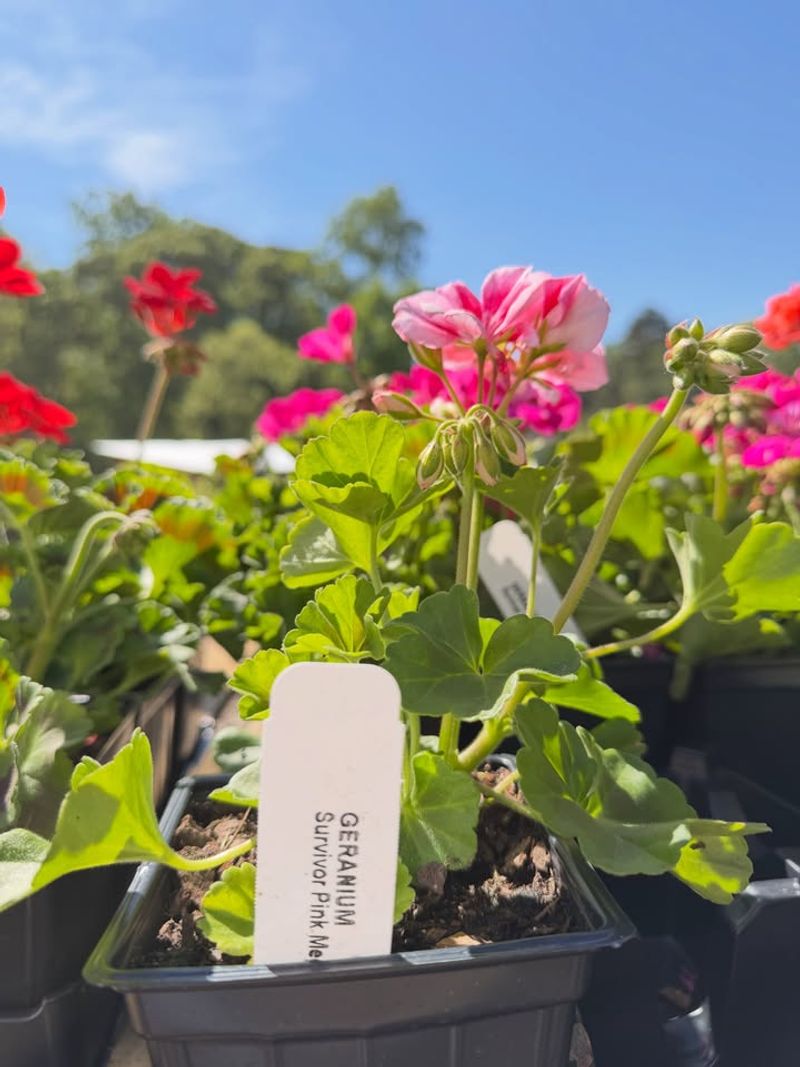
Shade is one of the quietest bloom-blockers in Michigan gardens, and many gardeners never connect the two. Geraniums need a solid six to eight hours of direct sunlight each day to produce their best, most vibrant blooms.
When they get less than that, flowering slows down noticeably and leaf color becomes pale and washed out.
Michigan summers bring long days, which is great news for sun-loving plants. However, nearby trees, fences, or buildings can cast more shade than gardeners expect, especially as trees leaf out fully through May and June.
If your geraniums looked great early in spring but slowed down by summer, reduced light is often the reason worth investigating first.
Airflow matters just as much as sunlight, especially during Great Lakes summers when humidity can feel heavy and sticky for weeks at a time. Poor air circulation around plants encourages fungal issues and makes blooms fade faster.
Signs that your Michigan geraniums are not getting enough sun include thin, stretched stems reaching toward any available light, fewer flower heads forming, and an overall leggy appearance. Moving containers to a sunnier spot on your deck or patio is an easy fix.
For garden beds, trimming back nearby shrubs or relocating plants to a south-facing area can make a dramatic difference in bloom production throughout the season.
4. One Simple May Task That Makes Geraniums Much Fuller
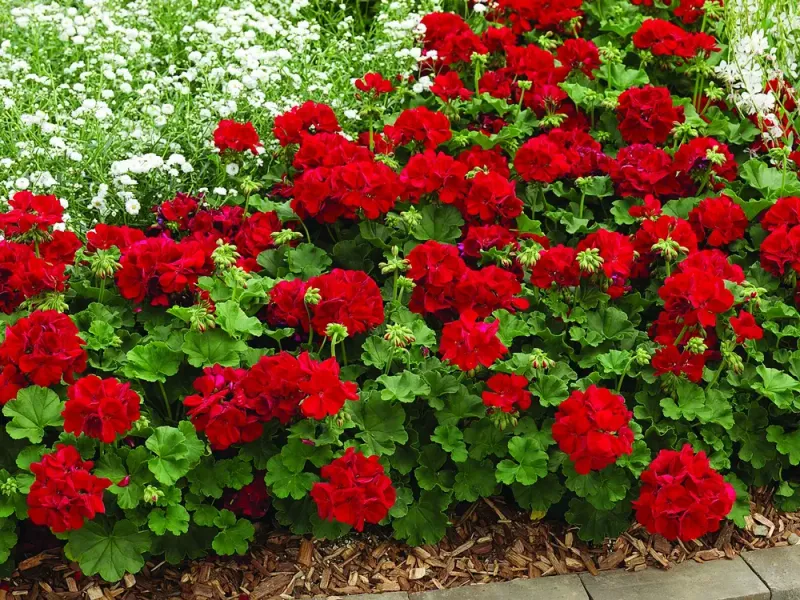
Pinching back geraniums in May is one of those small tasks that delivers surprisingly big results. When you pinch off the soft growing tip of a stem, the plant responds by sending energy into two or more side shoots instead of just one.
Those extra shoots each produce their own flower heads, which means a fuller plant with far more blooms than you would have gotten otherwise.
Michigan gardeners who keep their geraniums indoors through the winter or start them in early spring often notice that cool indoor conditions cause plants to grow tall and stretched before they ever make it outside.
Pinching corrects that stretched growth and encourages a compact, bushy shape that looks great in containers, window boxes, and flower beds across Michigan landscapes.
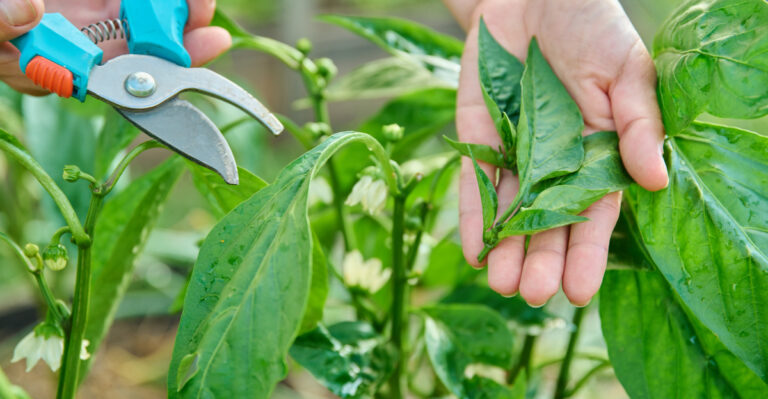
The technique itself is simple and satisfying. Find a stem with at least three or four leaf nodes and pinch off the very tip just above a leaf node using your fingers or clean scissors.
Do this across all the main stems for the best results. You can safely pinch geraniums every three to four weeks throughout the growing season without stressing the plant.
Michigan’s shorter growing season makes every bloom count, so starting this habit in May gives plants maximum time to branch out and build the kind of lush, flower-packed shape that makes neighbors stop and stare.
5. Michigan Geraniums Need This Before Summer Heat Arrives
Feeding your geraniums in May is one of the best investments you can make before Michigan’s summer heat kicks in. Container-grown geraniums lose nutrients quickly because every time you water, some of those nutrients wash right out through the drainage holes.
Without regular feeding, plants run low on the fuel they need to keep producing those big, colorful flower heads.
A balanced fertilizer with equal parts nitrogen, phosphorus, and potassium works well for geraniums early in the season. Once plants are actively blooming, switching to a formula slightly higher in phosphorus, like a 10-30-20, encourages even more flower production.
Michigan gardeners with container plants should plan on feeding every ten to fourteen days with a water-soluble fertilizer for consistent results throughout the growing season.
Slow-release granular fertilizers are a convenient option for gardeners who prefer a lower-maintenance routine. Mixing them into the potting soil at planting time provides a steady nutrient supply for several months.
However, water-soluble fertilizers give you more control, especially if you notice your plants need a boost mid-season. Avoid over-fertilizing with nitrogen-heavy formulas, as too much nitrogen pushes leafy green growth at the expense of blooms.
Starting a consistent feeding schedule in May sets Michigan geraniums up with the energy reserves they need to bloom beautifully and continuously right through the warmest weeks of the summer season.
6. Rainy Michigan Springs Can Cause Trouble For Geraniums
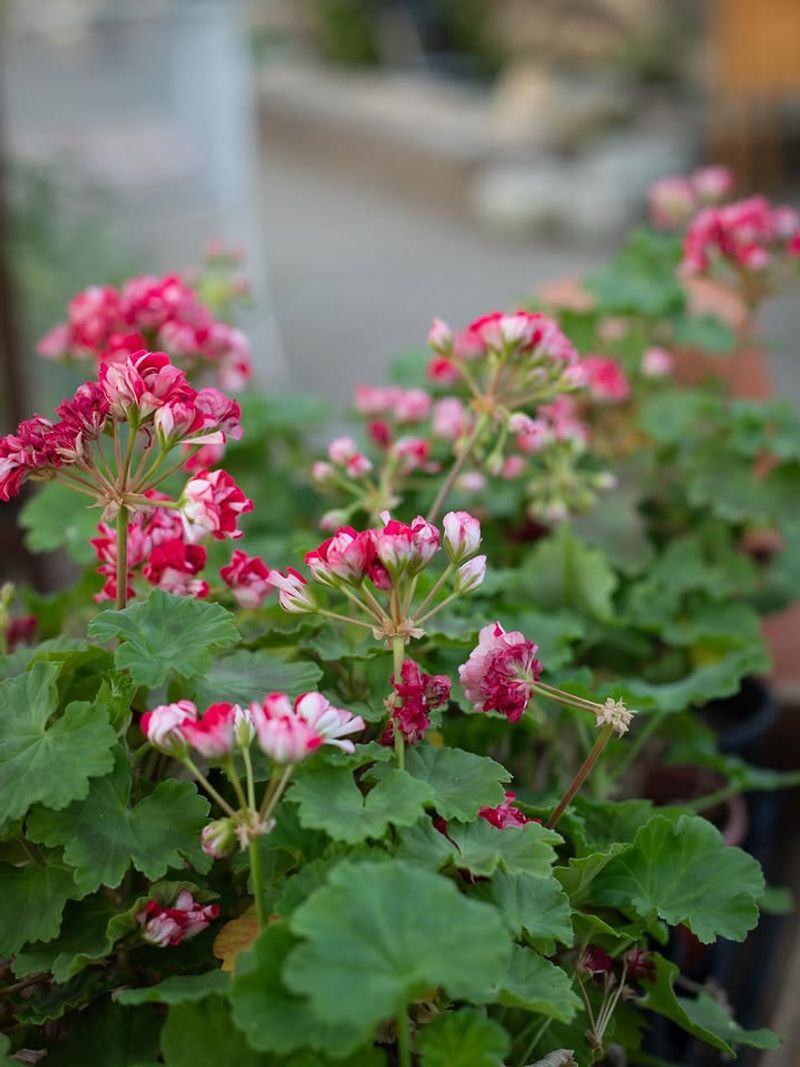
Michigan springs are famously wet, and while rain is generally welcome in the garden, too much of it sitting around geranium roots creates real problems. Geraniums prefer soil that drains quickly and dries out somewhat between waterings.
When roots stay soggy for days at a time, they weaken, and a weakened root system simply cannot support strong blooming above ground.
Clay-heavy soil, which is common across many parts of Michigan, holds water far longer than plants like geraniums prefer. Working compost into your garden beds before planting improves drainage significantly and also adds beneficial organic matter that roots love.
Raised beds are another smart solution for Michigan gardeners dealing with heavy, slow-draining soil in their yards.
Container gardeners need to pay close attention to pot drainage as well. Make sure every container has adequate drainage holes and avoid using saucers that collect standing water under the pot for extended periods.
During cool, rainy Michigan weeks, you may not need to water at all, so always check soil moisture before adding more water. Signs of excess moisture stress include yellowing lower leaves, soft mushy stems near the soil line, and a general lack of new growth.
Switching to a well-draining potting mix designed for container plants and elevating pots slightly off hard surfaces can make a noticeable difference in how well your Michigan geraniums handle spring rainfall.
7. This Watering Habit Helps Geraniums Bloom All Summer In Michigan
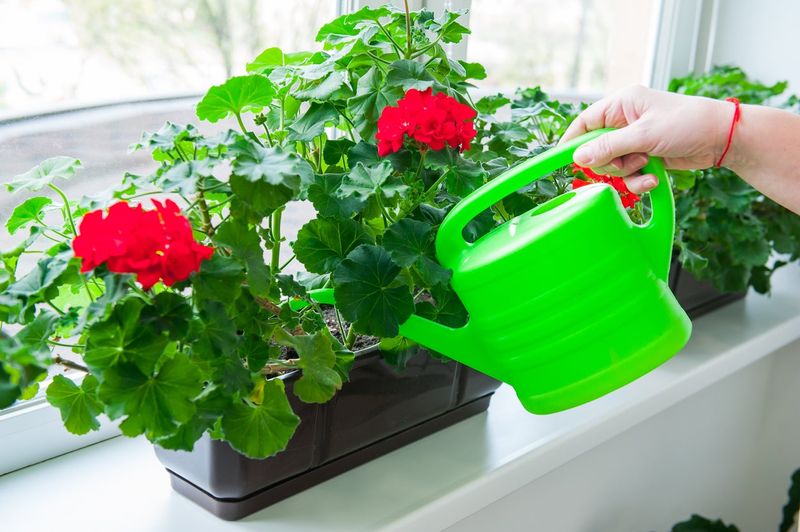
Watering geraniums a little every single day might feel like good plant care, but it actually does more harm than good over time. Shallow, frequent watering keeps moisture near the surface, which encourages roots to stay shallow and weak.
Shallow roots struggle when Michigan summer heat arrives, making plants more likely to wilt and reducing their ability to bloom consistently.
Deep, thorough watering done less often is a much smarter approach. Water until moisture flows freely out of the drainage holes, then wait until the top inch or two of soil feels dry before watering again.
This encourages roots to grow deeper into the soil or potting mix, building the kind of strong root system that supports heavy blooming even during warm, breezy Michigan summer days.
How often geraniums need water in Michigan depends on several factors, including container size, sun exposure, and whether rainfall has been generous that week.
Small containers dry out faster than large ones, and plants in full sun need water more often than those in partial shade.
Sticking your finger about an inch into the soil is the most reliable moisture test available, no special tools required. During Michigan’s typically rainy May, you may find that natural rainfall handles most of the watering for you.
Adjusting your schedule based on actual soil conditions rather than a fixed calendar routine keeps your geraniums healthy and blooming beautifully.
8. Here’s What Yellow Leaves On Geraniums Usually Mean
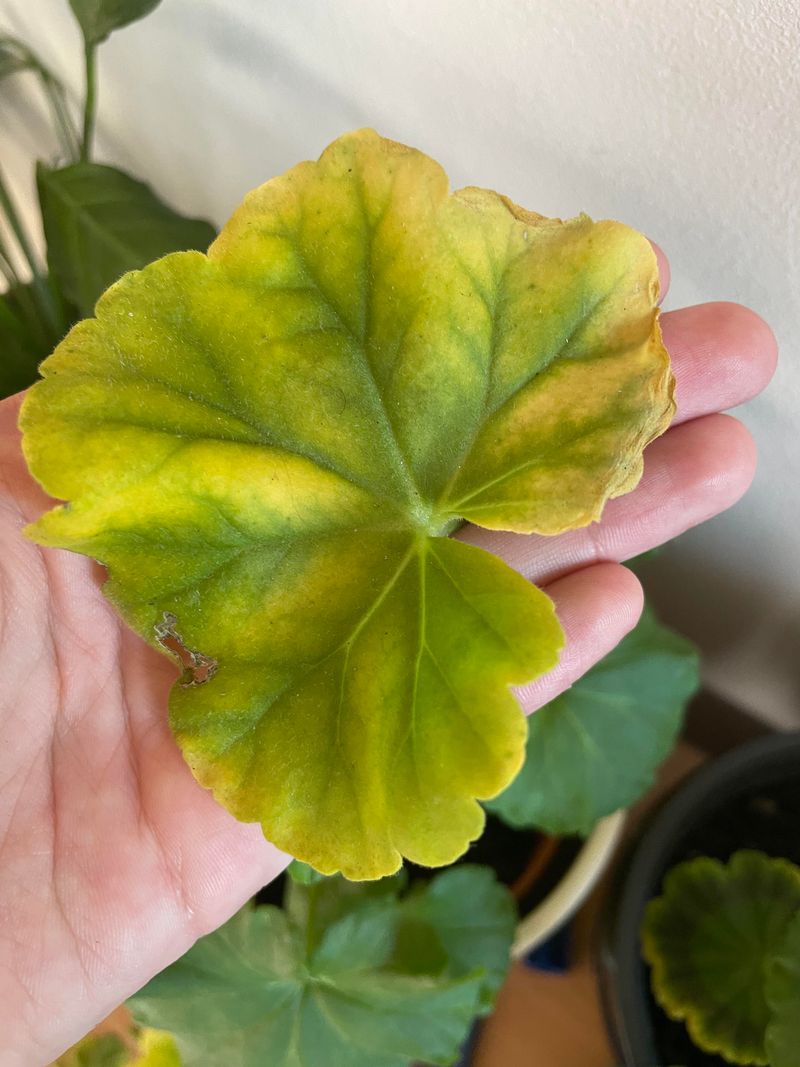
Yellowing leaves on geraniums during a damp Michigan spring are one of the most common sights gardeners encounter, and they are almost always a signal worth paying attention to. Excess moisture is the most frequent cause, but crowded plants and poor airflow play a big supporting role.
When plants grow too close together, air cannot move freely between them, and that trapped humidity creates the perfect conditions for weak, struggling growth.
The good news is that catching yellow leaves early and removing them promptly makes a real difference. Strip off affected leaves cleanly at the stem and dispose of them away from the garden rather than leaving them on the soil surface.
Fallen or removed foliage left on the ground can harbor issues that spread back to healthy plants nearby, especially during Michigan’s long rainy stretches in May and June.
Regular inspection is the key to staying ahead of problems before they spread. Walk through your garden every few days and check the lower leaves of your geraniums closely, since those bottom leaves are usually the first to show signs of stress.
If yellowing persists even after improving drainage and airflow, consider whether your plants might also need a nutritional boost, as a lack of nitrogen can also cause pale or yellow foliage.
Keeping Michigan geraniums well-spaced, clean, and properly fed through the spring sets a strong foundation for healthy, productive blooming all summer long.
9. Tiny Pests Can Ruin Geranium Blooms Fast In Michigan
Aphids and tobacco budworms are two pests that Michigan geranium growers should know by name, because both can quietly do serious damage before you even notice something is wrong.
Aphids cluster on new growth and flower buds, sucking out plant juices and leaving behind sticky residue that weakens stems and distorts blooms.
Tobacco budworms are sneakier, tunneling directly into flower buds before they open, which means the first sign of trouble is often a bud that simply never blooms.
Catching pest activity early is always easier than dealing with a full infestation later. Check the undersides of leaves and around new growth tips every few days during May and into summer, when pest populations in Michigan gardens start building up.
Small holes in buds, sticky leaves, or tiny clusters of soft-bodied insects are all early warning signs worth acting on immediately.
Insecticidal soap spray is one of the most effective and gardener-friendly options for controlling aphids on geraniums. For tobacco budworms, a product containing Bacillus thuringiensis, commonly called Bt, works well and is safe around beneficial insects.
Hand-removing visible pests is also surprisingly effective for small outbreaks. Planting flowers like marigolds nearby attracts beneficial insects such as ladybugs and lacewings, which naturally help keep aphid populations in check throughout Michigan’s growing season without any extra effort on your part.
10. Why Michigan Gardeners Should Never Crowd Geraniums Together
Packing geraniums tightly together might look lush and full at first glance, but it quickly becomes a problem as plants grow through the Michigan summer.
Crowded plants trap moisture between their leaves and stems, and in Michigan’s humid Great Lakes climate, that trapped dampness encourages fungal problems that reduce blooming and weaken overall plant health over time.
Good spacing allows air to move freely around each plant, which helps foliage dry out faster after rain or morning dew. Geraniums planted in garden beds generally do best when spaced about twelve to fifteen inches apart.
That spacing gives each plant room to branch out fully and reach its natural size without competing with neighbors for light, water, and nutrients.
Container and window box gardeners in Michigan need to think about spacing too. It is tempting to fill a pot with as many plants as possible for an instant full look, but overcrowding slows growth and reduces the number of blooms each plant produces.
A single large geranium in a twelve-inch container, or two plants in a twenty-four-inch window box, gives roots enough space to spread and plants enough airflow to thrive.
Proper spacing from the start means less maintenance, fewer fungal headaches, and far more flowers per plant throughout the season.
Your Michigan porch, patio, or flower bed will look fuller and more colorful for it all summer long.