8 Companion Plants That Help Cucumbers Thrive In Georgia Gardens
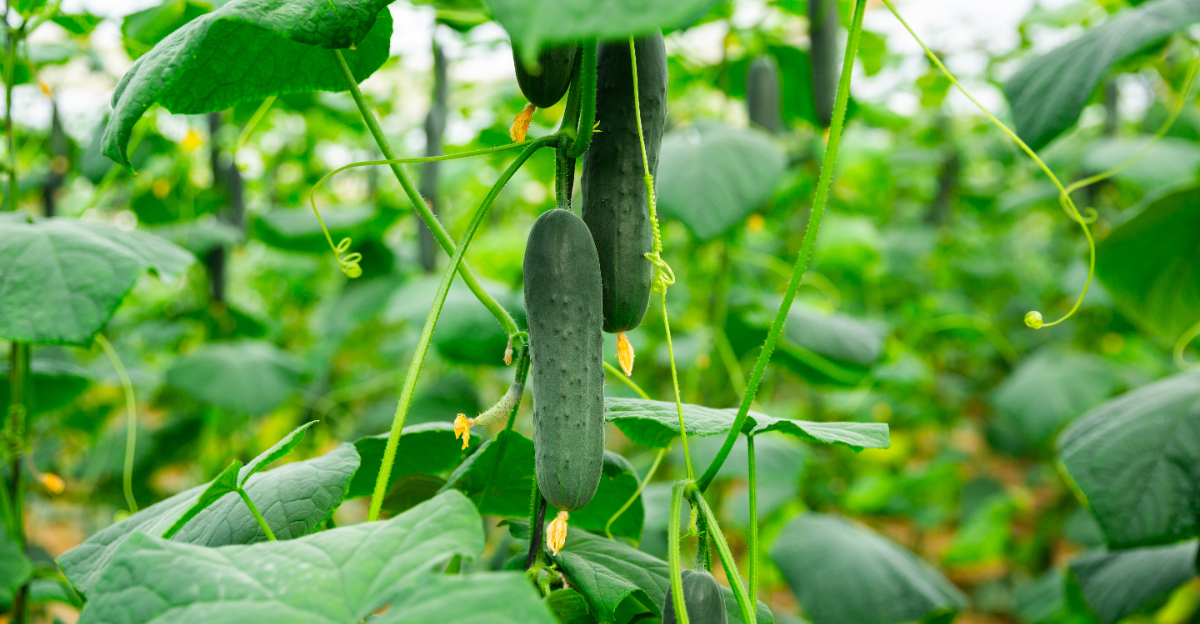
Cucumbers usually start taking over Georgia gardens this time of year. Everything looks healthy, the vines grow fast, and it feels like the season is off to a perfect start.
Then summer settles in properly and the whole bed can start acting differently almost overnight.
A lot of gardeners eventually realize cucumbers seem to do better when they are not growing completely on their own.
Certain nearby plants get paired with them again and again in Georgia gardens, especially once heat and humidity start building through late spring and early summer.
Some combinations simply seem to work better together in raised beds, containers, and backyard rows that stay productive through the hottest stretch of the season.
A few companion plants have become especially popular with cucumber growers for good reason.
1. Marigolds Help Repel Common Cucumber Pests During Warm Months
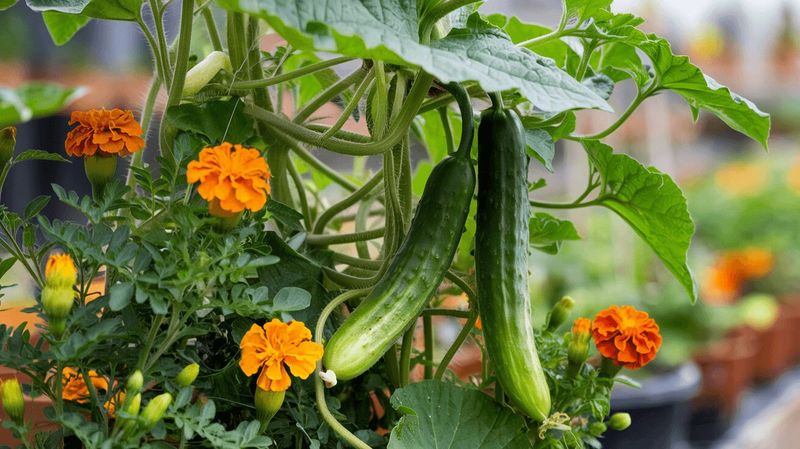
Marigolds might look like simple garden flowers, but they pull serious weight when planted near cucumbers. In Georgia, where warm months stretch well into October, pest pressure on cucumber vines stays high for a long time.
Marigolds release a natural chemical from their roots that makes the soil less inviting to nematodes, which are tiny worm-like organisms that can damage cucumber roots underground.
Above the soil, the strong scent of marigold foliage tends to confuse and push away cucumber beetles, whiteflies, and aphids. Planting a border of marigolds around your cucumber rows creates a kind of fragrant shield that pests would rather avoid.
French marigolds, in particular, are known to work well for this purpose and stay compact enough to fit easily between garden rows.
Marigolds also attract hoverflies and parasitic wasps, both of which are natural enemies of aphids and caterpillars. You do not need a huge number of plants to see results.
Even a row of six to eight marigolds along the edge of a raised bed can make a noticeable difference by midsummer. Keep them watered during dry Georgia spells, and deadhead spent blooms regularly to encourage continuous flowering throughout the season.
In Georgia gardens, they also tend to self-seed lightly, so you’ll often see a few new marigolds popping up in the same area the following spring without any extra effort.
2. Nasturtiums Can Draw Aphids Away From Cucumber Vines
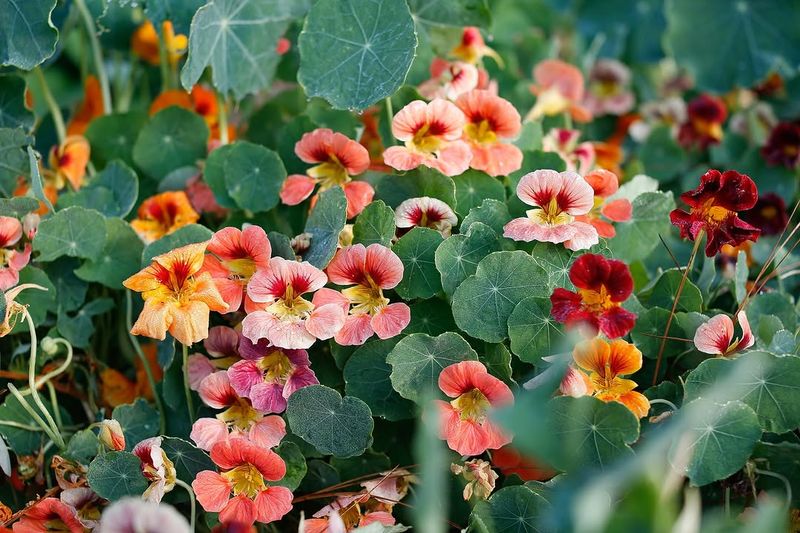
Nasturtiums are one of the most underrated plants a Georgia gardener can add near cucumbers. While they produce cheerful orange and yellow blooms, their real value in the garden is less obvious at first glance.
Aphids are strongly attracted to nasturtiums, which means planting them near your cucumbers essentially gives those pests a preferred snack that is not your vegetable crop.
Acting as a trap crop, nasturtiums lure aphids away from cucumber vines and concentrate them in one easy-to-monitor spot. Once aphids cluster on the nasturtiums, you can remove the affected leaves or spray them down with water without worrying about harming your cucumber plants.
Georgia heat can bring on aphid populations fast, especially in late spring and early summer, so having this buffer plant in place early matters.
Your Georgia Garden Changes Every Week. Your Plan Should Too.
Gardening in Georgia changes quickly throughout the season. Every Friday you’ll receive a simple weekly plan showing exactly what to plant, prune, fertilize, harvest, and protect so you never miss the right timing.
Nasturtiums are easy to grow from seed and do not need much fertilizer. In fact, too much nitrogen will push them to produce mostly leaves with fewer flowers, which reduces their effectiveness as a lure.
Plant them in full sun with decent drainage, and they will spread happily through the season. Both the flowers and leaves are edible and have a peppery flavor, so any nasturtiums not covered in aphids can go straight into a salad.
A practical and tasty companion plant all around.
This simple companion setup helps keep cucumber vines under less stress during Georgia’s peak pest months.
3. Dill Attracts Beneficial Insects Around Flowering Cucumbers
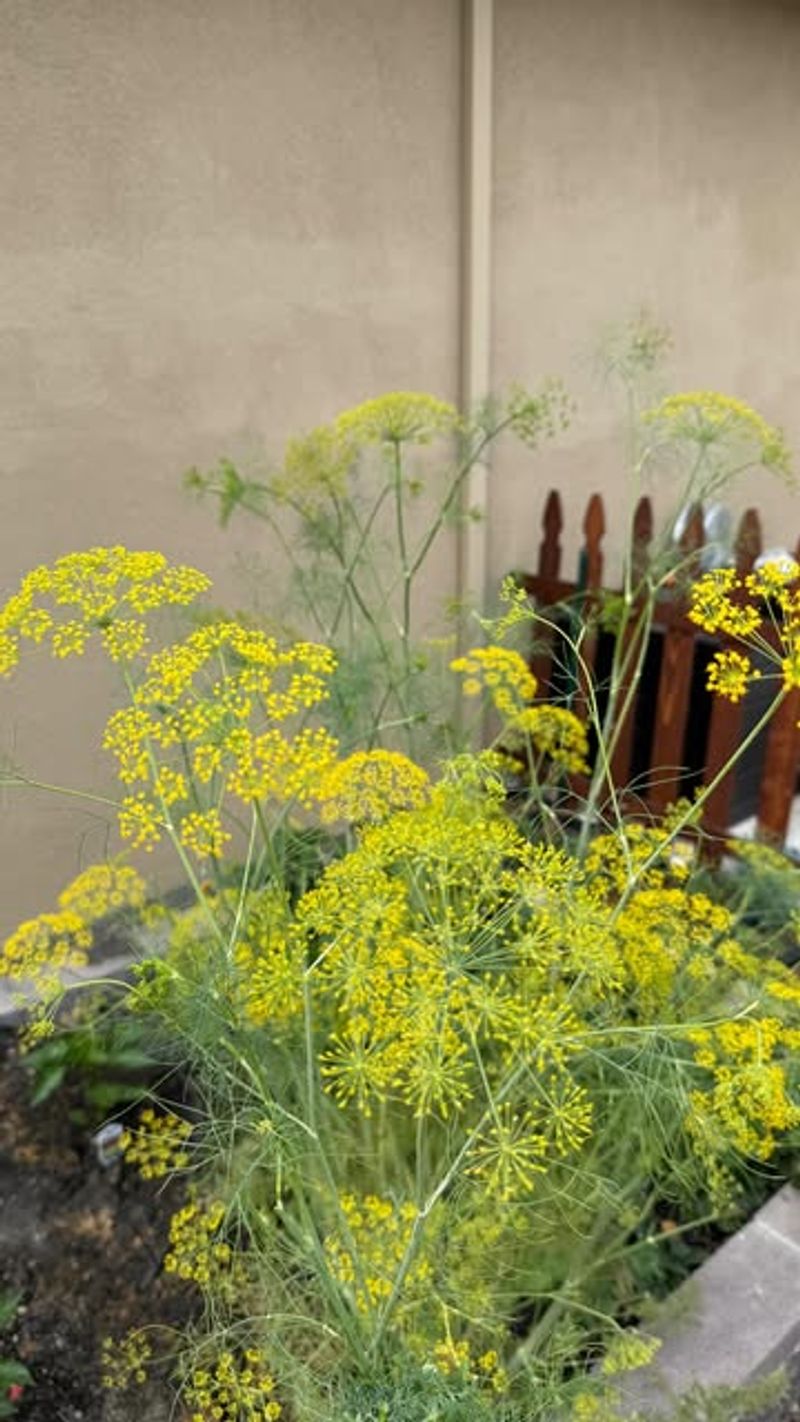
Few herbs do as much quiet work in a Georgia garden as dill does during cucumber season. When dill reaches the flowering stage, its flat-topped yellow clusters become landing pads for beneficial insects including parasitic wasps, lacewings, and hoverflies.
These insects feed on or parasitize common cucumber pests like aphids and caterpillars, making dill a natural pest management tool.
Planting dill near cucumbers works best when you let it bolt and flower rather than harvesting it aggressively for kitchen use. A few dedicated dill plants left to bloom near your cucumber rows can consistently attract helpful insect populations throughout Georgia’s long growing season.
Staggering your dill plantings every two to three weeks keeps fresh flowers available across multiple months.
One important thing to know: mature dill can actually slow cucumber growth when planted too close, likely due to chemical compounds released as the plant ages. Keeping dill at least twelve to eighteen inches away from the main cucumber vines is a good practice.
Young dill, though, is generally considered safe and beneficial at closer distances. Georgia gardeners who grow cucumbers in raised beds can place dill at the far end of the bed or just outside it.
The goal is to invite the good insects in without creating competition between the two plants right at the root zone.
That steady bloom cycle helps keep beneficial insects moving through the garden at the exact time cucumber vines need the most protection.
4. Bush Beans Help Improve Soil Conditions Near Cucumber Plants
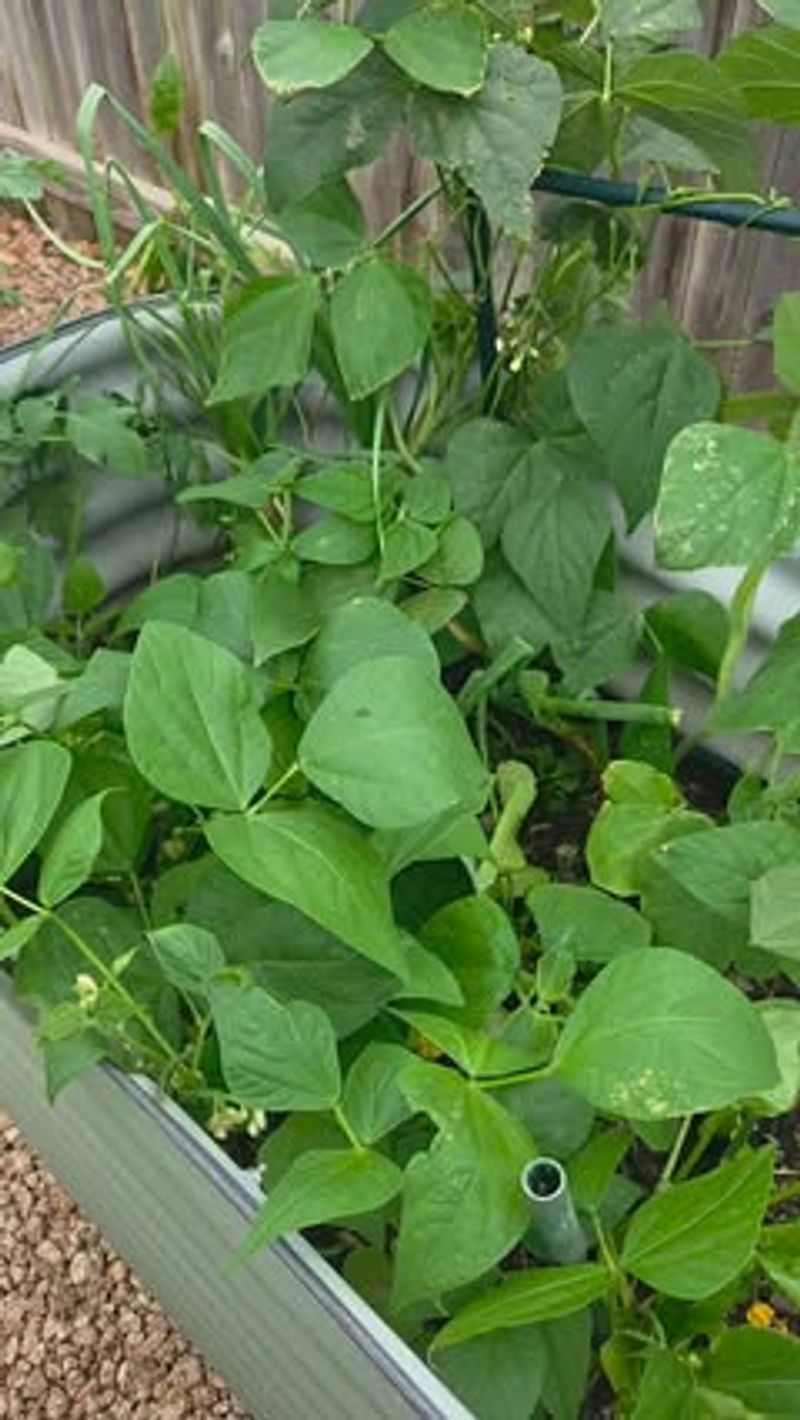
Bush beans bring something to the garden that cucumbers genuinely need: nitrogen. Beans belong to the legume family, which means they work with soil bacteria to pull nitrogen from the air and convert it into a form that plants can use.
Cucumbers are heavy feeders, especially during fruiting, and having bush beans nearby gives the soil a slow, natural nitrogen boost over the growing season.
In Georgia’s sandy or clay-heavy soils, this kind of natural soil improvement matters. Bush beans are compact, so they fit well in raised beds or traditional rows without crowding the cucumber vines.
Unlike pole beans, they do not need trellising and stay low enough to avoid shading out cucumber foliage during Georgia’s intense summer sun hours.
Bush beans also help with moisture retention by providing light ground cover that shades the soil around their base.
Keeping soil moisture more consistent reduces stress on cucumber roots during dry stretches, which Georgia gardeners know can happen even in an otherwise wet season.
Plant bush beans about a foot away from cucumber transplants to give both plants enough room to establish. Avoid heavy nitrogen fertilizing near beans since they produce their own supply.
When the bean plants finish producing, chop them into the soil rather than pulling them out so the nitrogen stored in their roots stays in the garden bed.
5. Radishes Can Help Loosen Soil Around Young Cucumber Roots
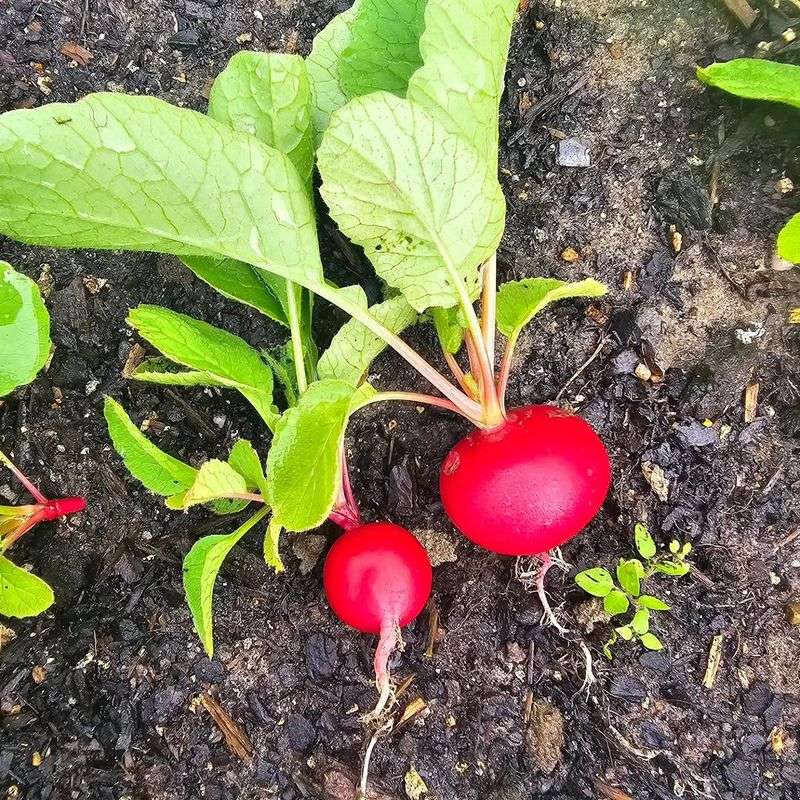
Radishes work fast, and that speed makes them especially useful when planted near young cucumbers in Georgia’s spring garden.
Their taproots push down through compacted soil quickly, breaking up hard layers and creating small channels that allow air and water to reach cucumber roots more easily.
In Georgia gardens with dense red clay, this kind of natural aeration can make a real difference in how well cucumber plants establish themselves early in the season.
Radishes mature and get harvested before cucumbers really start to spread out, so competition between the two plants is minimal. You pull the radishes, eat them, and leave behind loosened soil with small root channels already formed.
Those channels help cucumber roots expand more freely without fighting through compacted ground.
Some Georgia gardeners also use radishes as a pest deterrent. Certain types of radishes, particularly daikon varieties, are said to repel cucumber beetles when planted nearby, though results can vary depending on garden conditions and pest pressure in your specific area.
Even without the pest benefit, the soil improvement alone makes radishes worth including in a cucumber bed. Sow radish seeds directly into the ground about two weeks before your cucumber transplants go in.
They germinate fast, usually within a week, and will be ready to harvest right around the time your cucumbers start needing the extra root space.
6. Sunflowers Give Vining Cucumbers Extra Support In Garden Beds
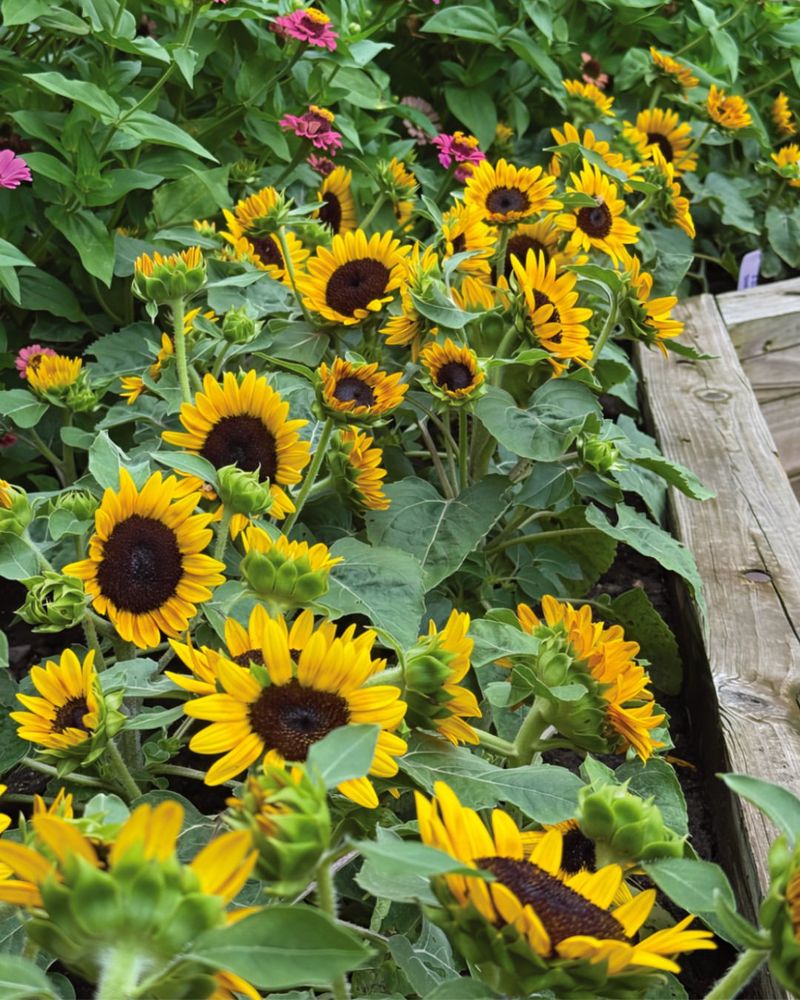
Sunflowers are one of the more creative companion planting choices for Georgia cucumber growers, and they earn their spot in the garden in more ways than one.
Their thick, sturdy stalks can act as a natural trellis for vining cucumber varieties, giving the vines something to climb without the gardener needing to install additional supports.
In a smaller Georgia backyard garden, this can save both space and money.
Beyond physical support, sunflowers attract pollinators in large numbers. Bees, butterflies, and other beneficial insects that visit sunflower blooms will also move through the nearby cucumber flowers, increasing pollination rates.
Better pollination leads directly to more cucumbers forming on each vine, which is always the goal during Georgia’s productive summer months.
Sunflowers also provide a bit of afternoon shade for cucumber roots in the hottest part of the Georgia summer.
Cucumbers prefer warm conditions but can struggle when soil temperatures spike too high, and a tall sunflower planted on the western side of a cucumber row can block some of that harsh late-day sun.
Plant sunflowers two to three weeks before cucumber transplants so they have a head start on height. Choose tall varieties like Mammoth or Skyscraper for the best climbing support.
Keep sunflowers spaced at least eighteen inches from cucumber plants to avoid competing for nutrients in the same soil zone.
7. Oregano Works Well As A Low Growing Companion Around Cucumbers
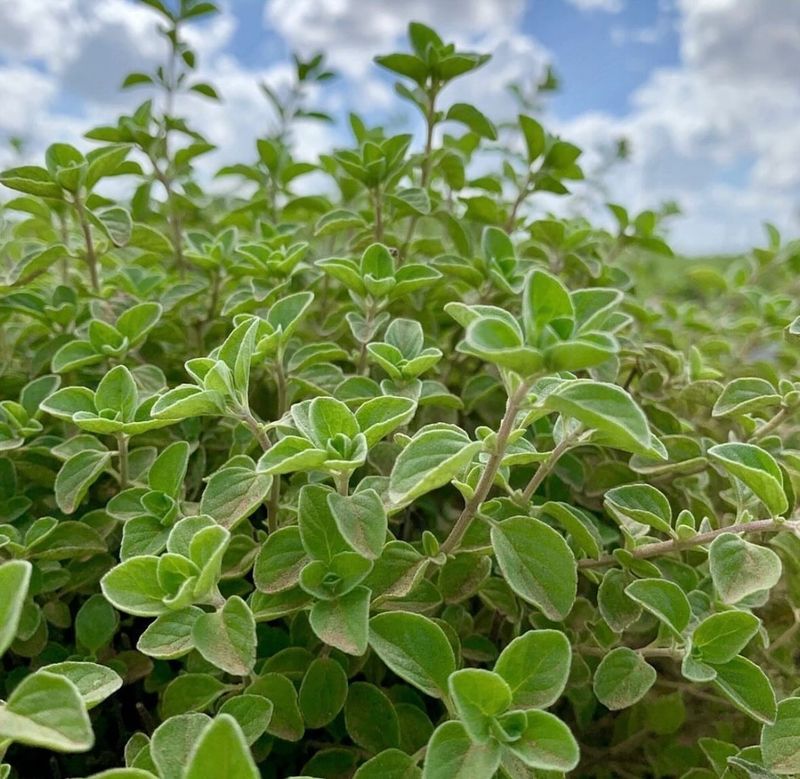
Oregano stays low, spreads steadily, and produces a strong scent that many garden pests find unpleasant.
Planted around the base of cucumber vines, oregano can act as a living mulch that covers bare soil, reduces moisture evaporation, and creates a fragrant barrier that makes it harder for pests to locate cucumber plants.
In Georgia’s hot, humid growing season, having ground cover that also deters pests is a practical combination.
The essential oils in oregano leaves are what give it pest-deterring properties.
Aphids, spider mites, and cabbage loopers have all shown sensitivity to the scent of oregano in garden settings, though the effectiveness varies based on how densely the oregano is planted and overall pest pressure in the area.
Pairing oregano with other companion plants like marigolds or nasturtiums can make the overall effect stronger.
Oregano is drought-tolerant once established, which fits well with Georgia’s summer dry spells between rain events. It does not need frequent watering and handles heat without much complaint.
Plant oregano from starts rather than seed if you want faster ground coverage. Space plants about ten to twelve inches apart around the perimeter of your cucumber bed.
Avoid overwatering since oregano prefers drier conditions than cucumbers do. Trim back oregano periodically so it does not crowd out cucumber stems at ground level or trap excess moisture against the main vine.
8. Borage Can Attract More Pollinators To Cucumber Flowers
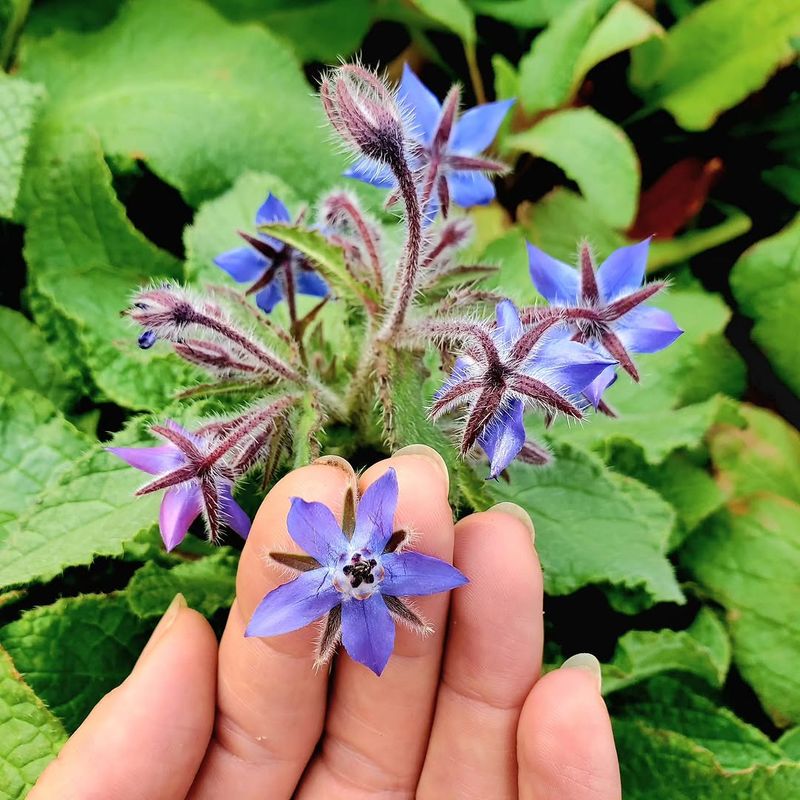
Borage is not the most common herb in Georgia gardens, but cucumbers absolutely love growing near it. Star-shaped blue flowers cover borage plants throughout the season, and those blooms are magnets for bumblebees and honeybees.
Since cucumbers rely heavily on bee pollination to set fruit, having borage nearby can noticeably increase the number of cucumbers that actually develop from each flowering vine.
Borage also has a reputation among gardeners for repelling tomato hornworms and cabbage worms, though scientific evidence on this is mixed and results can depend on local conditions.
What is well-documented is its strong appeal to pollinators, which in Georgia’s warm climate means bees are working your cucumber flowers from early morning through midday almost every day the plants are in bloom.
One thing worth knowing: borage self-seeds aggressively. Once you plant it, expect it to come back on its own in following seasons, which is either a bonus or something to manage depending on your garden layout.
Plants grow to about two feet tall and spread outward, so give them room and avoid planting directly against cucumber stems.
Borage also contains trace amounts of certain alkaloids, so it is not recommended in large quantities as a food source, though small culinary uses are traditional.
As a companion plant in a Georgia cucumber garden, it earns its space through consistent pollinator activity alone.