Why Michigan Gardeners Should Always Direct Sow Dill Instead Of Transplanting It
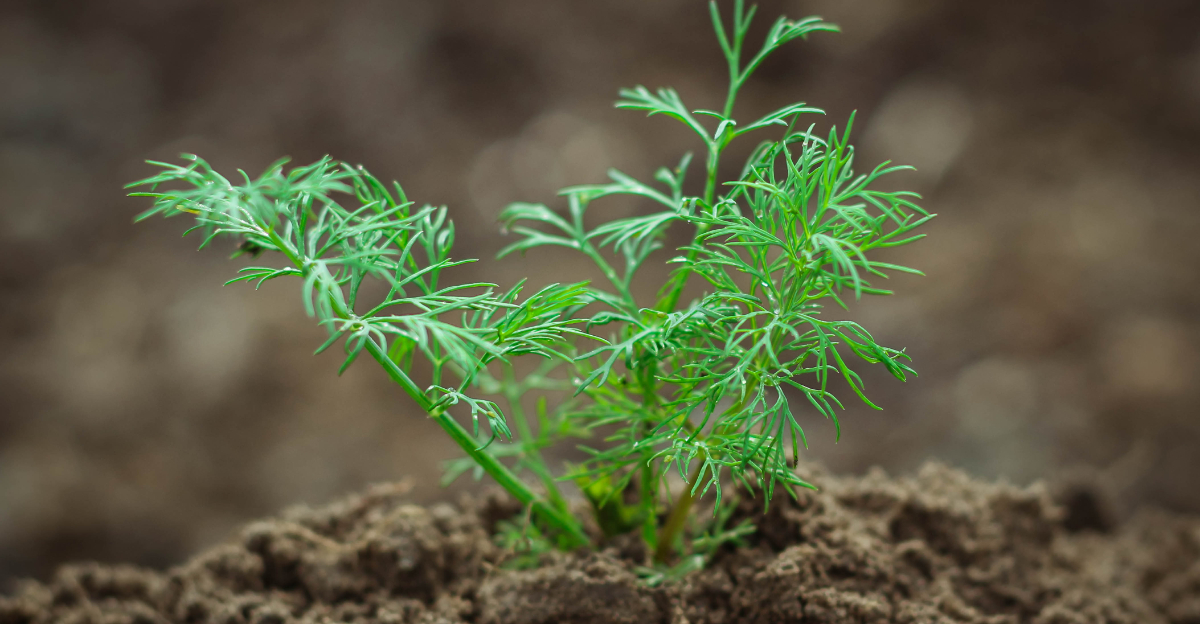
Dill is one of those herbs that seems simple to grow until you try starting it indoors and transplanting it outside.
The results tend to be underwhelming at best, and the plants that survive the move often sit there looking stressed for weeks before they recover enough to grow with any real purpose.
Direct sowing dill straight into the garden skips all of that, and in Michigan the timing works out better than most gardeners expect.
Dill actually prefers to develop its root system undisturbed from the moment it germinates, and the stress of being moved from a tray to the ground sets it back in ways that cancel out the head start indoor sowing was supposed to provide.
Michigan’s spring soil warms up quickly once conditions shift, and dill responds to that warmth fast when it germinates in place.
Understanding why this herb performs so differently depending on how it gets started explains why experienced Michigan herb growers skip the transplant step entirely and never look back.
1. Dill Develops A Sensitive Taproot
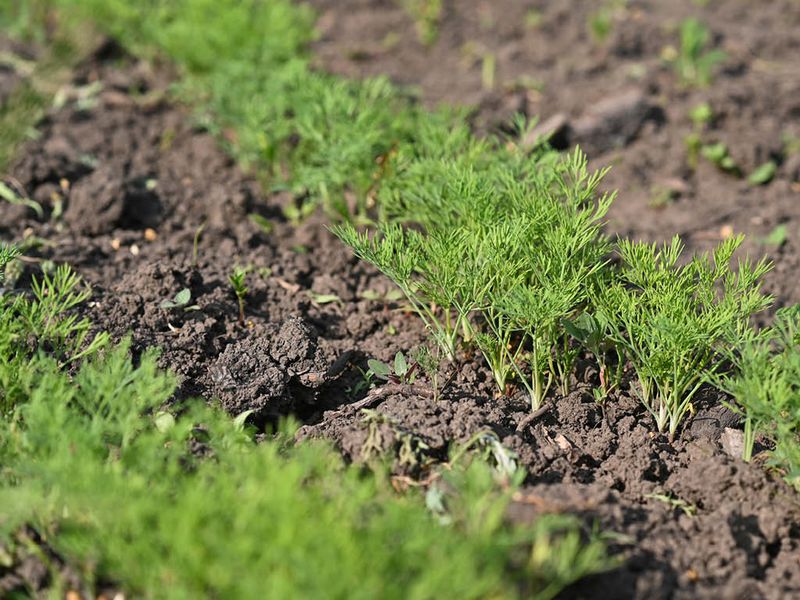
Few herbs are as particular about their roots as dill. The moment a dill seedling pushes through the soil, it begins forming a single long taproot that drives straight down into the earth.
This taproot is surprisingly fragile, and even gentle handling during transplanting can snap or bruise it in ways that set the plant back significantly.
When you start dill indoors in Michigan and then try to move it outside, that taproot almost always suffers. The plant may look fine for a few days after transplanting, but underground the damage has already been done.
Stunted growth, yellowing leaves, and poor herb production are all common signs of taproot stress.
Direct sowing completely sidesteps this problem. When seeds go straight into your Michigan garden bed, the taproot grows downward without any interruption, anchoring the plant firmly and pulling up moisture and nutrients from deep in the soil.
The result is a healthier, more vigorous plant that reaches full harvestable size much faster than any transplanted seedling ever could.
Michigan gardeners who make this simple switch almost always notice a visible difference in how lush and productive their dill becomes throughout the growing season.
Protecting that taproot from the very beginning is the single best thing you can do for your dill crop.
2. Direct Sowing Produces Stronger Plants
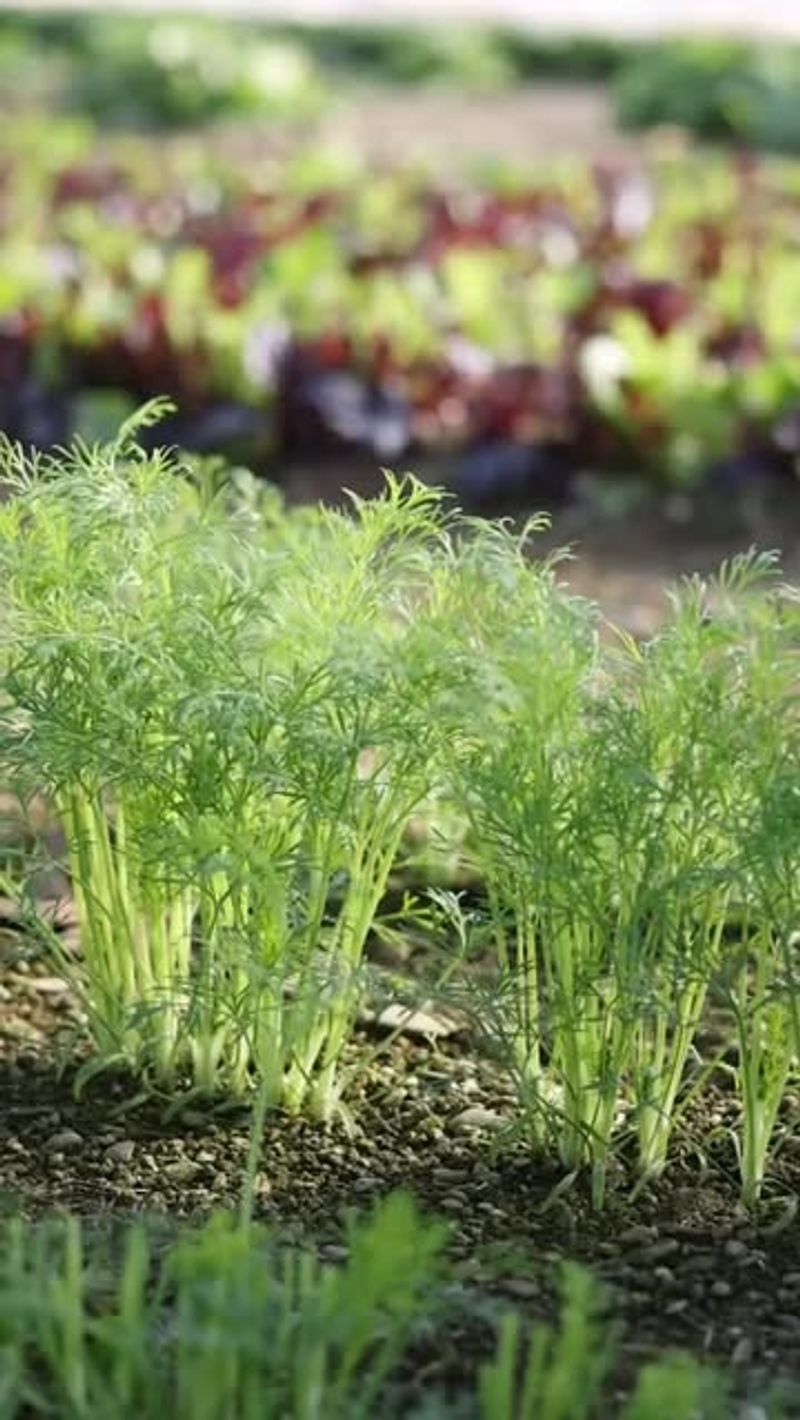
There is something almost magical about watching a seed you planted outdoors grow into a tall, sturdy dill plant without ever being moved. Plants that start their lives exactly where they will finish them develop a toughness that transplanted seedlings simply cannot match.
Every cell in a direct-sown plant adapts to the specific soil texture, drainage, and temperature of your Michigan garden from day one.
Transplanted seedlings, on the other hand, spend their first week or two just recovering from the shock of being moved. During that recovery time, direct-sown dill is already stretching its roots wider and deeper, pulling ahead in growth and strength.
Your Michigan Garden Changes Every Week. Your Plan Should Too.
Gardening in Michigan changes quickly throughout the season. Every Friday you’ll receive a simple weekly plan showing exactly what to plant, prune, fertilize, harvest, and protect so you never miss the right timing.
Michigan summers can bring heat waves, heavy rains, and sudden temperature swings, and plants that grew in place handle all of that stress far better.
Gardeners across Michigan consistently report that direct-sown dill stands taller, produces more foliage, and stays productive longer into the season compared to transplanted plants.
The stems are thicker, the leaf clusters are fuller, and the overall plant structure looks noticeably more robust.
Starting seeds outdoors also means skipping the extra work of indoor growing setups, which saves both time and money.
When the goal is the healthiest, most productive dill possible in your Michigan garden, putting those seeds directly into the ground is the clear and obvious winning strategy every single time.
3. Dill Germinates Easily In Cool Michigan Conditions
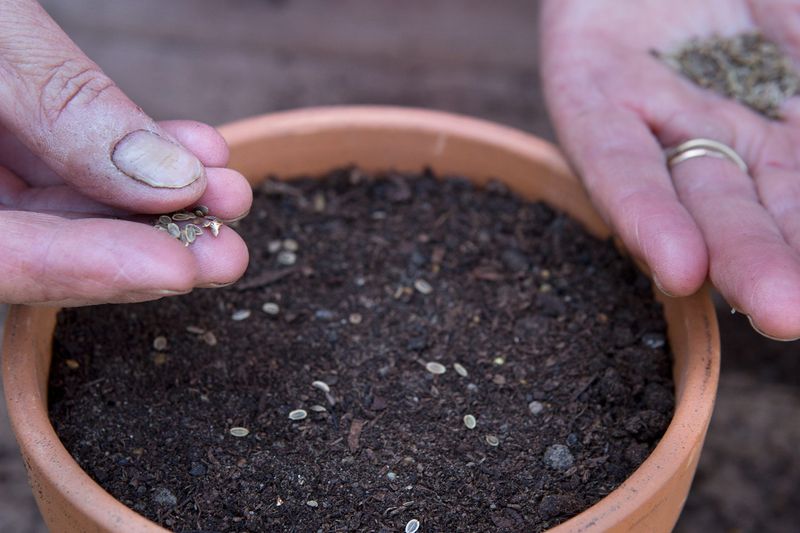
Michigan springs have a reputation for being unpredictable, but dill actually thrives in exactly that kind of cool, slightly uncertain weather.
Dill seeds germinate best when soil temperatures sit between 60 and 70 degrees Fahrenheit, which is precisely what Michigan gardeners enjoy throughout April and early May.
You do not need a grow light, a heat mat, or weeks of indoor preparation to get dill going strong.
Sprinkling seeds directly onto a prepared garden bed and raking them in lightly is genuinely all it takes. Within one to two weeks, you will start seeing tiny feathery sprouts pushing up through the soil.
Cool spring air actually slows the plant from bolting too quickly, giving you a longer window of leafy production before flowers appear.
Starting dill indoors in Michigan creates an unnecessary extra step that often causes more problems than it solves. Indoor conditions are warmer and drier than what dill prefers, and seedlings grown inside can become leggy and weak before they ever touch outdoor soil.
By matching the seed directly to Michigan’s natural spring climate, you are working with nature instead of against it.
The cool temperatures, the moisture from spring rains, and the gradually lengthening days all combine to create near-perfect germination conditions right in your own backyard.
Michigan gardeners who trust the season and direct sow early are almost always rewarded with fast, reliable sprouting that gets the herb garden off to a great start.
4. Transplanted Dill Bolts More Easily
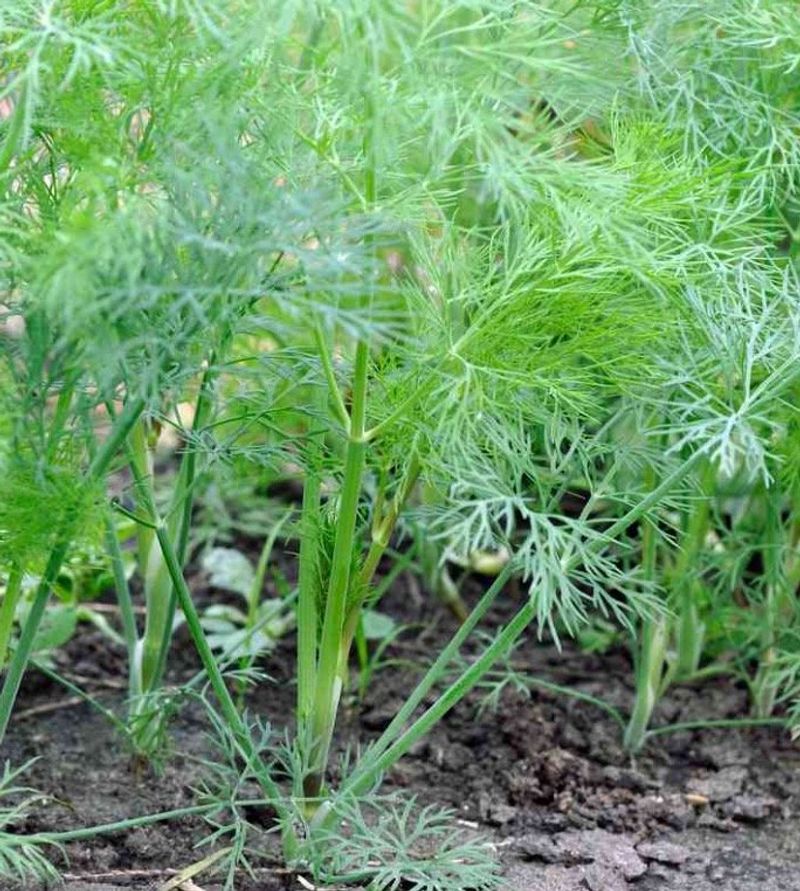
Bolting is every herb gardener’s least favorite word, and transplanted dill bolts faster than almost any other herb in a Michigan garden.
When dill experiences the stress of being uprooted and moved, its internal systems interpret that disruption as a signal that something is wrong.
The plant responds by rushing to flower and set seed as quickly as possible, which means you end up with far less usable leaf before the season gets going.
Once dill bolts, the leaves turn bitter and the plant puts all its energy into producing those tall flower clusters called umbels. While the flowers are beautiful and attract pollinators, they signal the end of your fresh herb harvest.
Transplant stress essentially tricks the plant into thinking it needs to reproduce urgently, cutting the productive leaf-growing phase short.
Direct-sown dill in Michigan does not experience that same stress trigger. The plant grows at its own natural pace, moving through each stage of development without interruption.
You get weeks more of lush, fragrant foliage that is perfect for pickling, cooking, and adding fresh flavor to summer meals. Michigan gardeners who want to maximize their dill harvest need to think of bolting prevention as a core part of their planting strategy.
Keeping the plant stress-free from germination through harvest is the most reliable way to enjoy a long, productive dill season, and direct sowing is the simplest and most effective tool for making that happen.
5. Direct-Sown Dill Handles Wind Better
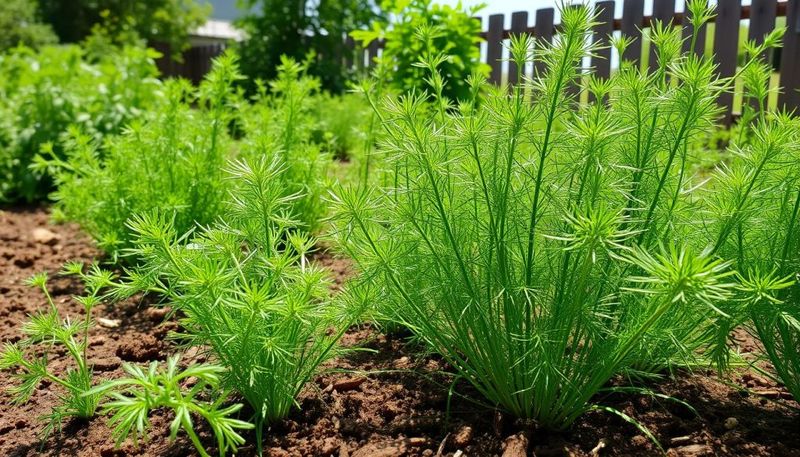
Anyone who has gardened in Michigan knows that summer storms roll in fast and hit hard. Strong gusts off Lake Michigan or late-afternoon thunderstorms can flatten herbs that were not properly established in the soil.
Dill, which can grow three to four feet tall, is especially vulnerable to wind damage if its root system is not deep and well-anchored from the start.
Transplanted dill often enters the Michigan growing season with a compromised root system. The taproot may have been shortened or damaged, and the plant has not had time to spread lateral roots wide enough to grip the soil firmly.
When a strong wind hits, these plants lean, flop, or snap at the base, which can end the harvest early and leave gaps in your garden beds.
Plants grown from seed directly in the garden develop roots that mirror the exact structure of the surrounding soil. Every stone, air pocket, and moisture channel in your Michigan garden soil becomes part of how the roots grow and anchor themselves.
The result is a plant that bends with the wind but springs back upright rather than tipping over entirely.
Experienced Michigan gardeners often describe their direct-sown dill as noticeably more self-sufficient and resilient compared to anything they have tried transplanting.
Building that strong underground foundation from the very first day of germination is what gives direct-sown dill its impressive staying power through even the stormiest Michigan summers.
6. Dill Self-Seeds Readily In Michigan Gardens
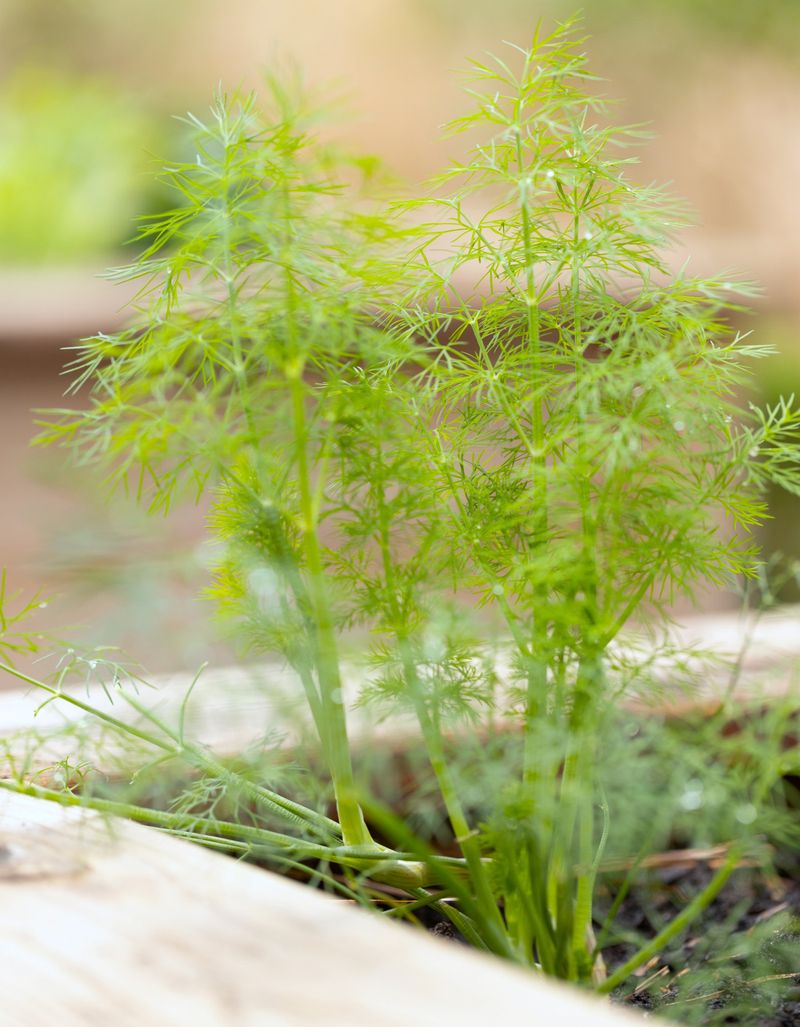
One of the most delightful surprises a Michigan gardener can experience is walking out to the garden in early spring and finding dill already sprouting without planting a single seed.
When you allow direct-sown dill to fully mature and set seed at the end of the season, those seeds drop naturally into the soil and overwinter right where they fall.
Come spring, they sprout on their own schedule, perfectly timed to Michigan’s warming soil temperatures.
This self-seeding habit is one of the best arguments for direct sowing from the very beginning. Transplanted dill that bolts early or gets stressed often does not produce viable seed in large enough quantities to reliably self-seed the following year.
But a healthy, direct-sown dill plant that completes its full life cycle drops hundreds of seeds that can keep your Michigan herb garden stocked year after year with almost no extra effort on your part.
Letting dill self-seed also creates a more natural, cottage-garden feel that many Michigan gardeners absolutely love. The plants pop up in slightly different spots each year, filling in gaps and creating a relaxed, abundant look throughout the growing space.
You can always thin or relocate the seedlings when they are very young and tiny, before the taproot gets established.
Embracing the self-seeding nature of dill is one of the smartest and most low-effort strategies any Michigan gardener can use to keep a productive, beautiful herb garden going season after season.