What To Do With Ohio Dahlias Right Now For The Most Stunning Blooms This Summer
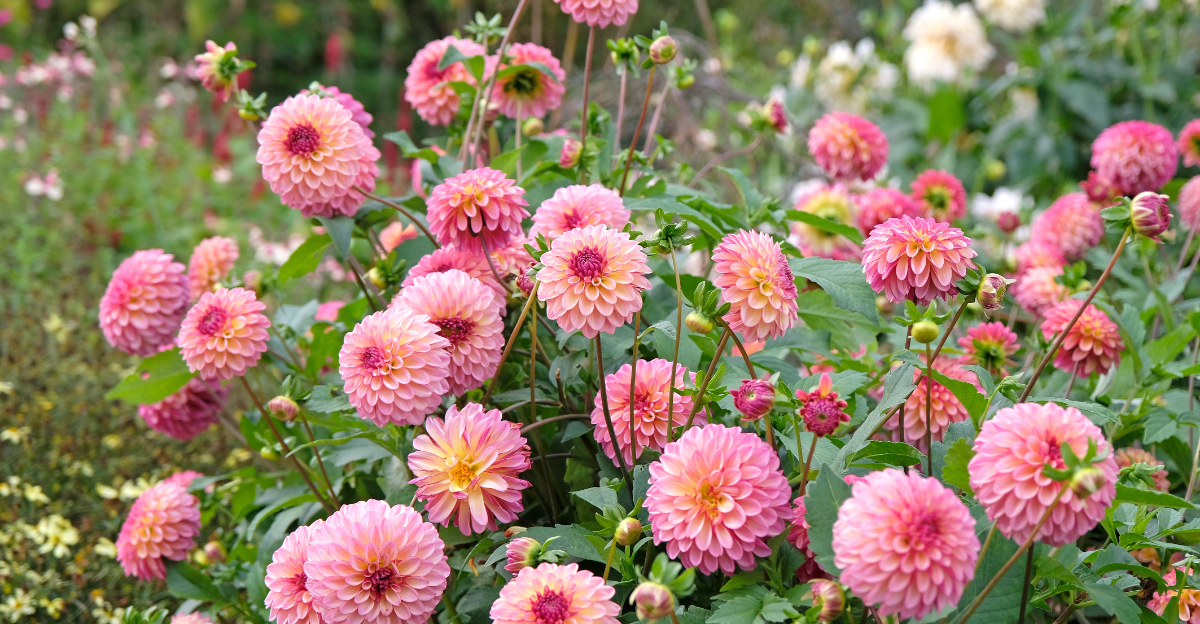
Dahlias are one of those plants that rewards attention in a way few other flowers can match.
Get the timing right, make the right moves at the right moment, and they pay you back with blooms that make the rest of the summer garden look like it is not even trying.
Get it wrong and you spend the season waiting for a payoff that never quite arrives. Right now is one of those moments that matters.
Ohio dahlias at this point in the season are at a crossroads. What happens in the next few weeks sets the trajectory for everything that comes after, from the size of the blooms to how long they keep coming.
Most dahlia growers focus heavily on planting and then check back in when flowers appear. The stretch in between is where the real work happens, and where most of the missed potential lives.
1. Pinch Young Dahlias Before They Grow Too Tall
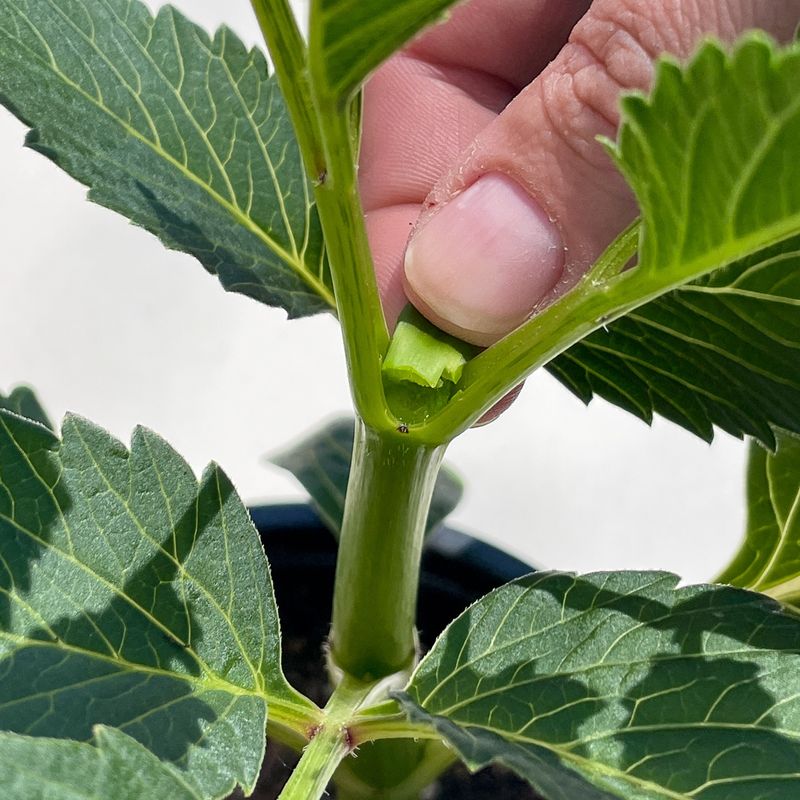
A plant that shoots straight up without branching will give you one main stem and far fewer flowers than a plant that was pinched at the right time. Pinching means removing the growing tip of a young dahlia to encourage the plant to send out side shoots.
More side shoots mean more stems, and more stems mean more buds opening across the season.
Wait until the plant has at least three to four sets of leaves before you pinch. Plants that are still tiny and weak are not ready.
Pinching too early can stress a small plant that has not settled into the soil yet.
Use clean scissors or snip with your fingers just above a leaf node. The plant will respond by pushing out two or more branches from that point.
This one simple step can noticeably increase your bloom count without any extra products or effort. Many experienced Ohio dahlia growers consider pinching the single most useful early-season task.
For beginners, it can feel nerve-wracking to cut back a healthy-looking plant. Trust the process.
The plant will recover quickly and branch out in a way that a non-pinched plant simply cannot match.
2. Stake Tall Varieties Before Buds Get Heavy
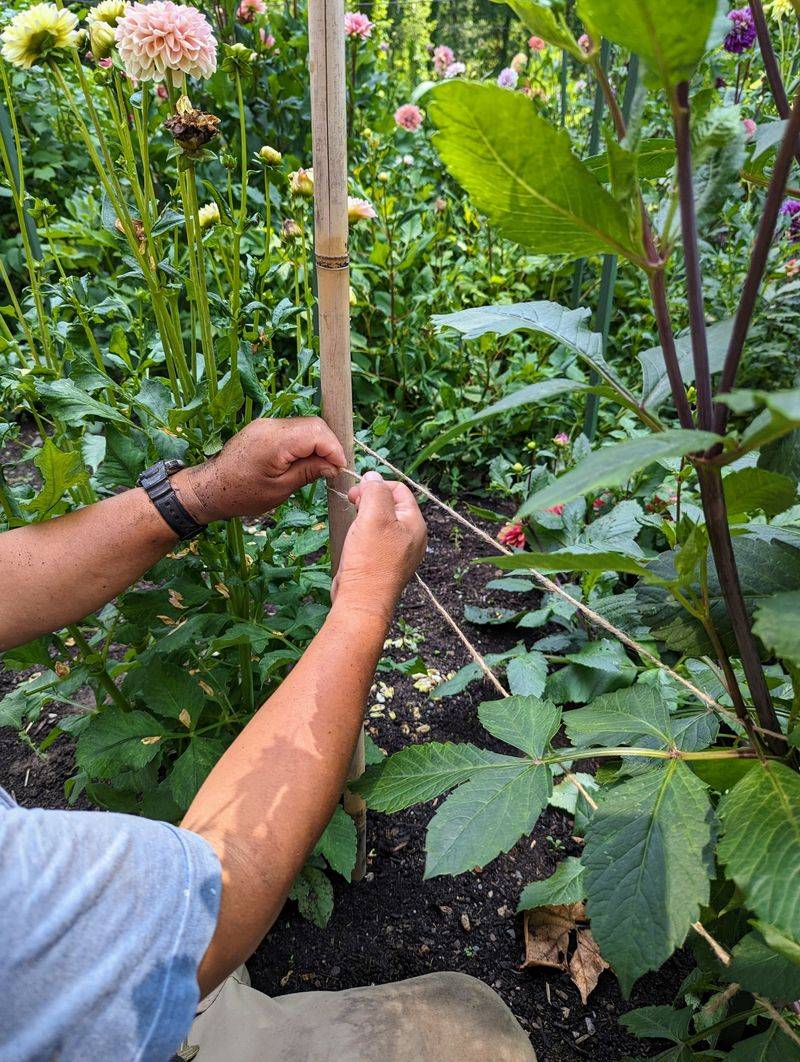
A stem that looks perfectly sturdy in early summer can bend fast once rain soaks the foliage and a large bloom adds weight to the top.
Tall dahlia varieties, especially dinner-plate types, are particularly vulnerable to snapping at the base when summer storms roll through.
Placing stakes or supports early prevents that kind of damage before it starts.
Push stakes into the ground when you plant tubers or shortly after shoots emerge. Setting stakes later risks spearing a tuber or disturbing roots that have already spread out.
Bamboo canes, metal stakes, or wire cages all work depending on the variety and your preference.
Tie stems loosely to the stake using soft garden twine or stretchy plant tape. Tight ties can cut into stems as they thicken.
Check the ties every few weeks and adjust as needed. Compact or dwarf dahlia varieties generally need less support, but it is still worth checking them after heavy rain.
Your Ohio Garden Changes Every Week. Your Plan Should Too.
Gardening in Ohio changes quickly throughout the season. Every Friday you’ll receive a simple weekly plan showing exactly what to plant, prune, fertilize, harvest, and protect so you never miss the right timing.
A fallen dahlia stem rarely recovers cleanly. Staking takes just a few minutes per plant and saves a lot of frustration later in the season when blooms are at their peak and storms are most likely to cause trouble.
3. Give Dahlias Full Sun For Stronger Blooms
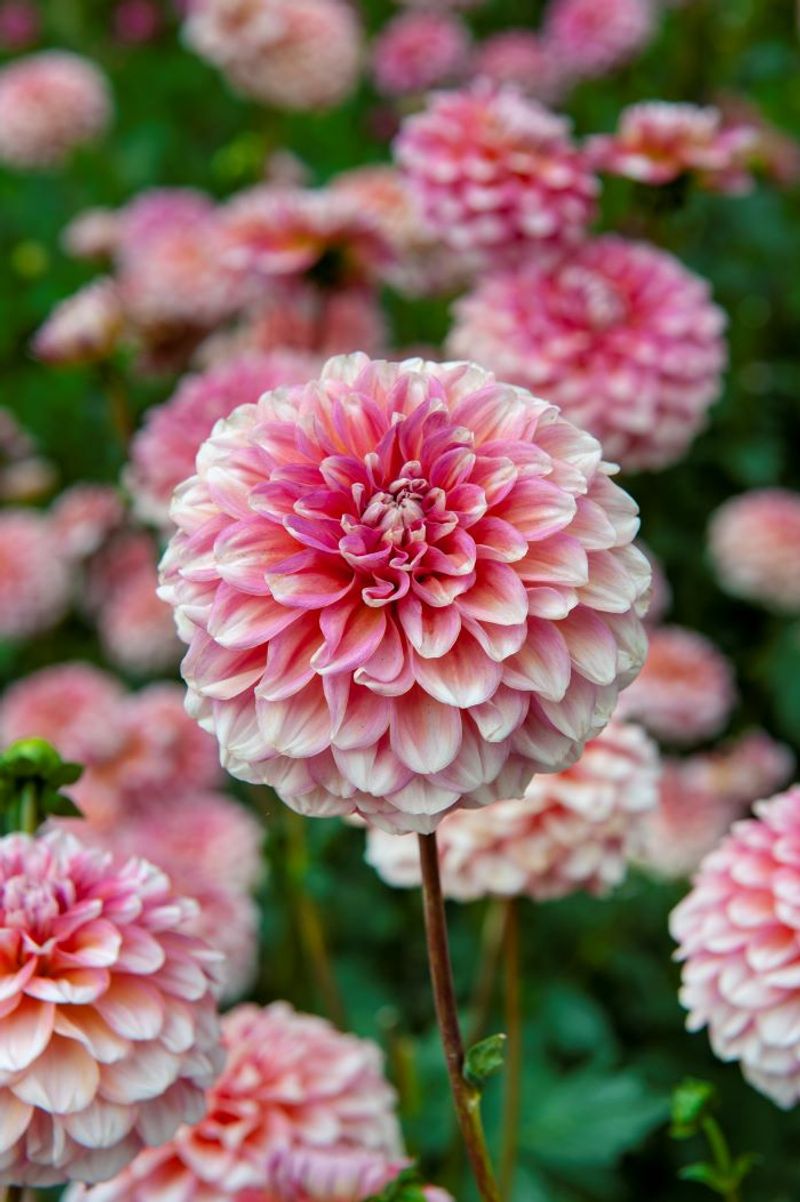
Sunlight is one of the most important factors in how well dahlias perform. Most varieties need at least six to eight hours of direct sun each day to produce strong stems and full flowers.
Plants growing in too much shade tend to stretch upward toward the light, produce more leaves than blooms, and generally look less impressive by midsummer.
When choosing a planting spot, look beyond just the open sky above. Fences, porches, large shrubs, and taller garden plants can all cast shade that builds as summer growth fills in.
A spot that looks sunny in early spring may be partially shaded by July once neighboring plants leaf out fully.
Watch your beds through the day during the first few weeks of growth. If a plant seems to be leaning toward one direction or producing fewer buds than expected, reduced sunlight may be part of the reason.
Repositioning is difficult once tubers are established, so choosing the right spot before planting pays off all season long.
In northern regions of this state, where cloudy stretches are more common, giving dahlias the sunniest available spot is especially worth the effort.
Strong sun produces strong stems and richer flower color.
4. Water Deeply, Without Leaving Tubers Soggy
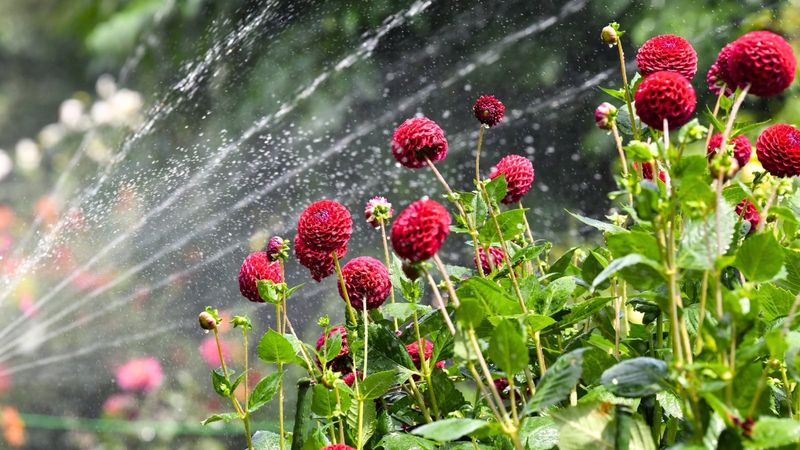
Consistent moisture during active growth makes a real difference in bloom quality, but soggy soil is a different situation entirely. Dahlia tubers sitting in waterlogged ground are at risk of rotting, which can end a plant’s season before it ever reaches its potential.
Good drainage matters just as much as regular watering.
Water deeply when the top inch or two of soil starts to feel dry. A slow, deep soak encourages roots to grow downward rather than staying shallow near the surface.
Shallow roots make plants more vulnerable during dry stretches and less stable during wind. Avoid light, frequent sprinkles that barely reach the root zone.
During hot, dry stretches common in this state’s summers, dahlias may need water two or three times per week. Mulching around the base of plants helps hold soil moisture between waterings and keeps roots cooler on the hottest days.
Keep mulch a few inches away from the stem itself to avoid trapping too much moisture right at the base. Drip irrigation or soaker hoses work well because they deliver water directly to the root zone without wetting foliage.
Wet leaves in warm weather can invite fungal issues that affect plant health over time.
5. Feed Lightly, Before Plants Push Big Buds
Fertilizing dahlias is one of those tasks where more is not always better. Too much nitrogen pushes lush, leafy growth at the expense of flowers.
A plant loaded with dark green leaves but producing very few buds is often a sign that it received too much nitrogen too late in the season.
A balanced fertilizer applied lightly during early growth can help plants establish well. Once buds begin to form, switching to a low-nitrogen option with slightly higher phosphorus can support flowering.
Always follow label directions and avoid the temptation to double up on applications thinking it will speed things along.
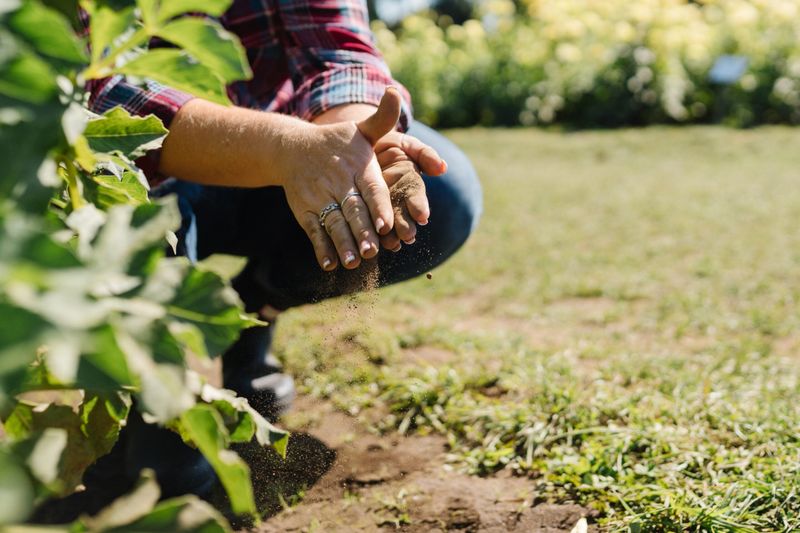
Before adding any fertilizer, it helps to know what your soil already contains. A basic soil test through the Ohio State University Extension can tell you what nutrients are present and what might be lacking.
Guessing at soil needs and adding fertilizer anyway can lead to imbalances that work against the plant. Home gardens in this state vary widely in soil quality, so testing is practical advice rather than extra work.
Light, well-timed feeding combined with good sun and steady watering gives dahlias the foundation they need to push out strong buds and keep producing through the season.
6. Remove Weak Side Shoots For Larger Flowers
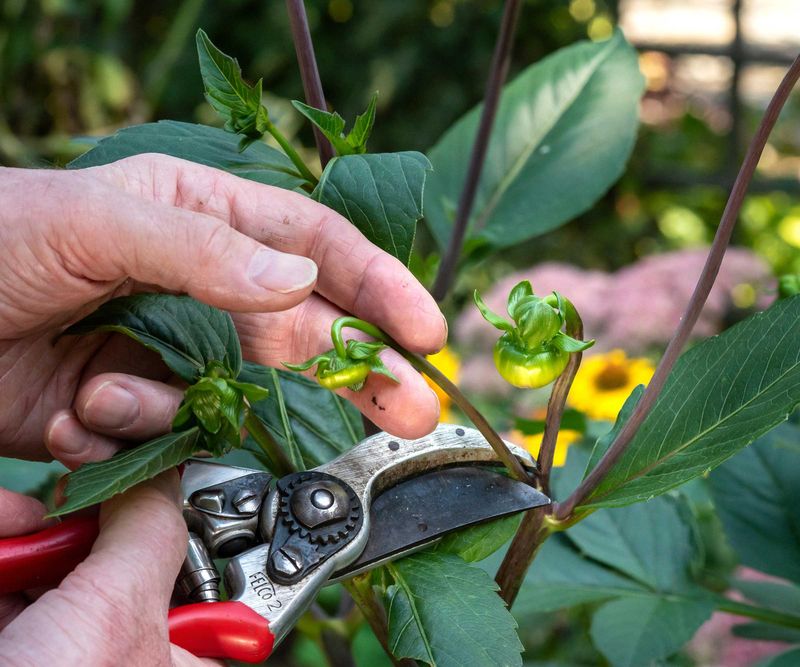
Not every gardener needs to disbud their dahlias, but those who want fewer, showier blooms rather than a mass of smaller ones will find this technique worth trying.
Disbudding means removing the smaller side buds or weaker shoots so the plant sends more energy into the remaining flowers.
The result is often a larger, more defined bloom on a stronger stem.
Look for the two smaller buds that typically appear alongside the main central bud on each stem. Pinching those off when they are still small redirects the plant’s resources.
Side shoots lower on the plant can also be removed if you want taller, cleaner stems for cutting.
This step is entirely optional for gardeners who simply want a full, colorful garden display. Leaving all the buds in place will still give you plenty of flowers.
But if you are growing for a vase, a show, or just want the most dramatic individual blooms possible, selective removal is a useful tool. Start small and see how your plants respond before removing too much at once.
The goal is to work with the plant’s natural energy, not overwhelm it by stripping too many shoots too quickly during a single session in the garden.
7. Cut Blooms Often, To Keep New Buds Coming
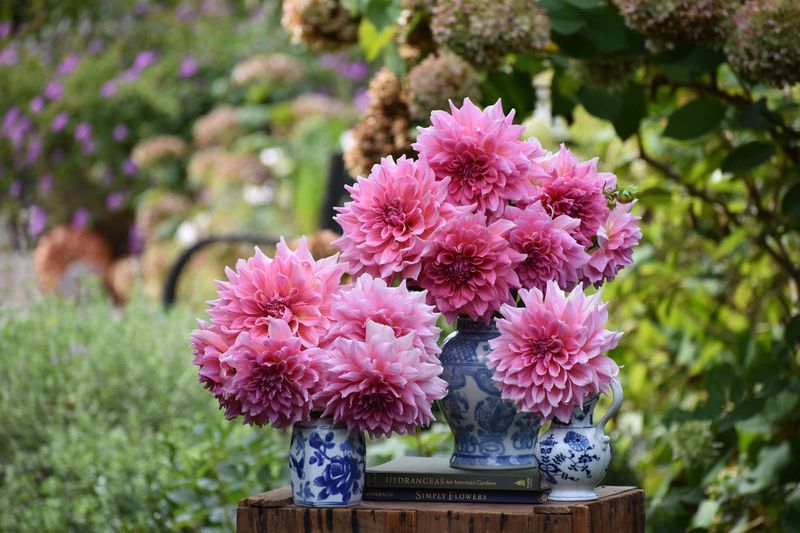
One of the most rewarding things about dahlias is that cutting them actually encourages the plant to produce more. Leaving spent or fully open flowers on the plant signals it to slow down bud production.
Removing those blooms, either for a vase or simply as trimming, keeps the plant focused on making new buds.
Cut stems in the morning when temperatures are cooler and the plant is well-hydrated. Use clean, sharp scissors or pruners and cut the stem back to a leaf node or side shoot rather than leaving a short stub.
Place cut stems in water right away. Dahlias can wilt quickly if left out of water for more than a few minutes after cutting.
For the longest vase life, cut stems when blooms are about three-quarters open rather than fully open. Recutting the stem at an angle before placing it in a fresh vase of water also helps.
Change the water every day or two and keep the arrangement away from direct sun and heat sources indoors. In the garden, check plants every two to three days during peak bloom season.
Letting old flowers linger not only slows new bud production but can also attract pests that find decaying petals an easy target.
8. Watch For Slugs, Earwigs, And Japanese Beetles
Ragged holes in leaves, missing petals, and chewed buds are often the first signs that something is feeding on your dahlias.
Slugs, earwigs, and Japanese beetles are among the most common chewing pests found on dahlias in Ohio home gardens across this state.
Catching them early makes management much easier than waiting until the damage is widespread.
Slugs tend to feed at night and hide under mulch or debris during the day. Checking under leaves and around the base of plants in the evening can reveal them.
Earwigs are also nocturnal and often hide in flower petals. Japanese beetles are easier to spot because they feed during the day in groups and are visible on leaves and blooms.
Hand removal is one of the most practical first responses for all three pests. Drop beetles into soapy water.
Remove slugs and earwigs by hand or use targeted baits designed specifically for them. Avoid broad-spectrum sprays that can harm beneficial insects visiting your dahlias.
Keeping the Ohio garden tidy by removing fallen leaves and excess mulch reduces hiding spots for slugs and earwigs.
Checking plants every few days during warm months, especially after rain, helps you stay ahead of pest pressure before it affects your bloom display.