Is It Too Early To Plant Tulips In Michigan Here’s What Gardeners Should Know
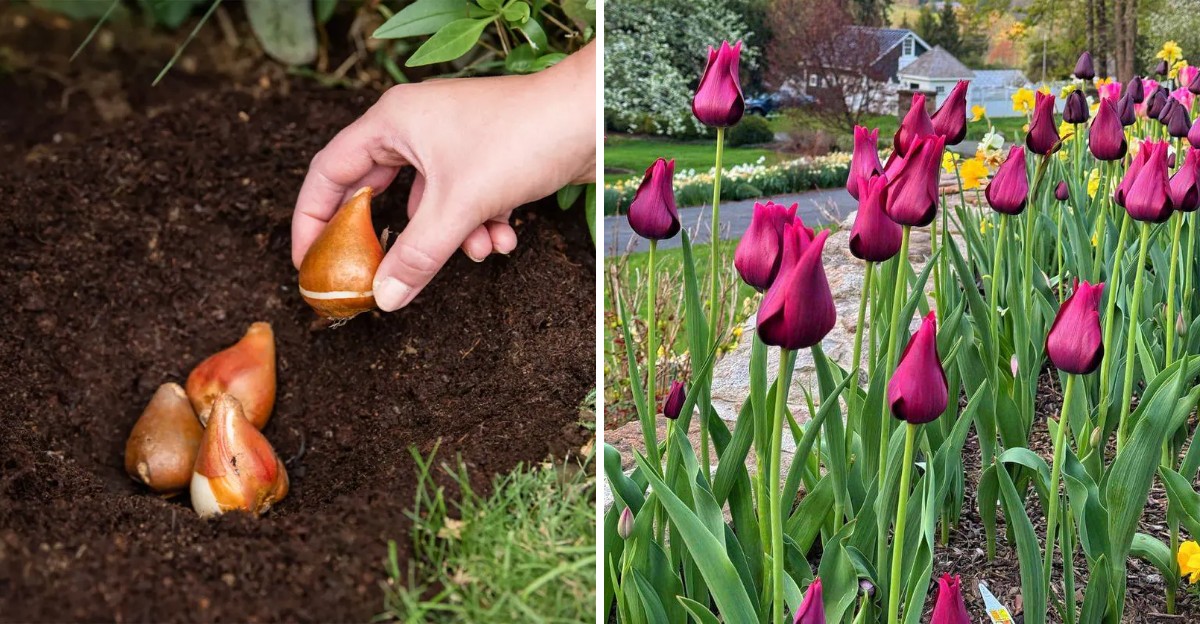
Tulip bulbs are widely available in Michigan garden centers by early fall, but buying them doesn’t necessarily mean it’s the right time to get them in the ground.
Tulips need cool soil temperatures to establish properly without sprouting too soon, and planting while the ground is still warm from summer can throw off that timing in ways that affect next spring’s blooms.
Because Michigan’s fall weather can shift quickly, gardeners often wonder whether they’re moving too fast or waiting too long to plant. Getting this window right plays a real role in how strong and reliable the tulip display turns out to be.
Here’s what Michigan gardeners should know about timing tulip planting correctly this fall.
1. Wait Until Michigan Soil Cools Down
Cool soil is the secret ingredient many gardeners forget about. Tulip bulbs like to settle into ground that has already lost its summer heat, and pushing them into warm early fall soil often leads to trouble.
When the ground stays warm, bulbs can wake up too soon. Instead of resting and getting ready for winter, they may start sending out roots or even tiny shoots at the wrong time. That early activity uses up energy the bulb needs to save for spring.
A good rule is to wait until the soil temperature drops to around 55 degrees Fahrenheit at planting depth. You can check this with a simple soil thermometer, which is an inexpensive tool that takes the guesswork out of timing.
Warm soil also holds more moisture and can invite fungus, which is never good news for a bulb sitting underground for months. Cooler ground keeps things calmer and safer while the bulb builds its root system slowly.
Think of it like tucking a child into bed at the right hour. Too early and they toss and turn, too late and they miss the rest they need. Bulbs work the same way, needing that steady, cool signal to settle in.
In Michigan, this cooling usually happens as the nights grow chilly and the days grow shorter. Watching the weather and testing the soil beats guessing from a calendar.
When the ground feels cool to the touch and stays that way, your tulips are ready to go in the ground.
2. October Is Often The Sweet Spot
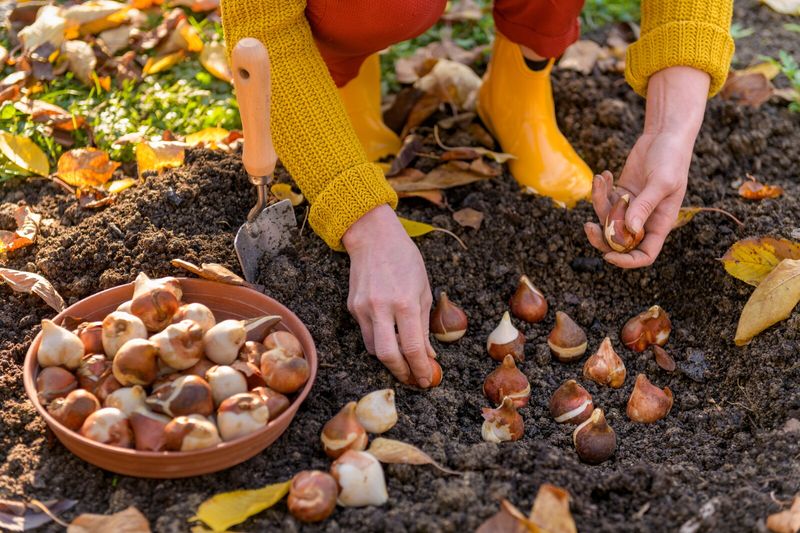
If you had to circle one month on the calendar, October would be a strong choice for most Michigan gardeners. The weather has cooled, the soil has chilled just enough, and the ground is still soft and easy to dig.
By this point in fall, the summer heat is gone but the deep freeze has not arrived. That balance gives bulbs the perfect window to grow roots without waking up too early or getting locked in frozen soil.
Planting in October also means you avoid the frustration of fighting hard, icy ground. Once the ground freezes solid, digging becomes a real chore, and rushing to plant late can leave bulbs without enough time to root.
Your Michigan Garden Changes Every Week. Your Plan Should Too.
Gardening in Michigan changes quickly throughout the season. Every Friday you’ll receive a simple weekly plan showing exactly what to plant, prune, fertilize, harvest, and protect so you never miss the right timing.
Many longtime gardeners across the state treat mid to late October as their go-to stretch. The soil temperature usually sits in that sweet range, and there are still several weeks before the first hard freeze locks everything down.
Weather does shift from year to year, so October is a guide rather than a strict rule. Some warmer autumns push planting a little later, while cold snaps might move it up.
Staying flexible helps. Give yourself a relaxed weekend during this month to get bulbs in the ground while the weather is still pleasant. It is far more enjoyable than racing against a coming snowstorm.
When October rolls around and the air turns crisp, grab your bulbs and your trowel. That comfortable middle of fall gives your tulips the best possible head start for a colorful spring display.
3. Planting Too Early Can Cause Problems
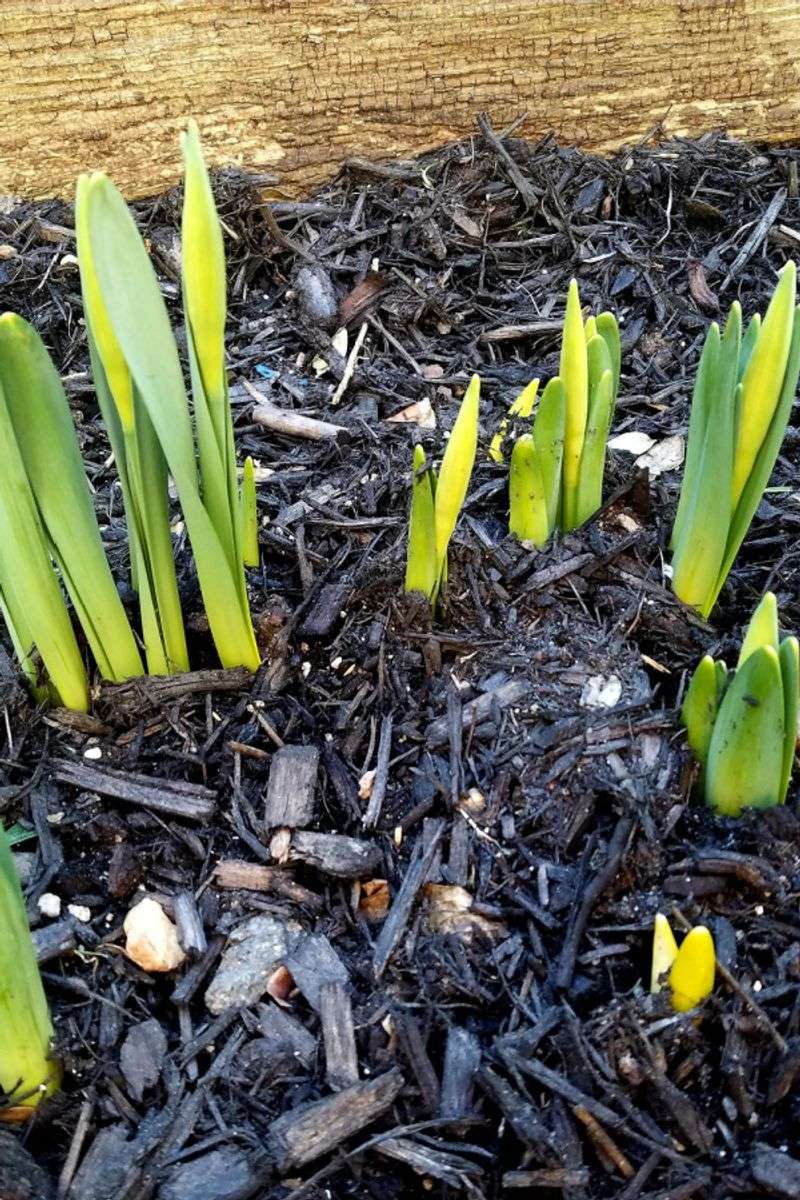
Jumping the gun with tulip planting can backfire in ways that surprise new gardeners. Warm soil in early fall sends a false signal to the bulb, telling it that growing season has begun.
When that happens, bulbs may push out roots or even tiny green shoots weeks before they should. Those tender shoots then face harsh weather they are not ready for, which weakens the whole plant.
Fall planting is really about preparation, not instant growth. The goal is to let bulbs quietly build a strong root system while staying mostly asleep, saving their energy for a big spring show.
Picture a runner who sprints at the starting line before the race even begins. They burn out fast and have nothing left for the real event. Early planting can do the same thing to your tulips.
Warm, moist soil also raises the risk of rot and mold, which can weaken bulbs before winter. Cooler ground slows everything down and keeps those problems in check.
The trick is to remember that you are setting up your garden for months ahead, not for immediate color. Patience now pays off with healthier, stronger blooms later.
If you notice a stretch of warm days lingering into fall, resist the urge to plant right away. Wait for the cooler, steadier weather that tells you the season has truly turned.
By holding off just a little longer, you give your bulbs the calm, restful start they need. That patience often means the difference between a weak spring and a stunning one.
4. The Ground Matters More Than The Calendar
Michigan is a big state, and the weather up north looks very different from the weather near the southern border. That means one exact planting date does not fit everyone.
Gardeners in the Upper Peninsula often see cold arrive weeks earlier than folks near Detroit or Ann Arbor. Following a single date from a magazine could leave you planting at the wrong time for your area.
Instead of trusting the calendar alone, pay attention to what is happening in your own yard. Soil temperature, recent weather, and how early frost tends to show up all matter more than a fixed number.
A soil thermometer is your best friend here. When the reading holds around 55 degrees at planting depth, your ground is telling you it is ready, no matter what the calendar says.
Local conditions can also change from street to street. A sunny, sheltered bed may stay warmer longer than a shady spot exposed to cold wind, so even your own garden has different zones.
Talking with neighbors or a local garden center can give you a real sense of timing for your region. People who plant in your area year after year know the patterns well.
Keeping notes each fall helps too. Writing down when you planted and how the tulips performed builds a personal guide that beats any general advice.
Let the ground lead the way. When you match your planting to real conditions instead of a printed date, your tulips settle in exactly when they should for your part of Michigan.
5. Choose A Location With Good Drainage
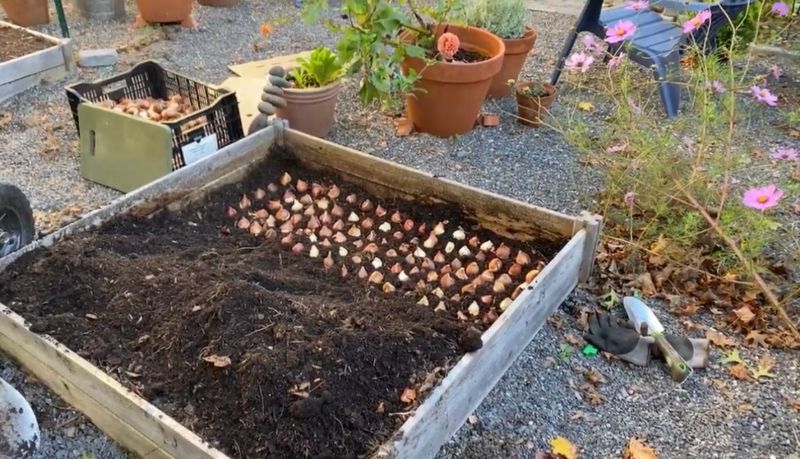
Soggy soil is a tulip bulb’s worst enemy. These bulbs sit underground for months, and if water pools around them, they can rot before spring ever arrives.
Good drainage keeps water moving through the soil instead of trapping it around the bulb. Sandy or loamy soil usually drains well, while heavy clay tends to hold water far too long.
Michigan winters make this even trickier because of the freeze-thaw cycle. Ground freezes hard, then thaws during a warm spell, then freezes again, which can leave bulbs sitting in cold, wet pockets.
To test your drainage, dig a hole and fill it with water. If it drains within a few hours, you are in good shape. If water lingers, that spot may need help.
Raised beds are a smart fix for wet areas. Lifting your planting area a few inches keeps bulbs above standing water and gives them the dry, cozy home they prefer.
Mixing in compost or coarse sand can also improve heavy soil over time. These add-ins loosen the ground and create tiny spaces for water to flow away from the bulbs.
Avoid low spots where puddles form after rain. Those areas collect runoff and stay damp long after the rest of the yard has dried out.
Picking the right location from the start saves you heartache later. When your tulips rest in well-drained soil, they stay firm and healthy through every freeze and thaw, ready to burst into color the moment spring warms the earth.
6. Plant Bulbs At The Correct Depth
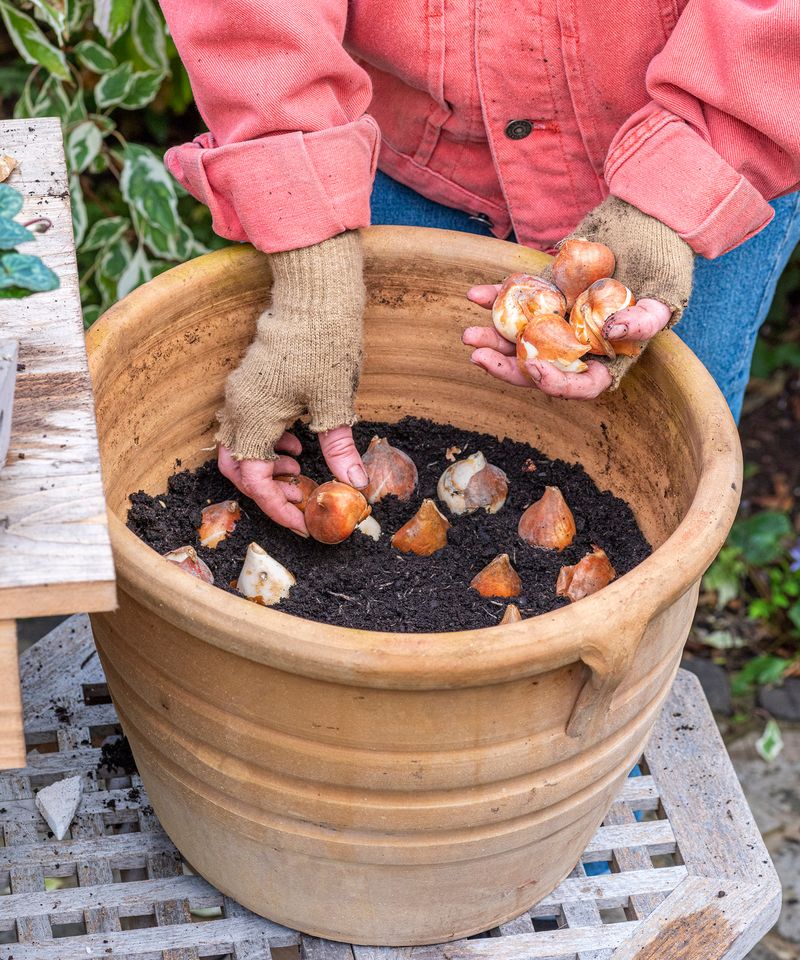
Depth might sound like a small detail, but it plays a huge role in how well your tulips survive winter. Bulbs planted too shallow sit close to the surface where temperatures swing wildly.
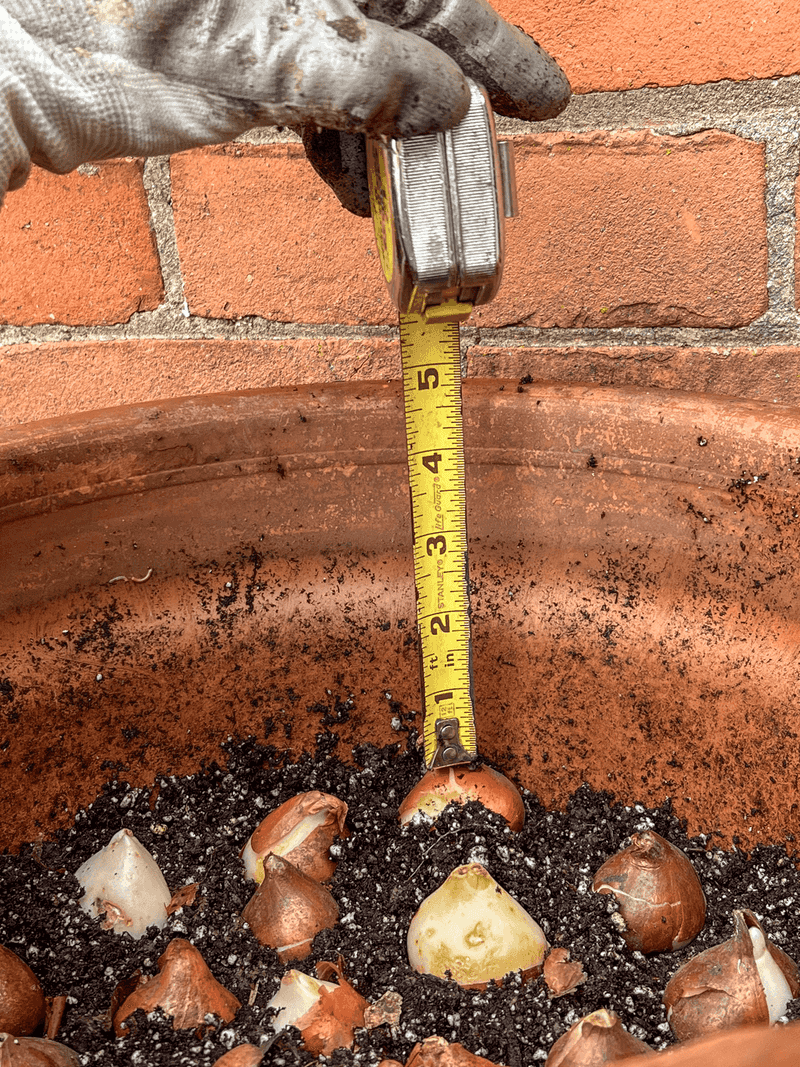
A common guide is to plant tulip bulbs about three times as deep as the bulb is tall. For most tulips, that means roughly six to eight inches down into the soil.
Planting at the right depth acts like a warm blanket. The extra soil above the bulb shields it from sudden temperature changes and keeps the freeze-thaw cycle from tossing it around.
Shallow bulbs face the worst of Michigan’s winter mood swings. One warm day followed by a hard freeze can heave them right out of the ground, leaving them exposed and weak.
Deeper planting also helps anchor tall tulip stems come spring. Bulbs set at the proper depth grow sturdier plants that stand tall instead of flopping over in the wind.
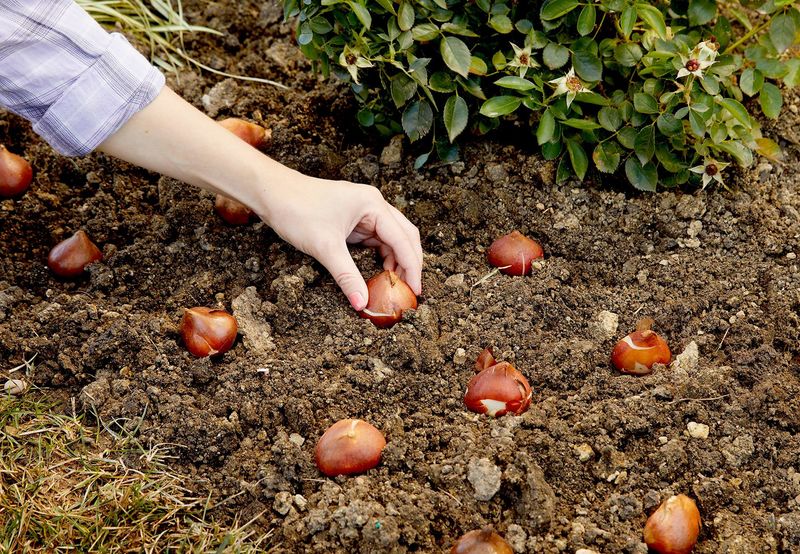
Remember to place the bulb with the pointed side facing up and the flat, rooty side down. Getting this right helps the shoot find its way to the surface without wasting energy.
If you are planting in a spot with very sandy soil, you can go a touch deeper for extra protection. In heavy clay, stay closer to the shallow end of the range.
Taking a moment to measure your holes pays off big. Proper depth gives your bulbs the safe, steady environment they need to make it through winter and shine in spring.
7. Protect Newly Planted Bulbs From Critters
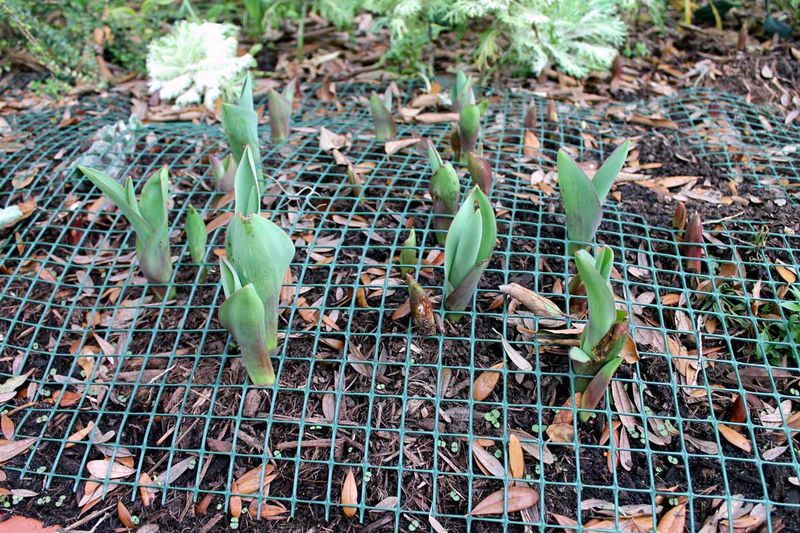
Squirrels and chipmunks treat freshly planted tulip bulbs like a buried snack. The moment you turn your back, these busy critters may dig up your hard work looking for a tasty treat.
Tulip bulbs are especially tempting to wildlife because they are soft and full of stored energy. Chipmunks, squirrels, and even voles love to sniff them out and dig them up.
One easy trick is to lay chicken wire or hardware cloth over the planted area. The mesh lets shoots grow through in spring but blocks paws from reaching the bulbs below.
You can also sprinkle sharp gravel or crushed shells into the planting hole. Critters dislike digging through rough material, so it works as a gentle barrier without harming the bulb.
Some gardeners swear by covering the soil with a layer of mulch after planting. The extra layer hides the fresh digging smell that draws animals to the spot.
Removing the papery outer skins of the bulbs before planting can help too. That loose skin often carries the scent that critters find so appealing.
Try to firm the soil back down after planting so it looks undisturbed. Loose, freshly turned dirt practically shouts to squirrels that something new is buried there.
If wildlife pressure is heavy in your yard, planting daffodils nearby can help since animals tend to avoid them. Surrounding tulips with less tasty bulbs offers a bit of natural cover.
With a few smart guards in place, your bulbs stay safe underground, ready to reward your patience with bright spring color.
8. Do Not Add Too Much Fertilizer To The Hole
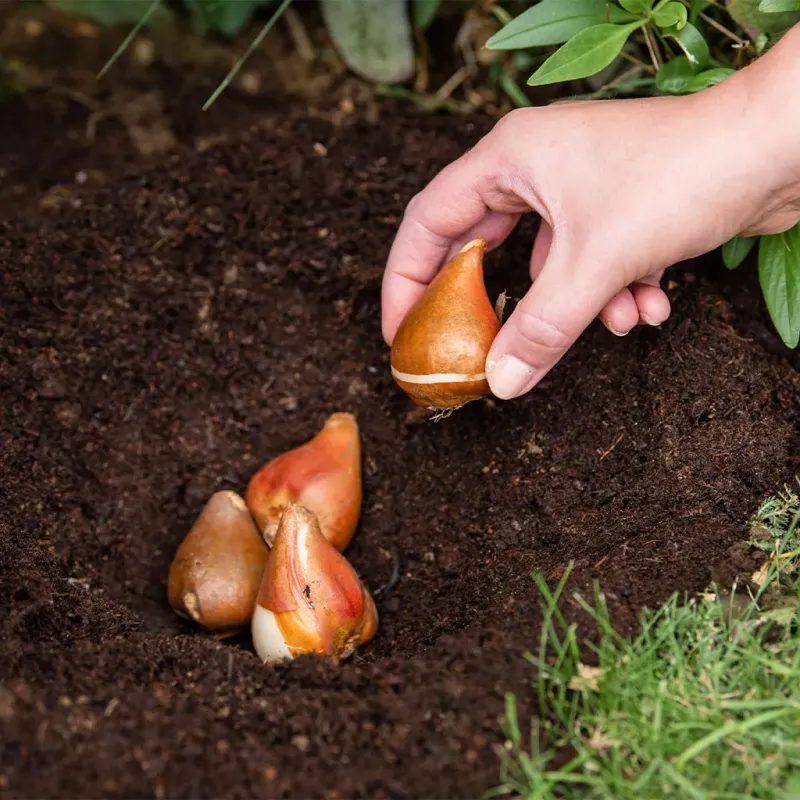
More fertilizer does not mean more flowers, and with tulips it can actually cause harm. Dumping a heavy dose right into the planting hole can burn the delicate new roots.
Fresh bulb roots are tender and sensitive. When strong fertilizer touches them directly, it can scorch those roots and set the plant back before it even gets going.
Instead of piling on chemicals, focus on building healthy soil overall. Mixing in compost or well-aged organic matter feeds the ground slowly and gently, which is exactly what bulbs like.
If you do want to add nutrients, a light layer of balanced bulb fertilizer worked into the surrounding soil is plenty. Keep it away from touching the bulb itself.
Think of soil like a healthy meal rather than a sugar rush. Steady, gentle nutrition beats a sudden blast that overwhelms the plant.
Tulip bulbs already come packed with stored energy from the previous season. That built-in food supply carries them through much of their early growth without extra help.
Good soil preparation done in the fall sets the stage for strong roots and healthy blooms. Loosening the ground and adding compost matters far more than heavy feeding.
Overdoing fertilizer can also encourage weak, leggy growth instead of sturdy stems. Less really is more when it comes to feeding bulbs.
Save your energy and your budget by skipping the fertilizer overload. A little compost and rich, loose soil give your tulips everything they need to settle in and thrive through winter and into a bright spring.
9. Mark Where You Plant Them
Once bulbs disappear underground, it is surprisingly easy to forget exactly where they are. A few simple markers can save you from digging into your own tulips later.
During fall cleanup and early spring work, gardeners often turn the soil or add new plants. Without markers, you might accidentally slice through bulbs or plant something right on top of them.
Little plastic tags, painted rocks, or short garden stakes all do the job well. Place them at the edges of your tulip patch so you know the boundaries at a glance.
Some gardeners like to sketch a quick map of their beds. Drawing where each group of bulbs sits gives you a handy reference when everything is bare and hidden.
Markers also help you remember which varieties you planted where. When spring arrives, you will know exactly what color or shape to expect in each spot.
This little step matters even more if you plant bulbs in layers or mix them with other plants. Keeping track prevents crowding and accidental overlap.
Choose markers that can handle Michigan weather. Sturdy tags or waterproof labels survive rain, snow, and frost far better than paper notes.
Snapping a quick photo of your labeled beds is another smart backup. Even if a marker shifts over winter, your picture reminds you where everything belongs.
Taking two minutes to mark your planting spots protects months of effort. Come spring, you will thank yourself when your tulips rise exactly where you meant them to, safe and untouched.
10. Remember Tulips Need Winter Chill
Here is a happy surprise for Michigan gardeners: cold winters are actually a gift to your tulips. Many varieties need a long stretch of chilly weather before they can bloom.
This cold period is often called chilling, and it works like a natural alarm clock. Without enough cold, tulip bulbs may produce weak stems or skip flowering altogether.
Michigan’s frosty winters provide exactly the kind of chill tulips crave. While other gardeners in warm climates must refrigerate their bulbs, you get the process for free right in your yard.
The cold triggers changes inside the bulb that prepare it to grow. When spring warmth finally arrives, the bulb is fully ready to send up strong stems and bright blooms.
Most tulips need several weeks of temperatures below about 45 degrees to do their thing. Michigan easily delivers this and then some over a normal winter.
Planting in fall lets the bulbs get comfortable underground before that chilling begins. By the time deep cold sets in, they are settled and soaking up exactly what they need.
Gardeners in warmer states envy this natural advantage. Your job is simply to plant at the right time and let winter handle the rest.
So when the snow piles up and the temperatures drop, picture your tulips quietly getting ready below the surface. That cold you might grumble about is doing important work.
Come spring, all that chilling pays off in a burst of color that makes the long Michigan winter feel completely worth it.