Prune Your Michigan Lavender Like A Pro With These 8 Simple Steps
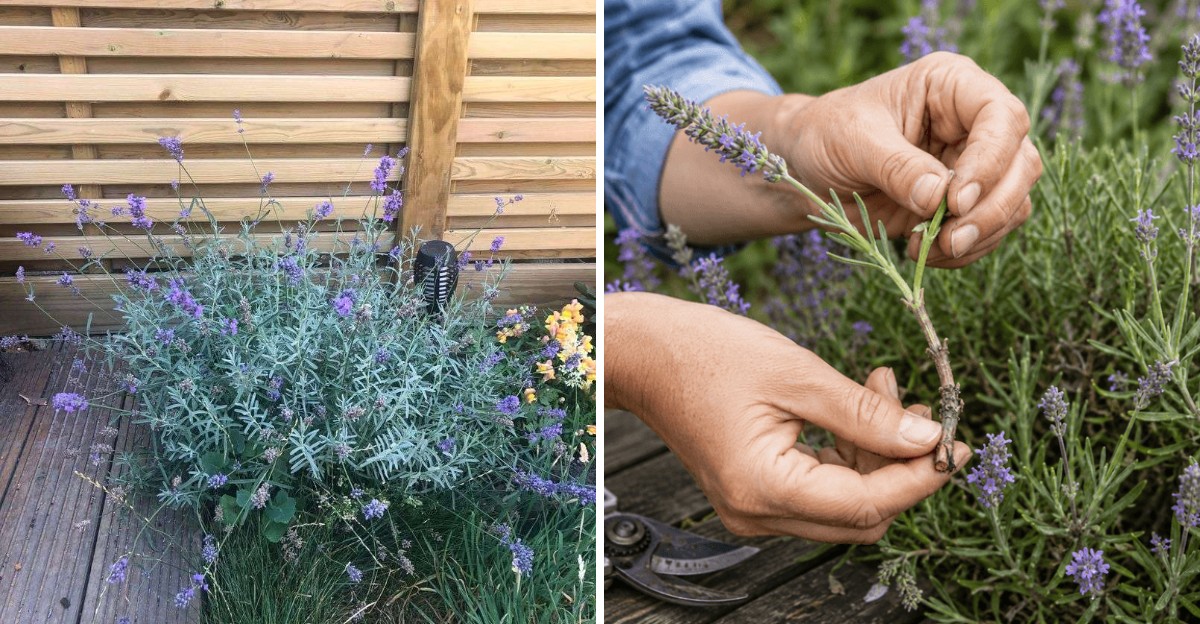
On one side of the fence sits a lavender plant that looks like a pile of gray sticks, with a few sad purple spikes poking out of bare, splintered branches nobody ever trimmed.
On the other side, the neighbor’s lavender is a tidy silver dome covered in blooms, and it has been growing there just as long without much extra effort.
The difference almost always comes down to pruning, not luck or soil or some secret fertilizer nobody else knows about.
Most gardeners assume a struggling lavender just has bad luck or the wrong spot, missing the actual habit that separates thriving plants from failing ones.
Learn the right cuts and the right timing, and your plant can stay compact and flower-heavy for a decade or more instead of falling apart after three years.
1. Wait Until After The First Bloom Flush
Timing matters more than technique when it comes to lavender, and the plant gives you a clear signal worth watching for closely.
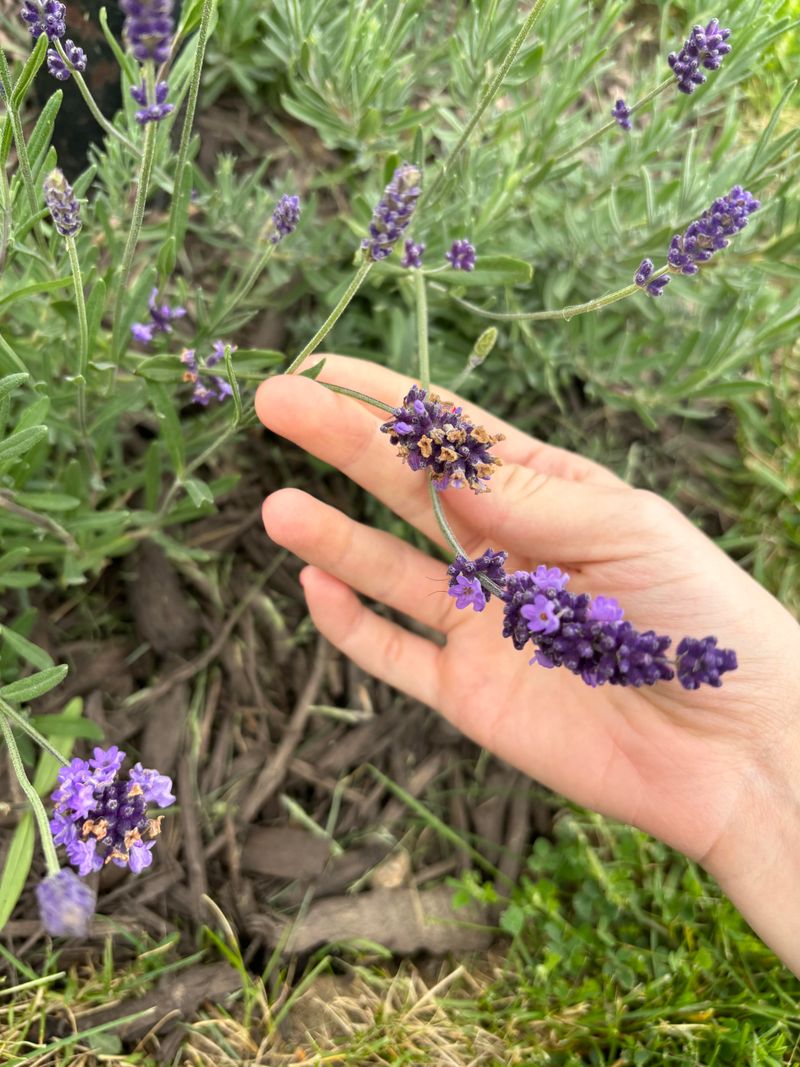
Once the first wave of flowers starts to fade and the purple color dulls to a grayish brown, the plant is telling you it is done.
That moment, usually mid to late summer depending on where you live, is when your main pruning session should happen without much delay.
Cutting then gives the plant plenty of warm weeks to push out fresh growth and harden it off before cold weather arrives.
Some gardeners harvest their flower stems for bundles or sachets right before the blooms fully open, which counts as a light early trim.
The real shaping cut still comes after that first bloom cycle wraps up naturally on its own timeline, not before.
Spring pruning has a place too in the overall routine. University Extension guides often suggest a light cleanup in early spring, once you can see green buds swelling.
Resist the urge to prune the second you see a few brown flowers in early summer though, since patience pays off here.
Many lavender varieties will rebloom if you let the first flush finish naturally, and an impatient cut can cost you that second show.
2. Cut Back By About One Third
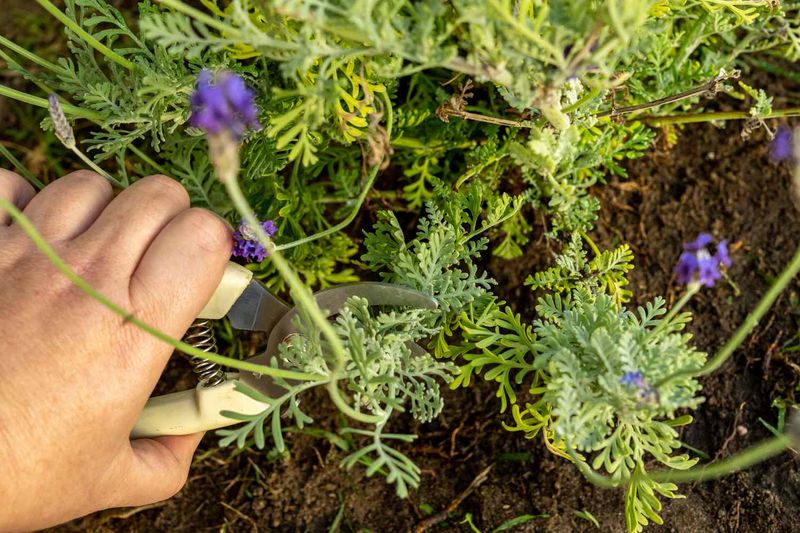
Here is the number worth memorizing. Roughly one third. Removing about a third of the plant’s total height and spread keeps growth tight.
Picture the whole shrub, flower stems included, and imagine slicing off the top section carefully rather than randomly grabbing at whatever looks tall.
You are taking the spent blooms plus a good chunk of the leafy stems beneath them, not just snipping flowers at the base of the spike.
Flower-only trimming is the mistake that creates those sprawling, hollow-centered plants gardeners struggle with year after year without understanding why.
Each year the woody base climbs a little higher, and eventually there is nothing but bare stems holding a thin crown of leaves.
Younger plants can handle slightly more aggressive shaping because they have plenty of soft green growth to work with during the process.
An older lavender that has been neglected needs a gentler approach, sometimes taking a third back over two or three seasons rather than all at once.
Your Michigan Garden Changes Every Week. Your Plan Should Too.
Gardening in Michigan changes quickly throughout the season. Every Friday you’ll receive a simple weekly plan showing exactly what to plant, prune, fertilize, harvest, and protect so you never miss the right timing.
A handy check worth remembering. After you finish, the plant should still look like a plant, not a pile of bare twigs sitting there.
Measure with your eye, then step back halfway through and look again from a few feet away for perspective on the whole shape.
3. Shape Into A Rounded Mound
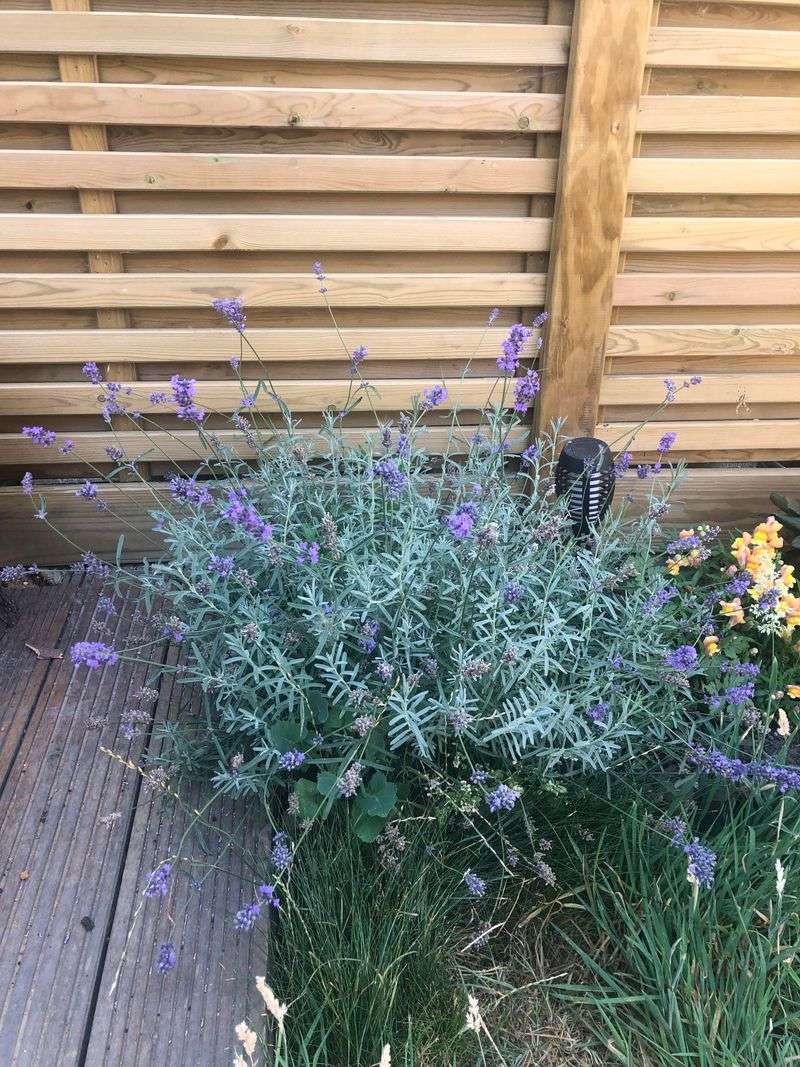
Think of a loaf of bread or an overturned bowl sitting in the garden bed. That soft dome is the shape professional growers aim for consistently.
Rounding the plant does more than look neat from a distance. A mound sheds rain and snow instead of collecting it in a flat top.
It also lets air move freely through the outer leaves, which cuts down on the fungal problems lavender hates dealing with during wet stretches.
Start by trimming the outer edges slightly lower than the center, then work your way around the plant in a steady circle.
Turning the shrub into a dome is easier if you move steadily instead of hacking at one side and then rushing to fix it later.
Uneven plants tend to flop outward and split down the middle during heavy weather, undoing months of careful growth in one bad storm.
A rounded silhouette keeps weight distributed and helps stems support one another through wind and wet snow throughout the colder months ahead.
Sunlight reaches more of the plant this way too, including the lower foliage that often sits in shadow on a sprawling, flat-topped specimen.
Do not obsess over perfection here at all. Lavender is a wild Mediterranean shrub at heart, and a slightly rustic dome looks better than a rigid ball.
4. Avoid Cutting Into Bare Old Wood
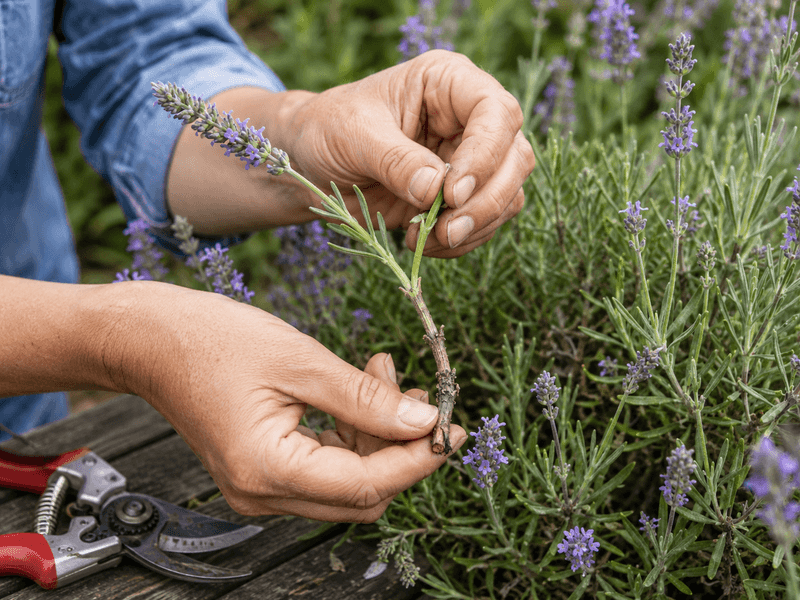
This is the rule that saves plants, so read it twice before picking up your shears for the first cut of the season.
Lavender has a weak ability to resprout from bare, leafless old wood, and a cut made below all the green foliage can leave a stub.
Look at the base of your plant, and you will see gray, cracked, bark-covered stems with no leaves on them anywhere near the bottom.
Above that sits softer growth with silvery leaves attached to it. Your cuts belong in the leafy zone, always, without exception to this rule.
University Extension guidance on lavender care repeats this point often because it is the difference between a rejuvenated shrub and a lost one.
Even during a heavy shaping cut, leave at least a couple of inches of green, leafy stem below every snip you make on the plant.
Gardeners who inherit an ancient, splayed lavender sometimes hope a brutal cut to the base will force fresh shoots the way other shrubs do.
Lavender rarely cooperates with that approach though, disappointing anyone hoping for a quick fix on an old, neglected plant.
For badly overgrown plants, a slow rescue works better over time. Take a modest amount each year for two or three seasons, staying in green growth.
5. Use Clean Sharp Shears Every Time
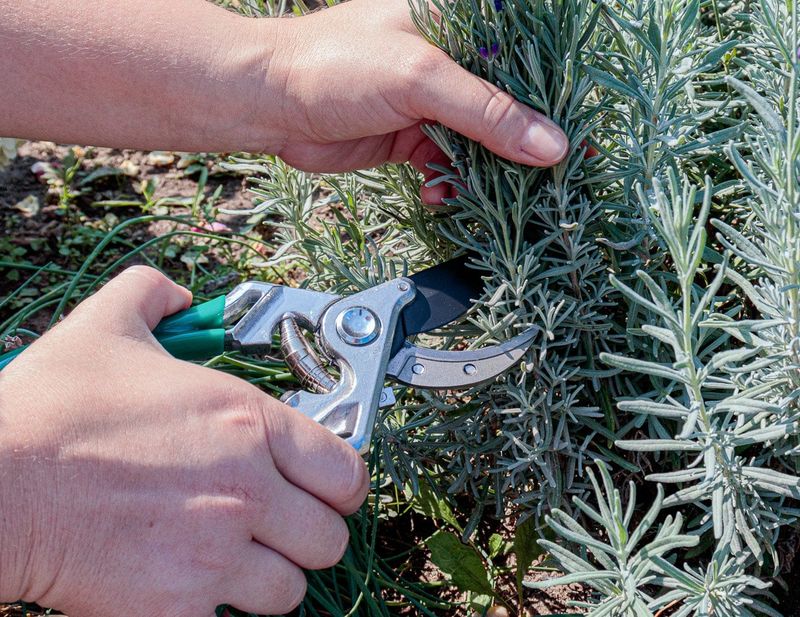
Dull blades crush. Sharp blades slice. That single difference changes how quickly a lavender stem seals over and how likely it is to rot.
Bypass pruners, which work like scissors with two passing blades, make cleaner cuts than anvil-style tools that smash stems against a flat surface.
For a big plant, hedge shears or even electric trimmers speed things up nicely, since lavender responds well to being sheared as a whole unit.
Wiping blades with rubbing alcohol or a household disinfectant between plants takes about ten seconds and stops you from spreading disease between shrubs.
Gardeners with several lavenders in a row should make this a habit every single time they move from one plant to the next.
Sticky resin builds up fast on lavender stems, so keep a rag handy nearby while working through the pruning session across multiple plants.
Gummy blades drag and tear at the stems, which undoes all the work of sharpening your tools before starting the job.
Quick fun detail worth knowing here. The oils that coat your shears are the same aromatic compounds that make lavender smell so good in the first place.
Sharpen at the start of each season with a simple file or whetstone, giving the pivot bolt a drop of oil too for smooth operation.
6. Prune Again Lightly After Reblooming
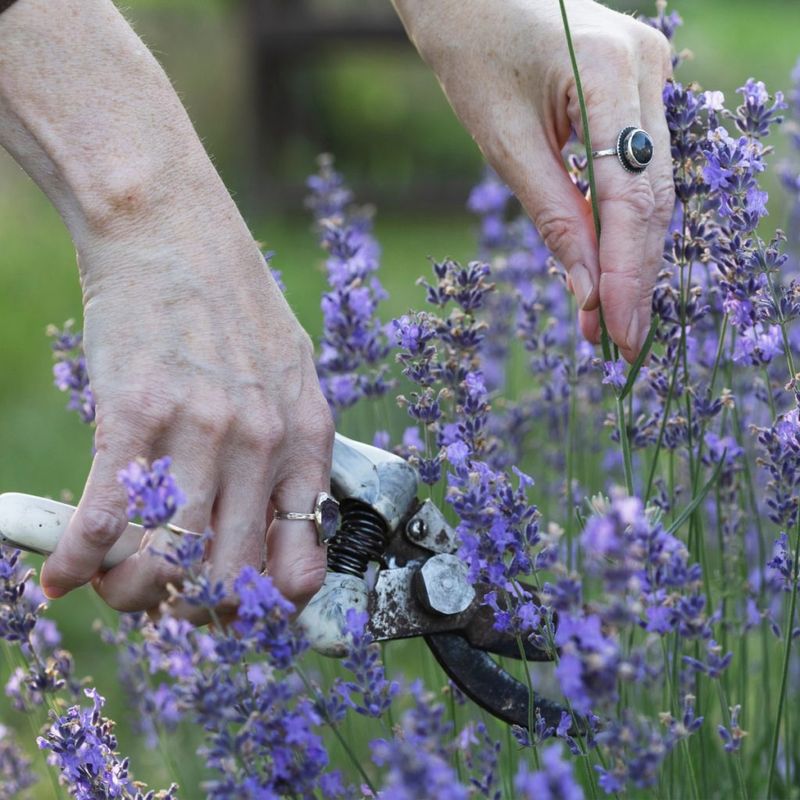
Many lavender varieties, especially repeat bloomers like several English types and their hybrids, throw a second round of flowers weeks after the first show finishes.
When that happens, a gentle follow-up trim keeps things tidy without undoing the careful shaping work done earlier in the season.
Go light here though, unlike the earlier cut. Snipping off spent flower stalks and maybe an inch or so of leafy stem below them is plenty.
Nothing close to the one-third cut you made earlier in the season, since this second trim serves a different, gentler purpose entirely.
Trimming serves a purpose beyond looks too. Removing faded blooms redirects the plant’s energy into roots and foliage rather than seed production.
Spanish and French lavenders tend to bloom in waves through a long season, so gardeners in mild climates might do several of these quick passes.
Colder regions may only get one flush and skip this step entirely, since the growing season simply runs too short for a second round.
Be careful about how late you go with this second trim though. A light trim is low risk, but stimulating tender new growth right before frost is not.
A practical way to decide involves checking the calendar first. If you still have six or more weeks of warm weather ahead, a small trim is fine.
7. Skip Hard Pruning Late In Fall
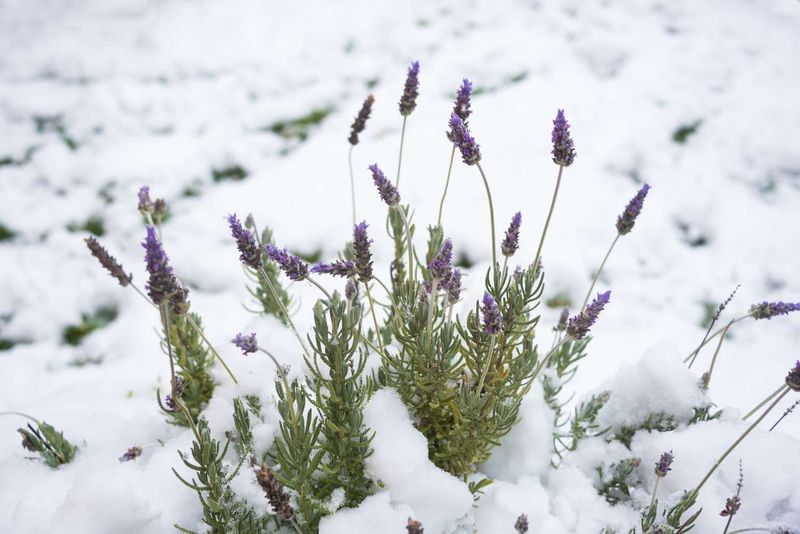
Put the shears down when autumn rolls in, no matter how tempting a quick cleanup cut might feel after a long growing season.
A heavy cutback close to dormancy pushes out soft new shoots that have no chance to toughen up before freezing weather hits the garden.
Tender growth caught by frost turns to mush, and that damage can travel down into healthier stems sitting just below the frozen tips.
Plants going into winter with open wounds and floppy new leaves are far more likely to suffer stem damage or crown rot over the cold months.
The general guideline from Extension horticulture programs is to finish major pruning several weeks before your first expected hard frost, giving the plant time.
Exactly when that lands depends heavily on where you garden specifically, since regional climate varies so widely across different growing zones.
A Pacific Northwest gardener and someone in Zone 5 Michigan are working with very different windows for this same basic task.
Leaving the plant slightly shaggy through winter is actually protective for the crown underneath. Those extra stems trap air and shield against wind.
Come early spring, once buds start swelling and you can tell living wood from lifeless wood, clean everything up then instead of guessing now.
8. Consistency Each Year Prevents Woodiness
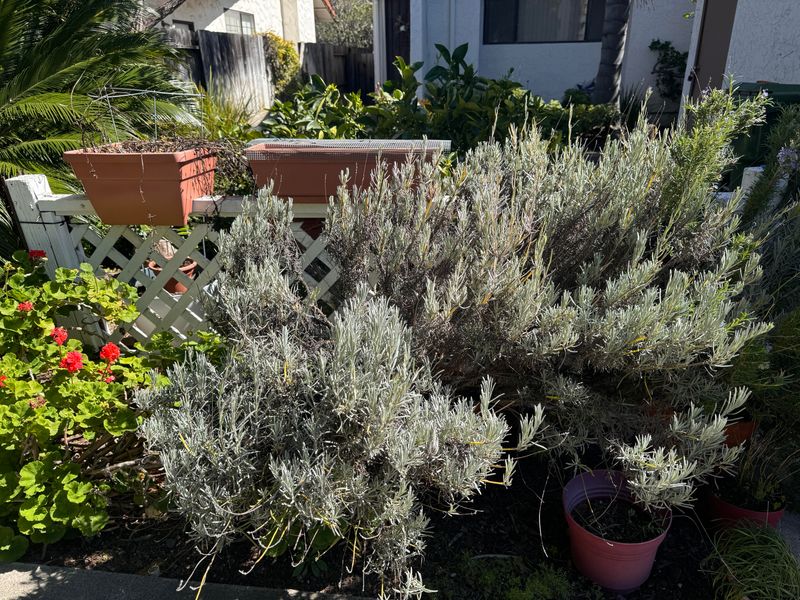
Every gnarled, split-open lavender started as a plant someone skipped pruning for a couple of years without thinking much about the consequences.
The woodiness does not appear overnight at all. It accumulates quietly while nobody is paying attention to the plant’s slow structural changes underneath.
Annual pruning works because it keeps forcing growth from lower on the plant, where there is still green tissue capable of responding.
Miss a season, and the leafy zone shifts higher, leaving more bare stem underneath that can never be cut back into successfully again.
Two sessions a year is the pattern most growers settle on. A light spring cleanup and the bigger shaping cut after the first bloom.
Once it becomes routine, each plant takes about five minutes of your time, hardly a significant investment for years of healthy growth.
Gardeners who keep up with it often get eight to twelve good years from a single shrub planted once and maintained properly.
Neglected plants frequently look ragged by year four and get pulled out by year six, disappointing anyone who expected lavender to last longer.
There is a nice side benefit too worth mentioning here. Regular pruning means regular harvests, so you end up with bundles for drying or sachets.