Missouri’s First Frost Just Rolled Through And A Few Garden Crops Taste Better Because Of It
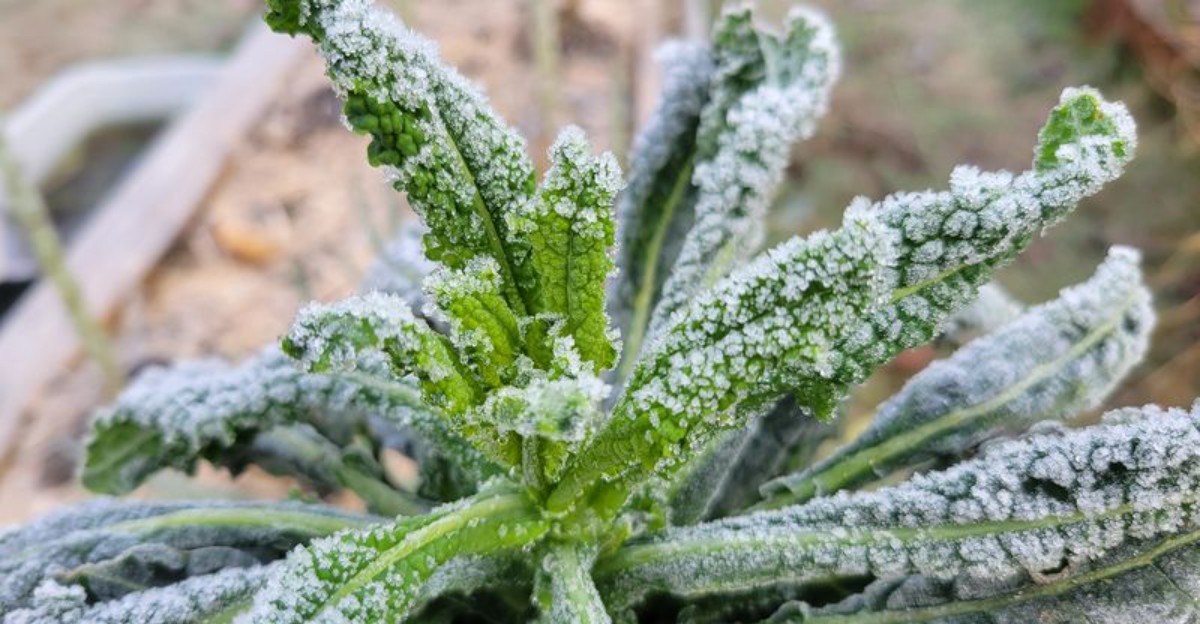
A few cold nights can turn a bitter leaf into something noticeably sweeter. I learned that the hard way after tasting the same garden row before and after Missouri’s first frost.
Most gardeners treat frost like a villain, rushing outside with old bedsheets and a worried look on their faces. I get it, but a handful of cool-season crops actually welcome that crisp, icy touch on their leaves.
The change happens quietly inside the plant while you sleep under a warm blanket with the heater humming. You need to taste it yourself, because the difference in flavor can be surprisingly bold and bright.
Missouri gardeners usually see that first frost between October and early November, depending on how far north they live. So which crops in your backyard just got a flavor upgrade from the cold snap last night?
Your Garden Gets Sweeter After Those Chilly Nights
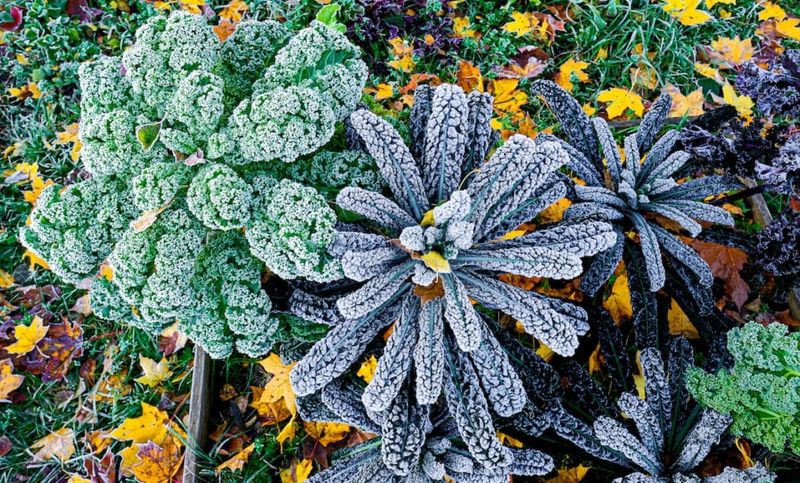
Last October, I pulled a kale leaf after a frosty night and swore someone had sprinkled sugar on it. That sweet surprise is real, and university extension experts have explained the science behind it for years.
Cool-season crops like kale, collards, Brussels sprouts, carrots, and parsnips often taste sweeter after a frost. Turnips, spinach, and cabbage can happily join the list too, gaining a milder flavor once nights turn cold.
The plants are not trying to please us, of course, since they are simply working hard to survive. Cold nights send a signal, and the leaves and roots respond by changing what they store inside.
In Missouri, the first fall frost usually arrives between mid-October and early November, depending on your region. Northern counties tend to chill first, while gardens in the Bootheel often stay mild a bit longer.
Many gardeners notice the biggest flavor shift after several cool nights rather than one sudden freeze. A slow slide into colder weather gives plants time to adjust, much like easing into a chilly pool.
Warm-season crops such as tomatoes, peppers, and basil are a different story after frost touches them. Their leaves often turn black and mushy, so pick any remaining fruit before the cold settles in.
Keep a simple notebook of frost dates and taste tests, because your own garden will teach you plenty. Each fall, you will learn which rows deserve a second helping at the family dinner table.
You Can Thank Starch For That Sugary Crunch
Think of a plant as a tiny kitchen that stores energy in its pantry as starch all season long. Starch works like a packed lunch, holding energy until the plant needs it for growth or repair.
Once temperatures drop, enzymes inside the cells start breaking that starch down into simple sugars like glucose. Fructose and sucrose build up as well, and our taste buds pick up on that sweetness right away.
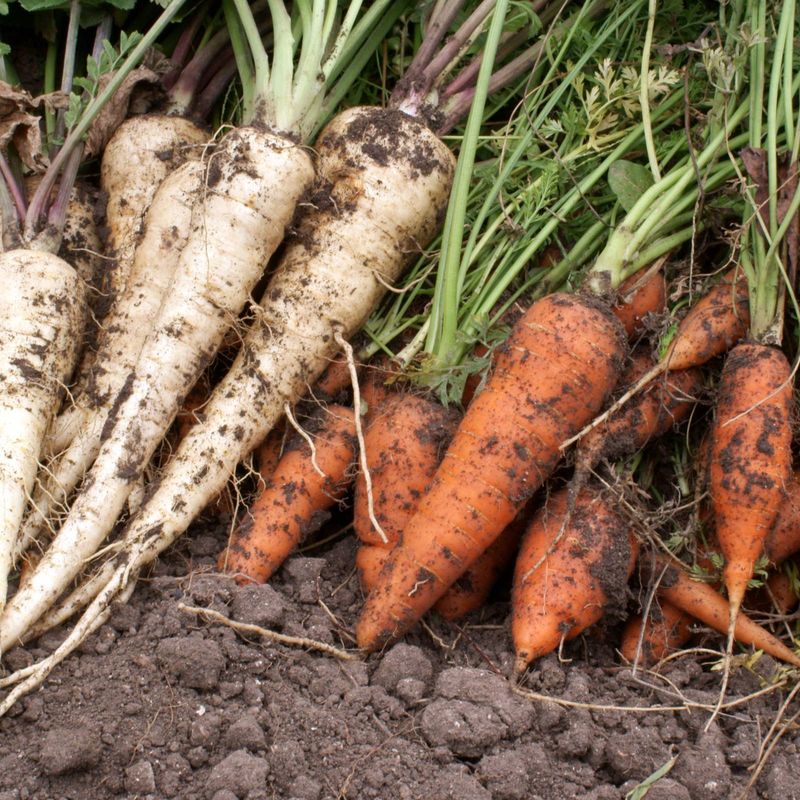
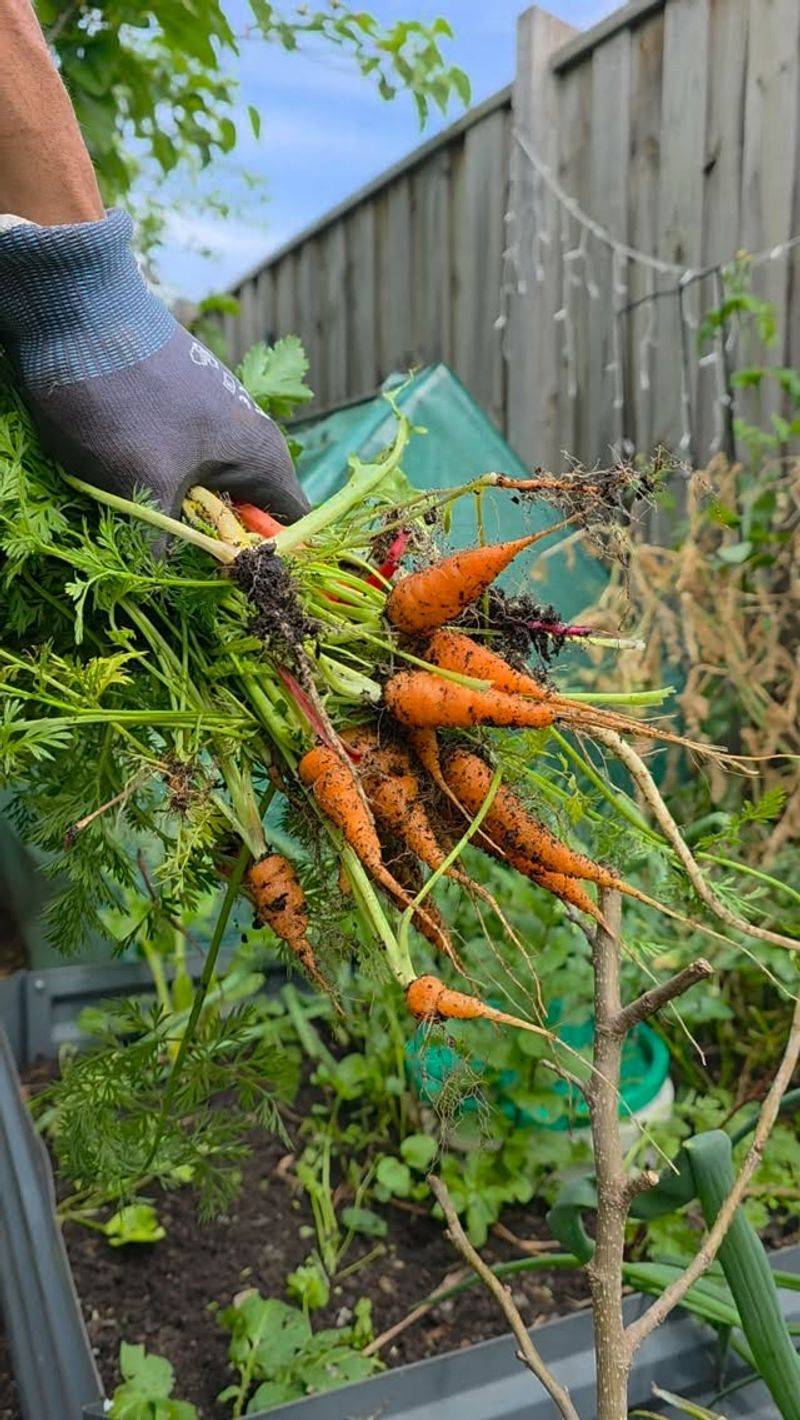
Carrots and parsnips show this change beautifully, since their thick roots hold plenty of stored starch. A parsnip dug in early fall can taste starchy, while one dug after frost tastes noticeably sweeter.
Your Missouri Garden Changes Every Week. Your Plan Should Too.
Gardening in Missouri changes quickly throughout the season. Every Friday you’ll receive a simple weekly plan showing exactly what to plant, prune, fertilize, harvest, and protect so you never miss the right timing.
Leafy greens go through a similar shift, and the extra sugar also helps balance their bitter compounds. Kale and collards lose some of that sharp bite, so even picky eaters may ask for seconds.
The process builds over several days, so one chilly evening is only the start of the sweet shift. Steady nights in the 30s, followed by sunny days, seem to give plants the best chance to sweeten.
Sunshine matters because leaves keep making fresh sugars during the day through photosynthesis, even in cool weather. Cold nights slow the plant’s growth, so it uses less of that sugar and stores more instead.
Missouri falls often deliver this exact pattern, with crisp nights and bright afternoons through much of October. Fun fact, people in colder regions have stored root crops in cool cellars for generations to keep them fresh through winter.
Your Veggies Carry Their Own Built-In Antifreeze
Water expands when it freezes, and that simple fact can spell trouble for a plant’s delicate cells. Ice crystals can damage cell walls, leaving leaves limp, dark, and soggy once the sun warms them.
Sugar comes to the rescue here, acting a lot like the antifreeze you pour into a car. When cell sap holds more dissolved sugar, its freezing point drops below the usual 32 degrees.
Salt on a winter sidewalk works in a similar way, keeping water liquid at lower temperatures. Plants use sugars and other compounds instead of salt, but the basic idea stays very much the same.
Scientists call this process cold acclimation, and it helps hardy crops handle frosty nights with less harm. Plants also move some water out of their cells, so ice forms in safer spaces between them.
Have you ever seen frozen kale leaves that look wilted and glassy on a cold October morning? Many of those leaves bounce back by afternoon once they thaw slowly in the gentle fall sunshine.
Try not to handle or harvest leaves while they are frozen, since bending them can bruise tissue. Waiting a few hours lets the ice melt naturally, and the leaves keep their crisp texture much better.
Gardeners in Missouri get a front-row seat to this clever survival trick each fall when the first cold snaps arrive. The sweeter taste is simply a happy side effect of a plant protecting its own tender cells.
Hardy Crops Can Shrug Off More Cold Than You Think
Not every cold night is created equal, and knowing the numbers can save you a lot of worry. Extension services usually describe a light frost as about 32 degrees and a hard freeze near 28.
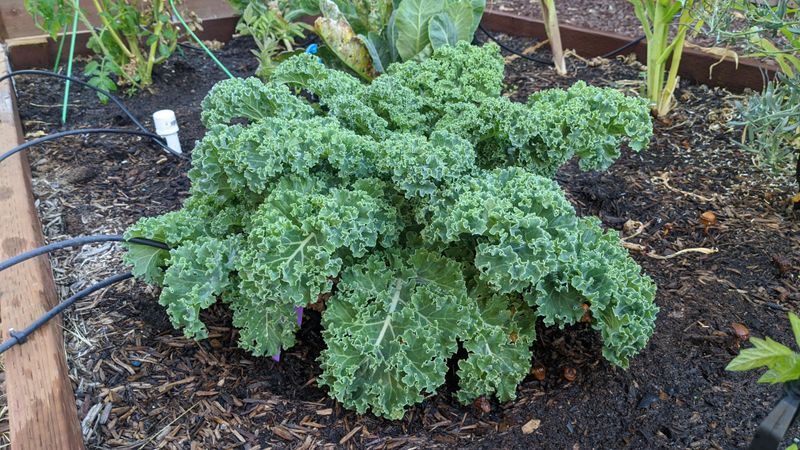
Kale is one of the toughest players in the fall garden, often handling temperatures into the low 20s. Some hardy varieties can even push through dips into the teens with a little mulch or cover.
Collards and Brussels sprouts are similarly tough, and many gardeners pick sprouts well into late fall and beyond. Spinach also holds up nicely in the 20s, especially when its leaves sit low to the ground.
Root crops have a sneaky advantage, because the soil acts like a cozy blanket around them. Carrots and parsnips can stay in the ground for weeks if you add a thick layer of straw.
Broccoli and cauliflower are a bit more sensitive, so their heads may suffer damage below the mid-20s. Lettuce can handle a light frost, but a hard freeze often leaves its soft, tender leaves mushy.
These numbers are helpful guides rather than strict rules, since wind, moisture, and plant age matter too. Young seedlings tend to struggle more than mature plants that have slowly adjusted to cooler weather.
Missouri weather can swing wildly in October, so check your local forecast each evening before you head to bed. Low spots in your yard often collect the coldest air, so plant hardy crops there whenever possible.
You Should Wait For The Sweet Spot Before Picking
Patience pays off in the fall garden, and your taste buds will thank you for waiting a little longer. Many extension experts suggest harvesting sweet-tasting crops after at least one or two light frosts have passed.
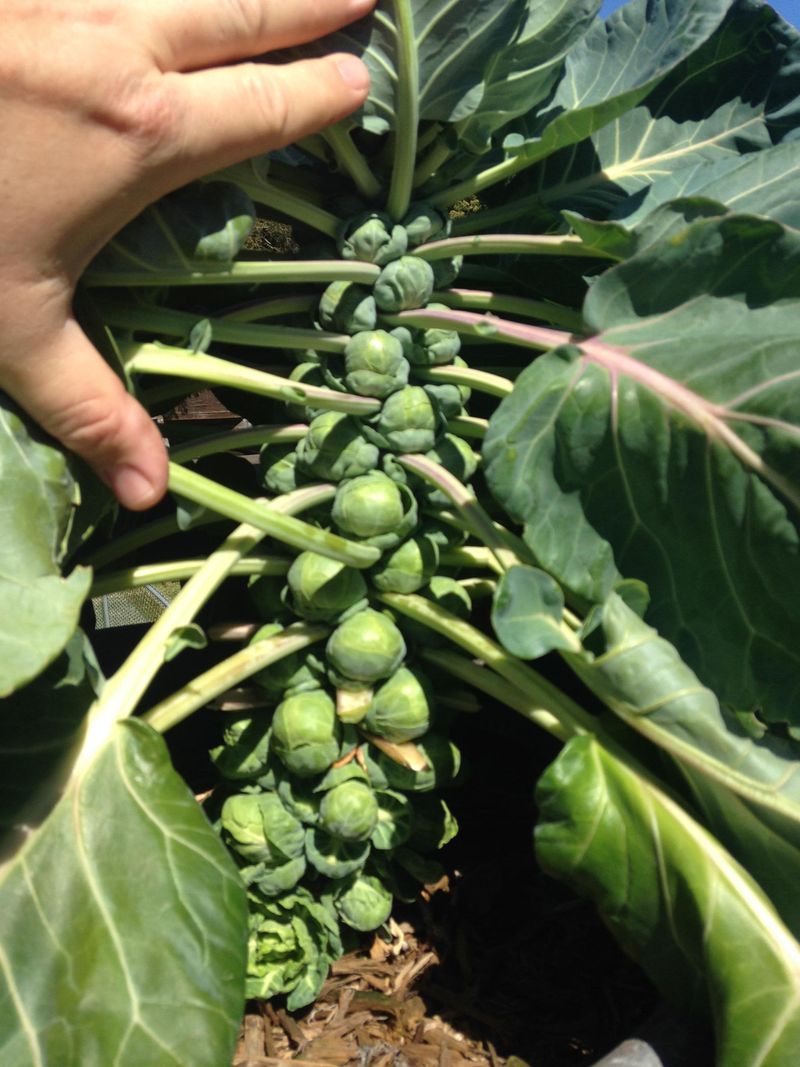
Brussels sprouts are a fine example, since their flavor often improves after a few chilly fall nights. Pick the firm sprouts from the bottom of the stalk first, then work your way upward over time.
Time of day matters too, so try harvesting leafy greens in late morning or early afternoon. By then, any frost has melted, and the leaves have had time to recover their natural, juicy crunch.
Kale and collards can be picked a few leaves at a time, starting with the lower outer ones. Leaving the center bud in place lets the plant keep producing fresh greens for weeks to come.
Carrots and parsnips can wait in the soil, and many gardeners dig them only as needed. Before the ground freezes solid, pull the rest or cover the row with a deep layer of mulch.
Turnips taste best when harvested young and tender, usually around two to three inches across at the top. Larger roots can turn woody, even after a frost has helped sweeten their flavor a bit.
Across Missouri, the sweet window for greens often stretches from late October into December during mild years. Store your harvest in the refrigerator with a damp towel, and it should stay crisp for days.
A Few Simple Covers Can Stretch Your Season
Old bedsheets have rescued plenty of fall gardens over the years, and they cost almost nothing. Draping a light cover over plants in the evening traps heat that rises from the warm soil.
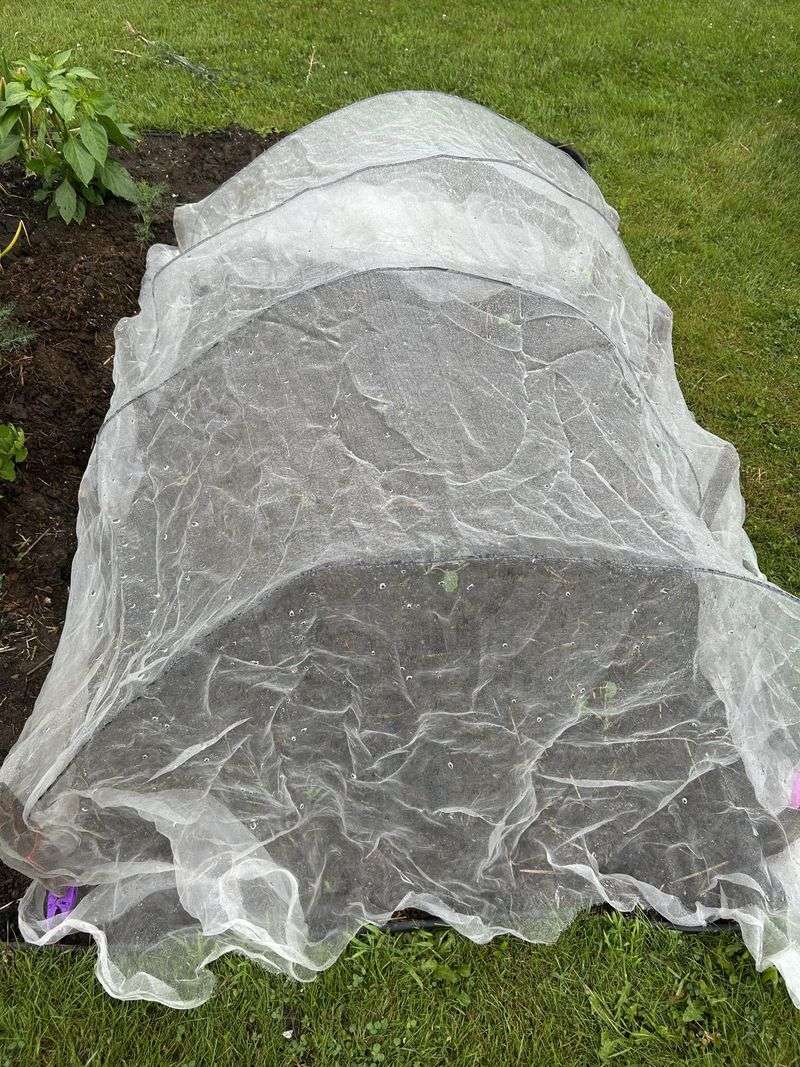
Floating row covers made of lightweight fabric work even better, and many garden centers sell them each fall. Depending on thickness, they can raise the temperature underneath by a few degrees on frosty nights.
Let covers reach the ground on all sides, and hold the edges down with rocks or bricks. Skip plastic touching the leaves, since it can transfer cold directly and cause damage to tender tissue overnight.
Watering the soil a day before a frost may help, because moist ground holds heat better than dry soil. Remove covers the next morning once temperatures climb, so plants can soak up the bright sunshine.
A simple cold frame made from old windows and scrap boards can stretch your salad season even further. Spinach and lettuce often thrive inside these little shelters well past the first hard freeze of the year.
Mulch helps root crops too, and a thick layer of shredded leaves or straw insulates the soil nicely. Your raked fall leaves can finally serve a purpose instead of piling up beside the garage door.
The University of Missouri Extension offers free guides on fall gardening that are worth bookmarking this season. With a little protection, your sweet, frost-kissed harvest can keep coming to the table for many more weeks.