Missouri Strawberry Beds Are Producing Free Plants Most Gardeners Cut Off
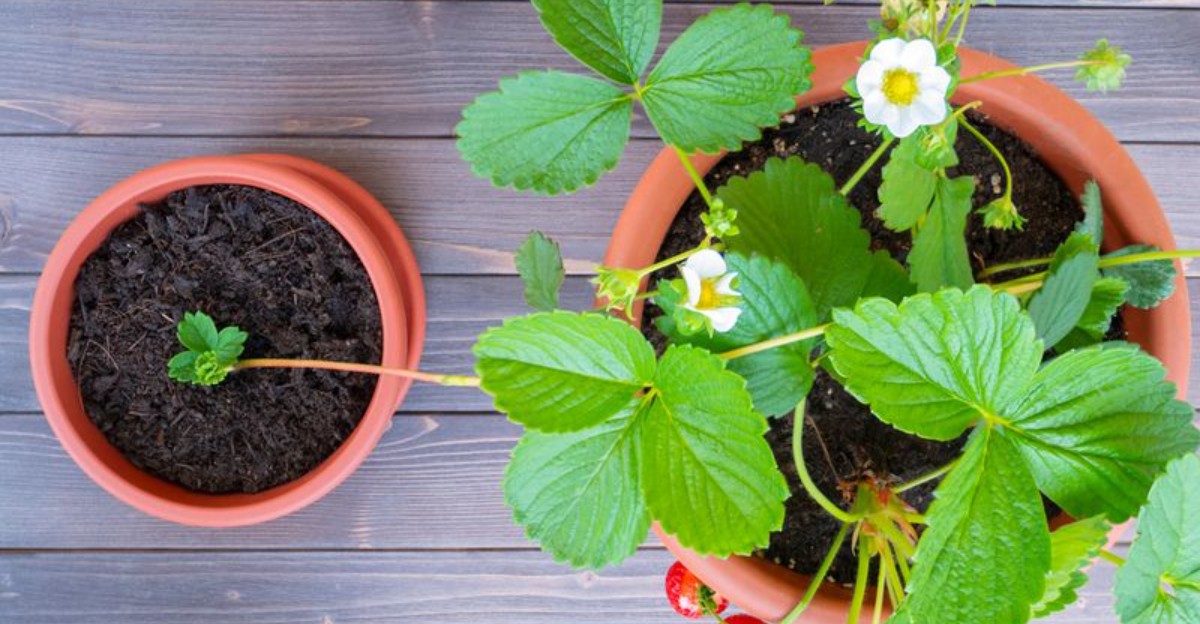
Late summer in a Missouri garden smells like warm dirt, cut grass, and something sweet that the birds found first. Look closely at your patch, and you might spot long green strings crawling off in every direction.
Grabbing the garden shears feels like the responsible move here, the kind of tidying up you’d do before your picky aunt arrives on Saturday. Those wandering vines look like clutter, not opportunity.
Every snip may be tossing out a healthy plant that nurseries would happily charge you five dollars for, and it stings a little like a bee in your sandal.
Those stringy escape artists are carrying tiny green passengers, each one ready to settle down somewhere new. Your garden has been quietly running a free giveaway all summer, and you have been politely returning the prizes.
Daughter Plants Formed At The Tip Of Each Runner
Picture a mother plant sending her kids off to explore the yard on long green leashes. That is basically what a strawberry does in summer, and the results are surprisingly clever.
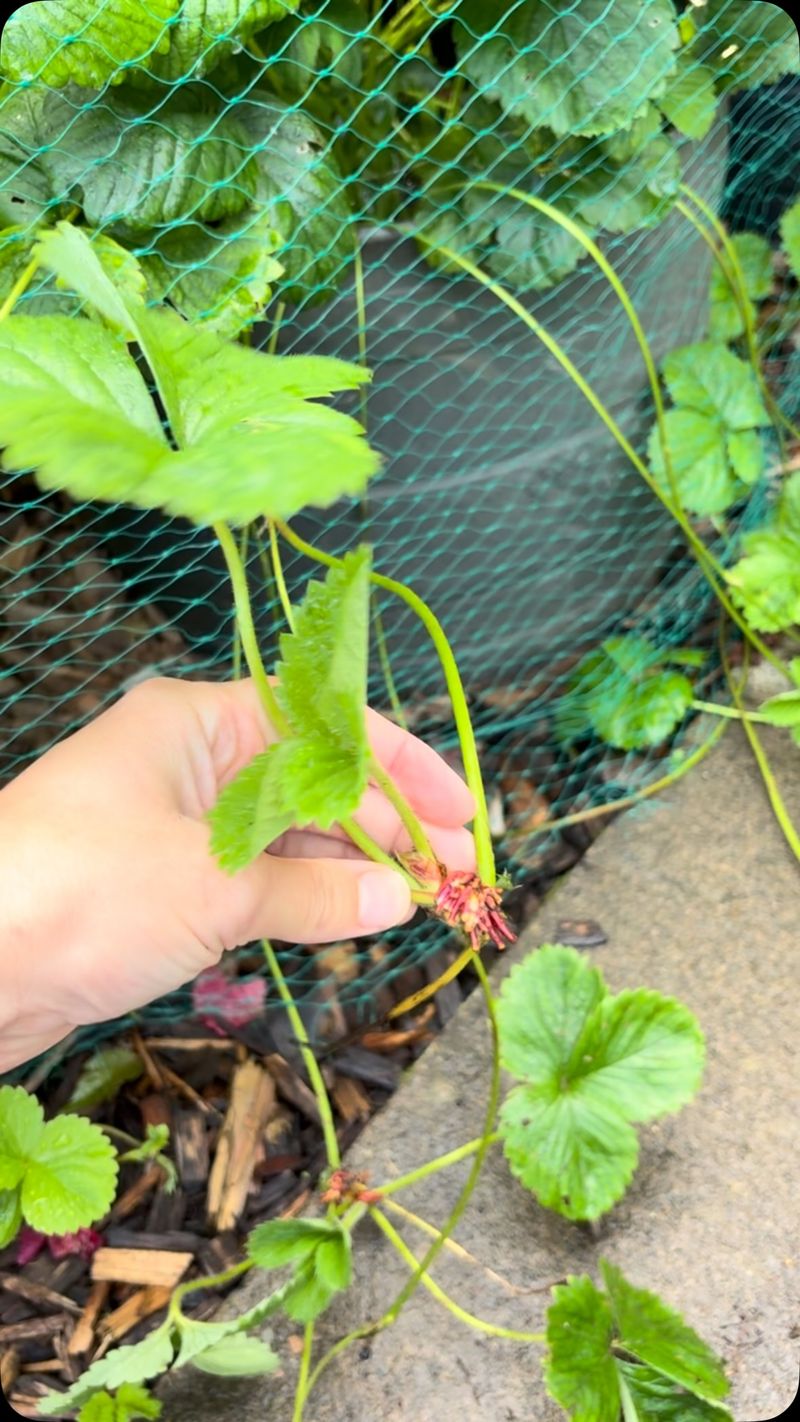
Those leashes are called runners, or stolons if you want to impress your neighbors. Each one stretches out along the soil, sometimes reaching a foot or more from the crown.
At the tip of each runner, a small cluster of leaves pops up. Underneath that cluster, tiny bumps form that are ready to become roots the moment they touch damp dirt.
Gardeners call these new babies daughter plants. They share the parent’s exact genes, so their berries will taste just like the ones you love.
Here is a fun bit of trivia for your next cookout. A single June-bearing plant can send out a dozen or more runners in one growing season.
Some runners keep going past the first daughter and make a second or third one down the line. It looks like a little green train chugging across your mulch.
Everbearing and day-neutral types make fewer runners, so do not expect a huge crop of babies from them. June-bearers are the real overachievers here.
In Missouri, runner production often peaks from July into early September. That timing makes right now a perfect moment to walk your bed and count your freebies.
The first daughter on each runner is usually the strongest. Save those first ones for rooting, and let the smaller ones at the far end go.
The Case For Removing Runners In Summer
Let’s give the runner-snippers their fair day in court. Cutting runners is not a silly habit, and there are real reasons behind it.
Every runner pulls water, sugar, and energy away from the mother plant. In a hot Missouri July, that drain can mean smaller berries and weaker crowns.
University extension experts often suggest pulling runners from brand new plants during their first summer. That helps young crowns build strong roots before they start making babies.
Crowding is the other big worry. A bed left alone can turn into a tangled green carpet, where air barely moves and fungus loves to party.
Your Missouri Garden Changes Every Week. Your Plan Should Too.
Gardening in Missouri changes quickly throughout the season. Every Friday you’ll receive a simple weekly plan showing exactly what to plant, prune, fertilize, harvest, and protect so you never miss the right timing.
Packed plants also fight over sunlight and nutrients. The result is often fewer berries overall, even though you technically have more plants.
So yes, the snippers have a point. The trick is knowing that removing runners and wasting them are two very different things.
Pick a few healthy runners to keep and trim the rest. You still protect the parent, but you walk away with bonus plants instead of a compost pile.
A good rule is to keep two or three runners per mother plant. Anything beyond that can go, preferably with clean scissors instead of a rough tug.
By September, most of the summer berry work is finished anyway. Letting a handful of runners root now costs the parent very little energy.
Think of it like a family budget with a small savings account. The mother plant pays the bills, and a few chosen babies become next year’s investment.
Pinning Runners Into Pots Beside The Parent
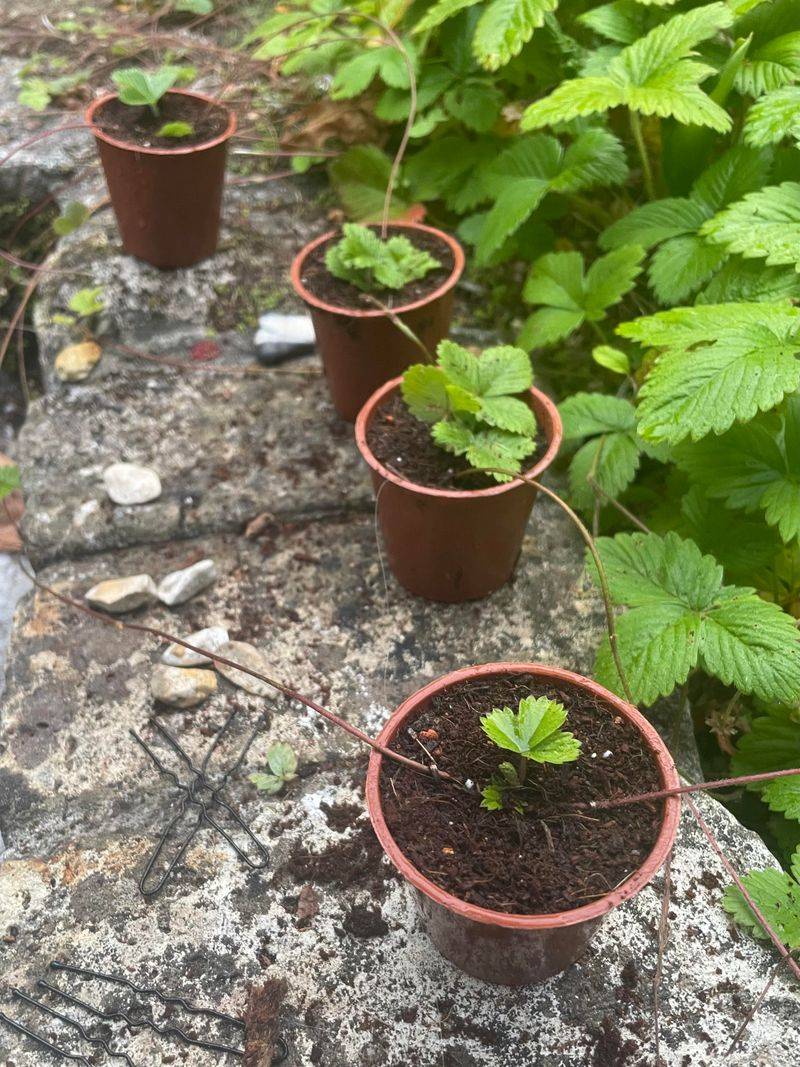
Grab a handful of small pots, a bag of potting mix, and a few bent paper clips. That humble kit is all you need to turn loose runners into sturdy new plants.
Three or four inch pots work great, and plastic ones hold moisture better than clay. Fill each pot with fresh, fluffy potting mix instead of heavy garden soil.
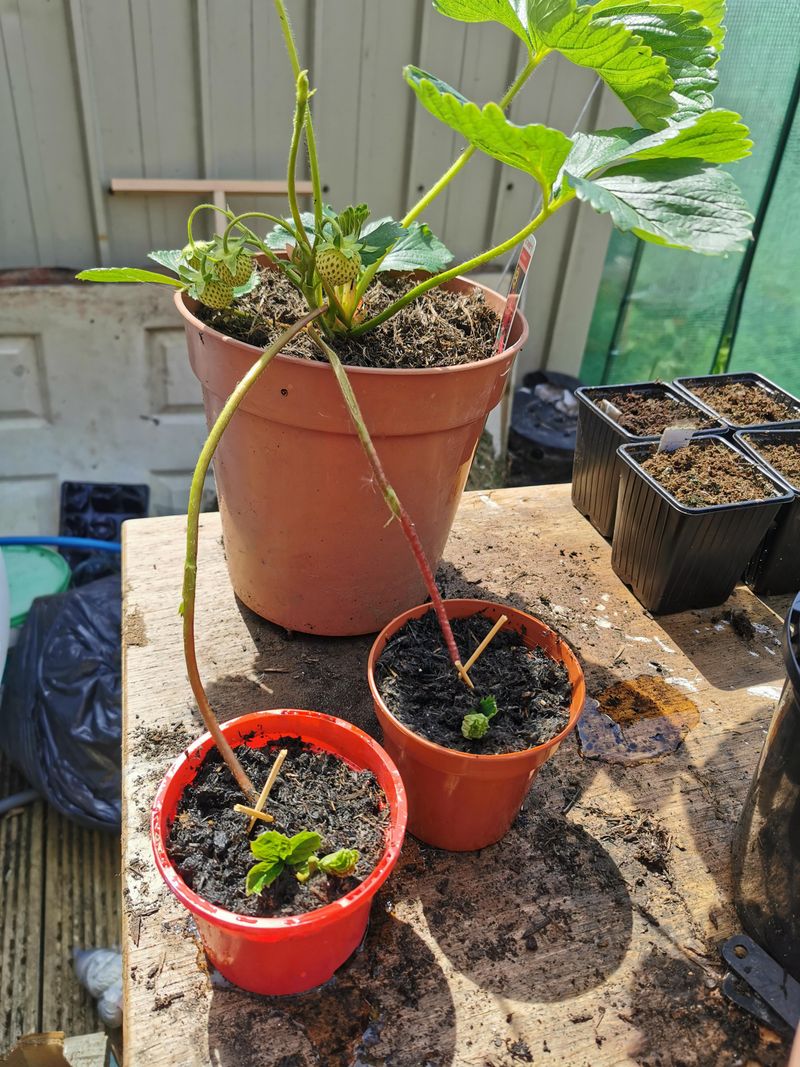
Next, sink the pot into the ground right beside the mother plant, rim level with the soil. Buried pots stay cooler and dry out much slower on sunny September afternoons.
Gently guide a runner so its baby plant sits right on top of the mix. Keep the runner attached, since the parent will keep feeding the youngster for a few weeks.
Bend a paper clip into a U shape to make a tiny garden staple. Press it over the runner just behind the baby plant, snug but not crushing.
A small rock works too if you run out of clips. The goal is simple: keep the base of that daughter pressed firmly against damp soil.
Water each pot well right after pinning. Then check them every day or two, because small pots can go bone dry faster than you might expect.
Bobby pins handle this job nicely too, so feel free to raid the bathroom drawer. Just maybe ask before borrowing any from Grandma.
Label each pot with the variety name and the date you pinned it. Future you will be grateful when spring comes and the details feel fuzzy.
Signs Roots Have Taken Hold
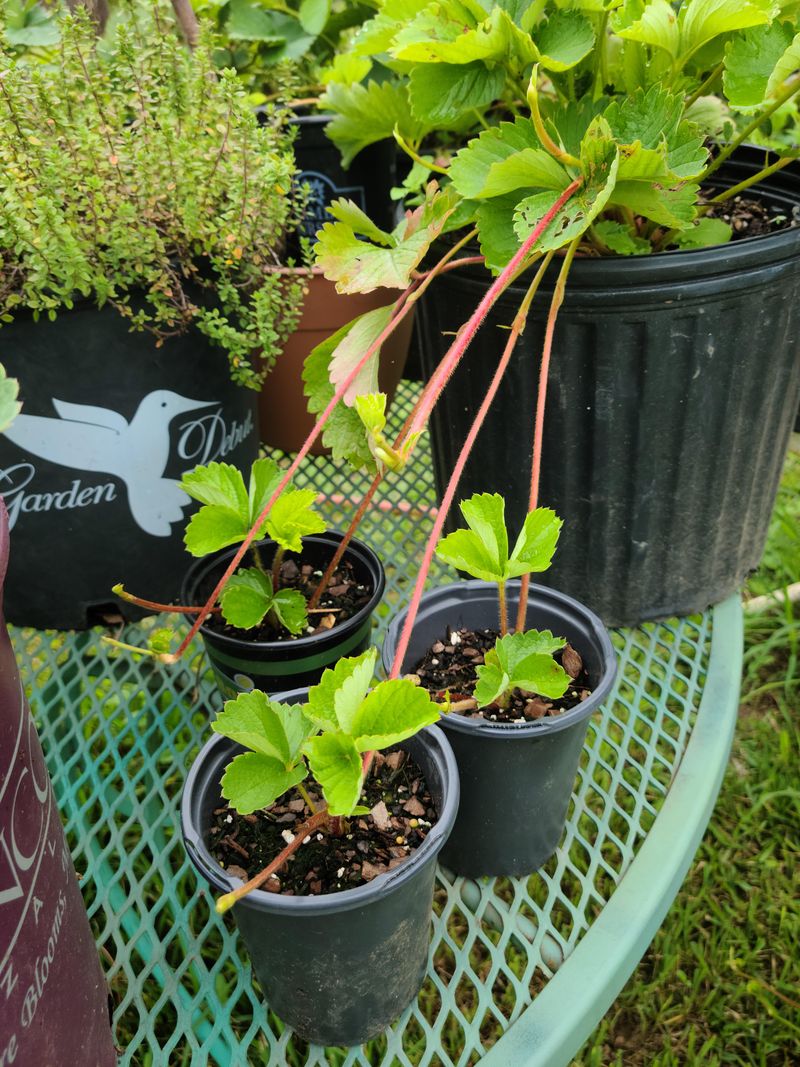
Patience is the hardest part of this whole project, so think of yourself as a garden detective. The clues are there if you know where to look.
Most pinned daughters start rooting within one to two weeks in warm September soil. Solid roots strong enough to survive alone usually take about three to four weeks.
Clue number one is fresh, perky growth. When a baby plant starts pushing out bright new leaves from its center, something is taking root underground.
The second clue is the gentle tug test. Pinch the plant lightly at its base and pull up, and if it resists, roots are gripping the soil.
Clue three hides under the pot. Lift one carefully and peek at the drainage holes, where white root tips may be poking through like curious worms.
Healthy young roots are white or pale tan and feel firm. Brown, mushy roots point to soggy soil, so ease up on watering if you spot them.
Once two or more clues check out, you can officially close the case. Snip the runner between the parent and the baby, cutting close to the new plant.
Give the freshly cut daughter another week in place to adjust. Think of it as a first night at a sleepover, with a parent still nearby.
If a baby wilts badly after the cut, its roots needed more time. Water it well, shade it for a day or two, and it will often bounce back.
Potted Plants Through A Missouri Winter
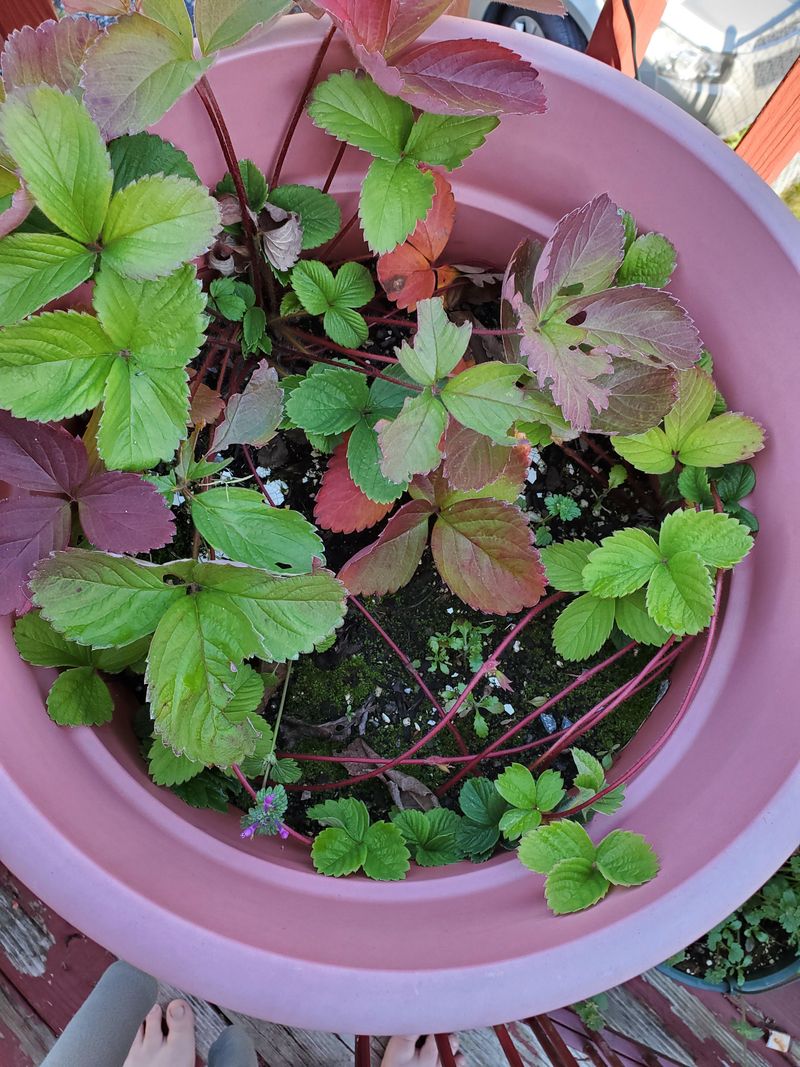
Missouri winters love to keep us guessing, with sixty degrees on Monday and sleet by Thursday. Young potted plants need a little help riding out those wild swings.
Roots in pots are far more exposed than roots in the ground. A hard freeze can chill a small pot right through, while garden soil stays warmer below.
One easy fix is leaving the pots sunk in the soil right where they rooted. Another option is grouping them in a sheltered spot along a south-facing wall.
After a few hard frosts, usually by mid-to-late November in most of the state, tuck them in. Pile four to six inches of clean straw over the top like a fluffy blanket.
Pine needles work nicely too and are easy to find in many yards. Skip hay, though, because it tends to carry weed seeds you do not want.
An unheated garage or shed is another cozy choice for loose pots. Keep them near a window, and check the soil about once a month.
Dormant plants drink very little, but roots left bone-dry for too long can still suffer. A small splash of water during a mild spell is plenty.
Want a neat fact to share at the dinner table? Strawberries actually need a stretch of winter chill to grow vigorously and bloom well in spring.
So resist the urge to baby them indoors near a heater. A little winter bite is exactly what they need to wake up ready to grow.
Spring Transplanting Into A Fresh Bed
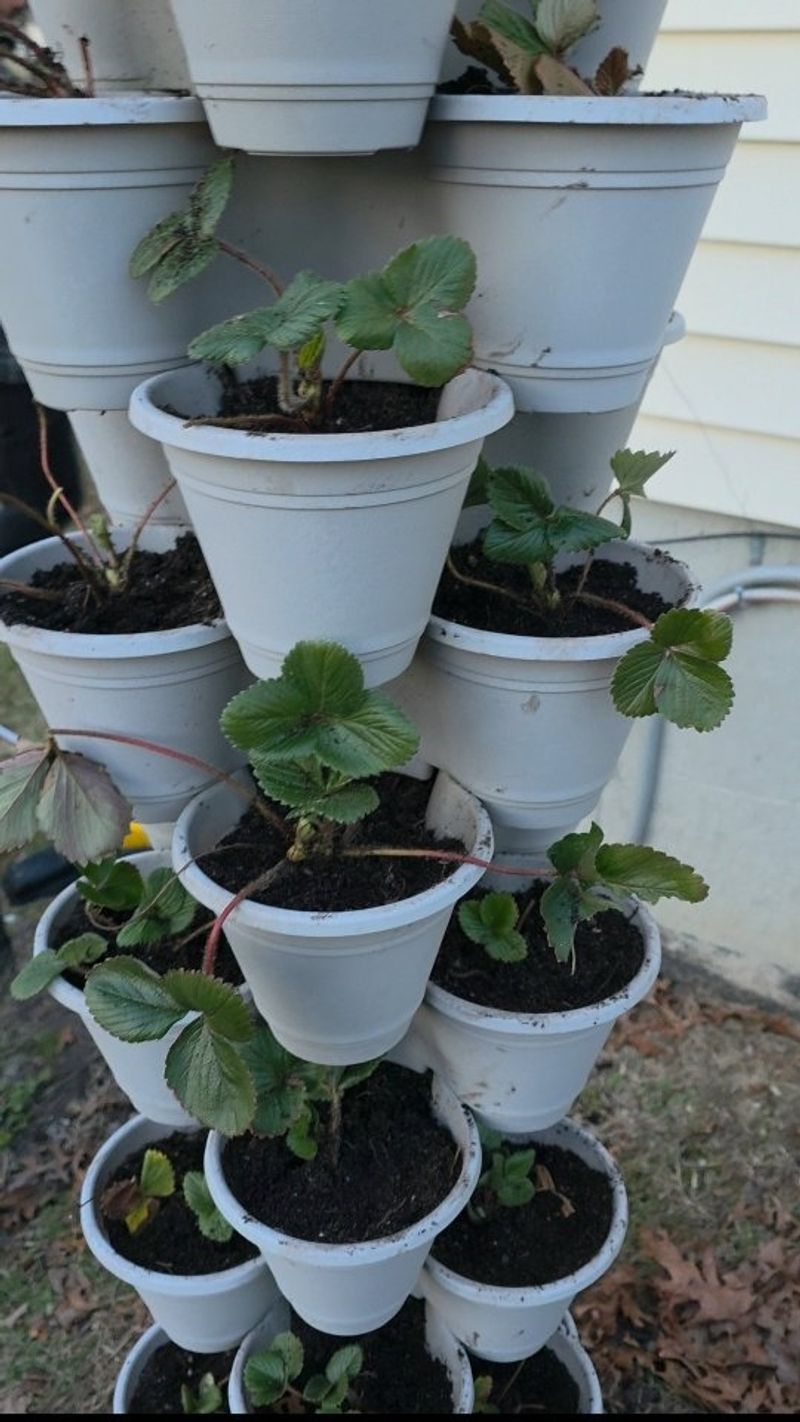
There is a special thrill in pulling back the straw on a March morning and finding green leaves waiting. Your free plants made it, and now they need a new home.
Choose a sunny spot that gets at least six to eight hours of light daily. Avoid places where tomatoes, peppers, potatoes, or eggplant grew in the last three years.
Those crops can leave behind a soil disease called verticillium wilt. A fresh bed gives your new strawberries a clean start without inherited troubles.
Missouri clay can be heavy and slow to drain, so mix in plenty of compost first. Raised beds are another smart choice if your yard stays waterlogged in spring.
Aim to plant from mid-March to mid-April, once the ground can be worked. A cloudy day or a cool late afternoon helps reduce transplant shock.
Planting depth matters much more than most people think. Set each crown so its middle sits right at soil level, not buried and not perched high.
Space plants about eighteen inches apart in rows roughly three to four feet wide. That gives them elbow room to spread and send out runners of their own.
Water deeply after planting, then give about an inch per week through spring. A thin layer of straw between rows keeps berries clean and weeds quiet.
Best of all, the cycle starts over once summer arrives. Those transplants will soon make daughters too, and the free plant party keeps rolling.