Missouri’s Soil Test Results Matter More In Fall Than In Spring
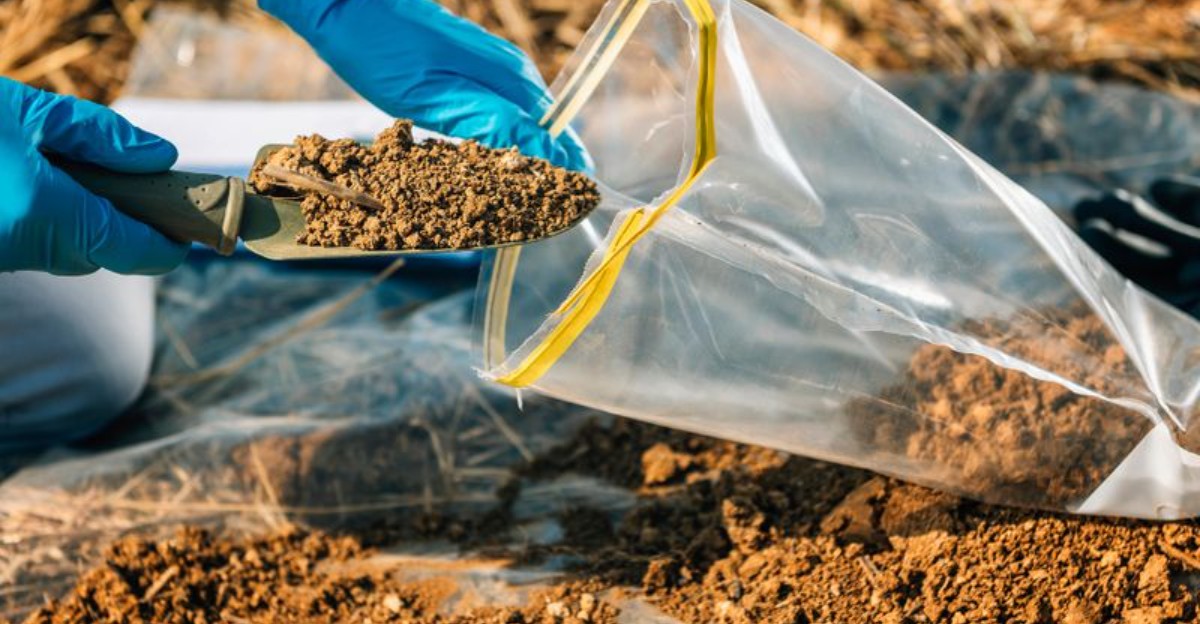
Beneath your yard sits an answer you have not thought to ask for yet. Missouri ground runs on a private clock that pays no attention to your plans.
Autumn happens to be the one stretch of the year when that clock finally works in your favor. Rain, cold nights, and quiet chemistry conspire to do work you cannot rush.
Clay holds grudges longer than most people realize, and yours is no exception. Every week you wait now becomes a week your yard spends catching up later.
September hands you a rare kind of head start most people walk right past. Numbers hiding in your dirt right now could rewrite what next spring looks like.
Most people find out the hard way, long after their window has closed, and yours might be next. You still have time, but not nearly as much as you think.
Lime Needs Months To Shift Soil Acidity
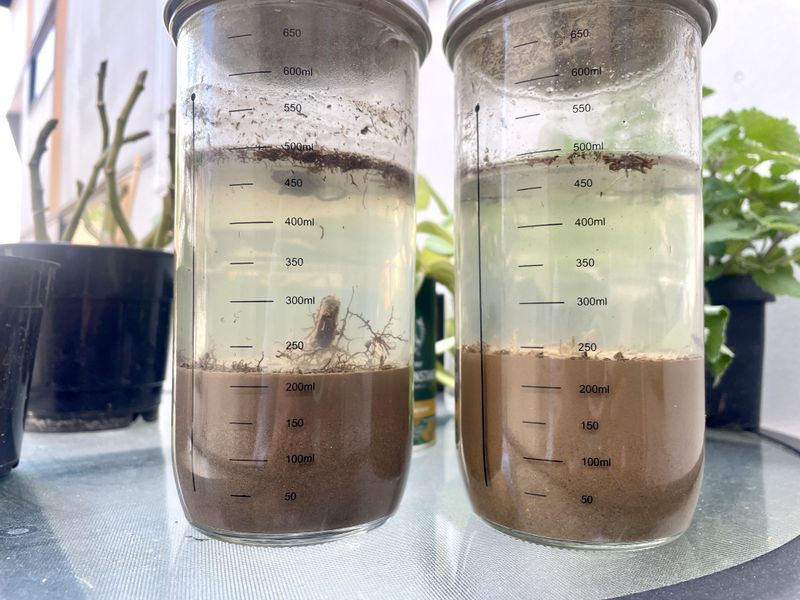
Here is the short answer that surprises plenty of Missouri gardeners. Lime, the most common fix for sour Missouri soil, works slowly, often taking months to show results.
Ground limestone has to dissolve and react with the soil before pH starts climbing. That process usually takes three to six months, and sometimes longer in heavy clay.
Test in spring, and your lime barely wakes up before tomatoes go in. Test in September, and it gets the whole winter to do its quiet chemistry.
Rain, snowmelt, and freezing nights all help push lime deeper into the root zone. By April, the soil has had time to settle into a friendlier pH range.
Most vegetables and lawn grasses in Missouri prefer a pH between about 6.0 and 7.0. Many yards, especially in the Ozarks, test well below that mark.
When soil is too acidic, plants struggle to use the fertilizer you already paid for. Nutrients get locked up, so leaves turn pale even in rich-looking dirt.
Fixing pH first sets everything else up to work. Fall gives you time to get it right, while spring leaves you rushing to catch up.
A fall report also tells you exactly how much lime to spread per 1,000 square feet. Guessing often leads to wasted bags or, worse, soil pushed too far the other way.
Stubborn Missouri Clay Soils
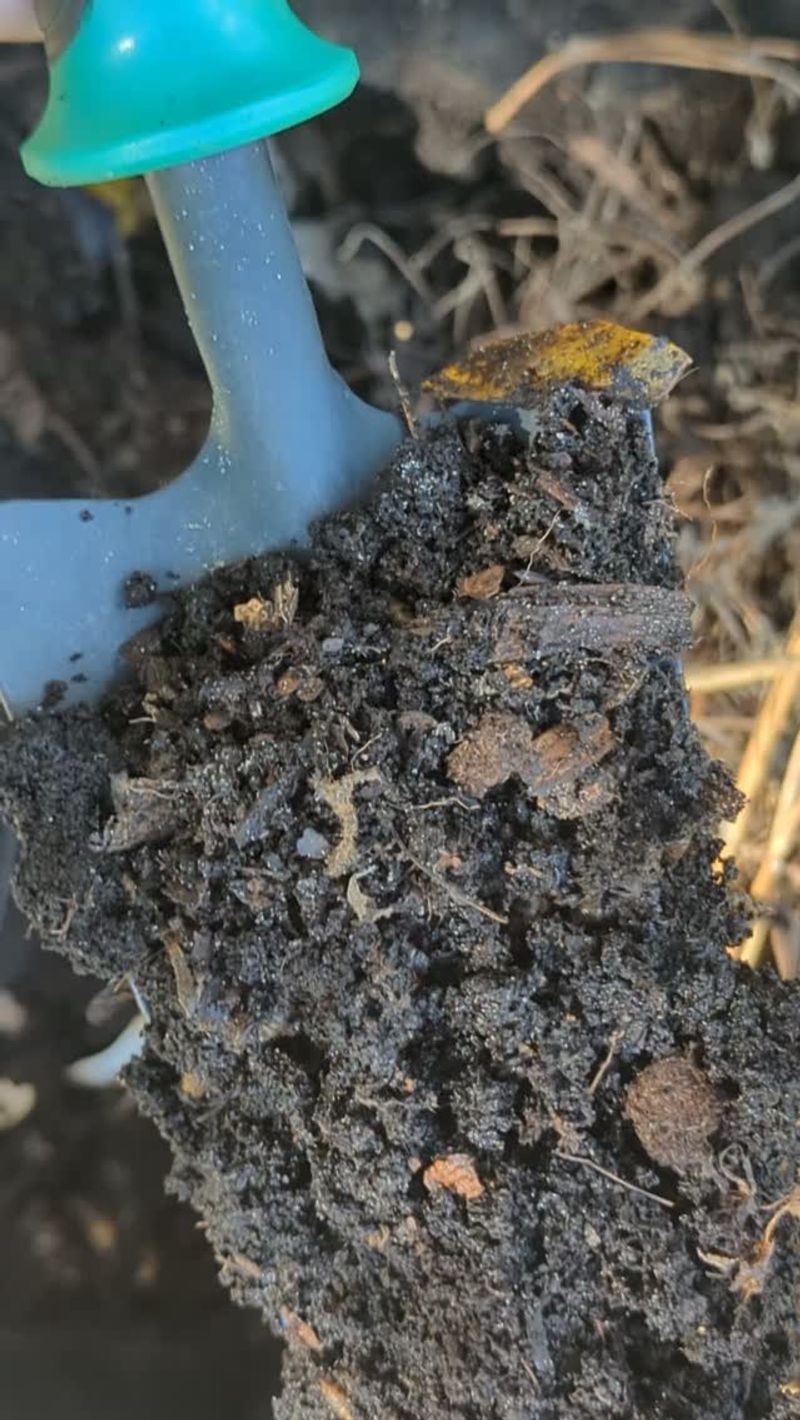
Anyone who has dug a hole near Columbia knows the feeling of shoveling wet modeling clay. Missouri’s heavy soils hold water, nutrients, and grudges for a very long time.
Clay particles are tiny and packed tight, so amendments move through them slowly. Whatever you add sits near the surface until rain and frost help work it down.
Many Missouri soils also formed from old limestone and weathered rock, then leached for centuries. Heavy rainfall washed away calcium, leaving much of the state naturally acidic.
Ozark hillsides can be rocky and sour, while river bottoms along the Missouri may run richer. Your neighbor’s results might look nothing like yours, even across a fence.
Phosphorus is another slowpoke in clay because it clings to soil particles instead of flowing downward. Potassium moves a bit more but still needs time to reach roots.
Your Missouri Garden Changes Every Week. Your Plan Should Too.
Gardening in Missouri changes quickly throughout the season. Every Friday you’ll receive a simple weekly plan showing exactly what to plant, prune, fertilize, harvest, and protect so you never miss the right timing.
Add those slow nutrients in fall, and winter moisture becomes your free delivery service. Add them in spring, and they may still be sitting on top in July.
Fun fact for trivia night fans, Missouri even has an official state soil called Menfro. It is a silty soil found along bluffs near the big rivers.
Even this famous soil needs real patience after lime or fertilizer goes down. Knowing your soil type helps you respect its slow pace and plan months ahead instead of weeks.
The Best September Sampling Window
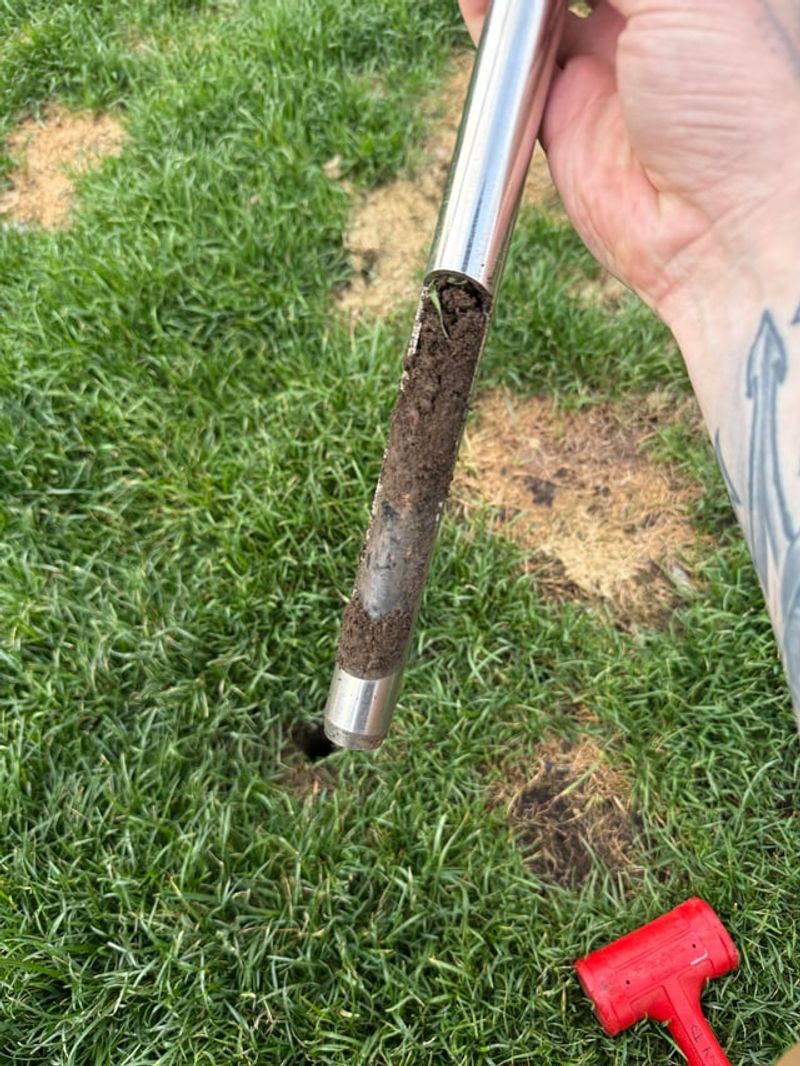
Grab a clean plastic bucket, a trowel, and a free afternoon after Labor Day. Early fall is prime time because summer fertilizer has faded and the soil is settled.
Skip the metal pail if you can, since galvanized buckets can add zinc to your sample. A plastic one keeps the numbers honest.
For gardens, dig about six inches deep, and for lawns, stick to about three inches. Take ten to fifteen small samples from different spots in the same area.
Mix them together, remove rocks and roots, and let the soil air-dry on newspaper. You only need about a pint to send in.
Your county University of Missouri Extension office can provide sample bags and forms. The samples go to the MU Soil Testing Lab, where fall turnaround is usually quick.
Spring brings a flood of mailed samples from farmers and gardeners all over the state. September mail moves faster, so answers often return within a week or two.
Avoid sampling right after spreading fertilizer or lime, since that skews results. Also skip soggy days, because muddy samples clump and dry unevenly.
Keep separate bags for the vegetable patch, front lawn, and flower beds. Each spot has its own history, and mixing them blurs the story.
Label each bag clearly with a marker before you forget which is which. Unmarked dirt all looks the same once it lands on the kitchen table.
The Costly Spring Rush Mistake
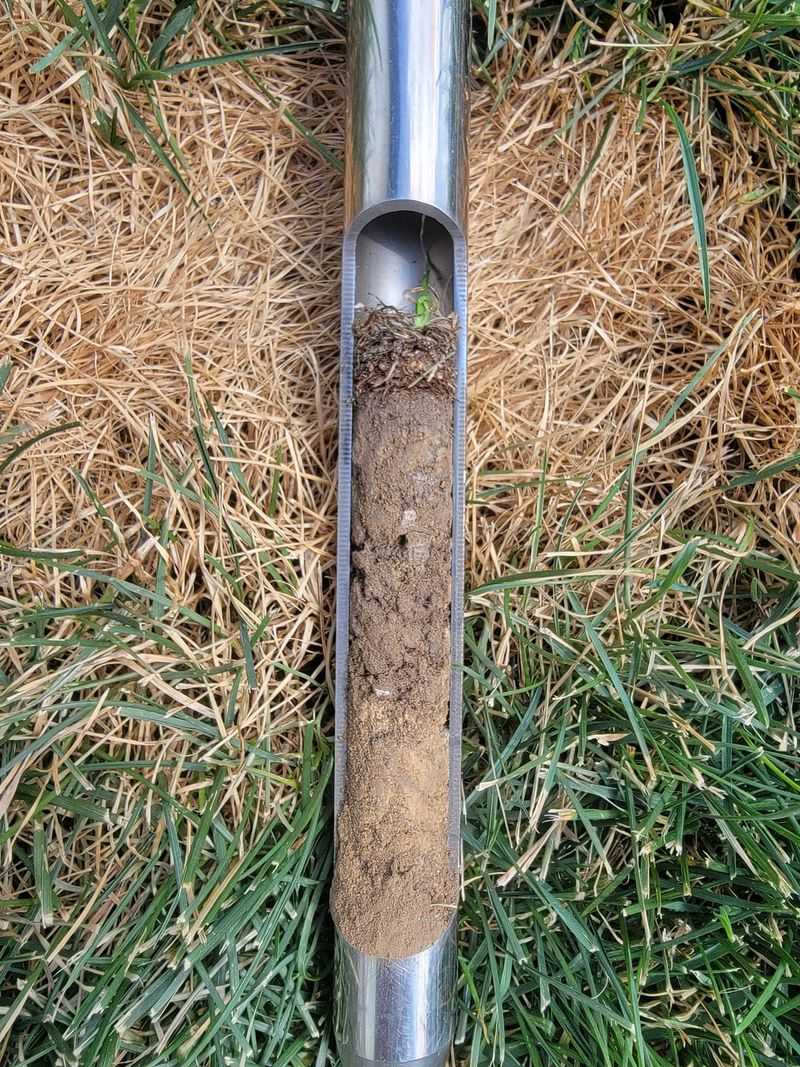
Spring soil testing runs a season behind, arriving just as the need for it has already passed. Plenty of Missouri homeowners wait until the first warm March weekend to think about their yard.
Results might show low pH, but lime spread in April will not help much by June. Your tomatoes and peppers end up growing in soil that is still too sour.
Another common slip is dumping a heavy dose of fertilizer to make up for lost time. Too much nitrogen in spring can burn roots and feed weeds more than crops.
Extra nitrogen can also wash into Missouri streams during heavy spring storms. Nobody wants their lawn food feeding algae in the Lake of the Ozarks.
Spring soil is often wet, too, which makes collecting good samples a muddy chore. Wet clay clumps, dries slowly, and can delay your results by weeks.
Busy labs add to the wait during planting season, when everyone mails samples at once. You could be well into planting before the report even arrives.
Spring testing still beats no testing at all, so do not skip it if you missed fall. Just treat it as a head start on next September’s plan.
Fall Fixes For Acidic Missouri Ground
Your report just landed, and the numbers look like a riddle written by a chemistry teacher. Take a breath, because the MU lab includes plain recommendations right on the page.
Start with pH, since it controls how well plants can use everything else. If it reads below 6.0, the report will suggest how much lime to add.
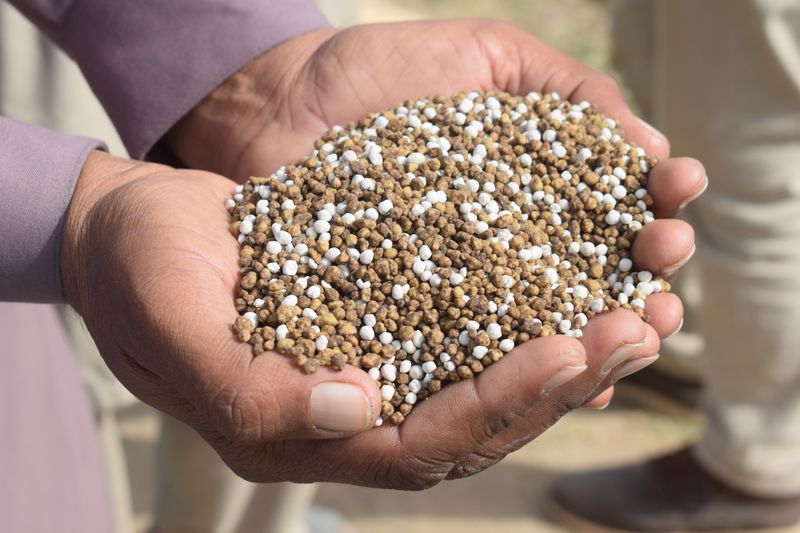
Pelletized lime spreads easily with a regular lawn spreader and creates less dust. Ag lime is cheaper for big areas but gets messy on windy days.
Low phosphorus or potassium can be fixed now too, with fertilizer matched to your results. Work it into garden beds, or spread it before fall lawn seeding.
September is the sweet spot for overseeding tall fescue, Missouri’s go-to lawn grass. Feeding new seed based on real numbers gives young roots a strong start before frost.
Too alkaline instead? Garden sulfur can lower pH, though it also works slowly and needs the same long runway as lime.
Compost is a gentle helper regardless of what your numbers show. Spreading an inch over beds in fall feeds soil life and loosens stubborn clay by spring.
Follow the recommended amounts instead of guessing, since more is not better with soil amendments. Overdoing lime or fertilizer can cause new problems that take years to undo.
Finish by jotting down what you applied and when. That little note becomes gold when next fall’s report arrives.
A Three-Year Testing Habit
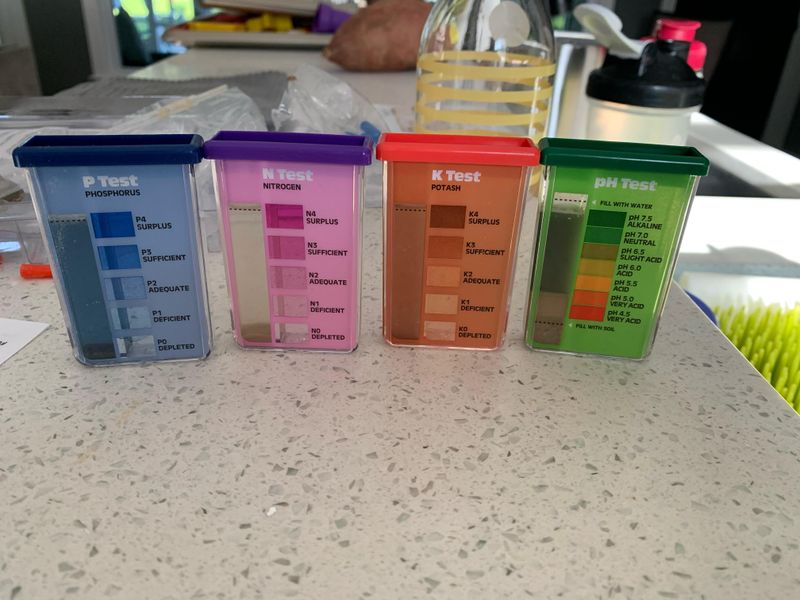
Longtime Missouri gardeners often keep years of old soil reports on hand. Flipping through them feels like reading a yard’s report cards from grade school.
MU Extension suggests testing most lawns and gardens about every three years. Heavy feeders like vegetable plots may benefit from a check every year or two.
Sticking with fall each time matters more than you might expect. Soil numbers shift a little with the seasons, so testing in the same month keeps comparisons fair.
Over time, you start to see patterns, like pH slowly drifting down after years of fertilizer. Catching that slide early means smaller, cheaper fixes.
The payoff shows up next spring in ways you can actually see. Grass greens up evenly, tomatoes set more fruit, and hydrangeas hold their color better.
You will likely spend less money, too, because you only buy what the soil truly needs. No more mystery bags of fertilizer gathering dust in the garage.
Set a phone reminder for mid-September so the habit sticks. Pair it with something fun, like the first apple cider run of the season.
A basic test usually costs less than a family pizza night. For that price, you get a roadmap that can guide your yard for three full years.
Healthy soil builds slowly, one smart season at a time. Give it a fall checkup, and it will reward you when the robins return.