Check Your Plants For These Pests Before Bringing Them Indoors
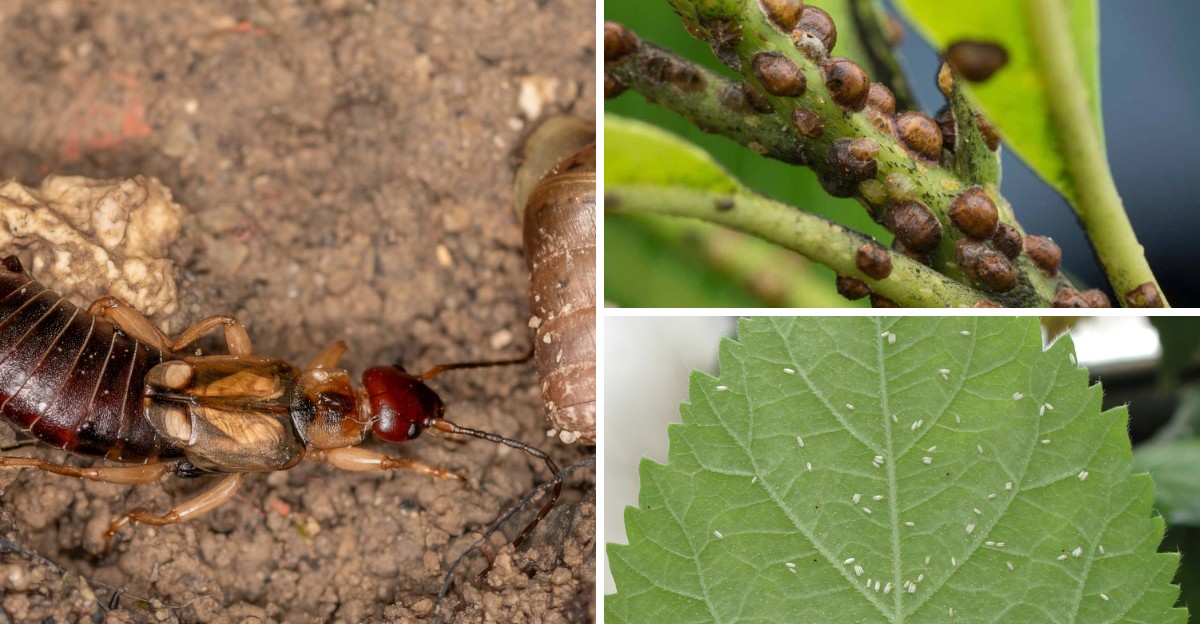
Your prettiest fern may be carrying hidden passengers into your house tonight. Fungus gnats hide in soil, while mites and aphids cling to leaves, unseen.
Soil hides eggs, and you will watch them hatch within days of warmth. Leaf undersides shelter scale insects that look like harmless brown bumps to you.
Mealybugs leave white fluff you might mistake for lint. Indoors, those pests face few rivals, so you hand them open territory.
Warm rooms speed their breeding, and a single female multiplies fast. Rinse leaves and stems under lukewarm water to wash off pests.
Wipe leaf undersides with a damp cloth and inspect stems with a magnifying glass. Tiny webbing between stems tells you a colony has already settled in.
Pale speckles on your leaves can mean mites are already feeding, even unseen. The pot itself hides the real surprise.
1. Aphids On Tender New Growth
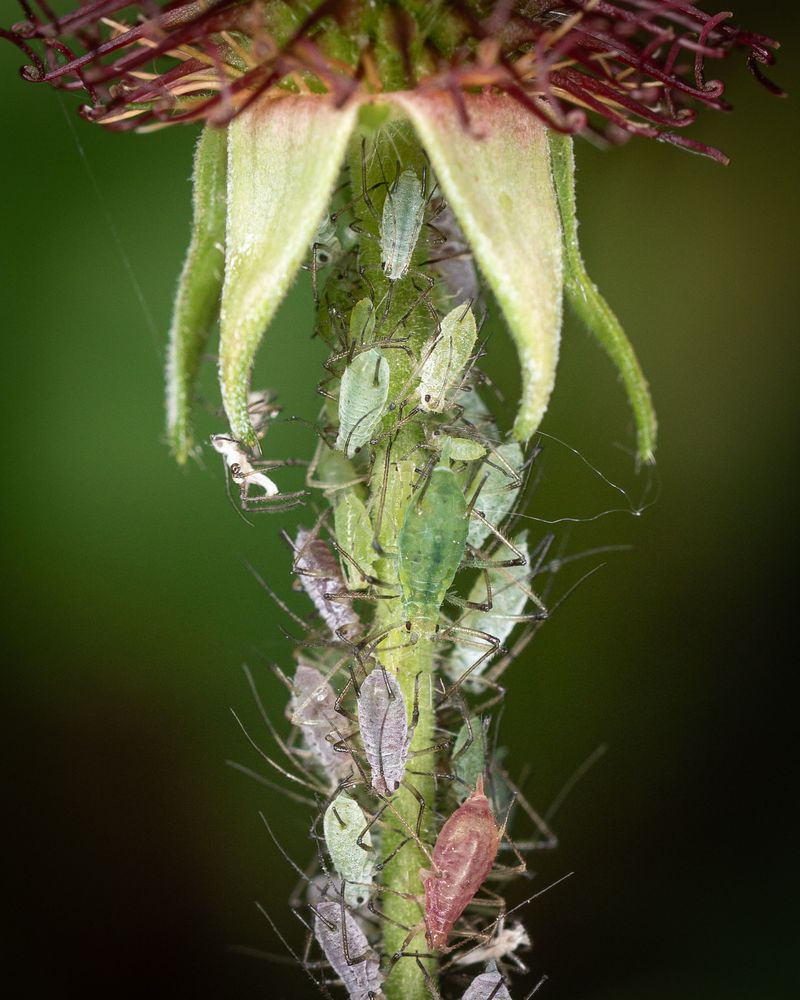
Picture a crowd of green jellybeans throwing a party on your plant’s freshest leaves. That crew is aphids, and they favor soft, tender tips.
Aphids are small, pear-shaped insects that can be green, black, yellow, or even pink. They suck sap from stems and leaves, leaving growth curled, twisted, and weak.
Look closely at new shoots, flower buds, and the soft undersides of each leaf. A cluster often sits so tightly together that it looks like a bumpy coating.
Another clue is a shiny, sticky film called honeydew on leaves or the pot rim. Ants adore that sugary mess, so a line of ants can point you to a possible problem.
Did you know some aphids give birth to live babies without needing a mate? A single bug can start a whole colony in about a week in warm rooms.
To clear them out, take the plant outside and spray it with a firm stream of water. Hit the leaf undersides and stems, then let everything drip dry in the shade.
For stubborn groups, mix insecticidal soap following the label and coat the leaf surfaces. Test one leaf first and skip direct sun, which can burn leaves. Repeat every five to seven days for a few weeks.
Once the plant looks clean, keep it apart from your other houseplants for two weeks. That short quarantine helps you spot any remaining bugs before they spread to nearby pots.
2. Spider Mites In Fine Webbing
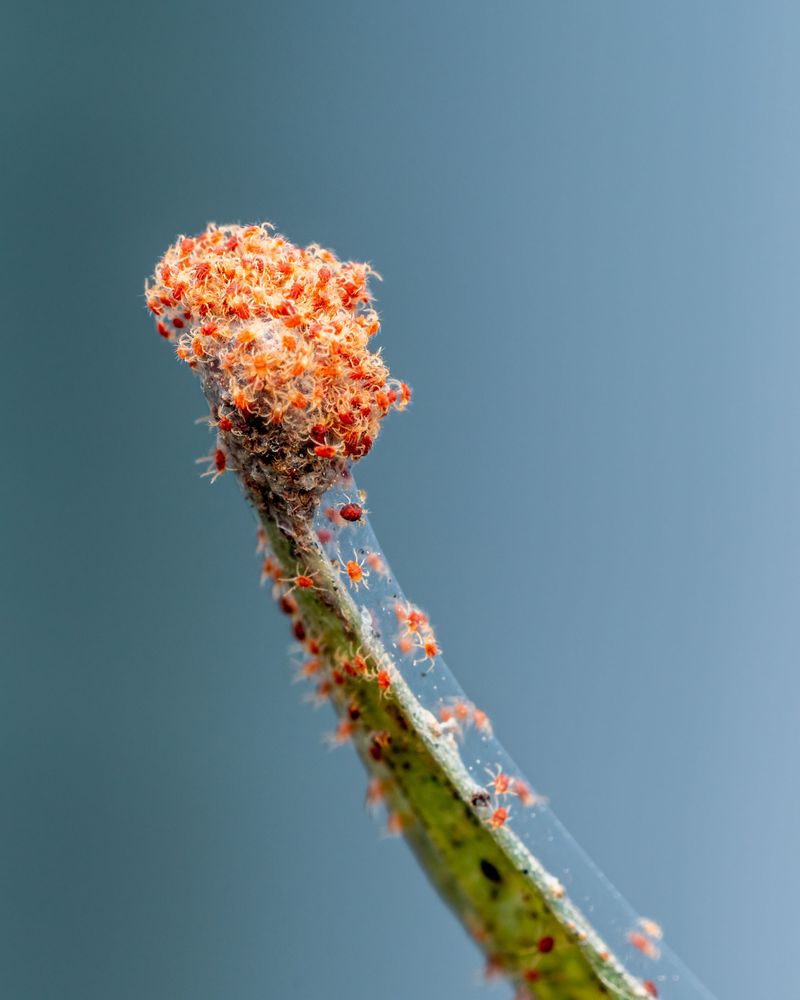
Ever notice a dusty, speckled look on leaves that just will not wipe away? Spider mites might be the cause, and each one is about the size of a speck of dust.
Spider mites are not insects at all but tiny cousins of spiders and ticks. They pierce leaf cells and drain them, leaving behind thousands of pale yellow dots.
Fine, silky webbing between leaves and stems is the biggest giveaway. Check the joints where leaves meet the stem, since mites love to hide in those tight corners.
Here is a simple detective trick that works on almost any leafy plant. Hold a white sheet of paper under a leaf and tap the leaf firmly a few times.
Watch the paper closely for tiny moving specks that look like ground pepper. If you smear them and see reddish or greenish streaks, you have found mites.
Hot, dry air helps them multiply fast, and indoor heaters can create those conditions. A large population can cause leaves to bronze and turn brittle within weeks.
Start by rinsing the whole plant in the shower with lukewarm water. Wipe both sides of every leaf with a soft, damp cloth to remove eggs and webbing.
Follow up with insecticidal soap or neem oil every five to seven days for about three weeks, following the product label. Raising humidity with a small humidifier also makes your home less welcoming.
Keep the treated plant away from other pots until no new webbing appears. Mites drift easily on air currents, so a little distance goes a long way.
3. Mealybugs In Cottony Clusters
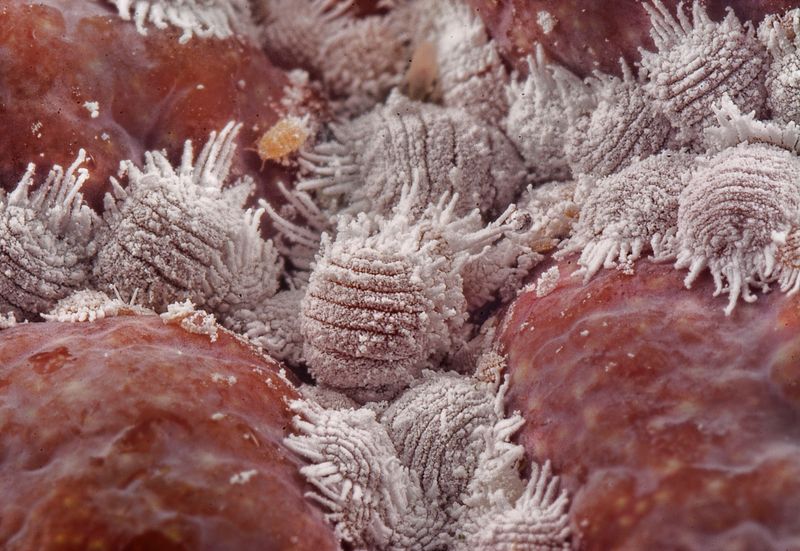
At first glance, those fluffy white tufts might look like tiny bits of cotton or snow. Look again, because mealybugs dress in waxy fuzz to protect themselves from danger.
Mealybugs are soft, oval insects about the size of a sesame seed. They gather in leaf joints, along stems, and under leaves where they quietly sip plant juices.
Jade plants, succulents, hoyas, and many tropical houseplants seem to be their favorite snack bars. Their feeding causes yellowing leaves, slow growth, and plenty of sticky honeydew on surfaces.
Check deep inside leaf crevices and around the base of the stem near the soil. Some types, called root mealybugs, even hide underground and coat the roots in white fluff.
Gently slide the plant out of its pot if it looks weak for no clear reason. White, cottony patches on the roots mean you should wash and treat the roots, then repot with fresh soil.
For the ones above ground, dab each bug directly with a cotton swab dipped in 70% rubbing alcohol. The waxy coat breaks down, so the pest is easier to remove.
Test the alcohol on one leaf first and wait a day to check for damage. Most sturdy plants handle it just fine, but delicate leaves can sometimes scorch.
Repeat the swab treatment weekly, since eggs hide in tiny cottony sacs. Patience pays off here, and soon your plant will look clean, green, and fluff-free again.
Spraying insecticidal soap after swabbing helps catch any crawlers you missed. Keep the plant isolated during treatment so the pests cannot spread to neighbors.
4. Scale Insects On Woody Stems
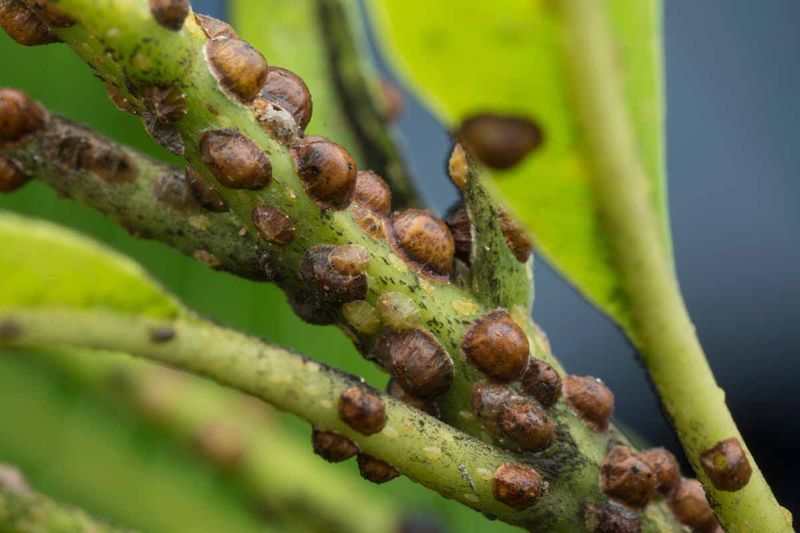
Scale insects are easy to overlook, often mistaken for harmless bumps on stems. Many gardeners miss them for weeks.
Adults look like small brown, tan, or gray domes stuck tightly to stems and leaf veins. Some kinds are soft and shiny, while others wear a hard, armored shell.
Once grown, most scale insects hardly move at all. They lock onto one spot, push their mouthparts in, and feed on sap for the rest of their lives.
Run a fingernail gently across a suspicious bump to test it. If it scrapes off with some effort and leaves a tiny mark behind, you have found scale.
Yellow leaves and leaf drop are common warning signs, and soft scale also leaves sticky honeydew. Black, sooty mold may grow on that sugary coating, making leaves look smudged and dirty.
Citrus trees, ficus, and bay laurel brought in for winter are frequent targets. Check bark crevices and the undersides of leaves along the main veins with care.
Scrape off adults with a fingernail, soft toothbrush, or cotton swab soaked in rubbing alcohol. Afterward, spray horticultural oil as the label directs to coat young crawlers that are still too small to see.
Young scale, called crawlers, move around for only a few days before settling down. Treating every week for a month targets each new wave before they build armor.
Branches crusted with scale may be easier to prune off and toss in the trash. A healthy plant typically recovers once the remaining scale is gone.
5. Whiteflies Under The Leaves
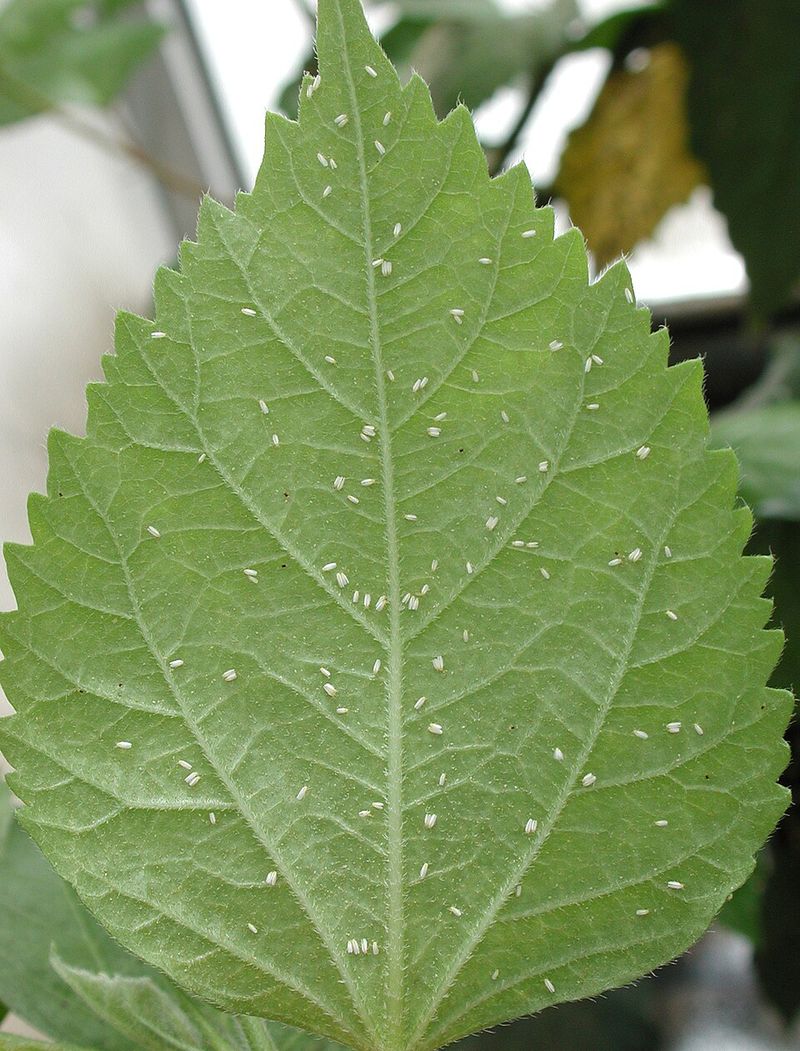
Brush past an infested plant, and a tiny cloud of white specks bursts into the air like confetti. Those flying flakes are whiteflies, and they signal a pest problem.
Whiteflies are about the size of a pinhead, with powdery white wings shaped like little triangles. Adults and young both feed on sap from the undersides of leaves.
Flip a few leaves over and look for clusters of adults resting together. You may also spot flat, oval, see-through nymphs that look like tiny scales stuck in place.
Leaves turning pale, yellow, or sticky are common signs of trouble. Tomatoes, peppers, hibiscus, and herbs moved inside for winter often carry these pesky fliers.
Yellow sticky traps hung near the plant catch adults quickly and show how big the problem is. Whiteflies are drawn to bright yellow, so the traps work like a magnet.
Did you know whiteflies are actually more closely related to aphids than to true flies? Both groups share the same sap-sipping habits and the same sticky calling card.
Traps alone will not finish the job, though, because eggs and nymphs stay on leaves. Spray insecticidal soap or neem oil on leaf undersides every five to seven days.
A handheld vacuum can also suck up flying adults early in the morning while they are sluggish. Empty the canister outside right away so the bugs cannot escape back indoors.
Whiteflies hop easily from plant to plant, so isolation matters a lot. Keep the treated plant in a separate room until your traps stay clean for two weeks.
6. Fungus Gnats In Damp Soil
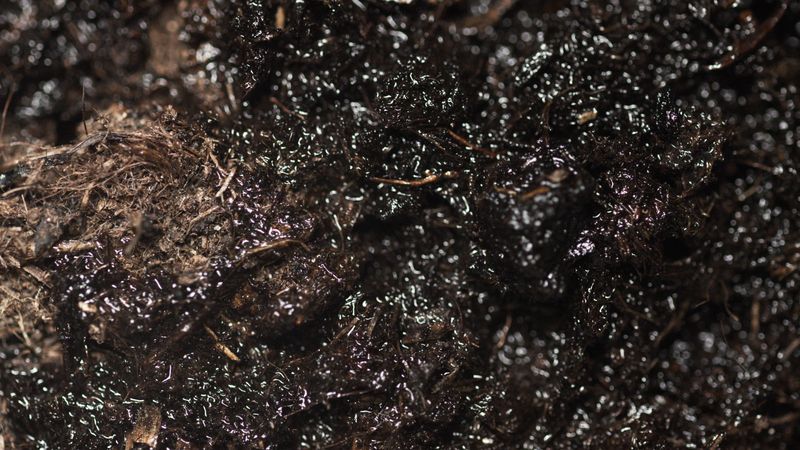
Few things interrupt a movie night faster than a tiny black bug buzzing in front of your nose. If small flies keep circling your houseplants, fungus gnats are likely the cause.
Adult gnats look like miniature mosquitoes but do not bite people at all. The real trouble lives below, where their larvae wriggle through damp soil eating fungus and tender roots.
Before bringing a pot inside, poke the top inch of soil with your finger. Wet, mossy soil that smells musty creates ideal conditions for gnat eggs.
Tiny clear worms with shiny black heads near the surface are a sure sign. You can also slice a raw potato and set it on the soil for a few days.
Larvae crawl up to munch the potato, making them easy to spot and remove. Yellow sticky stakes poked into the pot catch the flying adults at the same time.
The best fix is simple: let the soil dry out more between waterings. Gnat larvae need constant moisture, so a drier top layer interrupts their life cycle.
Bottom watering helps keep the surface dry while roots still get a drink. A thin layer of sand or fine gravel on top may also make it harder for adults to lay eggs.
For bigger outbreaks, water with a product containing BTI, a natural bacteria that targets gnat larvae. Used as the label directs, it is considered safe for plants, people, and pets, which makes it handy indoors.
Repotting with fresh, sterile potting mix gives heavily affected plants a clean start. Toss the old soil outside, far away from your doorway and other pots.
7. Thrips On Streaked Leaves
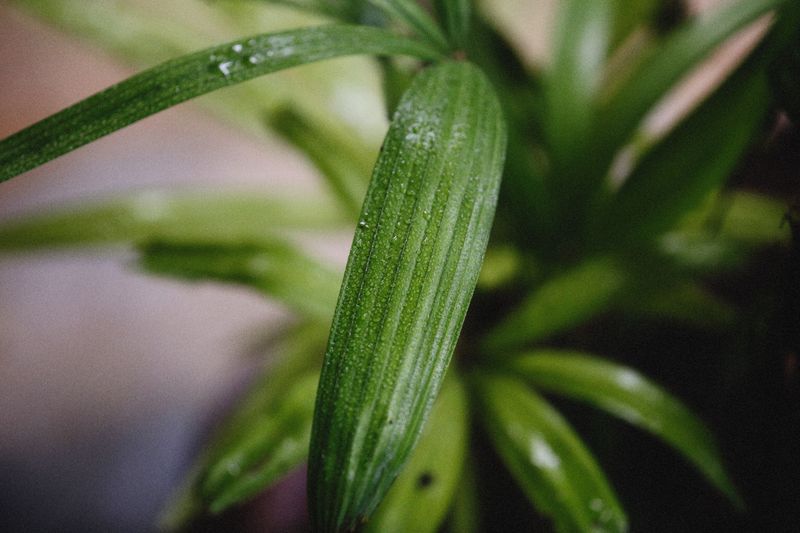
Thrips are slender, tiny pests that can hide in plain sight. Their small size makes them easy to miss until the damage starts showing up.
These insects are slender, dark, or straw-colored, and only about a millimeter long. They scrape leaf surfaces and sip the juices that leak out, almost like tiny lawnmowers.
The damage looks like silvery streaks or patches across leaves and petals. Look for tiny black dots nearby, which are actually thrips droppings left behind after feeding.
Flowers may open twisted or spotted, and new leaves can curl strangely. Thrips also spread certain plant viruses, so catching them early truly matters.
Blue sticky traps often attract thrips better than yellow ones, which surprises many gardeners. Hang one near your plant for a few days and check for slim, splinter-like insects.
Thrips often hide inside flower buds and tight leaf folds, so look carefully. Pinching off infested blooms removes many bugs at once, even if it feels a little sad.
Next, rinse foliage well and treat with insecticidal soap or neem oil. Use spinosad only if its label allows indoor use. Cover all surfaces, including bud tips and leaf undersides where they like to lurk.
Part of their life cycle happens in the soil, where young thrips change into adults. Scratching away the top layer of soil and replacing it can interrupt that stage.
Keep treating every five to seven days for about three weeks. Once fresh leaves come in smooth and green, you know your plant is recovering well.
8. Earwigs And Other Hiding Critters In Pots
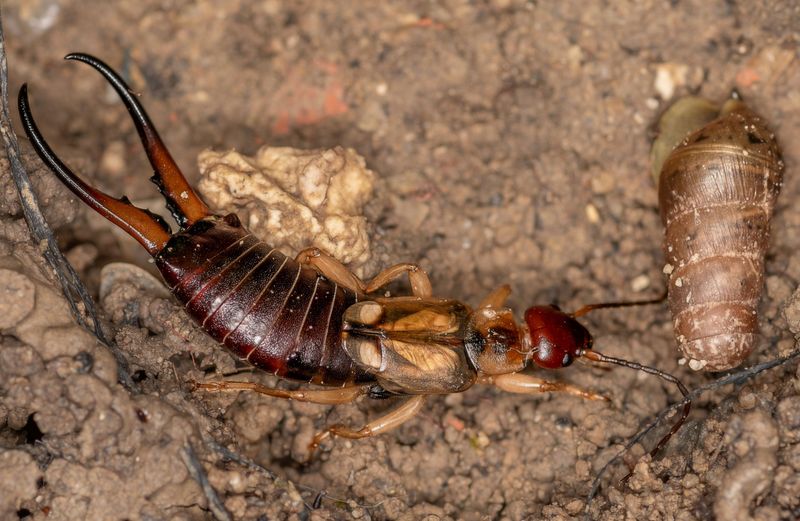
Lift a pot off the patio in October, and you might find a surprise party hiding underneath. Earwigs, with their rear pincers, love dark, damp spots like drainage holes and saucers.
Despite a persistent myth, earwigs do not crawl into human ears to lay eggs. Their pinch can still startle fingers, though.
Outdoors, they nibble on soft leaves, flower petals, and seedlings, leaving ragged holes behind. Indoors, they mostly become unwelcome visitors that are active at night.
Pill bugs, millipedes, slugs, and even tiny spiders also hide in pots over summer. Any of them can sneak into your home tucked inside the soil or under the rim.
Tip each pot sideways and peek into the drainage holes with a flashlight. Check saucers, cache pots, and the space between the pot and its base.
A simple soak test works well for bringing hidden critters to the surface. Skip it for cacti, succulents, and other drought-tolerant plants. Set the pot in a bucket of water for about fifteen minutes and watch bugs float up.
Scoop out anything that surfaces and drop it far from the house. Let the pot drain well afterward so the roots do not sit in soggy soil.
Scrub the outside of the pot and saucer with soapy water before moving it inside. A clean exterior removes eggs, slime trails, and any stragglers still clinging on.
Finally, set new arrivals near a bright window away from other houseplants for a short while. Your indoor plants will be far more likely to enjoy a healthy winter season.