Moles Or Voles? How To Tell Which One Is Tunneling Through Your New York Lawn
Earthworms can make up more than half of one lawn digger’s meals, and some studies put that share above 90 percent. Its neighbor in the soil skips worms entirely and chews on grass, roots, and tree bark instead.
So two small animals can leave tunnels in the same yard for opposite reasons. One is hunting. The other is grazing.
I love a good backyard mystery, and this one shows up in New York lawns every spring and fall. You step outside, feel the ground squish under your shoes, and spot raised lines or tiny trails winding through the grass.
Personally, I think the clues are half the fun. The shape of the dirt, the size of the holes, and even the plants nearby all point to one culprit.
Which one is leaving its signature in your yard this season?
Those Lawn Tunnels Have Two Very Different Diggers
Two backyard diggers cause most of the tunnel trouble in New York lawns, and they are not related at all. Moles belong to the same broad group as shrews.
Voles are rodents, closer cousins to mice and hamsters.
That difference matters more than you might expect. Moles are built to hunt underground, while voles mostly live and travel at the surface.
Their bodies, diets, and damage patterns follow those two lifestyles.
New York has three mole species, the Eastern mole, the hairy-tailed mole, and the star-nosed mole. The star-nosed mole wins the prize for weirdest face, with 22 pink fleshy tentacles ringing its nose.
Those tentacles help it feel for food at incredible speed.
On the vole side, the meadow vole and the pine vole are the two you are most likely to meet. Meadow voles love grassy areas and leave trails on top of the ground.
Pine voles spend more time below the surface and often target roots in gardens and orchards.
I find it helpful to keep one simple idea in mind from the start. A mole hunts for animals in the soil, and a vole eats plants.
Once you hold onto that, every other clue in your yard starts to make sense, from the shape of the dirt to the chewed stems near your shrubs.
Volcano Mounds And Squishy Ridges Point Straight To A Mole
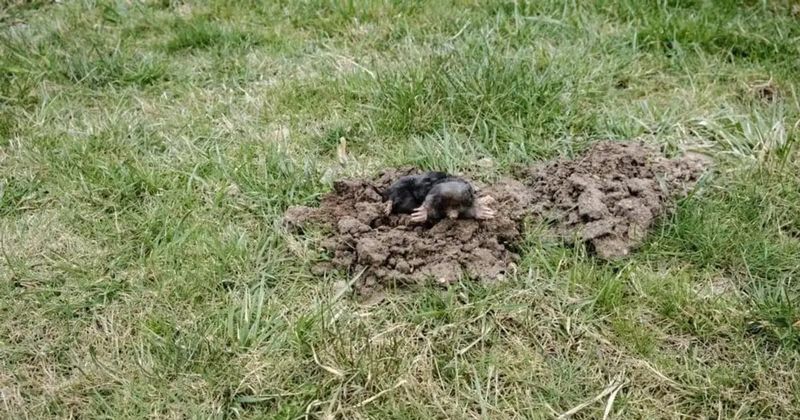
Walk across your grass and feel it sink like a soft mattress. That spongy feeling often means a mole has been foraging just below the surface.
The raised ridges it leaves behind can appear overnight.
Moles make two main signs. The first is those surface ridges, which are shallow hunting tunnels.
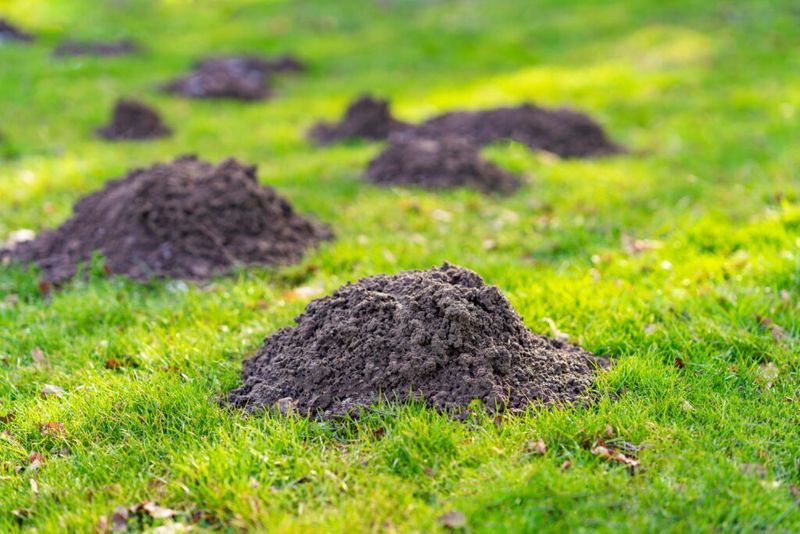
The second is the classic molehill, a cone-shaped pile of loose soil shaped a bit like a tiny volcano.
Molehills come from deeper tunnels. The mole pushes extra dirt up through a vertical shaft, so the mound usually has no open hole on top.
If you see a closed mound of crumbly soil, you are almost certainly looking at mole work.
Star-nosed moles sometimes build larger mounds, often 6 to 12 inches wide. They also like wetter soil, so you may notice them near ponds, streams, or soggy spots in the yard.
Your New York Garden Changes Every Week. Your Plan Should Too.
Gardening in New York changes quickly throughout the season. Every Friday you’ll receive a simple weekly plan showing exactly what to plant, prune, fertilize, harvest, and protect so you never miss the right timing.
Here is a quick tip I use. Press down a short section of ridge with your foot and check back the next day.
If it rises again, that tunnel is active, which helps a lot if you plan to set a trap or simply want to know where the busy zones are.
Grass above ridges may turn brown because roots lose contact with soil. That damage is accidental, since moles are not eating the grass.
Narrow Grass Runways Reveal A Busy Vole Highway
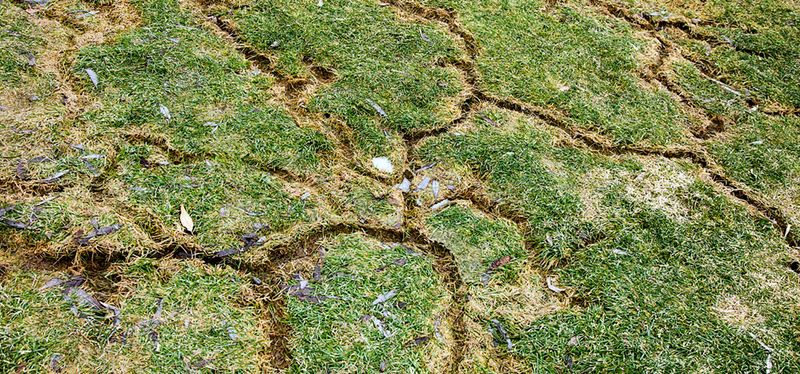
Late winter brings one of my favorite reveals in the yard. As the snow melts, a maze of skinny brown paths sometimes appears across the lawn.
Those squiggly lines are vole runways.
Meadow voles travel under the snow all winter, nibbling grass down to the crown as they go. When the cover finally melts, the trails are left in plain view.
They are usually about 1 to 2 inches wide and look worn smooth.
Look closely and you may find fresh grass clippings and tiny droppings along the path. Voles keep these runways tidy because they use them again and again.
They are basically small highways for running between food and shelter.
Vole holes are also different from mole signs. Burrow openings are open, round, and about 1.5 to 2 inches across.
There is no big pile of dirt around them.
Good news for your lawn is that much of this surface damage recovers once the grass starts growing in spring. A light raking to lift matted blades and a little overseeding in bare spots often does the trick.
I like to gently loosen runways with a leaf rake so the sun can warm the soil and the turf can fill back in quickly.
Paddle Feet Or Mouse Faces Make The Animals Easy To Tell Apart
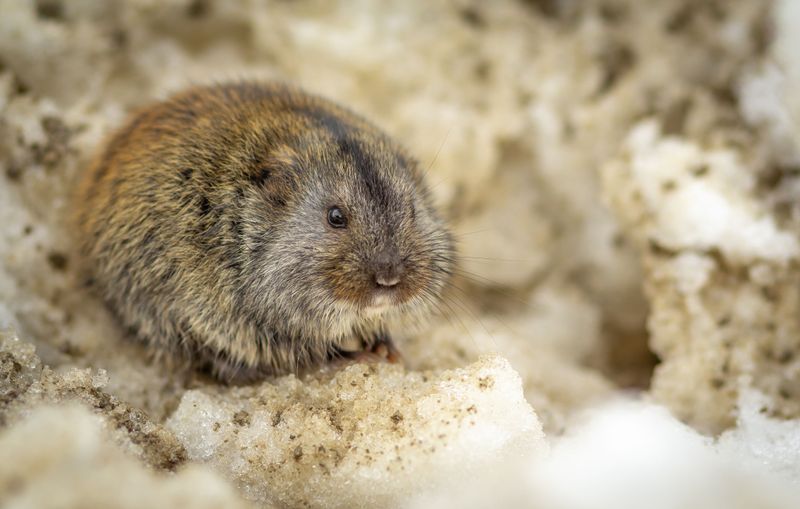
Catching a glimpse of the actual animal settles the question fast. Luckily, moles and voles look nothing alike once you know what to check.
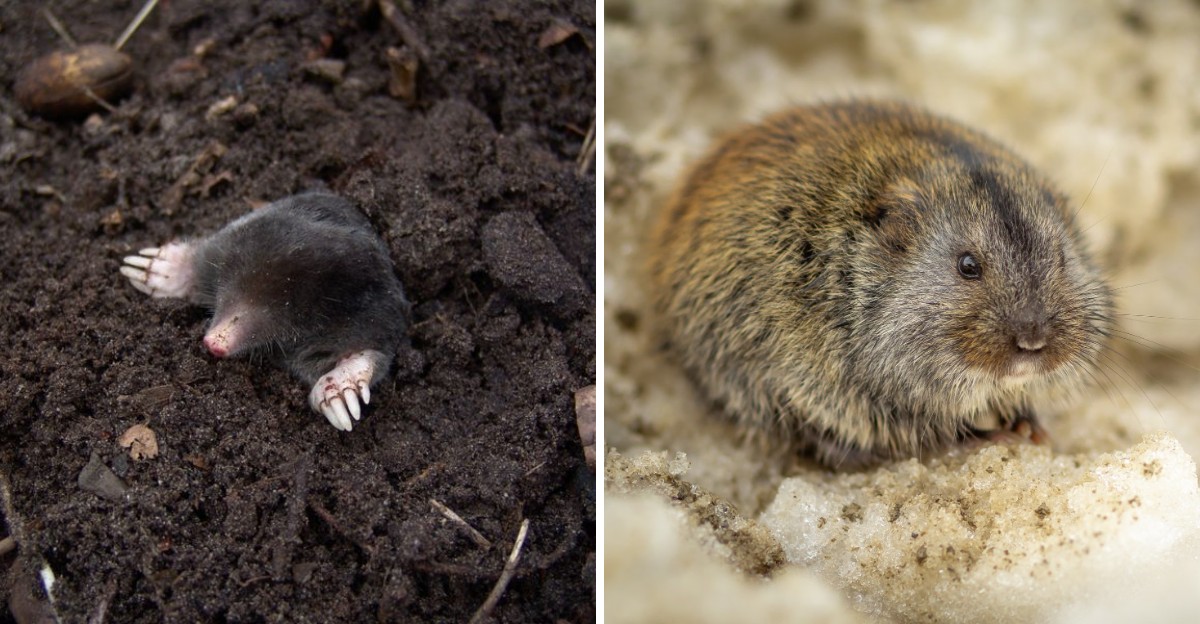
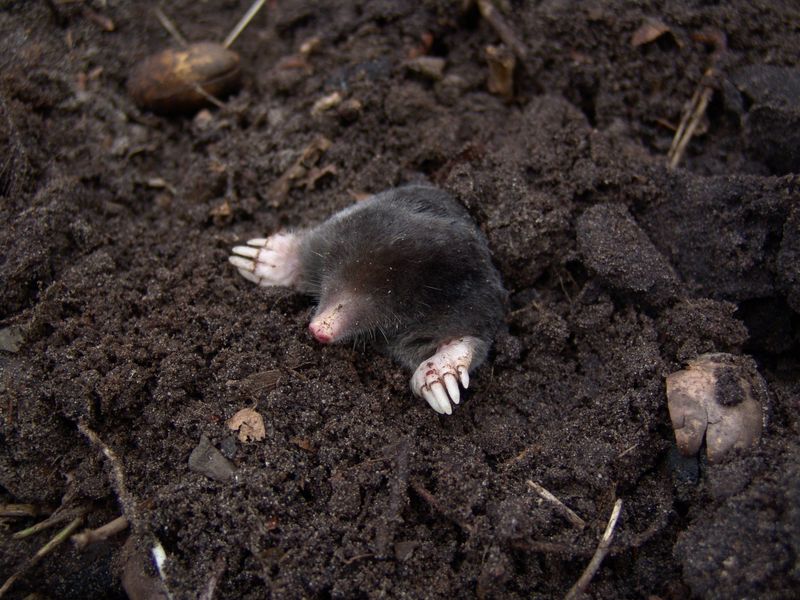
A mole has a long pointed snout, tiny eyes hidden in its fur, and no outer ears you can see. Its front feet are huge and shaped like paddles, with strong claws turned outward for swimming through soil.
The fur is short and velvety, and it brushes smoothly in either direction.
That two-way fur is a clever design. It lets a mole back up in a tunnel without its coat getting rubbed the wrong way.
Pretty smart for an animal that spends most of its life in the dark.
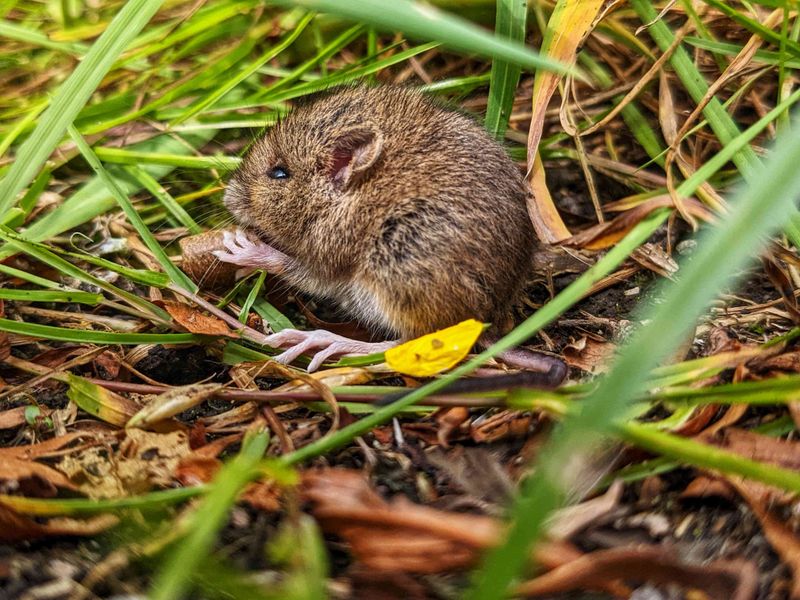
Voles look more like chubby mice. They have rounded bodies, blunt faces, small eyes, and little ears partly hidden in fur.
Their tails are short and hairy, and their feet are ordinary rodent feet built for running.
Size can trick you, since both are only a few inches long. Focus on the face and the front feet instead.
If you see bold digging claws, it is a mole. If you see a mousy face and normal paws, you have met a vole.
Your cat may even deliver one to the doorstep, which offers a rather close look.
Chewed Bulbs And Gnawed Shrub Bark Point To The Vegetarian
Missing tulips can feel like a betrayal after all that fall planting. Many gardeners blame moles first, but the evidence usually points elsewhere.
Moles do not eat bulbs, roots, or vegetables.
Voles do. They munch on grass, seeds, stems, roots, tubers, and bulbs.
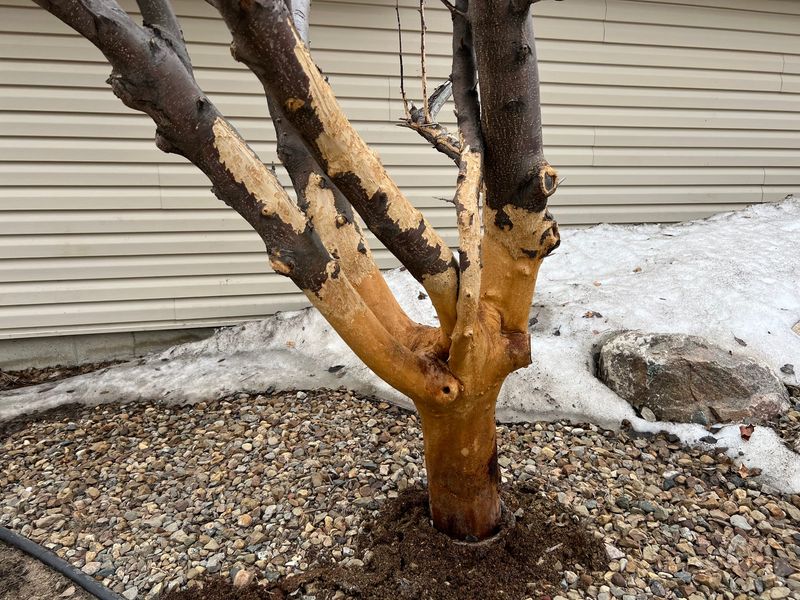
In fall and winter, they often turn to tree and shrub bark when other food gets scarce.
Bark feeding can be serious. When voles chew all the way around a trunk near the ground, it is called girdling.
That cut ring blocks the flow of water and nutrients, and young fruit trees, arborvitae, and ornamental shrubs can struggle or decline afterward.
Pine voles are especially sneaky because they feed underground on roots. A hosta or perennial might wobble and lift right out of the soil with almost no roots left.
That is a classic pine vole calling card.
So what about mole tunnels running near your plants? The plants may wilt because their roots were lifted or dried out by digging.
In those cases, voles sometimes borrow the old mole tunnels and do the actual chewing.
My rule of thumb is simple. Gnaw marks, tiny tooth grooves, or eaten roots mean a vole.
Pushed-up soil with intact plants means a mole.
Earthworms And Grubs Keep Moles Coming Back To Moist Lawns
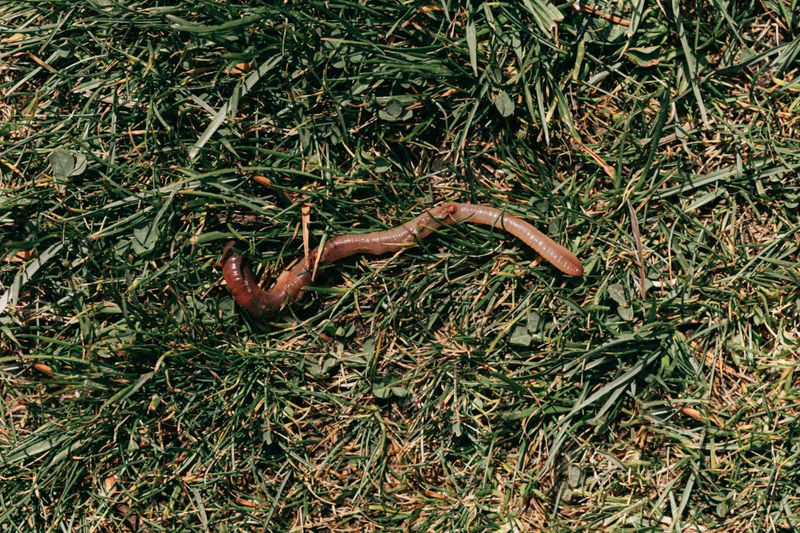
Healthy soil can actually invite moles. A yard packed with earthworms is basically an all-you-can-eat buffet for them.
Worms can make up 55 to 93 percent of what a mole eats.
Moles also snack on grubs, beetle larvae, and other soil creatures. They need to eat a lot, since digging takes a huge amount of energy.
A single mole may eat a large share of its body weight each day.
Many people try to stop moles by treating their lawn for grubs. That approach often disappoints.
Earthworms are still there, so the moles keep hunting even after grubs drop.
Timing also explains a lot. Moles stay active all year, but you will notice the most surface ridges during warm, wet weather in spring and fall.
After a soaking rain, worms move closer to the surface, and moles follow right behind them.
Summer heat and winter frost push worms deeper. Moles go down with them, so fresh ridges may seem to vanish for a while.
Here is a silver lining I like to remember. Moles loosen and aerate the soil as they dig.
They also eat some lawn pests. A few ridges might be more of an annoyance than a real threat to your yard.
New York Rules For Trapping Moles And Voles May Surprise You
Before you grab a trap, it helps to know where the law stands. In New York State, both moles and voles are listed as unprotected wildlife.
That means property owners can legally take them when they are damaging property or causing a nuisance.
There is one rule many people miss. You cannot release captured animals somewhere else, like a park or a field down the road.
Any trapped mole or vole must be let go on the same property or humanely put down.
The rule exists for good reasons. Moving wildlife can spread disease and simply hands the problem to someone else.
Relocated animals also tend to struggle in unfamiliar territory.
For moles, extension experts say properly placed traps work better than most home remedies. Set them on active ridges that you confirmed by stepping them down.
Scissor and harpoon style traps are common choices.
For voles, simple snap traps baited with apple slices or peanut butter work well. Place them across runways and cover them with a board or bucket to protect pets and birds.
Local town rules may add extra limits, especially about poisons. I suggest checking with your county Cornell Cooperative Extension office if you are unsure.
They give friendly, free advice.
Trim The Grass And Pull Back The Mulch To Send Voles Packing
Prevention beats chasing critters around the yard every weekend. For voles, the best defense is taking away their hiding spots.
They feel safe only when they are covered.
Keep grass mowed short, especially in fall before snow arrives. Pull mulch back a few inches from tree trunks and shrub stems.
Thick ground covers, tall weeds, and piles of brush near the garden all give voles a cozy shelter.
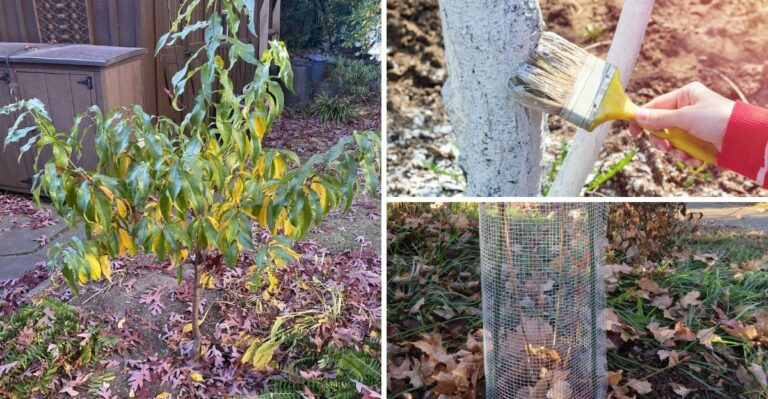
Young trees deserve extra protection. Wrap the base with a cylinder of quarter-inch hardware cloth, burying it a few inches into the soil.
Make it tall enough to stay above your usual snow line, which can be deep in upstate areas.
For bulbs, try planting them inside wire cages or choosing types voles tend to skip, like daffodils and alliums. Repellents with castor oil can help a bit, though results vary.
Moles are harder to discourage since they follow food underground. Trapping in active tunnels remains the most reliable option.
Some gardeners simply learn to live with them and rake the mounds flat.
My biggest takeaway is to read the clues first. Once you know whether a mole or a vole is at work, you can pick the right fix and save yourself time, money, and plenty of frustration.