These Winter Birds In Your Florida Yard Mean You’re Doing Everything Right
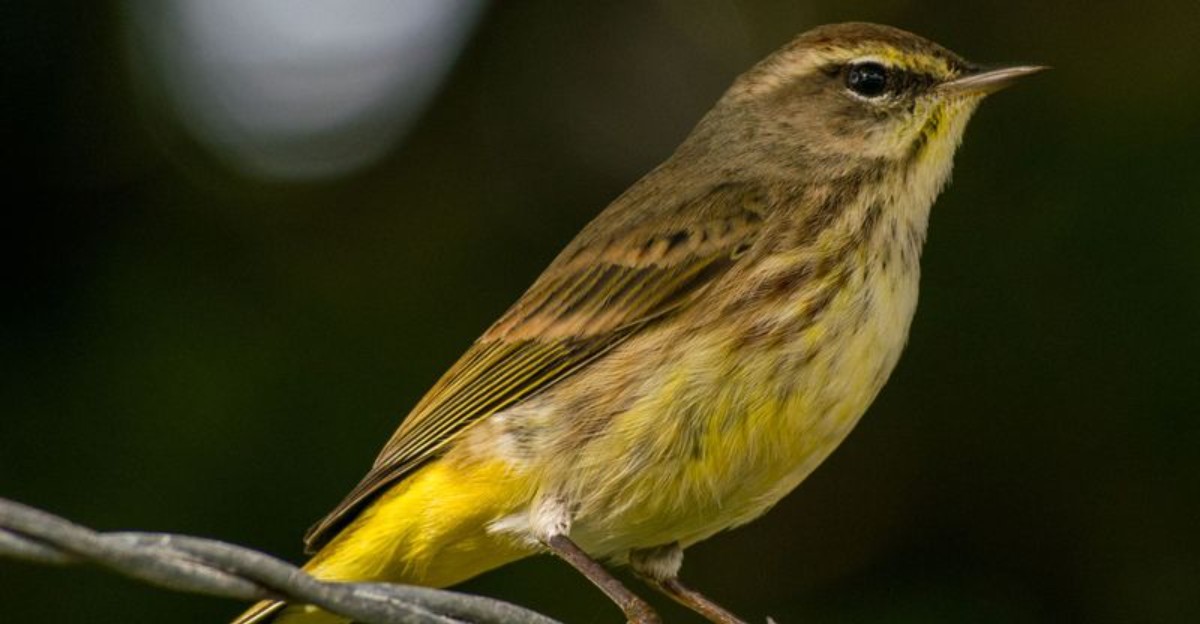
A tiny bird weighing less than two quarters may fly from a Canadian bog all the way to your backyard. That trip can cover well over a thousand miles, and many of these travelers finish it in October.
Florida gets a wave of feathered snowbirds every fall, and they are surprisingly picky about where they settle. They look for native berries and thick shrubs before deciding which yards deserve a long winter stay.
I love how a yard tells on its owner, because the birds that show up reveal what you planted. You might notice certain visitors returning to the same shrub each morning, like regulars at a favorite diner.
Personally, I treat these winter guests like a report card for my Florida garden and its habits. Which birds are giving your garden a passing grade, and what small changes will invite them back next year?
1. Palm Warbler Pumps Its Tail Across The Lawn
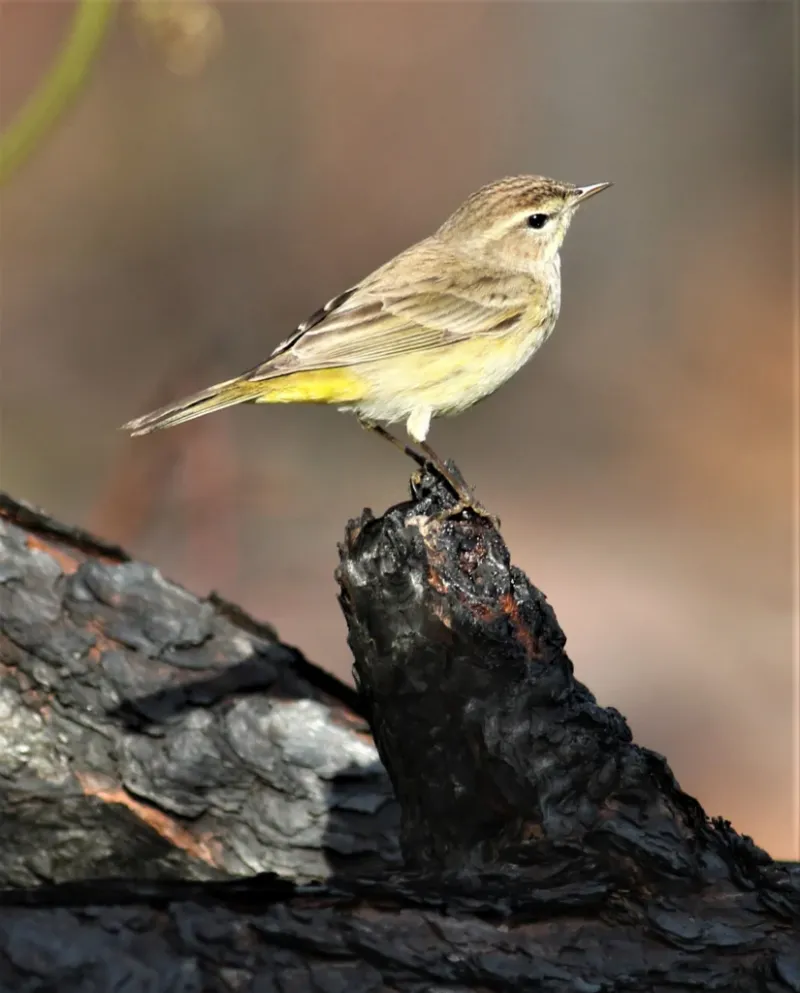
Few birds bob their tails as nonstop as the palm warbler, which pumps it up and down while hopping. I find that little wag oddly charming, like a nervous dancer who cannot stand still on the grass.
Despite the name, this warbler does not rely on palm trees and nests mostly in northern bogs of Canada. Its name came from a specimen collected on a Caribbean island where palms happened to grow nearby.
In winter it looks plain brown with a soft eyebrow stripe, though bright yellow shows under the tail. You will often spot it walking on lawns and sidewalks instead of perching high up in tall trees.
Seeing one usually means your yard offers plenty of insects, which suggests you are easing up on pesticides. Small beetles and caterpillars form most of its diet, along with a handful of berries now and then.
You can help by leaving some leaf litter under shrubs, since insects hide there through the cooler months. A tidy lawn is nice, but a messy corner gives these busy foragers a reliable buffet all season.
Low native shrubs such as wax myrtle and coontie offer quick cover when a hawk passes overhead. October is a smart time to plant them because cooler weather helps new roots settle in with less stress.
Keep an eye out this month, because the first palm warblers usually reach the state in early fall. Once one shows up wagging on your lawn, you can smile knowing your yard passed an important test.
2. Yellow-Rumped Warbler Feasts On Wax Myrtle Berries
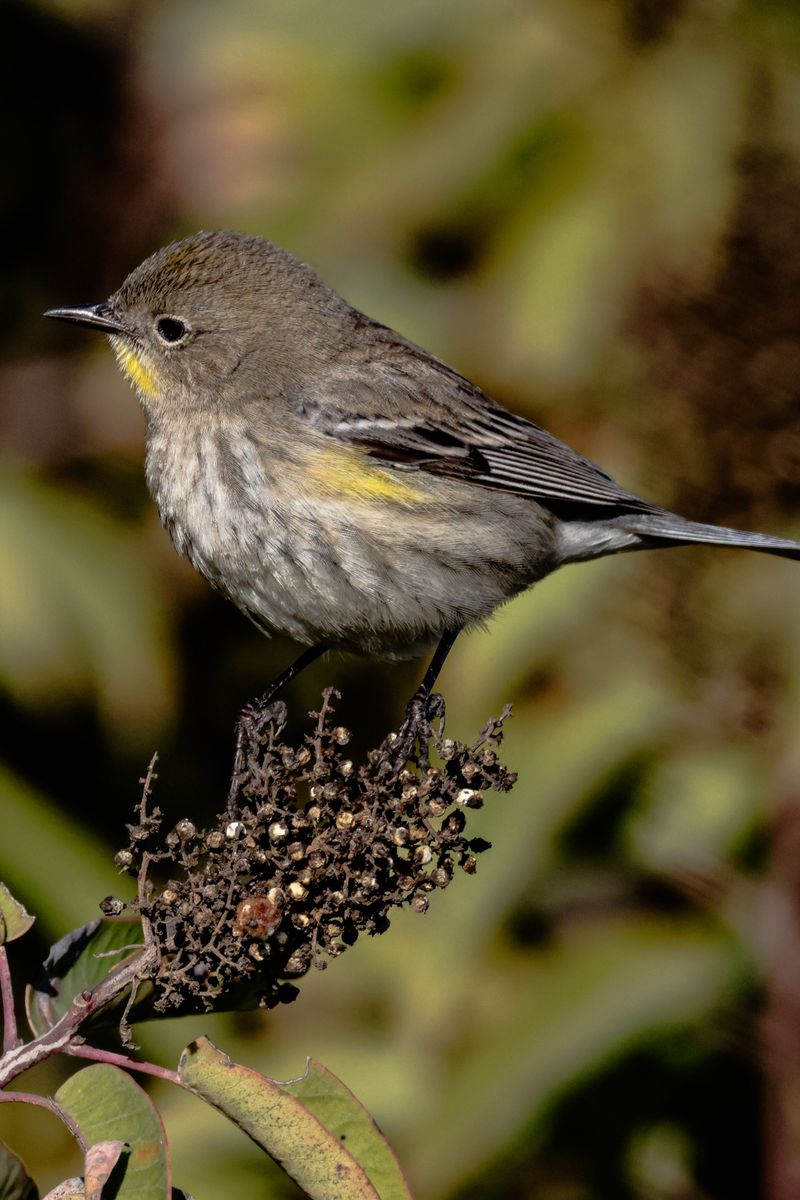
Birders lovingly call this bird the butter butt, thanks to a bright yellow patch right above its tail. I giggle every time I see that sunny flash as one darts between branches on a chilly morning.
Yellow-rumped warblers often rank among the most numerous winter warblers across much of Florida from fall into spring. Their winter feathers look grayish brown, yet small yellow patches near the wings and rump give them away.
What makes them special is a rare talent for digesting waxy berries that most other warblers cannot use well. That skill lets them stay farther north in winter than their cousins, surviving when insects grow scarce.
Your Florida Garden Changes Every Week. Your Plan Should Too.
Gardening in Florida changes quickly throughout the season. Every Friday you’ll receive a simple weekly plan showing exactly what to plant, prune, fertilize, harvest, and protect so you never miss the right timing.
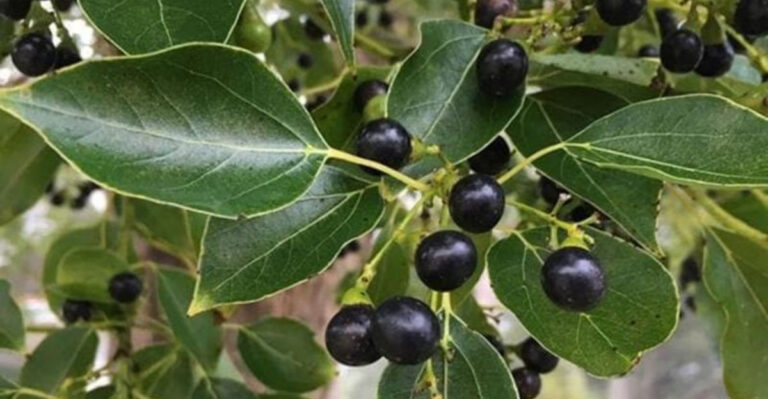
Wax myrtle is their top pick, and its pale blue berries can feed them through the whole season. Planting a few of these tough native shrubs may be the smartest move a bird-loving gardener can make.
Wax myrtle handles sandy soil and salty breezes, so it suits coastal yards as well as inland gardens. Female plants produce the berries, so buy from a nursery that can tell you which plants will fruit.
Southern red cedar berries also attract them, and they happily snatch insects from bark and flowering trees too. You might even see them flutter out from a branch to catch a gnat in midair like a flycatcher.
If you spotted a flock of these warblers in your yard last winter, your shrubs are clearly doing their job. Add one or two more berry plants this October, and you could host an even bigger crowd soon.
3. Cedar Waxwing Flocks Strip Berry Bushes Fast
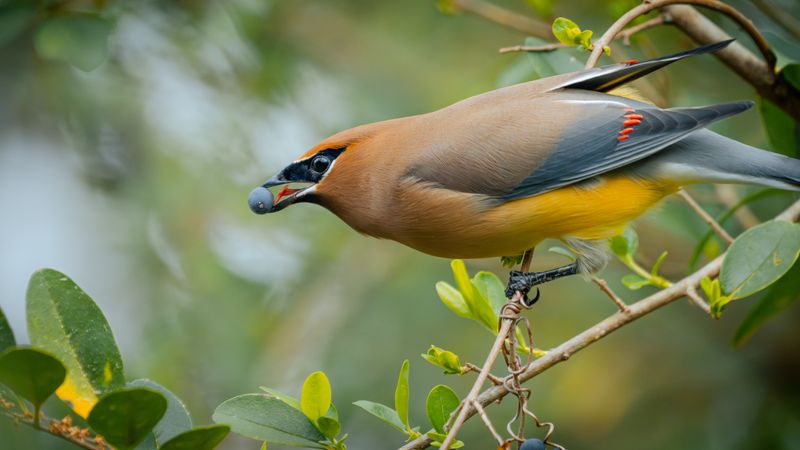
A cedar waxwing looks like it just left a fancy salon, with a silky crest and a black mask. Some of the inner wing feathers even carry tiny red waxy tips, which look like drops of sealing wax on an old letter.
These sleek birds travel in tight flocks, sometimes dozens strong, and they can empty a holly bush in minutes. Personally, I think watching them pass berries beak to beak is one of the sweetest sights of winter.
Waxwings tend to arrive later than other winter visitors, often showing up in December and lingering into spring. Their timing depends on food supplies up north, so some years bring huge flocks while others bring just a few.
Fruit makes up most of their diet in winter, which is why berry-heavy yards attract them so strongly. Native yaupon holly and southern red cedar are excellent choices because they hold fruit well into the cool months.
Remember that hollies also need male and female plants nearby for the female shrubs to produce bright red berries. October is a fine time to plant, giving roots several cooler months to grow before next summer’s heat.
Waxwings also love a shallow birdbath, and flocks often drop in together for a noisy splash and drink. Keep the water fresh and clean every few days, since a crowd of birds can dirty it quickly.
When a waxwing flock chooses your yard, it means your plants are offering a feast worth the stop. Few compliments in gardening feel better than a crowd of masked visitors gobbling up the berries you planted.
4. Gray Catbird Mews From Thick Garden Shrubs
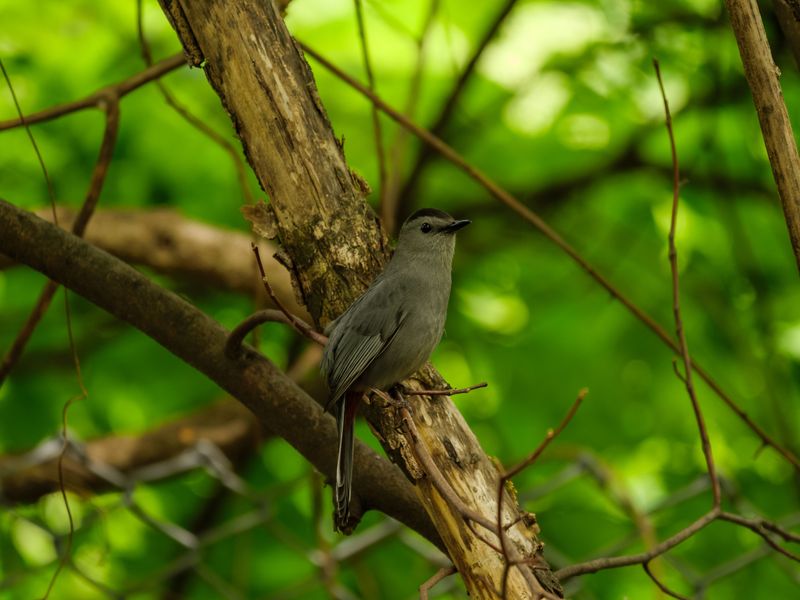
If a bush in your yard suddenly meows at you, do not go looking for a lost kitten. That whiny mew most likely belongs to a gray catbird hiding deep inside the leaves and watching you closely.
Catbirds are slate gray with a neat black cap and a rusty patch under the tail feathers. They are also talented mimics, stringing together long songs filled with sounds borrowed from other birds and even frogs.
Many catbirds spend the winter months in Florida, arriving around October and heading north again by late spring. Some may stay in the northern part of the state year-round, but winter brings a big wave of newcomers.
I have to admit these birds can be shy, preferring to skulk through tangles rather than sit out in the open. Dense native shrubs like Simpson’s stopper and firebush give them safe places to hide and forage for food.
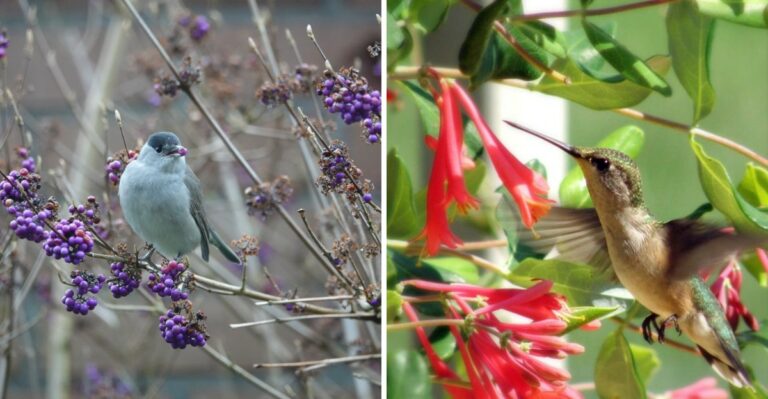
Their winter menu mixes insects with fruit, so plants that produce berries in the cool months are very helpful. American beautyberry holds its purple clusters into fall, and Walter’s viburnum offers dark fruit that catbirds enjoy.
Try leaving one corner of your yard a little wild, with thick growth that is not trimmed into neat shapes. Heavy pruning in October removes the cover these birds need, so save major shaping for late winter instead.
Hearing a catbird chatter from your hedge means you have built real shelter, not just a pretty landscape. That kind of layered garden supports many other creatures too, from lizards to helpful insects that eat pests.
5. American Robins Gather On Winter Lawns
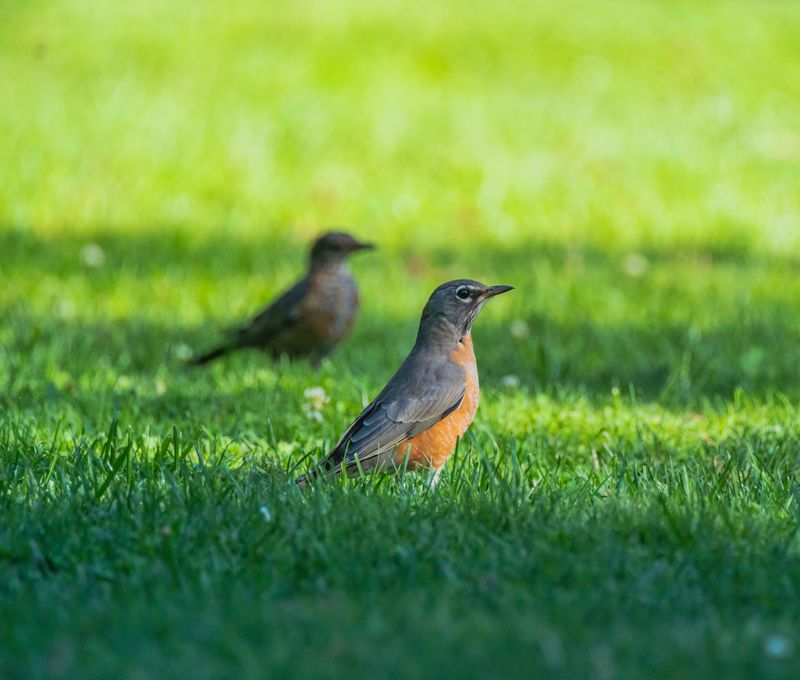
Most people link robins with spring, so seeing a crowd of them on your lawn in January feels backwards. Northern visitors join local robins each winter, and flocks of dozens or even hundreds can pour into neighborhoods.
The bright orange breast and gray back make robins easy to recognize, even for people new to birding. Males usually show darker heads and richer colors, while females look a bit paler and softer in tone.
In warm months robins tug earthworms from damp soil, but winter flocks lean heavily on fruit and berries instead. That change explains why you rarely see them at seed feeders, no matter how fancy the seed mix is.
Cabbage palms are a robin favorite, and their small black fruits can draw big flocks to a single tree. You might notice them gulping berries from hollies and wild cherry too, then resting in nearby branches to digest.
I believe an open patch of lawn helps as well, because robins like to forage on the ground in groups. Skipping chemical treatments keeps soil insects plentiful for robins that still hunt bugs between berry meals.
Water matters too, since robins drink and bathe often, even during cool spells when puddles are hard to find. A wide, shallow birdbath set near shrubs gives them a quick escape route if a cat creeps close.
When robins flood your yard this winter, take it as proof that your trees and lawn are working together. Plant another cabbage palm or holly this fall, and future flocks will have even more reason to visit.
6. Ruby-Crowned Kinglet Flicks Its Wings In Shrubs
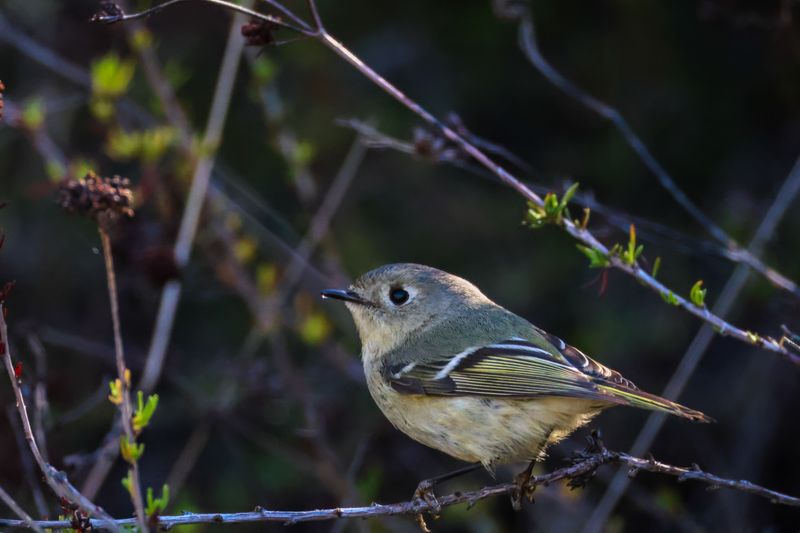
Weighing about as much as two pennies, the ruby-crowned kinglet is one of the smallest songbirds you will meet. It moves like a wind-up toy, flicking its wings constantly while it hops through branches searching for food.
The famous red crown rarely shows, since males raise it only when excited or arguing with a rival bird. Most of the time you will see an olive-green bird with a white eye ring and pale wing bars.
These tiny travelers arrive in fall from northern forests and spend the cooler months across much of the Southeast. I love how fearless they seem, often feeding just a few feet from people working quietly in the garden.
Kinglets eat mostly tiny insects and spiders, plucking them from leaves and the undersides of thin branches. They sometimes nibble small berries too, but bugs make up the heart of their winter diet.
Their presence suggests your plants support healthy insect life, which happens when you limit spraying in the yard. Native oaks host huge numbers of small insects, making them some of the best trees for winter warbler flocks.
Watch for kinglets traveling with warblers and titmice in mixed groups that sweep through the trees together. Joining a crowd helps each bird spot danger faster while covering more ground in search of tiny meals.
If you hear a scolding chatter from a live oak this winter, look closely for a flickering green speck. Spotting one means your trees are full of life, and that is a gardener’s quiet victory.
7. American Goldfinches Visit Winter Seed Feeders
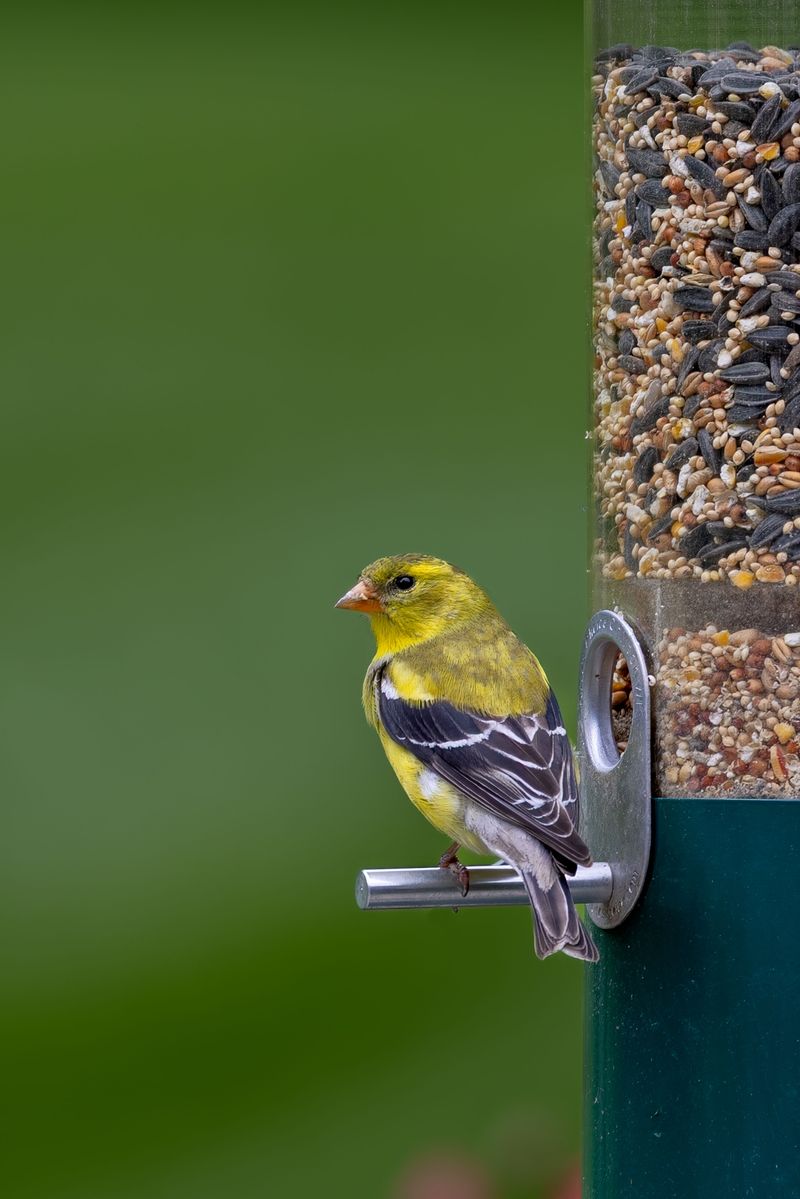
Goldfinches in winter look nothing like the lemon-yellow birds on greeting cards, which surprises plenty of new birdwatchers. Their cold-season outfit is a soft olive-brown with dark wings, so they blend right in with dry seed heads.
In Florida, goldfinches are mostly winter visitors, especially in the northern and central parts of the state. They usually arrive later in fall and stay through early spring, often traveling in chatty little flocks.
These finches eat almost nothing but seeds, which is unusual among songbirds that often feed insects to their young. Their small, pointed beaks are perfect for plucking seeds from flowers like coneflowers and native sunflowers.
You need to resist cutting back every faded bloom this fall, because seed heads left standing become winter food. Native tickseed and blanketflower are easy choices that set plenty of seeds for hungry finches later in the season.
Feeders help too, and goldfinches love nyjer seed or hulled sunflower chips served in a tube feeder. Clean feeders every couple of weeks, since moldy seed and crowding can spread illness among visiting flocks.
Personally, I enjoy watching them hang upside down on seed heads, swinging like tiny acrobats in the breeze. By late winter, some males start showing patches of yellow again as their spring colors slowly return.
A busy flock at your feeder shows you planned ahead with seeds and safe perches near cover. That kind of thoughtful gardening is exactly what makes your yard a winter favorite for these little finches.
Each of these visitors is a small sign that your garden is giving back more than it takes. Keep the natives coming and the pesticides away, and your backyard will stay a winter favorite for years to come.