More Paper Wasps Under Your Texas Eaves Means Fewer Caterpillars In Your Garden
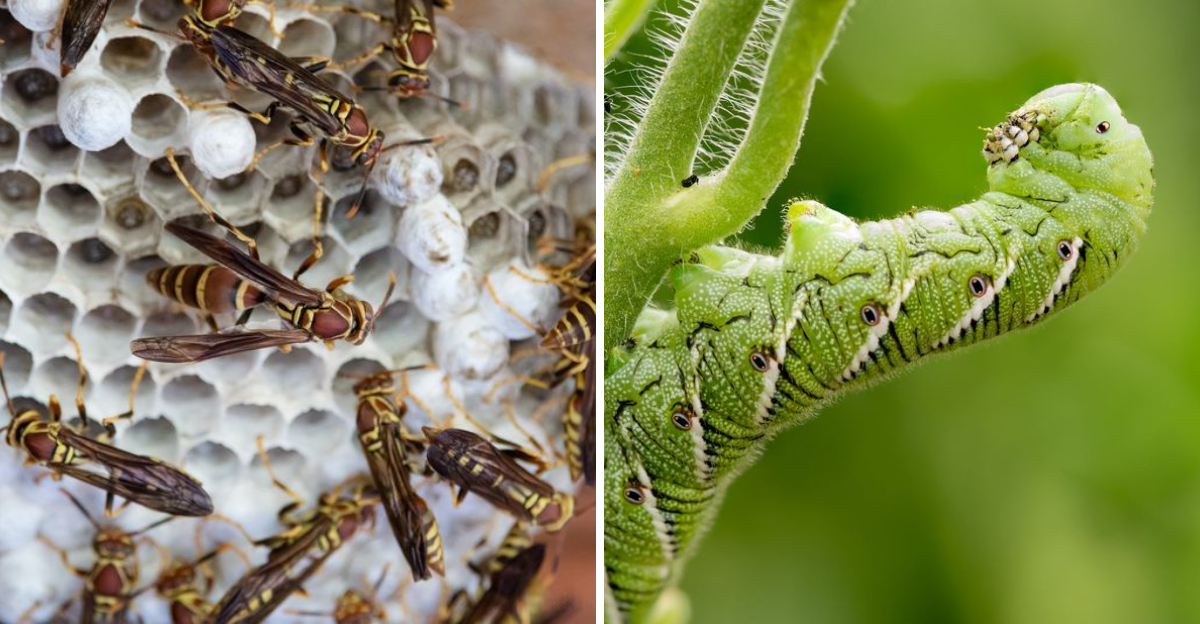
Most Texas homeowners spot a paper wasp nest under their eaves and immediately start thinking about removal. The instinct is understandable.
Wasps and nests feel like a problem waiting to happen, especially when they’re close to entry points and outdoor living spaces.
But before you reach for the spray, there’s something worth knowing about what those paper wasps are actually doing for your garden. Paper wasps are extraordinary caterpillar hunters.
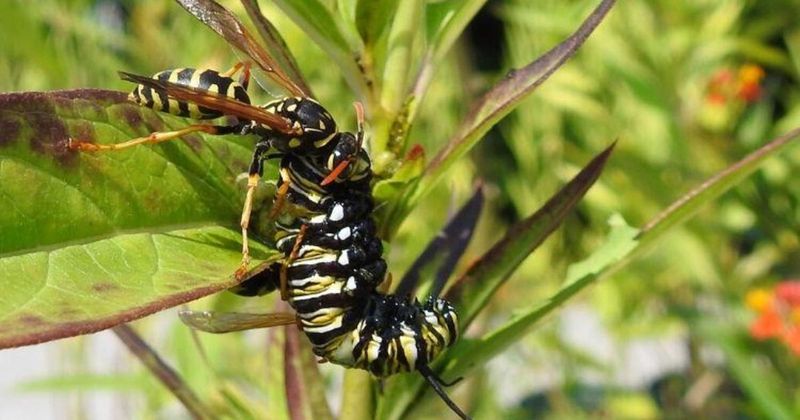
They actively search garden plants for caterpillars and soft bodied larvae, paralyze them, and carry them back to the nest as food for developing young.
A colony of paper wasps hunting your garden regularly can consume an impressive number of pest caterpillars through the season, providing a level of natural pest control that is difficult to replicate with any spray or intervention.
That nest under your eaves is not just a hazard. It’s a hunting base positioned right above your garden.
Here’s what paper wasps are actually doing for your Texas garden and how to think more carefully about whether removal is really the right call.
1. Paper Wasps Hunt Caterpillars Instead Of Eating Your Plants
Walk through a Texas garden on a warm afternoon and you might notice a paper wasp crawling slowly along a tomato stem. It is not there to munch on your plants.
Paper wasps are predators, and they are scanning every leaf and branch for soft-bodied prey like caterpillars.
Unlike caterpillars, paper wasps do not chew holes in your leaves or strip your flowers. They are on a mission to find insects, not salad.
Worker wasps move methodically through garden plants, checking the undersides of leaves where caterpillars love to hide. They are surprisingly thorough hunters.
Texas is home to several paper wasp species, including the red wasp and the golden polistes. Both are common around homes and gardens throughout the state.
These species are well adapted to the Texas heat and tend to build nests close to areas where insects are plentiful, which often means right near your vegetable beds.
Having paper wasps patrol your garden is a bit like having a small, unpaid pest-control crew on the job. They do not clock out at noon.
Workers forage throughout the day, repeatedly checking plants for prey. Over a full growing season, that kind of consistent hunting can noticeably reduce the number of caterpillars you find chewing through your crops.
Gardeners who learn to recognize paper wasps often feel more relaxed about their presence. These insects rarely sting unless their nest is threatened.
Watching them work the garden is actually a sign that your yard supports a healthy, functioning food web.
2. Growing Wasp Larvae Create The Demand For Constant Hunting
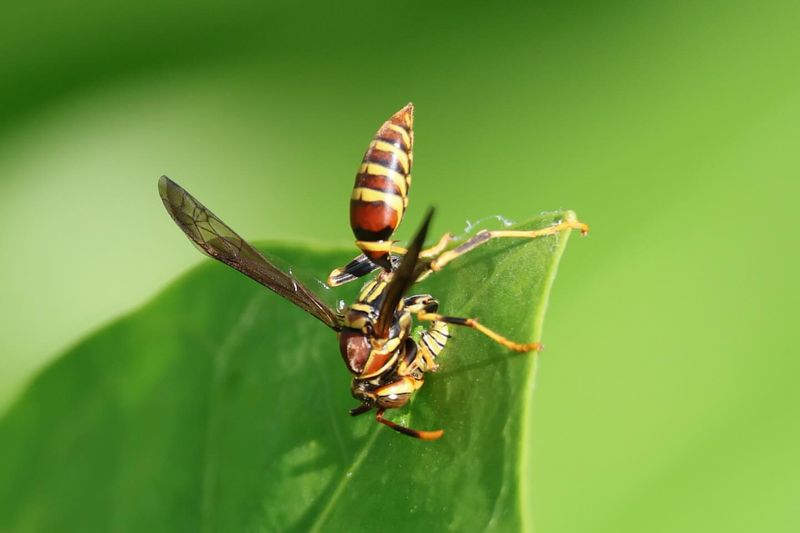
Here is something most people never think about: adult paper wasps do not actually eat caterpillars themselves. The grown wasps fuel up on nectar, honeydew, and other sugary liquids.
So why are they hunting at all? The answer is their larvae, and those babies are always hungry.
Wasp larvae need protein to grow. Adult workers capture caterpillars and other soft insects, chew them into a paste, and carry that protein-packed meal back to the nest.
Your Texas Garden Changes Every Week. Your Plan Should Too.
Gardening in Texas changes quickly throughout the season. Every Friday you’ll receive a simple weekly plan showing exactly what to plant, prune, fertilize, harvest, and protect so you never miss the right timing.
It is a bit like making a packed lunch, except the ingredients are still wriggling when the process starts.
As summer rolls on, a paper wasp colony grows steadily. A small nest that starts with just a handful of workers in spring can support dozens of adults by midsummer.
More larvae in the nest means more mouths to feed. More mouths to feed means more hunting trips into your garden.
This growth cycle lines up almost perfectly with the time of year when caterpillar populations also peak in Texas gardens. Hornworm season, armyworm season, and looper season all overlap with the period when wasp colonies are at their busiest.
That timing is not a coincidence. It reflects how predator and prey populations naturally rise and fall together.
Understanding this larval demand helps explain why paper wasps seem especially active during the hottest months. They are not being aggressive without reason.
They are responding to the constant nutritional needs of a growing nest full of developing young. Every caterpillar they capture goes directly toward feeding the next generation of the colony.
3. Hornworms, Loopers And Earworms Can Become Wasp Prey
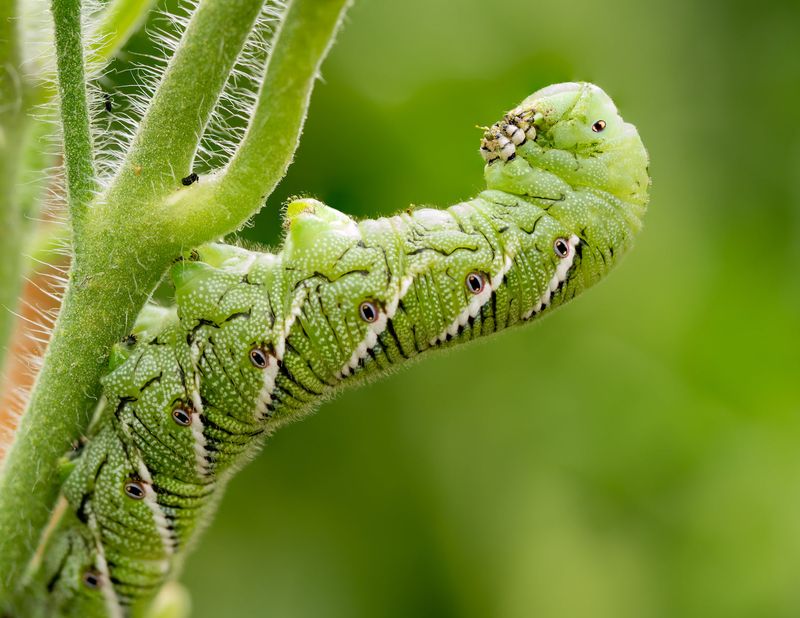
Tomato hornworms are the stuff of gardening nightmares. These fat, green caterpillars can strip a tomato plant down to bare stems in just a couple of days.
Finding one feels like discovering a tiny disaster. Luckily, paper wasps have a well-documented appetite for exactly these kinds of pests.
Research and field observations confirm that Texas paper wasps hunt tomato hornworms, cabbage loopers, corn earworms, and armyworms. These are some of the most destructive caterpillars that Texas gardeners deal with every single season.
Having wasps on patrol creates a natural check on these populations before they get out of hand.
Beyond caterpillars, paper wasps also collect beetle larvae, small flies, and other soft arthropods. They are not picky when the nest needs feeding.
Their broad diet makes them useful generalist predators across a wide range of garden pest problems.
That said, it is important to keep expectations realistic. Paper wasps reduce pest numbers. They do not eliminate them completely. A large hornworm infestation will still need your attention even if wasps are active nearby.
Think of wasp hunting as one helpful layer of protection, not the only layer you need. Fun fact: paper wasps have been observed targeting caterpillars that are already partially hidden inside corn ears.
They are persistent hunters that work in spots most gardeners cannot even see. Their ability to locate hidden prey makes them especially valuable in dense plantings where caterpillars tend to go unnoticed until serious damage has already been done to the crop.
4. An Eave Nest Places The Hunters Close To Your Garden
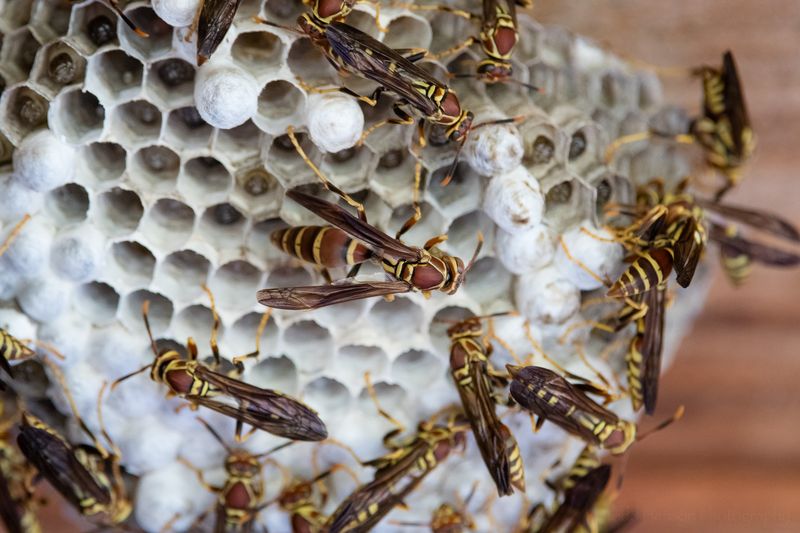
Paper wasps are picky about where they build. They prefer sheltered spots that stay dry and protected from direct weather.
That is exactly why the eaves and porch ceilings of Texas homes are such popular real estate for these insects. A well-chosen eave spot keeps the nest safe from rain and baking afternoon sun.
When a colony sets up under an eave near your vegetable garden, the workers do not have far to travel. Foraging trips are short and frequent.
A nest positioned just twenty or thirty feet from your tomato beds can mean dozens of hunting runs through those plants every single day throughout the season.
This proximity matters a lot. Predators that nest close to a food source tend to be more effective at reducing pest populations in that area.
Paper wasps are no different. The closer the nest is to your garden, the more consistently those plants get patrolled by hungry workers looking for caterpillars to bring home.
However, no one can promise you a specific result. There is no reliable formula that says two nests under your eave will eliminate a certain percentage of your caterpillar problem.
Real gardens are complicated ecosystems. Wasp hunting is one helpful input among many, not a guaranteed outcome.
Still, the location advantage is real. A nest under a porch eave facing a garden bed is essentially a pest-control station that refills itself automatically every morning.
Workers emerge, fan out across your plants, hunt what they find, and return to the nest repeatedly. That daily routine adds up to meaningful pressure on local caterpillar populations across an entire growing season.
5. Their Hunting Is Helpful But It Is Not Selective
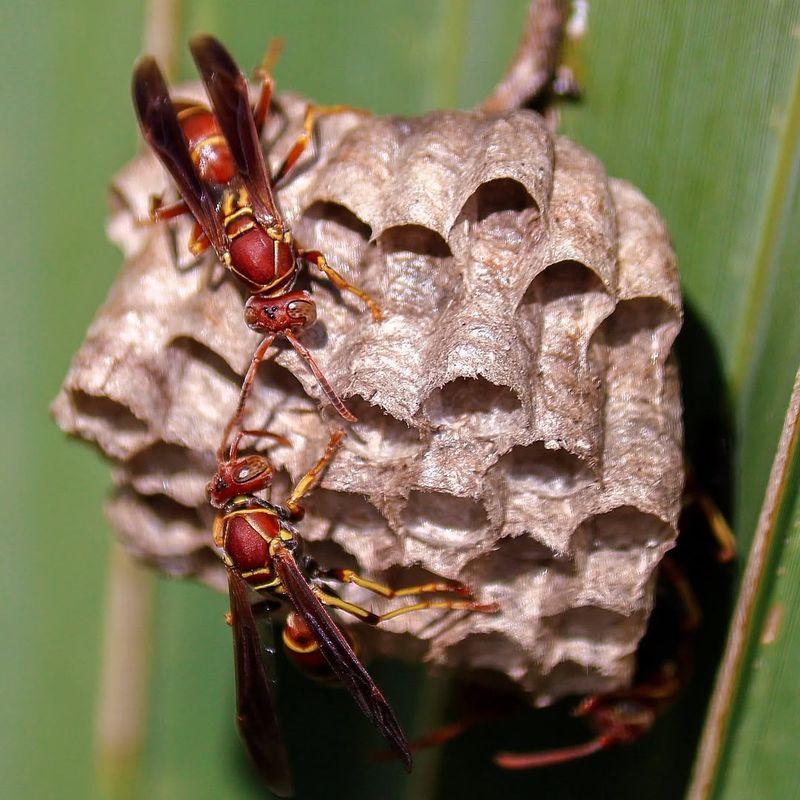
Paper wasps are effective hunters, but they are not guided by a rulebook. They cannot tell the difference between a tomato hornworm that is destroying your crop and a swallowtail caterpillar that would have become a beautiful butterfly in your garden.
To a foraging wasp, a caterpillar is simply protein. Gardeners who are actively trying to support butterflies and native moths need to keep this in mind.
If you are raising milkweed for monarch caterpillars or planting fennel to attract black swallowtails, paper wasps nearby could potentially interfere with those efforts. Their hunting is broad and opportunistic, not targeted at only the bad actors.
This does not make paper wasps villains. Every predator in a healthy food web takes some prey that humans might prefer to protect. Hawks catch songbirds sometimes. Spiders trap pollinators.
That is simply how ecosystems function. Paper wasps are part of a larger, balanced system that includes plants, prey insects, predators, and pollinators all interacting together.
The takeaway for gardeners is nuance. Celebrate paper wasps for the pest control they provide, but do not treat them as universally helpful to every single creature in your yard.
If butterfly gardening is a priority, be thoughtful about how many wasp nests you tolerate right next to your caterpillar host plants.
Balance is the right word for it. A yard with paper wasps, diverse plantings, and multiple insect species is a healthy yard.
Leaning too hard on any one predator or trying to protect every insect equally can lead to frustration. Work with the natural system and accept that some trade-offs are simply part of gardening in Texas.
6. Leave Safe Nests Alone But Treat High-Risk Locations Seriously
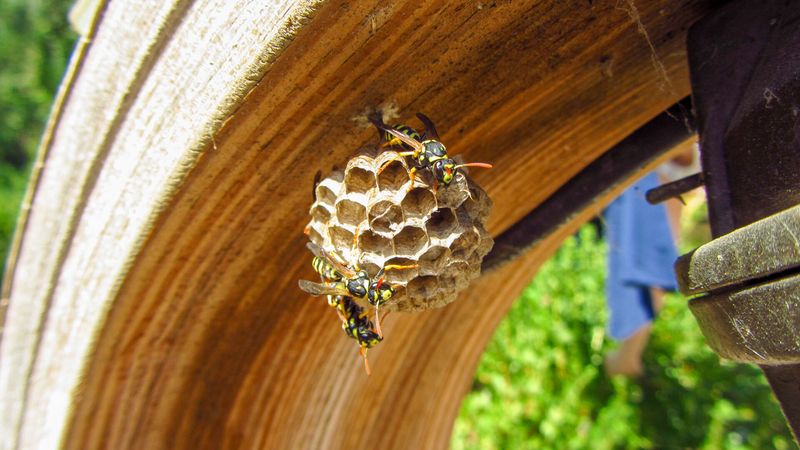
Not every paper wasp nest deserves the same response. An out-of-the-way nest tucked under a back eave far from foot traffic is a very different situation from a nest hanging directly above your front door.
Location matters enormously when you are deciding what to do. A nest in a low-traffic spot can often be left alone without any real risk. Paper wasps are not aggressive by nature.
They defend their nest when they feel threatened, but a colony that no one disturbs will typically go about its business peacefully all season. By late fall or early winter, cool Texas temperatures will cause the annual colony to end naturally, and the nest will be abandoned.
High-risk locations are a different matter entirely. A nest above a doorway, beside a play area, near a frequently used patio, or over a garden workspace creates real sting hazards.
Paper wasps can sting multiple times when provoked, and repeated stings in a short period can be serious for anyone.
For people with known sting allergies, even a distant nest is worth taking seriously. Allergic reactions to wasp stings can escalate quickly.
Keeping distance from any active nest is the safest approach, and calling a licensed pest-management professional for removal is the right call when the risk is real.
Do not try to remove an active nest on your own without proper protection. Disturbing a colony can trigger a defensive response from dozens of workers at once.
Professionals have the right equipment and training to handle removal safely. Protecting your family and your health always comes before protecting a nest, no matter how helpful those wasps might be to your garden.