Where Chiggers Hide In Maryland Yards And How They Differ From Ticks
Itching seems to spread across your ankles before you even notice anything. Chiggers move fast, hide well, and disappear without a trace.
Blame usually falls squarely on ticks, yet that assumption misleads you completely. Maryland’s humid, shaded corners create a breeding ground for both pests.
Larvae, not adults, cause chigger bites, unlike a tick’s long life cycle. Ticks attach and remain in place for days, feeding slowly. These pests bite, release enzymes, then disappear before you notice anything.
Overgrown grass, damp soil, and thick brush quietly attract both creatures relentlessly. Humidity across Maryland practically guarantees an encounter every summer.
Recognizing their differences changes how you protect yourself outdoors. Symptoms differ widely, timing differs, and hiding spots differ even more.
Understanding exactly where each pest lurks could save your entire season. You shouldn’t dismiss these bites as random misfortune. Every hiding spot matters, and overlooking even the smallest clue changes everything.
Tall Grass And Overgrown Weeds Near Lawn Edges

Your lawn edge is often a common chigger entry point. Tall grass and overgrown weeds are a major hotspot where chiggers hide in Maryland yards, and most homeowners walk right through them.
Chigger larvae climb to the tips of grass blades and wait patiently for a warm body to brush past. They do not jump or fly, so they rely entirely on contact.
Walk through those spots in shorts and you will quickly understand why they pose such a high risk.
Ticks prefer similar grassy edges, but they often end up higher on the body than chiggers do. A tick might grab onto your knee, while a chigger latches near your ankle or sock line.
The height difference matters a lot when you are trying to figure out which pest got you. Keeping grass trimmed short makes a noticeable difference in reducing chigger populations.
Short grass dries out faster, and chiggers struggle to survive in dry, hot conditions. A simple mowing schedule can cut your exposure dramatically without any sprays or treatments.
Pay special attention to the edges where your lawn meets a wooded area or alley. Those transition zones are prime real estate for chigger larvae waiting to hitch a ride.
Mowing regularly and keeping borders neat is a simple, effective defense against chiggers hiding in Maryland yards. A tidy lawn edge is not just pretty, it is protective.
Leaf Piles And Yard Debris Left Sitting

That pile of leaves you raked last October and never bagged? Chiggers moved in weeks ago. Leaf piles and yard debris are an overlooked hiding spot where chiggers thrive in Maryland backyards.
Decomposing leaves create a moist, shaded microclimate that chigger larvae absolutely love. The humidity stays high, the temperature stays moderate, and tiny insects that chiggers feed on are plentiful.
It is a favorable habitat for mites. Ticks also shelter in leaf litter, so this is one habitat the two pests genuinely share. However, ticks tend to stay deeper in the pile and wait longer between hosts.
Your Maryland Garden Changes Every Week. Your Plan Should Too.
Gardening in Maryland changes quickly throughout the season. Every Friday you’ll receive a simple weekly plan showing exactly what to plant, prune, fertilize, harvest, and protect so you never miss the right timing.
Chiggers move more actively toward the surface when temperatures warm up. Removing debris promptly from your yard reduces harborage for both pests. Bag leaves within a few days of raking rather than letting piles sit for weeks.
Even small clumps of leftover grass clippings can harbor enough moisture to attract chigger populations.
Yard debris near play areas or garden beds is especially risky. Kids rolling in leaf piles in early fall can come inside covered in chigger bites without anyone realizing what happened.
The itching usually starts hours later, making it tricky to trace back to the source. Clearing out debris consistently throughout the season keeps chigger numbers manageable.
A clean yard is not just tidier, it actively disrupts the pest cycle that makes Maryland summers so itchy and uncomfortable.
Shaded Areas Beneath Dense Shrubs

Peek under your overgrown azaleas and you might not like what you find. Shaded areas beneath dense shrubs are prime real estate for chigger larvae, especially during Maryland’s humid summer months.
Chiggers cannot survive in direct sunlight for long because they dry out quickly. Shrub canopies trap moisture, block UV rays, and create the shadowy, damp conditions these larvae need to survive.
The ground beneath thick bushes rarely dries completely, even on hot days. Ticks love shrubbery too, but for slightly different reasons. Ticks use shrub branches as launching points to grab passing hosts at mid-body height.
Chiggers stay low and ground-level, waiting near the soil surface where ankles and feet pass by. Trimming shrubs so air circulates freely underneath them makes a noticeable difference.
When sunlight can reach the soil beneath a bush, the ground dries faster and chigger survival drops significantly. Pruning is not just about aesthetics in a Maryland yard.
Garden beds bordered by dense foundation shrubs are especially sneaky problem areas. You might kneel down to pull weeds and unknowingly press your knees right into a chigger hotspot.
Wearing long pants tucked into socks while gardening near shrubs is genuinely smart protection.
Understanding that chiggers prefer the low, shadowy zones beneath shrubs helps you target treatments and trimming more effectively. Sunlight is a natural enemy of chiggers, and opening up your shrub beds lets it do the work for you.
Wood Piles Stacked Against Fences
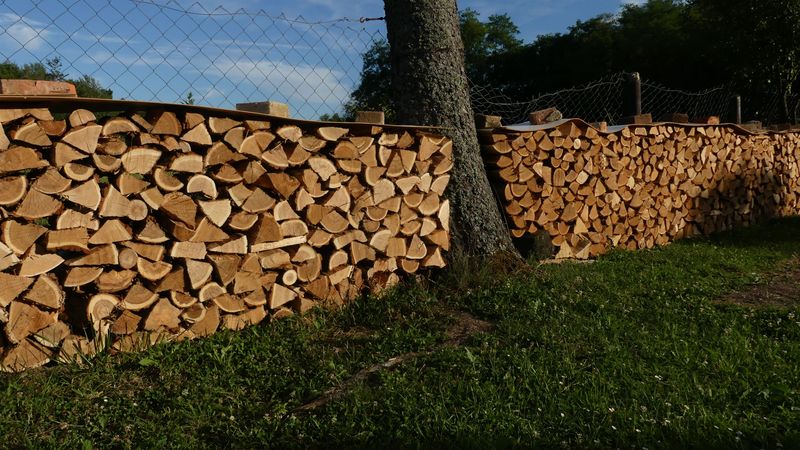
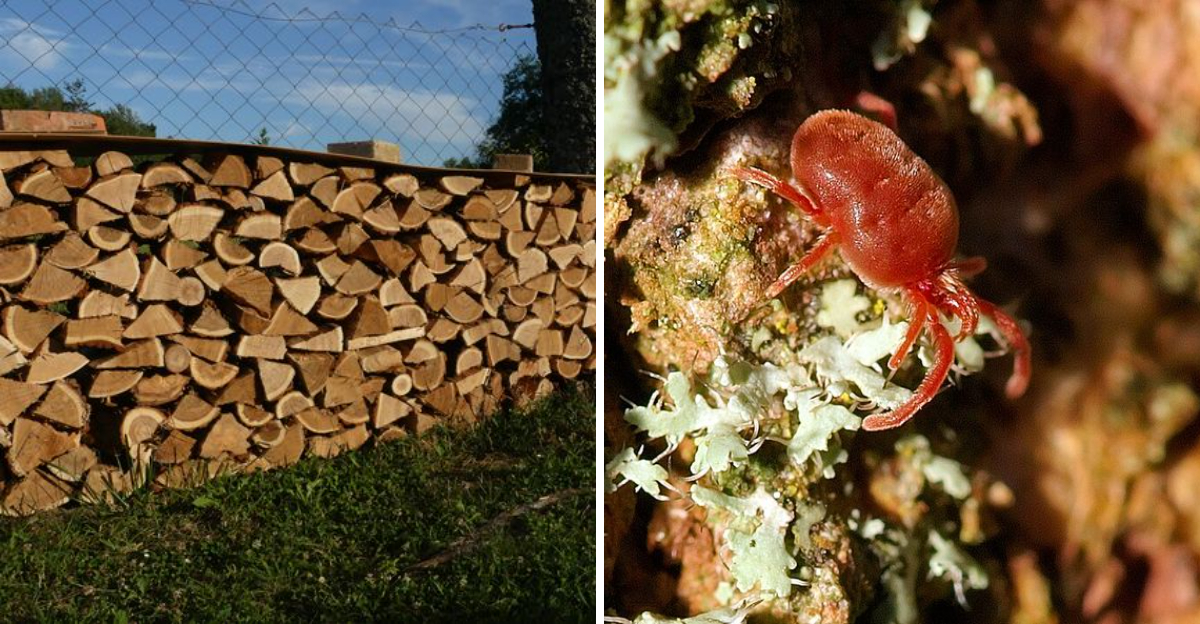
Firewood stacks look innocent enough, but they are secretly a common chigger hideout in many Maryland yards. The gaps between logs hold moisture, shade, and decaying organic matter that chigger larvae absolutely need to survive.
Chiggers do not live inside the wood itself. They congregate in the soil and debris that accumulates at the base of wood piles.
That layer of damp leaves and bark chips sitting beneath your stacked logs is where the real problem lives.
Ticks and chiggers both favor wood pile areas, but for different reasons. Ticks are attracted by the small mammals, like mice and chipmunks, that nest in or near wood piles. Chiggers are attracted purely by the moist, shaded soil conditions the piles create.
Moving your wood pile away from the fence and off the ground helps on both fronts. Elevating logs on a rack allows airflow underneath and prevents the damp soil buildup that chiggers exploit.
Keeping the pile away from your home’s foundation also reduces pest pressure near entry points.
Avoid stacking wood directly against wooden fences where weeds tend to grow unchecked.
That combination of shade, moisture, and vegetation creates a corridor that chiggers travel through toward your lawn. Breaking that corridor disrupts their movement significantly.
A well-stored wood pile is a small change with a big payoff. Protecting your yard from chiggers hiding in Maryland yards starts with managing the spots you might overlook every single day.
Low Spots Where Drainage Stays Damp

Every yard has that one soggy corner that never quite dries out after rain. Those low drainage spots are high-risk chigger areas, and most homeowners have no idea they are walking through one.
Chigger larvae need moisture to survive, and areas with poor drainage provide exactly that.
The soil stays soft and humid, organic matter decomposes slowly, and the microclimate stays cool even when the rest of the yard bakes in summer heat. Chiggers thrive in those conditions.
Ticks also prefer moist environments, so low spots can harbor both pests simultaneously. However, ticks are more adaptable and can survive in drier conditions than chiggers can.
Chiggers are essentially moisture-dependent at the larval stage, making drainage spots especially dangerous.
Improving yard grading or adding drainage channels can reduce these problem areas significantly.
Even filling in low spots with topsoil and reseeding can make a damp corner far less hospitable to chigger populations. The investment pays off in fewer bites and more enjoyable outdoor time.
If you cannot fix drainage right away, avoid walking through wet low spots in shorts or bare feet. Chigger larvae cluster near the water line where moist soil meets drier ground. That boundary zone is where exposure risk is highest during warm months.
Tackling poor drainage is an effective long-term strategy for reducing chigger populations in Maryland yards. Dry soil is not just good for your grass, it is also unfavorable for chigger survival.
Nearly Invisible Unlike Easily Spotted Ticks
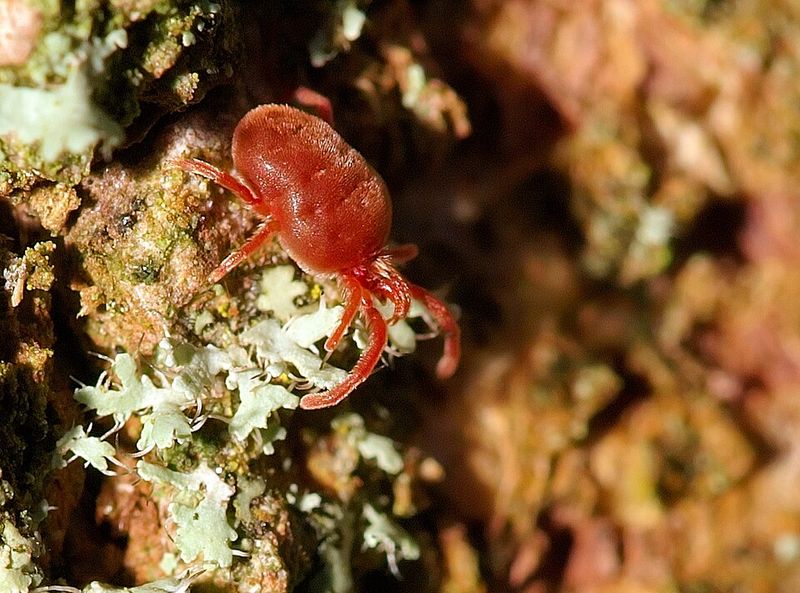
Spot a tick and you know exactly what you are dealing with. Chiggers, on the other hand, are so small they are difficult to notice until the itching starts hours later.
Adult chiggers are barely visible to the naked eye, which means spotting them without magnification is nearly impossible. Larvae are even tinier.
A cluster of dozens of them on your skin might look like nothing more than a faint orange smudge, if you notice anything at all.
Ticks are comparatively enormous. Even a nymphal tick, which is a young tick about the size of a poppy seed, is far more visible than a chigger larva. Most tick bites are discovered by feeling the tick attached to skin during a body check.
Chigger bites are discovered differently. You feel the itch, often hours after exposure, and by then the larva has likely already dropped off.
The intense itching comes from a skin reaction to the chigger’s saliva, not from anything left behind.
This invisible nature makes chiggers harder to prevent through visual inspection alone. You cannot do a chigger check the way you do a tick check after being outdoors.
Protection has to happen before exposure, through clothing choices and repellents applied in advance.
Knowing that chiggers and ticks differ so dramatically in visibility helps you respond correctly to bites.
If you cannot find anything attached to your skin but you are itching intensely, chiggers hiding in Maryland yards are likely the culprit.
Feed On Skin Cells Not Blood
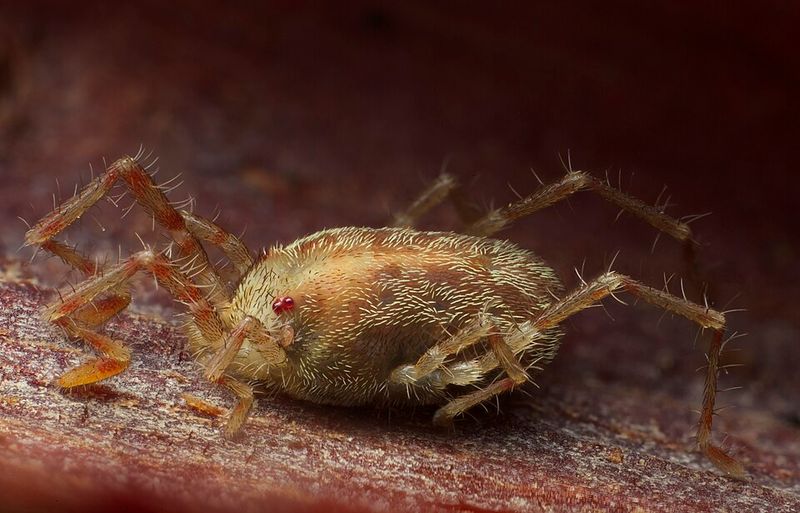
One lesser-known fact: chiggers do not drink blood. That single fact separates them completely from ticks and changes how you understand the bites they leave behind.
Chigger larvae inject a digestive enzyme into skin that breaks down skin cells into a liquid slurry. Then they feed on that dissolved tissue, not blood.
The enzyme triggers an intense inflammatory response that causes the signature red welt and intense itch associated with chigger bites.
Ticks, by contrast, are blood feeders through and through. They pierce skin, anchor themselves with a barbed mouthpart, and feed for days if left undisturbed. The feeding process is slower and more deliberate than what chiggers do.
Because chiggers feed on skin cells, they often detach on their own once disturbed or once you shower. They do not embed themselves or stay attached for days the way ticks do.
Scratching is usually enough to dislodge them, though the itch remains long after they are gone.
The enzyme chiggers inject also creates a hardened feeding tube in the skin called a stylostome.
That tube is what causes the persistent itching that can last a week or more. The chigger may be gone, but the stylostome keeps irritating your skin long afterward.
Understanding that chiggers feed on skin cells rather than blood explains why their bites feel so different from tick bites. The biology is fascinating, even if the experience of dealing with chiggers hiding in Maryland yards is anything but enjoyable.
Cluster At Tight Clothing Lines

Pull down your sock after a walk through tall grass and you might find a red, itchy ring of bites right at the fabric line. That pattern is the clearest clue you are dealing with chiggers, not ticks.
Chigger larvae travel upward on the body until they hit a barrier. Sock tops, waistbands, bra lines, and the backs of knees are all classic clustering zones. The fabric traps them against skin, and they settle in right there to feed.
Ticks do not behave this way at all. Ticks actively seek out warm, dark areas and tend to wander further up the body before attaching.
You might find a tick behind the ear, in the scalp, or in the groin area, far from where clothing sits.
The clustering pattern of chigger bites is often distinct enough to help identify a chigger exposure from the bite location alone. A ring of welts around the ankle or a line of bites at the waistband tells the story clearly.
Wearing loose-fitting clothing helps reduce chigger clustering because loose fabric does not press tightly against skin.
Tucking pants into socks sounds old-fashioned, but it genuinely forces chiggers to travel further before finding exposed skin. Treat your socks and pant cuffs with permethrin for even stronger protection.
Recognizing that chiggers cluster at clothing lines is a practical takeaway about chiggers hiding in Maryland yards. That knowledge helps you dress smarter and identify bites faster every outdoor season.