Moss In Your Pennsylvania Lawn? This Is What Your Soil Needs
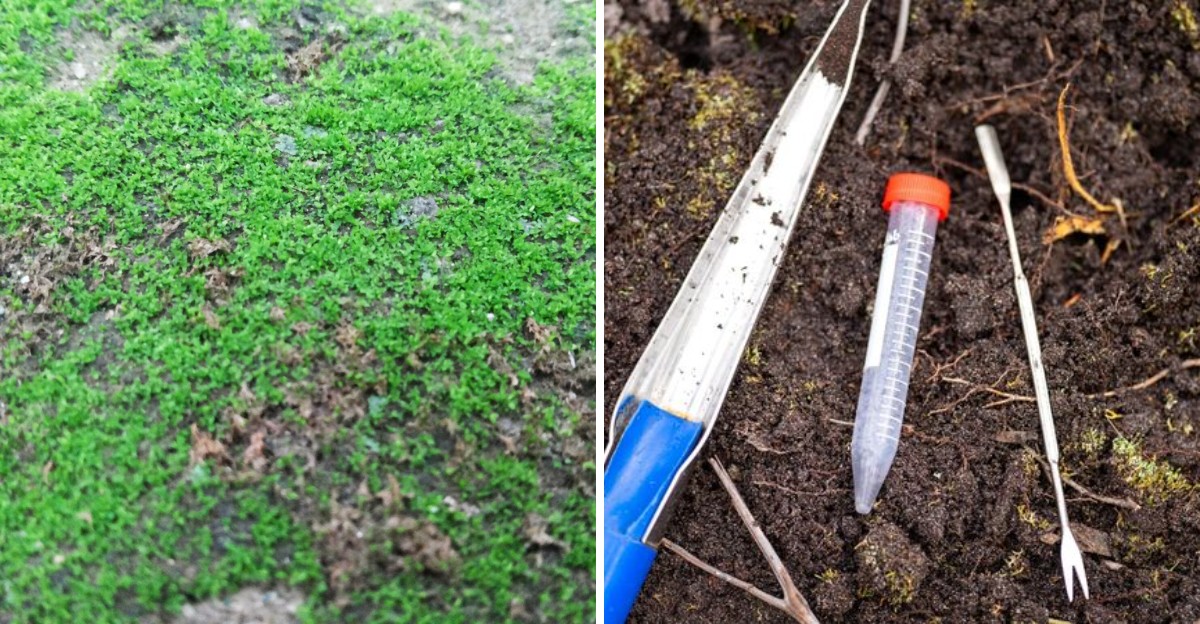
Moss has no true roots at all. It clings to soil with tiny threads called rhizoids and drinks water straight through its leaves.
That odd little fact changed how I see those soft green patches. A plant with no roots can’t steal much from your grass, so something else must be going on underneath.
I used to rake the stuff out every spring and feel proud of myself. Then it crept right back, thicker than before, as if it knew a secret I didn’t. Nobody warned me that the real story was hiding in the dirt.
Here in Pennsylvania, plenty of yards share the same quiet trouble spots. Shady corners, soggy low areas, and tired, hard-packed ground show up again and again. What is your soil actually trying to tell you, and how do you answer it?
1. That Soft Green Moss Is a Clue, Not the Culprit
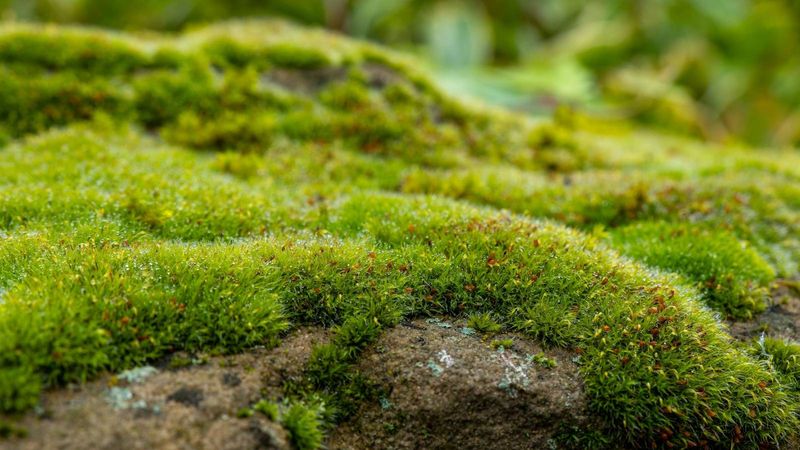
Moss is a bit like the friend who shows up only after the party clears out. It rarely pushes healthy grass aside. Instead, it moves into thin, weak spots where grass has already given up ground.
Penn State Extension describes moss as a sign of poor growing conditions rather than the main problem. That shift in thinking matters a lot. If you rip out the moss and change nothing else, it usually returns within a season or two.
So what makes grass weak enough to lose ground? The usual suspects are low soil pH, poor drainage, packed-down soil, low fertility, and too much shade. Most yards with moss have two or three of these working together.
I find this oddly comforting. Moss is basically a free soil report written in green. Where it grows thickest, you know exactly where to start looking.
Take a slow walk around your yard and note where the moss lives. Is it under a big maple, near a downspout, or along a path people cut across every day? Those patterns point you toward the fix.
The next sections walk through each cause, starting with the one that surprises most people.
2. A Simple Soil Test Reveals What Your Grass Is Missing
For about the price of a pizza, you can learn more about your lawn than years of guessing ever taught me. Penn State Extension sells soil test kits, and many county extension offices and garden centers carry them too.
The test tells you your soil pH and which nutrients are running low. It also gives you exact lime and fertilizer amounts for your square footage. No more tossing random bags of product across the yard and hoping.
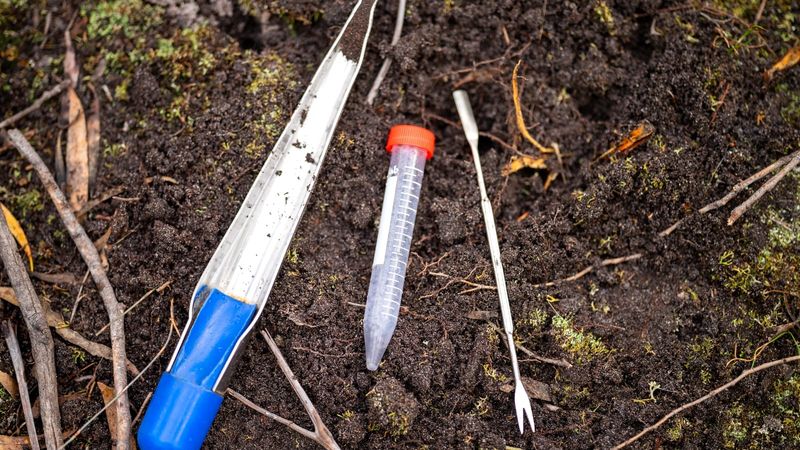
Collecting a sample is easy. Use a trowel or soil probe to take small slices from 10 to 15 spots across the lawn. Dig down about 3 to 4 inches, since that is where grass roots do most of their work.
Mix the samples in a clean plastic bucket. Let the soil air dry, then fill the bag that comes with the kit. Skip spots right next to the driveway or old brush piles, because they can throw off the results.
If moss covers just one area, test it separately from the rest of the lawn. Shady side yards and sunny front lawns can behave like two different worlds.
Results usually arrive within a couple of weeks, and they make every next step smarter.
3. Sour Soil Loves Moss, and Lime Can Sweeten It
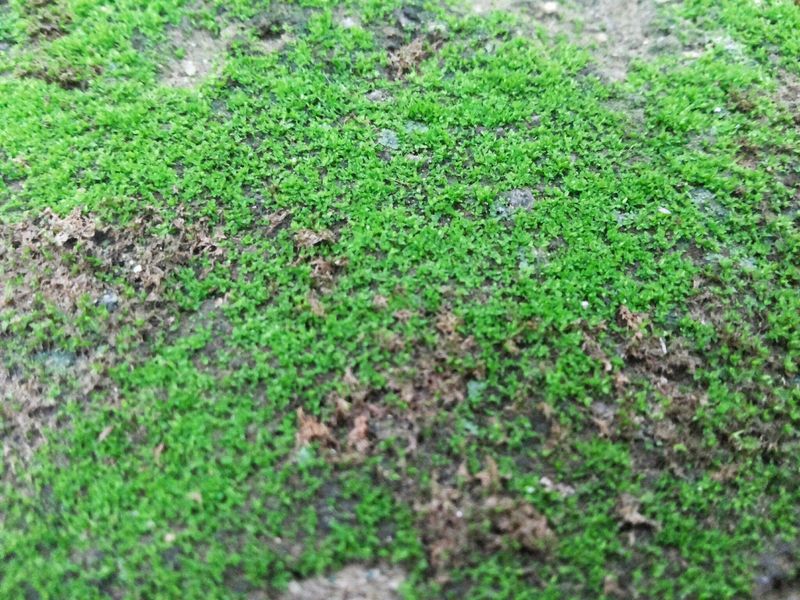
Much of Pennsylvania sits on naturally acidic soil, thanks to plenty of rain and the type of rock underneath. Moss handles sour ground just fine. Your lawn grasses, not so much.
Most cool-season turf, like Kentucky bluegrass, tall fescue, and perennial ryegrass, grows best around a pH of 6.0 to 7.0.
Once soil drops well below that, nutrients like phosphorus, calcium, and magnesium get harder for roots to grab. Grass thins out, and moss happily fills the gaps.
Lime is the classic fix for acidic soil. It slowly raises pH and adds calcium, and dolomitic lime adds magnesium too. Follow your soil test rate rather than guessing, since too much lime creates a new set of problems.
Fall is a great time to spread it. Rain, frost, and thawing help work lime into the ground over winter. Early spring works well too.
Patience is part of the deal here. Lime changes pH gradually, often over several months. Penn State generally suggests spreading large amounts over more than one application, so plan for a steady approach rather than a one-time miracle.
Retest every few years to see how things are shifting.
4. Compacted Clay Leaves Grass Roots Gasping for Air
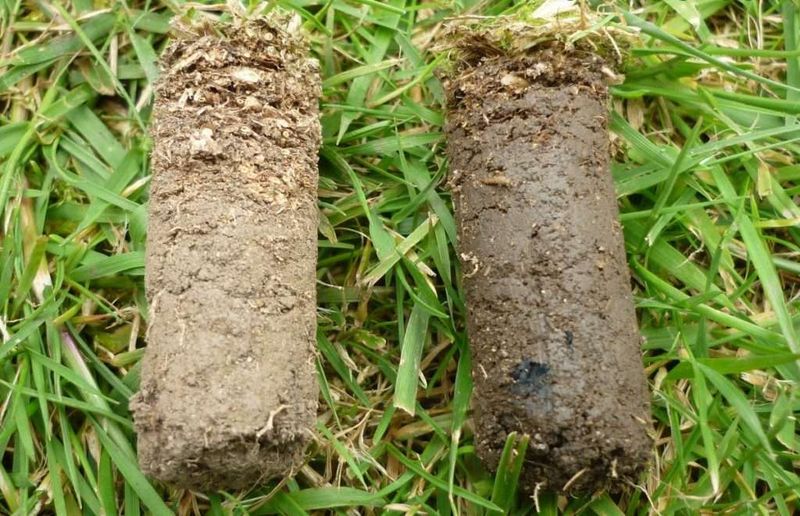
Ever notice moss hugging the path the kids use as a shortcut to the swing set? Footsteps squeeze soil particles together until air and water can barely move through. Grass roots stay shallow and stressed, while moss sits comfortably on top.
Heavy clay, which shows up in many parts of the state, makes this worse. New housing lots often have compacted subsoil from construction equipment, too.
Push a screwdriver into moist soil. If it fights you hard, compaction is likely part of your story.
Core aeration is the go-to remedy. The machine pulls out little plugs of soil and leaves them on the surface to break down. Those holes let air, water, and fertilizer reach the root zone again.
Timing helps grass recover quickly. For cool-season lawns, late summer into early fall is ideal, with spring as a second choice. Make sure the soil is moist but not muddy before you start.
Topdressing with a thin layer of compost after aerating is a lovely bonus. Over time, it improves soil structure and feeds helpful soil life. You can rent an aerator or split the cost with a neighbor on your block.
5. Soggy Low Spots and Leaky Downspouts Feed the Moss
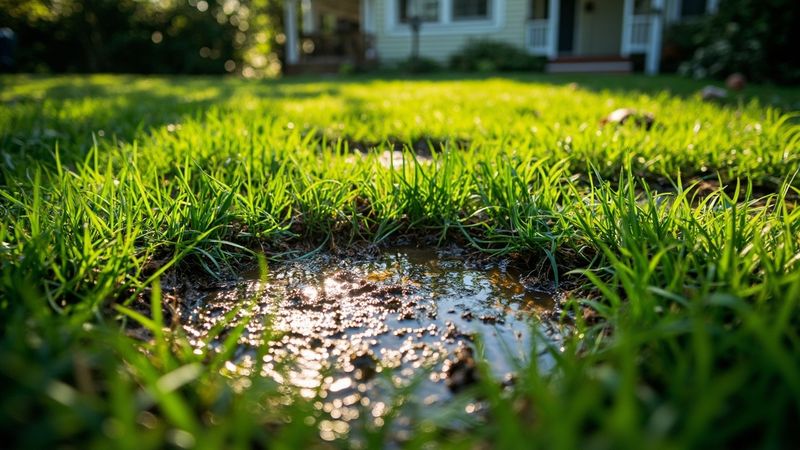
Moss drinks through its leaves, so constant dampness is its dream setup. Grass roots, on the other hand, struggle when they sit in wet soil for days. Low spots and puddle zones often turn mossy first.
Start by watching your yard during and after a good rain. Where does the water run? Where does it sit for hours? Downspouts dumping straight onto the lawn are a common, sneaky cause.
Small fixes go a long way. A downspout extension or splash block can move water several feet away from the grass. Gently grading a shallow dip with topsoil can also stop water from pooling there.
Watering habits matter too. Frequent, light sprinkling keeps the surface moist and moss-friendly. Deeper watering less often encourages grass roots to grow down, and many lawns need about an inch of water a week from rain or irrigation combined.
For truly stubborn wet areas, a rain garden with native plants could be a smart swap. Penn State Extension offers guidance on building one.
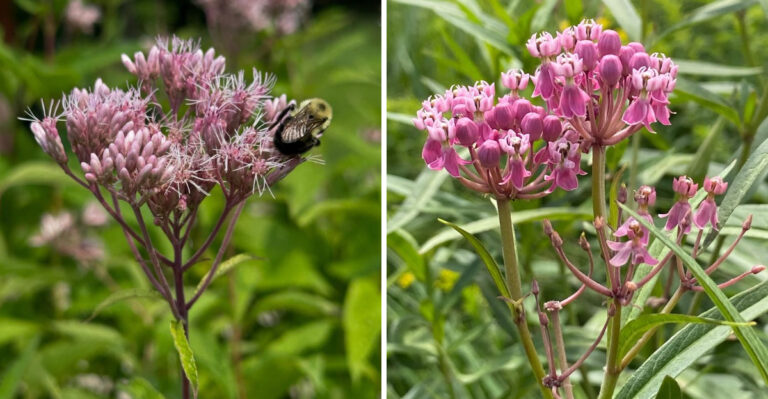
Plants like swamp milkweed and blue flag iris handle wet feet much better than turf ever will, and pollinators will thank you.
6. Hungry Turfgrass Needs a Smart Feeding Plan
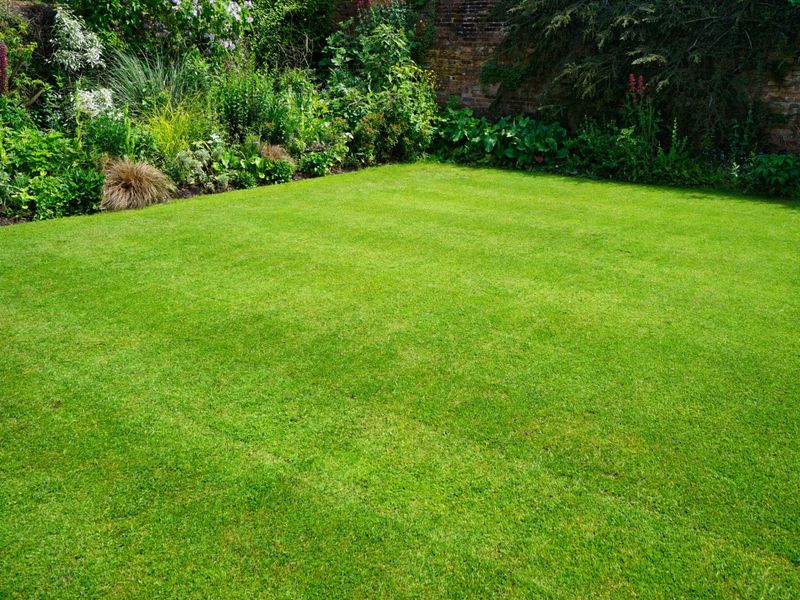
Think of fertilizer as lunch for a sports team. A well-fed lawn grows thick and fast, leaving moss very little room to settle in. A hungry lawn thins out and hands moss an open invitation.
Nitrogen drives most of that leafy growth. Your soil test will also flag whether phosphorus or potassium is low.
Pennsylvania has fertilizer rules limiting phosphorus on established lawns unless a soil test shows a need, so that test pays off again.
For cool-season grasses, fall feeding is the star of the show. Penn State recommends putting most of your nitrogen down from late summer through fall, when roots are busy building strength.
Heavy spring feeding can push weak, soft growth instead. Slow-release products feed steadily and reduce runoff into streams.
Sweep any granules off sidewalks and driveways back onto the grass. That small habit protects local waterways, including the Chesapeake Bay watershed.
Products with iron can darken moss and green up grass quickly. Still, they only treat the symptom.
Without better pH, drainage, and feeding, the moss often bounces back. Pair any moss treatment with real soil fixes for lasting results.
7. Deep Shade Under Big Trees Calls for Different Grass Seed
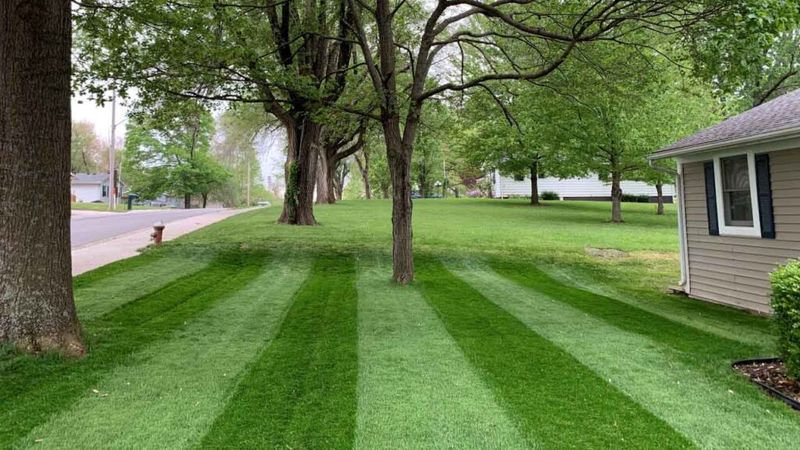
Grass is a sun lover at heart. Most lawn types want at least four to six hours of direct sunlight daily. Under a dense maple or oak, that just doesn’t happen.
Shade also keeps soil cooler and wetter, which moss adores. Tree roots compete with grass for water and nutrients too. It is a tough neighborhood for turf.
Choosing tougher seed makes a real difference. Penn State Extension points to fine fescues, such as creeping red, chewings, and hard fescue, for shady spots with good drainage.
Rough bluegrass can handle shady, moist areas better than most. Letting in more light helps as well.
Raising the lower tree canopy or thinning a few branches can brighten the ground below. For large trees, hire a certified arborist so the work stays safe and healthy for the tree.
Late summer to early fall is the best window for seeding in Pennsylvania. Leaves are still up, but cooler nights and warm soil help seedlings root fast.
Rake fallen leaves off new grass promptly so it doesn’t get smothered. I’ve seen a stubborn shady patch turn soft and green in one season with the right seed.
8. Taller Mowing and a Little Moss Acceptance Go a Long Way
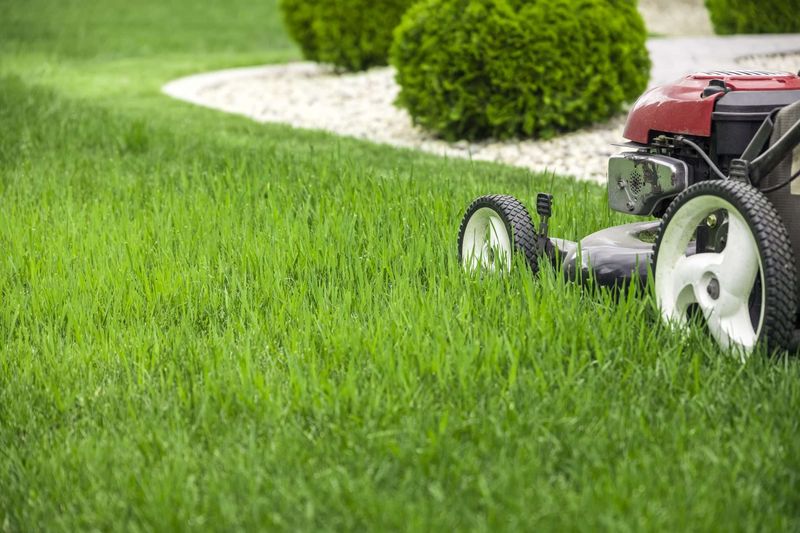
Here’s a habit that costs nothing at all. Raise your mower deck. Cool-season grass mowed at about 3 to 4 inches shades the soil, grows deeper roots, and crowds out weeds and moss far better than a short buzz cut.
Try to remove no more than one-third of the blade each time. Keep blades sharp, too. Ragged cuts stress grass and leave it more open to disease.
Once you’ve fixed pH, drainage, feeding, and seed, you can rake out leftover moss. Spring or early fall works well, followed by overseeding the bare spots. Moss lets go easily when it has lost its favorite conditions.
Now a gentle confession. Some corners will stay shady and damp no matter what you do. In those spots, I’ve stopped fighting and started enjoying the moss.
Moss needs no mowing, no fertilizer, and very little care. It holds soil in place, stays green much of the year, and pairs beautifully with native ferns and woodland flowers. A mossy path under trees can look downright magical.
Your best next step is simple. Order that soil test this week, and let your soil set the plan from there.